2015 Drought Costs Ag Nearly Two Billion!

DROUGHT COSTS CALIFORNIA AGRICULTURE $1.84B AND 10,100 JOBS IN 2015

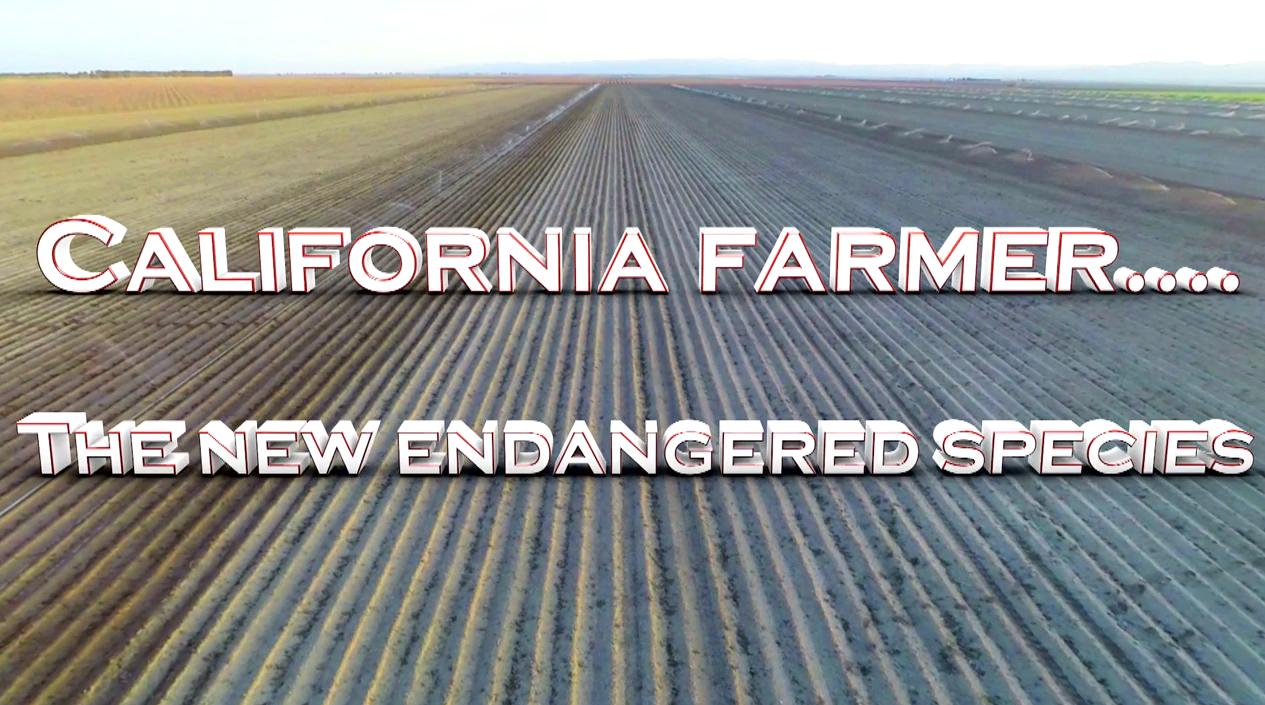
The drought is tightening its grip on California agriculture, squeezing about 30 percent more workers and cropland out of production than in 2014, according to the latest drought impact report by the UC Davis Center for Watershed Sciences.

In 2015, the drought costs to the state’s agricultural economy will reach about $1.84 billion and 10,100 seasonal jobs, the report estimated, with the Central Valley hardest hit.

The analysis also forecasts how the industry will fare if the drought persists through 2017.

‘NOT A FREE LUNCH’

Currently, the industry overall remains robust. The agricultural economy continues to grow in this fourth year of severe drought, thanks mostly to the state’s vast but declining reserves of groundwater, which will offset about 70 percent of the surface water shortage this year, the researchers said.

California is the world’s richest food-producing region. Continued strong global demand and prices for many of its fruits, nuts and vegetables has helped sustain the farm economy along with intrastate water transfers and shifts in growing locations.

“We’re getting by remarkably well this year — much better than many had predicted — but it’s not a free lunch,” said lead author Richard Howitt, a UC Davis professor emeritus of agricultural and resource economics.

The heavy reliance on groundwater comes at ever-increasing energy costs as farmers pump deeper and drill more wells. Some of the heavy pumping is in basins already in severe overdraft — where groundwater use greatly exceeds replenishment of aquifers — inviting further land subsidence, water quality problems and diminishing reserves needed for future droughts.

Further, several small rural communities continue to suffer from high unemployment and drying up of domestic wells because of the drought, particularly in the Tulare Basin.

“If a drought of this intensity persists beyond 2015, California’s agricultural production and employment will continue to erode,” said co-author Josue Medellin-Azuara, a water economist with the UC Davis Center for Watershed Sciences.

MAJOR CONCLUSIONS

The UC Davis team used computer models and the latest estimates of surface water availability from state and federal water projects and local water districts. They forecast several drought-related impacts in the state’s major agricultural regions for the current growing season, including:

  • The direct costs of drought to agriculture will be $1.84 billion for 2015. The total impact to all economic sectors is an estimated $2.74 billion, compared with $2.2 billion in 2014. The state’s farmers and ranchers currently receive more than $46 billion annually in gross revenues, a small fraction of California’s $1.9 trillion-a-year economy.
  • The loss of about 10,100 seasonal jobs directly related to farm production, compared with the researchers’ 2014 drought estimate of 7,500 jobs. When considering the spillover effects of the farm losses on all other economic sectors, the employment impact of the 2015 drought more than doubles to 21,000 lost jobs.
  • Surface water shortages will reach nearly 8.7 million acre-feet, which will be offset mostly by increased groundwater pumping of 6 million acre-feet.
  • Net water shortages of 2.7 million acre-feet will cause roughly 542,000 acres to be idled — 114,000 more acres than the researchers’ 2014 drought estimate. Most idled land is in the Tulare Basin.

The effects of continued drought through 2017 (assuming continued 2014 water supplies) will likely be 6 percent worse than in 2015, with the net water shortage increasing to 2.9 million acre-feet a year. Gradual decline in groundwater pumping capacity and water elevations will add to the incremental costs of a prolonged drought.

GROUNDWATER LAWS COULD HELP

The scientists noted that new state groundwater laws requiring local agencies to attain sustainable yields could eventually reverse the depletion of underground reserves.

“The transition will cause some increased fallowing of cropland or longer crop rotations but will help preserve California’s ability to support more profitable permanent and vegetable crops during drought,” said co-author Jay Lund, director of the UC Davis Center for Watershed Sciences.

The report was primarily funded by the California Department of Food and Agriculture.

Other authors on the report include Daniel Sumner, a UC Davis professor of agricultural and resource economics and director of the UC Agricultural Issues Center, and Duncan MacEwan of the ERA Economics consulting firm in Davis.

2016-05-31T19:28:07-07:00August 18th, 2015|

Big Water Rally at Grizzlies Stadium Aug. 21

Water Rally August 21 to Fill Grizzlies Stadium for #moreDAMstorage

Valley Ag Retailer gives away thousands of complimentary tickets in effort to promote #moreDAMstorage as a long-term solution to California’s water woes.

Gar Tootelian, Inc. (GAR) has invited Central Valley growers and businesses to rally around the backdrop of a Fresno Grizzlies Game on Friday, August 21, 2015 in support of #moreDAM storage.

“California’s Central Valley depends on reliable, clean water to survive and thrive. The rally’s goal is to fill the stands with those who support #moreDAMstorage as a solution to California’s water woes” said Greg Musson, president of Gar Tootelian, Inc. “For too long now, Sacramento has delivered nothing but lip service to valley water needs. It is time for the people of this valley to rise up and be heard.”

The Rally is an opportunity to learn more about the organizations working together on California’s long term water storage solutions. The Rally and fireworks will be highlights of the Fresno Grizzlies game on Friday, August 21, 2015 at Chukchansi Park, Downtown Fresno. Gates open at 6:05 pm. The game start time is 7:05 pm. GAR is giving away thousands of complimentary tickets which are limited and will be available on a first come first serve basis. You may pick up your tickets at the GAR booth located on the corner of Inyo and “H” Street the night of the game beginning at 5:00 pm.

“GAR takes great pride in supporting long term water storage solutions for the health and sustainability of our Valley,” said Musson, “I personally look forward to welcoming you to the Central Valley Water Rally at Fresno Grizzlies Stadium!”

GAR is committed to supporting long term water storage solutions for California’s greater tomorrow. The company provides water, nutrition, regulatory and crop care advice and products to more than 1,500 growers throughout the Central Valley.


2016-05-31T19:28:07-07:00August 14th, 2015|

Senate Water Bill Hopeful

Senate Water Bill Introduction is a Glimmer of Hope for Water Agencies

FRESNO, CA – Last week’s introduction of Senator Dianne Feinstein’s legislation, the California Emergency Drought Relief Act of 2015, is welcome news for the people of the State of California and the Central Valley enduring another devastatingly dry year. Once again, multiple Central Valley water agencies joined together to express their unified voice in support of an expeditious passage of this Senate water bill. This bill comes on the heels of the introduction and passage by the House of Representatives of H.R. 2898, the Western Water and American Food Security Act of 2015.

 “We are encouraged by Senator Feinstein’s actions with the introduction of this legislation. There is no time to lose as the damaging effects of the drought continue to wreak havoc on local communities, businesses, farms and farmworkers in the San Joaquin Valley and other regions of the State. Immediate solutions are needed, and the District looks forward to working with Members of both the House and Senate to find a reasonable solution that will benefit our great State.”

–Don Peracchi, Chairman of the Board, Westlands Water District


“The South Valley Water Association thanks Senator Feinstein for introducing the California Emergency Drought Relief Act of 2015 and encourages the balance of the Senate to make quick work in passing the bill immediately upon return from the August recess. This is a further important step to get legislation that will help those many farms and communities in California who are going without water. We look forward to the members of Congress resolving key differences between the California Emergency Drought Relief Act and H.R. 2898, the Western Water and American Food Security Act of 2015, and finding real water supply solutions. The members of the South Valley Water Association stand ready to assist in any way we can.”

–Dan Vink, Executive Director, South Valley Water Association


“The San Joaquin River Exchange Contractors Water Authority thanks Senator Feinstein for the introduction of the California Emergency Drought Relief Act of 2015. We realize this is another important step to passing a bill out of the Senate later this year that provides a meaningful legislative solution to the long-standing water supply shortages that is crippling the state. We are optimistic that members of Congress and the Senate can resolve the key differences in this bill, and the previously passed House Bill H.R. 2898, the Western Water and American Food Security Act of 2015. The Authority looks forward to working with our legislative leaders to pass legislation that benefits all of California.”

–Steve Chedester, Executive Director, San Joaquin River Exchange Contractors Water Authority


“There is no more important issue facing the Valley than the drought. It is a statewide crisis with the most direct and severe impacts in the Valley. The Kern County Water Agency appreciates Senator Feinstein’s and Senator Boxer’s efforts to help reduce the drought’s terrible impacts by introducing a bill in the Senate that can improve water supplies for farms and cities. We are anxious for the House and Senate to start working on a compromise between Congressman Valadao’s bill and the bill in the Senate, and we encourage the Senate to take swift action on the Feinstein/Boxer bill so that process can begin.”

–Ted R. Page, Board President, Kern County Water Agency


“No area of the State, and perhaps the nation, has suffered more disproportionately the harmful stress of chronic water supply shortages. The San Luis & Delta-Mendota Water Authority is appreciative of the effort of Senators Feinstein and Boxer on the recently introduced California Emergency Drought Relief Act of 2015 bill in the Senate. This bill is not only important to the San Joaquin Valley, but it is also vital for the entire state of California. We encourage the Senate to act swiftly, and encourage both the House and Senate legislators to begin work immediately on a meaningful compromise bill to ensure that long-awaited and much-needed relief is realized.”

–Dan Nelson, Executive Director, San Luis & Delta-Mendota Water Authority


 “Friant Water Authority welcomes the introduction of Senate Bill 1894, the California Emergency Drought Relief Act of 2015, and we thank Senator Feinstein and her staff for all their efforts in bringing this bill forward. The immediate task is to pass Senate legislation so that work can begin to craft a compromise with the House-passed legislation. Our farms and communities have suffered more under these water cutbacks than any other area in the nation. Our people are desperate for solutions that will provide real water for our area. This bill is a critically important step in the process of developing compromise legislation that can be signed into law by the President this year. As the bill advances, Friant looks forward to working with our representatives on both sides of the aisle to achieve drought legislation that will provide real relief for the 2016 water year and beyond.”

–Eric Borba, Chair, Friant Water Authority

2016-05-31T19:28:08-07:00August 6th, 2015|

Westlands on Drought Relief Act

Westlands Water District Statement on the Introduction of the California Emergency Drought Relief Act of 2015

FRESNO, CA – Westlands Water District is encouraged TODAY by the introduction by Senator Dianne Feinstein of the California Emergency Drought Relief Act of 2015. The State is facing unprecedented drought conditions, and the water supply shortages caused by four years of extraordinary dry conditions have been exacerbated by the restrictions imposed on the operations of the federal Central Valley Project and the California State Water Project under federal law.

The introduction of the California Emergency Drought Relief Act of 2015 is an important step in the enactment of legislation to provide much-needed relief for the public water agencies that receive water from these projects and for the people, farms, and businesses they serve. There are great similarities between this bill and H.R. 2898, the Western Water and American Food Security Act of 2015, which passed in the House of Representatives on July 16, 2015. However, there are also great differences.

Westlands looks forward to quick passage of the California Emergency Drought Relief Act of 2015 by the Senate and to subsequent discussions in conference to reconcile the two bills. Through its work with Senator Feinstein and Members of the House of Representatives, Westlands knows that these policymakers are genuinely interested in working together with the District and other interested entities (a) to find a meaningful legislative solution to the chronic water supply shortages that have devastated the San Joaquin Valley and other regions of the State and (b) to provide effective means of protecting at-risk species. The District looks forward to working with them to find common-sense solutions that serve the interests of all Californians.

2016-05-31T19:28:09-07:00July 29th, 2015|

UC Davis to Host Beef Cattle Conference

Reproductive Strategies in Beef Cattle

UC Davis to Host National Conference August 17–18

The latest technologies and techniques in beef cattle reproduction will take center stage at UC Davis in August at the 2015 Applied Reproductive Strategies in Beef Cattle Symposium.

Cattle producers, veterinarians, faculty, UC Cooperative Extension specialists, students, and more are welcome at the national event, which will be held August 17 and 18 at the UC Davis Conference Center.

“Speakers from multiple states will outline approaches to improve the efficiency and success of beef cattle reproduction,” said Alison Van Eenennaam, a UC Cooperative Extension specialist in the UC Davis Department of Animal Science, which is hosting the annual beef cattle conference. It’s the first time the symposium has been held in California.

Participants will explore key topics in beef cattle reproduction, including physiology, genetics, management, marketing, and strategies for coping with drought.

“Dr. Eric Scholljegerdes from New Mexico State University will deliver a particularly timely talk entitled, ‘Drought: Devastating natural event or a wakeup call for better cattle management,’” Van Eenennaam said.

Heifer development will also be addressed, along with the role maternal nutrition plays in fetal development. For a full list of speakers and topics, visit the Beef Reproduction Task Force website.Screenshot 2015-07-23 15.37.57

American Registry of Professional Animal Scientists, as well as Veterinary Medicine continuing education credits are approved for the meeting.

The Registration fee of $250 includes one dinner and two lunches. Students can attend for $100.

For additional information, visit the conference website at or contact Alison Van Eenennaam at alvaneenennaam@ucdavis.edu or 530-752-7942.

2016-05-31T19:28:09-07:00July 23rd, 2015|

URGENT HLB Quarantine UPDATE

HLB Quarantine Update

A Huanglongbing (HLB) quarantine is now in effect in part of Los Angeles County following the detection of HLB in four citrus trees.

On July 10, a kumquat tree on a residential property was confirmed to be infected with the incurable HLB disease. After extensive surveying and testing in the area, three more diseased trees were found nearby. The four diseased trees were on four separate properties close to one another. The tree varieties include kumquat, lime, mandarin and calamondin.

California Department of Food and Agriculture (CDFA) has already removed two of the diseased trees and is currently working with the homeowners at the other two properties to remove those trees as soon as possible. See the CDFA press release below for more details on the resulting quarantine.

QUARANTINE FOR HUANGLONGBING DECLARED IN SAN GABRIEL, LOS ANGELES COUNTY

SaveOurCitrusSACRAMENTO, July 22, 2015 – An 87-square mile quarantine in the San Gabriel area of Los Angeles County has been added to the existing huanglongbing (HLB) quarantine in the Hacienda Heights-area following the detection of the citrus disease huanglongbing, or citrus greening.

Additional information, including a map of the quarantine zone, is available at the CDFA Save Our Citrus website The quarantine boundaries are: on the north, E. Orange Grove Boulevard; on the east, N. Lemon Avenue; on the west, Griffin Avenue; and on the south W. La Habra Boulevard.

This area is part of a much larger quarantine already in place for the Asian citrus psyllid (ACP), the pest that spreads bacteria causing huanglongbing (HLB). The new quarantine will prohibit the movement of all nursery stock out of the area, while maintaining existing provisions allowing the movement of only commercially cleaned and packed citrus fruit. Any fruit that is not commercially cleaned and packed, including residential citrus, must not be removed from the property on which it is grown, although it may be processed and/or consumed on the premises.

“The success of any quarantine depends on cooperation from those affected,” said CDFA Secretary Karen Ross. “The stakes couldn’t be higher for California citrus. We urge residents in the San Gabriel-area to do all they can to comply.”

CDFA, the USDA and the Los Angeles County Agricultural Commissioner’s continue their work to investigate the source of the disease, to survey and test for it throughout the Los Angeles Basin, and to continue with ground treatment of citrus trees within 800 meters of the find sites – which began earlier this week. In the long term, the strategy is to control the spread of ACPs while researchers work to find a cure for the disease.

Huanglongbing has been confirmed four times in San Gabriel, in a kumquat tree on a residential property, in a lime tree on an adjacent residential property, and in calamondin and mandarin trees on residential properties in close proximity to the original find. The disease is bacterial and attacks the vascular system of plants. It does not pose a threat to humans or animals. The Asian citrus psyllid can spread the bacteria as the pest feeds on citrus trees and other related plants. Once a tree is infected, there is no cure; it typically declines and dies within a few years.

Huanglongbing is known to be present in Mexico and in parts of the southern U.S. Florida first detected the disease in 2005, and the University of Florida estimates that the disease causes an average loss of 7,513 jobs per year, and has cost growers $2.994 billion in lost revenue since then. Huanglongbing has also been detected in Georgia, Louisiana, South Carolina and Texas as well as Puerto Rico and the U.S. Virgin Islands.

A total of 15 states or territories are under full or partial quarantine due to the presence of the ACP: Alabama, American Samoa, Arizona, California, Florida, Georgia, Guam, Hawaii, Louisiana, Mississippi, Northern Mariana Islands, Puerto Rico, South Carolina, Texas, and the U.S. Virgin Islands.

The Asian citrus psyllid was first detected in California in 2008 and quarantines for the pest are now in place in 17 California counties. If Californians believe they have seen evidence of huanglongbing in local citrus trees, they are asked to please call CDFA’s toll-free pest hotline at 1-800-491-1899 FREE. For more information on the Asian citrus psyllid and huanglongbing, please visit: http://www.cdfa.ca.gov/phpps/acp/.

2016-05-31T19:28:09-07:00July 23rd, 2015|

Manufacturing Consortium

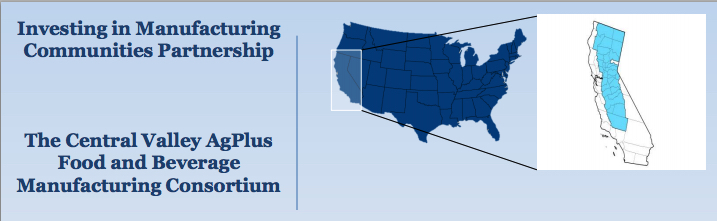
U.S. Secretary of Commerce Penny Pritzker announced late last week that The Central Valley AgPlus Food and Beverage Manufacturing Consortium, led by Fresno State, was one of 12 new communities designated this year under the Obama Administration’s Investing in Manufacturing Communities Partnership (IMCP) initiative. IMCP was designed to accelerate the resurgence of manufacturing in communities nationwide by supporting the development of long-term economic development strategies.

Consortium members represent major Central Valley public and private institutions from the education, business, economic and workforce development and civic sectors joining forces to foster the growth and creation of food and beverage businesses and middle-skills manufacturing jobs in the Central Valley.

“An IMCP designation is an important signal to potential investors that these communities are a good place to spend their money, and this is smart government at work,” Pritzker said. “By breaking down silos and encouraging communities to take a more thoughtful, comprehensive approach to their strategic plans, we are ensuring that precious federal dollars are used on the most high impact projects and in a way that maximizes return on investment.”

The new communities were selected by an interagency panel based on the strength of their economic development plans, the potential for impact in their communities and the depths of their partnerships across the public and private sectors to carry out their plans.

Consortium members worked together to identify a sector of manufacturing where their community has a comparative advantage and drafted a strategic plan that addresses workforce and supply chain challenges; infrastructure; research and innovation; trade and investment; capital access; and operational improvement for manufacturing companies.US EDA Logo

The 12 designated manufacturing communities will receive:

  • coordinated support for their strategies from 11 federal agencies with more than $1 billion available in federal economic development assistance.
  • a dedicated federal liaison who will help them navigate available federal resources.
  • recognition on a government website, accessible to prospective private foreign and domestic investors, looking for information on communities’ competitive attributes.

Mike Dozier, director of Fresno State’s Office of Community and Economic Development, the lead office for the project, said the opportunity and challenge facing the Central Valley is to claim more value from agricultural production through the food processing industry, along with its supply and distribution chains.

“California’s food system is the largest agricultural economy in the U.S. and among the top 10 globally,” Dozier said in the application. “It produced nearly $105 billion in economic output in 2012, and it was responsible for over 198,000 jobs tied directly to manufacturing.”

With 28 counties located in California’s heartland, the Central Valley plays a dominant role in this economy as America’s “Farm to Fork Capital.”

“Production agriculture has been the Central Valley’s mainstay and competitive advantage, fueling growth in the food manufacturing sector as those industries are part of a highly integrated supply chain,” he said.

The AgPlus implementation strategy will build upon the Central Valley’s unique asset base, committed partnerships and networks to:

  • capture more value-added cluster manufacturing and supply chain activity within the region, including to meet new demand and for local specialty products such as through the Farm to Fork efforts;
  • provide the workforce with the needed skills through successful career pathways models;
  • accelerate the development and adoption of innovative technologies so the Central Valley’s food and beverage manufacturing industry is the most efficient, safe, healthy, viable and sustainable national and global center of innovation for next-generation processing and supply chains;
  • facilitate the transformation of the industry to adapt to the short- and long-term impacts of drought and climate change; and
  • strengthen business operations and access to capital.

Consortium members are: 

Higher Education: Fresno State; California State University, Chico; University of California, Davis; Central/Mother Lode Regional Consortium; Fresno State’s Water, Energy and Technology Center; Los Rios Community College District; NextEd; and UC Merced Small Business Development Center.

Government Entity: Tuolumne County Economic Development Authority; City of Avenal; City of Fresno; City of Winters; and Sacramento Area Council of Governments.

Nonprofit: Valley Vision; Center for Land-Based Learning; Fresno Community Development Financial Institution; Northern California World Trade Center; Sacramento Employment and Training Agency; Sacramento Metropolitan Chamber of Commerce; and Solano Economic Development Corporation.

Private Sector: AgTech Innovation Fund; CalAsian Pacific Chamber of Commerce; Davis Chamber of Commerce; JBT FoodTech; and PackageOne, Inc.

For more information, contact Mike Dozier at 559.278.0727 or mdozier@csufresno.edu.


2016-05-31T19:28:10-07:00July 16th, 2015|

Viticulturist Mark Greenspan Confirmed as ASEV President

Announced TODAY, Mark Greenspan, president of Advanced Viticulture Inc., has been confirmed to serve as the American Society for Enology and Viticulture (ASEV) 2015-2016 president. Greenspan succeeds Lise Asimont of Francis Ford Coppola Presents to lead ASEV’s 12-member board.

mark greenspan

Mark Greenspan, president of American Society for Enology and Viticulture

“Throughout my career, ASEV has been the go-to source for reliable, thoughtful research and science that has been critical to my success and that of my vineyard clients. It’s a real honor to serve as the Society’s new president and to hopefully carry on the impressive work of Lise and the other dedicated ASEV past presidents,” said the new ASEV president. 

Greenspan, a Sonoma County resident, provides premiere vineyard consultation in water management, nutrient management, precision viticulture and vineyard design, establishment and management. He has operated Advanced Viticulture for over 10 years. Previously, he was the viticulture research manager at E&J Gallo, responsible for viticulture experiments in the north coast vineyards and collaborative projects throughout the state of California. He is a monthly contributor to Wine Business Monthly and periodic contributor to other trade publications. He presents at local, national and international events, and is a certified crop advisor (CCA) and certified professional agronomist (CPAg). Mark has served on review panels for the American Vineyard Foundation and Viticulture Consortium – West and Viticulture Consortium – East. He is a member of Sonoma and Napa Viticulture Technical Groups, Sonoma County Farm Bureau and Napa Valley Grape Growers Association. He’s a former director of the UC Davis Trellis Alliance and sponsor of the Sonoma County Winegrape Commission.

As an active 25-year ASEV member, Mark has held several ASEV positions and served as a reviewer for the American Journal of Enology and Viticulture (AJEV). He has served on the best paper review committee, annual meeting technical abstract review committee, annual meeting program committee, and as sessions chair. He received the ASEV Best Viticulture Student Paper Award in 1991. 

ASEV has also confirmed two new directors: Patty Skinkis, associate professor at the Department of Horticulture at Oregon State University, and Hans Walter-Peterson, viticulture extension specialist at Cornell Cooperative Extension. In addition, the Society has announced its 2015-2016 executive team members: Nichola Hall of Scott Laboratories, confirmed as first vice president; James Harbertson of Washington State University, elected as second vice president; and Tom Collins of Washington State University will serve as secretary-treasurer. Additional Board members continuing current terms are: AJEV Science Editor Linda Bisson and Technical Program Director M. Andrew Walker, both of the University of California, Davis; and Directors Lise Asimont of Francis Ford Coppola Presents, Kristen Barnshisel of J. Lohr Vineyards & Wines, and Kay Bogart and Anita Oberholster, both from the University of California, Davis.

Formed in 1950 as a professional society dedicated to the interests of enologists, viticulturists and others in the fields of wine and grape research and production, the ASEV’s membership of more than 2,000 includes professionals from wineries, vineyards, and academic institutions and organizations around the world.  In addition to publishing the AJEV, the Society also hosts its National Conference (slated for Monterey in June of 2016) and co-presents the Unified Wine & Grape Symposium in January with the California Association for Winegrape Growers. For more information, visit www.asev.org.

2016-05-31T19:28:10-07:00July 16th, 2015|

BREAKING NEWS ON HUANGLONGBING CITRUS DISEASE

HUANGLONGBING CITRUS DISEASE DETECTED IN SAN GABRIEL AREA OF LOS ANGELES COUNTY
CDFA
Release #15-031

Sacramento, July 10, 2015 – The California Department of Food and Agriculture (CDFA) and the United States Department of Agriculture (USDA) have confirmed detection of huanglongbing (HLB) citrus disease, or citrus greening. The disease was detected in plant material taken from a kumquat tree in a residential neighborhood in the San Gabriel area of Los Angeles County.

This is the second time HLB has been detected in California. The first detection occurred in 2012 in a residential citrus tree in Hacienda Heights, about 15 miles from San Gabriel.

HLB is a bacterial disease that attacks the vascular system of plants. It does not pose a threat to humans or animals. The Asian citrus psyllid (ACP) can spread the bacteria as the pest feeds on citrus trees and other plants. Once a tree is infected, there is no cure; it typically declines and dies within a few years.Residential Citrus Trees

“Citrus is a cherished part of our landscape and our shared history, as well as a major agricultural crop,” said CDFA Secretary Karen Ross. “CDFA is moving quickly to protect the state’s citrus. We have been planning and preparing for HLB detections with our growers and our colleagues at the federal and local levels since before the ACP was first detected here in 2008.”

A CDFA crew has removed and disposed of the infected tree and is preparing to conduct treatment of citrus trees for ACP infestation within 800 meters of the find site. By taking these steps, a critical reservoir of disease and its vectors will be removed, which is essential.

An intensive survey  of local citrus trees and psyllids is underway to determine if HLB exists anywhere else in the area. Planning has begun for a quarantine of the area to limit the spread of the disease by restricting the movement of citrus trees, citrus plant parts, green waste, and all citrus fruit except what is commercially cleaned and packed. As part of the

SAVE OUR CITRUS app is a free USDA iPhone to report and identify the four leading citrus diseases: citrus greening, citrus canker, citrus black spot and sweet orange scab. Report your symptoms, upload a photo and  citrus experts will respond.

SAVE OUR CITRUS app is a free USDA iPhone to report and identify the four leading citrus diseases: citrus greening, citrus canker, citrus black spot and sweet orange scab. Report your symptoms, upload a photo and citrus experts will respond.

quarantine, citrus and closely related plants at nurseries in the area will be placed on hold.

Residents of quarantine areas are urged not to remove or share citrus fruit, trees, clippings/grafts or related plant material. Citrus fruit may be harvested and consumed on-site.

CDFA, in partnership with the USDA, local agricultural commissioners and the citrus industry, continues to pursue a strategy of controlling the spread of ACPs while researchers work to find a cure for the disease.

HLB is known to be present in Mexico and in parts of the southern U.S. Florida first detected the pest in 1998, and the disease in 2005, and the two have now been detected in all 30 citrus-producing counties in that state. The University of Florida estimates that the disease causes an average loss of 7,513 jobs per year, and has cost growers $2.994 billion in lost revenue since HLB was first detected in that state in 2006.

HLB has also been detected in Georgia, Louisiana, South Carolina and Texas, as well as Puerto Rico and the U.S. Virgin Islands. A total of 15 states or territories are under full or partial quarantine due to the detected presence of the Asian citrus psyllid: Alabama, American Samoa, Arizona, California, Florida, Georgia, Guam, Hawaii, Louisiana, Mississippi, Northern Mariana Islands, Puerto Rico, South Carolina, Texas, and the U.S. Virgin Islands.

The ACP was first detected in California in 2008, and quarantines are now in place in 17 California counties. If Californians have questions about the ACP or HLB, they may call CDFA’s toll-free pest hotline at 1-800-491-1899 or visit:  http://www.cdfa.ca.gov/phpps/acp/.

2016-05-31T19:28:11-07:00July 10th, 2015|

LA Declares Citrus Matters TODAY

LA Citizens And Commercial Citrus Growers Highlight Deadly Citrus Disease And Why Citrus Matters

LOS ANGELES (July 2, 2015) – California’s citrus industry is threatened by the Asian citrus psyllid (ACP), a tiny pest that can transmit the world’s deadliest citrus disease, Huanglongbing (HLB). Currently, all of Los Angeles County is under quarantine[1] for the psyllid, which continues to spread across the state. Along with Bayer CropScience and California Citrus Mutual, City Councilmember Gil Cedillo announced TODAY, July 2 that, “Citrus Matters” to Los Angeles. During the event, commercial citrus growers from the region were recognized for their contributions to the state of California and acknowledged the devastating disease that could destroy the state’s citrus industry. The announcement also serves to highlight the role Los Angeles residents must play in protecting California’s $2.4 billion commercial citrus industry through the #CitrusMatters initiative.Citrus Matters to Los Angeles

Citrus Matters Logo

To date, the psyllid has reached 15 counties throughout Southern California[2]; however, HLB has been recorded in only one tree in California[3] – a lemon/pummelo tree found on residential property in the Hacienda Heights neighborhood of Los Angeles in 2012. For every Californian who cares about citrus, that tree, which has since been removed and destroyed, serves as a warning that all citrus trees are at risk of being affected, from the trees that decorate their neighborhood to the commercial groves nearby.

The #CitrusMatters initiative from Bayer CropScience and California Citrus Mutual encourages all residents of California and Los Angeles – where there are more citrus trees on residential property than in commercial groves – to take action to help prevent the spread of the ACP. It is essential that homeowners with citrus trees on their property understand how to protect their trees and know what to do if they suspect trees are infected. If left untreated, the insects can move quickly from one tree to the next, eventually spreading to the commercial groves that cover much of Southern and Central California.There are a number of ways the Los Angeles community can get involved with the campaign to help prevent the spread of ACP and protect California citrus, including:

  1. Spreading the word and increasing awareness about the disease, the ACP and why they love citrus, using the hashtag #CitrusMatters. Through each use of the hashtag (now through September 30), Bayer CropScience will contribute $1, up to $25,000, to advance existing and future research to find a solution to HLB in California.
  2. Visiting CaliforniaCitrusThreat.org to access HLB and ACP resources specific to Los Angeles County.
  3. Monitoring their trees, contacting the California Department of Food and Agriculture (CDFA) Exotic Pest Hotline at 1-800-491-1899 if they think they’ve spotted an infestation and having their trees checked.
  4. Becoming familiar with solutions[4] available that can protect against ACP in their trees

CA Citrus Mutual

The citrus industry has a storied history in Los Angeles. Southern California’s first orange grove[5] was planted at San Gabriel Mission in 1804, and the state’s very first commercial citrus operation[6] was established in what is now downtown Los Angeles.

“Almost all of us native Los Angelenos have some kind of memory of grabbing a lemon off of the trees in our yards growing up or stepping outside during the spring and taking in the fresh scent of orange blossoms,” said Cedillo when he presented the announcement. “The city of Los Angeles recognizes the contribution citrus adds to California’s economy and our residents’ lives.”

“The Los Angeles area has played a vital role in the industry’s history,” said Joel Nelsen, president of California Citrus Mutual. “We’re excited to see residents celebrate citrus and rally around our mission to protect it from the spread of HLB.”bayer-cropscience-logo

The #CitrusMatters initiative is part of the ongoing effort by Bayer CropScience to provide citrus growers across the nation with solutions to help combat ACP and HLB. To learn more about the #CitrusMatters initiative and how homeowners, commercial citrus growers and citrus lovers alike can help save citrus, visit CitrusMatters.us.

For more information on Bayer CropScience’s citrus portfolio, please visit: https://www.bayercropscience.us/crops/citrus!

###

[1]http://www.aphis.usda.gov/plant_health/plant_pest_info/citrus_greening/downloads/pdf_files/nationalquarantinemap.pdf

[2] http://www.californiacitrusthreat.org/pdf/ACP-Quar%20Expansion_2-17-2015_CA-AZ.pdf

[3] http://californiacitrusthreat.org/news/huanglongbing-citrus-greening-disease-found-in-california.php[4] http://www.bayeradvanced.com/find-a-product/insects-pests/fruit-citrus-vegetable-insect-control

[5] http://ucanr.edu/blogs/blogcore/postdetail.cfm?postnum=924

[6] http://californiacountry.org/features/article.aspx?arID=695

###

Bayer CropScience Twitter Page: http://twitter.com/bayer4cropsus
Bayer CropScience Blog: 
https://www.bayercropscience.us/news 

Bayer CropScience is committed to bringing new technology and solutions for agriculture and non-agricultural uses. For questions concerning the availability and use of products, contact a local Bayer CropScience representative, or visit Bayer CropScience online at www.bayercropscience.us.

Visit the Bayer Connect – Social Hub for all Bayer CropScience social media, recent news, blog posts, videos and more.

###

About Bayer CropScience

Bayer is a global enterprise with core competencies in the fields of health care, agriculture and high-tech materials. Bayer CropScience, the subgroup of Bayer AG responsible for the agricultural business, has annual sales of EUR 9,494 million (2014) and is one of the world’s leading innovative crop science companies in the areas of seeds, crop protection and non-agricultural pest control. The company offers an outstanding range of products including high value seeds, innovative crop protection solutions based on chemical and biological modes of action as well as an extensive service backup for modern, sustainable agriculture. In the area of non-agricultural applications, Bayer CropScience has a broad portfolio of products and services to control pests from home and garden to forestry applications. The company has a global workforce of 23,100 and is represented in more than 120 countries. This and further news is available at: www.press.bayercropscience.com.

About California Citrus Mutual

California Citrus Mutual (CCM) is a citrus producer’s trade association whose 2,200 grower members comprise 60 percent of California’s 275,000 acre, $2.4 billion citrus industry. The Exeter, California-based organization was founded in 1977 by those who felt the need to unite their fellow growers into a cohesive, powerful force. Throughout the years, CCM has brought to fruition many of the goals of the founding fathers and has developed into a dominant force from within as well as outside the industry.  Having attained the privilege to be called the “voice of the citrus grower,” CCM remains the vessel which successfully navigates the often rocky waters of the business interest of its membership. For more information on CCM, visit www.cacitrusmutual.com.

2016-05-31T19:28:12-07:00July 2nd, 2015|
Go to Top