Fresno County Agricultural Value Declines in 2015

Fresno County Agricultural Value Declines in 2015

Drought, Lower Commodity Prices and Production Issues Drive Report Down

The Fresno County Department of Agriculture’s 2015 Crop and Livestock Report was presented to the Fresno County Board of Supervisors TODAY.  Overall, agricultural production in Fresno County totaled $6.61 billion, showing a 6.55 percent decrease from 2014’s $7.04 billion.

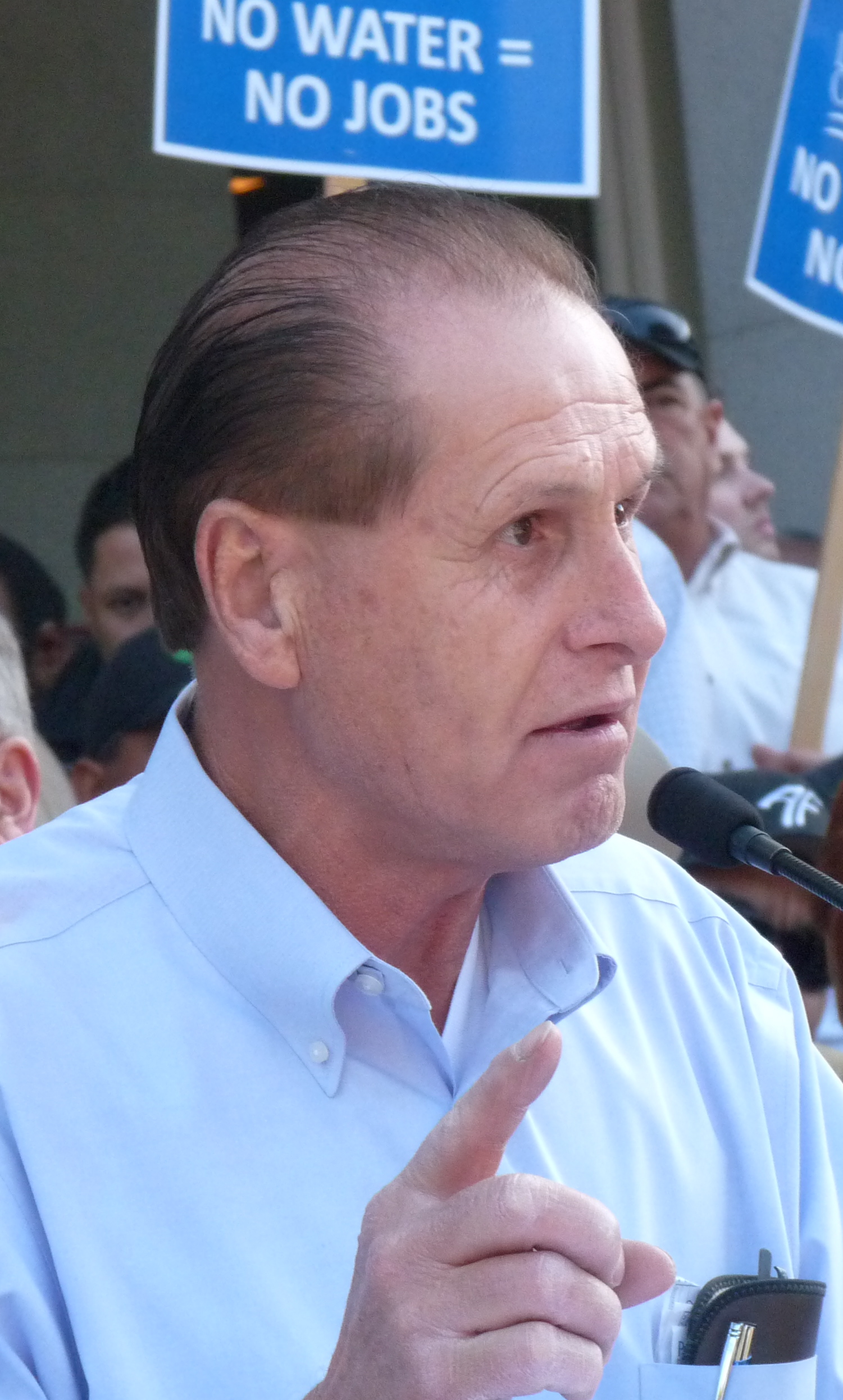
“The strength of Fresno County’s agricultural industry is based upon the diversity of crops produced.  This year’s report covers nearly 400 commodities, of which, 62 exceed $1 million in value,” said Fresno County Agricultural Commissioner/Sealer of Weights and Measures Les Wright“The lack of a reliable water supply continues to fallow productive land,” Wright continued.

Les Wright Fresno County Ag Commissioner

Les Wright, Fresno County Ag Commissioner

The annual crop report provides a chance to examine changes and trends in crop acreage and yields.  Amounts in the report reflect the gross income values only (income before expenses) and does not reflect net return to producers.

According to the released figures, an increase was seen in vegetable crops (4.95% = $59,025,000). Decreases occurred in field crops (41.99% = $134,995,000), seed crops (30.80% = $10,437,000), fruit and nut crops (6.6% = $229,551,000), nursery products (25.65% = $16,088,000), livestock and poultry (9.44% = $118,769,000), livestock and poultry products (31.38% = $199,769,000), apiary (2.39% = $1,735,000) and industrial crops (54.38% = $3,992,000). 

“Every day, millions throughout the world are eating food that originated in Fresno County,” said FCFB CEO Ryan Jacobsen. “The magnitude of this industry does not occur by happenstance. Generation upon generation of agricultural infrastructure has been built to feed an unbelievably productive, wholesome and affordable food supply.

Ryan Jacobsen

Ryan Jacobsen, CEO Fresno County Farm Bureau

“I continue to remind all—eaters; elected officials; local residents who benefit from a healthy, vibrant farm economy; and those whose jobs depend upon agriculture—that we must not take what we have for granted,” continued Jacobsen.  “By not addressing our challenges head-on, whether it be water supply reductions, labor issues, governmental red-tape, etc., we are allowing our economy, our food and our people to wilt away. The direction of the Valley’s agricultural industry explicitly determines the direction of the Valley as a whole.”

One popular component of the report is review of the county’s “Top 10 Crops,” which offers a quick glimpse of the diversity of products grown here. In 2015, these crops accounted for three-fourths of the report’s value.  Added to this year’s list were mandarins (9) and oranges (10).  Mandarin demand continues to push acreage upwards.  Dropping out of the Top 10 was pistachios and cotton.  Pistachio production was significantly reduced last year due to the “blanking” issue that left many shells without nuts, and cotton acreage continues to be depressed due to reduced water supplies and fallowed land.

For a copy of the full crop report, contact FCFB at 559-237-0263 or info@fcfb.org. 
Fresno County Crops 2015
Fresno County Farm Bureau is the county’s largest agricultural advocacy and educational organization, representing members on water, labor, air quality, land use, and major agricultural related issues. Fresno County produces more than 400 commercial crops annually, totaling $6.61 billion in gross production value in 2015.  For Fresno County agricultural information, visit www.fcfb.org.
2021-05-12T11:05:49-07:00August 9th, 2016|

BREAKING NEWS: ACP QUARANTINES IN MERCED AND MONTEREY COUNTIES

ASIAN CITRUS PSYLLID (ACP) QUARANTINES IN MERCED AND MONTEREY COUNTIES

Quarantines are now in place in both Merced and Monterey Counties due to recent Asian citrus psyllid (ACP) detections.  One ACP was detected near the City of Merced in Merced County and two ACP in one trap within the City of Salinas in Monterey County.

The quarantine zone in Merced County measures 123 square miles, bordered on the north by Kenney Avenue; on the south by W Dickenson Ferry Road; on the west by Shaffer Road; and on the east by

SaveOurCitrus

SAVE OUR CITRUS app is a free USDA iPhone to report and identify the four leading citrus diseases: citrus greening, citrus canker, citrus black spot and sweet orange scab. Report your symptoms, upload a photo and citrus experts will respond. ACP

E Yosemite Avenue. Monterey County’s quarantine measures 111 square miles and is bordered on the north by Pesante Road; on the south by the Salinas River; on the west by Castroville Road; and on the east by Gabilan Creek. The quarantine maps for both Merced and Monterey Counties are available online at: www.cdfa.ca.gov/go/acp-maps. Please check this link for future quarantine expansions in these counties, should they occur. Quarantines in new counties will be announced separately.

The quarantine prohibits the movement of citrus and curry leaf tree nursery stock, including all plant parts except fruit, out of the quarantine area and requires that all citrus fruit be cleaned of leaves and stems prior to moving out of the quarantine area.  An exception may be made for nursery stock and budwood grown in USDA-approved structures which are designed to keep ACP and other insects out.  Residents with backyard citrus trees in the quarantine area are asked not to transport or send citrus fruit or leaves, potted citrus trees, or curry leaves from the quarantine area.

ACP county-wide quarantines are now in place in Imperial, Los Angeles, Orange, Riverside, San Bernardino, San Diego, Santa Barbara, Tulare and Ventura Counties, with portions of Alameda, Fresno, Kern, Kings, Madera, Merced, Monterey, San Benito, San Francisco, San Joaquin, San Luis Obispo, San Mateo, Santa Clara, and Stanislaus counties also under quarantine.

The ACP is an invasive species of grave concern because it can carry the disease huanglongbing (HLB), also known as citrus greening.  All citrus and closely related species, such as curry leaf trees, are susceptible hosts for both the insect and disease.  There is no cure for HLB and once a tree becomes infected, the diseased tree will decline in health and produce bitter, misshaped fruit until it dies.  In California, HLB has only been detected on residential properties in Los Angeles County.  This plant disease does not affect human health.
Residents in the area who think they may have seen ACP or symptoms of HLB on their trees are urged to call CDFA’s Pest Hotline at 1-800-491-1899 or your local agricultural commissioner’s office (Merced County (209) 385-7431; Monterey County (831) 759-7325).  For more information on the ACP and HLB, please visit: www.cdfa.ca.gov/go/acp.

2021-05-12T11:05:52-07:00July 14th, 2016|

BREAKING NEWS: California Water Authorities Sue U.S. Bureau of Reclamation

The following is a joint statement by Jason Peltier, executive director of the San Luis & Delta-Mendota Water Authority and Tom Birmingham, general manager of the Westlands Water District on today’s filing of a lawsuit to compel the U.S. Department of the Interior, Bureau of Reclamation to reassess its Endangered Species Act (ESA)-related actions.

U.S. Bureau of Reclamation Fails to Consider the Environmental Impacts of Biological Opinions Which Have Been Devastating Communities

FRESNO, CA-TODAY the San Luis & Delta-Mendota Water Authority (SLDMWA) and Westlands Water District (WWD) filed a lawsuit in federal court to compel the U.S. Bureau of Reclamation (“Reclamation”) to examine the effectiveness of the existing measures intended to protect endangered species, the environmental impacts of those measures, and whether there are alternatives to those measures that would better protect both endangered fish species and California’s vital water supplies.

San Luis & Delta-Mendota Water Authority The existing measures, adopted in 2008 and 2009, are based on biological opinions issued under the Endangered Species Act.  The measures are responsible for the largest redistribution of Central Valley Project and State Water Project (water supplies away from urban and agricultural uses and have jeopardized the water supply for waterfowl and wildlife refuges.  Since 2008 and 2009, the farms, families, cities and wildlife that depend upon Central Valley Project and State Water Project water supplies have suffered substantial environmental and socio-economic harm from the reduced water deliveries caused by the existing measures, with little apparent benefit for fish.

Reclamation adopted the existing measures without any review under the National Environmental Policy Act (NEPA).  Federal courts, including the United States Court of Appeals for the Ninth Circuit, held this action violated NEPA, and Reclamation was ordered to perform environmental review.  The Ninth Circuit Court of Appeals wrote:

It is beyond dispute that Reclamation’s implementation of the Biological Opinions (BiOp) has important effects on human interaction with the natural environment.  We know that millions of people and vast areas of some of America’s most productive farmland will be impacted by Reclamation’s actions.  Those impacts were not the focus of the BiOp….  We recognize that the preparation of an Environmental Impact Assessment (EIS) will not alter Reclamation’s obligations under the ESA.  But the EIS may well inform Reclamation of the overall costs – including the human costs – of furthering the ESA.

The court-ordered review provided Reclamation a rare opportunity to reexamine the necessity for and the benefits of the existing measures, as well as the resulting impacts on the environment and water supplies, potential alternative measures, and new information and studies developed since 2008 and 2009.  It provided Reclamation an opportunity to make a new and better-informed choice.

Unfortunately, Reclamation neglected to take advantage of that opportunity. In November 2015 Reclamation completed an EIS that did not examine whether the measures are necessary or effective for protecting endangered fish populations.  Instead of analyzing the existing measures, Reclamation accepted them as the status quo.U.S. Bureau of Reclamation

The EIS did not identify any mitigation for the water supply lost to these measures, despite current modeling that estimated how the existing measures would reduce the annual water delivery capabilities of the Central Valley Project and State Water Project. Loss was estimated to be over 1 million acre-feet on a long-term average and in spite of years of harm caused by implementing the measures.

Nor did the EIS try to identify alternatives that could lessen these impacts.  Reclamation attempted to minimize the impacts of lost surface water supply by unreasonably assuming the lost supply would be made up from increased pumping of already stressed groundwater supplies.  In its Record of Decision issued January 11, 2016 Reclamation announced that it would continue on with the existing measures, and provide no mitigation.

It is inexplicable that Reclamation would pass up the opportunity to reassess the existing measures and make a much more careful and robust analysis than what is found in the EIS.  NEPA requires no less.

The lawsuit filed today seeks to compel Reclamation to do the right thing and perform the analysis it should have.  If successful, the lawsuit may ultimately result in measures that actually help fish, and identify mitigation activities or alternatives that lessen or avoid water supply impacts that millions of Californians in the Central Valley Project and the State Water Project depend on.

Many of those affected reside in disadvantaged communities and are already struggling to pay for a water supply made scarce by layers of other, yet equally ill-advised bureaucratic regulations.  California’s water supply is too precious for Reclamation not to make the best informed decision it can.

2021-05-12T11:00:52-07:00July 8th, 2016|

Supreme Court Ruling on Immigration

Manuel Cunha Jr. Fires Off Letter RE:  Supreme Court Ruling on Immigration 

The following is a letter that Manuel Cunha, president of the Nisei Farmers League sent out about the Supreme Court ruling on immigration TODAY:

“As the president of the Nisei Farmers League, board member of the National Immigration Forum in Washington, D.C., chair of the Insure America Project, and as a farmer myself, I am deeply disappointed in the Supreme Court ruling that was announced TODAY. Their ruling provided no guidance nor direction to this Congress and ignored the safety of those affected by the ruling.

The 4-4 deadlock leaves in place an appeals court ruling blocking President Obama’s immigration plan. His plan would have allowed parents of citizens or of lawful permanent residents to apply for a program that would spare them from deportation and provide them with work permits.

Dignity, integrity and justice is what this country believes in and has made this country great. This country was built and strengthened by immigrants. Many of us today realize it was our parents and ancestors from other countries that brought us here. However, there are those that have forgotten, many of which are currently members of Congress.

This decision does not move us closer to immigration reform, but allows Congress to repeatedly refuse to support bipartisan legislation to update immigration laws. Congress continues to not deal with Immigration, but rather deal with their own party politics.

Millions of families will remain in limbo, and our system remains broken. The attention now turns to Senate and House Republicans to provide leadership on this issue. What is their solution to our broken immigration system? This escalates many of the problems that currently exist. Drug and human trafficking will continue, U.S. Immigration and Customs Enforcement (ICE) raids will not go away. Millions of immigrants living in the shadows is not the answer. Deportation of the people that clothe and feed us is shameful and not the answer.DACA Dreamers logo_2016

We must remember that the “Deferred Action for Childhood Arrivals,” DACA (Dreamers), is untouched. We need to focus on providing alternatives to the children who were brought here and have grown up here as Americans and identify themselves as Americans. The DACA program is still in play and we need to encourage those that are eligible to apply.”

2016-06-24T19:48:29-07:00June 23rd, 2016|

CCA Exam Signup Open

California Certified Crop Advisor Exam Signup Open

Certified Crop Advisers (CCAs) in California and Arizona have the opportunity to register for the August 5, 2016 CCA Exam until June 24, 2016.  The exam will be given in Sacramento, Tulare, Ventura and Yuma.  Registration for the exam is available at: https://www.certifiedcropadviser.org/exams/registration.CAPCA ED

More than 1,000 active CCAs in California and Arizona are playing an important role assisting growers with the efficient and environmentally sound use of fertilizer and crop management.  Many California CCAs recently completed the University of California/California Department of Food and Agriculture Nutrient Management Training Course which qualified them to complete grower nitrogen management plans that are or will be required by the various California Regional Water Quality Boards.

“Crop consultants are encouraged to become CCA s to show that they have the commitment, education, expertise, and experience to make a difference in a client’s business,” said California CCA Chairman, Fred Strauss, Crop Production Services.  “The CCA certification is largest, most recognized agriculturally-oriented program in North America.  The CCA Exam Preparation Course, scheduled in Sacramento on June 24,  will help candidates prepare for the test. Registration for the exam prep course is available at https://capcaed.com/june-24,-2016-ca-cca-exam-preparatory-workshop. 

For more information on the California CCA program, go to: www.cacca.org, or contact Steve Beckley at (916)539-4107 or steve.beckley48@gmail.com for more information. The California CCA Program is also on Facebook.

2016-06-15T18:03:18-07:00May 18th, 2016|

LGBTQ+ Agriculture Summit

Cultivating Change: Building A Network of LGBTQ+ Agriculturists

June 8th – 11th, 2016 Kicks off the 2nd Annual Cultivating Change Summit In Sacramento

The Cultivating Change Foundation is hosting their 2nd annual Cultivating Change Summit designed to explore and empower the intersection of the agriculture industry and the LGBTQ+ communityLesbian, Gay, Bi, Transgender and Questioning  (and allies)a group of people rarely represented in either of the communities of which they are a part, the agriculture community or the LGBTQ+ community, for the most unique professional development conference ever. 

CDFA LOGOParticipants can go to http://www.cultivatingchangefoundation.org and register to join this important conversation. The Summit is the first of its kind providing a safe space for LGBTQ+ agriculturalists and people who love and respect them to come together and connect through a shared experience. With over 200 participants from industry leaders to innovators uniting June 8th-11th, in Sacramentothe epicenter and capital of the number one agriculture producing state in the nation, with a common goal of amplifying and elevating this global conversation. This Summit will allow LGBTQ+ agriculturists of theUSDA past, present, and future to see that they are not alone and recognize the Ag industry needs all of us for a sustainable future.

“It is important that the community come together to share information and best practices, not only to ensure we all reach our full potential, but also to support one another as so many LGBTQ people across the country contribute daily to our rural and agriculture communities.” – Ashlee Davis, LGBT Rural Summit Series, U.S. Department of Agriculture.

Over the three days, the Cultivating Change Summit will have 40 speakers, workshop presenters, and keynotes delivering content focused on four different areas: agricultural education, production agriculture, government and policy in agriculture, and urban agriculture. Some of the Summit’s distinguished guests include the California State Secretary of Agriculture, Karen Ross, and the President of California Farm Bureau, Paul Wenger. Representatives from the United States Department of Agriculture, Sacramento government officials, and individuals from global agricultural companies will be present.

CFBF logoThe main summit events will take place at the Crest Theatre in Downtown Sacramento, 1013 K Street. The final day of the summit will include tours of Northern California’s Agriculture landscape and local agricultural operations.

“I’ve waited more than 20 years for someone to start the conversation. I believe in Cultivating Change! Let’s do this!” – Rob Larew, Staff Director, US House Committee on Agriculture.

About The Cultivating Change Foundation

Founded in 2015, the Cultivating Change Foundation, a 501(c)(3) nonprofit, focuses on valuing and elevating minorities in agrarian communities through innovation, education, and advocacy.

Tickets are available for the Cultivating Change Summit and can be purchased through the website for $225. Special group ticket packages, sponsorship opportunities, and a detailed schedule are also available online. Visit www.cultivatingchangefoundation.org for more information.

2016-05-31T19:24:03-07:00May 16th, 2016|

California Groups Join National Effort to Reject TPP

California Farm and Rural Groups Join 160+ Organizations to Ask Congress to Reject TPP, Stand Up for Independent Farmers and Ranchers

The Trans-Pacific Partnership (TPP) has become a divisive issue in the nation’s capital, and criticism intensified after 161 food, farm, faith and rural organizations, including 9 from California, sent a letter to Capitol Hill yesterday, April 27, 2016–urging lawmakers to reject the trade pact.

“The main beneficiaries of the TPP are the companies that buy, process and ship raw agricultural commodities, not the farmers who face real risks from rising import competition. TPP imports will compete against U.S. farmers who are facing declining farm prices that are projected to stay low for years,” the organizations wrote. California groups including Belcampo, California Dairy Campaign, California Farmers Union, Community Alliance with Family Farmers, Ecological Farming Association, Food & Water Watch, Rooted in Community, Rooted in Community Youth Food Justice Leadership Network and Roots of Change signed the letter.TPP madeInAmerica

The White House has promoted the TPP as an export-boon for farmers to generate support for the agreement, but past trade agreements have not always delivered on export promises, the letter noted. For example, the United States’ total combined exports of corn, soybeans and wheat have remained steady at about 100 million metric tons for the last 30 years despite a raft of free trade agreements since the mid-1990s.

“Trade deals do not just add new export markets – the flow of trade goes both ways – and the U.S. has committed to allowing significantly greater market access to imports under the TPP,” the groups explained. Especially “alarming” to the organizations is the agreement’s complete lack of enforceable provisions against currency manipulation, a substantial cause of America’s debilitating $531 billion trade imbalance.

California Dairy Campaign President Joe Augusto stated, “The Trans-Pacific Partnership will mean that imports from New Zealand and other countries will greatly increase, especially imports of concentrated dairy products. As more and more dairies in California go out of business, passage of the TPP will lead to a further decline in milk production across our state.”

The TPP poses particular risks for dairy farmers and cattle producers. The TPP dairy export opportunities were more modest than promised, but the TPP will likely increase imports of milk and whey protein concentrates from global dairy powerhouse New Zealand during a period of declining farmgate milk prices in the U.S. The United States imported nearly 2.3 billion pounds of beef from TPP partners but only exported about 1.2 billion pounds in 2015. The TPP will also increase beef and cattle imports while domestic cattle prices are plummeting.

California Farmers Union President Joaquin Contente stated, “Farmers in California are some of the most highly regulated in the world, and under the Trans-Pacific Partnership, they will have to compete against a flood of imports that do not meet the same high standards that farmers here are required to follow. Any potential export gains can be erased at any point when our competitors devalue their currency because currency manipulation is not addressed in the TPP. The TPP also does not crack down on the value-added taxes (VAT) that our competitors can impose which make our exports uncompetitive in other markets.”

The TPP also covers important agricultural policy areas such as investment, procurement, labeling, food safety, animal health and crop disease. The stringent rules and dispute system under the TPP make it easier to successfully challenge and overturn domestic laws, as happened last year to country of origin meat labels.

“The TPP will bring a wave of fruit and vegetable imports that will inundate farmers, consumers and inspectors,” said Food & Water Watch California Director Adam Scow. “The TPP benefits the biggest agribusiness and food companies at the expense of California communities that are trying to strengthen and rebuild local, sustainable food systems.”

The letter and complete list of signers can be read here.
http://www.foodandwaterwatch.org/sites/default/files/farm-food_tpp_coalition_letter_4-27-16.pdf

California Farmers Union contact: Lynne McBride, 925-385-0217, lmcb44@comcast.net
California Dairy Campaign contact: Lynne McBride, 925-385-0217, lmcb44@comcast.net
Food & Water Watch contact: Adam Scow, ascow@fwwatch.org
_______________________________
See the California TPP website for the government’s perspective.
2021-05-12T11:17:13-07:00April 28th, 2016|

Water Priorities Initiative Aims for 2018 Ballot

New Deadline for Water Priorities Ballot Measure

The California Water Alliance (CalWA) announced TODAY it has shifted its focus to qualifying the The Water Priorities Constitutional Amendment and Bond Act Ballot Initiative for the 2018 ballot instead of this fall’s general election, as originally planned.

With massive public support, CalWA has in a very short time succeeded in collecting more than half of the 585,407 signatures required to qualify the measure but fell short of today’s deadline to place the issue before voters this November, said CalWA’s executive director, Aubrey Bettencourt, who underscored that all signatures collected to date count toward the July 25, 2016 deadline for 2018 as well.

“While we certainly would have preferred to get this critical issue in front of voters this year, we have every confidence that we will be able to collect the remaining signatures by this summer’s deadline for 2018,” she said. “One of the benefits of setting a very ambitious timeline is that we have already surpassed the halfway signature mark and established a solid campaign operation, strong momentum and growing public awareness about the failed promise of the high-speed rail project and how to best fix California’s broken water system.”

Aubrey Bettencourt, executive director of the California Water Alliance

Aubrey Bettencourt, executive director of the California Water Alliance

Additionally, Bettencourt said the signature gathering process for the water priorities initiative will become more productive and affordable now that the April 26 deadline has passed.

“The new deadline is turning out to be a blessing in disguise because the unusually large number of ballots in circulation had driven up costs to a ridiculous level,” she said. “The 2018 ballot will likely be less cluttered and provide Californians more time to focus and appreciate the benefits of the proposal.”

Recent polls show Californians strongly support terminating the Governor’s priority high-speed rail project and using its funds to provide people with more water.

“Our donors and volunteers are excited that we have a clearer path and more time to solve a problem that frankly has been 50 years in the making,” said Bettencourt. “This also provides our community leaders with enough time for Sites and Temperance to go through their approval process under Proposition 1.”

Information about the measure is available online at CaWater4All.com.

__________________________________________________

About the California Water Alliance The California Water Alliance is a statewide nonprofit organization dedicated to raising awareness about the nature of water and promoting long-term, sustainable solutions that meet the health and security needs of families, cities, businesses, farmers and the environment. To learn more, visit www.CaliforniaWaterAlliance.org.

__________________________________________________

About the California Water Alliance Initiative Fund Committee The California Water Alliance Initiative Fund Committee (FPPC ID#1381113), sponsored by the California Water Alliance, a non-profit IRC §501(c)(4) organization, is a state primarily formed ballot measure recipient committee organized to qualify two or more state ballot measures for the November 2016 ballot. It is permitted to accept unlimited, non-tax-deductible donations from individuals, corporations, partnerships, nonprofit organizations, and any other lawfully permissible sources. For more information and restrictions, please visit http://cawater4all.com/

__________________________________________________

Included at bottom of press release: Paid for by California Water Alliance Initiative Fund, with major funding by California Westside Farmers State PAC and Chris J. Rufer, Sacramento, CA

2016-05-31T19:24:05-07:00April 28th, 2016|

36th Annual UnitedAg Meeting & Conference Discusses Future of Agriculture 

36th Annual UnitedAg Meeting & Conference Discusses Future of Agriculture 


UnitedAg, California’s member-owned agricultural trade association, recently concluded its 36th Annual Meeting and Conference, held March 15-17 in Anaheim, California.

POLA6651 (1)

Pictured left to right, Karri Hammerstrom, Karen Caplan, Kirti Mutatkar, Ellen Way, Judy Lundberg, Abby Taylor-Silva and Fiona Ma. (Photo source: UnitedAg)

The three-day event, themed “Breaking Through,” featured speakers included, California State Assemblymember Fiona Ma, Tax Lobbyist Jon Coupal, Inspirational Speaker Lt. Col Kevin Sweeney, Agricultural Speaker/Comedian Jerry Carroll and Chapman University President Dr. James Doti who discussed issues and opportunities facing the California’s agriculture industry.

The conference also included a 5K Walkathon and member golf tournament benefitting UnitedAg’s scholarship foundation, as well as a member awards banquet.

“We believe the UnitedAg 36th Annual Meeting and Conference started a conversation for the future of the agriculture business here in California,” said Kirti Mutatkar, UnitedAg’s CEO and President.

Founded in 1980, UnitedAg is a member-owned agricultural trade association dedicated to providing innovative solutions for California’s strong and healthy agricultural industry.

UnitedAg works in close partnership with its 500 agriculture-affiliated member organizations to meet their employee benefits needs, promote their interests with lawmakers, and help them comply with legislation and regulation so members can focus on what they do best – run successful businesses and organizations.

_____________________________

For more information about UnitedAg and its activities, please visit www.unitedag.org.

2016-05-31T19:24:08-07:00March 29th, 2016|

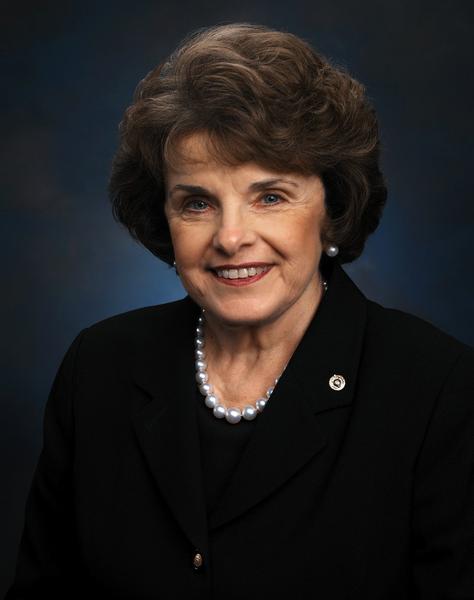
Feinstein Urges President to Increase Delta Pumping

Feinstein Calls on President to Direct Federal Agencies to Increase Delta Pumping


Washington—Senator Dianne Feinstein (D-Calif.) TODAY called on President Obama to direct federal agencies “to maximize pumping in the Sacramento-San Joaquin Delta to the maximum extent allowed under the Endangered Species Act and biological opinions.”

Feinstein wrote in her letter to the president: “I believe that this year’s El Niño has highlighted a fundamental problem with our water system: A dogmatic adherence to a rigid set of operating criteria that continues to handcuff our ability to rebuild our reserves. We need a more nimble system. That’s why I included $150 million the past two years in the Energy and Water budget—so that decisions would be based on real-time data, rather than relying on intuition.”

Full text of the letter follows:

March 24, 2016

The Honorable Barack Obama
The White House
1600 Pennsylvania Avenue, N.W.
Washington, D.C. 20500

Dear Mr. President:

I ask you to direct the Bureau of Reclamation, Fish and Wildlife Service, and National Marine Fisheries Service to maximize pumping in the Sacramento-San Joaquin Delta to the maximum extent allowed under the Endangered Species Act and biological opinions. Water flows in the Sacramento River are the highest they have been in four years. Just last week, flows in the Sacramento were as high as 76,000 cubic feet per second. We’ve only seen flows that high twice in the past ten years, and not once during this drought. Yet the Bureau of Reclamation and Fish and Wildlife Service are now considering reducing pumping due to concerns about larval smelt.

Despite these high flows, rather than pumping as much water as possible without undue harm to the smelt, pumping levels remained constant for the past month (see Chart B). Coupled with the fact that only three individual smelt were caught at the pumps this year, and that the most recent trawls revealed no Delta smelt in the south Delta, it seems to me that the agencies operate the system in a manner that may be contrary to the available data, culled from what is already a limited monitoring regime. I understand that the biological opinions impose a ceiling of -5,000 cubic feet per second, but the agencies have the discretion to exercise at least some flexibility to pump above that level.

To put this all in context, between January 1 and March 6 last year, 1.5 million acre-feet of water flowed through the Delta and 745,000 acre-feet were pumped out. During the same period this year, 5.5 million acre-feet of water flowed through the Delta, but only 852,000 acre-feet were pumped out (see Chart A). If we can’t increase pumping during an El Niño year, then when else can we?

The agencies have also put California and the communities that depend on this water in a Catch-22: Pumping is reduced when there are concerns about the presence of smelt caught as far away as 17 miles from the pumps. Yet agencies will also reduce pumping due to the absence of smelt, based on the idea that historically low smelt populations make detection difficult.

I believe that this year’s El Niño has highlighted a fundamental problem with our water system: A dogmatic adherence to a rigid set of operating criteria that continues to handcuff our ability to rebuild our reserves. We need a more nimble system. That’s why I included $150 million the past two years in the Energy and Water budget—so that decisions would be based on real-time data, rather than relying on intuition.

There are real-world consequences to the decisions being made in the Delta. 69 communities in the Southern San Joaquin Valley reported significant water supply and quality issues. And land is caving, bridges collapsing, as a result of overdrawn ground wells and subsidence. That’s why we need to make sure we’re using every possible tool to make the right choices. Basing pumping decisions on better science and real-time monitoring is the least we can do.

Sincerely,

Dianne Feinstein
United States Senator

###
2016-05-31T19:24:09-07:00March 24th, 2016|
Go to Top