Winegrape Quality In SJV
Nat DiBuduo: Valley Winegrape Growers Must Produce Quality
By Laurie Greene, Editor
Nat DiBuduo, president of Fresno-based Allied Grape Growers believes there are good opportunities for Central San Joaquin Valley winegrape growers. “I think the San Joaquin Valley [winegrape growing industry] will survive because growers are working at producing winegrapes at a higher quality and at a higher price,” said DiBuduo.
“Overall, I think the industry is doing well,” stated DiBuduo, “and we just have to work with our San Joaquin Valley growers to produce a better quality grape. It’s like a chicken and an egg; they’ve got to be able to get paid for that better quality. And of course, growers need a solid contract with a good price to make it worthwhile,” he noted.
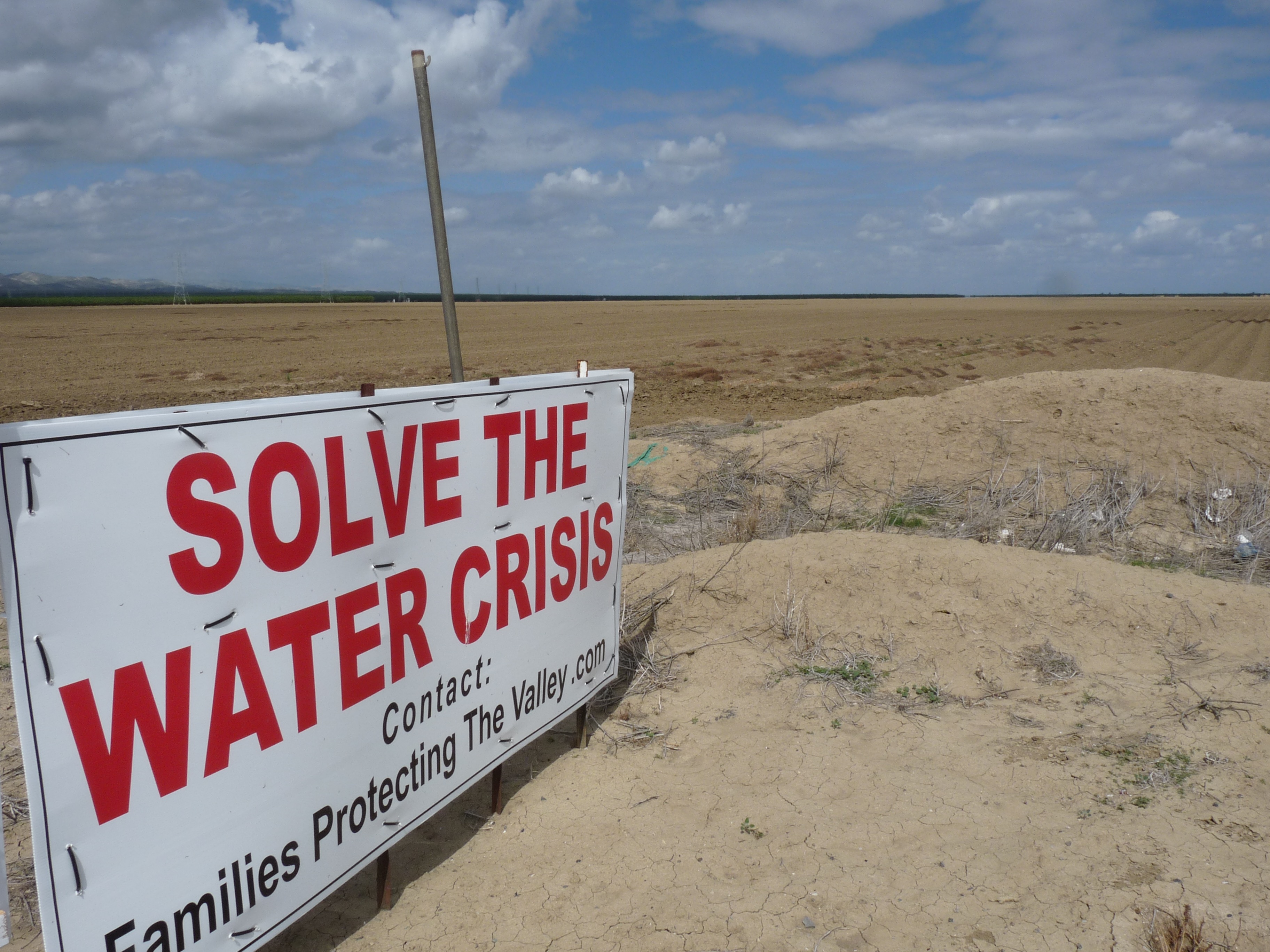
DiBuduo noted that the Bureau of Reclamation’s initial announcement at the beginning of this month that federal water users will receive merely a five percent water allocation, fortunately, does not affect many of his grower-members. “Most Allied growers are not Westside growers; but they will be severely affected by the groundwater regulations soon to be in place.”
DiBuduo explained the Sustainable Groundwater Management Act is predicted to create major issues for production agriculture. “Oh yes, we’ve got guys who have sold their property because they didn’t have enough groundwater,” he said.






 Cavanaugh: Well, it’s laughable—only 5 percent for San Luis, with all the water in the system from the El Niño year! You’re still not answering the question. None of this makes sense to anyone who is a critical thinker. Can you please explain, other than preventing salt-water intrusion and protecting species, why so much more water—over the top—was sent out?

 Les Wright


 California Ag Today: Wasn’t it 40 years ago when the dams were denied or no longer supported by the population?
 nce against them continued to be ignored, Duarte said, “We went to the Pacific Legal Foundation, where they filed a due process suit against the Army Corps of Engineers on behalf of a farmer’s right to farm their ground. The Army Corps of Engineers now claims that our 4-7 inch tillage through ground that has been tilled 18-24 inches in the past destroyed wetlands.”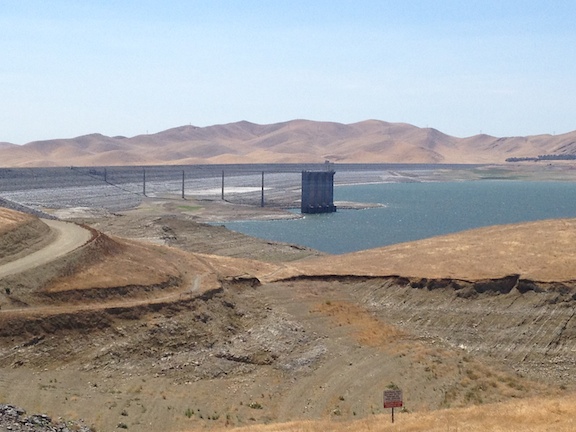



 “Farmers and ranchers are innovative and always trying to do the best they can to protect their land and water; but we all can do better. I think our producers respond to change in very good ways. Look, we have gone through technological advances; we are more technically precise in using fertilizers and water,” Carleton said.