Caifornia drought transforms global food

Source: Jeannette E. Warnert; ANR News Blog

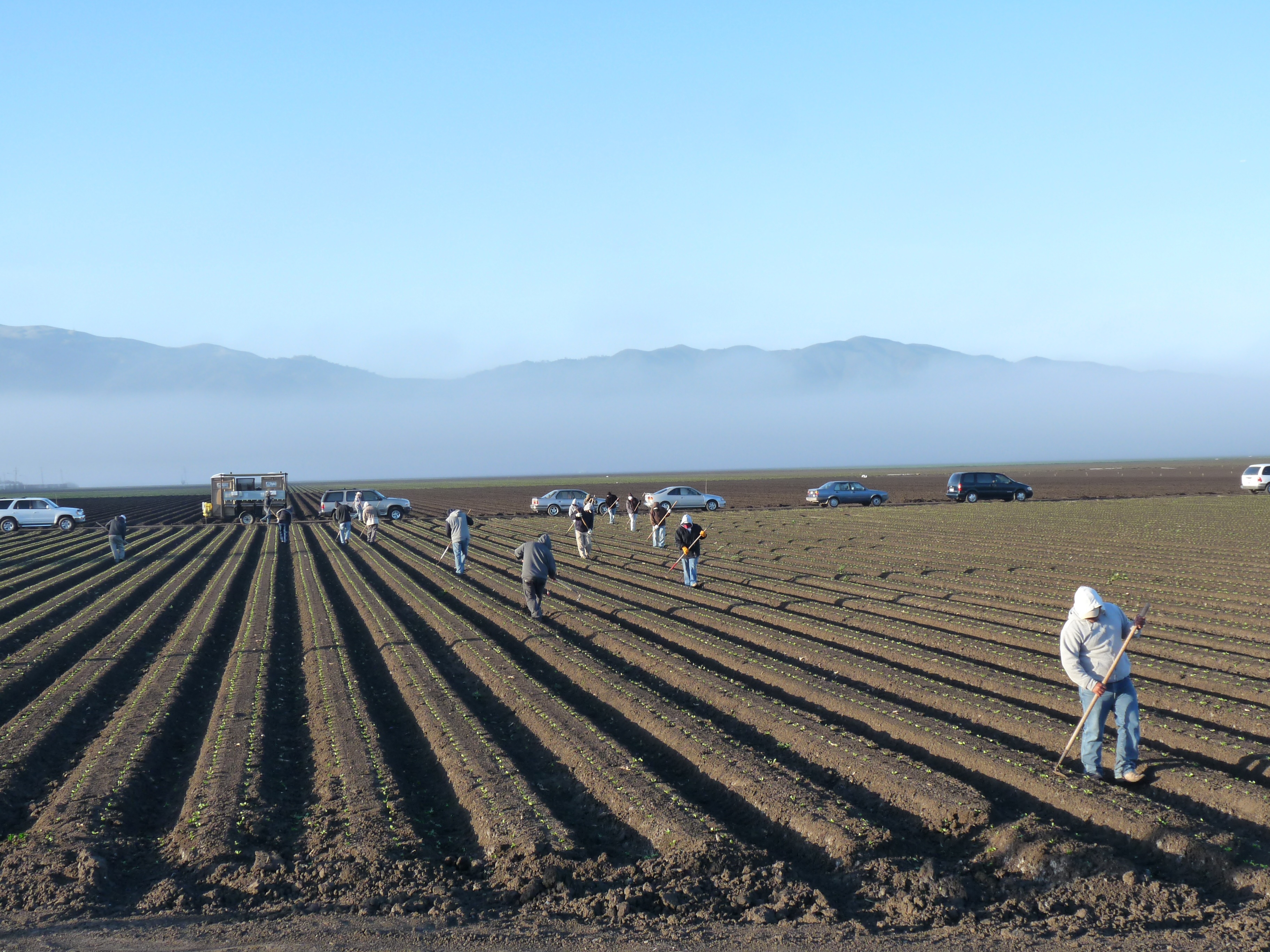
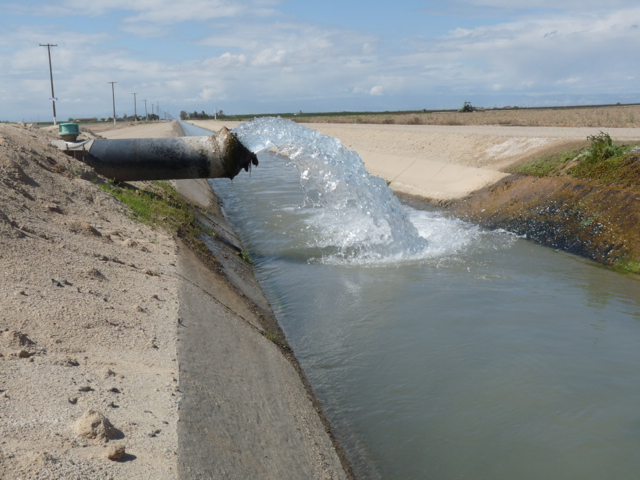
Due to the California drought and what scientists believe will be a drier future, the state’s farmers will likely move away from commodity crops to focus on high-value products like almonds, pistachios and wine grapes, according to Richard Howitt, agricultural economist at UC Davis. Howitt was used as a source in a lengthy story on Bloomberg.com about repercussions worldwide of the three-year dry spell in the Golden State.

Another source was Dan Sumner, director of the UC Agricultural Issues Center. He said shifts in California ag trends reverberate globally.

“It’s a really big deal,” Sumner said. “Some crops simply grow better here than anyplace else, and our location gives us access to markets you don’t have elsewhere.”

California is the United States’ top dairy producer and grows half of the country’s fruit. In 2012, almonds became the state’s second-most valuable ag crop. The Washington Post reported that in the U.S., almond consumption has grown by more than 220 percent since 2005. In the late 2010s, almonds surpassed the long-running nut leader peanuts (not including peanut butter) in per capita consumption.

The Bloomberg article opened with the story the Fred Starrh‘s family farm in Kern County. The Starrh family was a prominent cotton grower for more than 70 years. The shifting global market and rising water prices prompted the family to replace more of their cotton plants with almonds.

“I can’t pay $1,000 an acre-foot (of water) to grow cotton,” said Starrh, 85.

California grows four-fifths of the world’s almonds, the Bloomberg story said, using enough water to meet the needs of 75 percent of the state’s population. An advocate for bigger water supplies for cities suggests in the story that farmers should be profitable, but it shouldn’t come at the expense of urban water ratepayers.

2016-05-31T19:33:32-07:00August 12th, 2014|

Pistachios May Benefit Heart Health in Adults with Type 2 Diabetes


Stress Tests Show Blood Vessels More Relaxed and Open in Published Study

In the Journal of the American Heart Association


It was announced TODAY, that a healthy diet including pistachios may benefit heart health in adults with Type 2 diabetes, according to a Pennsylvania State University study published online in the Journal of the American Heart Association.

Adults with well-controlled type 2 diabetes, who were otherwise healthy, participated in a randomized, controlled clinical study and showed a more positive response to stress following a diet containing pistachios than when following a standard low-fat control diet. The healthy diet, which included two servings daily of pistachios, significantly reduced peripheral vascular resistance, increased cardiac output, improved some measure of heart rate variability and importantly reduced systolic ambulatory blood pressure.

Dr. Sheila G. West, principal investigator and professor of biobehavioral health and nutritional sciences at Penn State, and her colleagues reported similar beneficial results in a study of adults with elevated LDL cholesterol and stress, published two years ago. Increasingly it has been found that pistachios, both salted and unsalted, contribute to a heart-healthy diet in high-risk groups. Pistachios contain good fats and fiber, potassium and magnesium.

In this Penn State study, test diets included a low-fat control diet with high carbohydrate snacks (27 percent fat and 7 percent saturated fat) compared to a moderate-fat diet (33 percent fat and 7 percent saturated fat) that included 3 ounces, or 20 percent of the calories, from pistachios. The servings consisted of equal amounts of salted and unsalted nuts. All meals were provided to the 30 participants, an equal number of men and women, ages 40-74. The calorie levels for the subjects were based on the Harris-Benedict equation so that calories and body weight did not change throughout the study.

A two-week run-in period on a typical western diet preceded the first test diet. Participants discontinued all dietary supplements at least two weeks prior to the beginning of the study. These adults were then administered each test diet for four weeks, separated by two-week compliance breaks, randomized and in a counterbalanced order. At the end of each diet period, including the run-in weeks, participants underwent comprehensive testing.

Researchers measured blood pressure and total peripheral vascular resistance, both at rest and during stress tests, which consisted of holding a hand in ice water for more than two minutes and a difficult math challenge. “After the pistachio diet, blood vessels remained more relaxed and open during the stress tests,” confirmed Dr. West. She continued, “The pistachio diet reduced their bodies’ responses to stress.”

Twenty-four hour systolic blood pressure was significantly lower following the pistachio diet compared to the control diet, with the largest reduction observed during sleep. According to Dr. Kathryn Sauder, a co-investigator who conducted the measurements, “This finding was important because individuals who do not display a dip in blood pressure during sleep may be more likely to experience a cardiovascular event.”

Dr. West concluded, “A moderate-fat diet containing pistachios may be an effective intervention to reduce cardiovascular risk in persons with type 2 diabetes.” In spite of being obese and having a diabetes diagnosis, participants had normal blood pressure and only moderate dyslipidemia. However, even in relatively healthy diabetics, there is room for improvement. The results of this study suggest that a healthy diet containing pistachios can add to the protective effects of drugs for persons with type 2 diabetes.

The researchers suggested future studies should enroll larger samples, include ambulatory blood pressure as a primary outcome and test the effectiveness of pistachio consumption on cardiovascular risk factors in a free-living setting.

The study was supported by the American Pistachio Growers, Fresno, Calif., with partial support from the National Institutes of Health-supported Clinical Research Center at Pennsylvania State University.

Pistachio Facts

Pistachios are nutrient-rich and full of antioxidants, vitamins, protein and fiber. A one-ounce serving of pistachios equals 49 nuts, more per serving than any other snack nut. They are cholesterol free and contain just 1.5 grams of saturated fat and 12.5 grams of fat per serving, the majority of which comes from monounsaturated and polyunsaturated fat. In addition, they contain a significant amount of potassium, 300mg, and 3g fiber per serving.

About American Pistachio Growers

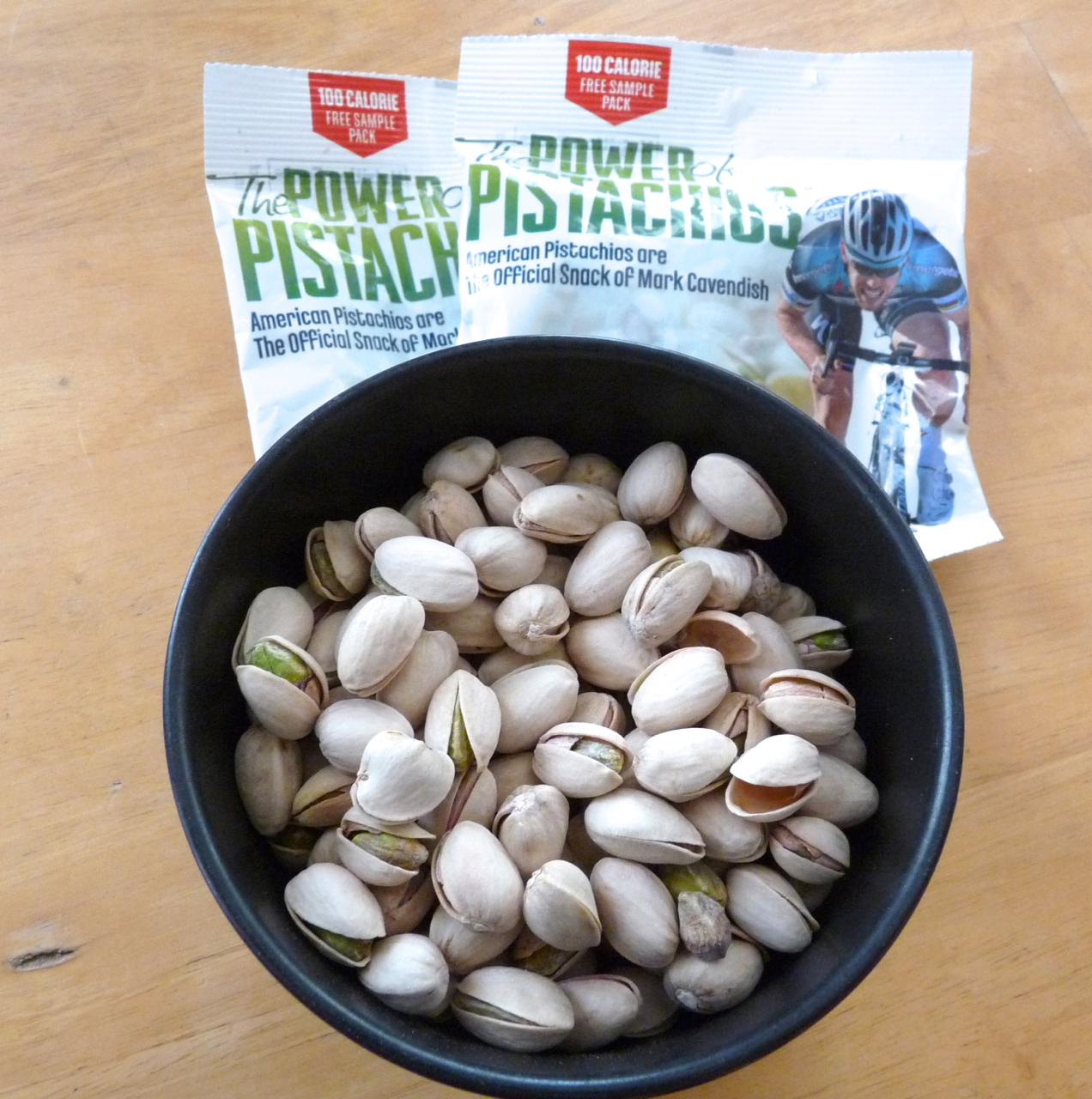
American Pistachio Growers (APG) is a non-profit voluntary agricultural trade association representing more than 600 grower members in California, Arizona and New Mexico. APG is governed by a democratically-elected board of directors and is funded entirely by growers and independent processors with the shared goal of increasing global awareness of nutritious American-grown pistachios. APG pistachios are the “Official Snack” of USA Water Polo, professional snowboarder Jeremy Jones, British pro cyclist Mark Cavendish and the Miss California Organization. For more information, visit www.AmericanPistachios.org

2016-05-31T19:33:32-07:00August 11th, 2014|

Inspections Underway in Central Valley for Huanglongbing, Asian Citrus Psyllid

On Alert for the Asian Citrus Psyllid


Source: Robert Rodriguez; The Fresno Bee


Armed with magnifying glasses and bug-sucking aspirators, state agriculture technicians are in Fresno, checking residential citrus trees for any signs of the Asian citrus psyllid and the tree-killing disease it can carry.

The psyllid poses one of the greatest threats to California’s nearly $2 billion citrus industry and officials want to keep it from gaining a foothold in the central San Joaquin Valley.

Inspectors will spend several weeks in the Fresno area and then move into Tulare County — the largest citrus producer in the state.

“We don’t want this disease here,” said Cora Barrera, a state technician. “It would be a disaster.”

Barrera recently checked several trees at a home near Fresno Pacific University in southeast Fresno. Using her magnifying glass, she looked for tell-tale signs on the tree’s leaves: dull orange-yellow nymphs and the waxy tubules that push honeydew away from their body. She also looked for adult psyllids that are about 1/8 of an inch and brownish.

When Barrera finds a psyllid, she catches the insect using an aspirator and drops it into a glass tube. Any bugs caught will be tested for the disease.

A team of about six state technicians, including Barrera, will visit thousands of homes in the city.

Jennifer Romero, an environmental scientist with the California Department of Food and Agriculture, said that so far no psyllids have been found nor any sign of the disease they carry, huanglongbing, also known as citrus greening.

Citrus farmers fear the disease because there is no known cure. Infected trees produce bitter-tasting fruit and eventually die. In Florida, the nation’s orange juice capital, the disease has caused $1.3 billion in lost revenue over the past several years.

So far, the disease has only been found in one residential tree in the Hacienda Heights area of Southern California. But the psyllids have spread throughout the region, and a massive quarantine prohibits the movement of citrus fruit and trees out of the area.

Despite the regulatory net, the bug has hitchhiked its way to the Valley, having been caught in insect traps in Fresno and Tulare counties. To keep the psyllid in check, farmers have sprayed their groves and the state has treated residential trees where the psyllids have been caught.

A quarantine also has been put in place that covers 870 square miles of the Valley’s citrus belt.

But all that still isn’t enough, experts say. One key lesson learned from Florida’s losing battle with the disease is early detection and prevention.

Door-to-door residential inspections have been used in Southern California since the discovery of the disease in 2012.

Using a method developed by U.S. Department of Agriculture scientist Tim Gottwald, the survey targets specific areas with potential risk factors. The factors are many, but include proximity to commercial citrus groves, roads used by trucks transporting citrus and flea markets.

Experts say citrus trees at flea markets and swap meets are sold without the benefit of government inspection and should be avoided.

So far, the state’s inspectors have surveyed more than 1,000 homes in Fresno and hundreds more remain.

Romero said fortunately for the inspectors most residents don’t mind the visits.

“We really have not had any problems and it helps that people are aware of the disease,” she said. “They also don’t want to lose their own trees.”

If the resident isn’t home, the state will leave an information sheet about the bug and disease and information for setting up a future home visit.

Gene Hannon, entomologist with the Fresno County Department of Agriculture, urged owners of citrus trees to be vigilant about checking their own trees. He also said that people should avoid bringing home any citrus from the Southern California area; buying citrus trees at flea markets; or grafting trees from Southern California or any other region with the disease.

“The more people are aware, the better able we are to keep this disease out of our area,” Hannon said. “We don’t want to have this problem.”

2016-10-16T19:40:18-07:00August 11th, 2014|

Water Use in California – Analysis from the Public Policy Institute of California (PPIC)

Source: Jeffrey Mount and Jay Lund, UC Davis, and Emma Freeman, PPIC

Water in California is shared across three main sectors. Statewide, average water use is roughly 50% environmental, 40% agricultural, and 10% urban. However, the percentage of water use by sector varies dramatically across regions and between wet and dry years. Some of the water used by each of these sectors returns to rivers and groundwater basins, and can be used again.

Environmental water use falls into four categories: water in rivers protected as “wild and scenic” under federal and state laws, water required for maintaining habitat within streams, water that supports wetlands within wildlife preserves, and water needed to maintain water quality for agricultural and urban use. Most water allocated to the environment does not affect other water uses.

More than half of California’s environmental water use occurs in rivers along the state’s north coast. These waters are largely isolated from major agricultural and urban areas and cannot be used for other purposes. In the rest of California where water is shared by all three sectors, environmental use is not dominant (33%, compared to 53% agricultural and 14% urban).

Agricultural water use is holding steady even while the economic value of farm production is growing. Approximately nine million acres of farmland in California are irrigated, representing roughly 80% of all human water use. Higher revenue perennial crops—nuts, grapes, and other fruit—have increased as a share of irrigated crop acreage (from 27% in 1998 to 32% in 2010 statewide, and from 33% to 40% in the southern Central Valley).

This shift, plus rising crop yields, has increased the value of farm output (from $16.3 billion of gross state product in 1998 to $22.3 billion in 2010, in 2010 dollars), thereby increasing the value of agricultural water used. But even as the agricultural economy is growing, the rest of the economy is growing faster. Today, farm production and food processing only generate about 2% of California’s gross state product, down from about 5% in the early 1960s.

Despite population growth, total urban water use is also holding steady. The San Francisco Bay and South Coast regions account for most urban water use in California. These regions rely heavily on water imported from other parts of the state. Roughly half of urban water use is for residential and commercial landscaping. Despite population growth and urban expansion, total urban water use has remained roughly constant over the past 20 years.

Per-capita water use has declined significantly—from 232 gallons per day in 1990 to 178 gallons per day in 2010—reflecting substantial efforts to reduce water use through pricing incentives and mandatory installation of water saving technologies like low-flow toilets and shower heads. Coastal regions use far less water per capita than inland regions—145 gallons per day compared with 276 gallons per day in 2010—largely because of less landscape watering.

The current drought exposes major water use challenges. In the Central Valley, where most agricultural water use occurs, the failure to manage groundwater sustainably limits its availability as a drought reserve. The increase in perennial crops—which need to be watered every year—has made the region even more vulnerable. In urban areas, the greatest potential for further water savings lies in reducing landscaping irrigation—a shift requiring behavioral changes, not just the adoption of new technology.

Finally, state and federal regulators must make tough decisions about how and when to allocate water to the environment during a drought. They are faced with balancing short-term economic impacts on urban and agricultural water users against long-term harm—even risk of extinction—of fish and wildlife.

2016-05-31T19:33:33-07:00August 11th, 2014|

Mexico trade mission and Ag labor issues – Looking Forward

Source: Karen Ross, California Agriculture Secretary

While in Mexico City last week, Governor Brown met with Secretary Navarrete Prida of the Mexican Ministry of Labor and Social Welfare and signed a letter of intent to address labor rights issues for temporary Mexican workers in California – a matter of high importance, of course, for California’s farmers and ranchers.

Moving forward from that promising development, we are working to create a pilot program than connects at least one California agricultural employer with Mexican officials to establish a set of protocols. Our objective is to help curb migrant worker abuse on a national and international basis, and provide stronger assurances to California agricultural employers that migrant labor employed within a H-2A program are not subject to illegal fees, misrepresentation of employment terms, fraud and other issues.

California, the U.S. Department of Labor, and a network of cross border nongovernmental organizations would work with Mexico to establish a bi-nationally available register of certified labor recruitment agencies. In addition, Mexico would develop a system for monitoring, verifying and supervising the activities carried out by recruitment agencies.

In California, the state would identify agricultural employers that voluntarily commit to using certified recruiters.

In the absence of a national immigration solution, this pilot program can be a great benefit to California’s agricultural community and strengthen our bilateral ties with Mexico.

2016-05-31T19:33:33-07:00August 8th, 2014|

California State Board of Food and Agriculture Visit Compton to Discuss Food Access Issues

Source: CDFA

The California State Board of Food and Agriculture discussed urban food access issues at its August 5, 2014 meeting at the Dollarhide Community Center in Compton, in Southern California.

“Increasing the availability of healthy food products within local communities should not be a monumental challenge,” said CDFA Secretary Karen Ross. “Yet we have communities that face this barrier. The work of community leaders, non-profit organizations and retailers in addressing food access issues has been very impressive, but more must be done.”

Nationally, in terms of food access, the U.S. Department of Agriculture estimates that approximately 23.5 million Americans live within a food desert and about half of those (13.5 million) are low income individuals.  A food desert is defined as an urban/rural community without ready access to fresh, healthy and affordable food. Typically these communities lack a supermarket or grocery store within a 1-to-10 mile radius. In California, almost two million individuals live in a designated food desert.

Speakers included: Mayor Aja Brown, City of Compton; Iris Hernandez, Blue Line Farmers’ Market; Neelam Sharma, Community Services Unlimited; Dr. Michael Prelip, University of California, Los Angeles; Tiffany McDaniel, Community Health Council; Robert Egger, L.A. Kitchen; David Rosenstein, EVO Farms; Amanda Musilli, Whole Foods Market (via videoconference); Marion Standish, California Endowment; Jin Ju Wilder, Valley Produce; Alexa Delwich and Clare Fox, Los Angeles Food Policy Council; and Michael Flood, Los Angeles Regional Food Bank.

The California State Board of Food and Agriculture advises the governor and the CDFA secretary on agricultural issues and consumer needs. The state board conducts forums that bring together local, state and federal government officials, agricultural representative and citizens to discuss current issues of concern to California agriculture.

2016-05-31T19:34:10-07:00August 8th, 2014|

CA Grape & Tree Fruit League Changes Name to California Fresh Fruit Association

The California Grape & Tree Fruit League announces it has officially changed its name to the California Fresh Fruit Association – an identity its members believe better defines the broad types of commodities it represents.

The California Fresh Fruit Association will formally present its new name to executive and legislative officials in Sacramento, CA during its Annual Fruit Delivery on Tuesday, August 12, 2014 from 10:30 a.m. to 12:00 p.m. And to celebrate this important milestone, an evening reception will follow with government officials and California Fresh Fruit Association members at Esquire Grill (1213 K St., Sacramento, CA) from 5:30 p.m. to 7:30 p.m.

The membership-based organization is one of the oldest agricultural trade associations in California, dating back to1921 with the California Growers and Shippers Protective League and in 1936, with the California Grape Growers and Shippers Association. Together, these organizations merged into the California Grape & Tree Fruit League. Today marks another momentous occasion, as the association has become the California Fresh Fruit Association and continues to represent its members in all aspects of public policy.

The Association’s Strategic Planning Committee presented the possibility of a name change in 2013 upon the completion of its five-year strategic plan. Members were approached by the Board of Directors to consider a new name that would encompass more of the commodities it represents, such as fresh grapes, blueberries and deciduous tree fruits including: peaches, plums, apricots, nectarines, pears, apples, cherries, figs, kiwis, pomegranates and persimmons. In summary, the Association represents the state’s permanent fresh fruit crops with the exception of citrus and avocados.

With support from the Board of Directors and the organization’s nearly 350 members, the California Fresh Fruit Association proceeds with business as usual under its new name, advocating for fresh fruit growers, shippers and marketers in Sacramento, CA and Washington, D.C. The California Fresh Fruit Association’s headquarters will remain in Fresno, CA.

“While undergoing a name change is no easy task, little has changed as we’ve made sure to continue with our responsibilities as usual,” said Barry Bedwell, president of the California Fresh Fruit Association. “As we began the process, we wanted to proceed with a name that accurately represents our members and the commodities they provide. We couldn’t be happier with our selection – California Fresh Fruit Association is exactly who we are and what we represent.”


About California Fresh Fruit Association

The California Fresh Fruit Association is the advocate for its members on a daily basis, which is made possible through the voluntary support of growers, shippers, marketers and associate members. The organization was created in 1936, mainly to negotiate railroad rates for shippers, and has since evolved into filling the industry’s need for public policy representation. Visit www.cafreshfruit.com or call (559) 226-6330 to learn more.

2016-05-31T19:34:10-07:00August 8th, 2014|

China re-opens market to California citrus

Source: FreshFruitPortal.com

Industry sources have told www.freshfruitportal.com that China has officially granted access to California citrus after a 15-month absence.

California Citrus Mutual vice president Bob Blakely said he received official notification from the U.S. Animal and Plant Health Inspection Service (APHIS) Friday, and was very pleased the sector could regain what was its third-largest market until April, 2013.

“There was a delegation that came over and visited the California industry in the first week of July, to see what our industry was doing to satisfy their concerns, and in those meetings the language [of a protocol] was discussed and further refined, and agreements were made in principle,” Blakely said, adding the main concern was phytophthora root rot.

“Originally they were looking to have additional sampling or something done that wasn’t practical, because it would not have mitigated the problem.

“Once they came here and saw how our fruit was produced and the conditions in the field, they realized that some of those things they put in there weren’t clear in their understanding, and that wasn’t necessary.”

He said clearer language was then put in place about how growers wishing to export ought to manage trees and the harvest to make sure the disease was not present in China-bound fruit.

After these agreements were agreed, he highlighted “the way was clear” for a market re-opening and official documents were signed in the last week of July.

The executive added the first fruit would likely be sent in December, following the Navel harvest which kicks off in November.

California Citrus Quality Council president Jim Cranney also mentioned the main export season would start in the fall or winter, but there would be some volumes of Valencia oranges and lemons ready to go now if shippers wished to exploit the newfound option.

“The market has been re-opened effective yesterday, and we’re very pleased to see this after such a long time out of the market, and that we’ll be able to send citrus again,” Cranney said.

“We’re looking forward to getting back a normal pace of trade with China.”

He said it was necessary to recognize the positive efforts from APHIS and China’s General Administration of Quality Supervision, Inspection and Quarantine (AQSIQ).

“It’s important to emphasize the job APHIS did by being proactive and how they worked together with the authorities from China, their partners at AQSIQ.

“It’s also important to recognize that AQSIQ did a good job in assessing the technical package we sent and we’re very happy that we meet their expectations.”

2016-05-31T19:34:10-07:00August 7th, 2014|

For Groundwater, Local Management Proves Effective

Effective Local Groundwater Management

By Christine Souza; Ag Alert

As the state Legislature considers statewide groundwater legislation in the midst of a severe drought, water agencies and water users say local groundwater management has yielded sustainable and positive results.

“Recent discussions may have left people with the impression that California has no groundwater management, but dozens of local and regional plans are in place and work well,” said Danny Merkley, California Farm Bureau Federation director of water resources.

Current law enables local entities or agencies to implement their own groundwater basin management solutions and strategies. Local management falls into three main categories: special act districts, created through an act of legislation; county groundwater ordinances adopted by local agencies; and court adjudications, where groundwater rights are determined by a court.

Tim O’Halloran, general manager for the district, said its data collection efforts give well owners “a snapshot twice a year of how their groundwater is doing, a trend over time,” which allows development of sophisticated, conjunctive water programs that assure sustainable groundwater use.

Effective groundwater management comes from working through the issues collaboratively and locally, he said.

“If an outsider comes in and takes the data, by the time it is processed, it may or may not make sense and they won’t have the context to evaluate the data,” O’Halloran said.

Another special act district, the Sierra Valley Groundwater Management District, was established in 1980 after irrigators became concerned about increased drilling of new wells.

Jim Roberti, a director of the Sierraville-based district, said the district was established to prevent export of water.

“The major goal of the forming of the district has been achieved and the water has been allowed to stay in the valley for the people that live here,” he said.

Roberti said landowners are required to purchase a meter for any wells with a flow rate of more than 100 gallons per minute. The district owns and maintains the meters, with data collected monthly.

Management of aquifers is also achieved through the use of local groundwater ordinances adopted by local agencies.

The Butte County Department of Water and Resource Conservation was formed in 1999.

“Butte County started this county water and natural resource department because there were transfers taking place and the residents felt there should be a little more oversight, so the county passed an initiative that restricts transferring surface water and pumping groundwater,” said Les Heringer, farm manager at M&T Ranch in Chico. “Since the county started this, it has functioned very well.”

Paul Gosselin, the director of the county department, said Butte County has more than one ordinance that guides groundwater, such as a groundwater management plan and a well-spacing ordinance to ensure that agricultural wells do not interfere with each other.

“It is pretty complex with groundwater flows, surface water flows and the interaction with surface and groundwater, and then how much land use affects either surface-water use or groundwater use,” Gosselin said.

Butte County has a network of wells that are monitored quarterly, plus additional wells dedicated for groundwater monitoring, with data reported publicly. Landowner volunteers are asked to assist with groundwater monitoring.

“We’ve had extraordinary involvement and public participation and willingness by landowners to do monitoring and help study the basin,” Gosselin said. “The people at the local level did this from the grassroots up because of their understanding and appreciation of the importance of groundwater and what that means for the community, agriculture and the environment.”

A third form of groundwater management is through court adjudication, in which groundwater rights are determined by a court, including how much groundwater well owners can extract and who serves as watermaster to ensure the basin is managed.

John Martin, general manager of the Tehachapi-Cummings County Water District in Tehachapi, said the district has three adjudicated basins.

“Because of the fact that the groundwater is limited and the safe yield is very small, we have an informal arrangement with the farmers that they don’t take more than half of their total water needs from the ground and that they get at least half from our (surface) water supply,” Martin said. “They have been complying with that for quite a number of years and by doing that, the basin is staying well below the court-determined safe yield.”

The Tehachapi-Cummings district, which acts as the court-appointed watermaster, meters agricultural wells that take monthly readings and groundwater elevations, and people are notified when the supply is getting out of balance.

Merkley said Farm Bureau and other agricultural organizations have been urging the Legislature to move deliberately in considering statewide groundwater legislation. He noted that some groundwater basins face supply-demand challenges, but that examples of successful local programs could “provide a path for others to follow” in coming years.

“The complexities of groundwater, groundwater management and interactions with surface water are simply too great to rush to complete an isolated solution,” he said. “We recommend a carefully thought-through process to develop appropriate protections of our groundwater resources for future generations.”

Butte County farmer Heringer put it this way: “One size does not fit all in this state regarding groundwater. Every groundwater basin is different in the state, so local oversight is much better than having somebody from the state come in and tell us how to manage it.”

2016-12-07T16:15:38-08:00August 7th, 2014|

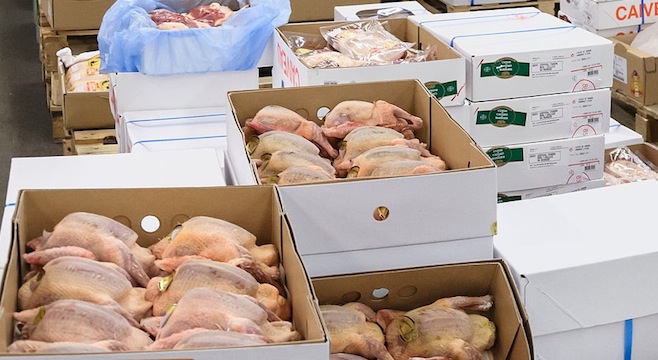
U.S. Chicken Farmers Brace for Russia’s Retaliation to Sanctions

Source: Reuters; The Moscow Times

Russia’s threatened ban on U.S. poultry imports, the latest move in a sanctions skirmish over Moscow’s support of rebels in Ukraine, has agriculture companies alert to the risks of a conflict that’s already roiled trading of crops ranging from soy, beef and fruit to California pistachios.

Moscow has struck back against trade sanctions following the downing of a Malaysian jetliner last month by imposing food restrictions, and would add U.S. chickens to Ukrainian soy and other products Russia has blocked since it seized Crimea earlier this year: Australian beef, Latvian and Lithuanian pork, Moldovan fruit and Ukrainian juice.

Russia’s move to limit agricultural trade is seen as a sign the conflict with Washington is heating up. Russia imported about $1.3 billion in U.S. food and agricultural products last year, or about 11 percent of all U.S. exports to the country, according to U.S. Census data.

U.S. pistachio farmers have seen sales to Russia, the seventh largest export market, cut nearly in half this year because political tensions have made Russian importers hesitant to make purchases, said Peter Vlazakis, export market coordinator for the American Pistachio Growers.

Pistachio exporters have “a legitimate fear” about the potential for trade disruptions, Vlazakis said.

Russians may turn for pistachios to Iran, the world’s second largest producer after the United States.

An armed group last month occupied a Cargill sunflower-seed crushing plant in eastern Ukraine, a region supportive of the Putin government, and commodity trader Glencore is expected to have a hard time selling grain silos in the country.

Last week, the farm sector’s attention turned to poultry after Russia’s Federal Veterinary and Phytosanitary Inspection Service said it found signs of the antibiotic tracycline in four shipments of U.S. poultry. The service could not be reached for comment.

The food safety watchdog’s threat to ban U.S. poultry imports, reported in government-controlled Russian media, came days after fresh U.S. and EU sanctions over Russia’s support of rebels in Ukraine.

Russia is the second largest importer of U.S. broiler meat behind Mexico, buying 276,100 tons last year, or 8 percent of U.S. exports, according to the U.S. Department of Agriculture. Russia’s purchases from January through May 2014 represented 7 percent of U.S. exports.

U.S. poultry exporters and producers said there were no problems with the meat. For some, the situation was hardly their first time dealing with trade troubles with Russia.

Russia has repeatedly been accused by the West of using food safety concerns and its veterinary service as instruments to ban supplies from countries with which it has strained relations or to protect its own industry. Explicitly banning a country’s products for political reasons would violate World Trade Organization rules.

Trade restrictions in prior years have caused some companies to back away from deals with Russian importers, said Jim Sumner, president of the USA Poultry & Egg Export Council.

The council has advised poultry companies to keep in contact with Russian importers so they will get early warnings should Moscow impose a ban.

For Russian President Vladimir Putin, targeting agricultural imports could be a low-cost way to retaliate against U.S. sanctions over Ukraine.

Other threats, especially any involving Russia’s export of oil and gas shipments, likely would bring additional sanctions on Moscow, said Robert Kahn, a senior fellow for international economics at the Council on Foreign Relations.

Russian sanctions on farm products would be “quite painful” for the companies affected, although the macroeconomic effects on the U.S. economy would be small, he added.

“These are fully political decisions,” Kahn said.

2016-05-31T19:34:11-07:00August 7th, 2014|
Go to Top