
Postcard Campaign to Stop Additional Pesticide Regulations Near Schools

Call to Growers: Join Postcard Campaign to Stop Additional Pesticide Regulations Near Schools before Friday, Dec. 9


By Brian German, Associate Broadcaster


Proposed DPR Regulations

“The proposed California Department of Pesticide Regulation (DPR) further restricting growers from applying crop protection products near schools is unnecessary,” noted Kelly Covello, president of the Almond Alliance of California, which advocates and lobbies for the almond industry.

“Basically, this proposed rule is going to add a layer of unnecessary regulation. It proposes restricting pesticide applications within a quarter mile of schools and daycare centers between Mondays and Fridays, 6am to 6pm,” said Covello. She noted there are already regulations in place to protect both the community and the applicator.

Likewise, Colleen Cecil, executive director, Butte County Farm Bureau, said, “We’re very confident in the regulation that currently exists and the responsibility that landowners take when it comes to spraying anywhere. There are rules in place and these rules work.”

“The environmental community has done a bang-em-up job at fear-mongering, period. They believe they can take pictures of kids next to fields and make the farmer the bad guy. Nothing can be further from the truth,” Cecil said.

“Nothing is more important than the health and safety of people,” noted Ceil. “As stewards of the land, farmers already do everything in their power to mitigate risks involved in agriculture and the application of pesticide is no exception.”  Cecil added, “The puzzling part of the proposed regulation is that DPR have stated themselves that they were ‘unable to quantify the benefits’ and that ‘any health benefits of the prohibitions are unknown.'”


Postcard campaign to stop additional pesticide regulation near schools dpr

Postcard campaign to stop additional pesticide regulation near schools

Call for Growers to Take Action

“We have joined California Farm Bureau Federation (CFBF) and other organizations that are working on this issue,” said Covello. “One of the main calls to action for grower engagement with DPR is CFBF’s postcard campaign. If you would like postcards to share with your grower network, please email staff@almondalliance.org or simply print from the Postcard PDF document and mail directly to DPR (contact information is on the last page of the PDF document).   A high volume of input will be critical.

Growers can also sign and share CFBF’s petition. Farm Bureau will deliver the petitions to DPR before the comment period closes on December 9.

“This [proposed regulation] really is unnecessary,” said Covello. “There is no science. There is no injury or illness that has sparked the need for new regulations. We are really hoping we can get our growers engaged by sending in a postcard or sending in comments. Again, growers can contact the Almond Alliance by email at staff@almondalliance.org and by phone at (209) 300-7140.

“We would be happy to get you a postcard,” Covello said. “We can also email it to anyone. So please help us in this fight to stop unnecessary regulation.”

Almond Alliance of California

Butte County Farm Bureau

California Department of Pesticide Regulation

California Farm Bureau Federation

2021-05-12T11:05:43-07:00December 5th, 2016|

WANTED: New Director, Fresno State Viticulture and Enology Department

Fresno State Viticulture and Enology Department Shines, But Needs New Director


By Patrick Cavanaugh, Farm News Director


No doubt, the Fresno State Viticulture and Enology Department is important not only to the Central San Joaquin Valley, but also to all of California’s agricultural areas. Nat DiBuduo, president, Fresno-based Allied Grape Growers, and a 1973 Fresno State alumnus, said Fresno State’s top administration is exceptionally dedicated to the department.


Research Buildings at Viticulture and Enology Research Center VERC

Research Buildings at Viticulture and Enology Research Center VERC

“It is really critical that we highlight the fact that Joseph Castro, president of Fresno State, and Sandra Witte, dean of Fresno State’s Jordan College of Agricultural Sciences and Technology, as well as the entire Industry Advisory Board for the Viticulture and Enology Research Center (VERC), are committed to the department,” said DiBuduo. “The entire board is committed to continuing the world-class program at the Viticulture and Enology Research Center that Vincent Petrucci (1985-1994) started so many years ago and has been continued on through Robert Wample (2000-2009) and James Kennedy (2010-2015).”

DiBuduo, who studied plant science and viticulture as a student, said, “We’re committed to providing this first class program for our students and for the industry. We’re in the midst of the search for the right person to head the program so that he or she can bring on the faculty and support staff who will continue that progress into the next century and beyond.”

As California’s agricultural industry feeds the world, it is important the industry supports this search for a new department chair. “It is important the University gets the right person in there, so we’re asking everyone out there who knows anyone qualified, [to encourage them] to apply for this position,” said DiBuduo. “We need to have the right person to provide the education, research and leadership into the future.”

Fresno State Winery Bottling Line

Fresno State Winery Bottling Line

Fresno State agricultural programs are unique due to a hands-on approach designed to give students the practical knowledge they need to get out and work. “They will know how to farm,”DiBuduo said. “They will know how to apply their teachings and their education to become managers, foremen and operators, and supervisors of field operations.”

Students come from all over the Central Valley and beyond the Valley because of Fresno State’s excellent reputation. “If students have enough units in the program, they can become Pest Control Advisors (PCAs),” said DiBuduo. “In fact, I was a PCA myself.”

fresno_state_makes_winemakers, Fresno State Viticulture and Enology Department“But the problem we’re having in agriculture today is that many in the industry are an aging society,” DiBuduo said. “So we need to get young entrepreneurs, young farmers and ranchers who want to become PCAs or farm managers or viticulturists or winemakers,” DiBuduo said. “We need these trained students to run the farms and ranches in the future.”


NEW! FACULTY POSITION VACANCY: Chair of the Department of Viticulture & Enology and Director of the Viticulture & Enology Research Center.   Vacancy #12978  (7/20/16) Review of applications will begin September 19, 2016 and continue until the position is filled.


Resources:

Allied Grape Growers

California State University (Fresno State)

Fresno State’s Jordan College of Agricultural Sciences and Technology

Fresno State’s Viticulture and Enology Department

Industry Advisory Board for the Viticulture and Enology Research Center

2021-05-12T11:05:43-07:00November 30th, 2016|

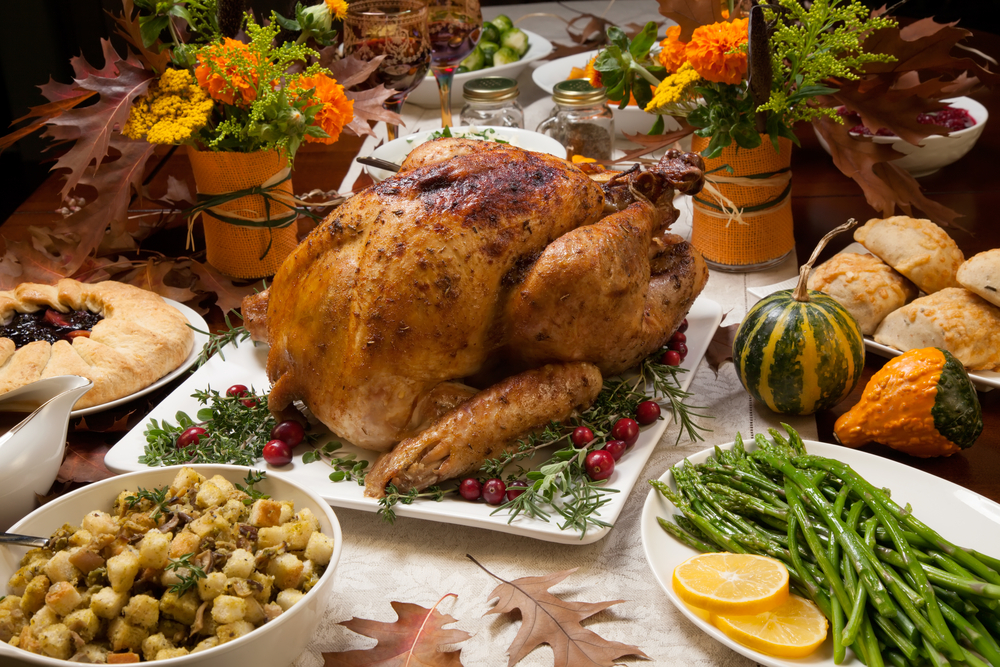
California Proudly Provides Most of Thanksgiving Feast to America

Enjoy Your Thanksgiving Feast

From California’s Farms to Your Table


By Patrick Cavanaugh, Farm News Director


Turkeys come from several areas of the state, and while California is ranked No. 7 in turkey production, we do supply most of the western United States.

The famous Mrs. Cubbison’s dressing comes from Sophie Cubbison, a California entrepreneur who was born in 1890 in the San Marcos area of San Diego County. A longer fascinating story made short: In May 1920, she graduated from California Polytechnical University with a degree in Home Economics. In 1948, she added seasoning to broken pieces of the popular Melba toast to make stuffing. A factory in Commerce, California churns it out this time of year.

Farmers and farmworkers in California produce almonds, raisins, walnuts, prunes, pistachios, figs and dates, apricots, pumpkins, pecans and pomegranates. . . right on up the food line.

These are all part of the American Thanksgiving feast.

Celery from the Oxnard and Ventura area, and the rest of the ingredients for the stuffing mix, plus carrots, lots of crisp lettuce and fresh spinach from Salinas — all these greens waiting for you, already washed and bagged in the produce department. The green beans in your casserole come from California growers.

You’ve got oranges and kiwi fruit, table grapes, strawberries, raspberries freshly harvested from the Salinas and the San Joaquin Valleys. You’ve got sweet potatoes from Merced County — this is their pinnacle season. You’ve got all kinds, colors and sizes of potatoes and tomatoes, plus parsley, onions and garlic. . .  all grown in California.

Practically all the fruits, vegetables and nuts make America’s Thanksgiving celebrations festive, and nearly all of them come from California.

And don’t forget about the great variety of California winegrapes cultivated by California growers and then crafted with great care into great California vintage.

Wait! We grow firm, juicy apples and those small round watermelons that are a great snack or accent to a flavorful dessert fruit salad. And besides poultry, we even have California lamb, beef, rice or pasta—if you want to go that way.

Of course, you’ve got Martinelli’s sparkling apple or grape cider from Watsonville, near the Monterey Bay area. Local growers provide the tree-ripened fruit to the award-winning company, which is still family-owned and is run by the founder’s grandson and great-grandson.

At more than 140 years old, Martinelli’s is merely one century younger than our nation. In fact, the company received a first place award at the California State Fair in 1890.

By the way, do you know that little pop-up turkey timer that indicates when the turkey has reached the correct internal temperature? Food public relations genius Leo Pearlstein¹, along with a turkey producer from Turlock, invented that gizmo. Pearlstein, who handled the promotions for the California Turkey Advisory Board, was contemplating the enduring Thanksgiving conundrum—how long to cook the turkey and how to figure out when it is done?

Pearlstein said he and the turkey rancher were sitting in Pearlstein’s test kitchen mulling over ways consumers could determine when the turkey was done. They noticed the fire sprinkler system overhead. When the kitchen gets too hot, the fire sprinkler turns on. A metal alloy in the sprinkler is activated or melted when subjected to the high temperature of a fire in the room (185 degrees Fahrenheit). They applied that concept to the pop-up timer.

Officially, the National Turkey Federation advises consumers also use a conventional meat thermometer to verify that the cooked turkey’s internal temperature reaches:

165 degrees F to 170 degrees F in the breast or
175 degrees F to 180 degrees F in the thigh and
165 degrees F in the center of the stuffing
.

Except for cranberries, it is really a California Thanksgiving.


¹Leo Pearlstein is founder and president of Lee & Associates, Inc., a full-service public relations and advertising firm, which he opened in 1950. According to the company website, he currently runs the company with his partners, two of his sons, Howard and Frank Pearlstein. He is also founder and director of Western Research Kitchens, the food and beverage division of his agencyHe is considered a pioneer food consultant and his agency was recently named as one of the top agencies in the country that specializes in food and beverage clients.

For more food safety guidelines, the United States Department of Agriculture (USDA) Food Safety and Inspection Service (FSIS) provides this portal.

2021-05-12T11:17:11-07:00November 23rd, 2016|

A Brief History on the Pest Control Adviser and Certified Crop Adviser Programs

Longtime Crop Adviser Helped Increase Job Market for CCA Industry

By Brian German, Associate Broadcaster


The Certified Crop Adviser Program (CCA) was introduced in 1992 as a means to address the increased concerns regarding agriculture’s contributions to a variety of environmental issues.  By 1994, the CCA program was fully established with the support of the California Department of Food and Agriculture, along with the American Society of Agronomy and the California agricultural industry. The program was designed to raise the awareness and professional standards of individuals who make recommendations on agricultural fertilizers, pesticides and related products. 

Allan Romander has a long history with the CCA program, having joined the CCA Board in 2004. “I am currently with the Certified Crop Adviser Program in California, and Arizona I might add. I am a consultant with the organization. I just concluded my term as ICCA Chair and past Chair,” Romander said.

Allan Romander, member, California Certified Crop Adviser Board

Allan Romander, member, California Certified Crop Adviser Board

A Pest Control Adviser (PCA) since 1979, Romander joined the California CCA Board in 2004 and was instrumental in helping to develop a marketing program that nearly doubled the number of CCAs in California in a little less than six years. 

California is one of just a few states that require people who advise farmers on pest control management to be licensed as a Pest Control Adviser.  Amidst rising public concerns regarding pesticide use on California farms, the PCA program was launched in 1973 to ensure that those who make pesticide recommendations are both qualified and knowledgeable. “But that only certified them in the area of pest management,” Romander said. “It never said anything about their competency in the area of crop management or soil or water management.”

certified crop adviser logo“There has long been a gap between growers and consultants. Consultants historically have just held a Pest Control Adviser’s license,” Romander said. Over time, farmers began to ask their PCAs for guidance on multiple subjects outside of pest control, such as fertilizers and irrigation. 

“That’s where the Certified Crop Adviser Program comes in and picks up where the PCA program leaves off.  It covers those categories and certifies to a grower that [the adviser] has competency in those other areas,” Romander said.

Currently, there are close to 4,000 EPA-licensed Pest Control Advisers in California.  Romander noted, “Eighty-five percent of the Certified Crop Advisers in California are also Pest Control Advisers. So it’s a well-established program and well-respected throughout not only the United States, but North America and the rest of the world.”

2021-05-12T11:02:56-07:00November 14th, 2016|

FFA Jackets Giving Tuesday Campaign

FFA Jackets Needed for Members

By Laurie Greene, Associate Editor

We have Black Friday, Cyber Monday, and the newest opportunity, #GivingTuesday—a global day of giving that has grown into a movement uniting people around the world on November 29th, the Tuesday after Thanksgiving.

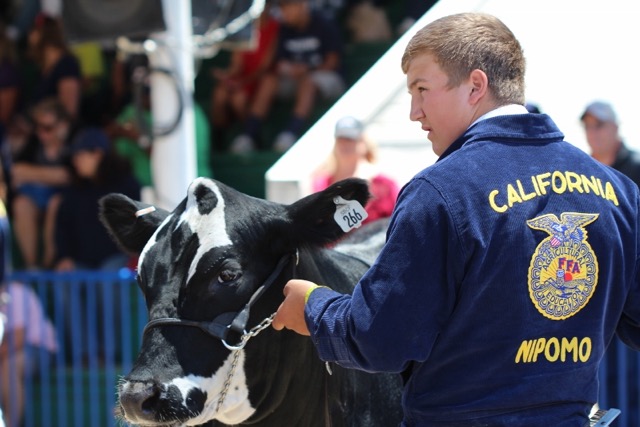
There’s a big #GivingTuesday campaign for the California FFA to purchase 100 of those iconic blue FFA jackets for members in need.

dsc_83311

FFA Members explore a diverse range of opportunities in agriculture

Katie Otto, development director of the California FFA Foundation said, “We have approximately 84,000 members in California, and 324 different chapters. Our members say having a jacket makes them feel like they are a part of something,” she said.

“It’s something that they hold on to. It makes them feel unified in what they’re doing. ‘Not to mention, a lot of our students wear jackets to field days,” Otto noted.

“They wear them at their county fair when they show, at chapter meetings and conferences. The list goes on and on in terms of opportunities where they wear their jackets.”

Each $65 raised will purchase a jacket along with an FFA tie for young men and a scarf for young women. 

Black Friday and Cyber Tuesday are all about getting things; #GivingTuesday is set aside for giving. Of course you do not have to wait for #GivingTuesday for the FFA campaign. You can donate anytime, now and even beyond Nov. 29.

How can you donate to the FFA #GivingTuesday campaign? Go to calaged.org/givingtuesday.

Credit cards and Pay Pal accounts are accepted.

2016-11-10T11:09:44-08:00November 8th, 2016|

Nov 9 Annual Ag Awards Luncheon Honors Manuel Cunha, Booth Ranches

Manuel Cunha, Agriculturist of the Year

By Laurie Greene, Editor


On Wednesday afternoon, November 9, the Who’s Who of Agriculture will gather at the long-standing celebratory Annual Ag Awards Luncheon in Valdez Hall at the Fresno Convention Center to commemorate the achievements of an individual and a company in the County’s agricultural industry.


Fresno Chamber of Commerce logoNathan Ahle, president and CEO of the Fresno Chamber of Commerce, said, “We are very excited about this. This is the 33rd time the Fresno Chamber has presented the Agriculturist of the Year Award, and the 21st time the Fresno-based CPA firm Baker, Peterson and Franklin has presented the Ag Business of the Year Award. We recognize that Ag is really the life-blood of our economy. This event is an honor to do and something we take great pride in.”


This year’s Agriculturist of the Year Award recipient is Manuel Cunha, president of the Fresno-based Nisei Farmers League. “Everybody knows Manuel Cunha—a legend in Valley Ag as president of the Nisei Farmers League for two decades,” Ahle said. “ This gentleman is a force to be recognized with when it comes to fighting for our farmers, fighting for water, fighting for anything and everything that has to do with agriculture in the Central Valley.”

2016 Fresno Chamber of Commerce Agriculturist of the Year recipient, Manuel Cunha, president, Nisei Farmers League.

2016 Fresno Chamber of Commerce Agriculturist of the Year recipient, Manuel Cunha, president, Nisei Farmers League.


Nisei Farmers League, established in 1971, informs grower members about ever-changing regulations and policies and provides legal assistance for labor and workplace-related issues. The league’s leadership and staff maintain a close working relationship with local, state and federal agencies and legislators to assure grower interests are adequately understood and defended.


The League also collaborates with other grower and agricultural organizations in California and other states to help provide a powerful and unified voice for the agricultural community.  The Nisei Farmers League is all about strength, clear focus and growers looking out for growers and farmworkers.


This year’s Ag Business Award recipient, Booth Ranches, is a premium San Joaquin Valley citrus grower. Otis Booth, Jr. founded Booth Ranches in 1957 on 40 acres by the foothills of the Sierra Nevada Range near Orange Cove.

booth ranches logo


Today, Booth Ranches is still family owned and operated on acreage from Orange Cove in the Northern San Joaquin Valley to Maricopa in Kern County to the South. Pasadena-born, fifth-generation farmer Loren Booth currently manages Booth Ranches which boasts premium Navel oranges, Valencia oranges, Cara-Caras, Minneolas and W. Murcott Mandarins that are distributed worldwide.


The selection panel went through a tough selection process, according to Ahle. “Those who have been in the Valley longer than I have tell me this is the strongest group of candidates for the award that we have ever had. I think it just speaks to the great passion that we have for Ag in this community, and Manuel Cunha and the team at Booth Ranches are great, great recipients.”

2016-11-10T10:50:56-08:00November 7th, 2016|

Raisins: Quality Is Up, Tonnage Is Down

Fewer but Sweeter Raisins this Year 


By Brian German, Associate Broadcaster


After last year’s tremendously successful raisin harvest, Steve Spate a fourth generation farmer, said it is understandable to see a bit of a decline in tonnage this year. Spate, who is also grower representative for the Raisin Bargaining Association (RBA), which has been representing the raisin industry for nearly 50 years, said, “Just by nature, the year following a high crop year could potentially be down—especially for Thompson Seedless Grapes,” noted Spate.

Steve Spate, grower representative, Raisin Bargaining Association (RBA)

Steve Spate, grower representative, Raisin Bargaining Association (RBA)

Raisin grape harvest in the central San Joaquin Valley is a two-month process for growers, typically running from late August to mid-to-late October, depending on crop maturity. Hard numbers on this year’s overall crop won’t be available for a few more months, but growers are reporting a significant decline from last year’s harvest. “Last year was a large crop,” said Spate,” so definitely we were considering that this year would be down—but not as severely as some growers have reported. We have people reporting differences in yield from 10% to as high as almost 50%.”

There are various possible reasons for this year’s drop in yield, aside from the cyclical nature of grapevines. “I think drought conditions last year may have played a big role, while the buds were setting basically for this year,” said Spate. He also suggested water was a significant factor this year as well, particularly if growers lacked enough surface water deliveries or a grower had a pump issue and there was a critical time where he or she didn’t get water on the field.

The overall reduction in acreage of this year’s harvest is yet another factor to consider. Industry experts report approximately 10K to 15K fewer raisin grape acres compared to last year. This shrinkage is attributed to growers replacing raisin crops with higher-value crops such as almonds.

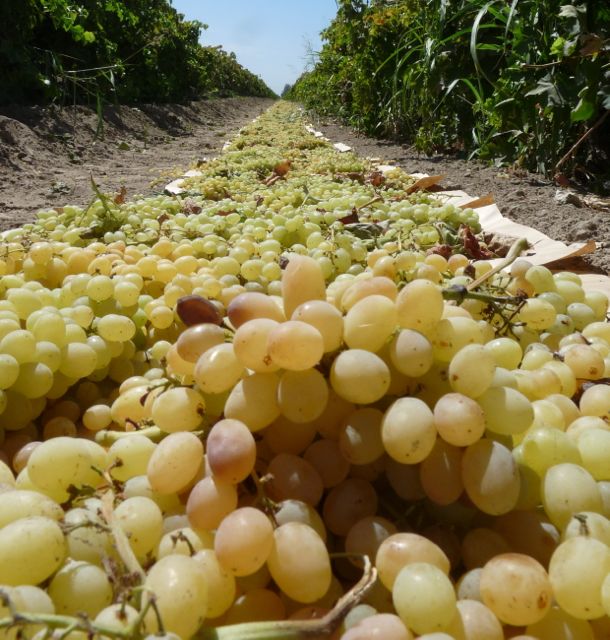
Sun-Dried Raisins

Sun-Dried Raisins

As many industries struggled with the cost and availability of labor, Spate commented that it wasn’t too difficult to fill their labor needs this year. “Going into the year growers made different decisions and chose more mechanized harvests. The handpicking crews were much larger and seemed to be readily available,” Spate said.

While grape growers were thankful for the amount of available labor this year, they have some serious concerns regarding the cost of labor in the next few years. Between a minimum wage that will incrementally climb to $15 an hour in a couple of years and the newly established shorter workday for farmworkers [before reaching the overtime threshold of 8 hours, as opposed to 10 hours], growers consider the investment in mechanization as being more cost effective in the long run.

“I think we will continue to see shifts towards any type of mechanization possible due to some of those minimum wage [increases].” Before the governor signed the overtime bill, Spate said, “We used to have the ability to have workers work longer hours before overtime kicked in.”

Raisin grape growers will still be harvesting for the next few weeks. Although it appears overall tonnage is down a bit, sugar levels seem to be higher than last year, resulting in better quality raisins.

2016-11-02T17:12:31-07:00November 2nd, 2016|

John Hartnett on Ag Tech

John Hartnett on Forbes AgTech and Urban Appreciation for Agriculture


By Patrick Cavanaugh, Editor


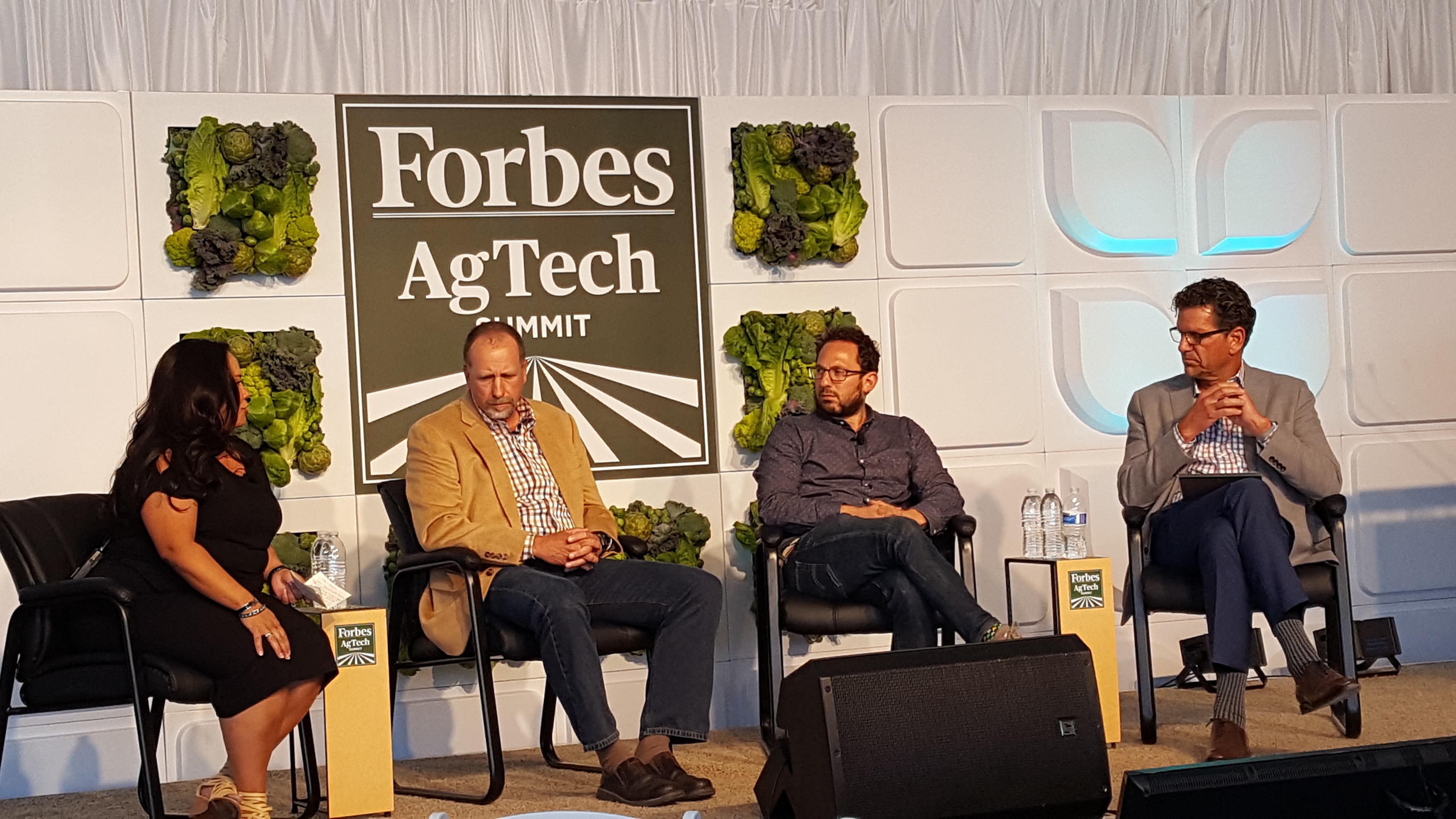
Forbes AgTech Summit

John Hartnett, founder and CEO of Los Gatos-based SVG Partners LLC, a Silicon Valley area investment and advisory firm, has played a pivotal role in the organization of the Forbes AgTech Summit in Salinas every summer. Hartnett said before partnering with Forbes, “we ran the first one here in Salinas and another one in Monterey. Two hundred people attended the Monterey Innovation Summit.”

John Hartnett, founder and CEO of Los-Gatos-based SVG Partners LLC, and pivotal organizer of the annual Forbes AgTech Summit in Salinas.

John Hartnett, founder and CEO of Los-Gatos-based SVG Partners LLC, and pivotal organizer of the annual Forbes AgTech Summit in Salinas.

“Then we partnered with Forbes and it brought us to a whole new level. Partnering with Forbes for the past two of four major AgTech Summits,”has been great,” Hartnett said. “Last year we had 400 people. This year, we had 700 people. Increased attendance has put Salinas on the map of being the center of AgTech.

“I bring leaders from technology and agriculture together,” Hartnell said. “It is a great event for Silicon Valley entrepreneurs to be onstage and get recognition in front of investors, customers and key business people they will work with.”

“Having Forbes and the Ag industry from across the country here in the heart of Salinas is phenomenal. We’ve executed this overall plan well. We are delighted with the outcomes.”

The next Forbes AgTech Summit will convene again in Salinas on June 28-29, 2017.

Urban Appreciation

Beyond AgTech, Harnett said helping urban American populations understand the rural Ag community is one of the agricultural industry’s biggest challenges. “The first thing you need to do is bring people around the table. I’m a consumer of food. I am the end user of what’s going on, but many people just don’t understand the supply chain.”

“They understand some of the water challenges at a high level because these issues are in everybody’s face today. This is part of the education process and it starts by bringing people and key groups together.”

“What we’re doing, in small part, is focusing on technological leaders and companies from Palo Alto and San Francisco that are coming, probably for the first time, to Salinas. They are absolutely impressed and blown away by what is actually here. And, instead of driving past farms, they are going into the farms.”

2021-05-12T11:05:45-07:00October 27th, 2016|

Happy Pumpkin Day!

Celebrate Pumpkin Artistry!

By Laurie Greene, Editor

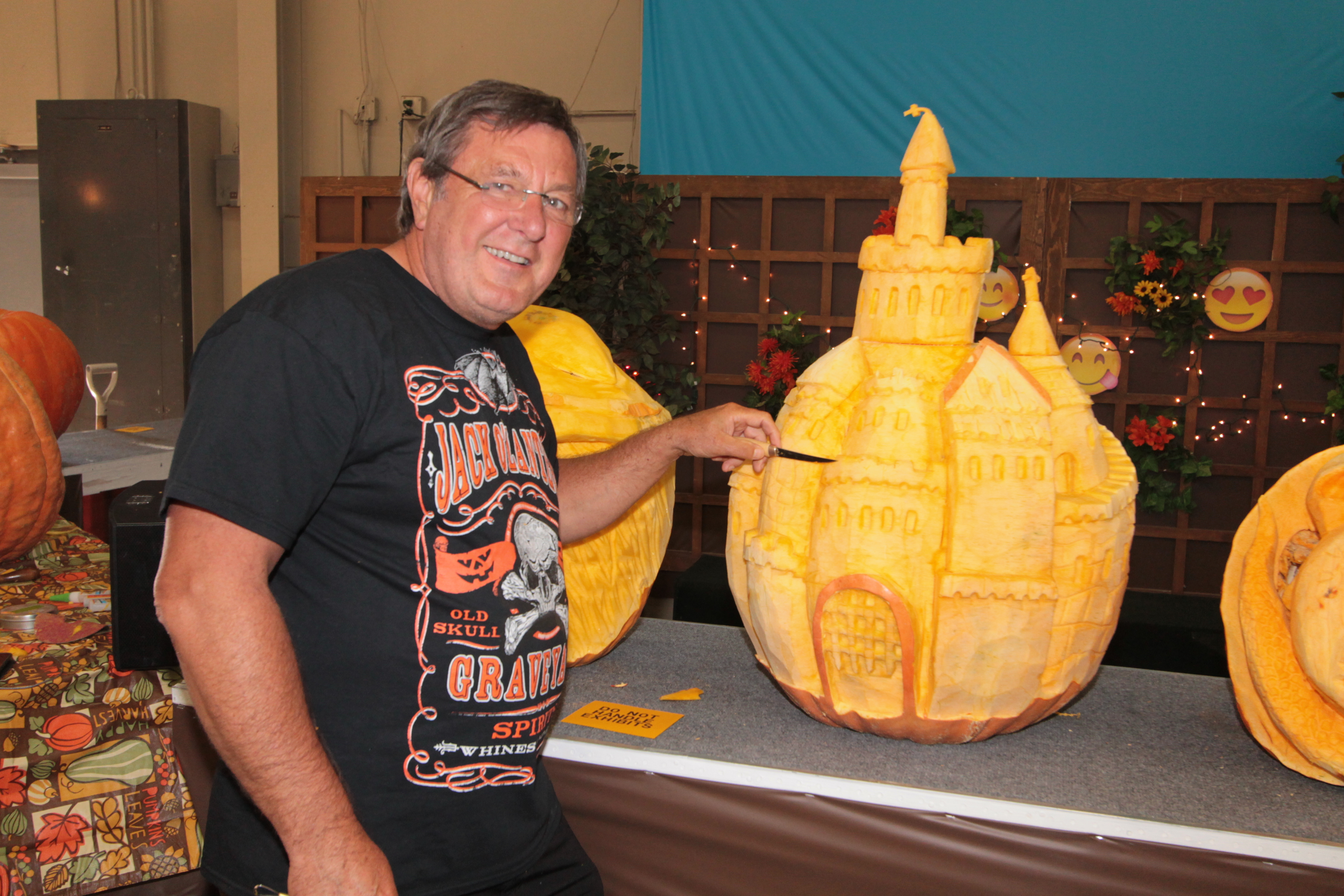
Russ Leno, master sculptor of sand, snow, ice, wood, watermelon, and his favorite—pumpkins, appreciates the the challenge of creating carvings from hundred-pound fleshy orange masses.  “This giant cultivar of a squash plant is a good material to carve in, Leno explained. “It gives you fast results, in under a five-hour time period. I like to entertain in front of crowds, and it just gives you something that people can see.”

A new species, "Pumpkin Fish."

New species, “Pumpkin Fish.”

“Everybody likes pumpkin carving. Everybody likes a jack-o-lantern. It’s just something that everybody enjoys, from the ages of 2 to 92, or even older. It’s still one of the last things I think we do. If you don’t do any art at all, you might still carve a pumpkin at this time of year. I just like the medium, and I just like doing it. It’s just fun. It’s a lot of fun.”

A recent performer at the Big Fresno Fair, Leno’s inspiration comes from within, as well as from looking at different artist sculptures, paintings, or drawings, or different elements in nature. “I might take a culmination of two or three different things and put my own spin on them. I might like something I see, but discover a better way to put a spin on it for a pumpkin. A lot of times, a pumpkin is only going to give you what it is going to give you because it’s only so thick and it’s hollow on the inside. You’ve got to be careful.”

Pumpkin Carvings by Russ Leno

Pumpkin Carvings by Russ Leno

“Everybody seems to think that they just pulled it out of a hat, and that’s just not true. After doing this for a number of years, I realized all the great sculptors from way back when didn’t just get a hammer and chisel and start pounding rock. They did a lot of planning and drawings up front.”

Leno initiates his ginger-hued creations from drawings and photos of posed people and things. “As you learn more about sculpting, to do something good, it is a planned event.”

He acknowledged you can carve certain things in certain pumpkins that you just can’t in other ones. “I might start out saying I’m going to carve this, but find the pumpkin is not thick enough or deep enough. The sculpture becomes something totally other than what I started out with, but that’s okay. They all come out nice at the end, and it’s fun.”

Leno, who has seen a range of pumpkins, which are native to North America, from different regions in the country with variations in size, shape, color and texture, but he prefers Prizewinner Pumpkins and small Atlantic Giant Pumpkins from the central California coastline. “These 100-pounders or 150-pounders are really good carvers because of the thickness -to-size ratio is very well proportioned so that you can get a fairly deep cut along with a proportionate-sized piece. They’re just great carving pumpkins.”

Big Fresno Fair Pumpkins

Big Fresno Fair Pumpkins

“I carve large pumpkins, and the people who grow the large pumpkins and I share a great love for the pumpkin itself and what it takes to grow them to their large sizes and their capability of being sculpted. You just don’t find these giant pumpkins just any old place. They require a little better soil conditions and fertilizers and specific pH balance in the soil to get these up at these sizes.”

“Pumpkin carving, which began as an all-American craft, has gained international popularity because of the internet and cultivation of pumpkins in other countries. A lot of countries now celebrate Halloween like we do, and people across the globe are now carving pumpkins and having a good time with them.”

“The internet has also created a way for sculptors to share their different carvings with like-minded people around the world.”

2016-10-26T14:30:05-07:00October 26th, 2016|

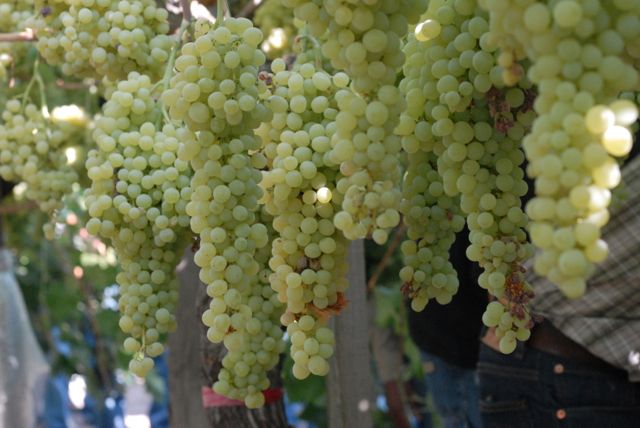
Successful Temecula Winegrape Harvest Wrap-Up

Temecula Winegrape Harvest to Become More Mechanized


By Patrick Cavanaugh, Farm News Director


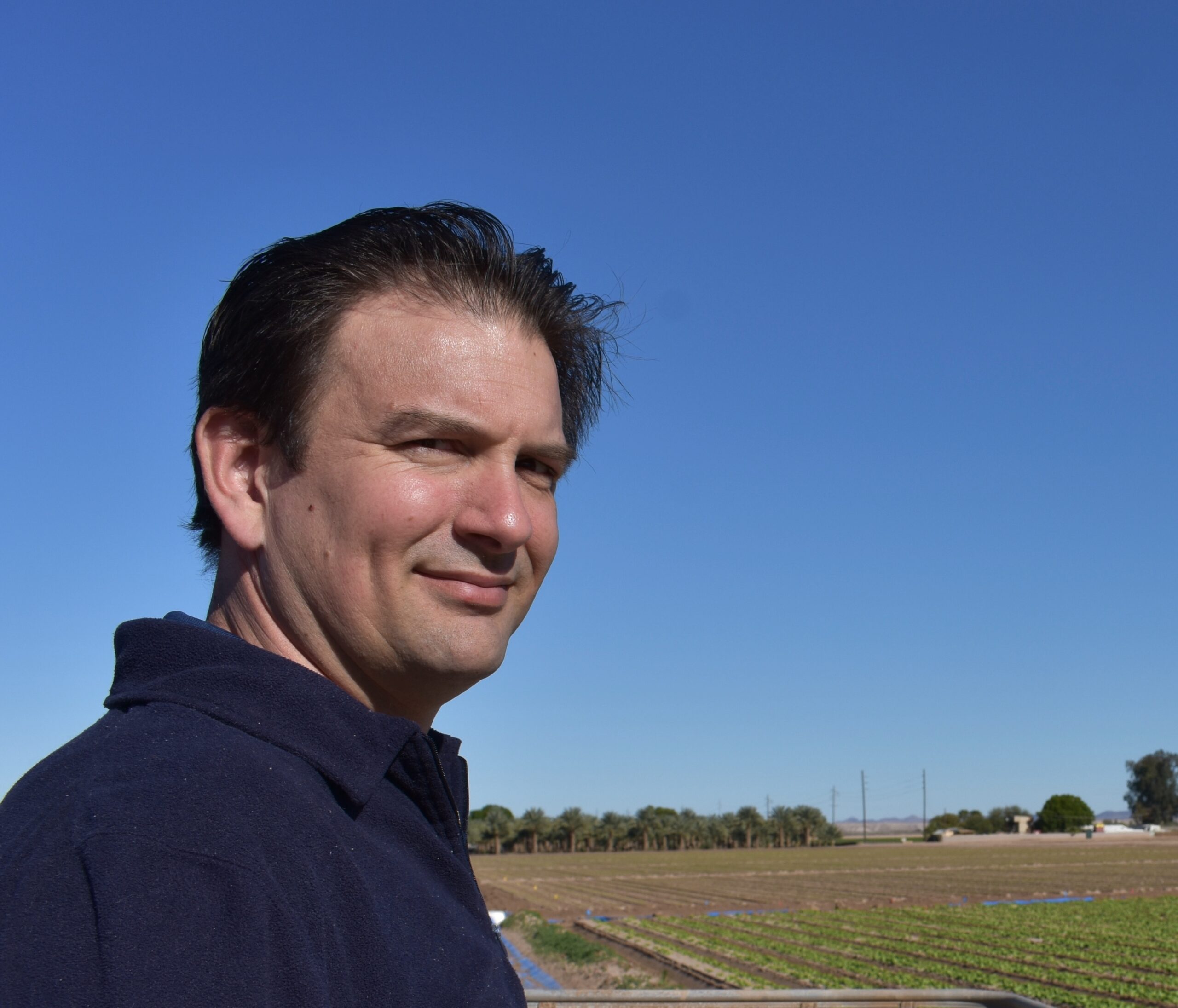
Winegrape harvest is going well in the Temecula area of Riverside County, east of San Diego. Ben Drake, president of Drake Enterprises, Inc., a vineyard and avocado grove management company there, summarized this year’s winegrape harvest. “We’re doing real well,” said Drake, who is also a grower board member of the California Department of Food and Agriculture (CDFA).

“We had some real hot weather in middle of June, which reduced some of our yields. We got through that warm weather. Vines recovered and some of the fruit recovered. We’re seeing a slight reduction in yield—somewhere between 10 and 20 percent overall—because of that hot spell.”

Ben Drake, Temecula Winegrapes

Ben Drake, president of Drake Enterprises, Inc. and grower board member of the California Department of Food and Agriculture (CDFA).


Harvest began toward the end of July and is now complete, Drake’s winegrape harvest is all hand done, not yet by machine. Drake said only one winery in the Temecula area has a machine.

Hand labor will change soon, according to Drake, because the new overtime bill mandates that farmworkers will receive overtime pay after working a threshold of 8 hours instead of 10. Drake is looking at machines that will dramatically decrease the hours of his workers—a consequence the state’s agriculture industry warned the Assembly about before they passed AB-1066.

“Overall,” Drake said, “it has been a long season. I grow about 35 to 36 different winegrape varieties, which allows me to pick some earlier and some later. That’s just the way they mature. It allows us to have plenty of time to get everything harvested.”


Drake Enterprises, Inc. the premier vineyard and avocado grove Management Company located in Temecula, California. Drake Enterprises, Inc. provides a full range of vineyard and avocado related activities to its clients. These include site selection, soils and water evaluation, variety, rootstock and scion selection, vineyard and avocado grove layout and development, vineyard and avocado grove management, harvest, consulting, avocado marketing strategy and grape brokerage.

2016-10-26T20:41:03-07:00October 20th, 2016|
Go to Top