A Decisive Victory for Small Dairy Farms in California

“This ruling ends a cynical back door attempt to illegally take assets from dairy farmers.” – Niall McCarthy, Cotchett, Pitre & McCarthy 

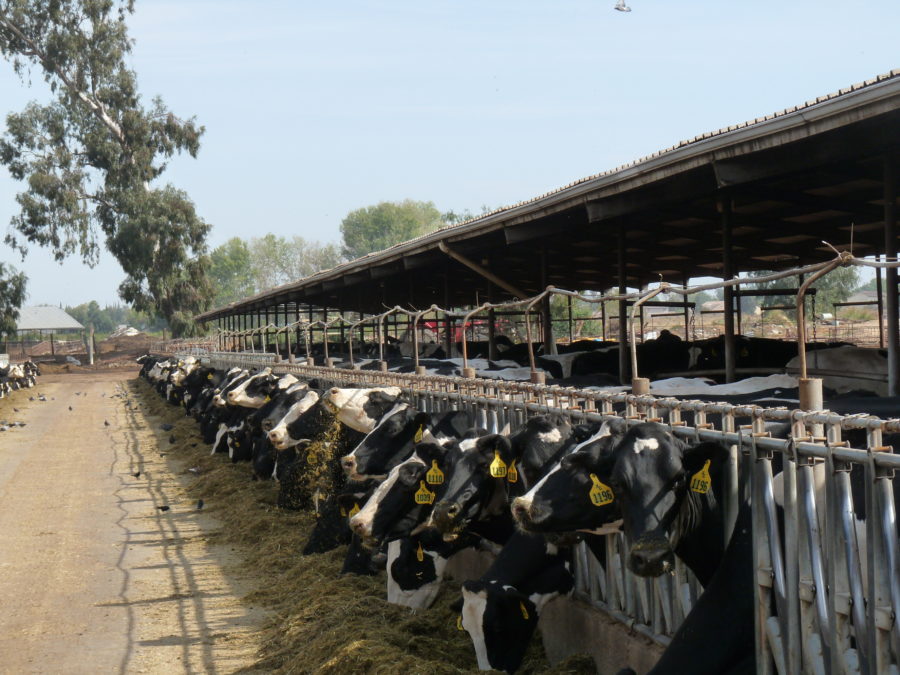
SACRAMENTO CA—A decisive victory for small family dairy farms was won this week in what has been called a civil war in the California dairy industry.  In a proceeding before The California Department of Food and Agriculture, Administrative Law Judge Timothy J. Aspinwall issued a much-awaited decision on a petition that could have put hundreds of California family dairy farms out of business.  Fortunately for those farms, the administrative law judge ruled that the petition, which sought to eliminate California’s milk quota system was “not legally valid” and recommends that Secretary of Food and Agriculture Karen Ross deny the petition in its entirety.

 
The petition sought to terminate the 50-year-old California milk quota system—a huge asset for the California dairy industry that is worth hundreds of millions of dollars and owned by most of the state’s dairy farms, especially smaller family-run farms.  The decision is a huge win for California dairy farms that have invested their revenue to purchase quota, and whose survival hung in the balance.  As dozens of farmers testified at the hearing in June, terminating quota would have robbed them of their and their families’ decades of hard work seized one of their most valuable assets without paying them any compensation, forced them out of business, resulting in huge lay-offs, and thrown the state’s dairy industry into financial chaos.  Examples of the testimony are:
 
Terminating quota would be “financially catastrophic” and is a “matter of life or death for our dairy.”  Maia Cipponeri, a fourth-generation dairy farmer from Merced County
 
“If quota were suddenly terminated, I would be immediately plunged into severe debt that I could not pay . . . . In addition to financial ruin, this would ruin my son’s dream of continuing the family of California dairymen.” – Frank Borges, a third-generation dairy farmer from San Joaquin County
 
A group of farmers who successfully opposed the petition throughout these proceedings were represented by the law firm of Cotchett, Pitre, and McCarthy, LLP.
 
“This ruling ends a cynical back door attempt to illegally take assets from dairy farmers.” – Niall McCarthy, Cotchett, Pitre & McCarthy
 
Cotchett, Pitre & McCarthy engages exclusively in litigation and trials and has earned a national reputation for its dedication to prosecuting or defending socially just actions. To learn more about the firm, visit www.cpmlegal.com.
2021-05-12T11:17:06-07:00July 29th, 2020|

Farmworker Pandemic Safety Campaign Launched


Foundation Encourages Farmworkers to Keep Themselves and Their Families Safe During the Pandemic


Delano, CA – The California Farmworker Foundation has launched a new campaign, La Seguridad Empieza con Usted, which translates to Safety Starts with You, to help the farmworker community stay safe through the pandemic by providing encouragement for best practices and information on additional resources. The campaign will reach farmworkers in the greater Bakersfield and Fresno growing regions.

Advertisements on Spanish-language radio will encourage farmworkers to visit the foundation Facebook page for ways to stay safe during the pandemic. On the foundation Facebook page are messages that encourage safe practices during a pandemic, dispel myths about the pandemic, and provide tips for increased safety measures in daily life. These messages will continue throughout the campaign.

“The health of farmworkers and their families is just as essential as their work to keep the world fed,” said Hernan Hernandez, California Farmworker Foundation executive director. “Farming operations have adopted safety procedures to keep workers safe on the job. This campaign provides our communities with more Spanish-language information and resources about the pandemic, including the dispelling of COVID-19 myths, to better educate everyone on the need to make safe choices in their personal lives.”

This campaign is an expansion of work that the foundation has already been doing to keep the community safe during the pandemic, including distributing PPE, combatting food insecurity, and providing virtual medical consultations. The foundation has a free hotline for farmworkers to call seeking additional information on ways to stay safe during the pandemic. The number is 661-446-4077.

The farmworker safety campaign is supported by the California Fresh Fruit Association and California Table Grape Commission.


2020-07-29T14:31:15-07:00July 29th, 2020|

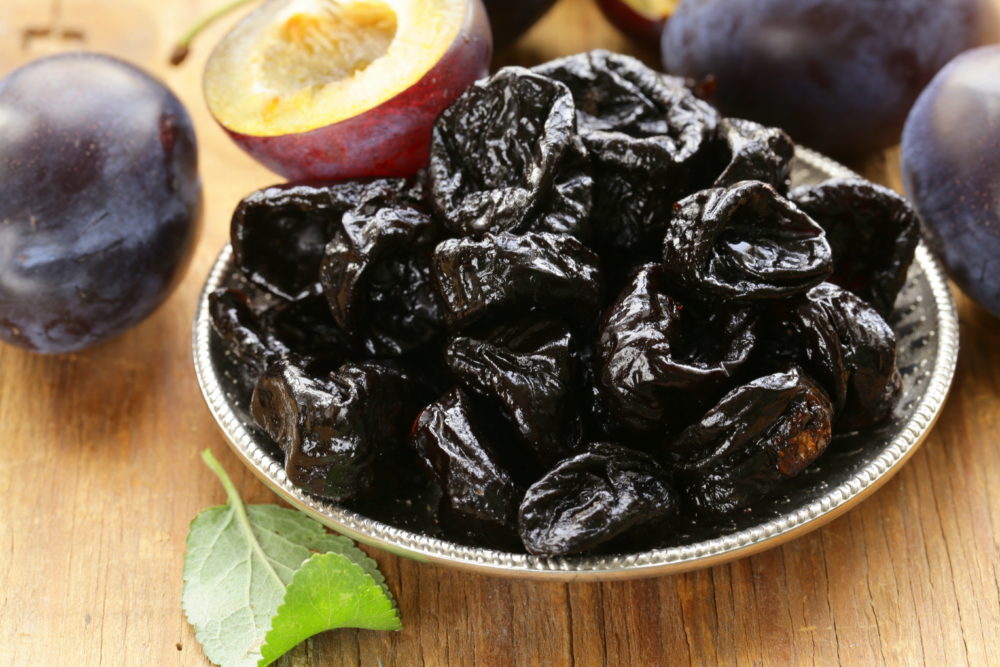
Prune Growers Have Tough Season Economically

California Prune Growers Suffer Economically

California prune growers forced economically to make a 23% reduction in crop deliveries and suffered a 28% reduction in price. This hardship comes despite several positive factors for the industry, including $50 million in USDA purchases of prunes and positive results from trade mitigation offsets and industry promotion efforts in Japan and elsewhere.

Growers reviewed the daunting double hit to grower returns from several factors, including the disruption to trade caused by the coronavirus pandemic at the 52nd annual membership meeting of the Prune Bargaining Association (PBA) on Thursday last week by conference call/video conference.

According to data presented by PBA General Manager Greg Thompson, average grower returns for several growers will fall by more than $500 per ton from the previous crop year. “Growers are to be commended for the tremendous efforts they have made to match production with demand,” explained Thompson. “Growers were told they would be paid little or nothing for smaller prunes, so they increased their efforts to prune, thin, and then screen out fruit at harvest, bringing the crop down from an estimated 110,000 tons to 85,000 tons.”

As background, according to the University of California, growers have an investment of nearly $18,000 per acre (not including land) to establish a prune orchard. Growers spend an additional $4,194 per acre each year to produce and deliver the crop. “The extra effort made this past year by growers increases expenses and reduces yields,” explains Thompson. “It is truly a double whammy to have grower prices fall so precipitously.”

The brutal cut to grower prices comes in the face of many positives for the industry. Imports of cheaper but more inferior quality prunes are down 76% for the first five months of the year, while domestic shipments of California prunes are up 13%. USDA programs in response to unfair and retaliatory tariffs and trade barriers, and needy family feeding programs, have helped offset losses in overseas markets and gain back market share.

Shipments to Japan, a key market for California prunes, are up 14% over the previous year. Over the past three years, the USDA has purchased nearly $50 million of prunes for needy families, school lunches, and other feeding programs.

One of the biggest positives for the California prune growers comes from a united industry working together to promote health and wellness through nutrition research. “Everbody wants to make a health claim these days,” explains Ranvir Singh, PBA President. “But prunes are the tried and true healthy and completely natural food. There is so much more to the health benefits of eating prunes than anyone first imagined.”

Scientific research is revealing more and more about the importance of gut health to overall health. Prunes have been shown to positively impact both gut health and bone health, among other bonuses. “The benefits of micro-nutrients, boron, potassium, fiber, and an apparent anti-inflammation benefit in the gut make prunes a truly remarkable food,” remarks Singh.

The Prune Bargaining Association was formed in 1968 as a grower-owned cooperative to improve the California prune industry’s economy, encourage the production of a quality product, and provide a forum for growers to exchange ideas regarding the industry. The PBA establishes the industry’s raw product price for prunes.

2020-07-29T17:40:34-07:00July 28th, 2020|

Research on Citrus Greening Disease Control

Progress is Being Made on Controlling Citrus Greening

By Tim Hammerich with the Ag Information Network 

Citrus Greening Disease, also know as Huanglongbing, has devastated farms in places like Florida, and poses a serious threat in California. Researchers at the University of California Riverside are making progress on potential control. Dr. Hailing Jin describes what makes this pathogen so difficult.

“First, this is a very special bacteria, which cannot be cultured in vitro. So it’s very hard to study. Second, they are phloem limited. They only stay in the phloem, the vasculature tissue of the whole tree. So it’s not very easy to detect on. Another important thing is that they are transmitted by flying insects called Asian Citrus Psyllid, so can be spread very quickly,” explained Jin.

Dr. Jin and colleagues have been researching plants that are tolerant to the disease to identify genes that may lead to natural defense. They plan to publish their research in the coming months.

2020-07-24T10:22:23-07:00July 24th, 2020|

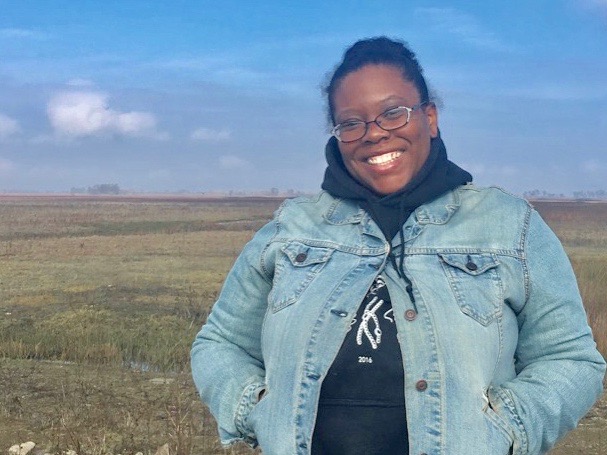
UC Davis Doctoral Student Alexandria Igwe Lands Postdoctoral Fellowship


Alexadria Igwe Will Work on Soil Microbial Communities

UC Davis doctoral student Alexandria “Allie” Igwe, advised by community ecologist and assistant professor Rachel Vannette of the UC Davis Department of Entomology and Nematology, has received a prestigious $138,000 National Science Foundation Postdoctoral Fellowship to work on soil microbial communities and develop novel online tools to increase interest in ecology.

Igwe who joined the UC Davis doctoral program in 2015, anticipates receiving her PhD in microbiology in September 2020.  Her thesis: “Microbial Community Contribution to Plant Abiotic Stress Tolerance: A Case Study in Serpentine Soils.”  Igwe focuses her research on plant-microbe associations, microbial ecology, environmental microbiology and bioinformatics.

“Plant-microbe associations impact plant phenotype, distribution and biodiversity and range in their effects on a continuum from costly parasitic to beneficial mutualistic interactions,” she wrote in her successful proposal. “These mutualistic relationships also range from loose and facultative to endosymbiotic and obligate. The relationship between nitrogen-fixing bacteria and plants is especially important ecologically. Research into these associations have traditionally focused on endosymbiotic relationships within the nodules of legumes. I propose to explore the impact of strong selective soil pressures on microbial local adaptation and mutualism using free-living nitrogen-fixers and non-legumes.“

“My study,” she wrote, “will utilize serpentine ecosystems because serpentine soils are naturally high in heavy metals and deficient in plant nutrients which contributes to low plant productivity and presents strong selective pressures. The system also includes a free-living nitrogen-fixer, Microvirga spp., and plants that can grow on both serpentine and nonserpentine soils (serpentine-indifferent), allowing tractable manipulations across stress environments. Research with this system can be useful for disentangling the relative influence of soil and plant type on the establishment of mutualistic relationships and its impact on plant performance.”

gwe plans to use “culture-based isolation techniques, qPCR, whole-genome sequencing, and manipulative greenhouse and field surveys to: (1) Quantify the abundance of Microvirga spp. in serpentine and nonserpentine soils and explore the relative influence of edaphic factors, elevation, and climate on bacterial abundance. (2) Identify the presence of ecotypic variation in serpentine- and non-serpentine-isolated Microvirga spp. using functional assays and genome-wide sequencing, and (3) Determine the effect of Microvirga spp. on non-leguminous plant survival and development.”

She seeks a career as an environmental microbiologist to “scientifically and commercially address problems related to environmental degradation and food security.”

 “Allie has initiated exciting research directions during her time in the lab: examining how rhizosphere microbes influence plant survival and growth on serpentine soils,” said Vannette, a UC Davis Hellman Fellow.   “She has funded this work through several successful grant applications during her graduate career at UC Davis. Her creative research suggests previously unrecognized ways that plants are able to successfully establish and grow on harsh soils. She has also found that the composition of soil microbes can affect seedling establishment and also change when plants flower!”

“Her findings are novel and they are already making an impact on the field,” Vannette pointed out. “Allie has published a first-author paper and co-authored two additional papers on how soil microbial communities are shaped by soil characteristics and plant species Allie has taken an active role in mentoring students in our lab. She has worked closely with and trained at least five undergraduate students in techniques ranging from DNA extraction and library prep, isolating and identifying soil bacteria, bioinformatics analysis and root imaging analysis. She has accompanied students to national meetings and supported their career goals even after they had left the lab.“

Vannette, who joined the UC Davis Department of Entomology and Nematology in 2015 after serving as a postdoctoral fellow at Stanford University’s biology department, also praised Allie for “taking an active role in mentoring students in our lab. She has worked closely with and trained at least five undergraduate students in techniques ranging from DNA extraction and library prep, isolating and identifying soil bacteria, bioinformatics analysis and root imaging analysis. She has accompanied students to national meetings and supported their career goals even after they had left the lab.”

“Allie has not only strong academic achievements, excellent leadership ability and but also the ability to translate these skills into meaningful research, impactful mentoring, and effective recruitment and retention of underrepresented students,” Vannette said. “Allie has accomplished a lot here at Davis and I am excited to watch her career unfold. Her achievements have been recognized with a prestigious NSF Postdoctoral fellowship.”

Born in Stockton but raised in Houston, Allie remembers how her mother, a registered nurse, “imparted on me the importance of education from a young age and did a lot to make sure I had access to the best public educational opportunities Houston had to offer.

“I am the first to go to graduate school and will be the first doctor in the family, although not the type they likely expected,” she quipped. “I’ve always been interested in the natural world and participated in science fairs growing up. My first project was a survey of all the bugs in my front yard. My mom and I collected, identified, and mounted them. She told me that she could always find me in some mud or looking under a rock or collecting snails. I always had an interest in the environmental field–it just took a little nudge from amazing mentors for me to pursue it.”

Allie received her bachelor’s degree in biology in 2013 from Howard University, Washington, D.C., where she submitted her honors thesis: “Elemental Defense in Alyssum murale: Effects on Plant-Herbivore Interactions.” She holds a master of science degree in soil science in December 2015 from Texas A&M (TAMU), where she presented her thesis on “Phytoremediation of Hydrocarbon-Contaminated Soil Using Phenolic-Exuding Horticultural Plants.”

At TAMU, Allie designed greenhouse experiment to identify rhizosphere microbial composition of horticulture plants growing in soil contaminated with polycyclic aromatic hydrocarbons.

The UC Davis doctoral student co-authored “Organic Management Promotes Natural Pest Control through Altered Plant Resistance to Insects,” published May 15 in the journal Nature Plants, with Vannette and several other co-authors.

Igwe served as the lead author of the Igwe-Vannette research, “Bacterial Communities Differ Between Plant Species and Soil Type, and Differentially Influence Seedling Establishment on Serpentine Soils,” published June 26, 2010 in the journal Plant and Soil.

At UC Davis, Igwe has helped other students succeed. She served as a teaching assistant from September 2016 to- December 2019 in the UC Davis Career Discovery Group. She mentored a group of 10-20 freshmen in career exploration activities and professional communication. In addition, she recruited industry professionals to participate in student networking events, and coordinated on-site visits with working professionals for career exploration trips. Igwe also was a success coach in the UC Davis Success Coaching and Learning Strategies for a year.

2020-07-23T10:52:09-07:00July 23rd, 2020|

USDA, USTR Name New Agricultural Trade Advisors

U.S. Secretary of Agriculture Sonny Perdue and U.S. Trade Representative Robert Lighthizer today announced the appointment of 25 new members to serve on seven agricultural trade advisory committees.

The Agricultural Policy Advisory Committee is comprised of senior representatives from across the U.S. agricultural community who provide advice to the U.S. Department of Agriculture and the Office of the U.S. Trade Representative on trade policy matters including the operation of existing trade agreements and the negotiation of new agreements. Members of the six Agricultural Technical Advisory Committees (ATACs) provide technical advice and guidance from the perspective of their specific product sectors.

The newly appointed advisors will serve until 2024. Each committee will be supplemented by additional appointments over the next four years. Applications are encouraged at any time. A complete list of committee members and application information is available at www.fas.usda.gov/topics/trade-advisory-committees.

Following is a list of the new advisors, by committee:

Agricultural Policy Advisory Committee
Constance Cullman, American Feed Industry Association
David Puglia, Western Growers
David Salmonsen, American Farm Bureau Federation

ATAC for Trade in Animals and Animal Products
Robert DeHaan, National Fisheries Institute
Mallory Gaines, American Feed Industry Association
David Herring, Hog Slat Inc./TDM Farms
James Parnell, Alabama Farmers Federation
Maria Zieba, National Pork Producers Council

ATAC for Trade in Fruits and Vegetables
William Callis, U.S. Apple Export Council
Casey Creamer, California Citrus Mutual
Jodi Devaurs, California Table Grape Commission
Jonathan Maberry, Washington Red Raspberry Commission
Caroline Stringer, California Fresh Fruit Association

ATAC for Trade in Grains, Feed, Oilseeds and Planting Seeds
Peter Bachmann, USA Rice Federation
William Gordon, American Soybean Association
Derek Haigwood, D.I.D. Farms
Patrick Hayden, North American Export Grain Association
Dalton Henry, U.S. Wheat Associates
Edward Hubbard, Renewable Fuels Association
Tina Lyons, Double River Forwarding, LLC

ATAC for Trade in Processed Foods
Kevin Latner, National Industrial Hemp Council
Richard (Denton) McLane, McLane Global Trading
Max Moncaster, National Association of State Departments of Agriculture
Bernadette Wiltz, Southern United States Trade Association

ATAC for Trade in Sweeteners and Sweetener Products
(No new members.)

ATAC for Trade in Tobacco, Cotton and Peanuts
Karl Zimmer, Premium Peanut

2020-07-17T12:24:02-07:00July 17th, 2020|

Heat Illness Prevention During These Hot Summer Days

By Markie Hageman Co-Editor

It’s extremely important for farm employees to know how to prevent heat illness. Larry Williams is the CEO of the EE Hall Company among the largest ag labor contractors in the state. Williams is also the executive risk and safety manager for the company and they take worker’s safety in the field very seriously.

“Heat illness is a big thing for us because we employ over 25,000 employees throughout the state of California. And we’re in the ag industry and we’re in all commodities. So heat is a big thing, especially coming up in the summertime for us.”

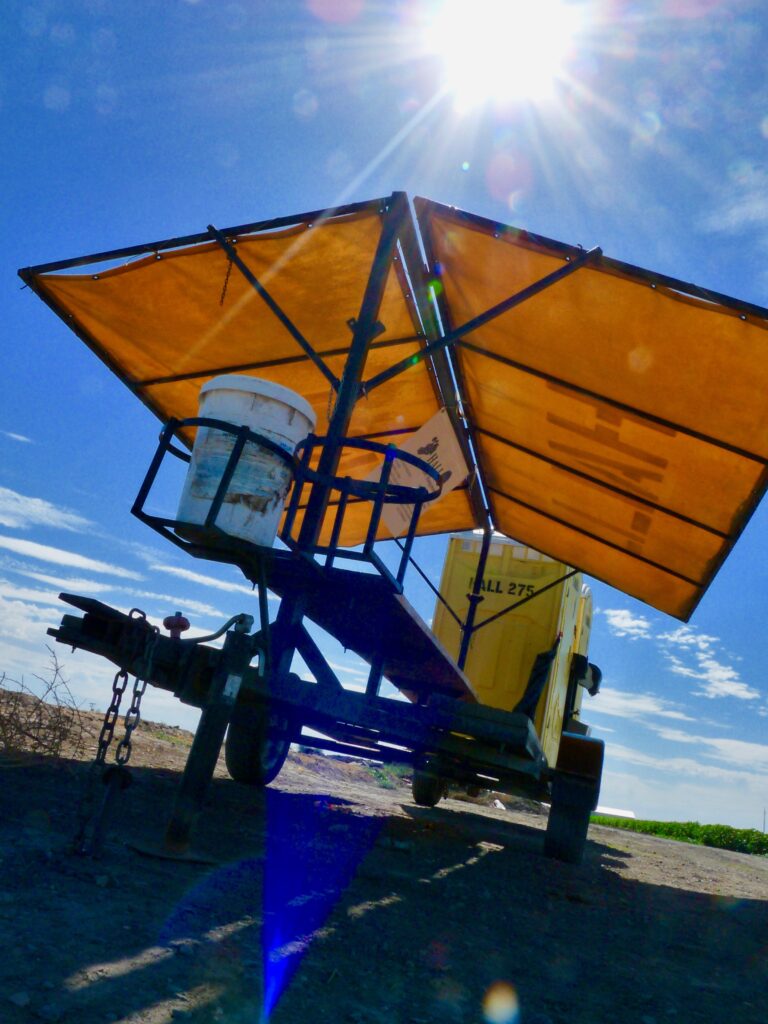
An EE Hall Company Shade Trailer

Williams describes how they get it done across the state, and the first thing they provide is shade trailers for 100% of their employees.


“In addition to the shade trailers, if needed, we have canopy umbrellas where needed for our individual irrigators, and we try to make sure we’re ahead of the game”


State regulations say that shade must be available to all workers. When temperatures reach 80 degrees,


“Yes, we have to have shade available but every site that we pull up to, we automatically bring shape whether it’s 60 degrees, a hundred degrees shades already there and available.”


And of course, plenty of water must be available for all field employees. Additionally, when temperatures reach 95 degrees or above, the employer shall ensure that employees take a minimum 10 minute preventative cooldown rest period, every two hours.

2020-07-17T09:03:12-07:00July 17th, 2020|

“Dirty Dozen” List Coverage Drops to All-Time Low

From: SafefruitsandVeggies.com

The authors of the so-called “Dirty Dozen” list made a serious miscalculation with the release of this list during the pandemic. If the authors thought they could capitalize on escalating food safety fears among consumers as a means to gain increased attention and coverage for their list, they were seriously wrong.

Upon learning of the pending release, the Alliance for Food and Farming (AFF) used its consumer-facing outreach tools to communicate that this list is not only scientifically unsupportable, but hurts consumers because it’s fear-based messaging may be discouraging the purchase of any produce – organic or conventionally grown. We also posted an open letter asking the list authors to put the needs of consumers first and cancel the list release. While we always aggressively defend the safety of all produce, this year the AFF was even more strident because it was so important to reassure consumers about produce safety under these unprecedented circumstances.


And we had some crucial help. Among the AFF’s biggest advantages in recent years has been our involvement with the dietitian/nutrition community. We alerted this audience immediately upon learning about the list release, shared our messaging and reminded them about the safety information and resources available at safefruitsandveggies.com.

Their reaction to the list release was not just frustration, but outrage that a group would promote unwarranted safety fears of these healthy, immune-boosting foods during this pandemic. They took over social media conversations, advanced AFF messaging, linked to our website information, wrote blogs and articles and conducted media interviews effectively chasing and shaming the list authors from their own dialogue and promotion.

The result of all outreach efforts was that mainstream media coverage declined by a staggering 70% from the previous year. This drop is even more significant when you consider that we had already seen a consistent downward trend of coverage over time. And, for the first time, total media coverage carrying AFF messaging exclusively outpaced stories featuring one-sided content from the list authors.

But despite the results from AFF campaign efforts, our work must continue. In an AFF survey of dietitians and nutritionists, 94% agreed that fear based messaging, like the “dirty dozen” list, is having a negative impact on their ability to increase produce consumption among their clients and consumers.

This “fear barrier” could go away quickly if groups and organizations would stop disparaging the more affordable and accessible forms of produce to advance one production method over another. And if we join together to support consumer choice whether they prefer to purchase organic and/or conventionally grown fruits and vegetables since both forms are healthy and safe. This change would be a win for consumers and a win for public health.

2020-07-15T11:39:27-07:00July 15th, 2020|

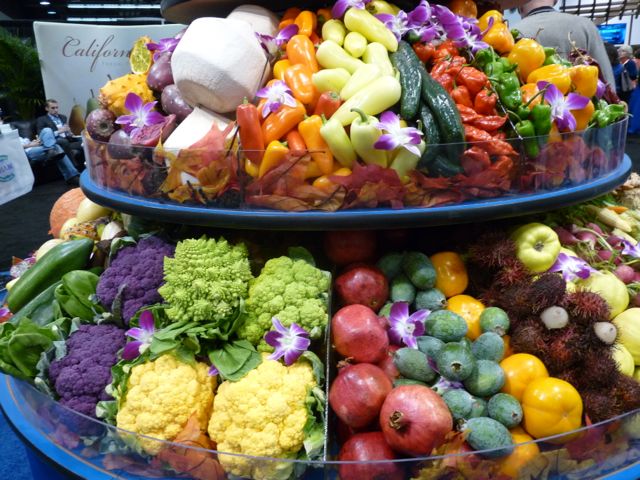
Additional Commodities Eligible for Coronavirus Food Assistance Program

Good For California Producers of Many Specialty Crops!

On Tuesday, U.S. Secretary of Agriculture Sonny Perdue announced an initiallist of additional commodities that have been added to the Coronavirus Food Assistance Program (CFAP), and that the U.S. Department of Agriculture (USDA) made other adjustments to the program based on comments received from agricultural producers and organizations and review of market data.

Producers will be able to submit applications that include these commodities on Monday, July 13, 2020. USDA’s Farm Service Agency (FSA) is accepting through Aug. 28, 2020, applications for CFAP, which helps offset price declines and additional marketing costs because of the coronavirus pandemic. USDA expects additional eligible commodities to be announced in the coming weeks.

“During this time of national crisis, President Trump and USDA have stood with our farmers, ranchers, and all citizens to make sure they are taken care of,” said Secretary Perdue. “When we announced this program earlier this year, we asked for public input and received a good response. After reviewing the comments received and analyzing our USDA Market News data, we are adding new commodities, as well as making updates to the program for existing eligible commodities. This is an example of government working for the people – we asked for input and we updated the program based on the comments we received.”

USDA collected comments and supporting data for consideration of additional commodities through June 22, 2020.

Changes to CFAP include:

  • Adding the following commodities: alfalfa sprouts, anise, arugula, basil, bean sprouts, beets, blackberries, Brussels sprouts, celeriac (celery root), chives, cilantro, coconuts, collard greens, dandelion greens, greens (others not listed separately), guava, kale greens, lettuce – including Boston, green leaf, Lolla Rossa, oak leaf green, oak leaf red and red leaf – marjoram, mint, mustard, okra, oregano, parsnips, passion fruit, peas (green), pineapple, pistachios, radicchio, rosemary, sage, savory, sorrel, fresh sugarcane, Swiss chard, thyme and turnip top greens.
  • Expanding for seven currently eligible commodities – apples, blueberries, garlic, potatoes, raspberries, tangerines and taro – CARES Act funding for sales losses because USDA found these commodities had a 5 percent or greater price decline between mid-January and mid-April as a result of the COVID-19 pandemic. Originally, these commodities were only eligible for marketing adjustments.
  • Determining that peaches and rhubarb no longer qualify for payment under the CARES Act sales loss category.
  • Correcting payment rates for apples, artichokes, asparagus, blueberries, cantaloupes, cucumbers, garlic, kiwifruit, mushrooms, papaya, peaches, potatoes, raspberries, rhubarb, tangerines and taro.

Additional details can be found in the Federal Register in the Notice of Funding Availability (NOFA) and Final Rule Correction and at www.farmers.gov/cfap.

Producers have several options for applying to the CFAP program:

  • Using an online portal, accessible at farmers.gov/cfap, allows producers with secure USDA login credentials—known as eAuthentication—to certify eligible commodities online, digitally sign applications and submit directly to the local USDA Service Center. New commodities will be available in the system on July 13, 2020.
  • Completing the application form using our CFAP Application Generator and Payment Calculator found at farmers.gov/cfap. This Excel workbook allows customers to input information specific to their operation to determine estimated payments and populate the application form, which can be printed, then signed and submitted to their local USDA Service Center. An updated version with the new commodities will be available on the website on July 13, 2020.
  • •       Downloading the AD-3114 application form from farmers.gov/cfap and manually completing the form to submit to the local USDA Service Center by mail, electronically or by hand delivery to an office drop box. In some limited cases, the office may be open for in-person business by appointment. Visit farmers.gov/coronavirus/service-center-status to check the status of your local office.

USDA Service Centers can also work with producers to complete and securely transmit digitally signed applications through two commercially available tools: Box and OneSpan. Producers who are interested in digitally signing their applications should notify their local service centers when calling to discuss the CFAP application process. You can learn more about these solutions at farmers.gov/mydocs.

Getting Help from FSA

New customers seeking one-on-one support with the CFAP application process can call 877-508-8364 to speak directly with a USDA employee ready to offer general assistance. This is a recommended first step before a producer engages the team at the FSA county office at their local USDA Service Center.

All other eligibility forms, such as those related to adjusted gross income and payment information, can be downloaded from farmers.gov/cfap. For existing FSA customers, these documents are likely already on file.

All USDA Service Centers are open for business, including some that are open to visitors to conduct business in person by appointment only. All Service Center visitors wishing to conduct business with FSA, Natural Resources Conservation Service or any other Service Center agency should call ahead and schedule an appointment. Service Centers that are open for appointments will pre-screen visitors based on health concerns or recent travel, and visitors must adhere to social distancing guidelines. Visitors may also be required to wear a face covering during their appointment. Field work will continue with appropriate social distancing. Our program delivery staff will be in the office, and they will be working with our producers in office, by phone and using online tools. More information can be found at farmers.gov/coronavirus.

2020-07-16T08:50:08-07:00July 14th, 2020|

Center For Land-Based Learning Receives $15,000 From CLA Foundation

Donation to support general operations for the Center for Land-Based Learning

The Center for Land-Based Learning was awarded a $15,000 grant by the CLA Foundation to support its general operations as the organization continues to settle into its new headquarters in Woodland, CA. The new headquarters is located on thirty acres of prime farmland with a 5,400 square-foot administration building, 2 barns and additional outbuildings, and 9 acres of riparian habitat on the banks of Cache Creek.

Center for Land-Based Learning
A view of part of the new Center For Land-Based Learning Campus in Woodland CA

“Any organization that receives a CLA Foundation grant must be nominated for consideration by a CLA employee. It is great to see our CLA employees engaging in this way. Center for Land-Based Learning fits so well with the CLA Foundation mission, and we’re thrilled to be supporting this important work,” Reed Matthews, Managing Principal of the CLA Sacramento office.

The Center for Land-Based Learning has experienced significant growth and change in the year 2020. In May, the organization moved from their previous location of 19 years in Winters, CA to a state-of-the-art, newly constructed Statewide Headquarters and new farm infrastructure. The new headquarters will be crucial to the organization’s ability to expand its programs and serve more people.

“We are so grateful to the CLA Foundation for their generous support,” notes Mary Kimball, Executive Director for the Center for Land-Based Learning. “This is a pivotal time for agriculture and natural resource management. As we move forward in the next chapter of the Center’s history in our new headquarters, the need for general operating support will become even more imperative. This generous grant makes a big difference in our ability to provide our critically important programs.”

The Center for Land-Based Learning’s move to its new headquarters has been made possible by its very successful Growing our Future Capital Campaign. To date, the Campaign has raised over $5.5 million and recruited over 100 donors. The organization is thankful for all of its generous donors who have made the new headquarters a reality.

###

2020-07-14T08:53:37-07:00July 14th, 2020|
Go to Top