Westlands Praises Gov. Newsom on Drought Declaration

Westlands Water District Applauds Governor Newsom’s Drought Declaration, Investment in Water Infrastructure Repairs

Urges Collaborative Approach to Mitigate Drought Impacts

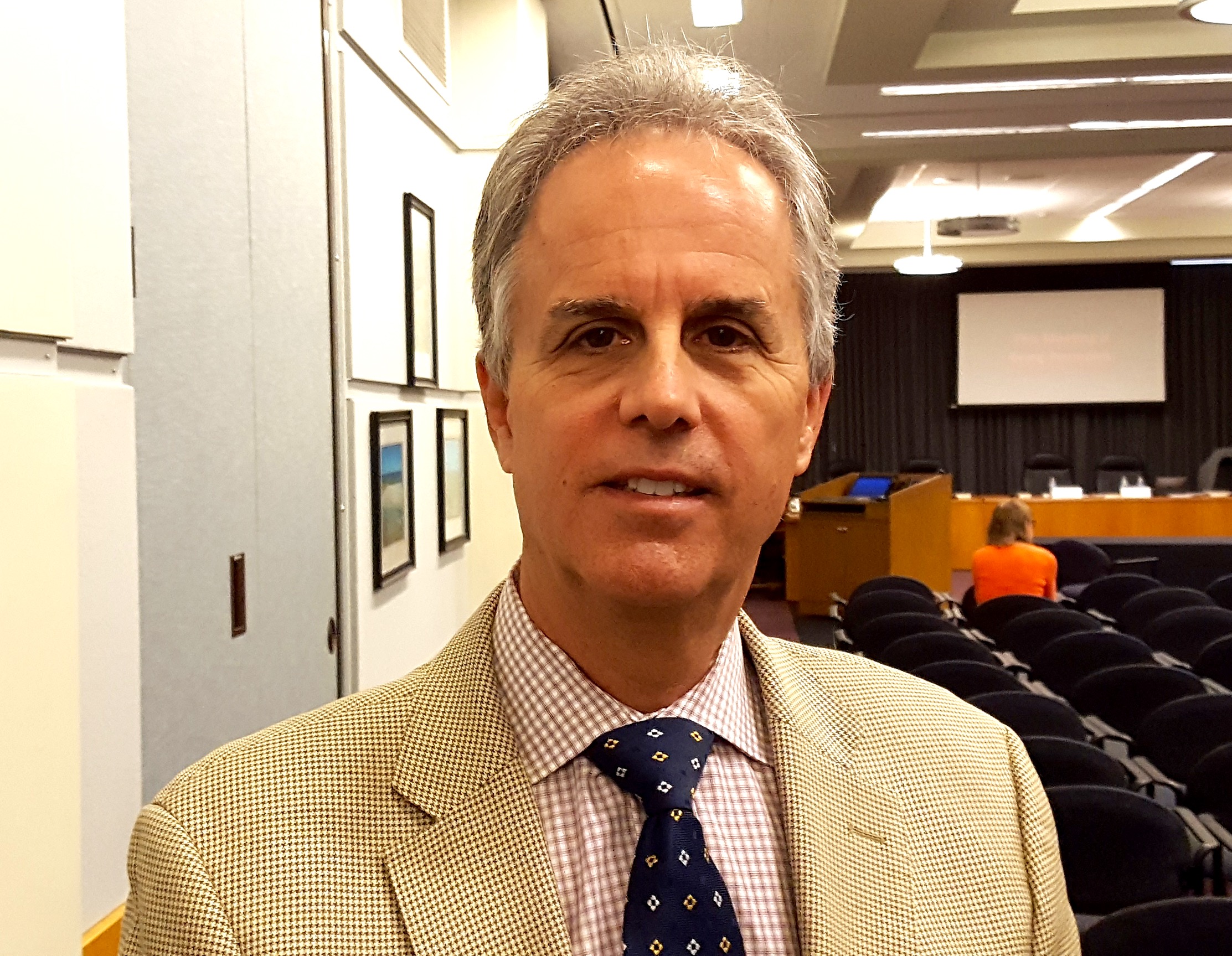
In response to California Governor Gavin Newsom’s expansion of the drought emergency to include the Central Valley, Tom Birmingham, Westlands Water District general manager, today issued the following statement:

“The realities of a changing climate mean California must prepare for longer, hotter droughts that can only be effectively mitigated through collaborative approaches that focus equally on our state’s economic and environmental sustainability. We applaud Governor Newsom’s action to mitigate the impacts of a second year of drought in the Central Valley, which has already manifested itself in fallowed fields and lost jobs due to lack of water.

In particular, his move to streamline water transfers and provide $200 million in funding for critical water infrastructure repairs as outlined in Senator Hurtado’s Senate Bill 559 will both help local communities manage drought impacts in the short term and improve drought resiliency by maximizing the beneficial use of every drop of water in the long term. Westlands appreciates the leadership of both Governor Newsom and Senator Hurtado in championing these critical water infrastructure repair investments, and we look forward to continuing to work with local, state and federal leaders to develop collaborative, holistic solutions to more effectively address the impacts of drought on our most vulnerable communities.”


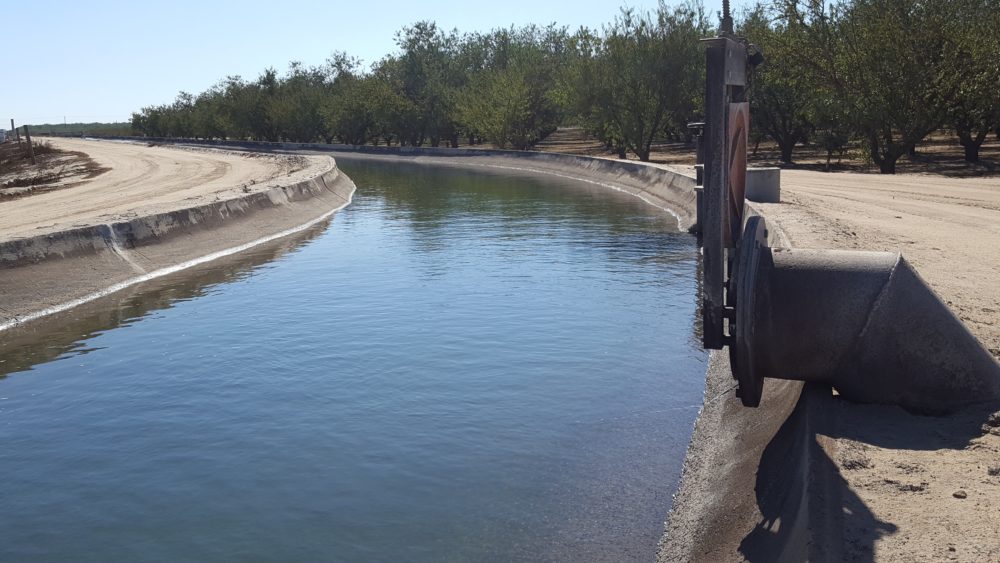
Subsidence has caused the Central Valley Project canals, which carry water to Westlands and other water agencies, to lose up to 30% of their conveyance capacity over time. This lost conveyance capacity results in less water available at higher costs for farms, communities, and wildlife. Westlands is among a broad coalition of water agencies supporting Senate Bill 559 (Hurtado), S. 1179 (Feinstein), and H.R. 2552 (Costa) companion state and federal legislation designed to address this issue. Governor Newsom’s commitment of $200 million represents approximately one-quarter of the state funding outlined in SB 559.

The immediate challenge facing State agencies that are responsible for ensuring competing demands are met is achieving a reasonable balance among all competing beneficial uses. The State agencies must consider all demands being made on the limited water supplies available and the values involved with the beneficial uses of water – including economic and social values. Governor Newsom’s drought emergency declaration will provide State agencies with the tools needed to achieve that balance, and it is Westlands’ hope that the water needs of people and the economy will not be made subordinate to the needs of the environment.

Past studies indicate that statewide economic losses as a result of California’s 2014-2016 drought totaled $3.8 billion, with thousands of jobs lost in the Central Valley alone and many rural drinking water wells running dry. Earlier this year, Westlands urged Governor Newsom to help mitigate the impacts of a 5% water allocation from the Central Valley Project, which is currently not available for delivery. Over the last 10 years, Westlands and other South-of-Delta agricultural service and water repayments contractors have received a 100% allocation of water only once and have received a 0% allocation two times.

2021-05-24T17:59:33-07:00May 24th, 2021|

Winegrape Crush Waste Studied

Upcycling Winegrape Waste


By Tim Hammerich with the Ag Information Network 

Somewhere in the neighborhood of ⅓ of the food we produce gets wasted. Wine is no different. One-third of the grapes used to make wine are not utilized for human consumption after crush. Researchers at the University of California, Davis are trying to change this by studying how to take bioactive compounds from that waste like oligosaccharides and phenolics, and turn them into food ingredients.

“Some products are already on the market for this grape marc. Some small companies have grape marc extracts, which are mostly touted for the phenolic properties and not for the oligosaccharides,” said Amanda Sinrod a graduate student researcher and master’s candidate.

“A company branched off of Sonomaceuticals, who we work with called Vine to Bar, actually has a chocolate line where they incorporate this marc into the chocolate,” she said. “And without changing the texture, or really significantly the chocolate flavor, they’re not only able to increase things like the fiber of the chocolate and the phenolics to make it healthier, but they’re also adding these oligosaccharides just by naturally incorporating the grape marc,” Sinrod noted. “Because of the natural sugars in the grape marc, they’re actually able to add less sugar to the bar, making it healthier. So it’s just beginning. Hopefully, this will take off soon,” she said.

Sinrod said more research is needed in this area, but she is hopeful that this waste stream can be utilized for both health and sustainability.

2021-06-08T17:13:22-07:00May 21st, 2021|

Help Is Needed to Support Exporters

Western Growers, Industry Allies  Urge Federal Action on Export Crisis at West Coast Ports

By Tracey Chow  Government Affairs Specialist, Western Growers Association
Recently, Western Growers and nearly 300 allied agriculture and forest products companies and associations sent a letter to Secretary of Transportation Pete Buttigieg, urging his immediate intervention to support U.S. exporters and ensure their access to overseas markets.


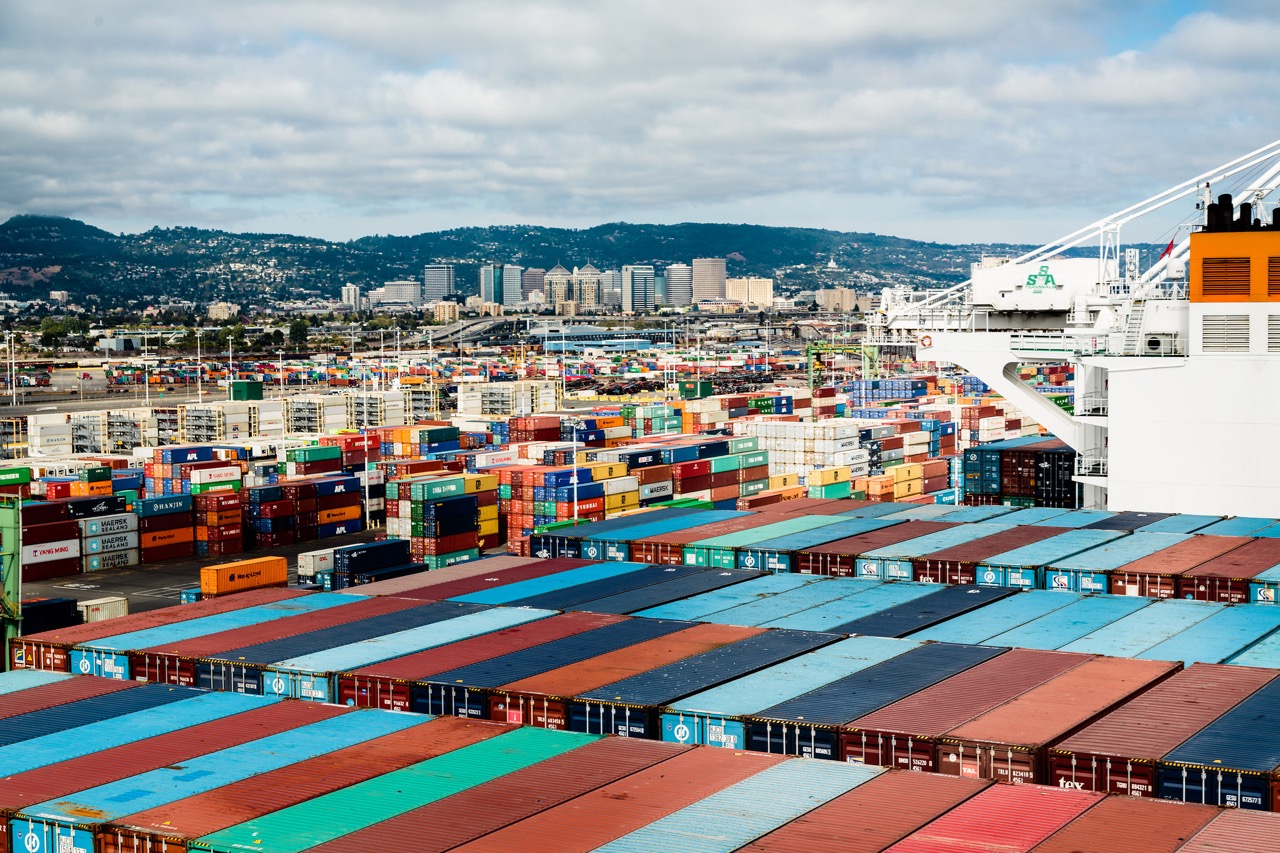
Since fall of 2020, U.S. agricultural exporters have faced extreme challenges getting their products onto ships and out to foreign buyers, including record-breaking congestion and delays at ports, carriers’ persistent failure to provide accurate notice of arrival/departure and cargo loading times, excessive imposition of financial penalties and other fees, and skyrocketing freight rate costs. The group letter urges the Department of Transportation to consider its existing powers and determine how it can assist with the transportation needs of U.S. ag exporters in overcoming the current challenges in shipping goods and products.

Foreign markets are critical to Western Growers members, and we have been proactively monitoring the ongoing situation and elevating the issue with the state and federal governments. We continue to press for action from the Administration, as well as Congress, to engage the marine transport supply chain – particularly the shipping lines and terminals – to find solutions and relief.

**If your business is having problems with exporting – including high detention/demurrage or other questionable fees, excessive delays or cancellations, and carrier unresponsiveness – please contact Tracey Chow (tchow@wga.com, 202-704-7312)

2021-05-18T18:13:46-07:00May 18th, 2021|

California Ag Policy Update

CA Ag Day Event Highlights Concerns in State

By Tim Hammerich, with the Ag Information Network

Here are a few agricultural policy updates affecting our state’s farmers and ranchers, courtesy of the California Farm Bureau Federation.

Drought concerns surfaced frequently during the California Farm Bureau Capitol AG Day event, held via video conference Tuesday. Farm Bureau President Jamie Johansson expressed disappointment with the slow progress of projects funded through a 2014 water bond, and urged movement on voluntary river-flow agreements intended to head off further water cuts. The conference featured discussions with legislative and administration leaders on a variety of topics.

The U.S. House of Representatives passed an agricultural immigration bill last week. The Farm Workforce Modernization Act addresses both current and future workforce needs for agricultural employers and employees. The California Farm Bureau and hundreds of other farm organizations have announced support for the bill. It would update agricultural visa programs and accommodate immigrant agricultural employees already in the country


The pandemic has brought shifts in meat demand, as people stock freezers with meat. Ranchers who sell whole animals directly to customers say a change in law could help them fulfill that demand. A bill in the state Legislature would allow more ranchers to process small numbers of animals on the farm for direct sale. Cattle ranchers may already do so. The bill would expand that option to include sheep, goats and potentially swine.

2021-05-17T18:20:09-07:00May 17th, 2021|

Water Projects Proposed To Help Farmers

Potential Funding to Accelerate Water Projects

By Tim Hammerich, with the Ag Information Network 

With more California farmers facing significant water cutbacks, public officials have responded with legislation to address the state’s recurring water shortages. A plan in the state Legislature would allocate $2 billion to accelerate a variety of water projects and programs. At the federal level, the new legislation would restore canal capacity. Farm and water groups have also pressed to add water projects to a federal infrastructure package.

Two concurrent efforts aim to help farmers and ranchers ensure their properties in fire-prone areas. Legislation sponsored by the California Farm Bureau would authorize the state’s insurer of last resort, the California FAIR Plan, to underwrite coverage for commercial farms and ranches that can’t find it on the open market. At the same time, Nationwide has begun offering supplemental insurance for farmers who qualify for FAIR Plan coverage.

Dairy farmers will watch carefully as restaurants and other food-service facilities reopen. More than half of some dairy foods are typically consumed away from home. Dairy product sales to foodservice have increased and retail sales remain strong, but economists say future buying habits will be unpredictable as pandemic restrictions ease. With milk production expected to increase, analysts say food-service demand will be particularly important.

Source: California Farm Bureau

2021-05-15T21:41:39-07:00May 15th, 2021|

Prop 12 Problems

Prop 12 a ‘Tough Situation’ for the Pork Industry

By Tim Hammerich with the Ag Information Network

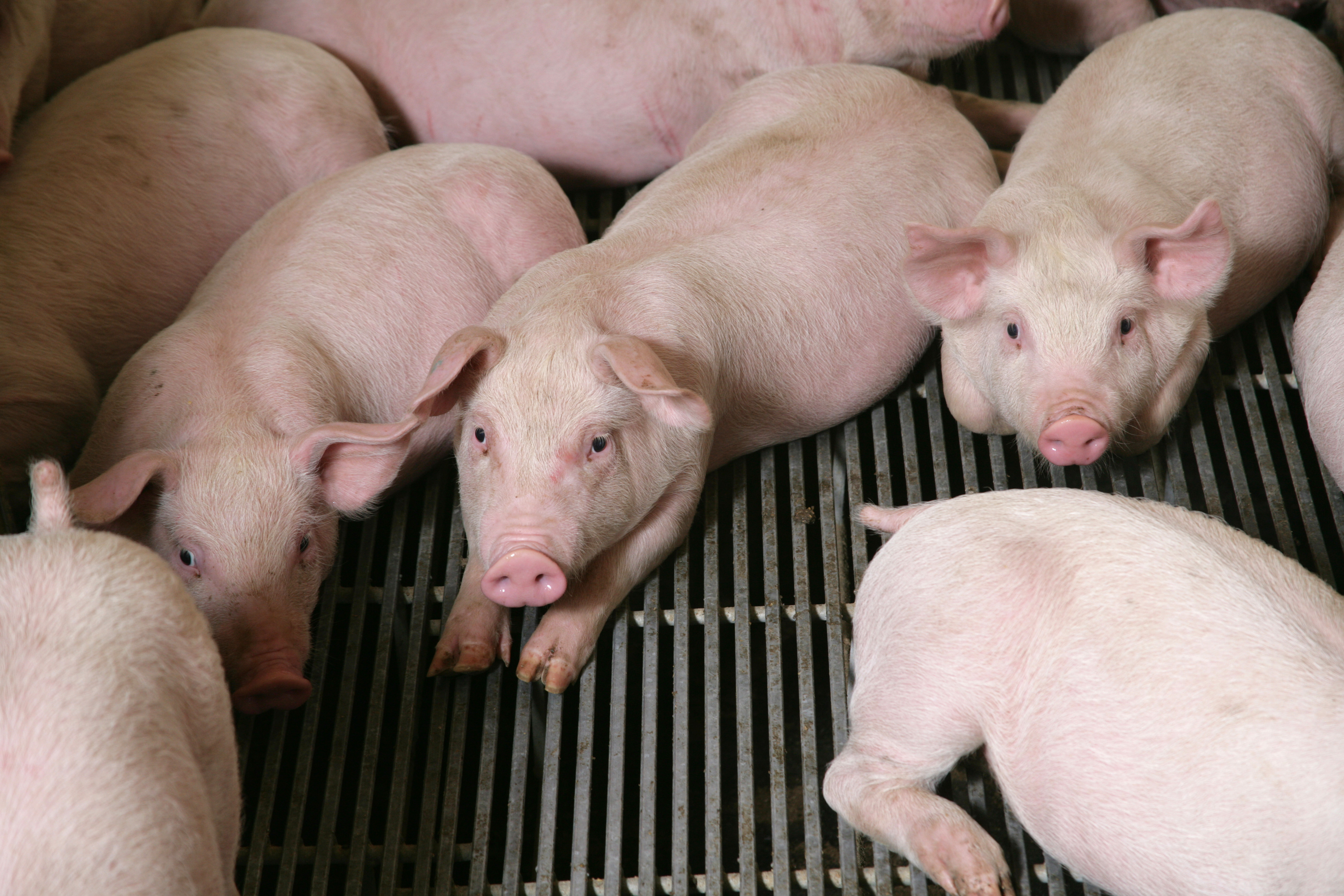
Proposition 12 was passed by referendum back in 2018 and is scheduled to come into effect in 2022. There’s still a lot of uncertainty about how the law, which establishes new standards for confinement of specified farm animals, will be executed. Christine McCracken is executive director and protein analyst at Rabobank.

“The industry is kind of put into, you know, this difficult position of being faced with a rule that will make a lot of the pork that we raise here in the U.S. ineligible for sale in California without some pretty major legal consequences and financial consequences,” said McCracken.

The controversy is surrounding the fact that the law requiring certain growing conditions applies to all pork sold in California, regardless of where it is raised.

“It’s a tough position to be in for everyone: the retailer obviously, and not knowing whether or not they’ll have a lot of pork to sell. It’s tough for the processor, you know, with the potential of not having the visibility to encourage those changes and not knowing whether or not they’ll have enough pigs to process for California,” said McCracken.

“And for the producer, you know, they obviously have the added risk of not having markets for their pigs. So it’s, it’s a tough kind of industry situation at the moment,” noted McCracken.

Industry groups have filed lawsuits challenging the constitutionality of the measure.

2021-05-12T18:14:16-07:00May 12th, 2021|

This Growing Season Could Be Similar to 2015

Low Water Allocations Remind Growers of 2015


By Tim Hammerich with the Ag Information Network

The year 2015 is not a year most farmers remember fondly. The severe drought-affected California agriculture in profound ways and alarmingly 2021 is looking very similar.

Mike Wade is the executive director of the California Farm Water Coalition, which is a non-profit educational organization to help inform the public about agricultural water use.

“We’ve got quite a situation in California this year, similar to what we saw in 2015. And if we use that as kind of an example of what we might expect this year, we had over 540,000 acres of fallowed farmland back in 2015,” said Wade.

“And we’re expecting probably as much, or maybe more this year. Most of the state in agriculture has had significant water supply cuts. Probably one in four acres is facing a 5% water allocation this year. And huge other swaths have had 25% cuts – or they’re getting about 75%. But it’s affecting every corner of California agriculture and in a way that we’re starting to see impacts on our food supply this summer and into the fall through acreage reductions,” noted Wade.


2021-05-11T18:17:01-07:00May 11th, 2021|

New Legislation Could restore Canal Capacity

Potential Funding to Accelerate Water Projects

By Tim Hammerich with the Ag Information Network

With more California farmers facing significant water cutbacks, public officials have responded with legislation to address the state’s recurring water shortages. A plan in the state Legislature would allocate $2 billion to accelerate a variety of water projects and programs. At the federal level, new legislation would restore canal capacity. Farm and water groups have also pressed to add water projects to a federal infrastructure package.

Two concurrent efforts aim to help farmers and ranchers ensure their properties in fire-prone areas. Legislation sponsored by the California Farm Bureau would authorize the state’s insurer of last resort, the California FAIR Plan, to underwrite coverage for commercial farms and ranches that can’t find it on the open market. At the same time, Nationwide has begun offering supplemental insurance for farmers who qualify for FAIR Plan coverage.

Dairy farmers will watch carefully as restaurants and other food-service facilities reopen. More than half of some dairy foods are typically consumed away from home. Dairy product sales to foodservice have increased and retail sales remain strong, but economists say future buying habits will be unpredictable as pandemic restrictions ease. With milk production expected to increase, analysts say food-service demand will be particularly important.


(Source: California Farm Bureau Federation)

2021-05-06T19:02:04-07:00May 6th, 2021|

United Fresh Outlines New Gathering Program

United Fresh to Launch Remagine Connections with Regional In-Person Gathering and Online Content

With California’s continued limitation on conventions and expos of our size, United Fresh is launching Reimagine Connections, a new program bringing members together in-person at smaller regional events, and online for education, networking and innovation events.  Reimagine Connections will deliver:

  • A series of smaller in-person regional events where members can gather and build those relationships we all so value;
  • An online education and networking portfolio that truly serves the business needs of our industry; and,
  • A new opportunity for companies to host their own Innovation Spotlight Broadcasts to connect with clients and colleagues about new products, business solutions and services.

“We’re very disappointed California requirements will not allow us to host our trade show in Los Angeles this June. We had looked forward to partnering this year with the Fresh Produce and Floral Council, and appreciate their collaboration and hard work in building what might have been our largest show ever,” said United Fresh Chairman Michael Muzyk, President of Baldor Specialty Foods, Inc.

“But once again United Fresh is re-inventing the member experience to connect in new ways. Combining a new portfolio of top education, networking, and innovation sessions with a series of in-person regional events allows us to Reimagine Connections across our industry,” he said.

In-Person Regional Events

As local conditions permit, United Fresh will host safe education and networking events in several cities this summer. “We know that members are anxious to see each other, so we’re bringing that opportunity to them,” said United Fresh President & CEO Tom Stenzel. A schedule of dates and locations for United Fresh regional events will be forthcoming, together with information about how to register and/or sponsor these events.

Online Education/Networking

Registration will open May 1 for a series of online education and networking sessions that complement the in-person events. Online education and networking will take a deep dive into five unique tracks throughout the spring and summer, including:


  • Produce 101 – Orientation to the Fresh Produce Supply Chain
  • Key Issues in Produce Safety
  • BrandStorm™ Continued – Marketing as Key to Increasing Sales
  • Overcoming Supply Chain Challenges to Profitability
  • Top-to-Top Retail-Foodservice Dialogues for Success

Each track will have a minimum of five individual one-hour sessions, for a total of 25 sessions.  Registration will be available for each track for $400. Access to all five tracks is $1,500, a $500 savings.  Companies can receive three full packages for members of their team for $4,000, an additional $500 savings. And for those companies who want to make this a total team event, a $10,000 package enables a company to have unlimited staff access to these programs.

Looking at the content, associates just starting out in the industry will find great value in our “Orientation” track, learning about each stage of the supply chain and getting to know their peers. Staff working in food safety, marketing or supply chain will gain advanced knowledge and skills in those disciplines. And, C-Suite executives will enjoy exclusive access in top-to-top retail and foodservice strategy sessions on what lies ahead for our industry.

Innovation Spotlight Broadcasts

“We know that everyone is tired of virtual expos, where “exhibitors” have to wait patiently for someone to visit their “booth,” said John Toner, United Fresh’s Vice President of Convention & Industry Collaboration. “But we also know that new product development and innovation are the lifeline to the future – and buyers want to see what’s new! So, we’re offering companies the opportunity to host their own live, interactive presentations online.”

The Innovation Spotlight Broadcasts are a more creative way for companies to connect personally with buyers who want to see new produce items, what’s new in packaging, or even future technologies to streamline operations. A limited number of Innovation Spotlight Broadcasts will be available at a cost of $4,000 for a 45-minute session.

“The COVID-19 pandemic has been a nightmare to individuals and families around the world. And, it has disrupted businesses and challenged employees throughout the produce industry,” Stenzel said. “While we’re disappointed that we can’t have thousands of people at our trade show this June, we can still connect our industry to learn together, to build relationships with our colleagues, and to grow our businesses through new products and innovations. That’s an essential job of a trade association, and we’re excited to bring these new opportunities to our members.”


2021-05-04T16:36:24-07:00May 4th, 2021|

Cattle Ranchers Protect Coastal Landscape

Cattle and Seashores Coexist

By Tim Hammerich with the Ag Information Network 

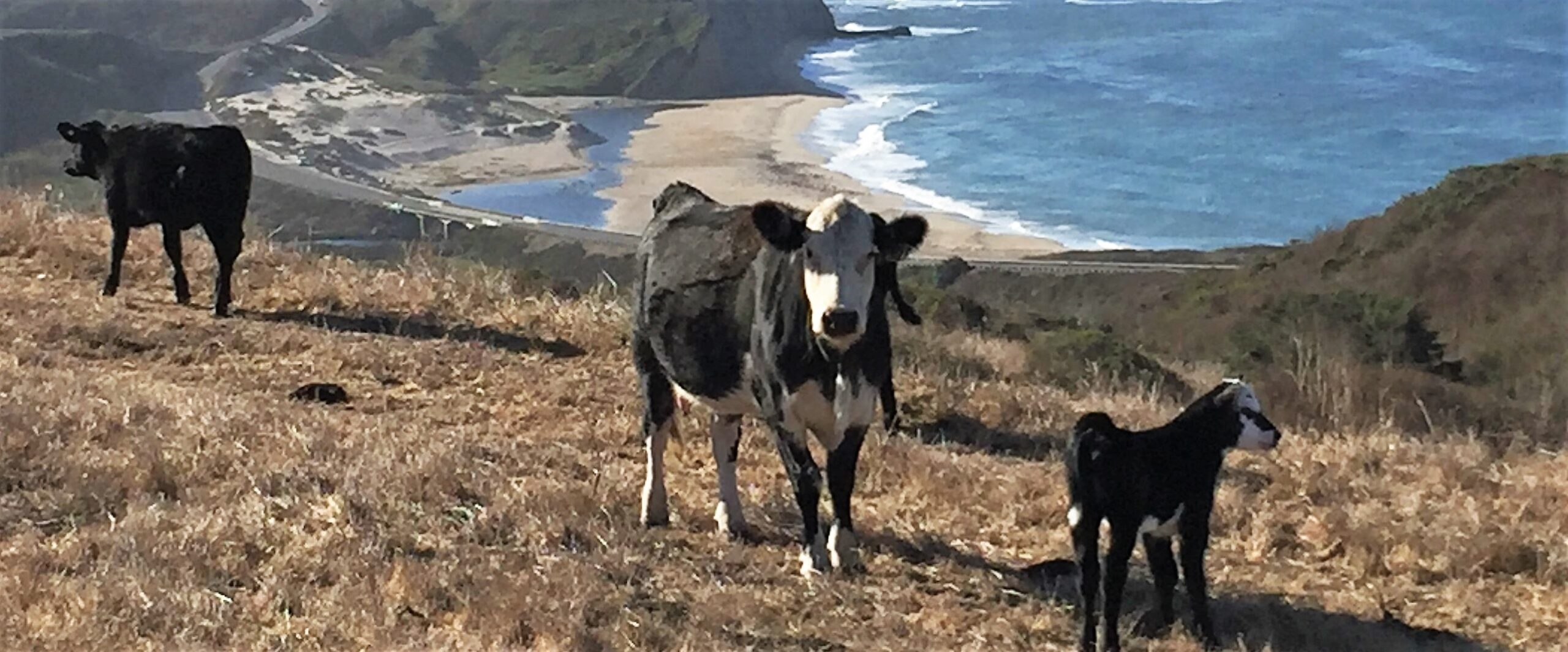
When scientists found levels of bacteria from cattle in the seashores of Marin and Sonoma County, some decided to work with farmers and ranchers instead of against them. David Lewis is one of them. He’s director for UCANR Cooperative Extension in Marin County and a watershed advisor.  He’s worked with ranchers to research ways for cattle and oceans to coexist.

“How do we have a production system on a landscape that can support and provide us blue cheese and oysters? And so if that helps you think about Tomales Bay and then the surrounding watersheds that support a lot of wildlife or shellfish, and then the landscape, that’s this really perfect place to do grazing livestock, and have open connected working landscapes. So how do we protect the environment? How do we produce great dairy products? How do we have wonderful shellfish,” asked Lewis.

Lewis gives a lot of credit to local ranchers who have taken steps to give back to the community and to the environment.

“The ranches on the seashore are really integral to our agricultural production and to the community. And they’ve been with us every step of the way in this environmental stewardship as well. So I hope people really view them as a part of the local Marin and Sonoma community. And if you’re not from the area, please come and learn how that’s true, that these ranches and the seashore are really a part of the local community, not separate from,” Lewis said.

2021-04-29T21:13:17-07:00April 29th, 2021|
Go to Top