Why Almonds Belong in Your Diet

Almond Nutrition

Source: Alissa Fleck, Demand Media

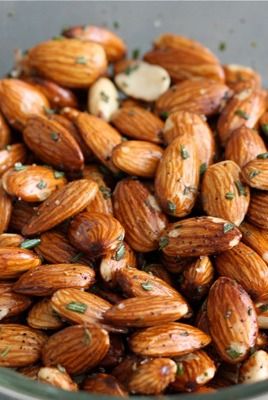
Natural, unsalted almonds are a tasty and nutritious snack with plenty of health benefits. Loaded with minerals, they are also among the healthiest of tree nuts. Just a handful of nutrient-rich almonds a day helps promote heart health and prevent weight gain, and it may even help fight diseases like diabetes and Alzheimer’s.

Nutrition

Eating about 23 almonds a day is an easy way to incorporate many crucial nutrients into your diet. Almonds are rich in vitamin E, calcium, magnesium, minerals and potassium. Additionally, almonds are a significant source of protein and fiber, while being naturally low in sugar. One 23-almond serving packs 13 grams of healthy unsaturated fats, 1 gram of saturated fat and no cholesterol or salt. Of all tree nuts, almonds rank highest in protein, fiber, calcium, vitamin E, riboflavin and niacin content by weight. There are 160 calories in 23 almonds. While many of these calories come from fat, it is primarily the healthy unsaturated fats and not the unhealthy saturated kind.

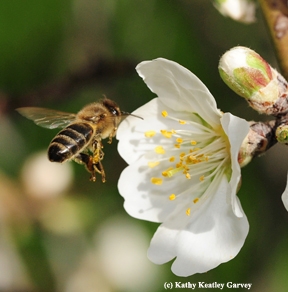
Almond Hull-split

Almond Hull-split

Heart Health

According to the FDA, eating 1.5 ounces a day of most nuts, like almonds, may reduce the risk of heart disease. Many of the nutrients in almonds help contribute to increased heart health. For one, almonds are rich in magnesium, which is critical in preventing heart attacks and hypertension. Several clinical studies have also shown almonds can be effective in reducing bad cholesterol and preserving healthy cholesterol, which plays a major role in heart health.

Weight Maintenance

Nuts, like almonds, are also beneficial for maintaining a healthy weight. The fiber, protein and fat content of almonds means it only takes a handful to keep you feeling full and satisfied so you won’t have the urge to overeat. According to “Fitness” magazine, the magnesium in almonds helps regulate blood sugar, which is key in reducing food cravings. Almonds may even be able to block the body’s absorption of calories, making them the ultimate weight-loss-friendly snack. Because almonds are naturally high in calories, it’s important to limit your serving size to the recommended 1 ounce, or 23 nuts.

Other Health Benefits

Almonds may also promote gastrointestinal health and even combat diabetes. The high fiber content of almonds gives them prebiotic properties, which contributes to health in the gastrointestinal tract. Prebiotics are non-digestible food substances, which serve as food for the good bacteria in the intestinal tract and help maintain a healthy balance. According to a study by the American Diabetes Association, a Mediterranean diet incorporating nuts, such as almonds, helps fight diabetes even without significant changes to weight, physical activity or caloric intake.
2021-05-12T11:06:01-07:00January 2nd, 2015|

Storm flows lead to challenges for water system

By Kate Campbell; Ag Alert

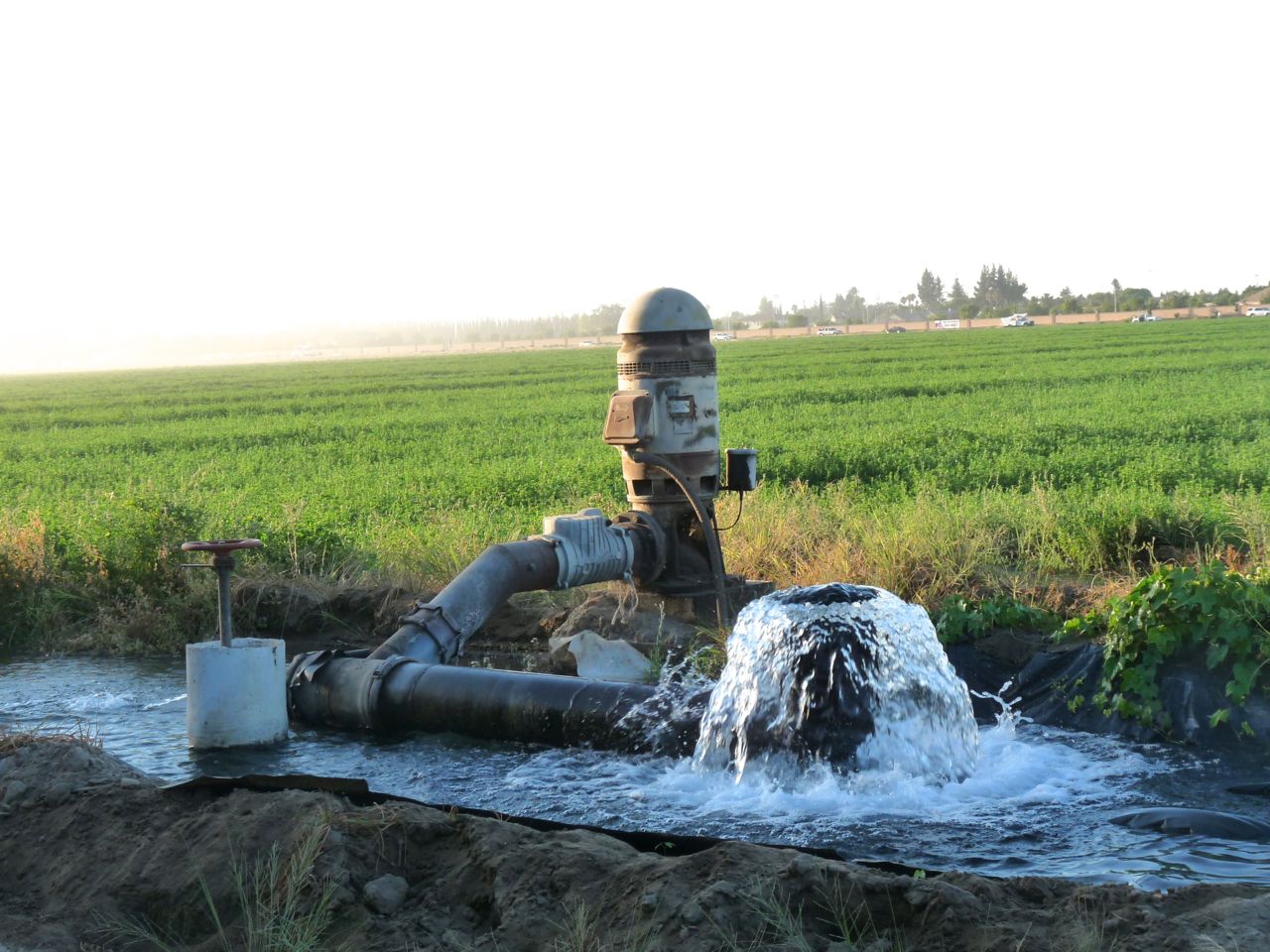
After enduring three of the driest years in state history, nothing could be more heartening to farmers and ranchers than the steady march of Pacific storms that reached California this month. But good news is tempered by the knowledge that a few strong downpours don’t translate into full reservoirs and abundant supplies — and the storms revived concern about how state and federal water systems manage storm flows in a drought year.

The state’s reservoirs stand at about 57 percent of average, slightly below this time a year ago and well below full capacity.

“We’ve had years past where rain and snow didn’t continue into the New Year,” said State Climatologist Mike Anderson, pointing to the moisture cutoff last January that assured shortages for farmers who rely on surface water deliveries from the state and federal water projects.

“So far this year, precipitation levels depend on where you are—north of a Bay Area-Tahoe line, precipitation is above average, but in the south, levels are actually below average,” Anderson said. “In addition, there’s also below-average snowpack across the entire Sierra Nevada.”

He said most of the storms so far this water year, which began Oct. 1, have been warm, meaning snow accumulations aren’t building the way water managers hope. Sierra snowpack currently is about 50 percent of average, he said.

While December storms dropped significant precipitation, the California Farm Water Coalition noted last week that many of the state’s agricultural customers in the federal Central Valley Project worry that this year’s zero deliveries of surface water will be repeated in 2015.

“In the last few weeks, hundreds of thousands of acre-feet of water were in the system at the same time delta pumps were almost completely shut down,” coalition Executive Director Mike Wade said.

As these storms have come in, Wade said the water storage situation is similar to what was seen a year ago—except the state’s reservoirs are now lower.

“It’s very frustrating to watch water flowing through the system without being captured,” he said. “We have constraints in the delta that hold down the amount of water we catch to the bare minimum because of protections for delta smelt.”

During the height of the stormwater pulse moving through the Sacramento-San Joaquin Delta last week, he said, less than 10 percent of the surge was captured for storage and use next summer.

The state Department of Water Resources and U.S. Bureau of Reclamation, in conjunction with the U.S. Fish and Wildlife Service, said last week they are experimenting with pumping reductions to prevent a “turbidity bridge” from occurring in the central and south delta. Delta smelt are attracted to turbid, or cloudy, water because it makes the tiny organisms it feeds on more visible and provides shelter from potential predators, such as non-native bass.

DWR described the strategy this way: “Forgoing the capture of tens of thousands of acre-feet of water may allow water project operators to avoid the loss of hundreds of thousands of acre-feet of water supply later in the winter.”

A spokeswoman for the Bureau of Reclamation, Erin Curtis, said the storms present challenges in operating the system “to balance the critical need to quickly increase water supplies south of the delta while being cautious to not trigger environmental restrictions that could constrain delta operations and ultimately reduce the overall supplies.”

Representatives of agricultural water users said they’ll be closely watching the results of the operational change.

“It will be interesting to see if this is a worthwhile new operating principle at the beginning of each season,” said Chris Scheuring, an environmental attorney for the California Farm Bureau Federation. “The downside is that it might turn out to be a waste of water.”

“Clearly there is risk associated with a decision like this,” Wade said. “We hope the risk pays off.”

Fresno County farmer Dan Errotabere said due to the “turbidity bridge” theory and the lack of water transfer from the delta into storage, there’s serious concern about water supply management on the part of San Joaquin Valley farmers who rely on the state and federal projects for water deliveries during the growing season.

“Managing water during a drought is critical,” Errotabere said, noting that he fallowed 1,200 acres this year. “We’re losing opportunities now and, if the available supplies aren’t managed to capture available water to the fullest extent, we may not see a water allocation for the next crop year.”

He said he’s grateful for recent rainfall that helped reduce the need for irrigation of his winter garlic and wheat crops. The rain also helps leach salt, which has built up in the soil due to the region’s widespread use of drip irrigation and saltier groundwater.

“We’ve got to get off the groundwater because of its lower quality,” said Errotabere, who is vice chairman of the CFBF Water Advisory Committee, “and we need legislation to make sure good-quality irrigation water is put into storage. The rainy days are slipping away and we may find there’s no more available water to capture.”

Vince Dykzeul, a diversified grower from Modesto, urged creation of new water storage to help water managers respond to the ebb and flow of storms.

“If it’s true the climate is changing,” Dykzeul said, “if we’re going to have larger storms and longer droughts, then we need more water in storage to respond to these changing conditions. Water storage increases system flexibility and, if done right, everybody wins from having more water available.”

He noted that his farming operation is particularly vulnerable to flooding.

“Without adequate infrastructure to control storm waters, that’s when we have trouble,” Dykzeul said. “Nobody wants to talk about managing flood while managing through a drought, but I know the benefit of keeping both sides of the coin in mind.”

Federal weather forecasters said last week they expect continued average to above-average rainfall across California during the next three months, predicting an easing—but not an end—to the severe drought of the past several years. There’s also a 65 percent chance of weak El Niño conditions developing in the Pacific Ocean, which could influence winter precipitation, although experts say “anomalies” in climate patterns create forecast uncertainties.

“It’s not likely the drought will be broken this year,” said Steve Baxter, a National Oceanic and Atmospheric Administration forecaster. “But it’s likely (California drought) conditions will improve.”

2016-05-31T19:32:09-07:00December 30th, 2014|

Greater Crop Insurance Protection Now Offered for Fruit, Vegetable and Specialty Crop Growers

Greater crop insurance protection is now available for crops that traditionally have been ineligible for federal crop insurance. New provisions under Noninsured Crop Disaster Assistance Program will provide greater coverage for losses when natural disasters affect specialty crops such as vegetables, fruits, mushrooms, floriculture, ornamental nursery, aquaculture, turf grass, ginseng, honey, syrup and energy crops.

“For years, commodity crop farmers have had the ability to purchase insurance to keep their crops protected, and it only makes sense that fruit and vegetable, and other specialty crop growers, should be able to purchase similar levels of protection,” said Agriculture Secretary Tom Vilsack.

Previously, the program offered coverage at 55 percent of the average market price for crop losses that exceed 50 percent of expected production. Producers can now choose higher levels of crop insurance coverage, up to 65 percent of their expected production at 100 percent of the average market price.

2016-05-31T19:32:09-07:00December 30th, 2014|

UC Davis Wins Debate Refuting Neonicotinoid Ban

By Kathy Keatley Garvey; UC-Davis Department of Entomology and Nematology

Should the agricultural use of neonicotinoids be banned?

A team of entomology graduate students from the University of California, Davis, successfully argued at the Entomological Society of America’s recent student debates that a ban on the insecticides in agriculture “will not improve pollinator health or restore populations, based on current science. Neonicotinoids are important for control of many significant agricultural and veterinary pests. Part of the solution is to develop better regulations that will protect the health of pollinators and retain the use of an important IPM tool.”

UC Davis won the debate, defeating Auburn University, Alabama, and then went on to win the overall ESA student debate championship for the second consecutive year.

“Neonicotinoids are important for control of many significant agricultural and veterinary pests,” team captain Mohammad-Amir Aghaee said at the onset. “Part of the solution is to develop better regulations that will protect the health of pollinators and retain the use of an important IPM (integrated pest management) tool.” The team also argued successfully that neonicotinoids (also known as neonics) are not all “created equal.”

The insecticide, chemically similar to nicotine, is implicated in the mass die-off of pollinators.  The European Union recently adopted a proposal to restrict the use of three pesticides belonging to the nenicotinoid family (clothianidin, imidacloprid and thiametoxam) for a period of two years.  In addition, the U.S. Fish and Wildlife Service announced that by January 2016, it will ban the use of seeds treated with neonicotinoid pesticides and the use of crops improved through biotechnology throughout the 150 million acres managed by the National Wildlife Refuge System.

ESA officials chose the debate topic and assigned UC Davis to debate the “con” side and Auburn University, the “pro” side. The Auburn team argued that neonicotinoids are causing the death of bees essential for pollinating our food crops, and that the use of neonicotinoids should end. The debates took place at ESA’s 62nd annual meeting, held in Portland, Ore.

The UC Davis team cited three main points:

  • Pesticides are IMPORTANT tools used in modern agriculture
  • Neonicotinoids were registered as reduced risk pesticide to replace the organophosphates, carbamates, and pyrethroids
  • Banning neonicotinoids would increase of use of pesticides that have known non-target effects

One of the several swaying arguments that led to UC Davis winning the debate was that not all neonics are created equal, and thus, they should not all be lumped together as “an equal” and all be banned.


2016-05-31T19:32:10-07:00December 24th, 2014|

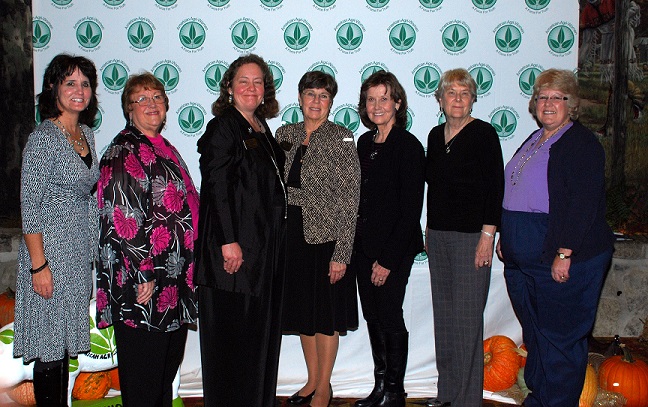
American Agri-Women Welcomes New Officers

American Agri-Women (AAW) kicked off its year-long celebration of its 40th anniversary at its annual convention held recently in College Corner, Ohio. The organization also elected its national officers and recognized outstanding advocates for agriculture.

AAW is the nation’s largest coalition of farm, ranch and agribusiness women representing more than 50 state, commodity and agribusiness affiliates. The 39th annual convention’s theme was “Bridging the Path From Farm to Fork” and was hosted by Ohio Agri-Women.

National officers for 2015 are:

• President Sue McCrum, Mars Hill, Maine
• First Vice President of Resolutions & Vital Issues Doris Mold, St. Paul, Minn., and Cumberland, Wis.
• Vice President of Communications Lynn Woolf, Milton, Kan.
• Vice President of Education Donnell Scott, Manhattan, Kan.
• Secretary Arlene Kovash, Monmouth, Ore.
• Treasurer Peggy Clark, Dayton, Ohio
• Past-President Karen Yost, Billings, Montana

Outgoing officers were Vice President of Education Kris Zilliox of Omaha, Neb., and Secretary Lisa Condon of Horicon, Wis.

Since 1974, AAW members have worked together to educate consumers; advocate for agriculture; and offer networking and professional development opportunities. Go to the AAW web site for more information and to join, www.americanagriwomen.org.

2016-05-31T19:32:11-07:00December 16th, 2014|

The CVCWA Proves that there is Strength in Numbers

By: Monique Bienvenue; Cal Ag Today Communications Manager

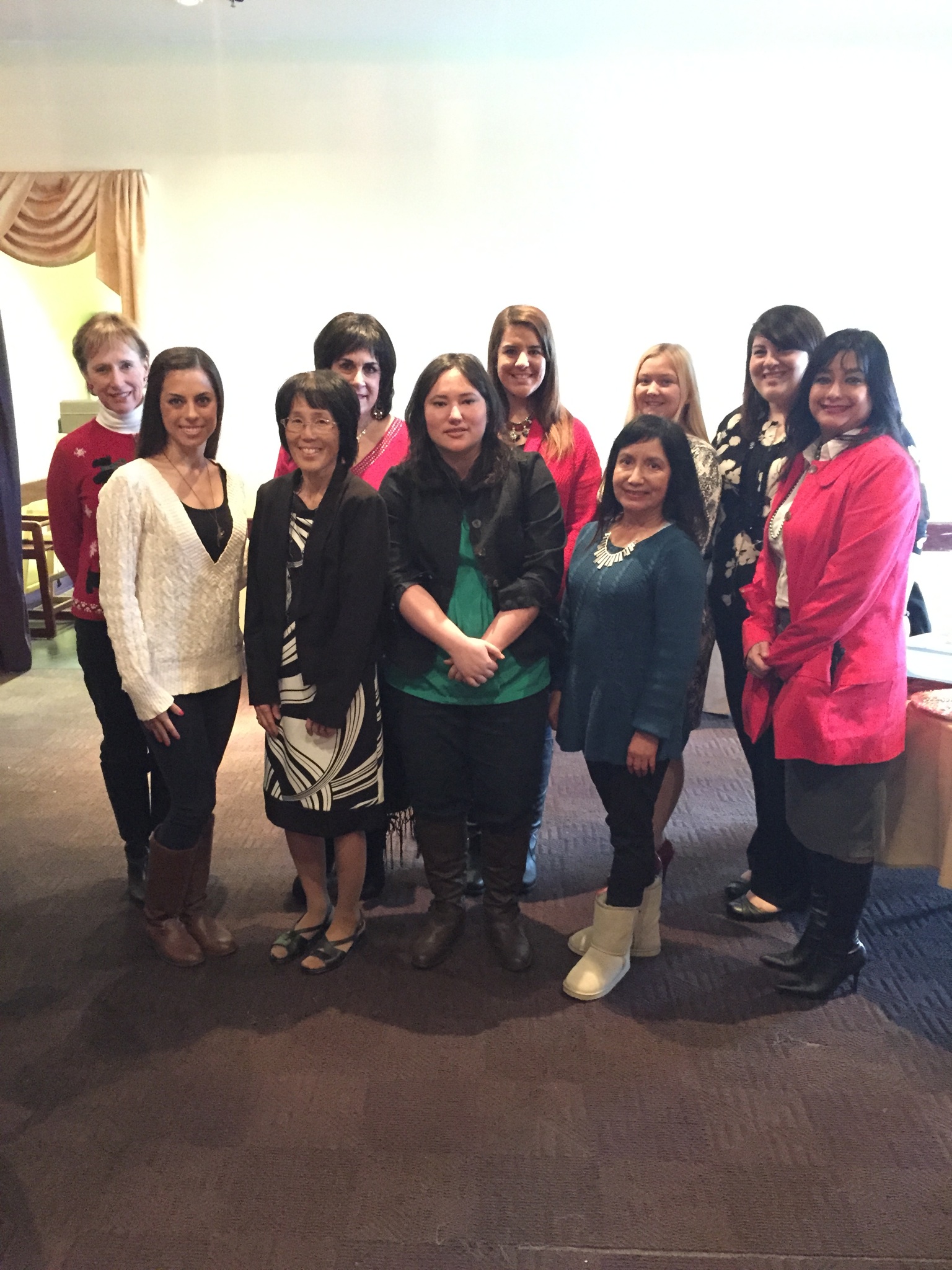
Last Friday, a group of dignified women met up for a holiday luncheon at Joy Luck Cuisine in Fresno. After working hard throughout the year to promote California’s agriculture industry, it was time to eat a delicious meal, honor a few scholarship recipients and induct the new 2014-2015 officer team.

“The CVCWA is very important to me,” said California Women for Agriculture, Central Valley Co-President Marlene Miyasaki. “Not only does the work we do help to promote various aspects of the ag industry, I’ve also met some of my closest friends through this organization.”

For years, members of the CVCWA have worked hard to celebrate esteemed agriculturalists in the Central Valley and do their best to provide scholarship money for high school and college students studying agriculture. They play a big role in planning events such as the Common Threads Luncheon, The Ag Boosters BBQ and they also dedicate their time to various community service projects throughout the Fresno County.

“I love being a member of the CVCWA,” said Agriculture Communications student Sarena Silva. “Their dedication and love for the ag industry keeps me motivated to be a voice for farmers in the Central Valley.”

With a new officer team, the CVCWA has many plans for the new year. If you’d like to become a part of this instrumental organization, go to http://www.centralvalleycwa.org or call Marlene Miysaki at (559) 278-2861.

2016-05-31T19:32:11-07:00December 15th, 2014|

California Farm Bureau’s Paul Wenger Addresses 96th Annual Meeting

California Farm Bureau President reflects on membership triumphs & challenges in 2014 and his hopes for 2015

By Kyle Buchoff, CalAgToday Reporter

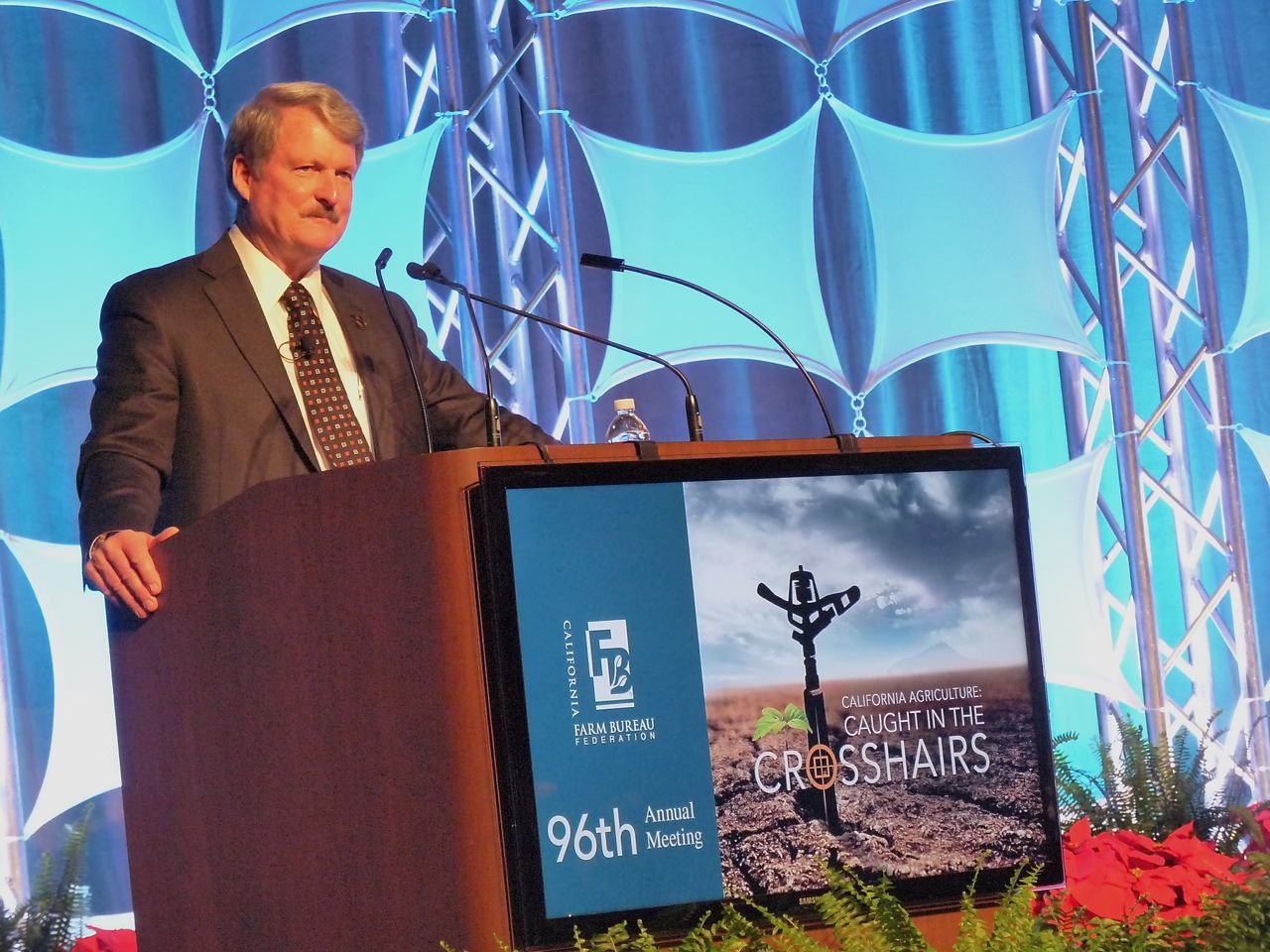
Paul Wenger, president of the California Farm Bureau Federation (CFBF) welcomed attendees to the 96th Annual CFBF Meeting by introducing the conference’s theme, ‘California Agriculture Caught in the Crosshairs.’

“The only way to be a target is to be standing still. I can guarantee we are not going to stay standing still, but from time to time, I think we have stood still. It is interesting; people say this is provocative, but it is also spot-on, California agriculture has adapted and improved, and continued to adapt and improve, and continues to provide food and fiber. We have become a victim of our own success, and because many times we would just as soon as sit back and hope the world would pass us by while we do nothing short of miracles by producing more and more food and fiber with basically the same resources we have had for years, all of a sudden, we’ve become victims of our own success.”Farm Bureaus Meeting Theme

“After two wet years when our reservoirs were brimming to capacity, our farmgate value in 2011 rose to a record of $43.5 billion. Now that’s farmgate, and you will hear other states say how they have a $100 billion farm economy, but this is just the farmgate, and we are not even talking about what our multiplier effect is.”

Wenger explained that California agriculture slipped by $1 billion in 2012, and “we have yet to see what the final report for 2013 will be. But, if it is any indication by what we have been witnessing  through the county ag commissioners in their reports for food and fiber production, it will likely set a new level.”

“And ladies and gentlemen, as bad as 2014 was for water, the fact that we had 4, 5 or 6 hundred thousand acres out of production, the fact that we had 17,000 jobs lost, what the University of California said was a $2.2 billion dollar farmgate loss due to lost production; I would estimate (and we won’t know until 2015), that 2014 will probably set a record year for farmgate value and income.”

“And we will have our detractors and others who say, ‘what is wrong on the farm?’ Agriculture continues to increase and produce even though we have challenges. The underlying number 1 challenge of the statistical health of California agriculture is water. Today’s presentation though is going to be forward-looking.”

Wenger’s presentation included a “Working for You” document handed out to each member that detailed the organization’s policies, and the duties of its staff, officers, and board of directors. Wenger recognized the efforts of Rich Matteis, CFBF administrator and staff to prepare the document and solve issues for the California Ag industry. Wenger explained, given the challenges over the last few years, and especially with the Affordable Care Act, “Rich Matteis has been doing nothing short of miracles, orchestrating our staff to be able to do more with less.” Wenger urged Farm Bureau members to carefully review the document to understand how the organization is endeavoring to work on their behalf.

Though the document did not include contributions from the 53 county farm bureaus, Wenger recognized the farm commissioners and the work product from their bureaus, led by volunteer staff who have to transition around new leadership every few years. “They have to keep air in the tires, and the bearings greased so everything works in our county farm bureaus. As a grassroots organization, it’s those folks and the folks we have at CFBF and the American Farm Bureau Federation (AFBF) that really help those of us who are farmers and ranchers to accomplish what we do.”

Wenger considers 2014 a very interesting year and expects the same in 2015. “It’s all about water, folks. Think back not too long ago to August when we had all the mechanizations around the water bond: ‘is it going to be a $6.5 billion bond? Is it going to be $6 billion bond?” There were questions about water storage and how much funding would be allocated for water storage.

“We finally got it done with a near unanimous vote to get the water bond on the ballot for $7.5 billion with $2.7 billion continuously appropriated for water storage. We don’t know what will happen, but we are glad it got on the ballot.”

Continuing, Wenger said that shortly afterwards, all the attention turned to groundwater. “The two groundwater bills working their way through the legislature were signed by the governor in September.” Later, one of the authors, former Democratic California State Assemblymember Roger Dickinson, wrote, “The Governor signs historic groundwater legislation. California’s water future is secure.”

“Nothing could be further from the truth,” said Wenger, attributing Dickinson’s recent defeat at the polls to the funding and efforts of the California Farm Bureau Fund to Protect the Family Farm (FARM PAC).

“Let’s not lose focus on what happened in November. For the first time in four decades, the electorate decided to do something about our water infrastructure.” Their message to Sacramento, well beyond the water bond, was, “We need to do something about our water infrastructure, not only for our environment, not only for municipal and industrial, but most of all for agriculture because we are feeding the world.”

“And so what happened is nothing short of phenomenal,” he continued, congratulating the board for stepping up and spending the funds to be able to get over the threshold and have a win.”

Returning to the theme of the conference and its positive outlook in his closing, Wenger stated, “A lot of folks will say that ‘Caught in the Crosshairs’ is a picture of despair. I actually say, ‘no, it’s hope.’”

Wenger said there’s hope for what the industry can do if given a little bit of water. “Some folks will say that with the clouds, it is doom and gloom; but remember, we need to have rain clouds to have water in our reservoirs and streams. Really this is a picture of opportunity and of what can be and will be if we work together and really take an aim on advocacy.”

“As we take an aim at advocacy, everybody gives the example of a three-legged stool: one leg is not any good without the others. “That’s absolutely true; I couldn’t do what I do without Kenny Watkins (First Vice President) and Jamie Johansson (Second Vice President). As we look to the future, we have to educate; we have to engage; and, we have to be advocates.”

2016-05-31T19:32:11-07:00December 11th, 2014|

USDA Announces New Support to Help Schools Purchase More Food from Local Farmers

By: Monique Bienvenue; Cal Ag Today Social Media Manager/Reporter 

Agriculture Secretary Tom Vilsack announced that more than $5 million in grants will be given to 82 projects that support the U.S. Department of Agriculture’s (USDA) efforts to connect school cafeterias with local farmers and ranchers through its Farm to School Program. The program helps schools purchase more food from local farmers and ranchers in their communities, expanding access to healthy local food for school children and supporting local economies.

According to USDA’s first-ever  Farm to School Census released earlier this year, school districts participating in farm to school programs purchased and served over $385 million in local food in school year 2011-2012, with more than half of participating schools planning to increase their purchases of local food in the future.

“USDA is proud to support communities across the country as they plan and implement innovative farm to school projects,” said Vilsack. “These inspiring collaborations provide students with healthy, fresh food, while supporting healthy local economies. Through farm to school projects, community partners are coming together to ensure a bright future for students, and for local farmers and ranchers.”

Secretary Vilsack made this announcement at Common Market, a pioneering food hub in Philadelphia that connects wholesale customers to farmers in New Jersey, Pennsylvania and Delaware. Common Market is receiving a grant to support their “An Apple a Day” Program. The facility will act as a bridge between Pennsylvania Family Farms, a small Pennsylvania value-added processor, and public charter schools to provide food safety, product development, packaging, educational, marketing, planning, ordering and delivery support to farm and school food service partners.

Together, Common Market and the other selected projects will serve more than 4,800 schools and 2.8 million students, nearly 51 percent of whom live in rural communities.

2016-05-31T19:32:12-07:00December 8th, 2014|

New Program Seeks Growers to Help Curb Declining Bee Population

The U.S. Bee Buffer Project, a Pollinator Partnership initiative, is seeking 300 farmers, ranchers and foresters in California to set aside small plots of land as bee buffer zones. The soon-to-be-established honey bee forage supports pollination-reliant crops, which represent one-third of the food we eat.

“Honey bees play an integral role in the success of American agriculture,” says Laurie Adams, executive director for the Pollinator Partnership. “By fostering the health and growth of bee colonies, farmers are helping to enrich their crops and, ultimately, improve their bottom line.”

Why Bees? Why Now?

Honey bees are valuable to the nation’s crops and economics, contributing approximately $15 billion to the U.S. economy each year. Still, U.S. bees are having trouble finding food to store for winter months; 2012-2013 winter losses totaled more than 30 percent of honey bee colonies nationwide.

Specific to California’s economy agribusiness community, the state’s high-value crops requiring extensive pollination include:

  • Almonds – annual state crop value $4,347M
  • Berries – annual state crop value $2,122M
  • Avocados – annual state crop value $386M

Bee buffer zones between areas of pesticide application and sensitive species, sensitive habitats, water, and potential nectar sources, help to offset bee loss while improving the health of crops and orchards within four miles.

“We are excited to work with California farmers to improve bee habitat across the state, says Bill Lewis, president of the California State Beekeepers Association and U.S. Bee Buffer beekeeper partner. “This initiative is vital to encouraging a healthy pollinator habitat that results in a vibrant and diverse forage base for bee pollinators throughout the state, which is critically important to sustaining healthy bee colonies.”


Land owners in California willing to dedicate and maintain .25 to 3 acres – collectively impacting 6,000 acres – for an official bee buffer zone, can apply for the U.S. Bee Buffer Project. Those selected will receive free flower seed kits to plant in their buffers.

To learn more, reference the U.S. Bee Buffer Frequently Asked Questions. To review the eligibility requirements and complete participant application, visit http://beebuffer.com/.

The U.S. Bee Buffer Project is sponsored in part by Burt’s Bees®– through its non-profit organization The Greater Good Foundation – formed to help create 10,000 acres of healthy pollinator forage in the United States by 2020.

About the Pollinator Partnership

The Pollinator Partnership is a non-profit 501©3 organization—the largest organization in the world dedicated exclusively to the protection and promotion of pollinators and their ecosystems. Birds, bats, bees, butterflies, beetles, and other small mammals that pollinate plants are responsible for bringing us one out of every three bites of food. They also sustain our ecosystems and produce our natural resources by helping plants reproduce. Without the actions of pollinators agricultural economies, our food supply, and surrounding landscapes would collapse.

2016-05-31T19:32:12-07:00December 6th, 2014|

Agriculture Emerging: a progress report at CDFA

The following was written by California Agriculture Secretary Karen Ross…

Positive. Productive. Creative, collaborative, cooperative … CDFA staff, from scientists and veterinarians to inspectors and technicians, embody these characteristics as they undertake a variety of projects and programs on behalf of the agriculture industry and the people of the Golden State. A new report, Agriculture Emerging: Balanced Budgets, Big Decisions, Bright Future, is our opportunity to share our recent successes and provide updates on many ongoing efforts.

Agriculture has its share of challenges, starting with the drought. Looking ahead, though, global demand for California’s commodities is on the rise, and food and nutrition are front-and-center in the media and on the minds of consumers. Whether their crops, livestock and other products are headed for the produce aisle, the commodity exchange, international export or the local farmers’ market, California’s farmers are well-positioned to take advantage of these conditions.

Among the most significant changes at CDFA is the department’s addition this year to the governor’s Strategic Growth Council, which also includes agencies and departments within Business, Consumer Services and Housing, Transportation, Natural Resources, Health and Human Services, and Environmental Protection, along with the Governor’s Office of Planning and Research.

This core group provides local assistance grants and coordinates activities that support sustainable communities by emphasizing strong economies, social equity and environmental stewardship. When diverse agencies embrace these fundamental values and goals, the results are powerful. The inclusion of agriculture in this process is an important step as we embrace the challenges and opportunities of the 21st Century.

With Governor Brown’s leadership, the State of California is again on the rise. The budget is balanced. Businesses are getting back on track. Slowly but steadily, confidence is being restored. Throughout this recovery, agriculture has been a steady fixture in the state’s economy.

This report is by no means a full account of the department’s activities, but it does take stock of many of our efforts and achievements over the past few years. Like the farmers we support, CDFA has earned a reputation for innovation and effectiveness. I am proud of the people here who make that possible.

2016-05-31T19:32:12-07:00December 5th, 2014|
Go to Top