Ag Stories for Wegmans Customers

Dave Corsi with Wegmans Encourages More Ag Stories to Bridge Gap with Consumers


By Laurie Greene, Editor, California Ag Today

Customers love stories and Agriculture sure has them. What could be better for the bag of broccoli florets, carrots or even pistachios and almonds to have an image of the farmer who grew them?

Ag needs to have this connection with consumers; ag stories help bridge the gap between the growers and consumers.

California Ag Today caught up with Dave Corsi at a recent meeting. Corsi knows something about customers connecting with agriculture; he’s vice president of Produce and Floral at Wegmans, a higher end east coast grocery store chain, which purchases a lot of product from California growers. He said it’s way bigger than farm local and buying local.

“The customer wants to know the face behind the name. It is important for the customer to know who the growers are, and what do they do? What is their food safety philosophy and food safety best practices? What kind of varieties are they growing? What are the flavor profiles of crops they are developing to provide a better experience for our customers?”

“All that is very meaningful. And it doesn’t matter if the farm is ten miles away, three thousand miles away, or even around the world. The customer wants to understand who the person is behind the product being grown,” said Corsi. “That’s the story we love sharing with our customers.”

He noted that customers are really interested in the knowledge learned from ag stories, “so they can feel more comfortable about their purchase because they know how dedicated our growers are to food safety, traceability, and food quality.  They even want to know about the social side of business, such as the growers themselves.”

 

2016-05-31T19:28:16-07:00May 18th, 2015|

Tasteful Selections Opens Cal Green Potato Facility

Tasteful Selections Opens Cal Green Potato Facility in Arvin, CA

By Patrick Cavanaugh, Associate Editor

Bob Bender, a partner with CSS Farms, in Watertown, South Dakota, came out to Kern County several years ago to grow many different crops including chip potatoes, garlic, onions and bell peppers, as well as black-eyed peas. “We were looking for an opportunity in California to diversify our company so that we were not so dependent on the chip potato income.”

Bender said he was always looking for crops in which he could diversify, and in 2007, he had the opportunity to grow some baby, bite-sized potatoes for a Canadian company. “This worked out well for a few years, and then we decided in 2009 to pack the baby potatoes under our own CSS Farms label,” Bender said.

“That business started taking off a lot bigger than we expected, and in 2010, we saw that the business was growing to be too much for us to handle. We needed some marketing help because we did not know  much about it,” said Bender. “Plus, we were packing everything in 50-pound cartons, and we knew there would have to be more margin to the product if we sold directly to retail.

Bob Bender, Tasteful Selections

Bob Bender, Tasteful Selections

“That’s when we teamed up with the Wysocki family, owners of the Bancroft, Wisconsin-based RPE Company and experts in packing and marketing,” said Bender. “The marketing took off, and they built our first packing shed in a leased facility in Bakersfield. They sold product in smaller mesh bags for the consumer retail market under the Tasteful Selection brand,” noted Bender, who is now president and general manager of Tasteful Selections.”

Fast forward to March. 18, 2015 when CSS, along with RPE, and Stevens Point, Wisconsin-based Plover River Farms Alliance, Inc. partnered together and opened a new, stainless steel, 200,000 square foot facility in Arvin, near Bakersfield—all dedicated to Tasteful Selections specialty potatoes.

The expansion increases Tasteful Selections’ production capacity from eight to 12 packaging lines, doubles the potato washing capacity and adds more shipping docks and improved refrigeration and storage to meet the company’s double digit growth (over the past five years), leading the specialty potato category.

In all, the company sells eight flavors of potatoes in one-, two- or three-bite sizes, plus offers a medley of flavors in each bite size. The potatoes have unique flavors, creamy textures and tender skins. The products are pre-washed, so consumers do not have to clean or peel the product. And the small sizes equate to faster cooking times.

“Fifty percent of our team is marketing, so we’re not just growing and packing the potatoes. RPE handles all of our marketing and sales, which has been so instrumental in our growth,” said Bender, who now oversees the day-to-day operations in California. RPE has been a tremendous asset to Tasteful Selections; the fact that we are in all fifty states, in 52 percent of all grocery stores, with growth in every store, says a lot about RPE,” Bender noted.

The fact that the facility was built with all stainless steel components is an invaluable addition to our operations and food safety protocols.  The facility’s design honors Cal Green Certification Standards. The Cal Green Certification ensures that we are maximizing our efficiency while reducing our environmental impact. Not only does this benefit us, it also helps the surrounding communities in promoting water savings, environmental responsibility, cost effectiveness and a healthier place to live and work for its currently 257 employees.

Tasteful Selections

Tasteful Selections

Milt Carter is CEO and President of CSS Farms, which grows all the potatoes for Tasteful Selections. “We are co-owner of the company, along with RPE, and the grand opening of our facility is a big day for us as we continue our journey to bring unique potatoes to the potato category and to the table,” said Carter.

“We particularly like the qualities of our baby potatoes, including unique flavors and better taste than the average potato. The uniform sizes we pack allow for uniform cooking times, making cooking easier for the consumer. And the growth we have seen reflects that consumers really like them.”

“When we started Tasteful Selections in 2010, we knew we had something amazing, and even we were surprised by the success that we had,” said Russell Wysocki, President and CEO of RPE. “The opening of this new plant shows that we are consistently investing in our future in specialty potatoes,” he said.

“The new plant will allow us to bring in new product lines, do a better job in precise-sizing, and maintain our high quality standard,” noted Wysocki. “On the farm, Bob and Milt bring us five separate crops a year; we have the ability to deliver the freshest potatoes with the best quality to our customers throughout the country and throughout the season.”

“The one-, two- or three-bite Tasteful Sections potatoes in the one pound or 1.5 pound bag are very popular with consumers.” said Wysocki. “It use to be that you would sell a lot of potatoes in a 10-pound bag, but that’s getting a lot harder to do. However, this product offers consumers a package from which they can get multiple meals, without taking five weeks to consume and perhaps resorting to the garbage can to get rid of them.”

“The baby potatoes are immature potatoes, before they grow bigger, but they still contain all the nutrients found in the larger potatoes,” said Wysocki.

Carter explained, “Our signature flavor Honey Gold baby potatoes are proprietary to Tasteful Selections, and they have a very unique flavor. A high percentage of people the taste distinctive in taste tests, and most like it very much.”

“It’s a great product,” noted Wysocki. “We basically took product that was being discarded in the market 10 years ago. We saw the quality of what was culled, and we felt it was something significant we could bring to the marketplace. So we considered the possibility, then brought it to market, and we have had phenomenal growth,” he said.

2016-05-31T19:30:24-07:00May 17th, 2015|

California Leopold Conservation Award® Seeks Nominees

SAN FRANCISCO, Calif. – (April 28, 2015), the California Farm Bureau Federation and Sustainable Conservation are accepting applications for the $10,000 California Leopold Conservation Award. The award honors California farmers, ranchers and other private landowners who demonstrate outstanding stewardship and management of natural resources.

“The Leopold Conservation Award celebrates the people and places where innovative and creative thinking and experimentation are taking place,” said Judith Redmond of Full Belly Farm, recipient of the 2014 Leopold Conservation Award. “If you or a friend include conservation in your daily decision making – I hope you’ll submit a nomination. It’s okay to brag about good land stewardship.”

“Good intentions and luck take no farmer down the road to profitability and improved land health. Leopold Conservation Award recipients epitomize the creativity, drive and heartfelt conservation commitment it takes,” said Sand County Foundation President Brent Haglund.

Given in honor of renowned conservationist Aldo Leopold, the Leopold Conservation Award inspires other landowners by example and provides a visible forum where farmers, ranchers and other private landowners are recognized as conservation leaders. In his influential 1949 book, “A Sand County Almanac,” Leopold called for an ethical relationship between people and the land they own and manage, which he called “an evolutionary possibility and an ecological necessity.”

“California’s future gets brighter only if we all do our part,” said Sustainable Conservation Executive Director Ashley Boren. “The Leopold Conservation Award celebrates those deserving, but often overlooked, landowner heroes who do their part every day to steward our environment in ways that benefit people and the planet. The Leopold Conservation Award is proud to have recognized a diverse range of agricultural operations over nearly a decade – including CSA, dairy, rice, vegetable and tree crop farmers, as well as cattle ranchers.”

“The Leopold Conservation Award recognizes unique yet replicable strategies a farmer or rancher has developed in managing their land, to be the best steward of the natural resources on their farm or ranch. California farmers and ranchers are the most productive in the world and are trendsetters at maximizing the fullest potential of their land to produce food and other agricultural products with the least environmental impacts,” said California Farm Bureau Federation President Paul Wenger.

Nominations must be postmarked by July 10, 2015, and mailed to Leopold Conservation Award c/o Sustainable Conservation, 98 Battery Street, Suite 302, San Francisco, CA 94111. The 2015 California Leopold Conservation Award will be presented in December at the California Farm Bureau Federation’s Annual Meeting in Reno.

The California Leopold Conservation Award is possible thanks to generous contributions from many organizations, including The Nature Conservancy, American AgCredit, the Lynde and Harry Bradley Foundation, DuPont Pioneer and The Mosaic Company.

ABOUT THE LEOPOLD CONSERVATION AWARD

The Leopold Conservation Award is a competitive award that recognizes landowner achievement in voluntary conservation. The award consists of a crystal award depicting Aldo Leopold and $10,000. Sand County Foundation presents Leopold Conservation Awards in California, Colorado, Kansas, Kentucky, Nebraska, South Dakota, Texas, Utah, Wisconsin and Wyoming.

ABOUT SAND COUNTY FOUNDATION

Sand County Foundation is a non-profit conservation organization dedicated to working with private landowners to advance the use of ethical and scientifically sound land management practices that benefit the environment. www.sandcounty.net

ABOUT CALIFORNIA FARM BUREAU FEDERATION

The California Farm Bureau Federation works to protect family farms and ranches on behalf of more than 74,000 members statewide and as part of a nationwide network of more than 6.2 million Farm Bureau members.

ABOUT SUSTAINABLE CONSERVATION

Sustainable Conservation helps California thrive by uniting people to solve the toughest challenges facing our land, air and water. Since 1993, it has brought together business, landowners and government to steward the resources that we all depend on in ways that make economic sense. Sustainable Conservation believes common ground is California’s most important resource.—-

Mana Mostatabi | Digital Marketing & Communications Strategist

98 Battery Street, Suite 302 | San Francisco, CA 94111

(415) 977-0380 x350 | http://www.suscon.org

2021-05-12T11:06:01-07:00May 5th, 2015|

California Exports: The Future of the Agriculture Industry

In 2013, California’s agriculture exports totaled to approximately $19.5 billion dollars. Those exports not only helped to boost farm prices and income, it also supported the existence of approximately 147,700 jobs both on and off the farm.

“Every one billion dollars in agricultural exports generates another 1.2 dollars in economic activity outside the agriculture sector,” said USDA Foreign Agriculture Service Associate Administrator Janet Nuzum. “When we help promote agricultural exports – it’s not just agriculture that benefits.”

According the USDA, U.S. agriculture producers rely heavily on foreign markets to sell their products. Approximately 70% of nuts, 75% of cotton and 40% of grapes are exported internationally, and California agriculture greatly contributes to those statistics.

Ninety-five percent of the world’s food consumers live outside of the United States, and only 1% of U.S. companies actually export.

“Export opportunities for those involved with agriculture are immense,” said California Center for International Trade Development Director Alicia Rios. “Most growers don’t realize that there are many programs out there to help them learn about the industry and can help them to market their product to international food buyers.”

At an Agricultural Trade Roundtable event, Nuzum met with and discussed the implications of international trade with key agribusiness representatives from California’s Central Valley. Nuzum noted that American producers actually benefit from trade agreements. The goal is to have them eliminate foreign tarrifs, unscientific regulatory barriers and bureaucratic administrative procedures that are designed to block trade.

With the world’s population growing, and with income fluctuations in developing countries, there are many opportunities for the U.S. ag industry to market its products.

“2015 is going to be a key year in setting the stage on the future conditions that the U.S. agriculture industry will face,” said Nuzum. “If we don’t take advantage of international opportunities, somebody else will.”

For more information about export programs, click on the links below.

http://www.fas.usda.gov

http://fresnocitd.org

2016-05-31T19:30:28-07:00March 4th, 2015|

Happy Chinese New Year!

Happy Chinese New Year!Hang the red lanterns, gather your citrus fruits, and cook your noodles. It’s time to welcome the lunar Year of the Sheep!

Chinese New Year (or Lunar New Year) is the most important traditional Chinese holiday, and is celebrated around the world. The celebration starts on the second new moon after the winter solstice, which is on January 31 this year, and goes on for 15 days. During this time, also known as the Spring Festival, those who celebrate visit temples to pay respect to their ancestors and pray for good fortune in the coming year. Small red envelopes of money are given to children as a token of good luck and prosperity. And, like most any family-centered holiday, everyone gathers around for a family feast, making Chinese New Year one of the biggest food holidays of the year.

Food is definitely a focus of Chinese New Year celebration, but it’s more than just nourishment. In Chinese traditions, foods served during the festival have auspicious meanings. Chinese traditions are rich with wordplay and symbolism. Some of the dishes and ingredients have names that sound similar to words and phrases referring to good wishes.

For example, “Kumquat” literally means “golden orange.” Symbolizing wealth and prosperity, the little citrus fruits, and sometimes the tree saplings, are given as gifts during Chinese New Year. Other “wealthy” fruits include Oranges and Tangerines. The larger citrus like Pummelos and Grapefruits symbolize abundance, prosperity, and family unity.

Happy Chinese New Year!

Happy Chinese New Year!

Another item that represents good fortune is Daikon or Asian Radish. In one Chinese dialect, the word for radish is a homophone for “good fortune.” This is why the savory radish cake is traditionally eaten during Chinese New Year celebration. But Daikon is more versatile than that. It can be added to soups and stews, steamed, or eaten fresh, chopped up or thinly shaved into salads.

Daikon could be a part of the mixed vegetable dish that represents family unity. This typical stir-fry is made with a touch of oyster sauce for business success and a mix of vegetables like Baby Bok Choy for close family ties, and Woodear and Shiitake Mushrooms for longevity.

The ultimate longevity blessing, however, comes from the noodles. Long and uncut, they symbolize long life. While Chow Mein is a traditional choice, other Asian noodles like Yakisoba are used for pan-fries and stir-fries, and Udons are used in soups. Shrimp may be added for liveliness and pork for abundance of blessings.

One of the many Chinese New Year wishes translates to “May your happiness be without limit.” With good eating like this, it definitely is the beginning of a very happy year!

Kung Hei Fat Choy! (Happy New Year and be prosperous!)

2016-05-31T19:30:30-07:00February 19th, 2015|

USDA Approves Apples Genetically Engineered to Resist Browning

Source: Food Safety News 

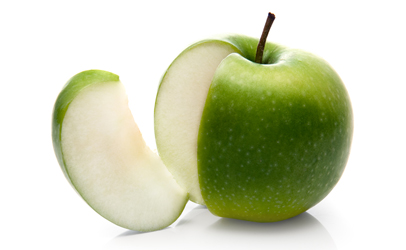
The U.S. Department of Agriculture has decided to approve new types of apples that have been genetically engineered not to brown as quickly after being cut.

Okanagan Specialty Fruits Inc., the company that developed the Arctic Granny and Arctic Golden varieties is currently engaging in a voluntary food safety assessment consultation with the Food and Drug Administration regarding the varieties.

USDA’s Animal and Plant Health Inspection Service (APHIS) said it made the decision to deregulate the apples and allow them to be commercially planted after assessments showed that “the GE apples are unlikely to pose a plant pest risk to agriculture and other plants in the United States” and that “deregulation is not likely to have a significant impact on the human environment.”

Over time, Arctic apples will age, turn brown and rot like any other fruit, but they’ve been genetically engineered to produce less of the substance that causes browning. When the apples are sliced or bruised, the fruit’s flesh retains its original color longer instead of turning brown.

Consumer groups opposed to genetically modified foods have indicated their disapproval of USDA’s decision.

“The USDA has neglected to look at the full range of risks from these apples,” said Wenonah Hauter, executive director of Food & Water Watch. “In its environmental assessment, the USDA glossed over the possibility of unintentional effects associated with the technology used to engineer these apples, potential economic impacts on the U.S. and international apple market, effects of potential contamination for non-GMO and organic apple growers and the impact of the non-browning gene silencing which also can weaken plant defenses and plant health.”

“Pre-sliced apples are a frequently recalled food product,” noted the Center for Food Safety. “Once the whole fruit is sliced, it has an increased risk of exposure to pathogens. Since browning is a sign that apples are no longer fresh, ‘masking’ this natural signal could lead people to consume contaminated apples.”

APHIS said that of the many comments it received on its draft analyses of Arctic apples, some addressed safety concerns and how Arctic apple production might impact exports of U.S. apples abroad. The agency pointed out that under its regulations and the Plant Protection Act, it can’t base its final decision on these factors, but only on the analysis of plant pest risk to agriculture or other plants in the U.S.

If there is enough consumer demand for Arctic apples, it would be several years before producers could grow the fruit. If the apples turn up in grocery stores, they’ll be recognizable by their name, but there are concerns that if the fruit is cut up and used in other foods, consumers won’t necessarily know that the apples were genetically engineered.

The Environmental Working Groups said that the approval of Arctic apples “underscores the need for a transparent and consistent national labeling standard.”

USDA’s announcement came the day after Sens. Barbara Boxer (D-CA) and Richard Blumenthal (D-CT) and Rep. Peter DeFazio (D-OR) reintroduced legislation to label genetically engineered food.

2016-05-31T19:30:30-07:00February 19th, 2015|

Fresno County 4-H Hosts Color Me Green 5K Run

On March 14, 2015, Fresno County 4-H members will host Color Me Green 5K Runs at California State University, Fresno. Fresno County 4-H is partnering with the Fresno State’s Jordan College of Agriculture and Science Technology for the Color Me Green 5K Run.

The Color Me Green 5K Runs are five kilometer runs designed to encourage youths and community members to increase their physical activity while also having fun! During each run, participants are showered with colored dye as they pass through each marker point. This run, hosted by 4-H youth members and Fresno State students, will be great opportunity for communities to come together and celebrate healthy living and being physically active.

 Through the Color Me Green 5K Runs, 4-H youth members and Fresno State students will encourage the health of Fresno County. In addition to planning, organizing, and leading the run, 4-H clubs and youth members will host interactive 4-H booths highlighting various project areas.

Online registration opened on February 1, 2015. Here is the link for the registration: http://ucanr.edu/colormegreenfresno4h


2016-05-31T19:30:31-07:00February 10th, 2015|

HOLY GUACAMOLE! AMERICANS TO CONSUME A RECORD 240 MILLION AVOCADOS DURING BIG GAME WEEK

Source: http://www.avocadocentral.com

Over 111 million sports fans watched the Big Game last year, and nearly 64,000 sports fans will gather at the University of Phoenix Stadium on game day this year. The numbers are nothing compared to the amount of avocados – a food quickly becoming synonymous with the Big Game – Americans will consume this year. It’s estimated Americans will eat nearly 120 million pounds or 240 million fresh avocados during the week leading up to the Big Game on Feb. 1. That’s a whopping 3,785 avocados per seat in the University of Phoenix Stadium and it’s 21 percent more avocados than in 2014 – higher rates than ever before. The total amount of avocados consumed during the Big Game would be enough to fill an entire football field from end zone to end zone over 46 feet high.

While fresh avocados consumed during the Big Game are eaten in many ways, the most common is in the form of guacamole, and new research reveals that as rowdy Americans gather for the game, they try to stay well-mannered when they huddle around the bowl of dip.

To Dip, or to Spoon?

Despite the communal aspect of eating guacamole, most Americans who consume it (67 percent) use a spoon to scoop the dip from the serving bowl on to their plate before eating it, rather than dipping directly into the bowl with a piece of food. In fact, only 32 percent of consumers directly dip chips or crudités into the serving bowl. Cultural clichés may hold some truth when it comes to guacamole manners as well. Women are more likely than men to spoon onto a plate rather than directly dip (75 percent vs. 56 percent) and polite Southerners are more likely to be spoon-users than their Northern counterparts. Plus, the Northeast and the West tied (22 percent) as the regions most likely to take an “unfair share” of guacamole by scooping up as much as possible onto a food item before taking a bite.

Guacamole Etiquette

Americans aspire to a higher standard of guacamole etiquette than we actually follow. While only 67 percent of guacamole eaters use a spoon to serve themselves guacamole, 81 percent believe it’s the actually the proper way to dip.

And, yes, the dreaded double dippers are among us. Four percent admit to double-dipping the same piece of food repeatedly, and two percent believe it’s the most appropriate way to eat guacamole.

The Fight for the Last Bite

When the guacamole supply runs low, Big Game rivalry extends to the serving bowl, especially for Millennials. Sixty-three percent of guacamole eaters are comfortable being the person to take the last bite of guacamole from the serving bowl after asking if anybody else wants it. The youngest respondents, age 18-34, are most likely (24 percent) to try to be the person who gets to scrape the last bite of guacamole from the communal bowl because they want it for themselves.

No matter how you choose to dip, there’s no doubt guacamole made with Hass avocados is a staple in many Big Game celebrations. In 2014, Americans consumed 99 million pounds or approximately 198 million avocados during Big Game week. Ninety-eight percent of all avocados sold in the United States are the Hass variety – which contain naturally good fats and are cholesterol free.

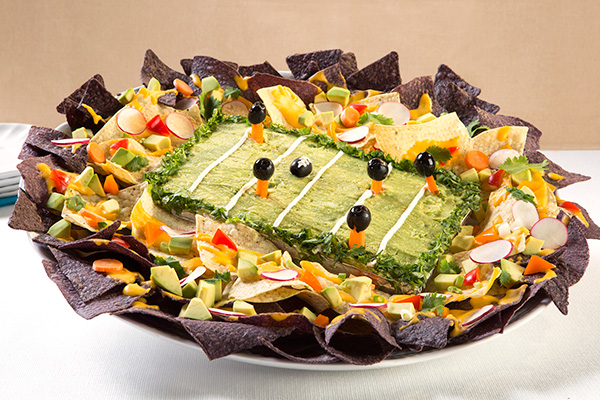
Everyone can be a winner with a Nacho Guac-a-Bowl-E recipe to serve at game time.

For tips on how to select, store and ripen fresh avocados, visit http://www.avocadocentral.com/how-to/how-to-store-how-to-ripen-avocados.

2016-05-31T19:30:35-07:00January 9th, 2015|

Women in Ag Survey: Gauging the Aspirations and Needs of Women in Agriculture

The American Farm Bureau Women’s Leadership Program has launched “Women in Ag,” an online survey that aims to gauge the goals, aspirations, achievements and needs of women in American agriculture in a number of different areas.

All women who are farmers, ranchers, farm/ranch employees, employed in agricultural businesses, pursuing ag-related higher education or supportive of agriculture in other ways are invited to participate in the survey at womeninag.fb.org. Respondents must reside in the United States. Farm Bureau membership is not required to participate.

“This comprehensive survey is the first of its kind to ask women in-depth questions about how they are connected to agriculture and what leadership skills they think are most important today, as well as the top business challenges they’re facing,” said Terry Gilbert, a Kentucky farmer and chair of the American Farm Bureau Women’s Leadership Committee.  “All women involved in agriculture – not just Farm Bureau members – are invited to participate in the survey,” Gilbert emphasized.

Data collected from respondents will be used to gauge trends related to the achievements of women in agriculture, including leadership positions, business successes and election to public office.

The AFB Women’s Leadership Committee is sponsoring the survey and is working with other farm and agriculture organizations to encourage participation. Participants will be eligible for an opportunity to win one of five $100 gift cards after the survey closes. Preliminary findings from the survey will be released in February 2015 at AFBF’s FUSION Conference in Nashville, Tennessee; the full report will be released in late spring.

2016-05-31T19:30:35-07:00January 8th, 2015|

34 Healthy Breakfasts for Busy Mornings

Source: Kate Morin; greatist.com 

When it comes to breakfast, the options are endless. Pancakes or waffles? Bacon and eggs? Muffin, followed by a pastry? So why limit chowing down on delicious breakfast foods to the morning hours? Here are 34 healthier snack options to keep filling those breakfast food cravings all month long.

Better Breakfast Snacks

1. Avocado Toast With Egg 

Sometimes, simple is just better. In this recipe, 2 slices of whole-grain bread, lightly toasted, topped with smashed avocado and a sprinkling of salt and pepper makes for a flavorful and rich base. Top that with two sunny-side-up eggs for a healthy dose of protein, and you’ve got a well-rounded breakfast. Stack ’em in a tupperware container for easy transport or cook the yolks a bit more and make the whole thing into a sandwich.

2. Peanut Butter Banana Smoothie 

Smoothies are a perfect on-the-go snack any time of day. Blend 1 frozen banana, 2 tablespoons peanut butter, 1 cup almond milk, and a few ice cubes. If this is a morning snack, keep it in a tight-sealing container and throw it in a gym or work bag. For an afternoon boost, prep it the night before and freeze, remove in the morning, and it will be thawed and ready to enjoy after lunch. Tip: Add a scoop of your favorite chocolate or vanilla protein for an extra protein boost.

3. Zapped Scrambled Eggs With Veggies 

Yes, it’s possible to make really good scrambled eggs in the microwave. And it’s easy! Beat 2 eggs, throw in a microwave-safe container, add 1 handful of your favorite veggies (cherry tomatoes and spinach leaves work well), and a sprinkle of cheese. Zap the mixture for 30 seconds, stir, and cook another 30 seconds, or until eggs are solid. Throw a top on the container to eat later, or store the raw mixture in a fridge until ready to heat and eat.

4. Fruit and Yogurt Parfait 

One of the easiest, healthiest, and tastiest breakfasts out there is a classic fruit and yogurt parfait. The best part? It can be made with any toppings you like. Try choosing fruits that are in season for the most flavorful options. (Try our stone fruit salad for summer, and opt for apples come fall).

5. Breakfast Burrito 

Who doesn’t love a burrito? Breakfast burritos are a great, easy snack to keep on hand. Scramble 2 egg whites, 1/4 cup black beans, 2 tablespoons salsa, and 2 tablespoons shredded cheese, and wrap in 1 small whole-wheat tortilla. Make a bunch, wrap in foil, and keep in the freezer for whenever the craving hits. Protein from the eggs and black beans keep you fuller longer, and the spicy salsa keeps things interesting.

6. Healthy Morning Glory Muffins 

An oat-based muffin packed with healthy carrots and zucchini, lightly sweetened with raisins and just a pinch of sugar makes a perfect breakfast or snack. Use a mini-muffin tin for smaller portions, and eliminate or cut back on the brown sugar or choose a healthier substitute to cut back on sugar.

7. Breakfast Quinoa Bites 

Here’s a new way to enjoy quinoa: make mini quinoa breakfast quiches! In a medium bowl, combine 2 cups cooked quinoa, 2 eggs, 1 cup your favorite veggies (spinach or zucchini work well), 1 cup shredded cheese, and a sprinkle of salt and pepper. Portion into a lightly-greased mini muffin tin, and bake at 350 F for 15-20 minutes. These are easy to bring along and delicious to enjoy warm or cold.

8. Fruit and Yogurt Smoothie 

Here’s a simple and delicious smoothie recipe for the morning rush. Blend 1 cup plain Greek yogurt with 1 cup frozen fruit (banana and berries work very well) with 1/2 cup liquid (milk, juice, coconut water—whatever you like). Freeze overnight and thaw throughout the day to enjoy in the afternoon, or blend up in the morning.

9. Leftovers n’ Egg 

Stuck with last night’s leftovers? Place a scoop of leftover roasted veggies, potatoes, or meat in a container, top with a cracked egg, and heat in the microwave until the egg white is cooked through, 30 to 45 seconds. (Or prep in the oven.) Feeling fancy? Sprinkle with some freshly grated parmesan cheese.

10. Fruity Breakfast Quinoa

Cooking quinoa in milk (cow, soy, or almond) and adding some sweet spices and fruit makes for a great substitute for classic hot breakfast cereals. Plus, it’s high in protein and essential amino acids like lysine, which is essential for tissue growth and repair. Simply cook quinoa according to package instructions, but substitute milk for water, and add some cinnamon or nutmeg instead of salt and pepper. Top with fresh berries and chopped roasted nuts.

11. Zucchini Bread Oatmeal 

Take a classic baked loaf and make it into oatmeal with this recipe! Adding shredded zucchini to oatmeal is a great way to fit in an extra serving of veggies. Throw on a handful of toasted walnuts or pecans for some added crunch.

12. Quinoa Fruit Salad 

Spice up a plain old fruit cup with a scoop of quinoa. Toss the whole shebang around until the quinoa is evenly distributed through the fruit. Add a scoop of plain yogurt and a drizzle of honey for a little extra body.

13. Oatmeal Squares 

Oatmeal is a great option for a hearty snack or breakfast, but what’s the best way to make it into a more convenient and portable snack? Bake it into squares!

14. Pumpkin Oatmeal Bowl 

A heaping dollop of pumpkin puree is a great way to squeeze in an extra dose of veggies. Plus, the super-orange superfood is packed with nutrients and a healthy dose of fiber. This recipe pairs the pumpkin with quick oats, pumpkin pie spice, and almond milk for a quick and easy breakfast on-the-go.

15. Ricotta and Tomato Breakfast Sandwich 

Here’s a healthier take on the classic breakfast sandwich: Take 2 slices of a hearty whole-grain bread, spread each slice with 1 tablespoon ricotta cheese and sprinkle with kosher salt and fresh cracked pepper to taste. Add 1-2 hearty slices of fresh beefsteak tomato (blotted with paper towel to remove excess liquid) and enjoy.

16. Savory Oatmeal With an Egg 

Try taking oatmeal to a whole new level by making it savory. Prepare as usual with milk or water, but add a pinch of salt and pepper instead of any cinnamon or sugar, and top with an over-easy or poached egg. Sprinkle with a little cheese for an extra yummy kick.

17. Overnight Oats 

This is the ultimate lazy-person breakfast. The night before, combine 1/2 cup milk, 1/3 cup rolled oats, 1/2 a banana (mashed), 1/4 cup chopped nuts, and a sprinkle of cinnamon in sealed Tupperware container. By morning, you’ll have delicious overnight oats! These can be heated in the microwave for 1-2 minutes if in the mood for something warm.

18. Zucchini Muffins 

Any way that fits a serving of veggies into a delicious baked good is a winner in my book. These zucchini and banana muffins with flaxseed fit three healthier options into one easy-to-tote package.

19. Peanut Butter, Banana, and Oatmeal Breakfast Cookies 

Cookies for breakfast? Yes please! While Oreos or Chips Ahoy may not make a balanced breakfast, a homemade cookie made of banana, peanut butter, protein powder, and oats is a wholesome choice. Plus, you can pick and choose what you like to mix—go for almond butter and raisins in one batch, or peanut butter chocolate chip in another.

20. Waffle PBJ-Wich

Try this sweet take on a classic breakfast sandwich the next time eating on the go. Prepare 1 whole-grain toaster waffle and slice in half. Spread with 2 tablespoons nut butter and layer 2-3 sliced strawberries on top in place of the traditional jelly (to cut down on sugar).

21. Egg and Cheese Cups 

Fried eggs are great, but what about baking a whole egg with veggies and cheese and skipping the added oil? Try making a pan of these egg and cheese cups at the beginning of the week and bringing one along each day. (Tip: If you use the individual silicone muffin molds, it makes the egg cups even more portable for on-the-go snacking.)

22. Homemade Instant Oatmeal

For anyone with a microwave or hot water at their disposal, these customized instant oatmeal packets are fantastic to have on hand. Instead of purchasing pre-made oatmeal packets, assemble your own in Ziploc baggies using whole rolled oats, cinnamon, and mix-ins like raisins and nuts.

23. Frozen Nutty Banana

Say banan-YEAH to this healthy snack. Cut 1 firm (but ripe) banana in half and un-peal, arrange on a small baking sheet or freezer-safe plate, and spread each half with 1 tablespoon almond butter evenly (on the sides not touching the plate). Here’s the fun part: Stick whatever toppings you like on top of the almond butter—our favorites are granola, chia seeds, or flax seeds and cinnamon. Insert a popsicle stick or skewer into the cut end of each half, and freeze until solid (at least 2-3 hours).

24. Chocolate-Banana Breakfast Quinoa

Here’s one healthy way to have chocolate for breakfast: a bowlful of quinoa makes for a protein-rich filling breakfast, and the banana even adds a serving of fruit.

25. Fruit Soup

There are just two ingredients in this tasty, cool snack: Cold fresh fruit, and cold milk. Chop 1 cup of fruit of your choosing (peaches, plums, berries, and mango are delicious!) and combine in a container with 1 cup milk of choice. Keep chilled until ready to enjoy.

26. Apple Surprise 

This is a perfect pick for apple season, Cut 1 apple in half and remove the core (plus a bit of the extra flesh around the core). Drop 1 tablespoon nut butter between the two holes, and sprinkle in 1 tablespoon granola. Wrap up the whole apple in plastic wrap or foil to save for later, or enjoy as is bite-by-bite.

27. Egg Sandwich 

Who doesn’t love a classic egg sandwich? Simply sautée a hefty handful of spinach and fry 2 eggs with a dash of salt and pepper. Place on top 2 whole-wheat English muffin halves (or toast) with 1 slice of cheddar cheese. Wrap in foil so the cheese melts evenly, and enjoy whenever the craving hits!

28. PBB&C 

Say what? A PBB&C is a great twist on the classic PB&J—peanut butter, banana, and chia. Try adding this superfood twist to the classic PB sandwich with 1/2 a banana (sliced) and a sprinkle of chia, which is packed with vitamins and minerals (like six times more calcium than milk!).

 29. Berries and Oats Microwave Muffin 
Muffins from the microwave? Yep, it’s possible! Add 1/4 cup quick oats, 1 egg, a handful of berries, and a sprinkling of brown sugar to a mug and mix until evenly combined. Microwave on high for 1 minute, remove to take a look, and keep cooking for 30 seconds at a time until the muffin looks firm.

30. Strawberry-Banana Quinoa Muffins 

By this point, I think the Greatist team believes quinoa makes anything better. So, muffins? It’s a no brainer. Try these strawberry quinoa muffins for an easily-packed snack or breakfast (or after lunch treat).

31. Pumpkin and Granola Parfait 

This one’s perfect to try out as fall sets in. In your favorite small Tupperware container (with a reliable lid!), top plain Greek yogurt with canned pumpkin puree and a handful of granola, then sprinkle with cinnamon. The best part? Pumpkin is a bonafide superfood rich in beta carotene, which is essential for eye health.

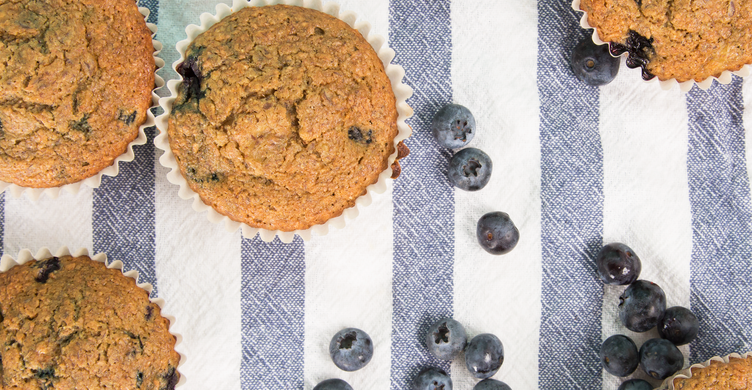
32. Whole-Wheat Banana Blueberry Flax Muffins 

At 200 calories each, these hearty, wholesome muffins make for the perfect portable breakfast. Flax lends a healthy dose of fiber and omega-3 fatty acids. Mashed bananas (one of our favorite healthy baking substitutions) allow for a slight reduction in the added fat and sugar in this recipe, too.

33. Egg Muffins 

Finally, a muffin without all the carbs. Plus, these guys are simple to make. Beat 10 eggs, 1/4 cup chopped onion, 3 handfuls of spinach, 1 shredded zucchini, 1/2 a bell pepper (chopped), 4 slices cooked bacon or ham, chopped, and a sprinkle of salt and pepper. Divide egg mixture evenly in a lightly-greased muffin tin, and bake for 20-25 minutes at 350 F. Zap it for a few seconds in the microwave before serving.

34. Lemon Poppy Seed Protein Squares 

Here’s a healthier take on the classic lemon-poppy seed muffin. Fiber-rich oat flour is paired with vanilla protein powder for a healthy, filling base. Yogurt lends moisture and some fat, and applesauce makes a great substitute for sugar. Vanilla extract, lemon zest, and (of course) make up the rest of the fresh flavor. The best part? One bar comes in at about 54 calories and six grams of protein—much better than any muffin we’ve seen on the shelves lately.

2016-05-31T19:32:09-07:00January 5th, 2015|
Go to Top