All California Landscapes Must Be Valued

To Protect California Landscapes (including farms) They Must be Valued

By Jeannette Warnert, UCANR Communications Specialist

The ecosystem services of landscapes in California are essential to the state’s future, but many people take them for granted.

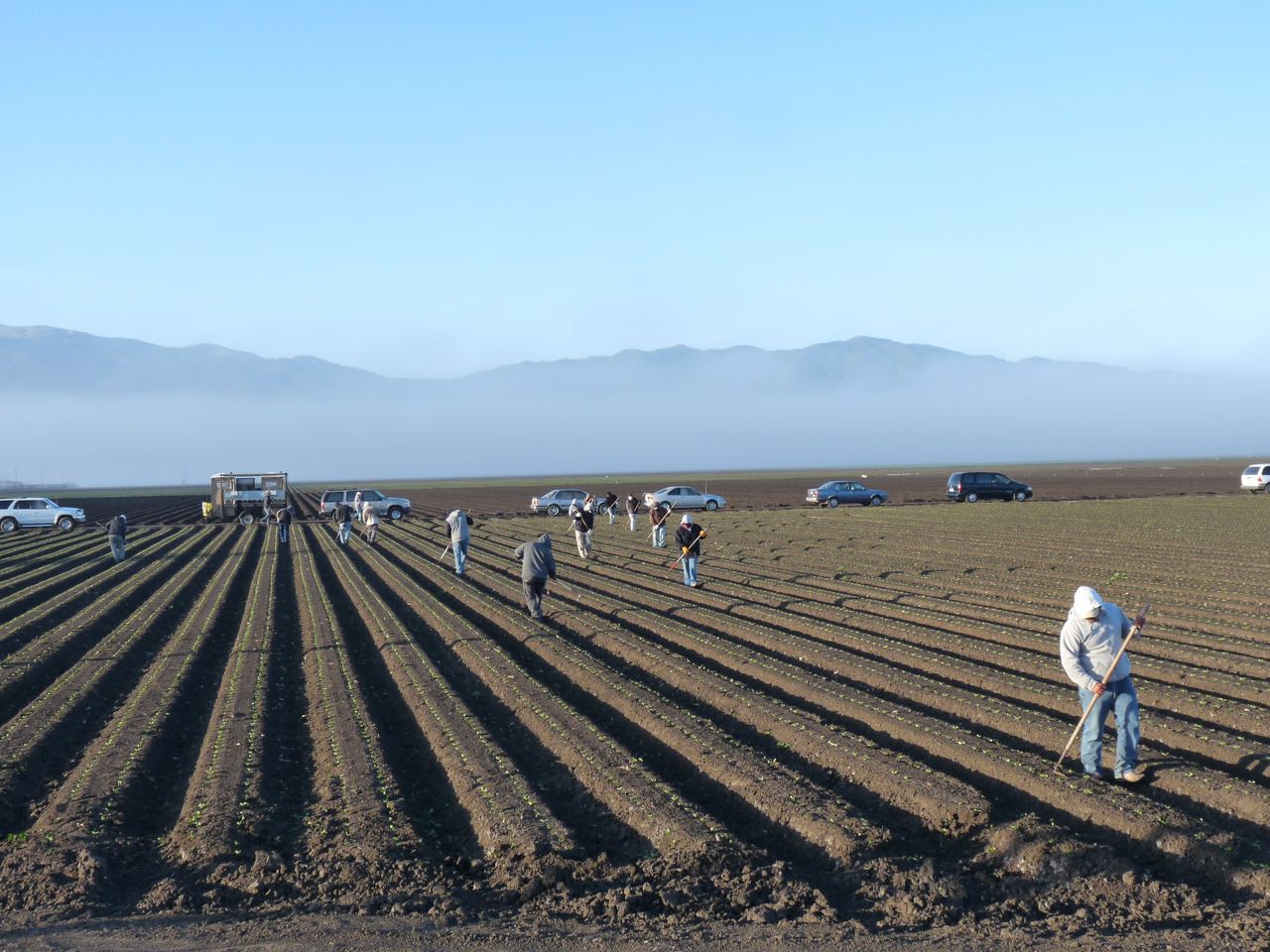
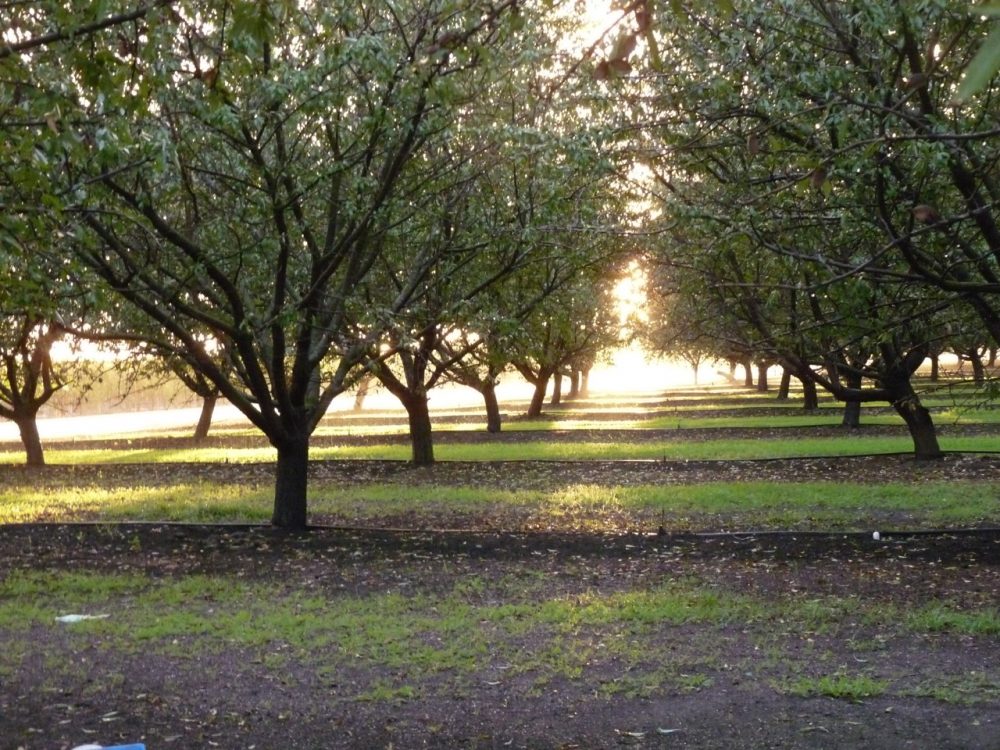
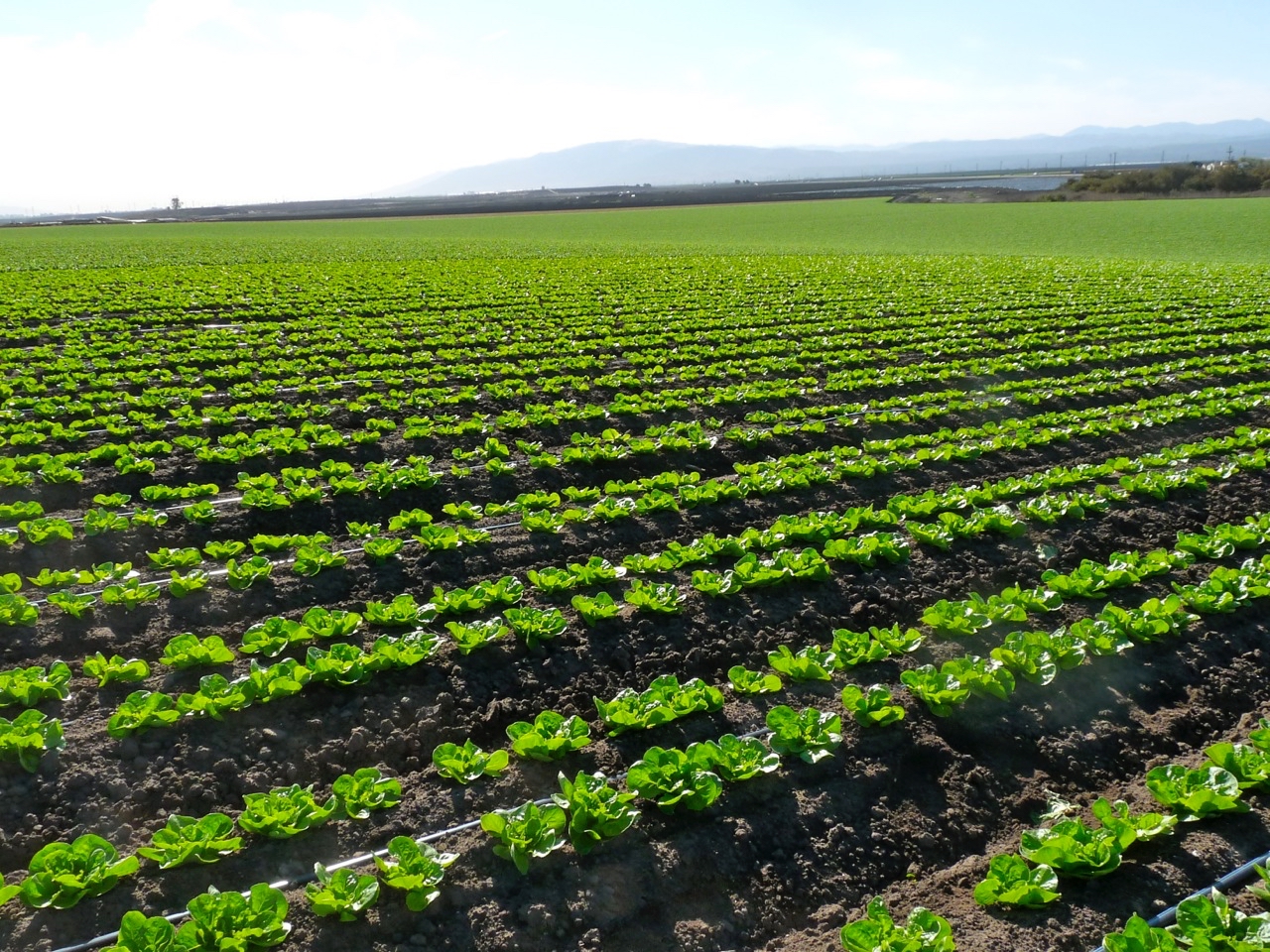
In addition to direct economic outputs, working landscapes – farms, rangelands, forests, and fisheries, to name a few – sequester carbon, capture water, support wildlife, offer picturesque views and make space for hiking, skiing, boating, and other recreational activities.

“We need to put a value to ecosystem services, from an economic standpoint, that incentivizes people who own and manage these landscapes so they can continue to manage them for everyone’s benefit,” said Stephanie Larson, UC Cooperative Extension rangeland advisor in Sonoma County.

When ecosystem services have been monetized, proper compensation can be calculated, ensuring benefits like clean water, fresh air and a livable climate are protected for future generations.

In November,  UC Agriculture and Natural Resources released a report at the California Economic Summit in Fresno on the value of California’s working landscapes. The report determined the state’s working landscapes generate $333 billion in annual sales and 1.5 million jobs. That number does not include ecosystem services.

“The value of ecosystem services is probably higher than the $333 billion direct economic contributions of working landscapes outlined in the report,” said UC ANR vice president Glenda Humiston. Humiston is chair of the economic summit’s working landscape task force. “The problem is, when we don’t have that quantified, it’s hard to make investments to make sure those ecosystem services are maintained.”

Humiston said that, in time, systems can be developed for the public to support the ecosystem services they enjoy.

“You might have a small surcharge on binoculars,” she said. “That money could be used to protect bird habitat so birders can go somewhere to see birds. Water districts might assess a surcharge on your water bill to pay for the forested watersheds where they are getting your water. There are many different mechanisms to do this. We’re trying to figure out what would be the best mechanism.”

During the summit, a team of researchers, policymakers and industry professionals launched a new phase of work to calculate with scientific accuracy the value of ecosystem services. Larsen is a member of the leadership team, along with executive director of the Central Valley Partnership Dan O’Connell and Sequoia Riverlands Trust director of pubic planning and policy Adam Livingston.

The team is working with partners to secure funding and technical support to integrate data sets already available from the Council of Governments’ Rural-Urban Connections Strategy into an open-source, statewide system for mapping ecosystem services.

Once the tool is established, the team will be ready to pilot test it in four areas of California that provide ecosystem services.

“I love this concept,” said Kenny Spain, economic development specialist with the Headwaters Fund in Humboldt County and a member of the task force. “It’s a valuable tool.”


2019-11-21T14:16:40-08:00November 25th, 2019|

Catastrophic Wildfires Can be Prevented

Californian’s Have been Kept in the Dark on Preventable Wildfires and Power Outages

Which is worse: days without electricity that disrupt communities or catastrophic wildfires that tear through forests and threaten public health? This question sits on the minds of PG&E officials as they mull their recent decision to intentionally shut power off to northern California customers over the past few days – a decision made out of an abundance of caution after the company admitted fault for sparking the Camp Fire in 2018.

The truth? Both are equally terrible options, and both are entirely avoidable. Shutting down the power to thousands of California residents is irresponsible. Proper management of natural resources is crucial.

To prevent wildfires, California must work diligently to reduce hazardous fuels from overstocked forests and chaparral. Livestock grazing naturally clears much of the ground fuel found on the forest floor. When livestock are given access to the land, they act as a lawnmower, clearing overgrown forage that accelerates wildfire.

Livestock grazing is a natural solution to management and is provided at virtually no cost to the taxpayer. This financial assistance is important, as government agencies continue to allocate exorbitant financial resources suppressing active fires. In 2017, that expense consumed 56 percent of the Forest Service’s overall budget.

Cattle Grazing

Ranchers, who pay annual grazing fees directly to federal agencies, turn out specific numbers of livestock on allotments based on available resources. These livestock graze firebreaks, ensuring fuel loads do not build up year-over-year. These fuel break techniques reduce the concentration of flammable vegetation and provide safe places for firefighters to stop wildfires while reducing the financial burden of government agencies.

Despite efforts like these, chasing after the solution proves difficult in today’s regulatory climate. Nineteen million acres of California’s forest falls under management of the federal government, making proactive management difficult in the face of stringent regulations. While seemingly thoughtful, these regulations prove to be handicaps in the U.S. Forest Service and the Bureau of Land Management. Red tape hinders the ability of livestock producers or other land management partners (yep, even PG&E) to properly care for overgrown forests.

The most arduous of these regulatory processes is the National Environmental Policy Act (NEPA), which is intended to analyze the environmental effects of a federal action. In its current form, however, NEPA does little more than stall commonsense land management. It doesn’t take a Ph.D. to understand that strategic forest thinning and prescriptive grazing of fine fuels will result in fewer, more manageable fires.

Yet every time one of these projects is proposed a NEPA process must be initiated—and frequently takes years to complete. Governor Gavin Newsom recognized the unacceptable costs of lengthy environmental reviews, prompting him to suspend California’s state equivalent to NEPA on several fuels management and fire prevention projects to expedite management. The Forest Service has proposed revamping their own NEPA reviews, a process they need to conclude quickly so that Californians and others who live near our forests and rangelands can breathe a little easier and keep the lights on.

Fire on open land can be prevented

These decisions impact more than just wildlife, people, and our natural resources. Better management of forests and rangelands where most wildfire in California originate is essential to combatting climate change. Forests are among the largest carbon sinks found in our country. Trees pull carbon from the atmosphere, storing it deep in the soil, returning our carbon footprint to a healthy balance. Yet, without active management of forest resources, environmental efforts are erased with one problematic fire season.

The solution to California’s wildfire problem isn’t denying basic services to its citizens – it is simple active management of fire-prone lands.

This past week was Fire Prevention Week. It served as a time for us to ask whether we should be forced to decide between powering our home or protecting it from a raging wildfire. If the answer is no, then tell your elected officials to support proactive management of these landscapes.

Dr. Dave Daley is a fifth-generation public lands rancher from Butte County. He is the current chairman of the Public Lands Council Forest Service Committee, vice-chairman of the National Cattlemen’s Beef Association Federal Lands Committee, and immediate past-president of the California Cattlemen’s Association.

2019-10-25T14:52:31-07:00October 29th, 2019|

Immigration Farm Workforce Modernization Act To Be Introduced in Congress

Congresswoman Zoe Lofgren to Introduce Immigration Reform Bill

Oct. 30 Press Conference Scheduled at Nisei Farmers League Office in Fresno 

A Press Conference is planned on Wednesday, October 30, 2019, at the same time Congresswoman Zoe Lofgren, Chair of the Judiciary Committee will introduce her bill in the House of Representatives. This is an immigration reform bill to improve agricultural job opportunities, benefits and security for undocumented workers in the United States. This bill also allows for the petition of spouses and children to be granted status as well. The title of the legislation is “Farm Workforce Modernization Act.”

Manuel Cunha, Jr., President of Nisei Farmers League praised representative Lofgren, “Congresswoman Lofgren has worked tirelessly and is committed to getting much-needed immigration reform, which has been long over-due. She is working with other representatives in our Valley, including Congressmen Costa, Panetta and LaMalfa, who also believe our hard-working laborers and their families must feel safe and be granted legal status.”

Please join in supporting the “Farm Workforce Modernization Act” being introduced in Washington, D. C. and standing with our Congressional representatives, our religious groups, our law enforcement, education institutions, the sports world and other agricultural groups by attending our Press Conference. Details are below:


Date: Wednesday, October 30, 2019

Time: 11:00 a.m.

Place: Nisei Farmers League office

1775 N. Fine Avenue, Fresno, CA 93727


2019-10-28T13:48:55-07:00October 28th, 2019|

Navel Crop Fruit Has Good Size This Season

Following Small Fruit Last Year, Navel Crop is Back to Good Size

The California navel orange crop looks better this year than it did in 2018 when so much of the crop was never harvested due to poor sizing.

Craig Kallsen is a UCANR Kern County Cooperative Extension Farm Advisor focused on citrus and tropical fruits. “Last year the navel orange industry was plagued with very small fruit sizes and a lot of people didn’t even harvest it,” said Kallsen. “It looks much better this year, so growers are happier. And while the fruit size is up, it can also mean that the number of fruit per tree is down.”

The small fruit in 2018 may have been due to a big crop in 2017. Last year, the trees only had enough stored energy to devote to smaller fruit. But this year, the industry is back to bigger fruit, and probably less crop.

“We also had a lot of hot dry winds in the 2018 summer which caused a lot of fruit to drop,” noted Kallsen


2019-10-16T12:57:46-07:00October 17th, 2019|

Almond Growers Say Yes to their Board

California Almond Growers Vote to Continue Almond Board of California


The Almond Board of California (ABC) is pleased to announce that California almond growers recently voted to continue their almond federal marketing order program for five more years. The vote, held from August 5-16, 2019, resulted in 95 percent of eligible growers who voted, and 97 percent of the volume represented by those voting in the referendum, favoring the continuation of the marketing order.almond crop

The U.S. Department of Agriculture (USDA) is required to conduct a continuance referendum every five years (see USDA release). The last referendum was completed in 2014 and resulted in 91 percent of eligible growers who voted, and 94 percent of the volume represented, favoring a continuation of the marketing order.

The vote represents the California almond industry’s confidence in the Almond Board and the many programs it administers and funds with industry assessment dollars. Those programs include an extensive production and environmental research program coupled with education and outreach that has been funded to help growers continue to meet the challenges facing agriculture. This research was also fundamental to the launching of the Almond Orchard 2025 Goals, which demonstrate the California almond industry’s commitment to continuous improvement in four areas: reduce the amount of water used to grow a pound of almonds by 20%, increase adoption of environmentally friendly pest management tools by 25%, achieve zero waste in orchards by putting everything grown to optimal use and reduce dust during harvest by 50%. 

The 2025 Goals are only one of the innovative programs undertaken by ABC. The Honey Bee Best Management Practices, released in 2014, continue to educate industry members and affiliates on how to best protect and improve honey bee health. ABC has funded more than 120 research projects supporting honey bees since 1995. And, speaking of health, ABC’s commitment to human health and nutrition remains strong and is demonstrated through its over 100 projects funded to investigate almonds in relation to heart health, diabetes and metabolic syndrome, weight management, satiety and gut health, and even skin health and cognition.  

Other key program areas for ABC include domestic and international marketing, the collection and dissemination of industry statistics, and food quality and safety programs. The Almond Board, along with the growers and handlers who fund and support ABC through assessment dollars and by participating in committees and workgroups, has enabled the industry to develop the tools needed to assist growers, to build demand ahead of supply and to achieve the considerable success experienced over the years.

Industry members with questions about the Almond Board’s programs or how assessment dollars are spent are encouraged to attend one of ABC’s many public committees and Board of Directors meetings held throughout the year. A meeting schedule may be found at Almonds.com/Events. Also, all industry and allied industry members are invited to join ABC at The Almond Conference 2019, held this year at Cal Expo in Sacramento on December 10-12. Register today and book your hotel at AlmondConference.com.

2019-10-10T15:05:50-07:00October 10th, 2019|

A call To Trump Administration to Reduce Swamp Rats

Central Valley Faces Threat from Invasive Swamp Rats: Without Action, State Could be Infested Within Five Years


Representative Josh Harder (CA-10) is calling on the Trump Administration to reverse its plan to disband the National Invasive Species Council (NISC), which unifies all federal efforts to combat invasive species into a single body.

Over a dozen federal agencies and organizations share responsibility for combating invasive species, making the NISC one of the most important tools in the fight against these threats. In a letter, Rep. Harder noted the mounting challenge his district faces regarding the nutria, an invasive species and giant rodent – originally from South America – which can cause substantial economic and ecological damage.

The text of the letter is below, and an original copy is available here.

I write today regarding reports that the administration plans to defund and disband the National Invasive Species Council (NISC). I urge the Administration to reconsider this course of action given the importance of this council for combatting invasive species, including nutria in California and across the country in other nutria-impacted states.

My district in California’s Central Valley is facing an invasion by the nutria, an invasive species of rodent originally from South America.  Disbanding this important committee may have detrimental effects on the local and national effort to stop the nutria.

Nutria threaten local farmers, water infrastructure, and indigenous wildlife. They can weigh up to forty pounds, eat a quarter of their body weight every day, and reproduce at a shocking rate. One female nutria can result in 200 offspring in a single year. The California Department of Fish and Wildlife reports that without aggressive action to contain the species, the population of nutria in California could explode to 250,000 nutria within five years.


The ramifications of undermining or slowing down this effort could be costly for the state and federal government. This is an extreme situation. We require the full force of all federal partners in this fight. Disbanding the NISC when we face such an imminent threat is imprudent.

As you know, over a dozen different agencies and organizations within the federal government are responsible for sharing the fight on invasive species.  The NISC unifies all of these disparate efforts and also provides high-level expertise through the NISC’s Secretariat. The full-time professional staff at the Secretariat produce high-quality training materials that help partner departments in their efforts to stop invasive species. This is all done at a low-cost to the taxpayer that yields a valuable impact to local communities.

California is in the fight of its life against a giant, invasive swamp rat. This is not the time to disband the federal body charged with leading the charge against invasive species. I respectfully ask you to reconsider this decision without delay.

Rep. Harder is leading federal efforts to stop the onslaught of nutria in California’s Central Valley. In June, he introduced legislation to reauthorize the Nutria Eradication and Control Act of 2003, which was considered successful in the Chesapeake Bay. The bill would direct $7 million in funding towards management of the species in California. Programs supported by the bill encourage habitat protection, education, research, monitoring, and capacity building to provide for the long-term protection of wetlands from destruction caused by nutria. 

Without help, it’s estimated that there could be up to 250,000 Nutria in California within five years. Nutria were originally introduced to the United States as part of the fur trade in the late 1800s but were eradicated from California in the 1970s. The species was rediscovered in the Central Valley in 2017. Nearly 700 nutria have been removed from the Central Valley since this first sighting. They can devour up to 25 percent of their body weight daily and have up to 200 offspring per year.


2019-10-03T11:58:50-07:00October 9th, 2019|

Good News for Citrus Industry Shipping to Japan

California Citrus Mutual Applauds Agreement with Japan

 The announcement by the Administration regarding the market access agreement with Japan is excellent news for the California citrus industry.

“The California citrus industry has faced a 32% Japanese tariff rate for far too long,” states CCM President Casey Creamer.

“As Japan entered into agreements with other citrus producing trading partners the California citrus industry was put at a competitive disadvantage.  The new market access agreement immediately puts California fresh citrus in a position equal to the agreement reached previously between Japan and other nations,” continues Creamer.

In 2016 the U.S. citrus industry exported 70,366 metric tons to Japan, the majority originated from California. In 2018 the tonnage slipped to 48,060 metric tons.

Creamer notes, “The agreement does not require Congressional approval, but the Japanese National Diet must vote to concur. We trust the Japanese government will fully support their leadership and by January 2020, the agreement will be implemented at the peak of California’s export opportunity.”

2019-10-02T17:39:51-07:00September 30th, 2019|

EPA: California’s Environmental Failure

EPA Calls Out California’s Environmental Failure on Protecting Water

Today, U.S. Environmental Protection Agency (EPA) Administrator Andrew Wheeler sent a letter to California Governor Gavin Newsom raising several issues with the state’s failure to protect Californians from degraded water, outlining deficiencies that have led to significant public health concerns in California and the steps the state must take to address them.

“California needs to fulfill its obligation to protect its water bodies and, more importantly, public health, and it should take this letter as notice that EPA is going to insist that it meets its environmental obligations,” said EPA Administrator Andrew Wheeler. “If California does not step up to its delegated responsibilities, then EPA will be forced to take action.”

For years, California has pushed policies that have resulted in a homelessness crisis that now threatens human health and the environment, with potential water quality impacts from pathogens and other contaminants from untreated human waste entering nearby waters. California has been responsible for implementing the water discharge permitting program under the Clean Water Act since 1973; however, the state’s recent lack of urgency addressing serious issues in San Francisco resulting from lack of proper oversight and enforcement is concerning. This, among other issues identified in the administrator’s letter, is a failure to properly implement federal programs and has resulted in the subsequent need for more direct EPA oversight to ensure human health and environmental protection.

Administrator Wheeler also raised concerns about the state’s years long approval of the discharges of over 1 billion gallons per year of combined sewage and stormwater into San Francisco Bay and the Pacific Ocean. Despite California having abundant financial resources – which includes a significant tax base and EPA providing over $1 billion in federal grants and a $699 million loan through the Water Infrastructure Finance and Innovation Act – San Francisco has not come into compliance with federal clean water standards and must still invest billions of additional dollars to modernize its sewer system.

California has 30 days to provide a written response to EPA outlining in detail how it intends to address the concerns and deficiencies identified in the letter.

To read the full letter, click here.

2019-09-26T07:41:52-07:00September 26th, 2019|

DPR Has Big Funding for Pest Managment Program

The Department of Pesticide Regulation’s (DPR’s) 2020 Pest Management Research Grant solicitation is now available

See the Grant here: http://www.cdpr.ca.gov/docs/pestmgt/grants/research/index.htm

This year, the Pest Management Research Grant Program will allocate:

1-   $2,100,000 to fund projects that identify, develop, and implement safer, practical, and sustainable pest management alternatives to Chlorpyrifos. DPR will consider proposals requesting $150,000 to $500,000.

2-   $500,000 to fund projects that develop methods or practices to reduce risks associated with pesticides of high regulatory concern and/or are considered to high-risk and which can be incorporated into an IPM system. DPR will consider proposals requesting $50,000 to $500,000.

Concept proposals must be submitted by 5:00 PM PST on Monday, October 7, 2019.

Concept application must be downloaded from DPR’s Research Grants webpage, here:

https://www.cdpr.ca.gov/docs/pestmgt/grants/research/solicitation.htm 

A Proposal Package will be provided to applicants invited to submit full proposals.

Completed Concept and full Proposal applications must be submitted to the following email address: dprpmgrants@cdpr.ca.gov

If you know groups or individuals who may be interested in applying for a Pest Management Research Grant, we encourage you to pass on this information. 

 For additional information on the Pest Management Research Grant Program, please visit http://www.cdpr.ca.gov/docs/pestmgt/grants/research/index.htm

If you have any questions, please contact Atefeh Nik at 916-445-2509 or Atefeh.nik@cdpr.ca.gov or John Gerlach at 916-445-3909 or John.Gerlach@cdpr.ca.gov.

2019-09-15T19:07:11-07:00September 18th, 2019|

California Table Grape Comm. Hires Marketing Dir./Category Management

David Dudley is New Marketing Director/Category Management

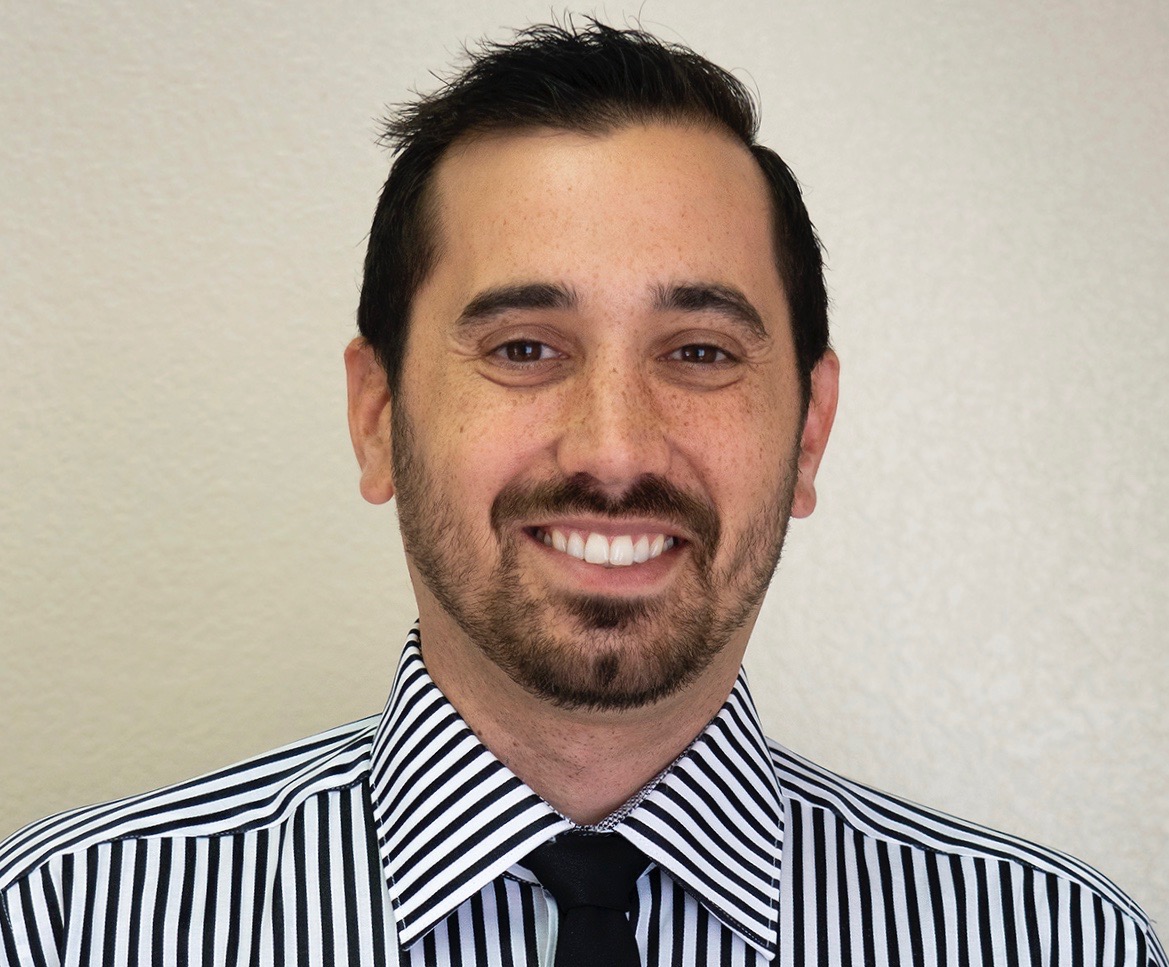
David Dudley is the new marketing director of category management for the California Table Grape Commission. Dudley’s responsibilities include expanding the retail demand for California table grapes in the U.S. and Canada through enhanced category management.

“We are very excited to welcome David to the team,” said Kathleen Nave, president of the commission. “David’s nearly 10 years of experience in produce management and his experience in the retail sector will be key to the development of future retail programs.”grapes

Dudley joins the commission after more than five years at Save Mart, most recently as a senior produce category manager. Dudley also worked for Markon Cooperative as a product manager. According to Nave, Dudley will primarily focus on developing a strategic marketing plan to drive California table grape sales. Dudley will be part of a four-member retail team and will manage numerous retail accounts.

Dudley is a California native, born and raised in the San Joaquin Valley. He is a graduate of California Polytechnic State University, San Luis Obispo, with a bachelor of science degree in agribusiness with a concentration in marketing.

2019-09-16T15:39:49-07:00September 16th, 2019|
Go to Top