UCCE advisor’s Breadth of Experience and Education Support Ranchers’ Economic Viability

By Jeannette Warnert, UCANR Communications Specialist

Livestock and natural resources advisor Dan Macon came to UC Cooperative Extension three years ago with much more than a formal education in integrated resource management and agricultural and managerial economics.

He had years of hands-on experience running a successful foothill sheep operation, toiling long days and often into the night tending animals, irrigating pastures, training livestock guardian dogs and managing forage.

“I came to this position mid-career,” said Macon, who also accumulated skills working for a family auction company and in various capacities for the California Cattlemen’s Association, the California Rangeland Trust and USDA’s Natural Resources Conservation Service.

The love of a rural lifestyle prompted his family to purchase a small ranch in Auburn to raise sheep 15 years ago. Natural communication skills led Macon to become respected local blogger at Foothill Agrarian and, eventually, a social media influencer with nearly 2,000 followers on Instagram @flyingmule.

When Macon bought his ranch, he needed help dealing with invasive Himalayan blackberries. He called Roger Ingram, the UCCE livestock and natural resources advisor in Placer and Nevada counties from 1997 to 2017.

“Roger helped me take care of the problem,” Macon said. “Following his recommendation, I bought goats and they grazed the blackberries into submission. Now the grass can out-compete the invasive plants. We’ve turned the area into grassland.”

Macon began volunteering for UC Cooperative Extension by teaching fellow ranchers about his experiences raising sheep, managing rangeland and raising and training livestock guardian dogs. Macon was a presenter at Ingram’s annual California Multi-Species Browsing Academy.

“I finally recognized that the parts of my earlier jobs that I most enjoyed involved things I’d be doing on a daily basis as a farm advisor – teaching and research,” Macon said. He earned a master’s degree from Colorado State University and applied to succeed Ingram after his retirement. Macon also took on the role in Sutter and Yuba counties, succeeding Glenn Nader.

Livestock production in the Sierra Nevada foothills ranks among the top five agricultural commodities. Economic viability is a major issue. Macon’s research and extension program is focused on ranch economics and business management, drought resilience, predator-livestock coexistence and irrigated pasture management.

At the UC Sierra Foothill Research and Extension Center in Browns Valley, Macon is conducting research that will help ranchers make decisions about maintaining a cattle herd when faced with impending drought. Even when the weather forecast is dry and forage isn’t growing at a sufficient pace, ranchers can be reluctant to sell off their cattle.

“Science tells us you shouldn’t try to feed your way out of a drought,” Macon said. “Ranchers want everything to stay the same. They want to maintain their genetic potential and keep cows that are familiar with the area.”

The research will compare cows weaned on a traditional weaning schedule with others that are weaned early.

“The cattle will be out on the range from March to early September under different parameters,” Macon said. “We’re also tying in economics, the value of genetic potential and the value of having cows who know the landscape.”

Macon is securing funding to conduct research on livestock guardian dogs in different production settings. Using low-cost GPS technology developed at New Mexico State University, Macon plans to study the relationship between dogs, predators and livestock in terms of space and time.

“One unknown is whether they displace predators or disrupt predatory behavior,” Macon said.

Macon uses livestock guardian dogs on his ranch and will be able to draw on his own experiences in designing the study. He recently wrote a fact sheet on guardian dog selection with UCCE human-wildlife interaction advisor Carolyn Whitesell.

“We’ve had great success with our guardian dogs,” he said. “But not everyone has that level of success. Using scientific tools like remote sensing and GPS technology will give us more details about wildlife-guardian dog-livestock interactions.”

During this year’s shelter-in-place, Macon has become more creative in reaching out with scientific ranching information. He and large-scale sheep producer Ryan Mahoney of Rio Vista created a weekly podcast, “Sheep Stuff Ewe Should Know.” Early episodes cover such topics as risk management, the effects of COVID-19 on the sheep industry and livestock guardian dogs. The podcast is available on Spotify and other mobile podcast apps.

Macon developed a new bi-weekly webinar series, “Working Rangeland Wednesday,” with UCCE specialist Leslie Roche and UC Davis graduate student Grace Woodmansee. Recordings are posted on YouTube.

Traditional, one-on-one farm calls are also a part of Macon’s extension program. He conducts five or six a month. Even so, the COVID-19 pandemic prompted Macon to begin remote advising. Soon after Gov. Newsom’s shelter-in-place order was issued, Macon got a call from a woman whose ewes had recently given birth.

“She thought the lambs weren’t doing well and wondered what she could do,” Macon said. “We both had Facetime, so I asked her to show me what the sheep looked like. I was able to assure her that things were normal and suggested bottle feeding. I talked to her several times over the next couple of days, and she was able to save the lambs.”

Most queries from local ranchers center on pasture or grass management, species composition, fencing, paddock design and animal husbandry. Last year, ranchers called with blue oaks suddenly and inexplicably dying on their land.

“The trees had no visible injuries. Ranchers were wondering if it was a lingering effect of drought or due to habitat fragmentation,” Macon said.

Macon contacted UC Cooperative Extension plant pathology specialist Matteo Garbelotto, a UC Berkeley-based tree disease expert. The scientists collected scorched leaves, wood samples and soil near the trunks of the dead or dying trees. They found evidence of fungi Botryosphaeria corticola and B. dothidea in wood chips collected at breast height. However, blue oak is not an official host for the two pathogens in the USDA fungus-host database.

The researchers believe that recent droughts and climate change may be causing an increased and widespread susceptibility of blue oaks or that an unknown pathogen may be increasing the susceptibility of blue oak to the canker disease. The progress made in solving these mysterious blue oak deaths was published in the most recent California Agriculture journal and will be the subject of continuing investigations in the future by Macon and his colleagues.
 

2021-05-12T11:17:06-07:00July 30th, 2020|

Goodness Matters with California Table Grapes!

Campaign Encourages Consumption of Table Grapes


The heart of the California Table Grape Commission’s multi-faceted outreach effort, California Goodness Matters, asks consumers to buy California table grapes. The program promotes the importance of supporting California’s table grape farming communities that grow and harvest 99% of the nation’s fresh table grapes.

Currently underway and continuing into the fall, the Goodness Matters campaign features radio commercials, social media outreach supported by advertising, and a series of messages delivered to retailers.

Kathleen Nave

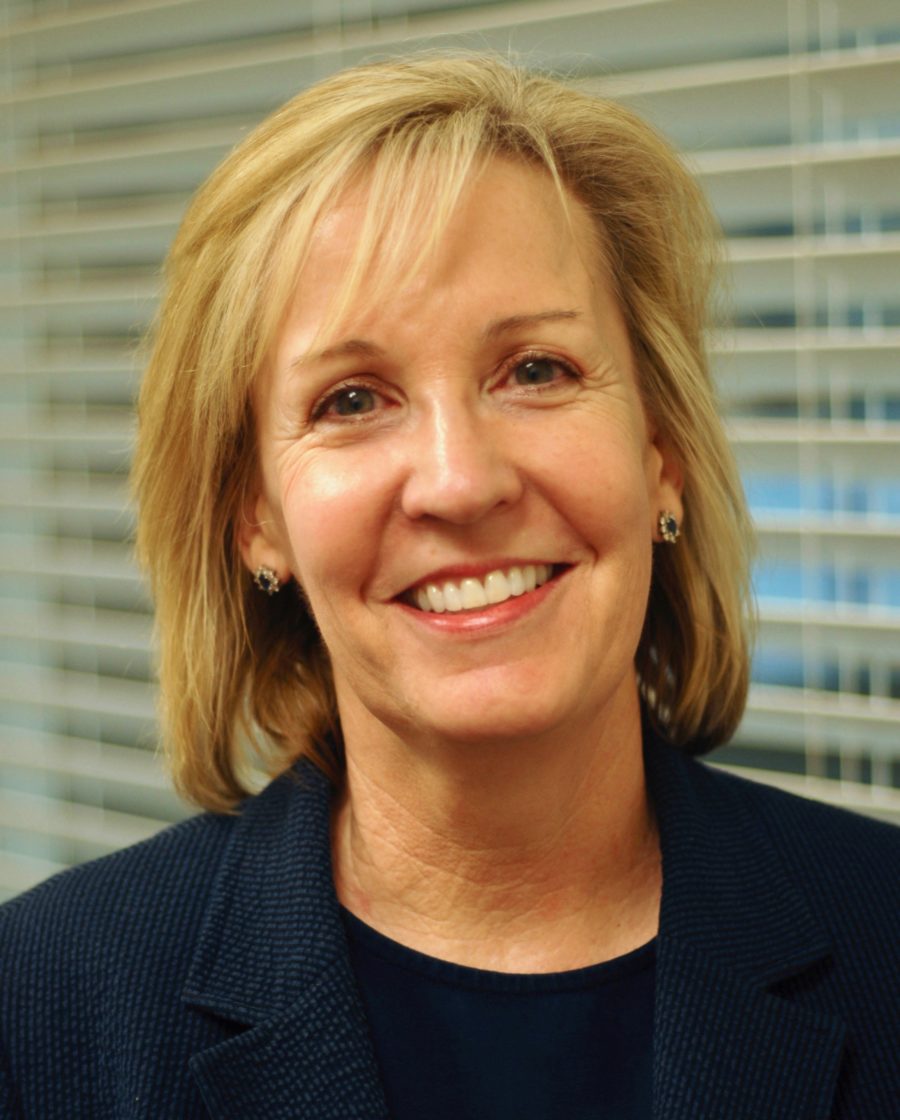
Kathleen Nave, President of the California Table Grape Commission

“Goodness in all forms matters now more than ever,” said Kathleen Nave, president of the California Table Grape Commission. The California Goodness Matters campaign, according to Nave, is about “recognizing that the decisions we make as consumers make a difference in the livelihood of others. It also aids in the economic survival of small rural communities. It is  about the goodness that is California table grapes.”

The campaign reaches consumers in California markets over radio in English and Spanish.  Award – winning chef and restaurateur, Aarón Sánchez, is featured in a 15 second Spanish-language spot. It focuses on his belief in the importance of supporting those who grow and harvest our food.

California Table Grapes

California Table Grape Commission’s “Goodness Matters” Campaign

The campaign’s next phase  will include two more radio commercials, focusing on healthy eating. Sánchez will voice the first spot. Amy Brown, co-host of The Bobby Bones Show that is syndicated to more than 150 country stations throughout the nation, will voice the second spot.


In addition, both Sánchez and Brown will share their thoughts on California table grapes and the ways in which California Goodness Matters through social media.

According to Nave, when consumers make a conscious decision to buy California table grapes rather than imports and packaged snacks, they are supporting California farmers and workers during this challenging time.

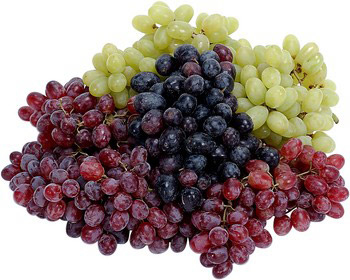
Science reveals what we’ve perceived intuitively for centuries: Grapes are very good for us. Research shows that grapes of all colors—red, green and black—are a natural source of beneficial components called polyphenols. Polyphenols help promote antioxidant activity and influence cell communications that affect important biological processes.

2020-07-27T19:07:40-07:00July 27th, 2020|

House Makes California Eligible for Nutria Eradication

It’s the First Time Ever After Congressman Harder’s Bipartisan Push Nutria Eradication Funding

 After Representative Josh Harder (CA-10) led an effort to make California eligible to receive federal funding to eradicate invasive nutria, the House of Representatives passed legislation that allows the state to apply for millions of dollars in federal funding to combat the pest. The bill also increases the total amount allocated to three programs through the Fish and Wildlife Service which help states and local residents combat invasive species, including the nutria. The legislation must now be passed through the Senate or be included in the final “Conference Report” which irons out the differences between the two chambers’ versions of the bill and then signed into law.

“This is a huge win for farmers and environmentalists in the Valley,” said Rep. Harder. “Both groups are concerned about the swamp rat invasion and rightly so – if we don’t get these things under control in the next couple years, they will overrun our farms and wetlands. We brought together Democrats and Republicans to actually get something done in this area. Turns out working together on a commonsense problem can actually yield results.”

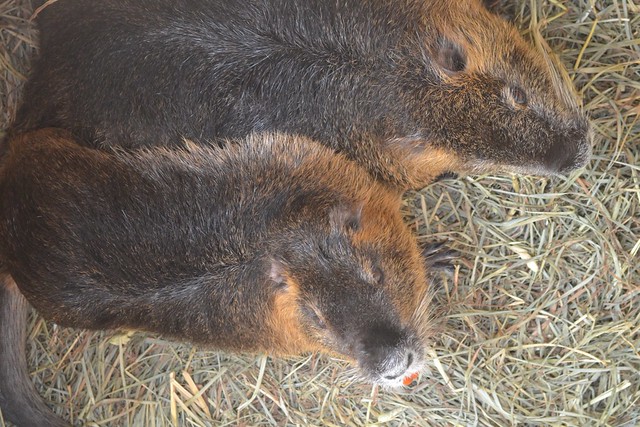
Nutria were originally introduced to the United States as part of the fur trade in the late 1800s but were eradicated from California in the 1970s. The invasive giant rat made a sudden reappearance in 2017. Over 1,500 have been taken from the wild since then. Nutria can devour up to 25 percent of their body weight daily and one female can lead to 200 offspring per year. These invaders threaten water infrastructure, certain crops, and indigenous wildlife. The state has funded efforts to combat the invaders, but experts note that federal assistance will be necessary to fully eradicate them.


In 2003, Congress passed The Nutria Eradication and Control Act, which established a fund to help states combat the invasive species. However, until now, the law only allowed Maryland and Louisiana to access it. Thanks to Rep. Harder’s efforts, California will be able to access this program and two others for the purpose of combatting the nutria once a House bill, which passed today, is signed into law. Today’s House Appropriations bill, H.R. 7608, the State, Foreign Operations, Agriculture, Rural Development, Interior, Environment, Military Construction, and Veterans Affairs Appropriations Act, includes an additional $1.2 Million in funding for the Nutria Eradication program, and accompanying language allows more states impacted by nutria to access these dollars. In addition to the Nutria Eradication and Control program, California will be able to apply to the Partners for Fish and Wildlife program and Wildlife Habitat and Management program.

Earlier this year, Rep. Harder worked to pass a separate bill he authored through the House of Representatives with broad bipartisan support, which would add even more funding to the Nutria Eradication and Control program and formally expand eligibility to include all nutria-impacted states. It has not yet passed the Senate.

Representative Harder has repeatedly pushed to pass his bill. In September, he brought a life-size taxidermy nutria to a Congressional hearing to illustrate the threat posed by the invader for his colleagues. In a separate hearing, he brought a graphic example of the invasion curve (colloquially referred to as a “#RatChart”) to demonstrate the need to act urgently.

2020-07-24T16:20:44-07:00July 27th, 2020|

Results of Statewide Farm Employee Survey Announced at Press Conference July 28th

Increased Risks and Fewer Jobs: Evidence of California Farm Employee Vulnerability During the COVID-19 Pandemic

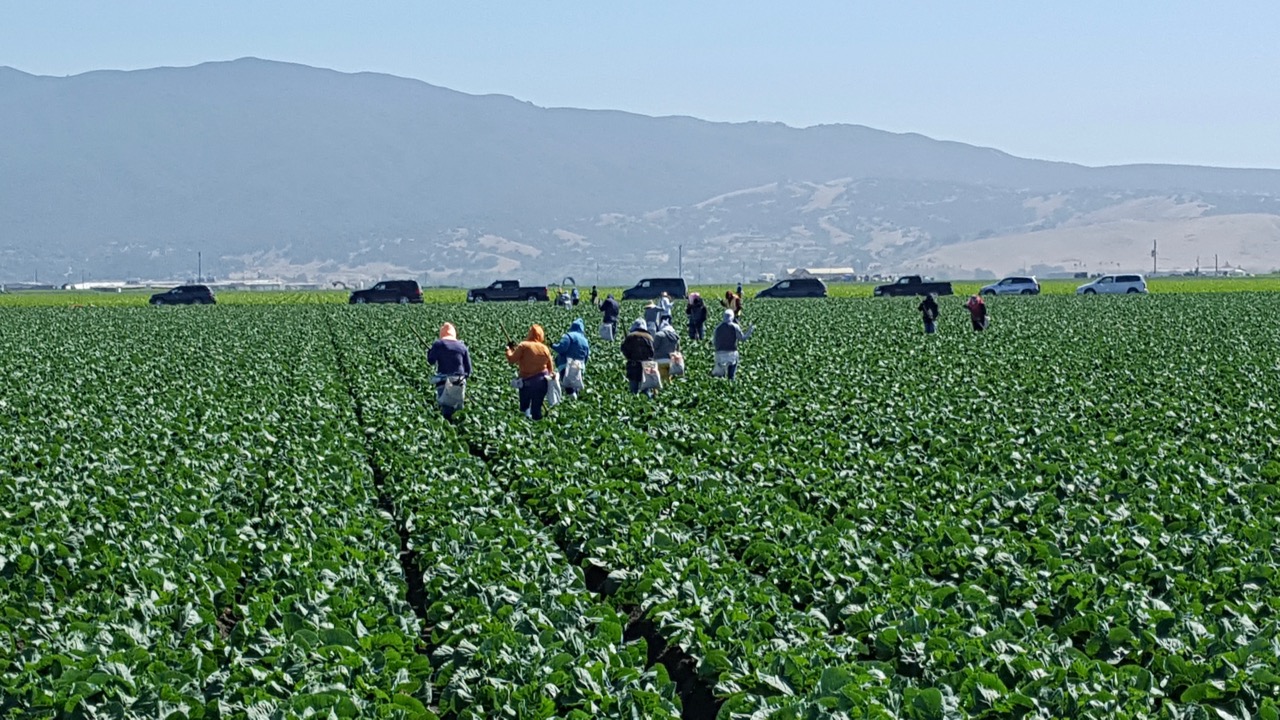
Today, the COVID-19 Farmworker Study Team announces the completion of statewide survey of more than 900 farmworkers in California, which provides unique insights into the experience of these essential workers during the pandemic.

Preliminary results from this unique study–the only statewide survey that gathered data directly from farmworkers currently working–will be released at a virtual press conference on July 28th, 2020 at 10 am PST. The results provide critical missing information on work site conditions and farmworkers’ abilities to protect themselves while continuing to work in California’s fields.

The COVID-19 Farmworker Study (COFS) coincides with new evidence indicating that agricultural workers have elevated vulnerability for contracting COVID-19 infection. Data compiled by the California Institute for Rural Studies show that as of June 30, 2020, California’s Monterey County agricultural workers were three times more likely to become infected by the virus than persons employed in the county’s non-agricultural industries.

Agricultural workers in California now face a double threat: the COVID-19 virus and loss of employment owing to the collapse of foodservice demand. New agricultural employment findings reveal a steep 39% decline from a 3-year average (2017-2019) in Monterey County agricultural employment during April, May and June 2020. Statewide, the decline was about 20% during April and May, accounting for nearly 100,000 jobs lost.1

COFS results add important detail to these data points, clarifying questions about how employers are protecting their workers, the barriers they face to accessing adequate healthcare and the precautions that concerned workers are taking to protect their families. The survey also revealed the workplace health and safety changes that workers would like to see implemented. One farmworker interviewed told us,

I have concerns about where I work because I don’t know if someone is sick and I feel insecure. If they were checking people before going to work that would help me feel more safe and could work without worry.”

1 Don Villarejo, July 2020

The COFS results were collected through phone interviews with more than 900 agricultural workers across 21 counties by 6 farmworker-serving organizations: Líderes Campesinas, Central California Environmental Justice Network, Alianza Ecologista, Farmworker Care Coalition/Vista Community Clinic, Comite Cívico del Valle and the Centro Binacional para el Desarollo Indígena. The phone interviews asked about workplace conditions related to COVID-19 prevention, transportation to/from work, housing conditions, access to medical care, and income issues.

Preliminary data is drawn from an initial analysis of a partial data set and will be presented in more detail at a virtual press release on Tuesday, July 28th at 10 am (see registration info below). Full data briefs on Workplace Conditions, Transportation, Housing, Healthcare Access and Economic Issues will be released throughout the summer.

To register for the Zoom webinar go to:

https://us02web.zoom.us/webinar/register/WN_2RPz-9ENR9K20FaRW95cKg

Registered participants will receive a press kit including the full Preliminary Data Brief and a CIRS Research Brief that describes the job loss and infection rate data in advance of the conference (available July 27 at 12pm).

Presentations by Ildi Carlisle-Cummins (California Institute for Rural Studies), Don Villarejo (Founder of CIRS), Nayamin Martinez (Central CA Environmental Justice Network), Fernando Serrano (Alianza Ecologista), Paola Illescas (Farmworker Care Coalition) and Oralia Maceda (Centro Binacional para el Desarrollo Indígena).


2020-07-24T12:30:02-07:00July 24th, 2020|

Tulare County Farm Bureau announces 2020 Scholarship Awards

Congrats to All The Great Scholarships Winners

Tulare County Farm Bureau’s Educational and Scholarship charitable trust released in July their 2020 student recipients, this year’s Selection Committee reviewed all applications online, and made their selections increasing the amount of funds awarded in many categories.  Photos of the students are available in the TCFB July 2020 Newspaper edition. 

The TCFB’s education and scholarship trust fund has been awarding scholarships since the trust’s inception in 1990, the scholarship and educational programs of the trust are funded annually through the Spring Gala held in March.  Fortunately this year’s awards were funded by proceeds of the 2019 event, and the COVID pandemic did not impact the award budget for this year.    The 2020 gala was cancelled due to the shelter-in-place orders, but donors have been thoughtful in contributing funds this year, and many have rolled their donations over to the 2021 event in anticipation of it being set for next March. 

Most awards were increased to a $2,000 award, and others increased from $500 to $1,000 awards.   There are also renewable awards offered by the Scott Shannon Memorial fund, and those students may renew the same amount for four years total.  Awards listed below are all awarded by the Tulare County Farm Bureau’s charitable trust.  Certain awards are contributed to by families in memoriam, while others are part of the trust’s permanent endowment. 

Awards are paid after the student provides verification of their college enrollment, and those verifications are due to the Farm Bureau by September 15 or sooner, as available. 

We congratulate all the outstanding students that applied for the awards.  

First NameLast NameAward NameAmountSchool
MariaAguileraScott Shannon Memorial$1,000Mt. Whitney High School
AlissaAmaralFrank Ribeiro Memorial$2,000Tulare Union High School
DaltonBaird2-Year College$1,000Mt. Whitney High School
BryanBerczynskiScott Shannon Memorial$1,000VTEC High School
BryanBerczynskiYoung Farmers & Ranchers$1,000VTEC High School
LaurenDavisMerit Award$500CSU Fresno
RebeccaDuranMerit Award$500CSU Fresno
MadelynFernandesMary Rankin Memorial$2,000Mission Oak High School
ChastineGistTCFB Ag Career$2,000Tulare Western High School
TyceGriswoldScott Shannon Memorial$1,000Central Valley Christian School
GraceGuthrieMerit Award$500Cal Poly, SLO
PaigeKroesMerit Award$500Central Valley Christian School
SelinaLopez CurielStudent of Farm Employee$1,000Woodlake Union High School
RyanMajarianCOS RRS Endowment$1,500Mt. Whitney High School
PiaMartinezMerit Award$500CSU Fresno
JavierMonje Jr.Student of Farm Employee$1,000Tulare Western High School
JavierMonje Jr.Merit Award$500Tulare Western High School
BethanieNegreteYoung Farmers & Ranchers$500Mt. Whitney High School
DafnePamplona QuirozTCFB Ag Career$2,000Dinuba High School
MayalinaPuernerTCFB Ag Career$2,000Exeter Union High School
HunterSeymore2019 Youth Outstanding Participant award$1,000El Diamante High School
AmySwallFred & Marilyn Collison Memorial$2,000Mission Oak High School
KatherineWalkerYoung Farmers & Ranchers$1,000Reedley College
KalinaWeaverKen and Cindy Williams Scholarship$2,500Monache High School
2020-07-20T09:38:11-07:00July 20th, 2020|

USDA, USTR Name New Agricultural Trade Advisors

U.S. Secretary of Agriculture Sonny Perdue and U.S. Trade Representative Robert Lighthizer today announced the appointment of 25 new members to serve on seven agricultural trade advisory committees.

The Agricultural Policy Advisory Committee is comprised of senior representatives from across the U.S. agricultural community who provide advice to the U.S. Department of Agriculture and the Office of the U.S. Trade Representative on trade policy matters including the operation of existing trade agreements and the negotiation of new agreements. Members of the six Agricultural Technical Advisory Committees (ATACs) provide technical advice and guidance from the perspective of their specific product sectors.

The newly appointed advisors will serve until 2024. Each committee will be supplemented by additional appointments over the next four years. Applications are encouraged at any time. A complete list of committee members and application information is available at www.fas.usda.gov/topics/trade-advisory-committees.

Following is a list of the new advisors, by committee:

Agricultural Policy Advisory Committee
Constance Cullman, American Feed Industry Association
David Puglia, Western Growers
David Salmonsen, American Farm Bureau Federation

ATAC for Trade in Animals and Animal Products
Robert DeHaan, National Fisheries Institute
Mallory Gaines, American Feed Industry Association
David Herring, Hog Slat Inc./TDM Farms
James Parnell, Alabama Farmers Federation
Maria Zieba, National Pork Producers Council

ATAC for Trade in Fruits and Vegetables
William Callis, U.S. Apple Export Council
Casey Creamer, California Citrus Mutual
Jodi Devaurs, California Table Grape Commission
Jonathan Maberry, Washington Red Raspberry Commission
Caroline Stringer, California Fresh Fruit Association

ATAC for Trade in Grains, Feed, Oilseeds and Planting Seeds
Peter Bachmann, USA Rice Federation
William Gordon, American Soybean Association
Derek Haigwood, D.I.D. Farms
Patrick Hayden, North American Export Grain Association
Dalton Henry, U.S. Wheat Associates
Edward Hubbard, Renewable Fuels Association
Tina Lyons, Double River Forwarding, LLC

ATAC for Trade in Processed Foods
Kevin Latner, National Industrial Hemp Council
Richard (Denton) McLane, McLane Global Trading
Max Moncaster, National Association of State Departments of Agriculture
Bernadette Wiltz, Southern United States Trade Association

ATAC for Trade in Sweeteners and Sweetener Products
(No new members.)

ATAC for Trade in Tobacco, Cotton and Peanuts
Karl Zimmer, Premium Peanut

2020-07-17T12:24:02-07:00July 17th, 2020|

Heat Illness Prevention During These Hot Summer Days

By Markie Hageman Co-Editor

It’s extremely important for farm employees to know how to prevent heat illness. Larry Williams is the CEO of the EE Hall Company among the largest ag labor contractors in the state. Williams is also the executive risk and safety manager for the company and they take worker’s safety in the field very seriously.

“Heat illness is a big thing for us because we employ over 25,000 employees throughout the state of California. And we’re in the ag industry and we’re in all commodities. So heat is a big thing, especially coming up in the summertime for us.”

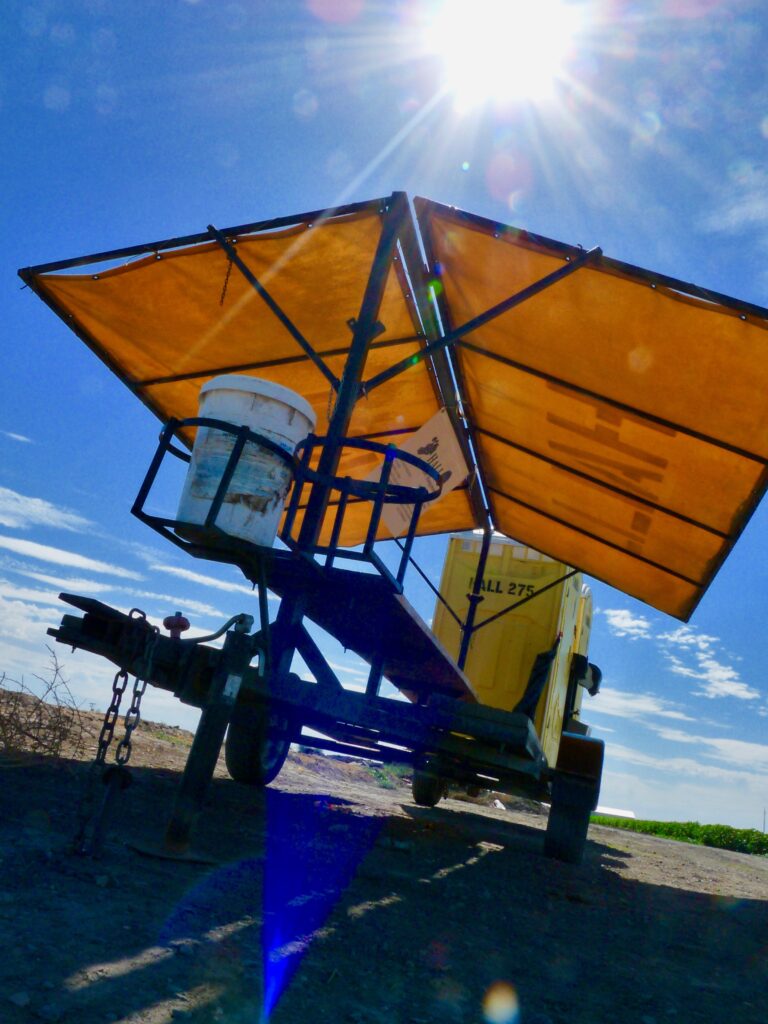
An EE Hall Company Shade Trailer

Williams describes how they get it done across the state, and the first thing they provide is shade trailers for 100% of their employees.


“In addition to the shade trailers, if needed, we have canopy umbrellas where needed for our individual irrigators, and we try to make sure we’re ahead of the game”


State regulations say that shade must be available to all workers. When temperatures reach 80 degrees,


“Yes, we have to have shade available but every site that we pull up to, we automatically bring shape whether it’s 60 degrees, a hundred degrees shades already there and available.”


And of course, plenty of water must be available for all field employees. Additionally, when temperatures reach 95 degrees or above, the employer shall ensure that employees take a minimum 10 minute preventative cooldown rest period, every two hours.

2020-07-17T09:03:12-07:00July 17th, 2020|

Center For Land-Based Learning Receives $15,000 From CLA Foundation

Donation to support general operations for the Center for Land-Based Learning

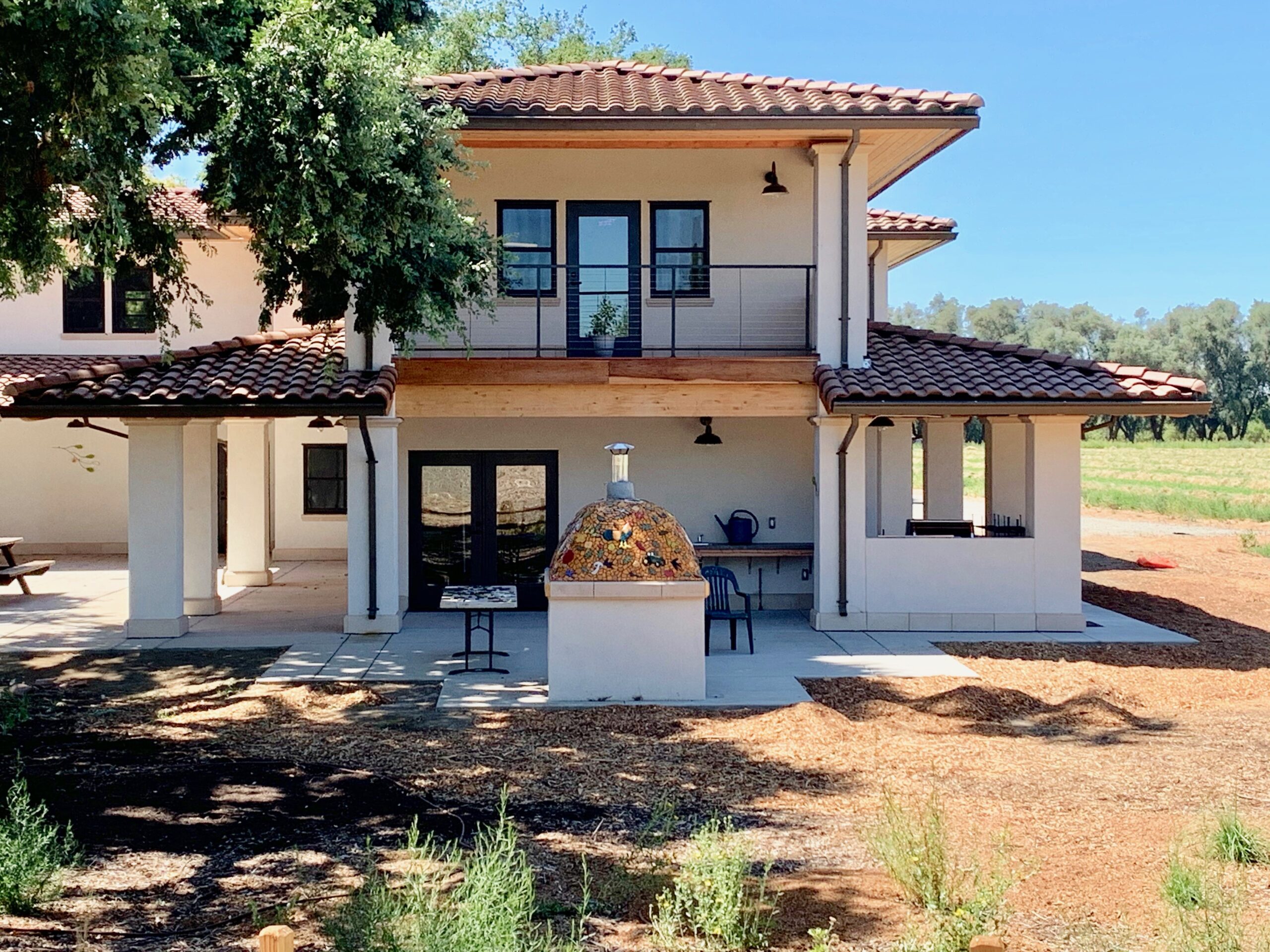
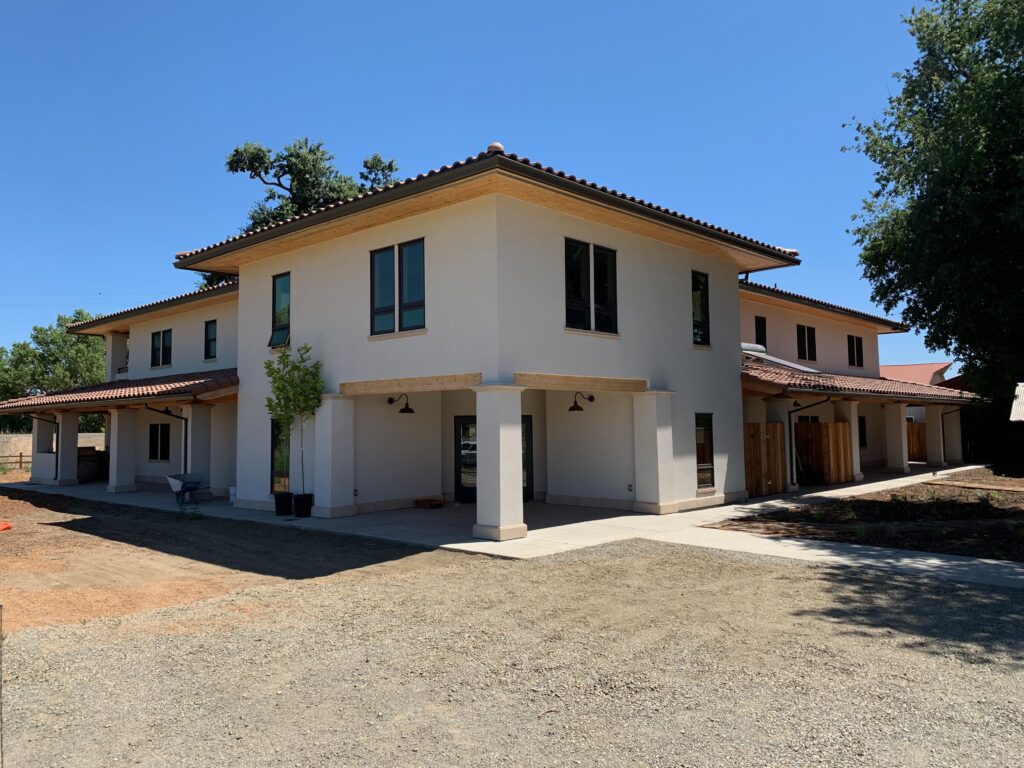
The Center for Land-Based Learning was awarded a $15,000 grant by the CLA Foundation to support its general operations as the organization continues to settle into its new headquarters in Woodland, CA. The new headquarters is located on thirty acres of prime farmland with a 5,400 square-foot administration building, 2 barns and additional outbuildings, and 9 acres of riparian habitat on the banks of Cache Creek.

Center for Land-Based Learning
A view of part of the new Center For Land-Based Learning Campus in Woodland CA

“Any organization that receives a CLA Foundation grant must be nominated for consideration by a CLA employee. It is great to see our CLA employees engaging in this way. Center for Land-Based Learning fits so well with the CLA Foundation mission, and we’re thrilled to be supporting this important work,” Reed Matthews, Managing Principal of the CLA Sacramento office.

The Center for Land-Based Learning has experienced significant growth and change in the year 2020. In May, the organization moved from their previous location of 19 years in Winters, CA to a state-of-the-art, newly constructed Statewide Headquarters and new farm infrastructure. The new headquarters will be crucial to the organization’s ability to expand its programs and serve more people.

“We are so grateful to the CLA Foundation for their generous support,” notes Mary Kimball, Executive Director for the Center for Land-Based Learning. “This is a pivotal time for agriculture and natural resource management. As we move forward in the next chapter of the Center’s history in our new headquarters, the need for general operating support will become even more imperative. This generous grant makes a big difference in our ability to provide our critically important programs.”

The Center for Land-Based Learning’s move to its new headquarters has been made possible by its very successful Growing our Future Capital Campaign. To date, the Campaign has raised over $5.5 million and recruited over 100 donors. The organization is thankful for all of its generous donors who have made the new headquarters a reality.

###

2020-07-14T08:53:37-07:00July 14th, 2020|

Genomic Testing for Healthier Dairy Herds

By Tim Hammerich with the Ag Information Network

Dairy health is of the utmost importance to the long term profitability of producers like Simon Vander Woude of Vander Woude Dairy in Merced.

Vander Woude… “I’m a huge believer in DWP, I mean, we were one of the early adopters of that.”

The Dairy Wellness Profit Index® (DWP) is based on traits that affect health, performance and profit in both cows and calves to achieve more of their full potential. Vander Woude uses genomic testing to ensure the healthiest herd possible.

Vander Woude… “It makes a big difference in the bottom line. We’re not producing for trophies. I’m not producing to have the highest producing herd. The overall health of the herd is what really feeds into bottom line profitability when the day is over. A healthier herd is going to be more profitable. A low that low somatics, it goes through the entire value of that cow from breeding to conversions to her milking longevity and all those sorts of things. They all kind of tie together.”

Vander Woude and other dairy producers are excited about the future of producing more milk with healthier cows through genomic testing.

2021-05-12T11:17:07-07:00July 10th, 2020|

California Table Grape Growers Award Scholarships


California’s table grape growers recently awarded scholarships to nine students in grape growing regions of the state. All recipients will be attending California universities or community colleges.

Six field worker scholarships were awarded: three for $25,000 for four years of university study and three for $14,500 for study at a combination of community college and university. Recipients may study any field. Three agricultural scholarships were awarded as well: each for $25,000 for four years of university study in an agriculturally related field.

For 35 years California table grape growers have funded college scholarships through the California Table Grape Commission. More than 160 students have received scholarships to attend college.


$25,000 Four-Year Field Worker Scholarships

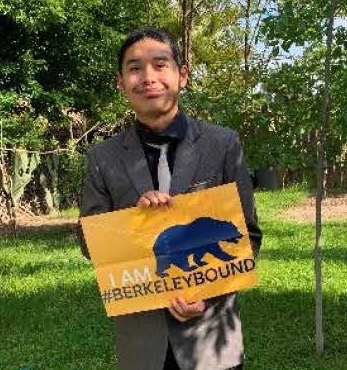
Mr. Jared Bautista is a graduate of South High School in
Bakersfield. Jared graduated with a 4.5 weighted grade point
average (GPA) and his SAT score of 1,300 placed him in the 91st
percentile nationally. Jared was a member of the school cross
country and track teams. Jared will attend University of California,
Berkeley in the fall where he will major in civil engineering with a
goal of becoming a civil engineer.

Jared Bautista

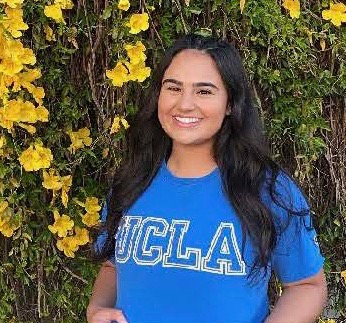
Ms. Nerin Delgado is a graduate of McFarland High School in
McFarland. Nerin graduated with 4.4 weighted GPA and her SAT
score of 1,350 placed her in the 94th percentile nationally. Nerin
was a member of the associated student body board and was the
varsity golf captain. Nerin will attend University of California, Los
Angeles, where she will major in human biology with a career goal
of becoming a radiologist.

Nerin Delgado

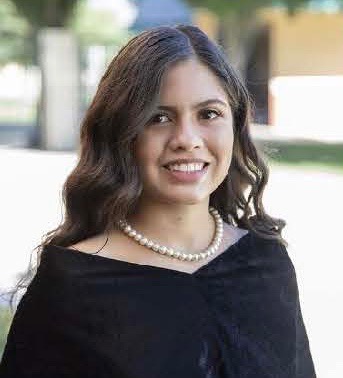
Ms. Georgina Rodriguez Mendez is a graduate of Robert F.
Kennedy High School in Delano. Georgina graduated with a 4.53
weighted GPA and her ACT score of 31 placed her in the 95st
percentile nationally. Georgina was the senior class vice president
and a co-captain of the girls’ varsity soccer team. Georgina will
attend University of California, Los Angeles, where she will major in
mathematics with a career goal of becoming a math teacher.
California Table Grape Growers Award Scholarships

Georgina Rodriguez Mendez

$14,500 Bridge Field Worker Scholarships

Ms. Glarisa Perales is a graduate of Cesar E. Chavez High School in
Delano. Glarisa graduated with a 3.51 weighted GPA and participated
in the national organization “Family, Career, and Community Leaders
of America.” Glarisa will attend Bakersfield College and will pursue a
career as an elementary school teacher.

Glarisa Perales

Ms. Diana Robledo is a graduate of Bakersfield High School. Diana
graduated with a weighted GPA of 3.83. Diana was the vice president
of the Advancement Via Individual Determination club, a three year
member of Future Farmers of America (FFA), and volunteers at the
Bakersfield Homeless Shelter, preparing and serving meals. Diana will
attend Bakersfield College and has a career goal of becoming a
veterinarian.

Diana Robledo

Ms. Rebecca Santoyo is a graduate of Porterville High School. Rebecca
graduated with a 4.11 weighted GPA. Rebecca is a member of the
school concert choir and volunteers many hours in the community for
various groups. Rebecca will attend Porterville College and has a
career goal of becoming a pediatrician or pediatric nurse.

Rebecca Santoyo

$25,000 Agricultural Scholarships

Ms. Alissa Amaral is a graduate of Tulare Union High School. Alissa
graduated with a 4.18 weighted GPA. Alissa was a member of FFA, where
she won numerous awards. Alissa was also the president and a lifetime
member of the California Scholastic Federation and volunteered many
hours in the community including the American Cancer Society and Toys
for Tots. Alissa will attend Fresno State University where she will major in
agricultural business with a career goal of becoming an agricultural
marketing specialist.

Alissa Amaral

Mr. Dale Fransen is a graduate of Selma High School. Dale graduated
with a 4.19 weighted GPA. Dale scored a 1,490 on the SAT, placing him
in the 99th percentile nationally. Dale is a member of the local, state, and
national FFA and is an Eagle Scout. Dale will attend Fresno State
University where he will major in agricultural education with a goal of
becoming an agriculture teacher.

Dale Fransen

Ms. Amy Swall is a graduate of Mission Oak High School in Tulare. Amy
graduated with a 3.83 weighted GPA. Amy is the regional president of
FFA where she has won multiple awards, a member of the Mission Oak
varsity tennis team that won the 2019 California Interscholastic
Federation Divisional title, and a member of the varsity soccer team as
well. Amy will attend Fresno State University where she will major in
agricultural communications with a goal of working in agricultural
advocacy.

Amy Swall
2020-07-09T15:56:42-07:00July 9th, 2020|
Go to Top