Associations, Organizations, Educational and Research Institutions
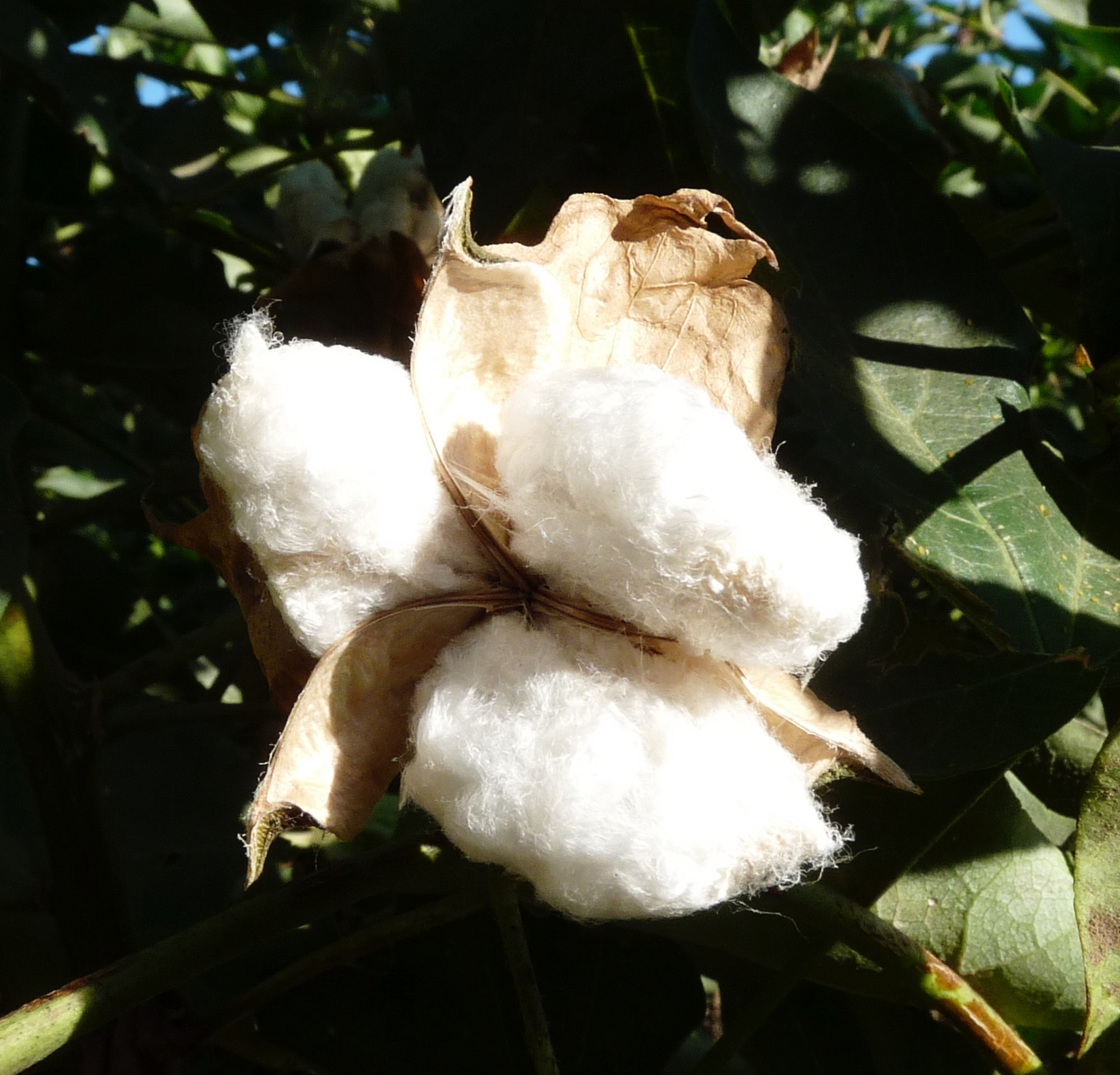
Fresno County Cotton Bloom Nearing

Cotton Bloom Is Later This Year

By Melissa Moe, Associate Editor

Cotton is an important crop in the Central Valley. We spoke with Daniel Munk, an irrigation, crop nutrition management, and cotton production systems farm advisor for UC Cooperative Extension, Fresno County. He told us about the heat that Fresno has been seeing and it’s effect on the upcoming cotton bloom in the area.

“The only good side on the heat is that we haven’t had this heavy, very high temperature heatwave occurring during the bloom period. The problem with heatwaves is that you can get pollen sterilization and incomplete pollenization of the flower. With that, you can get reduced seed count and you get flower drop. Certainly don’t want to have these above average temperatures well into 105 and beyond during our bloom period,” Munk said.

“I think we’ll see some of our early bloom fields occur right about July 4th, which is a little bit later than we’d like to see it. We’re talking Pima and Acala as far as the bloom period. Well over 90% of our cotton here in California is Pima cotton,” he said.

It’s advised that farmers monitor their crop for necessary nutrient application, and consider their options when doing so.

“I think with the variable stands that we have out there right now and the variable productivity of those stands, it’s certainly appropriate to consider the variation and nutrient availability and requirements out there. This would be a good year to look at differential applications of a nutrients in a field, particularly where there’s some stand issues,” Munk said.

2017-07-10T15:10:54-07:00July 10th, 2017|

Napolitano Says Ag Needs Technology

UC President Janet Napolitano: Technology Drives Ag

By Patrick Cavanaugh, Farm News Director

Janet Napolitano, President of University of California, gave the opening keynote presentation on the first of two days at the recent 3rd annual Forbes AgTech Summit in Salinas in late June.

She spoke with California Ag Today, noting that technology is driving agriculture like never before.

“I think this is a great time in California history, where you have the Salinas Valley and Silicon Valley all focused on innovation and where it’s now time to have these two areas converge – agriculture and technology,” she said.

And of course, agriculture is open to new technology to help farmers produce food more efficiently and safely.

“It’s all about the world food supply; it’s all about the food supply in the state. It’s all about the economy in the state of California; it’s going to need technology to really thrive,” Napolitano said.

Napolitano noted that she has seen first hand how technologies have driven solutions to age-old problems.

“A UC Santa Barbara Materials alumnus professor, James Roger, realized that a third to a half of our fresh fruits and vegetables end up in landfills due to consumers throwing the produce out due to browning or other decomposition,” she said. “In 2012, Rogers founded Apeel Sciences, where his team created a product from natural plant extracts that can be sprayed on fruits and vegetables, which can protect them from bacteria, doubling their shelf life and therefore decreasing the amount of food waste.”

Rogers is one example of many within the UC system who have come up with innovations to help agriculture.

“We know we drive innovation by supporting innovation in our classroom and in our laboratories. And we support it with faculty, we support it with our own monies, and our own investment dollars,” Napolitano said. “And, we also bring together the private sector with the university to look at different kinds of partnerships that can be undertaken.”

The UC system has the resources to fund the early stage capital that is needed to get ideas off the ground.

“We have set aside a billion dollars of our own investment capital for early stage investment, and an additional 250 million dollars for sustainable energy technologies,” Napolitano said.

2017-07-06T15:12:40-07:00July 6th, 2017|

New Chair Sought for Fresno State’s VERC

Viticulture Enology Research Center Seeks New Chair

By Jessica Theisman, Associate Editor

California Ag Today met with Dave Zoldoske, director of the Center of Irrigation and Technology and California Water Institute at Fresno State, about finding a chair for the VERC, the Viticulture Enology Research Center. This single position has many titles within it.

“You’re the department chair, faculty member, research director and a researcher. You think you’re busy – try to do those four jobs,” Zoldoske said.

With all of these responsibilities, one person would get stretched too thin in some places and excel in others. Eventually, the job was split in half to lighten the load. The position is now a research director’s position in enology and viticulture and does not require a PhD.

“A master’s with obviously some extensive research experience in the industry would be necessary to lead that,” Zoldoske said.

This is an opportunity for someone that is interested particularly in San Joaquin Valley viticulture because of the different variety of grapes. Many of the trellises are different, and the level of mechanization is much higher. Everything that plays a part for the San Joaquin Valley wine growers would be a focus point for this position.

“Certainly just because of our geographic location, that would be a big part of what that research portfolio might involve,” Zoldoske said.

This prestigious position is geared for somebody who wants to work in the wine industry as a research leader. This position offers growth within its own program.

“You are sort of untethered in the sense that [you can] make it everything you can make it, and just with this regional identity, right?” Zoldoske said.

Many major wineries located in the San Joaquin Valley are supportive of the Viticulture Enology Program at Fresno State and also serve on the advisory board.

“I think there’s just a lot of ups to this job and we’re real excited that it’s been split in half, so that we’ve got a pure researcher and then we’ve got someone on the other side that’ll be more academic with the department chair position and help with the teaching and other things,” Zoldoske said.

2017-06-22T14:19:55-07:00June 22nd, 2017|

Sorghum May Be Alternative to Corn

Researcher Looks to Sorghum to Replace Corn Silage in Dry Years

By Jessica Theisman, Associate Editor

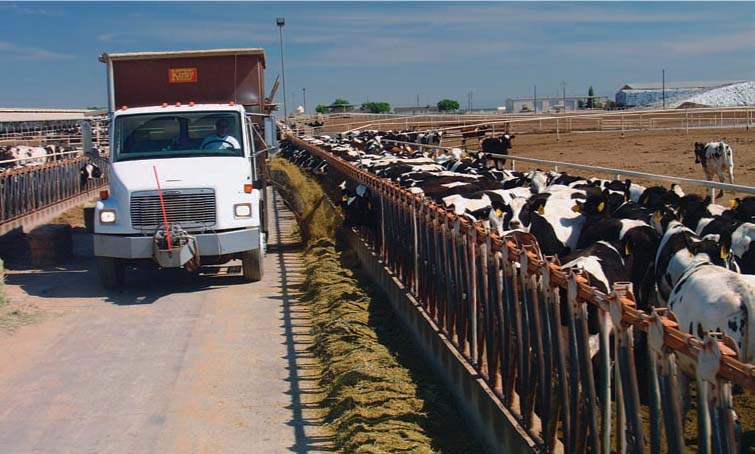
Water has been a big issue in California for the last couple of years, and many dairy producers are looking for an alternative to corn silage for when water is scarce. Sorghum silage may be a viable alternative to corn. California Ag Today met with Jennifer Heguy, a farm advisor with the UC Cooperative Extension in Merced County who is working on a project, funded by the University of California, to research sorghum.

Heguy’s project consists of looking at sorghum silage to see if it is a good replacement for dairies when California does not have enough water to grow corn. Heguy said this is, “not a good time to talk about sorghum right now because we’ve had a really wet winter and we had this devastating sugar cane aphid last year, which just decimated sorghum crops, but we are continuing to work on sorghum silage.”

With the recent emergence of the sugar cane aphid last year, the sorghum crop in California took a big hit, but the project continues. Some of these projects can take two to three years to determine if it is a good fit into the California feeding systems.

“So this year, we are going to be taking a deeper look at the sorghum quality in terms of nutrition, fermentation characteristics, how people are putting this silage up, and how they are actually feeding it out,” Heguy said.

Photo Courtesy of University of California

2021-05-12T11:05:16-07:00June 15th, 2017|

New Estimates on Broccoli and Lettuce Production Costs

Broccoli and Lettuce Production Cost Studies Released by UC ANR

News Release

New studies with sample costs to produce and harvest iceberg lettuce and broccoli for fresh market in the Monterey, Santa Cruz and San Benito counties have been released by UC ANR Agricultural Issues Center and UC Cooperative Extension. Vegetable growers may find these useful for estimating their own production costs and potential returns on investment.

“These studies have an expanded section on labor, which includes information on California’s new minimum wage and overtime laws,” said Laura Tourte, UC Cooperative Extension farm management advisor in Santa Cruz, Monterey and San Benito counties, who co-authored the study.

The analysis is based on a hypothetical well-managed farming operation using practices common to the Central Coast Region. The costs, materials and practices shown in this study will not apply to all farms. Growers, UC ANR Cooperative Extension farm advisors and other agricultural associates provided input and reviewed the methods and findings of the study.

Both studies assume a farm operation of 1,500 non-contiguous acres of rented land. The hypothetical iceberg-lettuce farm has 250 acres planted to iceberg lettuce. The lettuce is hand-harvested into 42-pound cartons containing 24 film-wrapped heads. The hypothetical broccoli farm has 500 acres planted to broccoli. The broccoli is hand-harvested into 21-pound bunch cartons.  On each farm, the remaining acreage is assumed to be planted to other cool season vegetable crops. 

The authors describe the assumptions used to identify current costs for production material inputs, cash and non-cash overhead. Ranging analysis tables show net profits over a range of prices and yields. Other tables show the monthly cash costs, the costs and returns per acre, hourly equipment costs, and the whole farm annual equipment, investment and business overhead costs.

Free copies of “Sample Costs to Produce and Harvest Iceberg Lettuce in the Central Coast – 2017” and “Sample Costs to Produce and Harvest Broccoli in the Central Coast – 2017” and other sample cost of production studies for many commodities are available. To download the cost studies, visit the UC Davis Department of Agricultural and Resource Economics website at https://coststudies.ucdavis.edu.

The cost and returns studies program is funded by the UC Agricultural Issues Center and UC Cooperative Extension, both of which are part of the UC Division of Agriculture and Natural Resources, and the UC Davis Department of Agricultural and Resource Economics.

For additional information or an explanation of the calculations used in the studies, contact Jeremy Murdock of the Agricultural Issues Center University at (530) 752-4651, Richard Smith, UC Cooperative Extension advisor in Monterey County, at (831) 759-7357 or Tourte at (831) 763-8005.

2017-06-08T14:59:43-07:00June 8th, 2017|

Pyrethroid Review is Important

Be Thoughtful on Pyrethroid Review Comment Page

By Patrick Cavanaugh, Farm News Director 

California Ag Today has continued coverage on the pyrethroid class of insecticides, which were under review by the EPA. The critical industry comment deadline has been moved to honor before July 7th this year. California Ag Today spoke with David Haviland, an entomology farm advisor with UC Cooperative Extension Kern County about his philosophy on commenting regarding the pyrethroid class of materials.

“From my perspective, please don’t go on there and just say, ‘We need pyrethroids.’ What they really need to know is what importance do these pyrethroids play to that particular commodity on that particular farm? What’s being done to make sure that the risk from those products are mitigated? One of the concerns of pyrethroids is if they can move off-site into waterways. That’s a legitimate concern. All those things need to be taken into account and then reviewed,” he said.

An easy website to go to comment without that complicated government URL is simply Defendbifenthrin.com.


2017-06-01T00:13:05-07:00May 30th, 2017|

Help Lobby To Veto SB1

SB1 Proposed Taxes & Fees Are Detriment to Farmers

By Jessica Theisman, Associate Editor

SB1 was recently passed by the legislature in California. This bill affects everyone in the state and increases several taxes and fees to raise the equivalent of roughly $52.4 billion over 10 years in new transportation revenues. It is not likely that the governor will veto the bill. We spoke with Anja Raudabaugh, CEO of the Western United Dairymen about how this bill will affect California’s agriculture.

This bill proposes a 20 percent increase in fuel taxes, which is something that farmers cannot afford, especially the dairy industry. “As you know, we cannot pass on our costs to our consumers, so adding another regulatory cost of production is incredibly hurtful and harmful,” Raudabaugh said.

Western United Dairymen continues to lobby on a nosb1.com campaign. They are asking the governor to veto it, although it is highly likely not to occur given that this is his bill. “This is his policy coalition, his desire to tax the constituents in California to their grave,” Raudabaugh said.

Starting November 1, SB1 will increase the excise tax on gasoline by 12 cents per gallon and the tax on diesel fuel by 20 cents per gallon. The bill also creates a new annual transportation improvement fee (TIF) beginning January 1, 2018. This is based on the market value of your vehicle. This fee will range from $25 to $175. SB1 also creates the road improvement fee of $100 per vehicle for zero emission vehicles starting in 2020 for model year 2020 and later.

Western United Dairymen are asking that if you have not filled out a nosb1.com petition that you do so, because they are using it to geo-track the information and essentially target the areas that are subject to vulnerability in the upcoming 2018 election. It is systemized so that when you enter your zip code, it goes directly to your legislator, either Assembly, Senate or both.

“We can actually see then which counties in California using some voter referencing material are more inclined to hate the gas tax,” Raudabaugh explained.

SB1 is not just targeting people who drive gas and diesel vehicles. Electric vehicles will also be targeted and will receive new fees.

“What’s more outrageous is that there are no guarantees that it will actually fix our roads. None whatsoever,” Raudabaugh said.

There is a ballot measure that was negotiated as a result of SB1 so that several key Silicon Valley Assembly members would vote for the bill. “To actually suggest that you would need a ballot measure to ensure that the funds do that, at least 20 percent of funds, seems really ironic,” she said.

2017-05-23T15:56:34-07:00May 23rd, 2017|

SB-1 Is Yet Another Tax Grab

SB-1 Gas Tax Will Severely Hurt Ag

By Melissa Moe, Associate Editor

Governor Jerry Brown recently signed SB-1 into law. This bill will affect everyone in the state and increases several taxes and fees to raise the equivalent of roughly $52.4 billion over 10 years in new transportation revenues. We spoke with Anja Raudabaugh, CEO of the Western United Dairymen, about how this bill will affect California agriculture.

Anja Raudabaugh, CEO of Western United Dairymen

“A twenty-percent increase on fuel taxes is something that we can hardly, especially in dairy industry, afford. As you know, we cannot pass on our costs to our consumers, so adding another regulatory cost of production is incredibly hurtful and harmful,” Raudabaugh said.

SB-1 increases the excise tax on gasoline by 12 cents per gallon and the tax on diesel fuel by 20 cents per gallon starting November 1, 2017. SB-1 also creates a new annual transportation improvement fee (or TIF) starting January 1, 2018. This is based on the market value of your vehicle. This fee will range from $25 to $175.

SB-1 isn’t just targeting people who drive gas and diesel vehicles. Electric vehicles will also be targeted and will receive new fees. SB-1 also creates the road improvement fee of $100 per vehicle for zero emission vehicles starting in 2020 for model year 2020 and later.

“Everyone should be outraged over this. What’s more outrageous is that there are no guarantees that it will actually fix our roads. None whatsoever,” Raudabaugh said.

“There is actually a ballot measure that was called a lock box that was negotiated as a result of SB-1 so that several key Silicon Valley Assembly members could vote for the bill that says the public must award this transportation fund to go toward road repairs,” Raudabaugh said.

“It was sold to the Legislature as actually fixing roads and creating repairs where badly needed. To actually suggest that you would need a ballot measure to ensure that the funds do that, at least 20 percent of funds, seems really ironic,” she said.

2017-05-10T22:29:43-07:00May 7th, 2017|

Rice Weed Meeting Taking Place on Sept. 15

Second Annual UC Rice Weed Course Scheduled For Sept. 15

News Release

This year will mark the second annual rice-specific weed course at the Hamilton Road Field and the Rice Experiment Station in Biggs, CA, on Friday, Sept. 15. The day will begin with an interactive field tour of the research plots (Hamilton Road Field), where attendees can get up close to the weeds and rice (bring your boots)! The course will include a hands-on weed identification session on emerging and mature weeds. In the afternoon, speakers will address several pertinent topics in California rice, including weedy red rice, regulatory update and how to constructor a weed management program.

The course is a collaborative effort between UC Cooperative Extension (UCCE), UC Davis and the California Cooperative Rice Research Foundation (CCRRF.)

Whitney Brim-Deforest

“Weed management in California rice is becoming increasingly complex. This course provides growers and pest control advisers with the latest research and management strategies for the California rice system” said Whitney Brim-DeForest, UCCE Rice Farm Advisor. The event is a great opportunity for pest control advisers, growers, industry, extension and interested students to gain a deeper understanding of topics that affect rice weed management.

The cost is $70 if received by 8/1/2017, $80 if received by 9/1/2017, and $90 if received after 9/1/2017 (if there is space.) The cost for students with a valid student ID is $40/$45/$50. For more details or to register, visit http://wric.ucdavis.edu and click on RICE WEED COURSE.

If you have questions, contact Whitney Brim-DeForest [wbrimdeforest@ucanr.edu or (530) 822-7515.]

2021-05-12T11:01:59-07:00May 7th, 2017|

California Rice Growers are Model of Environmental Stewardship

Understanding Water Usage For California Rice Growers

By Brian German, Associate Broadcaster

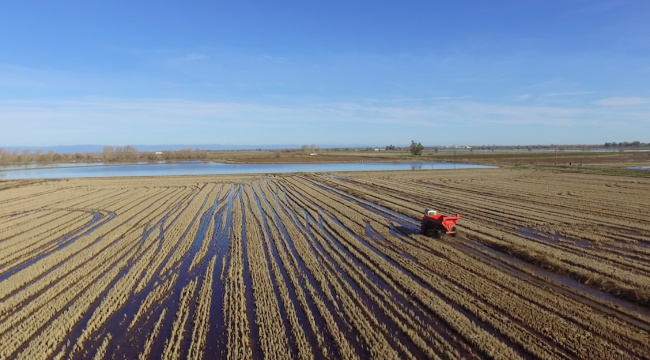
The amount of rain California received in March has put a hold on rice planting.  In a normal year, California rice growers would be finishing up their fertilizer regimen, getting ready for their April planting.  Luis Espino, a UC Cooperative Extension Farm advisor in Colusa County, explained that the wet weather has caused many farmers to push back their planting schedule.  “We had a lot of rainfall, so the ground is pretty soaked. There are some areas that are still flooded; they still have water in the field. It’ll be a while before tractors can get in there, but I’m guessing that as things dry out, things should start moving soon,” Espino said.

Photos Courtesy of Matthew Sligar of Rice Farming TV

After five years of drought conditions, California finally had a considerable amount of rainfall over the winter months.  Available water supplies are at a much better level than they were in recent years, but there is another aspect that could hurt rice planting this season.  “There’s been a good winter, so they’re going to have enough water to plant acreage as they would on a normal year. What’s not helping is the price of rice. It’s a little too low, and so that might hinder some of the plantings,” Espino said.

The California rice industry is a model of environmental stewardship, working closely with regulatory agencies and conservation groups to ensure that rice production improves wildlife habitats while promoting sound management of water resources.  The rice industry has faced quite a bit of scrutiny over the past few years because of misconceptions regarding flooded rice fields.  It is important to understand that the water used to flood rice fields has more than one use and eventually goes back into the water cycle.  “There is a constant flow of water coming into the field and then leaving so that water is going back to the canal, going back eventually to the river and so it does get recycled,” Espino said.

Rice production in the state has changed remarkably over the past 50 years, with improved varieties, increased yields and improved marketability.  With water on the minds of many Californians, Espino explained some of the reasons why rice fields are flooded for planting.  “It can produce biomass and grain when the field is flooded. Maybe more important than that is the fact that water functions as a herbicide. By having water on the field, you have a way to suppress weeds from growing,” Espino said.

Aside from a small percentage of water being lost to evaporation, most of the standing water in rice fields stays in the overall water cycle.  “The water used in rice fields – before it gets back to the river – is used four times, so in four different fields,” Espino said.

2017-04-13T16:39:24-07:00April 13th, 2017|
Go to Top