Associations, Organizations, Educational and Research Institutions
New Series of Nitrogen Management Advice Available

UC ANR Publishes Nitrogen Management Advice for Fruit, Nuts, and Other Crops

By Pam Kan-Rice UC Agriculture & Natural Resources

California growers can download a new series of publications summarizing efficient nitrogen management practices from UC Agriculture and Natural Resources. The publications are designed to assist growers in complying with state regulations for tracking and reporting nitrogen fertilizer applied to crops, in an effort to prevent nitrogen from leaching into groundwater.

The science-based publications are associated with a series of trainings for growers and Certified Crop Advisers to develop efficient nitrogen management practices, an effort coordinated by UC ANR’s California Institute for Water Resources.

“Our role is to provide farmers, agricultural consultants and policymakers the best science possible for making decisions on managing and protecting California groundwater,” said Doug Parker, director of the water institute.

The free publications—created from training materials, lessons learned from the training sessions and from additional UC research—can be downloaded at http://ucanr.edu/nmgmtpublications.

The following publications are now available for download:

·         Principles of Nitrogen Cycling and Management

·         Irrigation and Nitrogen Management

·         Nitrogen Management for Nut Crops

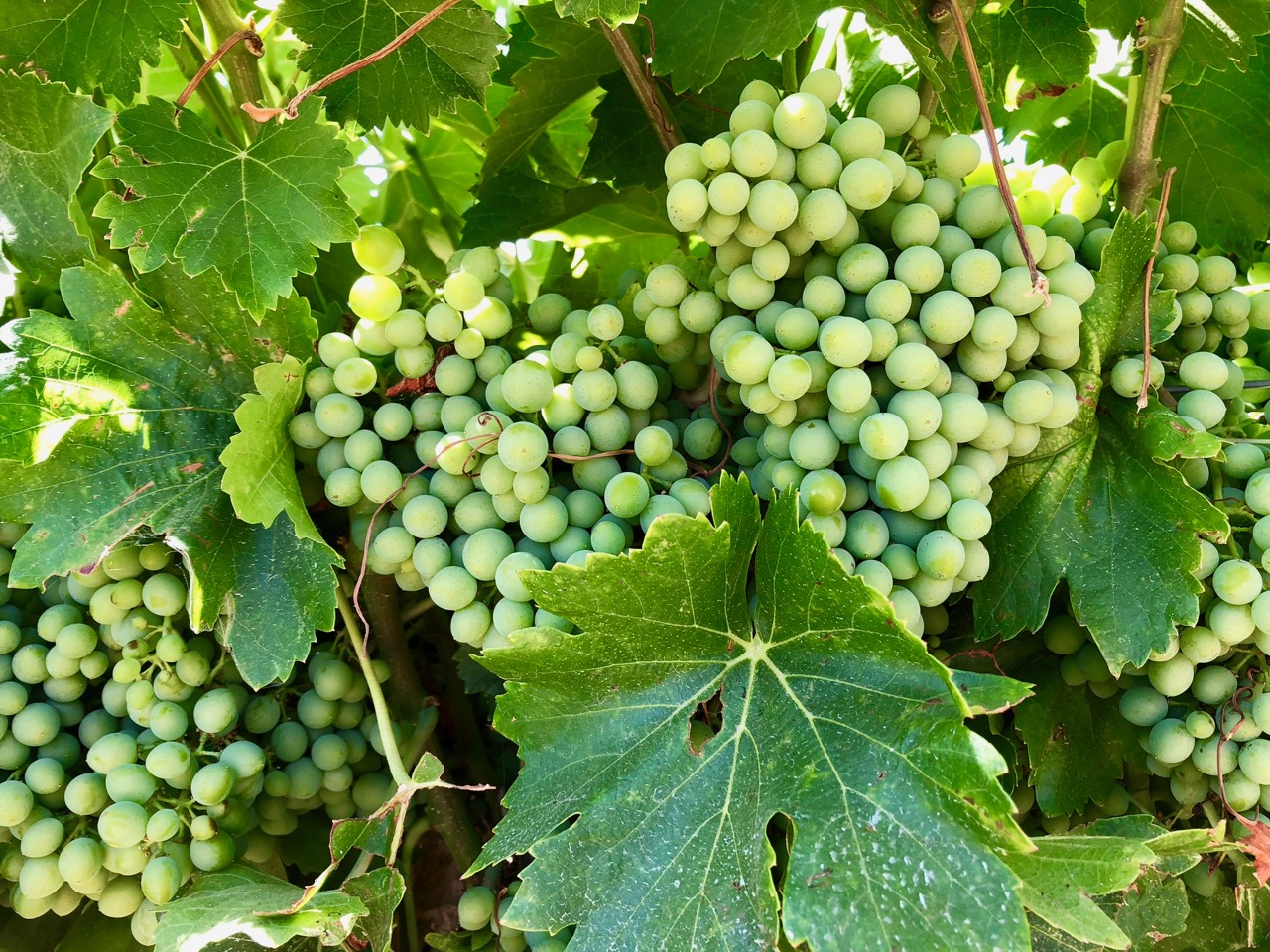
·         Nitrogen Management for Deciduous Fruit and Grapes

·         Nitrogen Management for Citrus and Avocado

·         Nitrogen Management for Cool-Season Vegetables

·         Nitrogen Management for Strawberry Production

·         Nitrogen Management for Processing Tomato

·         Nitrogen Management for Corn on California Dairies

The publications were authored by Parker of California Institute for Water Resources; Patrick Brown, professor in the UC Davis Department of Plant Sciences; Allan Fulton, UC Cooperative Extension advisor, Tehama County; Tim Hartz, UC Cooperative Extension specialist emeritus, UC Davis Department of Plant Sciences; Dan Munk, UC Cooperative Extension advisor, Fresno County; Daniel Geisseler, UC Cooperative Extension specialist, UC Davis Department of Land, Air & Water Resources; Michael Cahn, UC Cooperative Extension advisor, Monterey, Santa Cruz and San Benito counties; Richard Smith, UC Cooperative Extension advisor, Monterey, Santa Cruz and San Benito counties; Marsha Campbell, UC Cooperative Extension advisor emeritus, Stanislaus County; Sat Darshan Khalsa, UC Davis project scientist; and Saiful Muhammad, UC Davis graduate student.

Developed in 2014, the training program has been offered at 11 different locations around the state, most recently in Fresno. More than 1,000 Certified Crop Advisers have taken the training.

“Based on course evaluations, the percentage of participants with good-to-complete understanding of nitrogen management increased after the training,” Parker said. “In addition, the participants found the presenters very knowledgeable and informative. Most importantly, the majority of participants felt they were better prepared to address nitrogen mitigation regulatory requirements after the training.”

The nitrogen management training curriculum was developed by a group of UC ANR faculty, specialists and advisors. The first day focuses on the nitrogen cycle in crop production systems, nitrogen sources, irrigation and nitrogen management, and nitrogen budgeting. The second morning covers annual and permanent crops and nitrogen planning practices.

For more information on the nitrogen management training materials, visit http://ciwr.ucanr.edu/NitrogenManagement.

The Nitrogen Management Training and Certification Program is a joint effort between the California Department of Food and Agriculture, UC Agriculture and Natural Resources, California Association of Pest Control Advisers’ Certified Crop Adviser Program and the Regional Water Boards.

University of California Agriculture and Natural Resources researchers and educators draw on local expertise to conduct agricultural, environmental, economic, youth development and nutrition research that helps California thrive. Learn more at ucanr.edu.

2021-05-12T11:05:04-07:00March 28th, 2019|

More Facts About the “Dirty Dozen” List

New So-called “Dirty Dozen” List is Baseless

News Release

To everyone that has read about the “Dirty Dozen” list and is now confused and conflicted about buying the more affordable and accessible fruits and veggies, this blog is for you.  Keep in mind that the “Dirty Dozen” list is designed to make you worry and be fearful.  After all, fear is a very powerful motivator, and the list authors attempt to increase safety fears to motivate and influence consumers’ produce buying decisions.

So here are some facts about the “Dirty Dozen” list that underscore you can consume either conventional or organic produce with confidence.  Both are safe, and the right choice is to eat more every day.

  • Arbitrary Methodology: According to Dr. Carl Winter, toxicologist, University of California, Davis.: “This year’s EWG list is produced using the same arbitrary methodology the EWG has used in the past.  Most importantly, the EWG focuses upon the presence (or absence) of pesticide residues in its methodology and public statements rather than on the actual amounts of pesticides detected, which are extremely low.  To accurately assess consumer risks from pesticides, one needs to consider three major factors – 1) the amount of residue on the foods, 2) the amount of food consumed, and 3) the toxicity of the pesticides.  The methodology used by EWG ignores all three.”
  • Meet Organic Standard: Did you know that the vast majority of conventionally grown produce tested by United States Department of Agriculture could qualify to be labeled “organic,” specific to their residue levels? It’s true. The USDA allows organic produce to have residues that are “less than 5% of EPA tolerances” and the majority of residues found on conventionally grown produce are below this level.  This nicely illustrates how low residues are, if present at all.
  • You Can Eat A Lot of Kale:  If you are concerned about residues on kale, you would have to eat a lot more each day to see any health effects.  In fact, a man would have to eat 26,061 servings in a day.. Click here to continue reading and to like and share this blog post. 
2021-05-12T11:05:05-07:00March 26th, 2019|

Alkaliweed Alert! Your Help is Needed!

Information Needed on A New Plant Called Alkaliweed 

By James Schaeffer, Kurt Hembree, and Anil Shrestha, Graduate Student CSU, Fresno, UCCE, Fresno County, and Professor, CSU, Fresno

Pistachio growers and consultants in the southern San Joaquin Valley have recently reported an invasion of a new plant (alkaliweed) along irrigation ditches, roadsides, and into their orchards. Alkaliweed is a California native perennial plant that seems to be rapidly spreading throughout the region.

In some cases, this weed has completely taken over pistachio orchards in a matter of a couple of years after first being spotted. Thus far, repeated applications of postemergence herbicides have only yielded minimal control effects.

Alkaliweed in the field.

Unfortunately, little information is known to date about specific biological and ecological characteristics of this weedy plant, so we are asking for your assistance to help us identify where specifically it has become a problem for you. With this information, we will better be able to understand its growth characteristics and hopefully develop control measures to mitigate the problem.

Studies are currently under way to look at some of these growth characteristics (such as response to salinity, light, and moisture). Your input of where it has become a problem for you and your growers is critical for us to be successful.

Please follow the link https://survey123.arcgis.com/share/1f4753edfd7347ce84cc81f35e65dc02     to take a quick survey on alkaliweed in your area. Your help on this important weed issue is greatly appreciated!

2021-05-12T11:05:05-07:00March 22nd, 2019|

CAPCA Gets to the Capitol To Work for PCAs

PCAs Are in Every Legislative District

By Jessica Theisman, Associate Editor

CAPCA has recently become more active in the capitol. Ruthann Anderson, CEO and president of  California Association of Pest Control Advisors (CAPCA), said the association has PCAs in every legislative district all over the state of California.

“Whether it’s in turf and ornamental or in production agriculture, you know, we have a voice, and we have a lot of ability to influence some of the decisions or at least advise on some of the decisions that might be happening.,” she said.

Anderson said that CAPCA’s capitol visits have been positive.

“We’re on a first name basis with a lot more people than we have been,” she explained.

CAPCA is working with both urban and agricultural legislators.

“I am trying to prioritize both. I think that it wouldn’t be fair for us to neglect our local legislators just because we know that the urbans are a little bit more of our moderate Dems that we’re trying to pursue relationships with,” she said.

CAPCA would like to balance both and continue educating them on the field.

“Our Northern California Chapter is meeting with Senator Nielsen’s office from time to time, just letting them know exactly what’s happening in the field and making sure that they are in the loop,” Anderson said.

This way, if any questions arise, there is open communication between the office and the local CAPCA chapter.

“I know that they are asking a lot of questions about specific crop protection materials, and I think that is important for us to be able to tell the story,” Anderson said.

Sometimes, there is not an alternative, and CAPCA is there to explain.

“When controlling the Asian Citrus Psyllid that can spread the Huanglongbing disease in citrus, sometimes there is not an alternative; sometimes we’re quarantined and forced to do scheduled spraying. That is just a part of protecting the industry,” Anderson explained.

2021-05-12T11:01:50-07:00March 20th, 2019|

Yes, A Disappointing 55 Percent Water Allocation for Farmers

Statement from Westlands Water District on Bureau of Reclamation’s Water Allocation Announcement

News Release

Today, the Bureau of Reclamation announced that the water allocation for South-of-Delta Central Valley Project (CVP) agricultural water contractors has been increased from 35 percent to 55 percent. The increase is an improvement for the farmers and farmworkers in the Westlands Water District, but, given the healthy hydological conditions throughout the state, today’s announcement is a disappointment.

For years, we have been told that the farmers served by south-of-Delta ag service contractors received water allocation reductions due to water shortages. But this year, water is abundant, which is why today’s announcement is so frustrating. A 55 percent allocation, during a year with snowpack and reservoir levels well above average, further illustrates the extent to which California’s water supply system is broken and how important it is that we find long-term solutions to problems plaguing the water deliver system in California.

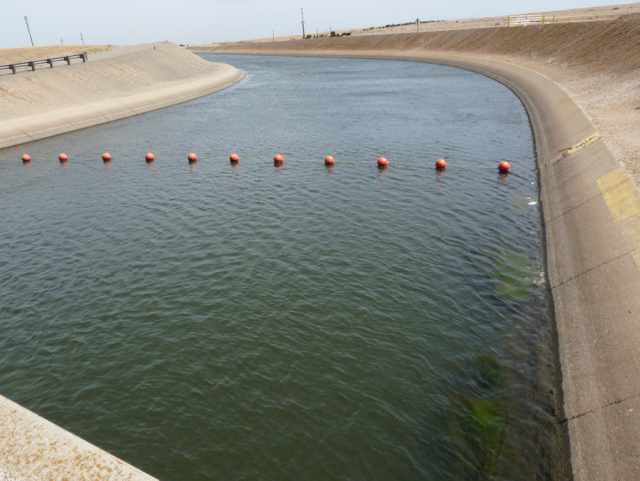
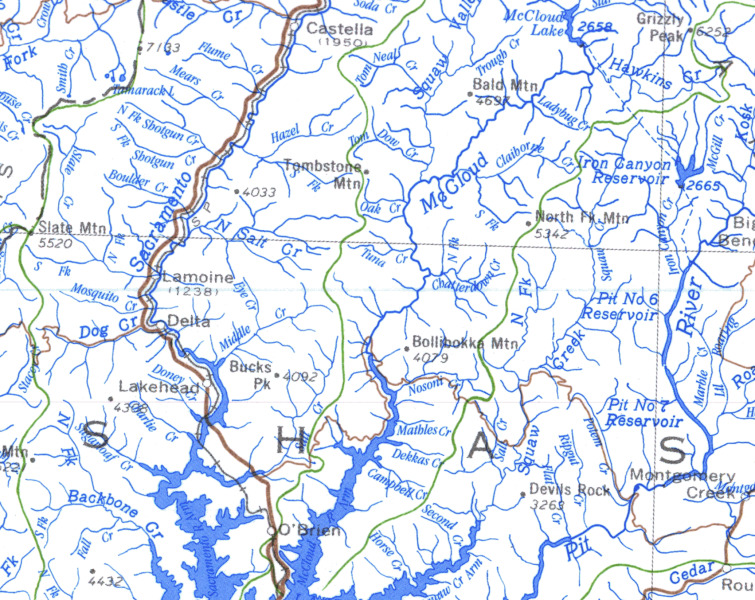
As of today, Lake Shasta is at 85 percent capacity and 111 percent of its historical average. San Luis Reservoir is at 99 percent capacity and 113 percent of its historical average. Yet, despite the availability of water, the rigid regulatory constraints imposed on operations of the CVP continue to prevent Reclamation from making common-sense water management decisions.

2019-03-15T16:46:14-07:00March 15th, 2019|

Solano County 4-H Members Go fo the Gold

4-H’ers Present Demonstrations, Educational Displays, Illustrated Talks, and Other Ideas

By Kathy Keatley Garvey, UCANR Communication Specialist

Seventeen Solano County 4-H members won gold awards at Solano County 4-H Presentation Day, and the Heritage 4-H Club of Vacaville won the plaque for the greatest member participation. In front (from left) are gold winner Darren Stephens, Sherwood Forest 4-H, Vallejo; William Parks, president of the Heritage 4-H Club (the club received the participation award for the greatest number of members presenting); and gold winners Daniel Taliaferro, Beau Westad, Grace Kimble and Irma Brown, all Suisun Valley 4-H. In back (from left) are gold winners Julietta Wynholds, Sherwood Forest 4-H; Zoe Sloan, Elmira 4-H; Braddison Beathem and Madisyn McCrary, both Tremont 4-H, Dixon; Miriam Laffitte, Vaca Valley 4-H; Celeste Harrison and Hannah Stephens, both Sherwood Forest 4-H; Jessica Carpenter, Pleasants Valley 4-H, Vacaville; and Alexis Taliaferro, Suisun Valley 4-H. Not pictured are gold winners Kailey Mauldin and Alissa Mauldin, both Elmira 4-H, and James George, Suisun Valley 4-H. (Photo by Kathy Keatley Garvey)

Solano County 4-H’ers Go for the Gold

They presented everything from “How to Take a Perfect Picture” to “The Secret Life of Bees” to “Anything is Pawsible: How I Trained My Doberman pinscher.”

When it was all over, 17 4-H’ers, including seven from the Suisun Valley 4-H Club, won gold medal showmanship awards at the annual Solano County 4-H Presentation Day, held recently at the Sierra Vista K-8 School in Vacaville.

The presentations included demonstrations, educational displays, illustrated talks, an interpretative reading, and a cultural arts offering.

Beau Westad of the Suisun Valley 4-H Club explains his project, “Reeling in Channel Catfish” at the Solano County 4-H Presentation Day. He won a gold award and is now eligible to compete in an area presentation.

The 4-H’ers followed a four-pronged process involving research, organization, graphics, and sharing of knowledge, said Valerie Williams, Solano County 4-H program representative. Adult evaluators, all involved with the Solano County 4-H Youth Development Program, asked the youths questions and scored them on their knowledge and presentation.

Twenty-six 4-H’ers, representing eight of the county’s 11 clubs, participated.

In the junior educational display talk category, ages 9 to 10, the gold winners, all from the Suisun Valley 4-H Club, were Grace Kemble, “How to Take a Perfect Picture”; Daniel Taliaferro, “Perfect Pizza Pans”; and Beau Westad, “Reeling in Channel Catfish.”

In the intermediate educational display talk category, ages 11 to 13, evaluators selected six  gold winners: James George of the Suisun Valley 4-H, “Event Planning”; Celeste Harrison of the Sherwood Forest 4-H Club, Vallejo, “Anything Is Pawsible: How I Trained My Doberman Pinscher”; Irma Brown, Suisun Valley 4-H, “Elements of a Movie”; Madisyn McCrary of Tremont 4-H Club, Dixon, “How to Shoe a Horse”; Alissa Mauldin, Elmira 4-H, for “This Little Piggy Has…” and Darren Stephens, Sherwood Forest 4-H, “Can Chickens Get Maggots?”

In the senior educational display talk category, ages 14 to 19, three took home the gold: Hanna Stephens, Sherwood Forest 4-H, “Living Life as a Guide Dog Puppy”; Jessica Carpenter, Pleasants Valley 4-H Club, Vacaville, “How to Trim Goats and Sheep Hooves” and Alexis Taliaferro, Suisun Valley 4-H, “College Tours: A Glimpse Into the Future.”

Grace Kemble of the Suisun Valley 4-H Club explains how to “take a perfect picture.” She handcrafted her display and won a gold award for her work and presentation at the Solano County 4-H Presentation Day.

In the intermediate illustrated talk category, ages 11 to 13, gold awards went to Julietta Wynholds, Sherwood Forest 4-H, for “The Basics of Animation”; and Braddison Beathem, Tremont 4-H, “Let’s Talk Tack: How to Tack a Horse in English Tack.”

Senior demonstration, ages 14 to 18: Zoe Sloan of Elmira 4-H, for “Bomb Voyage.”

Senior/Interpretative Reading, ages 14 to 19: Kailey Mauldin, Elmira 4-H, “The Secret Life of Bees” by author Sue Monk Kidd.

Intermediate Culture Arts, ages 11 to 13: Miriam Lafitte, Vaca Valley 4-H Club, Vacaville, “Total Improv.”

The winners are now eligible to compete in an Area 4-H Presentation Day, a qualifying event for the California State 4-H Field Day. Area Presentation Days will take place in Antioch, Jackson, and California Polytechnic Institute (Cal Poly), all on March 23. Other Area Presentation Days will be held in Siskiyou County on April 6, in Mariposa County on April 14; in Walnut on May 4; and in Tehama County on May 11.

Solano County 4-H Ambassador Natalie Greene of the Sherwood Forest 4-H Club served as the emcee.

The newly formed and soon-to-be-chartered Heritage 4-H Club of Vacaville won the participation award for having the greatest percentage of participants. The club is affiliated with the Heritage Christian Academy, Vacaville.

Celeste Harrison of the Sherwood Forest 4-H Club, talks about how she trained her Doberman pinscher during the Solano County 4-H Presentation Day. Evaluators (back to camera) are Helen Ritchey and Dan Turner.

Six 4-H’ers participated in the primary educational display talks category, ages 5 to 8. The primary group is not evaluated. Receiving participation certificates in that category were four Heritage Club members: Dale Harder, “The Perfect Picnic,” Sunny Harder, “Camping”; Christopher Parks, “Model Trains”; and William Parks, “Dog Man: My Favorite Book and How to Draw the Characters.” Certificates also went to Nevaeh Tiernan-Lang of Elmira 4-H, “How to Build a Christmas Tree” and Alia Wynholds of Sherwood Forest 4-H,“On the Trail.”

Receiving participant certificates in the junior educational display talk category, ages 9 to 10, were Addelyn Widmer of Suisun Valley 4-H, “Goldilocks and the Three Bears of Photography”; and Jonny Tiernan-Lang, Elmira 4-H, for “AKC Toy Breeds.”

In the intermediate educational display talk, ages 11 to 13, Heath Moritz of the Westwind 4-H Club, Fairfield-Suisun, received a participation certificate for “Watch Me Now.”

During the Presentation Day, attendees also had the opportunity to participate in hands-on activities, including designing and launching a paper rocket through the STEM activity; making slime at the Slime Station; and learning how to sew a blanket, “Cuddle Me Close,” for hospital patients.

Solano County has 11 4-H clubs, with a total membership of 400

Vacaville: Vaca Valley, Pleasants Valley, Elmira and Heritage
Fairfield-Suisun: Suisun Valley and Westwind
Dixon: Maine Prairie, Tremont, and Dixon Ridge
Rio Vista: Rio Vista 4-H
Vallejo: Sherwood Forest

The Solano County 4-H Youth Development Program, part of the UC Cooperative Extension Program, follows the motto, “Making the Best Better.” 4-H, which stands for head, heart, health, and hands, is open to youths ages 5 to 19.  In age-appropriate projects, they learn skills through hands-on learning in projects ranging from arts and crafts, computers and leadership to dog care, poultry, rabbits and woodworking. They develop skills they would otherwise not attain at home or in public or private schools. For more information, contact Valerie Williams at vawilliams@ucanr.edu.

2021-05-12T11:05:05-07:00March 13th, 2019|

Water Rights Holders Must Measure Stream Diversions

UC Cooperative Extension Offering Water Measurement and Reporting Courses April 4

News Release

California water rights holders are required by state law to measure and report the water they divert from surface streams. For people who wish to take the water measurements themselves, the University of California Cooperative Extension is offering training to receive certification April 4 in Redding and Woodland.

At the workshop, participants will:

  • Clarify reporting requirements for ranches.
  • Understand which meters are appropriate for different situations.
  • Learn how to determine measurement equipment accuracy.
  • Develop an understanding of measurement weirs.
  • Learn how to calculate and report volume from flow data.

UC Cooperative Extension is offering a limited number of trainings in 2019. The next training will be held at Shasta College Farm and Yolo County Fairgrounds:

  • Yolo County Fairgrounds in Woodland – Register at http://cecapitolcorridor.ucanr.edu or by emailing Morgan Doran at mpdoran@ucanr.edu or calling the UCCE office in Yolo County at (530) 666-8143. Training will begin at 2 p.m. and should conclude by 5 p.m.

Background on the water diversion law

Senate Bill 88 requires that all water right holders who have previously diverted or intend to divert more than 10 acre-feet per year (riparian and pre-1914 claims), or who are authorized to divert more than 10 acre-feet per year under a permit, license or registration, to measure and report the water they divert. 

Detailed information on the regulatory requirements for measurement and reporting are available on the State Water Resources Control Board Reporting and Measurement Regulation webpage: https://www.waterboards.ca.gov/waterrights. For diversion or storage greater than or equal to 100-acre feet annually, the law requires approval of installation and certification of measurement methods by an engineer, contractor, or other approved professional.

To make it easier for farmers and ranchers to comply with the law, the California Cattlemen’s Association worked with Assemblyman Frank Bigelow on a bill that would allow people to get certified to take the measurements themselves. Assembly Bill 589 became law on Jan. 1, 2018.

Until Jan. 1, 2023, this bill allows anyone who diverts water and has completed an instructional course on measurement devices and methods administered by UC Cooperative Extension, including passage of a proficiency test, to be considered qualified to install and maintain devices or implement methods of measurement. The bill requires UC Cooperative Extension and the water board to jointly develop the curriculum for the course and the proficiency test.

2019-03-09T23:17:00-08:00March 9th, 2019|

First-Ever UC Cost Study for Primocane-Bearing Blackberries Released

Primocane-Bearing Extends Production Season

By Pam Kan-Rice, UC ANR

The first-ever cost study of primocane-bearing blackberries in California has been published by UC ANR’s Agricultural Issues Center and UC Cooperative Extension. With primocane-bearing, growers can extend the blackberry production season.

“What differentiates primocane-bearing blackberry from the traditional floricane-bearing is that it bears fruit in the first year rather than the second,” explained co-author Mark Bolda, a UC Cooperative Extension advisor.

“Which, of course, opens a world of opportunity for growers, since they are able to produce fruit in the first year rather than the second, as has traditionally been the case,” Bolda said. “That’s what makes this study so interesting to us.”

Primocanes are the green, vegetative stalks of the blackberry plant, generally the first-year cane. The second year, they become floricanes, flowering and fruiting. 

The study presents sample costs to establish, produce, and harvest primocane-bearing blackberries in the Central Coast region of Santa Cruz, Monterey, and San Benito counties.

The analysis is based on a hypothetical well-managed farming operation using practices common to the region. The costs, materials and practices shown in this study will not apply to all farms. Growers, UC ANR Cooperative Extension farm advisors, and other agricultural associates provided input and reviewed the methods and findings of the study.

This study assumes a farm operation size of 30 contiguous acres of rented land, with primocane-bearing blackberries for fresh market planted on 15 acres. The crop is hand-harvested and packed into 4.5 pound trays. During the establishment year, there is a four-month harvest: July through August. Primocane blackberries can produce fruit on first-year growth. There is also a four-month harvest for each of the four production years.

The authors describe assumptions in detail and present a table of costs and returns based on those assumptions about production, input materials, prices, and yields. A ranging analysis shows the impact on net returns of alternative yields and prices. Other tables show the monthly cash costs; the costs and returns per acre; hourly equipment costs; and the whole farm annual equipment, investment, and business overhead costs.

The study also has an expanded section on labor, which includes information on California’s new minimum wage and overtime laws.

“This work investigating the economics of a newer cultural system for our area came out of a close collaboration between UCCE academics and area growers,” said Bolda, who serves Santa Cruz, Monterey and San Benito counties, “so the level of detail and accuracy is outstanding.”

Free copies of this study and other sample costs of production studies for many commodities are available. To download the cost studies, visit the UC Davis Department of Agricultural and Resource Economics website at https://coststudies.ucdavis.edu.

The cost and returns studies program is funded by the UC Agricultural Issues Center and UC Cooperative Extension, both of which are part of the UC Division of Agriculture and Natural Resources, and the UC Davis Department of Agricultural and Resource Economics.

For additional information or an explanation of the calculations used in the studies, contact the UC Agricultural Issues Center at (530) 752-4651 or UC Cooperative Extension advisors Mark Bolda (831) 763-8025 or Laura Tourte (831) 763-8005 in Santa Cruz County.

2021-05-12T11:05:05-07:00March 8th, 2019|

Roger Isom: Probable Electric Rate Hikes Raise Concern for Ag

California Agriculture Concerned Over PG&E Increases, Overtime Rules

By Mikenzi Meyers, Associate Editor

Water, labor, and air quality issues in California keep growers’ plates full of challenges, but with probable PG&E rate increases in the future, it seems they can’t catch a break. Roger Isom, President and CEO of the Western Agriculture Processors Association and California Cotton Ginners and Growers Association, is among those wondering how the industry is going to compete.

“We’ve been paying for a lot of those safety upgrades. What happened? I mean, we’ve got to let the investigation take place, but to saddle rate payers with that amount of money, we just can’t do it,” Isom said of the threat of rate increases.

Roger Isom, president and CEO, Western Processors Association

Roger Isom, president and CEO, Western Processors Association (source: LinkedIn)

At the same time, the industry is still battling the effects of the Brown administration’s ruling on overtime.

“There are farm workers in 45 states that could work 20 hours a day, seven days a week, and never trigger overtime. We have to compete with that, and that’s just unacceptable,” Isom said.

Isom is optimistic about new appointments in California administration, though.

“You’ve got Jared Blumenfeld, who’s the new CalEPA Secretary. He was actually extremely helpful over there when we were working on incentives for replacing pumps and tractors,” Isom explained.

Isom also gave credits to Wade Crowfoot, who was on the previous administration and helped with port shutdowns.

“He’s going to hit up resources, which obviously with the water situation is a very critical agency for us. Seeing somebody over there that could be helpful is important,” he said.

2019-02-28T15:59:04-08:00February 28th, 2019|

CARB Seeking Participants for Agricultural Tractor and Mobile Equipment Survey

CARB Wants Inventory of Ag Equipment 

News Release

The California Air Resources Board (CARB) is seeking participants for an update to their Agricultural Tractor and Mobile Equipment Survey.  For those that remember, CARB conducted a similar survey in 2008, and partnered with Cal Poly in their review of the submitted surveys.

This survey effort is looking to inventory various mobile agricultural equipment, including tractors, combines, balers, agricultural use ATVs and forklifts, and many more.  This survey is extended out to producers in the field, custom operators, and first processing facilities, and covers equipment using any type of fuel or electricity and any horsepower.  Responses to the survey are completely confidential and are anonymized upon receipt.

The survey that was previously conducted in 2008 was utilized to help fund incentive programs for agricultural equipment turnover programs utilized throughout the state.  CARB’s goal upon completion of this upcoming survey round is to utilize the data in the exact same manor, to utilize results to determine the best usage of incentive monies in the agricultural sector.

The survey is being made available through the internet.  Please follow the link attached below to complete the survey.  If you have any questions, please feel free to contact offroadinventory@arb.ca.gov.  Paper copies will be available if you would like; feel free to contact Chris McGlothlin with the Western Agricultural Processors Association at chris@ccgga.org or by phone at (559) 455-9272.

Survey can be found online here.


2021-05-12T11:05:05-07:00February 27th, 2019|
Go to Top