Associations, Organizations, Educational and Research Institutions
More Surface Water For Farmers

The Need for More Water South of the Delta

By Patrick Cavanaugh, Editor

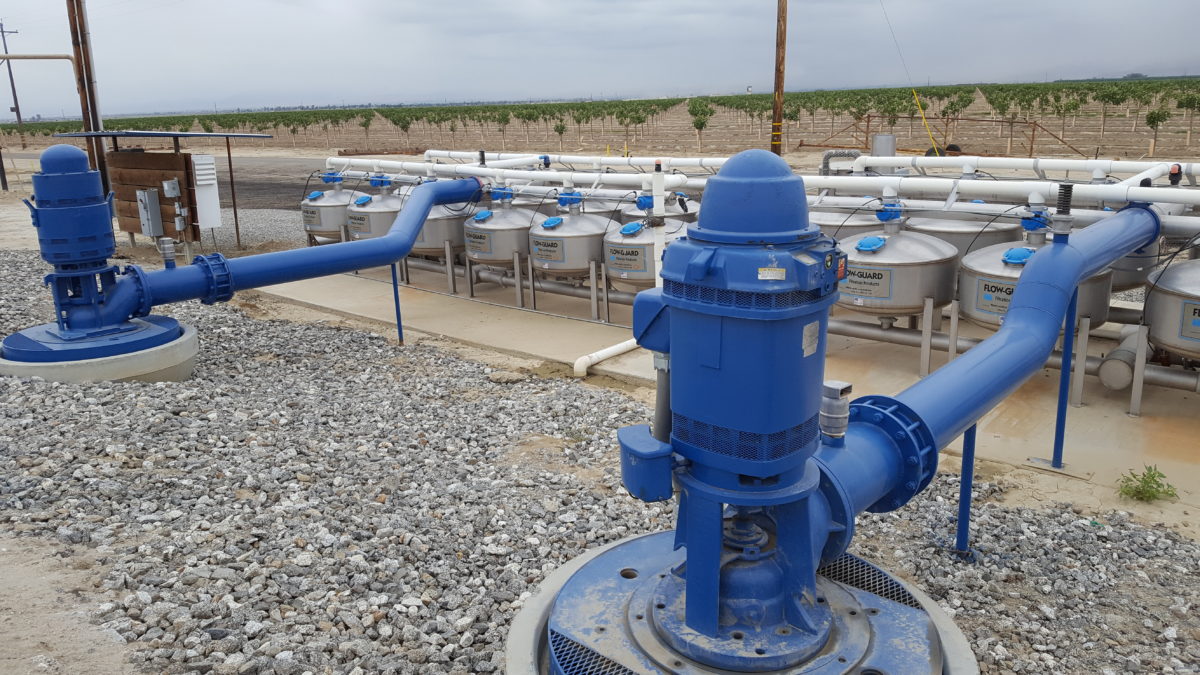
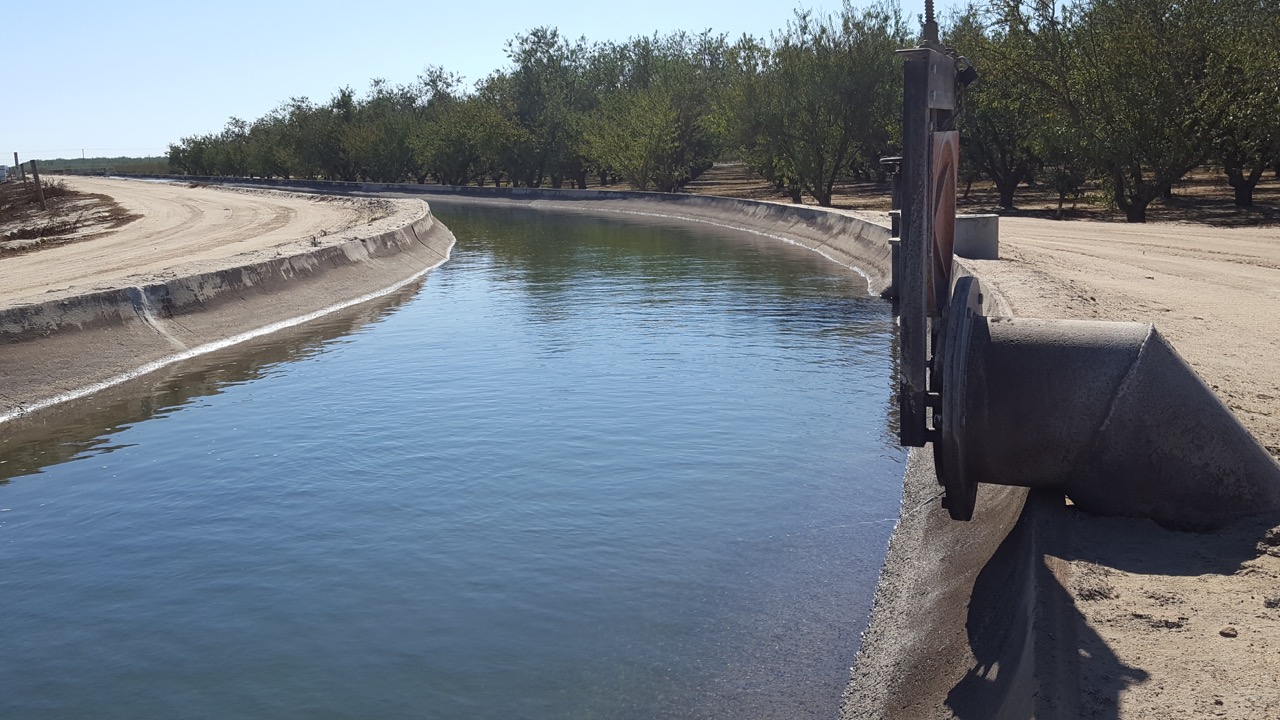
With the initial allocation of only 15% on the federal side for water deliveries for farmers, it’s more important now that more water come through the Delta instead of being needlessly sent to the ocean.

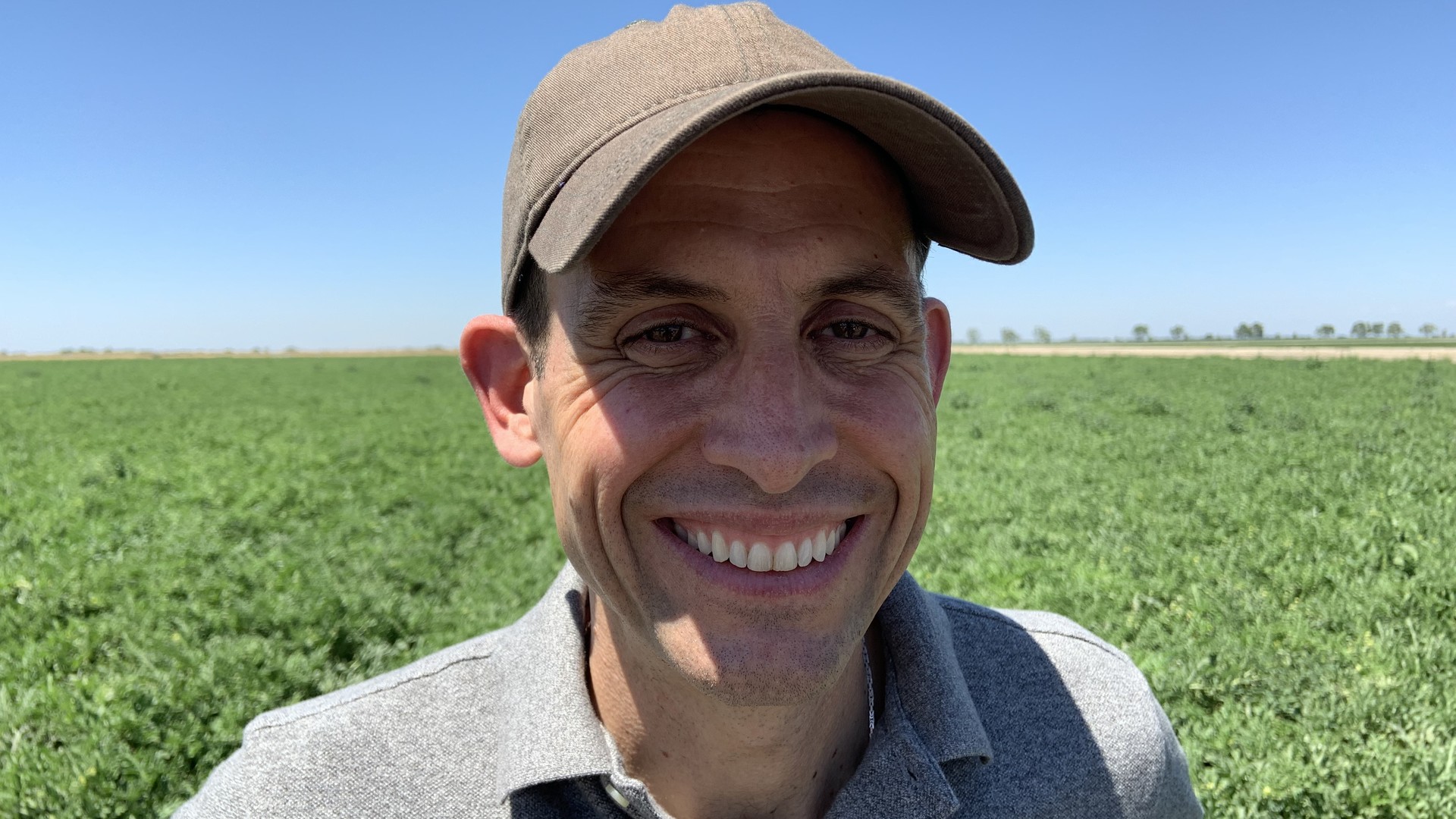
Michael Frantz who owns Frantz Wholesale Nursery, along with his brother in the town of Hickman (Stanislaus County). He also sits on the board of the Turlock irrigation district, which delivers water to thousands of acres of almonds and walnuts.

“Increasing flows South through those Delta pumps. So critical this year. Clearly we need to be able to export as much water out of the Delta as we can environmentally and scientifically do, is a net win for all the people in California,” said Frantz.

“I’m sensitive to the Delta farmers who need to see Delta outflow to keep the salinity from building up in their channels. I recognize that’s a concern of theirs, but the reality is this state allows millions, tens of millions of acre-feet on some water years to escape out to sea,” said Frantz. “Those pumps should be turning at full speed, pushing water down into the South Valley where it could be applied on farms and allowed to percolate down into the aquifer and help recharge and rebuild a healthy aquifer.”
 

2020-03-17T21:52:48-07:00March 17th, 2020|

UC Davis Will be at World Ag Expo!

Associate Dean Oberbauer to join UC Davis agricultural experts at World Ag Expo

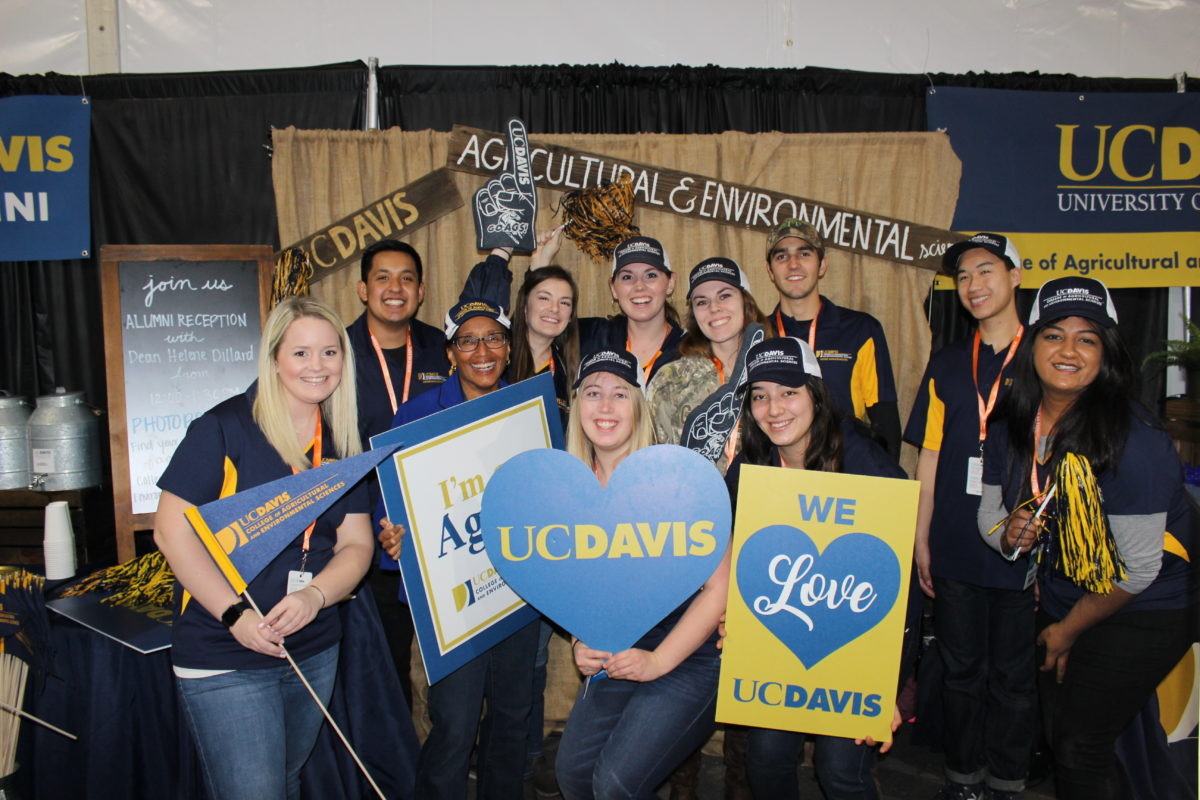
(Pictured are UC Davis Aggie Ambassadors, who will on hand to greet expo-goers.)

Associate Dean Anita Oberbauer with the UC Davis College of Agricultural and Environmental Sciences will gather with fellow scientists, staff and students at the World Ag Expo in Tulare, February 11-13, to chat with farmers, prospective students, alumni and leaders throughout the agricultural industry.

More than 100,000 people are expected to attend the 53rd annual event, where 1,400 exhibitors display cutting-edge agricultural technology and equipment over a massive 2.6 million square feet of show grounds.

“I’m delighted to take part in this incredible agricultural exhibition,” said Oberbauer, who is associate dean of agricultural sciences for the college and a professor in animal science. “I look forward to discussing the college’s latest development in agricultural research, meeting prospective students and reconnecting with alumni and friends from the Central Valley and beyond.”

Professor Oberbauer will be at the UC Davis booth—located in the Ag Career and Education Center—from 11 a.m. to 1 p.m. on Thursday, Feb. 13. She will be joined by Christopher Glick, associate dean for development and external relations, who will attend the expo all three days. The UC Davis booth has been expanded this year to provide extra space for alumni and others to gather.

Throughout the event, various college experts in livestock, nutrition, plant pathology, engineering, economics and more will be available to discuss agricultural issues and visit with attendees. Aggie Ambassadors and undergraduate student advisors will be on hand to answer questions about UC Davis majors and campus life.

“Prospective students can learn about our majors and the career paths they provide,” said Sue Ebeler, associate dean of undergraduate academic programs and professor in viticulture and enology. Ebeler will be at the UC Davis booth on Feb. 13.

In addition to Associate Deans Oberbauer, Glick and Ebeler, college experts attending the expo include:

  • Deanne Meyer, Cooperative Extension specialist in livestock waste management, who will be available all days
  • Rachael Goodhue, department chair and professor in agricultural and resource economics, who will be available Feb. 11
  • Florent Trouillas, assistant Cooperative Extension specialist in plant pathology, who will be at the expo Feb. 11
  • Farzaneh Khorsandi, assistant Cooperative Extension specialist in biological and agricultural engineering, will be available Feb. 11 and Feb. 12
  • Gerado Mackenzi, associate professor of nutrition, will be available Feb. 12
  • Patricia Oteiza, nutrition professor, will be available on Feb. 12.

UC Davis is ranked first in the nation for agriculture, plant sciences, animal science and agricultural economics. The College of Agricultural and Environmental Sciences enrolled more than 2,000 new students in the fall of 2019, many of them from California’s Central Valley. The college offers 28 majors—everything from agriculture to nutrition to global disease biology.

“The World Ag Expo is an incredible event,” Ebeler said. “We get to meet with leaders from around the world, as well as with the passionate young people who are the future of agriculture.”


2021-05-12T11:05:01-07:00February 7th, 2020|

The Impact of Regulations For Farmers

Regulations Affect California Farmers in a Big Way

By Tim Hammerich, with The Ag Information Network of The West

Most Californians will tell you they enjoy the local and diverse amounts of produce available in this state. High labor costs and other heavy regulations are encouraging some farmers to shift more focus on crops that are less labor intensive.

“So with a minimum wage going up, with the overtime rules ratcheting down, we’re kind of caught in a vice,” said Cannon Michael, President of Bowles Farming Co and the 6th generation of his family to farm the land near Los Banos.  “And to put one wage across an entire state where you really have different costs of living in different counties, it’s pretty drastic differences, really makes it difficult,” he added.

“And then when you couple that with the fact that the Federal minimum wage is much lower in a lot of other producing areas of the country that compete with us, don’t have even close to what the minimum wage that we have,” said Michael. “And they don’t have the overtime because they have the federal exemption for overtime.”

And then so not only that, but you look outside of the U S and there’s  Mexico and some of our close competitors there, which have no regulatory standards. “They do not have the standards that push up our fuel prices, chemical costs, really every single input that we have is a higher cost here.”

We are always looking for the right mix of crops that we can grow, that deliver the highest value while again, just not stretching our folks too hard, and too far. “Because it is hard as you diversify into a lot of different things, it gets to be challenging,” he said.

Even though the regulatory pressure is there, Michael said he is very committed to making it work, but the regulatory environment is certainly a challenge.

2020-02-04T17:19:41-08:00February 6th, 2020|

Improving Winegrape Quality Will Improve Prices For Growers

Improving Central SJV Winegrape Quality

By Tim Hammerich with the Ag Information Network

Frank Saviez has been growing  quality winegrapes in the Central Valley for more than 40 years. Looking ahead, though, he sees a future in which valley growers can command more of a premium for their grapes.

“The variety of grapes and the tonnages that are grown here are generally geared into the $5 to $10 bottle of wine. And when you analyze that and what the wineries want to pay for those varieties, it limits your ability to produce quality wine grapes,” said Saviez. “To do that you have to reduce the tonnage per acre to get a quality of grapes that you can make wine that would sell rather than $5 to $10, but $10 to $20.”

Saviez has worked with Fresno State and others to plant varieties that show promise for performing well under central valley conditions. He’s explored varieties such as albarino, chono, vermentino, shiraz, malbec, and teraldego. All with the goal of providing higher quality options to central valley growers in the future.

Saviez…”I have planted several varieties with the goal in mind to be in a position to influence the long term goals of grape growers in the central valley.”

Saviez hopes introducing new premium varieties will move prices up to the $400 – $600 per ton range seen in other areas.

2020-01-06T20:41:24-08:00January 8th, 2020|

New Director of Trade At CA Fresh Fruit Assoc

Caroline Stringer is New Director of Trade. at CFFA

The California Fresh Fruit Association (CFFA) is pleased to announce the hiring of Caroline Stringer as its new Director of Trade. Ms. Stringer comes to the Association after serving as a Public Affairs Representative at Pacific Gas & Electric. Prior to her role with Pacific Gas & Electric, Caroline served as the Senior Specialist on Global, Technical and Regulatory Affairs for the California Almond Board.

The Chairman of the Board for the Association, Randy Giumarra of Giumarra Vineyards Corp., stated, “We are very pleased that Caroline has agreed to become a part of the team at CFFA. Her personal background and education, as well as her extensive experience working in the area of trade will bring immense value to our membership.”

Association President Ian LeMay added, “We are extremely fortunate to have Caroline joining the CFFA team. The issues of trade and access into foreign markets is of paramount importance to our membership, possibly now more than ever. Caroline brings an extensive educational and professional background to this position and we are excited to see the work she does on our member’s behalf. We believe that Caroline is a natural fit, along with our current staff, to continue to bring value to CFFA members and to serve the California fresh fruit industry.”

Ms. Stringer is a graduate of San Francisco State University where she earned her bachelor’s degree in International Relations. She also earned a Master of Arts in International Trade Policy from the Monterey Institute of International Studies. Ms. Stringer’s first day at the Association will be Monday, January 6th.

2019-12-18T13:25:55-08:00December 20th, 2019|

Giving Tuesday Big for UC

Giving Tuesday Donations Exceed UC ANR Expectations

By Pam Kan-Rice, UC Agriculture & Natural Resources

On Giving Tuesday 2019, donors gave $130,311 over 24 hours for UC Cooperative Extension, statewide programs and research and extension centers that make up the University of California Agriculture and Natural Resources network.

The donations will help UC Agriculture and Natural Resources extend the power of UC research in agriculture, natural resources, nutrition, and youth development to more Californians in their own communities to improve their lives.

“The generosity of our donors will help us keep 4-H leadership-building activities affordable for California kids, and fund research into living with wildfire, farming in a changing climate, healthier foods, pest control for home and environment, and many other issues that concern Californians,” said Glenda Humiston, UC vice president for agriculture and natural resources.

“UC ANR researchers and educators are working in every county to bring practical, science-based answers to residents wherever they live in the state,” noted Humiston.

Thanks to generous donors, volunteers, staff and board members who gave a total of $40,000 in matching funds, there was an incentive for donors across the state who wanted to double the impact of their gifts.

“We set a goal of collecting a total of $125,000 for 4-H and UC ANR from more than 500 donors on Giving Tuesday,” said Emily Delk, UC ANR director of annual giving and donor stewardship. In all, UC ANR received 580 donations on Giving Tuesday.

Donations are still being accepted to boost UC ANR programs and research for a healthier California. To give, visit http://donate.ucanr.edu.

To learn more about how UC ANR is helping your community, visit https://ucanr.edu/About/Locations and follow @ucanr on social media.

2019-12-12T14:14:30-08:00December 12th, 2019|

Climate-Smart Team Announced for Farmers

UC Cooperative Extension Deploys Team of 10 to Help Farmers Practice Climate-Smart Agriculture

By Jeannette Warnert, UCANR Communications Specialist

Scientists are developing climate-smart farming practices, California is offering financial incentives to implement them, and now a group of 10 UC Cooperative Extension climate-smart educators are taking the program to the next level.

To help farmers apply for grants to improve soil quality and enhance irrigation systems, UC Agriculture and Natural Resources partnered with the California Department of Food and Agriculture to put climate smart educators in 10 California communities.  The educators are working closely with UCCE advisors to help farmers and ranchers improve soil health, irrigation practices and manure management.

The climate smart programs offered by CDFA and promoted by UC ANR educators are:

The educators provide hands-on assistance to farmers and ranchers through the complex application process, conduct field days with climate-smart farmers, establish demonstration plots to share the practices, and work with farmers who are voluntarily implementing climate-smart farming.

Most of the educators were hired in early 2019, just weeks before the application deadline. They are now gearing up for a second cycle of applications. The state funded 194 projects in 2018, and 217 in 2019.

Each of the educators has a passion for agriculture and the environment, shaped by their upbringing, experiences and education.

“I am interested in carrying out research that focuses on the adoption and economics of climate change best management practices. The practices should help farmers continue their business,” said Esther Mosase, climate-smart educator in San Diego County. “I’m interested in seeing policymakers making policies that have a farmer as a focal point. They have been here long, they have been tilling the land, they can also contribute in coming up with better solutions that reduce climate change.”

The state is providing incentives for farmers to improve soil health in order to moderate the conditions that are driving global climate change. Improving soil health increases its ability to store carbon and reduce greenhouse gas emissions. Side benefits include improved water infiltration, nutrient cycling and dust control.

Farmers can apply for three-year grants to implement new practices on their farm, such as reducing tillage, growing cover crops and applying compost. Conventional farm practices turn the earth, releasing the stored carbon back into the atmosphere.

UCCE’s 10 new climate-smart educators are:

Britta Baskerville
UC Cooperative Extension, Mendocino County
blbaskerville@ucanr.edu, (707) 463-4158

Baskerville started college as a theater major in Sacramento, then realized that wouldn’t result in a viable career. After suffering from an autoimmune disease tied to microbiome health, she began to understand the important role of the food and agricultural industries in public health. Baskerville earned a bachelor’s degree from UC Berkeley that combines sustainable agriculture with the sociological and ecological impacts of agriculture, natural resources conservation and public health.

Last summer, Baskerville served as a program coordinator in an adaptive agriculture learning environment, where she designed two practicum programs for adults. She is considering a career in the food industry.

Caddie Bergren
UC Cooperative Extension, Merced County
cmbergren@ucanr.edu, (209) 385-7403

Bergren grew up in a small fishing town on an island in Alaska. She earned a bachelor’s degree in earth systems at Stanford University in 2013, and then spent two and a half years in Paraguay as a Peace Corps volunteer. Bergren worked with a women’s garden cooperative and with subsistence farmers. She spent the last three years as a community organizer.

“I was so excited to find this job, which combines my interests in working directly with all kinds of people on the intersection of agriculture and climate change,” Bergren said. “I’ve especially enjoyed using my Spanish-language skills to work with traditionally underserved farmers in this area.”

Dana Brady
UC Cooperative Extension, Glenn County
dmbrady@ucanr.edu
, (530) 517-8187

Brady completed a bachelor’s degree in animal science at Chico State University in 2018. She was familiar with UC Cooperative Extension through school and had visited UCCE research sites.

Brady grew up in a farming and ranching family in rural Linden, southeast of Stockton.

“My earliest memory is of my grandfather’s farm, where he had an emu, donkey and llama,” she said. “I was in 4-H and FFA as long as I can remember.”

In addition to working directly with farmers on grant applications, Brady has been helping advisors in Glenn County on research projects and building relationships in the community through workshops and seminars.

“I am also very excited for an upcoming event at an elementary school farm day to present about Climate Smart Agriculture and presenting at some bigger events later this year with a few others in the cohort,” Brady said.

Samikshya (Sami) Budhathoki
UC Cooperative Extension, Fresno and Madera counties
sbudhathoki@ucanr.edu, (559) 241-7515

A native of Nepal, Budhathoki traveled to the United States in 2015 to attend college at Fresno State, where she graduated with a bachelor’s degree in plant science. During her studies, she completed a weed and salinity management project with professor Anil Shrestha. Budhathoki served as an intern in plant pathology with Bayer Crop Science.

She developed in interest in agriculture because of the industry’s importance to society and the world.

“Some people don’t get enough to eat even once a day. I wanted to join the effort to end world hunger and food insecurity,” Budhathoki said.

Budhathoke said she also is concerned about climate change and welcomes the opportunity to help farmers maintain a sustainable agriculture industry even in the face of climate change.

In the future, she plans to pursue graduate studies in climate change or water management.

Emily Lovell
UC Cooperative Extension, Yolo, Solano and Sacramento counties
ejlovell@ucanr.edu, (530) 405-9777

Lovell grew up in Sacramento and developed an interest in agriculture when she was overcoming a serious illness. She graduated from UC Davis in 2016 with a bachelor’s degree in sustainable agriculture and food systems.

“Originally, I didn’t want to make money in agriculture,” she said. “I wanted to live off the land. I believe farming is a political act and I wanted to help return power to the people through farming and land ownership.”

Lovell said she is interested in pursuing a graduate degree in an area that combines community resiliency through localized food systems and economics and, eventually, becoming a crop adviser.

Esther Mosase
San Diego County
enmosase@ucanr.edu, (858) 282-6737

Mosase has a master’s degree in agricultural engineering from Botswana College of Agriculture and a doctorate from South Dakota State University in civil engineering. Her master’s research focused on water resources, watershed modeling and management.

Raised in a farming family in Botswana, Mosase experienced the impact of climate change firsthand.

“I remember we had drought years, normal years and extremely wet years,” she said. “Twenty years ago, it was not uncommon for open water to freeze. But now we get mild winters and very hot summers. Rain-fed agriculture is now a risky enterprise compared to two decades ago.”

In addition to helping farmers with the climate-smart farming grant applications, Mosase is helping farmers cope with water quality concerns.

“For instance, one farmer wanted to improve the water quality at the edge of his avocado and citrus farm before it enters the stream. He also wanted to be helped with pools of standing water in the farm that usually affect the health of avocado trees,” Mosase said. “We advised him on what to do regarding the standing water, but for the edge of the field treatment, we decided to install bioreactors.”

Mosase will help collect field data on the bioreactors’ effectiveness and plans to publish the results.

Valerie Perez
UC Cooperative Extension, Santa Cruz County
valperez@ucanr.edu, (831) 763-8028

Perez earned a bachelor’s degree in agricultural business at California Polytechnic State University, San Luis Obispo in 2018. She accepted an internship with a large animal veterinarian, and found her passion, she said. In addition to working as a climate smart community educator, Perez is taking prerequisite courses for veterinary school. She hopes her career will lead to conducting research to benefit the meat industry.

“I’ve always been interested in ways to better agriculture and how our systems could improve, but it wasn’t until I received this job that my interest for climate-smart agriculture really peaked,” Perez said. “Agriculture is such an important industry, it is vital that we find ways to educate one another on how to better what we have been doing for so many years.”

Allison Rowe
UC Cooperative Extension, Ventura County
amrowe@ucanr.edu
, (805) 645-1464

Rowe has a bachelor’s degree in biology from Colorado College in Colorado Springs and a master’s degree from the Bren School of Environmental Science and Management at UC Santa Barbara. Her background and interests focus on the interface of land management and climate change.

“Everyone and everything is interwoven with our food system and yet so much of how we produce food accelerates climate change,” Rowe said. “I enjoy being at the interface of science and education, where the rubber meets the road. I wanted to find a role where I could work with people on the ground and implement solutions to climate change while contributing to resilient farming economies.”

She said it is encouraging to see that farmers and ranchers are interested in climate-smart agriculture and welcome the technical assistance.

Kristian Salgado
UC Cooperative Extension, Imperial County
kmsalgado@ucanr.edu, (442) 265-7700

Salgado attended San Diego State University, where she earned a bachelor’s degree in 2014 with a double major in psychology and environmental studies and minors in counseling and social change. She earned a master’s degree in social science at Humboldt State University in 2018.

“My background in agriculture is very broad ranging, from topics relating to public health concerns connected to agriculture production – pesticide drift and agricultural burning – to food insecurity in low-income communities,” Salgado said.

Salgado is a native of Calexico, a city located across the border from its sister city, Mexicali, Mexico. Her farming experience centers on urban agriculture.

“Growing food on non-agricultural land has allowed me to learn the technical/scientific processes that go into growing food,” she said.

Salgado plans to continue her education in a doctoral program in ethnic studies at UC San Diego, where she can focus on several overlapping areas of interest, including race studies, food justice, sustainable agriculture, climate change, environmental decision-making processes, and participatory action research methodology and practices.

Shulamit Shroder
UC Cooperative Extension, Kern County
sashroder@ucanr.edu, (661) 868-2168

Shroder attended college at the University of Maryland in College Park, earning bachelor’s degrees in environmental science and policy and in Spanish language, literature and cultures. She has worked in an agricultural research lab, in the gardens at the University of Maryland and in a nearby organic farm. After graduating in 2016, Shroder volunteered with the Peace Corps in Senegal, West Africa, where she trained farmers on gardening and agroforestry techniques and extended improved varieties of staple crops like beans, corn, millet and sorghum.

“While serving in Senegal, I saw firsthand the effects of desertification and erratic rainfall on the ability of the community to feed itself,” she said

Shroder intends to earn a master’s degree and continue to research and promote sustainable agriculture techniques.

2019-12-06T17:15:40-08:00December 5th, 2019|

Mating Disruption For NOW Works

Trials Show that Mating Disruption Works Well to Offset NOW Damage

By Patrick Cavanaugh, Editor

Mating disruption for navel orangeworm works. David Haviland is a UCANR, farm advisor, Kern County. “We all know navel orangeworm is not a simple pest to control and it takes an integrated pest management approach. We know the base of that sanitation—getting rid of all the mummies in the winter to make sure that we reset the clock when navel orangeworm comes back in the spring,” noted Haviland.

“We know that the earlier you harvest, the better you’re going to be. So early and timely harvest is going to help. We know insecticides helped. They’ve been around a while and they’re effective and, certainly, people are using them,” said Haviland. “At the same time, those three things alone don’t always control the pest to the level you need. And that’s where mating disruption can come in as the other leg on the IPM chair.”

Haviland has tested the mating disruption products. Currently, there are three different groups of products registered. There are the aerosol products that releases pheromone throughout at certain intervals throughout the season. The second group, what we call the Meso emitter, that’s a rubber strip that’s hung in the trees that passively releases the pheromone all year and the third group, which is new, is as a sprayable pheromone. It’s one that you put in the tank and you spray it along with an insecticide or fungicide.

“In 2017 trials the big take-home message this that all three of the aerosol products were effective. They all work well, as does the Meso emitter, so all those work about the same,” noted Haviland.

In 2017/2018 Haviland had larger trials that confirmed their previous results. “The earlier trial showed a 40 to 50% reduction in damage, while the later trial on larger acreage showed a 60 to 70% reduction in damage, which was a positive return on investment to the grower,” he said.  In 2018, Haviland conducted the first UC trial on sprayable pheromone products.  They did not work very well.

2021-05-12T11:01:45-07:00November 15th, 2019|

Teaching Kids to Cook California’s Bounty

California Farmers Donate Fruits Vegetables, Nuts and Beef to Cook


About 2,725 Consumer Science (formerly home economics) high school students at 15 different high schools will learn how to cook with locally grown produce and meat. The San Joaquin Chapter of California Women for Agriculture (SJ CWA), San Joaquin-Stanislaus CattleWomen and the San Joaquin Farm Bureau Federation (SJFB) have partnered to locate more than 500 pounds of cheese, olives, pumpkins, dry garbanzo beans, walnuts and beef for the students to cook this semester.

For three consecutive weeks starting October 22 and 29 and November 5, 2019, from 4:00 pm to 5:00 pm at the San Joaquin Office of Education in Stockton, each teacher will receive two commodities, recipes and handling material to share with their classes. The local agriculture organizations hope to both teach students what is grown locally and showcase the freshness of locally sourced produce.

The fresh pumpkins and dry garbanzo beans provided by the San Joaquin Chapter of Women for Agriculture were donated by local pumpkin grower, Van Groningen and Sons of Manteca (vgandsons.com) and the Rhodes-Stockton Bean Co-Op of Stockton. SJ CWA provides this “hands on educational” cooking opportunity for local high school students enrolled in consumer science courses to give them a snapshot of the variety of crops and commodities grown/raised in San Joaquin County. Teachers and students are provided with a variety of educational information regarding the nutritional value of each of the commodities along with cooking tips and recipes.


SJ CWA Chapter President, Dr. Marit Arana, said, “This is an excellent opportunity to showcase the commodities grown and raised in our county. We are grateful for the opportunity to work collaboratively with our donors and for our partnerships with both the San Joaquin-Stanislaus CattleWomen and San Joaquin Farm Bureau Federation. It takes a team effort to bring an educational experience of this size and scope to so many students within our county.”

San Joaquin County Agriculture is ranked seventh in the nation in dollar value at $2.5 billion and sixth out of 58 counties in the state. California produces about 400 different agriculture commodities and about half the fruits and vegetables in the United States.

###


October 22, 2019 – CWA donation of pumpkins and dry garbanzo beans

October 29, 2019 – CattleWomen donation of walnuts and beef

November 5, 2019 – SJFB donation of table olives and cheese

Pick-Up Times – From 4:00pm to 5:00pm at 2911 Transworld Drive, Stockton, CA. under the solar panels in Stockton at the San Joaquin Office of Education

For information contact:
Lora Daniels
916-215-1494
SanJoaquinCWA@gmail.com

2019-11-01T16:43:07-07:00November 8th, 2019|

List of SGMA GSAs and GSPs


SGMA Update

GSAs Must Develop GSPs

By Don Wright, California Ag Today Contributor

SGMA uses Department of Water Resources Bulletin 118 to define basins and sub basins and assign them numbers. The San Joaquin Valley Basin is number 5-22. Within it are sub basins with their numbers following a decimal. Each sub basin one Groundwater Sustainability Agency or several, but DWR will only recognize one representative GSA per sub basin. Each GSA must develop a Groundwater Sustainability Plan on its own or as a contribution to an overarching GSP as again, DWR will only deal with one GSP per sub basin.

SGMA

Don Wright

Many of the sub basins with multiple GSAs are combining each of the GSAs’ GSPs into one overarching GSP. Most of the GSAs have released public drafts of their GSPs for review and comment. The following is a list of GSP links. When possible the links go directly to the GSP but many of the links take you to a page that has additional links to the GSPs. Some of them I haven’t found.

Merced Sub Basin 5-22.04

The Merced Sub Basin has formed three Groundwater Sustainability Agencies (GSAs): the Merced Irrigation-Urban Groundwater Sustainability Agency, the Merced Sub Basin Groundwater Sustainability Agency, and the Turner Island Water District Groundwater Sustainability Agency.

GSP https://www.mercedsgma.org/assets/pdf/gsp-sections/Merced-Subbasin-GSP-Draft-Report-Executive-Summary_2019-07-30.pdf


Chowchilla Sub Basin 5-22.05

The Chowchilla Sub Basin has four GSAs: Chowchilla WD, Triangle T WD, Madera County and Merced County

GSP https://www.maderacountywater.com/chowchilla-subbasin/


Madera Sub Basin 5-22.06

The Madera Sub Basin has seven GSAs: Madera County GSA, City of Madera GSA, Madera Irrigation District, Root Creek Water District, Madera Water District, Gravelly Ford Water District, New Stone Water District.

GSP https://www.maderacountywater.com/madera-subbasin/


Delta Mendota Sub Basin 5-22.07

The Delta Mendota Sub Basin has 24 GSAs: the Counties of Merced, Madera and Fresno, the Cities of Dos Palos, Firebaugh, Gustine, Los Banos, Mendota, Newman and Patterson, San Joaquin River Exchange Contractors Water Authority, Turner Island WD, Ora Loma WD, DM-II, Northwestern Delta Mendota, Patterson ID, West Stanislaus ID, Widren WD, Central Delta Mendota Regional Multi-Agency, Farmers WD, Aliso WD and Grasslands.

GSP http://deltamendota.org


Kings River Sub Basin 5-22.08

The Kings River Sub Basin has seven GSAs: James ID, North Kings, McMullin Area, Kings River East, Central Kings, North Fork Kings and South Kings.

GSP

North Kings https://drive.google.com/file/d/1CgjQ4-oY3AVaKXOexcJnyi3gaVhk5DPM/view


Westside Sub Basin 5-22.09

The Westside Sub Basin has one GSA: Westlands WD

https://wwd.ca.gov/draft-gsp/


Kaweah River Sub Basin 5-22.11

The Kaweah River Sub Basin has three GSAs: Eastern Kaweah, Mid Kaweah and Greater Kaweah.

GSP East Kaweah

https://ppeng.sharefile.com/share/view/sd08385c0b564a85a/fo4153c4-8351-4fc2-ae23-87be2dbeb1f0

Mid Kaweah https://www.midkaweah.org/documents

Greater Kaweah http://greaterkaweahgsa.org/resources/groundwater-sustainability-plan/


Tulare Lake Sub Basin 5-22.12

The Tulare Lake Sub Basin has seven GSAs; South Fork Kings, Mid Kings, Alpaugh ID, El Rico, Mid Kings River, South Fork Kings and Tri County WA

https://southforkkings.org/wp-content/uploads/2019/09/2019-0906-tulare-lake-subbasin-gsp-prelim-draft_for-upload.pdf


Tule River Sub Basin 5-22.13

The Tule River Sub Basin has six GSAs: Alpaugh, Delano-Earlimart, Lower Tule River, Pixley, Eastern Tule and Tri-County

https://drive.google.com/drive/folders/1P1M5tayhYI0Jc0-8Tm1o832nQ8WBBibj


Kern Sub Basin 5-022.14

The Kern Sub Basin went from two GSAs to 11 since SGMA began.

Kern River http://www.kernrivergsa.org/?page_id=966

Buena Vista WSD http://bvh2o.com/BVGSA-GSP-DRAFT.pdf

Kern Groundwater Authority http://www.kerngwa.com/gsp.html

Semitropic WSD

Olcese WD https://olcesewaterdistrict.org/sgma/West Kern WD


Arvin Edison WSD http://www.aewsd.org/

Tejon Castaic WD

Wheeler Ridge Maricopa WD


2019-11-01T16:36:48-07:00November 5th, 2019|
Go to Top