About Patrick Cavanaugh

This author has not yet filled in any details.
So far Patrick Cavanaugh has created 1490 blog entries.

Crime Alert

Yuba-Sutter Farm Bureau Alert for Stolen Farm Equipment
A scraper was stolen from a Ranch on Dantoni Road in Marysville/Yuba County last night.
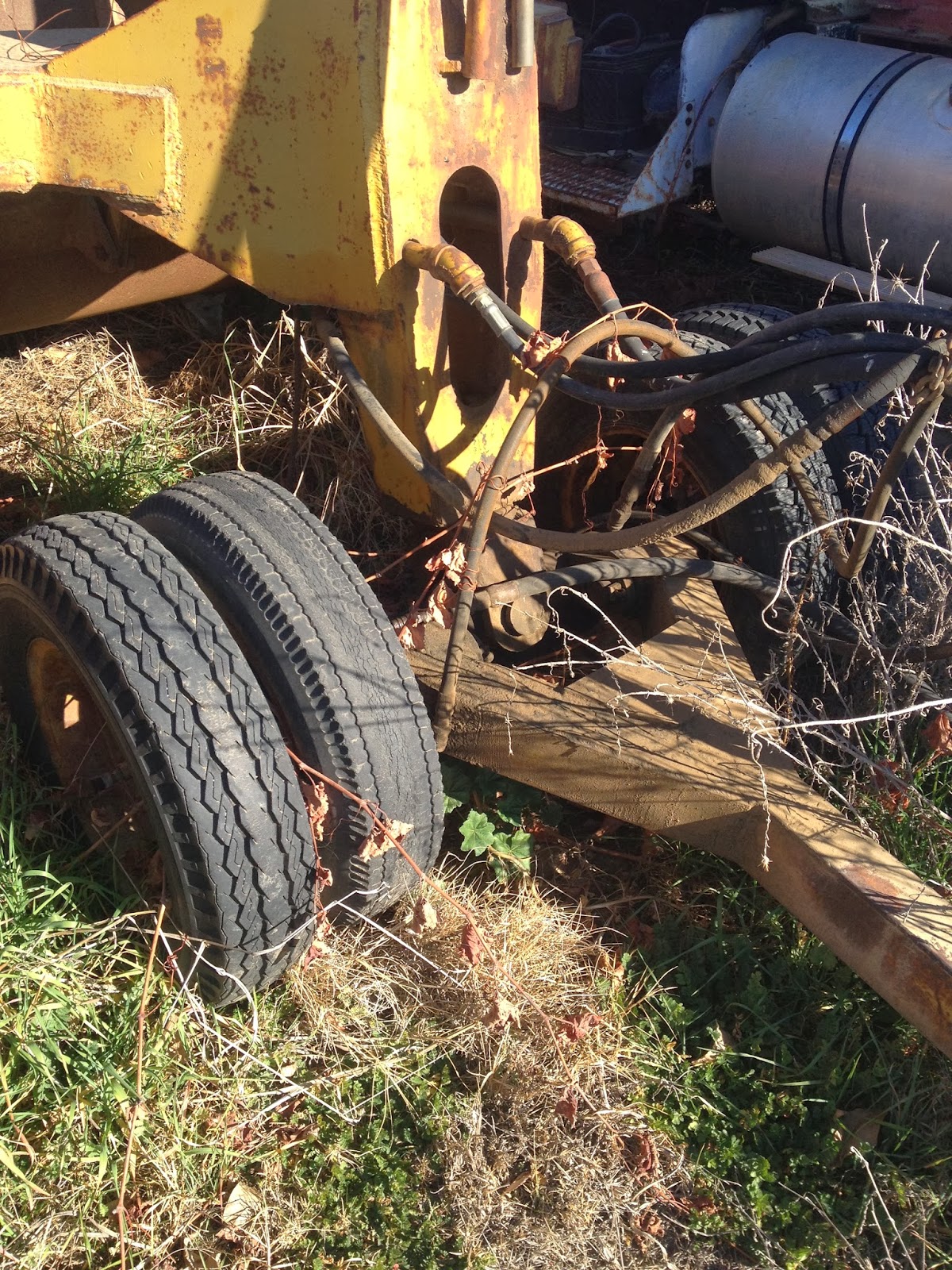
 
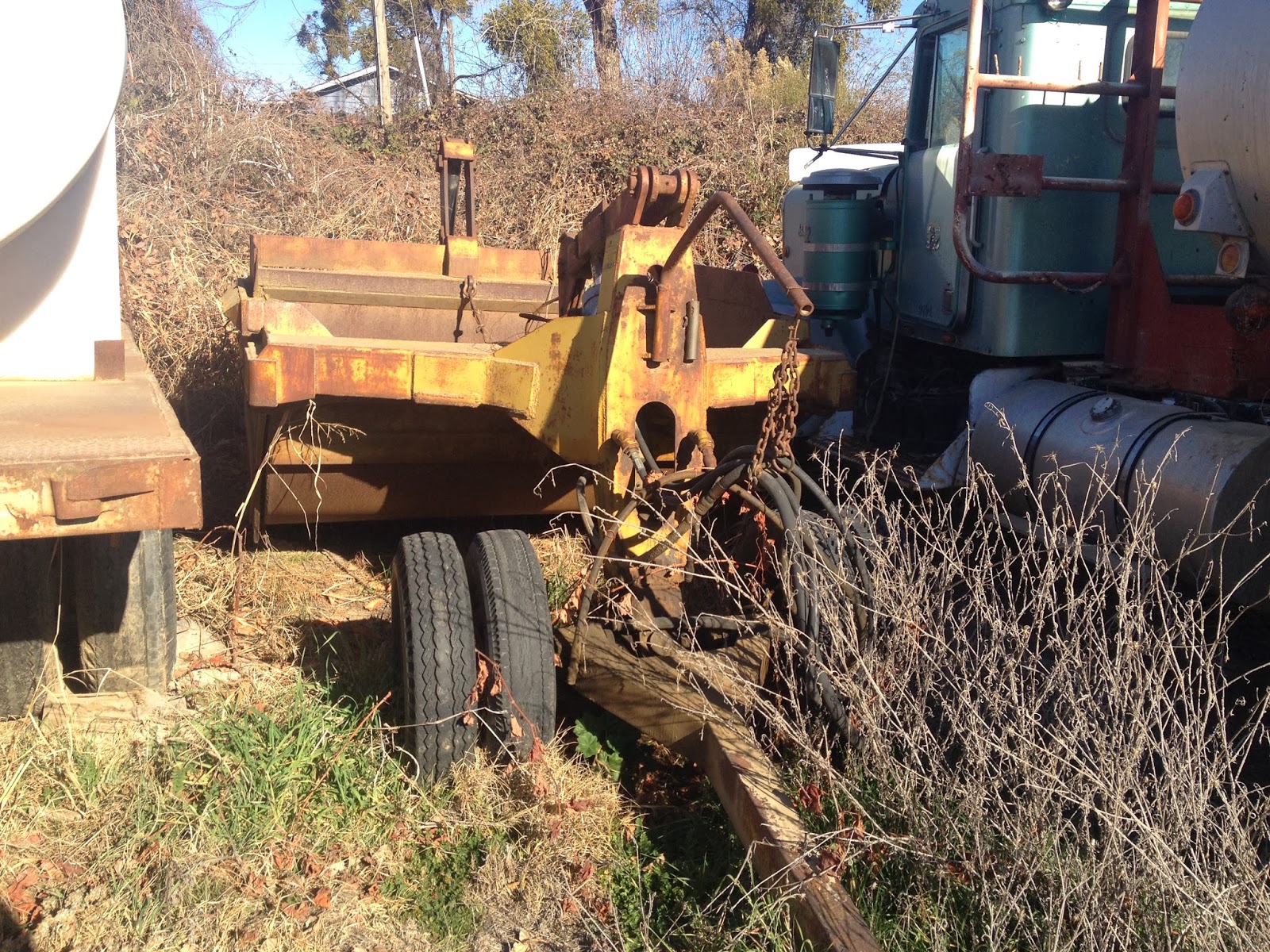
The scraper is 3-4 tons in weight, has flat tires and dual rams on the front, and is rust in color. The theft occurred between 6:00 p.m. yesterday and 9:00 a.m. today.


These photos depict equipment similar to that which was stolen.

Yuba County Sheriff’s case # is 14-000324. 

If you have info, please contact Yuba County Crime Analyst Leslie Carbah or dispatch 24/7 at 530-749-7777.


2016-05-31T19:41:11-07:00January 24th, 2014|

COMPREHENSIVE CALIFORNIA AVOCADO PRODUCTION COURSE

Apply for “AVOCADO PRODUCTION FOR NEW GROWERS”    a  6-Week Course  
 
Attention new and beginning California avocado growers,
Dr. Gary Bender, Ph.D., is offering a new six-week course entitled “Avocado Production for New Growers.” The course will be held on Thursday afternoons and conclude with a Saturday trip to the UC Cooperative Extension high-density trial and commercial grove.
 
The course is sponsored by UC ANR and UCCE-San Diego and supported by the California Avocado Commission.
 
The course schedule is as follows:
January 30  — Introduction to Agriculture in San Diego County, History of Avocado Production in California
February 6 — Botany, Flowering, Varieties, Harvest Dates, Rootstocks
February 14 (Friday) — Irrigation Systems, Irrigation Scheduling, Salinity Management
February 20 — Fertilization, Organic Production
February 27 — Insect and Mite Control, Disease Control
March 6 — Canopy Management, Tree Spacing, Frost Management
March 13 — Ag Waiver Water School Training
March 15 (Saturday) — Field trip to UC Cooperative Extension high-density trial and commercial grove
 
Because space is limited, register online early or mail in the registration form. The fee is $105 and includes class materials and a bonus publication. For more information, contact Cristina Lomeli at 760.752.4724.
2016-05-31T19:41:11-07:00January 23rd, 2014|

AG LEADERSHIP CHAIR ISSUES $1 MILLION CHALLENGE GRANT

California Ag Leadership Foundation Conducts Endowment Fundraising

The California Agricultural Leadership Foundation (CALF) has received a $1 million challenge grant from Loren Booth to help grow the foundation’s endowment and to support operations. The grant will provide a dollar-for-dollar match up to $1 million for all new gifts donated.

The foundation is currently in the middle of a major endowment fundraising campaign, which began in late 2012.

CALF supports the 44-year-old California Agricultural Leadership Program, one of the premier leadership development experiences in the nation. It is a state and federal 501(c)(3) nonprofit public benefit corporation that depends solely on individuals, foundations and corporations for support.

Booth is a Class 27 Ag Leadership alumna and has been chair of the CALF board of directors since July 2009. She is the president of family-owned and operated Booth Ranches, a premium citrus grower in Orange Cove, Calif. She also operates a commercial cattle herd near the operation.

“I have said many times that I cannot possibly give back to Ag Leadership what it has given to me,” said Booth. “With this grant, I hope to inspire others to join me on Ag Leadership’s journey toward financial independence, so that we can perpetuate this one-of-a-kind program for generations to come.”

To encourage broad participation, the match will be valid until met – by new pledges or increased gifts from current donors – so that people can manage their philanthropy over a period of time and not against a deadline. Booth said she encourages anyone who is considering a gift to act now and double their donation while the matching grant is in place.

“Loren is one of our most passionate supporters and we are enormously grateful for her longtime commitment and breathtaking generosity,” said Bob Gray, CALF president and chief executive officer. “Her gift will effectively help us raise $2 million new dollars, which will have a tremendous impact on our endowment and operations and will be instrumental in sustaining Ag Leadership.”

2016-05-31T19:41:11-07:00January 23rd, 2014|

PREMIER AG LEADERSHIP DEVELOPMENT PROGRAM INVITES APPLICANTS

Ag Leadership Accepting Applications for Class 45

The California Agricultural Leadership Foundation (CALF) is now accepting applications for Class 45. Growers, farmers, ranchers and individuals working in allied businesses and organizations are encouraged to apply.

The Ag Leadership Program, operated by the California Agricultural Leadership Foundation (CALF), is considered to be one of the premier leadership development experiences in the United States. More than 1,200 men and women have participated in the program and are influential leaders and active volunteers in the agriculture industry, communities and other areas.
 

The 16-month program, from October 2014 to January 2016, is composed of monthly seminars delivered by Cal Poly Pomona, Cal Poly San Luis Obispo, Fresno State, UC Davis and other academic institutions.

Fellows also participate in a 10-day national travel seminar and a 15-day international travel seminar. Seminars provide a comprehensive curriculum focusing on a variety of subject matter.

CALF invests approximately $45,000 per fellow to participate in the Ag Leadership Program. The costs are underwritten by individual and industry donations.

Detailed program information and the phase one application are online at www.agleaders.org.  

The phase one application is due no later than Monday, May 12, but individuals are encouraged to complete it earlier.

2016-05-31T19:41:11-07:00January 23rd, 2014|

DROUGHT PRESS CONFERENCE IN BAKERSFIELD TODAY

Central Valley Legislators Developing Emergency Drought Legislation
Congressman David G. Valadao (CA-21), Congressman Kevin McCarthy (CA-23), and Congressman Devin Nunes (CA-22) are developing emergency drought legislation to provide necessary water supplies throughout the state and the Central Valley. 
The three Congressmen were joined by Speaker of the House John Boehner this afternoon to announce their legislative proposal to provide immediate relief from the ongoing drought in California.
The legislative proposal incorporates three main actions: 

  • Turning on the Delta pumps this year and next year to capture future rain events

  • Ending restoration flows in the San Joaquin River for this year and next year in order to stop wasting water

  • Establishing a bipartisan, emergency joint committee from the House and Senate to devise a long-term legislative solution 
Congressman Valadao stated, “California is facing one of the worst droughts in history. Congress cannot make it rain, but they can provide relief from burdensome environmental regulations. Today I join Speaker John Boehner, Majority Whip Kevin McCarthy, and Congressman Devin Nunes in calling for emergency drought legislation that provides immediate relief for farmers, farm workers, and families in the Central Valley.”
 Congressman McCarthy continued, “As we approach another drought year in the Central Valley, it is imperative that we take immediate action to provide water supplies to our local families, farmers, and small businesses. Restrictive environmental regulations reduce our supplies when water is available in wet years, but exacerbates the negative impacts during years of drought. At a time when we are in dire need of water, we must provide flexibility and allow water to flow around the state. Our legislation that is being developed would provide emergency drought relief for our state and our local communities.”
“The Senate’s rejection of all House initiatives to end the crisis has now resulted in an emergency situation throughout California. We hope senators will join us in taking action that will bring immediate relief and ultimately end this man-made crisis,” said Congressman Nunes.
2016-05-31T19:41:11-07:00January 23rd, 2014|

SPEAKER BOEHNER AND CALIF POLITICIANS MEET IN VALLEY TO PROPOSE DROUGHT LEGISLATION

Nassif Statement Regarding Congressional House Republicans’ Efforts to Address California Water Shortage

Western Growers President and CEO Tom Nassifreleased this statement in response to a press conference held in Bakersfield TODAY with Speaker John Boehner and California members of Congress House Majority Whip, Kevin McCarthy; Congressman David Valadao; and Congressman Devin Nunes who have proposed legislation to address the worsening drought in California:

“The drought is doing great damage to farmers, farm workers and many other people who are part of the most productive agriculture state in the country.  Federal regulatory decisions made last year in the Delta made this situation much worse, by failing to pump and store more than 800,000 acre feet of winter runoff. The federal agencies charged with implementing fish species protections in the Delta declined to use their available discretion to capture that water, instead letting it flow out to sea.
 
It is time for Congress to act. We appreciate the efforts of Speaker Boehner and Congressmen McCarthy, Nunes and Valadao to encourage action by both houses of Congress on this crisis. We believe bipartisan agreement is necessary and possible. There are very moderate and reasonable steps available, such as federal legislation giving the regulatory agencies clear direction to allow the state and federal water project pumps in the Delta to operate at higher levels than they have in recent years. We must capture water runoff when it is available and store it for the protection of our farms and communities.
 
Our state’s water system is overdue for serious upgrades. We need more storage facilities and greater support for desalinization and water reuse projects that reduce reliance on the Delta. A refocused water bond should be presented to the state’s voters with strong support from our state and federal leaders. Federal action to raise the existing Shasta Dam should be expedited. Improved conveyance facilities in the Delta are essential for improving water supply reliability in much of the state as well as restoring the Delta ecosystem, as envisioned by the Bay Delta Conservation Plan.
 
There is so much to be done, but there has been so little action in Congress so far. We hope that the Speaker’s engagement today marks a willingness by members of both parties and both houses of Congress to work toward bipartisan solutions to the water supply crisis that threatens thousands of America’s most productive farmers and thousands more whose livelihood is tied to their survival.”

Since 1926, Western Growers has represented local and regional family farmers growing fresh produce in Arizona and California. Our members provide half the nation’s fresh fruits and vegetables including a third of America’s fresh organic produce. Some also farm throughout the U.S. and in other countries so people have year-round access to nutritious food. For generations we have provided variety and healthy choices as the first line of defense against obesity and disease. We grow the best medicine in the world.™  

2016-05-31T19:41:11-07:00January 23rd, 2014|

California Ag News Weed Meeting in Monterey

California Weed Science Society

Meeting in Monterey

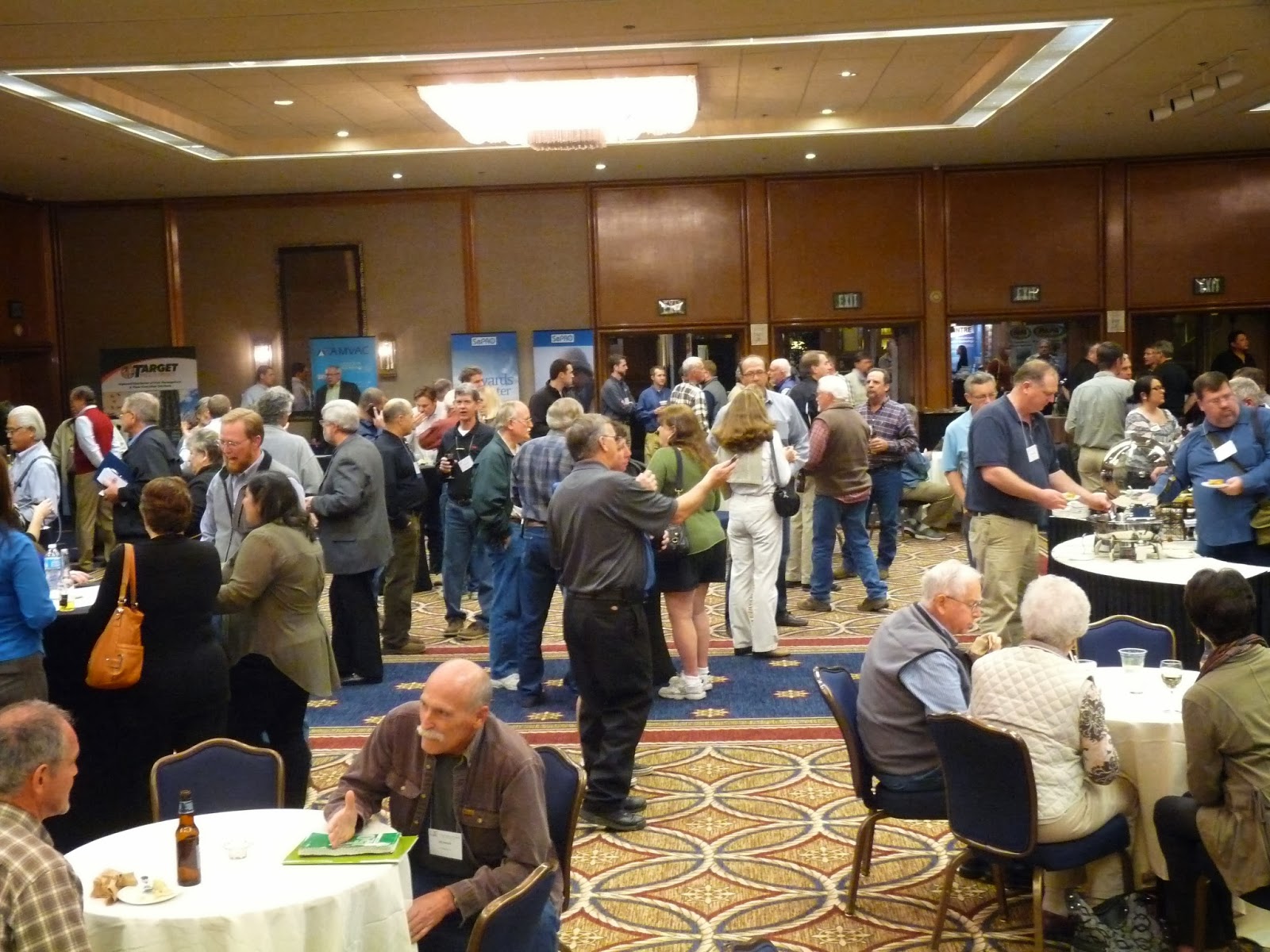
Weed Meeting Attendees Gather at Evening Reception this evening
By Patrick Cavanaugh, Editor

TODAY, Nearly 575 weed control professionals, many in the production agricultural industry are attending the 66th Annual Conference of the California Weed Science Society (CWSS) in Monterey.

The popular event’s theme is Meeting the Challenge for a Hungry World: Weed Management Strategies in the coming Decade.

Steve Fennimore, UC Extension Weed Specialist is the outgoing president of the CWSS. “We have many limiting resources in the world and obviously water is a huge limiting resource in California to say the least. And a large part of the meeting is devoted to a limiting control of herbicides due to resistance,” Fennimore said.

Speakers came far and wide including Clarence Swanton, University of Guelph, Ontario Canada;  Stanley Culpepper, University of Georgia, and David Shaw, Mississippi State University.

David Shaw is one of the leaders in the U.S. on various tasks forces to develop strategies in dealing with weeds resistant to herbicides. “The southeastern U.S. has been adversely impacted by herbicide-resistant weeds, especially Palmer Amaranth.

The weed Palmer Amaranth is in California however no resistance has yet to be seen. “We want learn what we can to prevent resistance,” said Fennimore. “There are weed control systems that we can apply to our crops to help.”

2016-05-31T19:41:11-07:00January 23rd, 2014|

VEGETABLE CROPS RESEARCH EVENT

UCCE Vegetable Crops Research Update Feb. 14
UC Cooperative Extensionwill host the Vegetable Crops Research Update on Friday February 14, 2014, from 8:30 am through 11:45 am at the UC West Side Research and Extension Center, 17353 W. Oakland Avenue, Five Points, CA 93624
The Update will cover irrigation and salinity in processing tomatoes, herbicide carryover studies, the bagrada bug, nematode control, beet curly top virus program developments, and curly top virus biology and management.
Department of Pesticide Regulations and Certified Crop Adviser continuing education hours have been requested.
For more information call: Tom Turini (559) 375-3147
2016-05-31T19:41:12-07:00January 23rd, 2014|

NITROGEN MANAGEMENT TRAINING

CDFA Debuts CCA Nitrogen Management Training

CDFA’s Fertilizer Research and Education Program (FREP) is excited to announce the debut of the Nitrogen Management Training Program for California certified crop advisers (CCAs). Since October 2012, FREP has collaborated with the California Certified Crop Adviser Program and UC Agriculture and Natural Resources to develop and implement a voluntary nitrogen management curriculum specifically targeted for California Certified Crop Advisers.

The goal of the program is to facilitate CCAs’ understanding of sound nitrogen management practices and increase their ability to make informed recommendations to growers, thereby improving environmental performance relative to nitrogen management for crop production. Developed by subject matter experts, the curriculum will address the management of nitrates from plant nutrients to reduce unintentional emissions in waters throughout the state, while emphasizing the economic and environmental benefits achieved through improved management of agricultural use of nitrogen and irrigation water.

Each training session will occur over the course of two days. The first day will include presentations on course objectives, the nitrogen cycle in crop production systems, nitrogen sources, irrigation and nitrogen management, nitrogen budgeting, future resources, and a discussion of local and statewide considerations. The second day will feature concurrent sessions with emphasis on annual and perennial crops. Each session will address current practices, the use of best management practices, and will include a hands-on nitrogen management planning exercise, concluding with a synopsis from both the annual and perennial crops subject matter experts.

The first course is already underway this week in Modesto. Four other courses are scheduled to take place in February and March throughout the Central Valley and the Central Coast-area; please see below for dates and locations. If you are a CCA interested in attending, please pre-register to attend one of the sessions through the CAPCA Ed website at or by using the links below. Due to the targeted nature of the curriculum for these courses, attendance is limited to CCAs only.

The nitrogen management training sessions are a part of FREP’s ongoing commitment to provide growers and CCAs with decision-support tools, technical education, and access to research to increase awareness of more agronomically sound use of fertilizing materials to minimize the environmental impacts resulting from their use.

Since 1990, FREP has funded more than 160 research projects focusing on California’s important and environmentally sensitive cropping systems. For more information about this project and other FREP initiatives, please contact FREP staff.

WOODLAND — February 18-19, 2014

Heidrick Ag History Museum – Event Hall


1962 Hays Ln, Woodland, CA 95776 
Register Online

FRESNO — February 25-26, 2014

Ramada Inn Fresno (University) – Shaw Rooms A, B, C


324 E Shaw Ave, Fresno, CA 93710 
Register Online

SALINAS — March 5-6, 2014

Salinas Elks Lodge #614 – Main Dining Room


614 Airport Blvd, Salinas, CA 93905 
Register Online

TULARE — March 11-12, 2014


International Agri-Center – Banquet Hall

4500 S Laspina St, Tulare, CA 93274 
Register Online
2016-05-31T19:41:12-07:00January 23rd, 2014|

REGULATED SHIPMENTS OF ACP-QUARANTINED MANDARINS PERMITTED

CDFA Issues Permit for Movement of Selected Mandarins with Stems and/or Leaves Attached
CDFA’s Plant Health and Pest Prevention Services (PHPPS) TODAY notified all county agricultural commissioners
 of a newly issued PEST EXCLUSION ADVISORY Permit 
regarding movement of mandarin fruit with stems and/or leaves
attached produced inside an ACP quarantine area for shipment into and within a
 noncontiguous ACP quarantine area.
  1. 
Mandarin fruit with attached stems and/or leaves produced within an ACP
-regulated area may now be shipped to a noncontiguous ACP regulated area. 

  2. Mandarins with attached stems and/or leaves produced/originated from an area
 regulated for Citrus Greening (CG) are NOT eligible for this program. 

  3. Eligible mandarins with attached stems and/or leaves produced within ACP regulated 
areas shall NOT be processed and/or packaged in an area regulated for CG. 

  4. Eligible mandarins with attached stems and/or leaves produced within ACP regulated
 areas shall not be shipped intrastate to areas of the state that are not regulated for
 ACP. 

  5. Eligible mandarins with attached stems and/or leaves produced within ACP regulated
 areas shall NOT be shipped interstate.

Among the Permit requirements for all agricultural entities that handle the crop are to:

  • Have a signed Compliance Agreement with the ACP Project/Agricultural Commissioner
  • Comply with on-site inspections
  • Use standard packinghouse procedures including washing, brushing, and disinfecting delivered mandarins
  • Seal shipments from time of loading to unloading
  • Isolate mandarins from fruit that has not been properly handled
  • Dispose of stems and leaves properly
  • Break the shipment seal at destination by a state regulatory official or as required by the permit 


If there are any questions concerning this advisory, contact Vince Arellano at (916) 654-
0312.

For more information, visit: http://www.cdfa.ca.gov/plant/acp

2016-05-31T19:41:12-07:00January 22nd, 2014|
Go to Top