About Patrick Cavanaugh

This author has not yet filled in any details.
So far Patrick Cavanaugh has created 1490 blog entries.

UC Davis Ag and Forestry Ranks No. 1 Globally, Again

For the second consecutive year, the University of California, Davis, ranks No. 1 in the world for teaching and research in the area of agriculture and forestry, according to rankings released today by QS World University Rankings.

The organization — which provides annual rankings in 29 other subject areas — also ranked UC Davis among the top 15 in environmental sciences and among the top 35 in civil and structural engineering.“We are proud to receive these outstanding rankings because they reflect both the long-established and emerging strengths of our university,” said UC Davis Chancellor Linda P.B. Katehi. UCD Aggies

“Our agricultural programs date back more than 100 years to the very founding of the Davis campus and cover an amazingly broad spectrum of disciplines that support agricultural endeavors throughout the nation and abroad,” she said.

UC Davis’ College of Agricultural and Environmental Sciences was founded in 1905 as the University of California’s University Farm. Today, it has more than 6,200 undergraduate students in 27 majors and more than 1,000 graduate students in 45 graduate groups and programs. Its programs have characteristically received top-tier rankings from the Chronicle of Higher Education, U.S. News & World Report and ISI Essential Science Indicators.

More than 3,000 acres of UC Davis’ 5,000-acre campus are devoted to agricultural research.

UC Davis also is home to the World Food Center, established in 2013 to increase the economic benefits from research across campus; influence national and international policy; and convene teams of scientists and innovators from industry, academia, government and nongovernmental organizations to tackle food-related challenges in California and around the world.

UC Davis, overall, was ranked ninth in 2013 among the nation’s public universities by U.S. News & World Report.

The QS World University Rankings by Subject this year evaluated a total of 2,838 universities and ranked 689 institutions. The rankings are prepared by Quacquarelli Symonds (QS), a British firm that previously was the data provider for the annual Times Higher Education rankings. The firm is widely considered to be one of the most influential international university rankings providers.

About UC Davis

For more than 100 years, UC Davis has been one place where people are bettering humanity and our natural world while seeking solutions to some of our most pressing challenges.

Located near the state capital, UC Davis has more than 33,000 students, over 2,500 faculty and more than 21,000 staff, an annual research budget of over $750 million, a comprehensive health system and 13 specialized research centers.

The university offers interdisciplinary graduate study and more than 100 undergraduate majors in four colleges — Agricultural and Environmental Sciences, Biological Sciences, Engineering, and Letters and Science. It also houses six professional schools — Education, Law, Management, Medicine, Veterinary Medicine and the Betty Irene Moore School of Nursing.

2016-05-31T19:38:55-07:00February 28th, 2014|

Ag Crime: Stolen Trailer Recovered


Ag Crime Assistance Requested:  The San Luis Obispo County Sheriff’s Office Rural Crime Unit is looking for any information on a recovered, stolen trailer. The only markings on it appear to be hand stamped.antiCrime

Description: PJ Trailer, 2 Axle, had a “Trailer Barn” sticker on it, was stolen at least 3 years ago.

If you have any information on who it might belong to, please contact Officer Mark Ernstrom at: (805) 431-5529.

2016-05-31T19:38:55-07:00February 27th, 2014|

West Side Farmer/Rancher Says Drought is Tragedy

John Harris, owner of Harris Ranch, recently weighed in about how the drought is affecting his farming operation in Coalinga.

“This is probably the most depressing time I’ve seen in agriculture on the West Side,” he said. “We have employees that have been here for 30 or 40 years who are facing getting laid off.”No Water Logo

Harris said he and his crew have spent a lot effort to develop trees, which are doing well, that are facing the chance of being taken out.

Harris lamented, “You drive around and there’s nothing green.”

“It’s just a tragedy,” he said, “but we’re just trying to sort out how best to cope with it. We’re looking at drilling more holes and trying to buy water here and there.”

“There are just a few things we can do but nothing that is a real silver bullet,” Harris commented. “We’re probably 70% fallow right now.”

In terms of a bright side, Harris said, “If there’s anything good about it, this makes it so bad that it becomes so evident that the Endangered Species Act needs to be changed. It brings it home that you just can’t live with that.”

2016-05-31T19:38:55-07:00February 27th, 2014|

USDA Funds $3 Million to Improve Bee Health

The U.S. Department of Agriculture’s (USDA) Natural Resources Conservation Service (NRCS) will provide close to $3 million in technical and financial assistance for interested farmers and ranchers to help improve the health of bees, which play an important role in crop production, particularly in California.

The funding is a focused investment to improve pollinator health and will be targeted in five Midwestern states, Michigan, Minnesota, North Dakota, South Dakota, and Wisconsin, where California farmers procure their bees.

USDA reports that Honey bee pollination supports an estimated $15 billion worth of agricultural production, including more than 130 fruits and vegetables that are the foundation of a nutritious diet.

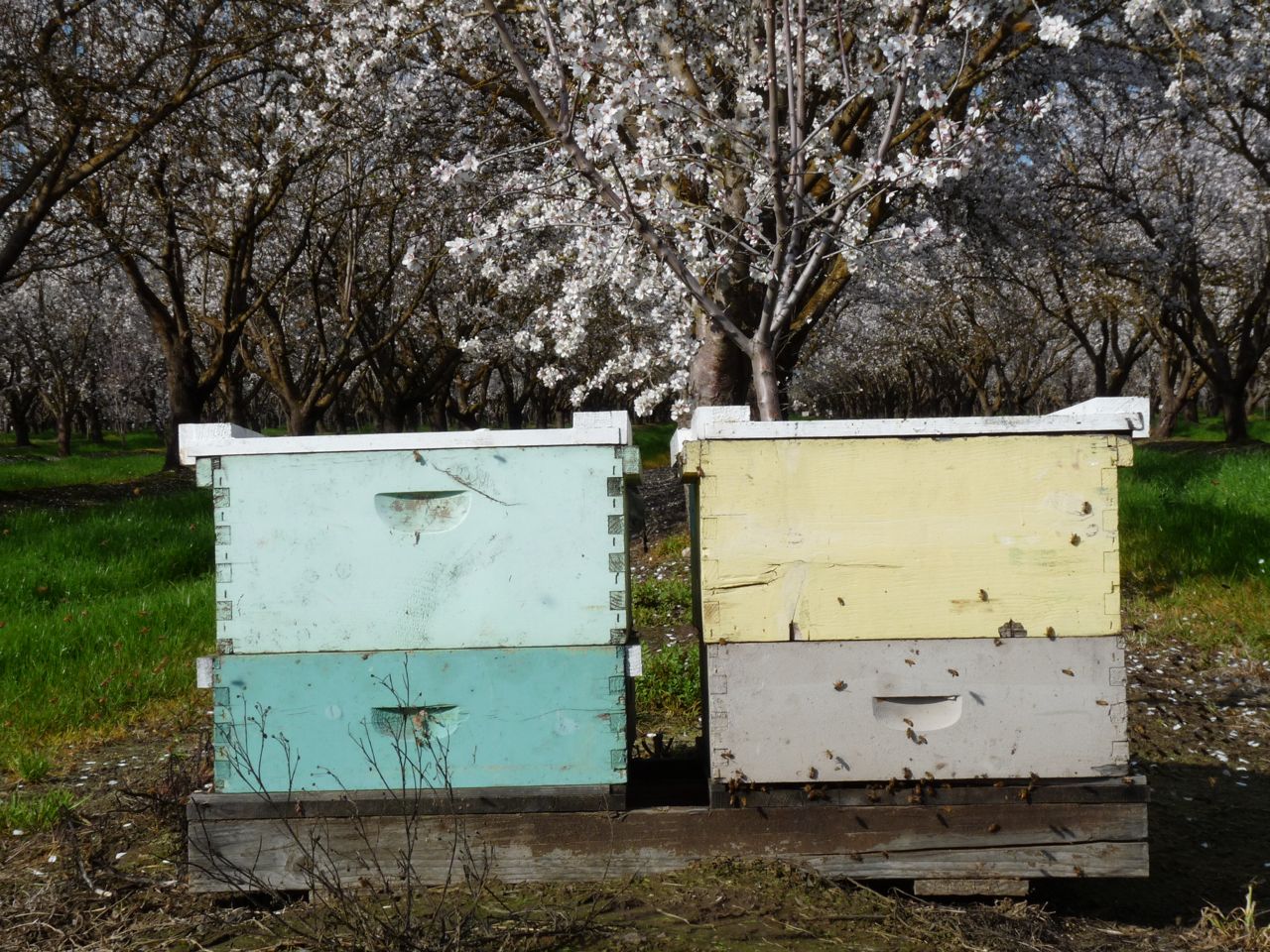
California’s 800,000 acres of almond orchards typically require 1.8 million domesticated bee colonies, just to pollinate its almond trees alone.

The future security of America’s food supply depends on healthy honey bees,” said Agriculture Secretary Tom Vilsack. “Expanded support for research, combined with USDA’s other efforts to improve honey bee health, should help America’s beekeepers combat the current, unprecedented loss of honey bee hives each year.”

Funding will be provided through the Environmental Quality Incentives Program (EQIP) to promote conservation practices that will provide honey bees with nutritious pollen and nectar while providing benefits to the environment. Recent studies have shown that beekeepers are losing approximately 30 percent of their honey bee colonies each year, up from historical norms of ten to fifteen percent overwintering losses experienced prior to 2006.

This assistance will provide guidance and support to farmers and ranchers to implement conservation practices that will provide safe and diverse food sources for honey bees. For example, appropriate cover crops or rangeland and pasture management may provide a benefit to producers by reducing erosion, increasing the health of their soil, inhibiting invasive species, providing quality forage and habitat for honey bees and other pollinators, as well as habitat for other wildlife.

Midwestern states were chosen because from June to September the region is the resting ground for over 65 percent of the commercially managed honey bees in the country. It is a critical time when bees require abundant and diverse forage across broad landscapes to build up hive strength for the winter.

Applications are due March 21, 2014.

2016-05-31T19:38:55-07:00February 27th, 2014|

Many Reasons to Celebrate Pistachios!


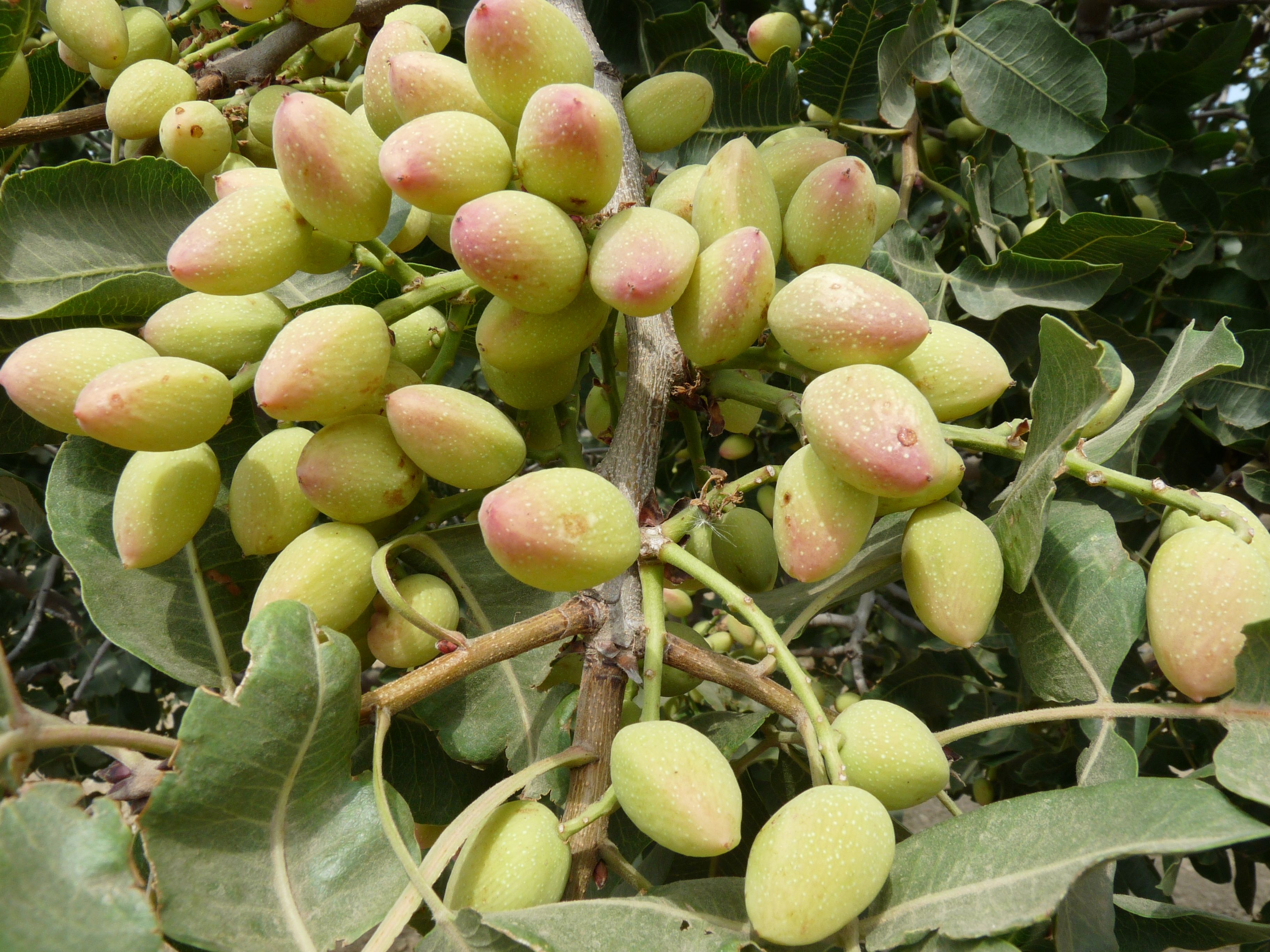
February 26th is a day for all to celebrate National Pistachio Day. It is a day that has been set aside for all pistachio lovers to eat their favorite nut all day long.

Besides their great taste, pistachios are an excellent source of vitamin B6, copper and manganese and a good source of protein, fiber, thiamin, and phosphorus.  In July 2003, the Food and Drug Administration (FDA) approved the first qualified health claim specific to nuts lowering the risk of heart disease: “Scientific evidence suggests but does not prove that eating 1.5 ounces (42.5g) per day of most nuts, such as pistachios, as part of a diet low in saturated fat and cholesterol may reduce the risk of heart disease”

In addition to all the health benefits that pistachios offer, the empty pistachio shells are useful for recycling in several ways. Practical uses include as a fire starter, just as kindling  would be used with crumpled paper; to line the bottom of pots containing houseplants, for drainage and retention of soil for up to two years; as a mulch  for shrubs and plants that require acid soils: as a medium for orchids; and as an addition to a compost pile designed for wood items that take longer to decompose than leafy materials, taking up to a year for pistachio shells to decompose unless soil is added to the mix.

Shells from salted pistachios can also be placed around the base of plants to deter slugs and snails. Many craft uses for the shells include holiday tree ornaments, jewelry, mosaics, and rattles. Research indicates that pistachio shells may be helpful in cleaning up pollution created by mercury emissions.

Source:  National Day Calendar

2016-05-31T19:38:55-07:00February 26th, 2014|

National Beef Rejects General Offer from Community, Still Plans to Close

NATIONAL BEEF WILL CLOSE, LEAVING BRAWLEY IN A LURCH


Source: Lloyd Miller, The Desert Valley Review


The Imperial Valley Ad Hoc Committee met on February 21st to inform the public that after three weeks of proposals with National Beef, the processing plant chose to continue with their April 4th closing date.


Ryan Kelley, supervisor district 4, was the spokesman of the committee present. Others were Don Wharton and George Nava of the Brawley City Council, Matt Dessert, Imperial Irrigation District director, and cattlemen Bill Plourd of El Toro Exports and Bill Brandenburg, Meloland Cattle Company, absent was Paul Cameron of Mesquite Cattle Feeders.


Kelley mentioned that National Beef never gave any figures they had to have to stay, but said they had lost many millions of dollars yearly at the Brawley plant.


Bill Plourd said the cattlemen met many times, with the ad hoc committee and with all the Imperial Valley Cattle Feeders. Last January 2013, the feedlots had agreed to a reduction of $15 million, on top of that they promised another $9 million reduction in prices.


“We have to be competitive, too. We buy cattle, we have to buy feed. To be successful and continue attracting customers there has to be a profit. Otherwise our customers will leave and ship their cattle where they can make money,” Brandenburg explained to the room.


Matt Desert said they cut their electrical rates to the historical contract that they had given when the plant first opened. This totaled $2.1 million in savings.


Wharton said the city of Brawley spent many hours combing through rates looking for ways to save the plant.


George Nava said that there was still reason to hope. “The door isn’t closed completely. It may just be a crack, but it is still open. We will continue our dialogue with National Beef CEO Terry Wilkinson in Kansas City, Mo. and chief financial officer Simon McGee.” He also added that National Beef did go from saying the plant would be moth-balled, to they would consider any reasonable offer.


Kelley said, “If you know of anybody interested, give me their name. I’ll call them.”


Plourd said that the cattlemen would now adjust their herd size. Many had recently expanded to meet the needs of the market, but now would downsize until the market reached its equilibrium.


Brandenburg added that through all of this the cattlemen remained united in trying to save the cattle industry and this would reverberate all through California, not just the Imperial Valley.


“We have clients that buy bull calf Holsteins from dairies and now that market is disappearing.


Ryan said that they wanted to give special recognition to Senator Ben Hueso and Assemblyman Manuel Perez and how they made calls and met with local officials. In the end, the State of California didn’t move in their regulations.


“In fact, the state didn’t seem to care,” Ryan said.


“But the cattlemen, they did not shy away. They gave their all.”


National Beef released this statement on February 21, 2014:


National Beef would like to thank the City of Brawley, Imperial County, the State of California, the regional cattle feeding industry and other community leaders that participated in developing and submitting a proposed incentive package in an effort to keep our Brawley processing facility open. The response was quick, thoughtful and well organized across many agencies. We have listened to the feedback and are grateful to all who were involved in the effort to support the continued operation of the facility.


We have considered all of the alternatives, but unfortunately, the barriers to profitably operate the facility continue to exist. Even with the proposed incentive package, the declining supply of fed cattle available for the Brawley facility remains the key driver of our decision to close the plant.


“We truly regret the impact this may cause to our employees. Their loyalty and dedication has been remarkable, and we will be offering assistance to help them transition to other opportunities,” said Tim Klein, chief executive officer, National Beef.


National Beef will continue to operate through this transition period until the last day of production, which is currently anticipated to be April 4, 2014.


National Beef:

We are a leading American beef supplier dedicated to providing fresh, chilled and further processed beef and beef by-products for our customers. Our focus is to expand our branded boxed beef, case ready beef, portion control beef and wet blue leather businesses to continue to meet and exceed the growing needs of our customers.


 National Beef® has grown from a single beef plant in 1992 to the fourth largest beef processor in the U.S. Our goal is to ensure that our customers have the tools they need to drive their own growth in the marketplace.


2016-05-31T19:38:55-07:00February 26th, 2014|

March 3rd Deadline for Drought-related Conservation Funds

USDA’s Natural Resources Conservation Service (NRCS) reminds interested farmers and ranchers that they have until March 3, 2014, to apply for $25 million in drought-related conservation assistance. Farmers and ranchers should consult with their local NRCS offices as soon as possible in order to apply for assistance.

NRCS California can help farmers and ranchers understand the options for their particular water situation, soil type and production goals and develop a plan to get through this drought. Soil conservation practices for fallow land include cover crops, residue management, mulching and other complimentary practices.

To help ranchers suffering from drought conditions, NRCS can offer practices such as livestock well development, piping, troughs, and fencing.  For some ranchers, this may allow livestock to take advantage of available grass while protecting vulnerable ranch resources.

Finally, for farmers who have access to water and want to make every drop count, NRCS can provide improved irrigation hardware with an irrigation management plan to optimize efficiency.

USDA Secretary Tom Vilsack announced $20 million in drought assistance through NRCS’s Environmental Quality Incentives Program (EQIP) on February 4 and President Barak Obama enlarged the conservation cost share assistance to $25 million during his California visit on Feb. 14. The program is strictly voluntary and producers share in the cost of the work.

USDA’s Farm Service Agency (FSA) is also providing drought assistance through the Emergency Conservation Program (ECP). Farmers and ranchers are encouraged to consult with their local offices to gain a full understanding of the drought assistance options available from both agencies. FSA and NRCS are often co-located in service centers throughout California.

2016-05-31T19:38:55-07:00February 26th, 2014|

CRIME ALERT: Alfalfa Theft in Sutter County

CRIME ALERT: HAY STOLEN IN SUTTER COUNTY

antiCrime

The Sutter County Sheriff’s Office received a report on 2-15-2014  regarding theft of hay. The reporting party said 80 bales of alfalfa hay were taken from the area near Oswald Road and Township Road between the date of 2-12-14 and 2-15-14.


There are no suspects or leads at this time.


Please contact the Sutter County Sheriff’s Department with information at (530) 822-7300.


2016-05-31T19:38:55-07:00February 25th, 2014|

Solar Thermal Desalinization Shows Promise for Ag

PANOCHE WATER DISTRICT AND STATE TEST SOLAR THERMAL DESALINIZATION


Source: Excerpted from Todd Woody, The New York Times and posted By CDFA

Drought LOGO


With California facing a record-breaking drought, the spigot has gone dry for farmers that depend on long-term contracts with the federal
government’s Central Valley Project to deliver cheap water from the north. Irrigation costs are expected to double or triple as growers are forced to buy water on the spot market. “Food prices are going to go up, absolutely,” said Dennis Falaschi, manager of the Panoche Water District, as he drove his pickup truck past bone-dry fields of almond trees and grapevines on an unseasonably warm day recently.


But, on a wheat field in Firebaugh, a giant solar receiver installed slowly rotates to track the sun and capture its energy. The 377-foot array, however, does not generate electricity but instead creates heat used to desalinate water.


It is part of a project developed by a San Francisco area start-up called WaterFX that is tapping an abundant, if contaminated, resource in this parched region: the billions of gallons of water that lie just below the surface. Financed by the Panoche Water District with state funds, the $1 million solar thermal desalinization plant is removing impurities from drainage water at half the cost of traditional desalinization, according to Aaron Mandell, a founder of WaterFX.


If the technology proves commercially viable — a larger plant is to be built this year — it could offer some relief to the West’s long-running water wars.


For agricultural water districts like Panoche, solar thermal desalinization promises to solve two persistent problems. One is a chronic
 water shortage, even in rainy years, as regulators divert water to cities and for environmental purposes, like protecting endangered fish.
The other is the growing salt contamination of agricultural land that has led farmers to abandon more than 100,000 acres in the Central Valley in recent years.


During the pilot project, WaterFX produced 14,000 gallons of purified water a day. A commercial version of the plant, set to be built this year on 31 acres of land, will produce 2,200 acre-feet a year. That’s the amount of water that would cover an acre of land at a depth of one foot, or 717 million gallons. The company will store excess heat generated by the solar array in molten salt to allow the plant to operate 24 hours a day.


Mr. Mandell said WaterFX currently produces an acre-foot of water for $450. That compares to about $280 an acre-foot charged by the Central
Valley Project — when water is available. This year, farmers in the Panoche district will receive no water. Last year, they received only 20 percent of their allocation, Mr. Falaschi said. In 2012, the allocation was 40 percent. Farmers elsewhere who rely on the State Water Project to irrigate 750,000 acres of farmland will also receive no water in 2014.

2016-05-31T19:38:56-07:00February 25th, 2014|
Go to Top