About Patrick Cavanaugh

This author has not yet filled in any details.
So far Patrick Cavanaugh has created 1490 blog entries.

Legislation Update

The National Pork Producers Council reported today:


HOUSE POSTPONES ACTION ON AGRICULTURAL APPROPRIATIONS BILL

The House this week began considering the fiscal 2015 funding bill for Agriculture, Rural Development, Food and Drug Administration, and Related Agencies, but postponed a final vote on it so that Republicans can sort out their leadership issues in the wake of Majority Leader Eric Cantor’s decision to step down from his post after losing his primary election for the Virginia 7th Congressional District seat. The legislation includes $20.9 billion in discretionary money, which is equal to the fiscal 2014 level, and $121.3 billion for mandatory spending for federal food programs. NPPC helped secure in the House Appropriations Committee-approved bill language that prohibits USDA from implementing certain burdensome provisions included in the 2008 Farm Bill related to the buying and selling of livestock under the Grain Inspection and Packers and Stockyards Act. Additionally, Rep. Tom Latham, R-Iowa, requested and was able to include funding for research on porcine endemic diarrhea virus (PEDv) funding to better understand the transmission of the disease. NPPC is thankful of Rep. Latham and Appropriations Committee Chairman Robert Aderholt, R-Ala., for the inclusion of these important funds.


LIVESTOCK HAULERS RECEIVE ONE-YEAR EXEMPTION FROM DOT ‘HOURS OF SERVICE’ RULE

The U.S. Department of Transportation last Friday granted truck drivers hauling livestock and poultry a one-year exemption from an hours-of-service rule that took effect last July 1. The regulation requires truck drivers to take a 30-minute rest break after eight hours of service. For drivers transporting livestock and poultry, the hours of service included loading and unloading animals. NPPC hailed the move as a victory for animal welfare, as summer temperatures can cause livestock health problems, particularly for pigs, which do not sweat. NPPC is also appreciative of Secretary of Transportation Anthony Foxx for recognizing the importance of the issue for livestock farmers and Agriculture Secretary Tom Vilsack for his efforts to secure the exemption. Click here to read the rule.


HOUSE COMMITTEE HOLDS HEARING AFTER COMMENT EXTENSION GRANTED

NPPC Chief Environmental Counsel Michael Formica drafted a petition signed by 72 other agricultural groups in support of an extension. Under EPA’s proposal, the agency would redefine the term “waters of the United States” to include intermittent and ephemeral streams, and expand jurisdiction into farm fields and farm drainage. This would significantly impact agricultural operations, requiring permits and giving activists and regulators authority to dictate farm production practices. Prior to issuing these extensions, NPPC hosted EPA representatives at the World Pork Expo to meet with the NPPC Board of Directors and learn firsthand about farming. EPA visited farms in North Central Iowa to better understand farmers’ concerns regarding the apparent impact of these proposals and the need to work together with farmers to clarify EPA’s intent and minimize the unintended impacts on farmers and ranchers who have worked their families land for generations.


SMALL BUSINESS EXPENSING LEGISLATION APPROVED

The House Thursday approved on a 277-144 vote H.R. 4457, the “America’s Small Business Tax Relief Act of 2014,” which would permanently extend the tax code’s small business expensing provision – Section 179 – at a level of $500,000. Since 2003, Congress increased the amount of investment that small businesses can expense from $25,000 to $500,000. Legislation expanding and/or extending the provision was enacted eight times, but the expensing limits were temporary, and, beginning in 2014, the amount reverted to $25,000. NPPC joined dozens of other agricultural and business organizations in urging House lawmakers to approve the tax legislation. In a June 9 letter to bill sponsors Reps. Pat Tiberi, R-Ohio, and Ron Kind, D-Wis., the groups said permanent extension of Section 179 would increase investment and jobs, reduce tax complexity and paperwork and alleviate uncertainty for business owners, farmers and ranchers.


SENATE AGRICULTURE COMMITTEE HOLDS HEARING ON CHILD NUTRITION PROGRAMS

The Senate Agriculture Committee Thursday held a hearing titled “A National Priority: The Importance of Child Nutrition Programs to our Nation’s Health, Much of the discussion focused on the military turning away recruits and discharging service members because of poor health (known as the “Too Fat to Fight” epidemic) as well as on how reduced school lunch programs help students perform better in school. Witnesses included U.S. Air Force (Ret.) General Richard Hawley; National Parent Teacher Association President Otha Thornton; Dr. Stephen R. Cook, associate professor at the University of Rochester Medical Center School of Medicine and Dentistry; and Francis Scott Key Middle School Principal Yolanda Stanislaus. Click here to read testimonies and watch the hearing. Congress is in the beginning stages of reauthorizing the national school lunch program, and NPPC continues to promote pork as a lean healthy protein that should continue to be included in school lunches.


HOUSE WAYS AND MEANS TRADE SUBCOMMITTEE HOLDS AGRICULTURE TRADE HEARING

The House Ways and Means Subcommittee on Trade Wednesday held a hearing titled “Advancing the U.S. Trade Agenda: Benefits of Expanding U.S. Agriculture Trade and Eliminating Barriers to U.S. Exports.” In his opening remarks, Chairman Devin Nunes, R-Calif., voiced his concern that Japan was not being held to the standards that the Trans-Pacific Partnership (TPP), a 12-nation free trade agreement (FTA) of Pacific Rim countries, set out to meet. “If any countries insist on retaining tariffs, then we must complete the negotiations without them and allow them to rejoin when they can commit to full tariff elimination,” said Chairman Nunes. Japan continues to demand certain products, including pork, be excluded from tariff elimination. In addition to being the largest value market for U.S. pork exports ($1.89 billion in 2013), Japan is the fourth largest market for the rest of U.S. agriculture, which shipped $12.1 billion of food and agricultural products to the island nation in 2013. A final TPP agreement that does not eliminate all tariffs and non-tariff barriers on U.S. pork products will negatively affect U.S. pork exports for the next 20 years, meaning billions of dollars less in U.S. pork sales and tens of thousands fewer U.S. jobs. For NPPC to support a final TPP agreement, Japan needs to eliminate all tariff and non-tariff barriers on U.S. pork and pork products NPPC expressed its concerns to the subcommittee in written testimony. To read testimonies from the hearing, click here.


DR. GAMBLE PARTICIPATES IN CODEX WORKING GROUP

Dr. Ray Gamble, president ex officio of the International Commission on Trichinellosis, traveled to Tokyo, Japan, May 28-30 to participate in meetings as part of the Codex Committee on Food Hygiene’s physical working group tasked with drafting a document on parasites in food. Dr. Gamble provided invaluable expertise to the US Delegation which was led by the United States Department of Agriculture’s Food Safety and Inspection Service (FSIS). Currently, some trade partners such as the European Union and South Africa impose unnecessary trichinae mitigation steps on the United States’ pork industry.  According to Dr. Gamble’s studies, there is virtually no risk for trichinae in the United States. A Codex document that creates counterproductive international standards on parasites would be burdensome on the U.S. pork industry. NPPC looks forward to working with FSIS as this document develops.


NPB’S LARSEN TRAVELS TO FINLAND

Steve Larsen, National Pork Board’s Director of Pork Safety, traveled to Kirkkonummi, Finland, June 4-6 to participate in an informal scientific colloquium of researchers/university academics, industry and government officials to hear how countries use Hazard Analysis & Critical Control Points (HACCP) and their issues. The committee is planning to propose a new work item aimed at updating the Codex Alimentarius’s General Principles of Food Hygiene, more specifically its Annex on HACCP. The group of HAACP experts will draft a discussion paper on if there is a need to make revisions and will present their findings at the next CCFH meeting this November.


2016-05-31T19:35:26-07:00June 14th, 2014|

National Men’s Health Week: What Foods Should Men Be Eating?

National Men’s Health Week falls on June 9 – 15 every year, and with Father’s Day right around the corner it’s important to note what foods are going to help keep the male gender healthy and strong.

Luckily, the editors of Men’s Health took the time to compose a list of the top 10 foods that are most beneficial to men; many of them are also noted as California’s top agricultural commodities.

1. Almonds: These energy-rich snacks lower bad cholesterol, thanks to plant sterols, and benefit diabetics by lowering blood sugar. They’re also rich in amino acids, which bolster testosterone levels and muscle growth. Almonds are also stuffed with vitamin E, which helps defend against sun damage.

In a study, volunteers who consumed 14 milligrams of the vitamin (about 20 almonds) per day and then were exposed to UV light burned less than those who took none. And because vitamin E is an antioxidant, it also works to keep your arteries free of dangerous free radicals. Low levels of vitamin E are also associated with poor memory performance and cognitive decline, says dietitian Sari Greaves of New York Presbyterian Hospital–Cornell.

2. Flaxseeds: Rich in protein and fiber, these little seeds offer a payload of omega-3 fatty acids, which erase spots and iron out fine lines in the skin. The British Journal of Nutrition reported that participants in one study who downed about half a teaspoon of omega-3s daily in 6 weeks experienced significantly less irritation and redness, along with better-hydrated skin.

A recent study of people with high cholesterol (greater than 240 mg/dL) compared statin treatment with eating 20 grams of flaxseed a day. After 60 days, those eating flaxseed did just as well as those on statins. Try sprinkling ground flaxseed on oatmeal, yogurt, and salads.

3. Tomatoes: There are two things you need to know about tomatoes: red are the best, because they’re packed with more of the antioxidant lycopene; and processed tomatoes are just as potent as fresh ones, because it’s easier for the body to absorb the lycopene.

Studies show that a diet rich in lycopene can decrease your risk of bladder, lung, prostate, skin, and stomach cancers, as well as reduce the risk of coronary artery disease, and help eliminate skin-aging free radicals caused by ultraviolet rays. “Cooked tomatoes and tomato paste work best,” says celebrity trainer Gunnar Petersen.

4. Sweet Potatoes: Often confused with yams, these tubers are one of the healthiest foods on the planet. In addition to countering the effects of secondhand smoke and preventing diabetes, sweet potatoes contain glutathione, an antioxidant that can enhance nutrient metabolism and immune-system health, as well as protect against Alzheimer’s, Parkinson’s, liver disease, cystic fibrosis, HIV, cancer, heart attack, and stroke.

What’s more, they’re also loaded with vitamin C, which smoothes out wrinkles by stimulating the production of collagen. A recent study in the American Journal of Clinical Nutrition found that volunteers who consumed 4 milligrams of C (about half a small sweet potato) daily for 3 years decreased the appearance of wrinkles by 11 percent.

5. Spinach: It may be green and leafy, but spinach—a renowned muscle builder—is also the ultimate man food. The heart-health equivalent of a first-ballot Hall of Famer, spinach is replete with the essential minerals potassium and magnesium, and it’s one of the top sources of lutein, an antioxidant that may help prevent clogged arteries.

Plus its vitamins and nutrients can bolster bone-mineral density, attack prostate cancer cells, reduce the risk of skin tumors, fight colon cancer, and, last but not least, increase blood flow to the penis. “Popeye was on to something,” says Susan Bowerman, assistant director of the Center for Human Nutrition at the University of California at Los Angeles.

6. Rosemary: The carnosic acid found in this spice has been shown to reduce stroke risk in mice by 40 percent, according to a study published in the Journal of Neurochemistry. Carnosic acid appears to set off a process that shields brain cells from free-radical damage, which can worsen the effects of a stroke.

It can also protect against degenerative diseases like Alzheimer’s and the general effects of aging.

7. Wild Salmon: A 4-ounce serving of salmon has approximately 2,000 milligrams of docosahexaenoic acid (DHA) and eicosapentaenoic acid (EPA), omega-3 fatty acids that serve as oil for the brain’s hardware by helping nerve cells communicate with one another.

Thirty-five percent of your brain consists of fatty acids like these, but they can decline as the years stack up. A 2008 University of Cincinnati study, for instance, found that the brain tissue of 65- to 80-year-olds contained 22 percent less DHA than the brain tissue of 29- to 35-year-olds.

“If you want to keep your wits about you as you age, start consuming omega-3s now,” says William Harris, Ph.D., a nutrition researcher at the University of South Dakota. Why is wild so important? Because farmed fish, which are fattened with soy, can be as high in inflammatory omega-6 fats as a cheeseburger.

If in doubt, opt for sockeye salmon, which can’t be farmed and is always wild. Aim for at least two servings a week, says dietitian Joan Salge Blake, author of Nutrition and You.

8. Blueberries: “This potent little fruit can help prevent a range of diseases from cancer to heart disease,” says Ryan Andrews, the director of research at Precision Nutrition, in Toronto, Canada.

Think of blueberries as anti-rust for your gray matter, too. Besides being rich in fiber and vitamins A and C, they’re also packed with antioxidants—only açai, an Amazonian berry, contains more—that neutralize the free radicals that cause neuronal misfires. Eat a cup a day, and opt for wild blueberries whenever possible, as they contain 26 percent more antioxidants than cultivated varieties.

9. Green Tea: Green tea releases catechin, an antioxidant with proven anti-inflammatory and anticancer properties. Research found that drinking 2 to 6 cups a day not only helps prevent skin cancer but might also reverse the effects of sun damage by neutralizing the changes that appear in sun-exposed skin.

Other studies show that green tea—infused with another antioxidant called epigallocatechin gallate (EGCG)—can boost your cardiovascular health and reduce the risk of most types of cancer.

10. Dark Chocolate: Flavonoids, a natural nutrient in cocoa, improve blood flow in the brain, which helps boost cognitive function. Plus dark chocolate contains a tannin called procyanidin, which is also found in red wine, that can keep your arteries flexible and your blood pressure low.

Indulge in 1 ounce a day to get all the benefits, says dietitian Sari Greaves of New York Presbyterian Hospital–Cornell.


2016-05-31T19:35:26-07:00June 13th, 2014|

Climate Change Creates New Farming Risks

Excerpted from: Ag Web

Farmers may disagree over the cause of climate change, especially whether it’s caused by humans, but it’s difficult to dismiss the extreme weather patterns that have developed in recent years.

Agriculture Secretary Tom Vilsack attributed the new patterns to climate change.

“You all know that the climate is changing, and you all know that it impacts agriculture. More intense weather patterns, longer droughts, more severe storms, more pests and diseases—this really does have an impact on agriculture. If we don’t get serious about adapting and mitigating, it will just continue.”

Farmers and ranchers continually look for new ways to create more predictable outcomes, noted A.J. Kawamura, a third-generation grower from Orange County, Calif. In Kawamura’s case, given drought conditions that grip the Golden State, that means using water more economically.

Kawamura has already moved to drip irrigation at Orange County Produce. “And now we’re looking very hard at agroponics, which can use 60 to 70% less water than drip irrigation per square foot.”

In the future, he predicts that farmers will look to systems that harvest water from the atmosphere, reuse water from their operation, or desalinate water.

“The problem isn’t that we don’t have enough water on the planet—it’s that we have salty water,” said Kawamura, who has seen an uptick in the number of reverse osmosis machines wheeled into greenhouses. Thanks in part to this technology, he reported, roughly 40% of vine-ripened tomatoes in California are now produced in hot houses.

Kawamura believes that better-engineered seeds are part of the solution. He might have lost his entire lima bean crop due to high temperatures this May. “Instead, because of a new drought-resistant seed, I’m going to harvest 85%.”

Developing new seed varieties that require less water and can withstand more heat will be a big part of the equation going forward, said Gerald Nelson, a former University of Illinois agricultural economist, who wrote the Chicago Council report. Nelson highlighted the need for more basic research.

“We know that higher temperatures are coming, and plants are susceptible to higher temperatures….If you get a really hot, dry period during the peak of pollination, yields go down dramatically.”

Meanwhile, nutrient runoffs from big spring rains have forced him to rethink the timing of applications. With the help of a grant from a nonprofit organization, he has equipped his sprayer with sensors that measure the vegetative index of his crops, varying nitrogen application.

Climate change, farmers speaking at the conference made clear, raises the stakes for farmers at a time when margins are squeezed by lower crop prices. Producers will need to devote more time and money to technology and innovation to sustain a track record of steadily rising yields.

2016-05-31T19:35:26-07:00June 13th, 2014|

Farm Water Use Efficiency & Conservation Explained

Source: California Farm Water Coalition
Governor Brown has asked California’s citizens to voluntarily reduce their water consumption by 20 percent but what are farmers doing to reduce water use? Many farmers will be fallowing, or not planting, their fields simply because there isn’t enough water to meet their needs.
Crops, such as broccoli, winter lettuce, cantaloupes and garlic will not be grown in the same quantities that we normally see in California. According to Bloomberg News prices for broccoli, lettuce and tomatoes are up by double digits, with tomatoes reaching their highest prices since 2011.

A recent survey of public water agencies that deliver farm water shows that most areas of the state are being affected by the drought. Deliveries of irrigation water are expected to be cut this year by 50 percent or more.

About 2 million acres in the San Joaquin Valley are expected to receive no water this year under existing contracts with the State Department of Water Resources or federal Bureau of Reclamation.

Water Conservation or Water Use Efficiency?

The terms water conservation and water use efficiency are often used interchangeably but to water users they’re different things. Water conservation is generally perceived as an activity that reduces the amount of water used to do something, such as wash a load of clothes or take a shower.

High efficiency washers and low-flow showerheads conserve water that can then be used by another user or at a later time. Water use efficiency is when a water user does things to achieve more using the same (or less) water. An example could be a farmer who upgrades his or her irrigation system so that water is more efficiently used by the crop, producing more saleable, higher quality crop on roughly the same amount of water.

The efficiency is what is gained in crop production.

California farmers depend on reliable water supplies to grow almost half of the nation’s fruits and vegetables and 100 percent of another 14 specialty crops, including almonds, kiwis and clover seeds.

Water Use Efficiency Investments

From 2003 through 2010 San Joaquin Valley farmers invested almost $2.2 billion installing upgraded irrigation systems (drip, micro sprinklers, high-efficiency pumps) on more than 1.8 million acres.

High-efficiency irrigation systems deliver water to the crop in precise amounts on a schedule that meets the plant’s growing cycle. Drip irrigation systems limit the amount of water that is consumed by weeds, reducing the need for herbicides or repeated trips with a tractor and cultivator over the field, which saves fuel and helps reduce carbon emissions into the atmosphere.

For more information, please visit: http://new.farmwater.org/new/learn-more-about-farm-water-use-efficiency-conservation/

2016-05-31T19:35:26-07:00June 12th, 2014|

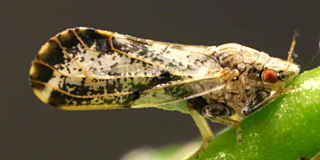
Asian Citrus Psyllid Quarantine Expansion in Tulare County

An additional portion of Tulare County has been placed under quarantine for the Asian citrus psyllid (ACP) following the detection of two psyllids in separate traps in an unincorporated area northwest of the community of Ivanhoe in Tulare County. This brings the total quarantine area in Tulare County to 856 square miles.

The new quarantine zone measures 110 square miles in Tulare County, bordered on the north by Avenue 384; on the east by Road 180; on the south by E Main Street; and on the west by Road 80.

The new quarantine zone will connect existing quarantine zones already in place. A map is available online at: http://pi.cdfa.ca.gov/pqm/manual/pdf/maps/3435ACPTulareCounty.pdf

Also, a single ACP has been detected west of Exeter near the community of Farmersville recently and may lead to another quarantine expansion later this month. The parameters and size of that additional new regulated area are still being determined.

In addition to the developments in Tulare County, ACP quarantines remain in place in Fresno, Kern, Imperial, Los Angeles, Orange, Riverside, San Bernardino, San Diego, San Luis Obispo, Santa Barbara, and Ventura counties.

The ACP is an invasive species of grave concern because it can carry the disease huanglongbing (HLB), also known as citrus greening.  All citrus and closely related species are susceptible hosts for both the insect and the disease.

There is no cure once a tree becomes infected.  The diseased tree will decline in health until it dies.  HLB has been detected just once in California – in 2012 on a single residential property in Hacienda Heights, Los Angeles County.

HLB is known to be present in Mexico and in parts of the southern U.S.  Florida first detected the pest in 1998 and the disease in 2005, and the two have been detected in all 30 citrus-producing counties in that state.  The University of Florida estimates the disease has tallied more than 6,600 lost jobs, $1.3 billion in lost revenue to growers and $3.6 billion in lost economic activity.

Residents in the area who think they may have seen the Asian citrus psyllid are urged to call CDFA’s Pest Hotline at 1-800-491-1899.  For more information on the Asian citrus psyllid and HLB, please visit: www.cdfa.ca.gov/go/acp.

2016-05-31T19:35:26-07:00June 12th, 2014|

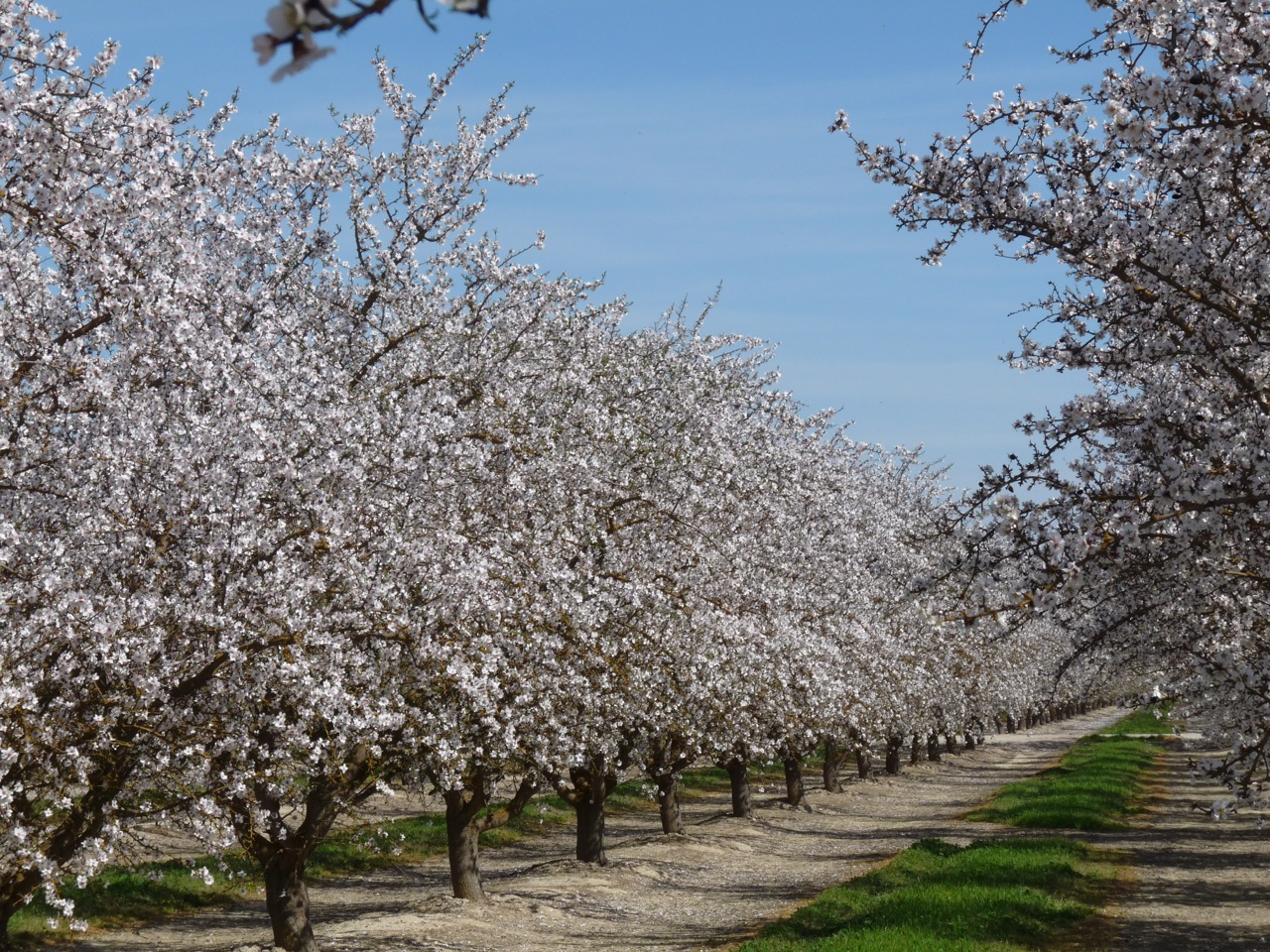
Good Almond Branch Structure Leads to Healthier Trees

At the recent San Joaquin Valley Almond Symposium in the Fresno County town of Kerman, one speaker was Roger Duncan, a UC Cooperative Extension Farmer Advisor from Stanislaus County. Duncan talked about the very important training phase in Almond Tree structuring.

“It’s during the first one or two maybe three years and this is when we select the scaffolds in order to build the structure of the tree and make sure that we don’t have branches that break later in the life or are in the way of other operations.” said Duncan.

Main branches coming from the trunk of the tree are known as “scaffolds”.

“When we select scaffolds we want to make sure that they are staggered up and down the tree as well around the tree. Also want to choose scaffolds that are not too flat and not too vertical, Essentially we want to have good attachment so that we have good solid architecture of the tree.” said Duncan.

Duncan talks about a common mistake made by growers.

“I think probably the biggest mistake that growers make when their select scaffolds they like to choose the largest scaffolds which typically are right at the top of the tree, the problem is if we have all the scaffolds originating from the same vertical plane then they are very weak. So we eventually those scaffolds will split. We just have to make sure we stagger those scaffold up and down the tree as well as all away around.”

2016-05-31T19:35:26-07:00June 11th, 2014|

How Homeowners Can Help Stop Citrus Greening

Homeowners with a citrus tree in their yard are an important part of the defense in keeping the Asian Citrus Psyllid out of the San Joaquin Valley. It’s important since the insect vectors a deadly disease on citrus.

Kevin Severns is a citrus grower and chairman of the California Citrus Mutual, based in the Tulare county town of Exeter. Severn says homeowners are an integral part of the picture.

“More homes than not and certainly more neighborhoods than not, have citrus trees in them. Certainly in the San Joaquin Valley and Southern California as well. In fact, in Southern California there is actually more acreage in backyards than there is in the rest of the citrus industry combined. So the homeowner is key to us winning this fight against the Asian Citrus Psyllid.”

Severns gives some pointers on what homeowners can do to prevent the spread of the Asian Citrus Psyllid.

“So what they can do for us is actually a couple of things. They can go out and inspect their trees for the Asian Citrus Psyllid. We have a lots of materials that are available for them to be able to identify the bug,” said Severns. “Essentially what it looks like is little tiny spikes or thorns, on the back of the leaf. If a homeowner certainly sees something like that, the best thing for them to  can do is call the County Ag Commissioner’s office and they can bring someone out who can positively identify it.” he added.

Severns said homeowners also should be looking at the symptoms of  Huanglongbing disease, also known as citrus greening, which is the disease the ACP carries.

“Stunted growth on the tree, yellowing on the tree, and fruit that is oblong and misshapen. So all this together they can help us look for [Asian Citrus Psyllid]. One other thing they can do is to not bring plant material in from other areas that are heavily infested with the Asian Citrus Psyllid, that is a huge deal for us. So all those things together, if they can help us be vigilant on this, that would just be huge in us winning this fight and keeping them out of the Central Valley.”

For more information on this disease, go to CaliforniaCitrusThreat.org

2016-05-31T19:35:26-07:00June 11th, 2014|

Climate Change Funding for Ag Part of Budget Debate at State Capitol

Source: Nick Miller; Sacramento News and Review

If Sacramento is truly the nation’s farm-to-fork capital, then the state Capitol has an opportunity this week to prove so by putting millions of budget dollars where its mouth is.

Here’s what’s at stake: California’s cap-and-trade carbon tax is expected to generate a cool $850 million next fiscal year. This money needs to be spent on projects that reduce greenhouse-gas emissions.

Gov. Jerry Brown’s budget proposes that $25 million of this nut go toward agriculture. That’s not a ton of funding, but it is direly needed, and would be spent on fertilizer management, methane mitigation at dairy farms, biofuels, farmland preservation, plus other sustainability programs that combat climate change.

The catch is that some Democrats in the Senate and Assembly have the governor’s ag money in their crosshairs. They want to use the millions for their own pet projects: urban infill, mass transit, etc. To that end, both houses of the Legislature have proposed their own budget plans.

This concerns sustainable-agriculture advocates. Since most lawmakers represent urban areas, not rural districts, they fear that farmers might end up losing out on some of the state’s first ag-related funding in years. Lawmaker’s budget deadline is next Sunday, June 15.

“I can’t predict how this will go,” said Jeanne Merrill, a policy director with California Climate and Agriculture Network, or CalCAN. But what she does know is that “you can’t seek agriculture solutions to climate change without protecting land.”

When most Californians think of the fight against climate change, they picture doing so by switching out lightbulbs and not running the air conditioner, or by buying hybrid cars and driving less.

“But agriculture’s total emissions … are roughly about 7 percent of the state’s total emissions,” said Ryan Harden, a staff researcher at UC Davis who works on studies for the California Air Resources Board and the California Energy Commission.

He concedes that 7 percent is “not very much compared to electricity use and cars.” But it can make a dent. “Every little bit helps.”

For sure, agriculture has definitely been part of the mix when California’s leaders look at ways to reduce emissions and meet the celebrated Assembly Bill 32’s global-warming goals.

“Natural- and working-land strategies to reduce greenhouse gases aren’t at the top of the list in the building,” said Merrill, “but I think we’ve seen good progress.”

One of the main ways agriculture addresses climate change is with fertilizer. Almost all crops in California need it. But UCD’s Harden said, “One of the bigger sources of greenhouse-gas emissions from agriculture is nitrous-oxide emissions from soils,” which comes from chemicals in fertilizer. Some 50 percent of ag’s overall emissions derive from this, he explained.

Harden and others aren’t saying we should stop using fertilizers, however. Farming is too complex and vulnerable to advocate for that, he said. The state does encourage farmers to adopt greenhouse-gas-mitigation tactics on a voluntary basis.

Brown’s budget would allocate $5 million to research ways to improve fertilizers and manage their emissions. Again, that’s not a huge chunk of change. But it’s needed, experts say.

“There are a 400 different kinds of crops in California, with different soil and different watering systems,” said Karen Ross, head of the California Department of Food and Agriculture. She argues that there’s “a huge need to develop a research road map” for how to manage fertilizers, and this funding will help pave the way.

But the feud over farm-to-fork’s funding future is over more than just fertilizer.

Democrat leaders in the Assembly have a different plan. They want to split the $850 million in cap-and-trade money into two pots: Some of this would eventually go toward reducing agricultural waste and “carbon farming,” a method of reducing emissions that is popular with farmers. But there aren’t any guarantees, and critics of the Assembly plan remain uncertain that money will be set aside for priority projects.

The governor’s plan would be managed by Ross’ Department of Food and Agriculture, while the Assembly’s would be under the Strategic Growth Council’s purview (of which Ross is a member).

Over in the Senate, lawmakers recommend setting aside a specific amount of the cap-and-trade revenue, $30 million, but for nonspecific emissions-reduction and water-efficiency projects. This plan builds off the governor’s drought bill, and the California Wildlife Conservation Board would oversee it.

Sustainable-ag groups put up a good face and say they are happy to have any state monies. “We want to make sure some funding goes to agriculture,” Merrill said. “And we’re pleased all three proposals recognize the agriculture as a solution to climate change.”

In a perfect world, however, farmers and advocates would like to see more investment in farmland preservation. This means investing in ag land and ending sprawl policies.

“If you look at the rate of emissions for an urban area, they tend to have 70 times higher emissions than your typical plot of agriculture land,” said Harden. This means that the more farmland conservation takes place, the more Sacramento and the rest of the state can stabilize—and hopefully reduce—emissions.

But, no surprise, conservation often takes a backseat to industry. This is why a large piece of the governor’s budget, $12 million, will go to big-time dairy producers, who hope to install pricey digesters to reduce methane emissions.

That’s not a bad thing. And Ross says it’s a priority, “considering that we have almost 2 million dairy cows in the state and only a handful of dairy digesters.”

But she also advocates for strategic growth, conservation and sustainability: investment in modernization of water irrigation, renewable energy on farms (more than 5,700 state farms primarily use renewable energy, she said), alternative fuels and soil health.

“We can do all these things, and we know they’re the right things to do,” Ross said. But it comes down to money and time.

“When I think about the next generation, I think we’re really going to see tremendous change,” she said.

2016-05-31T19:35:26-07:00June 11th, 2014|

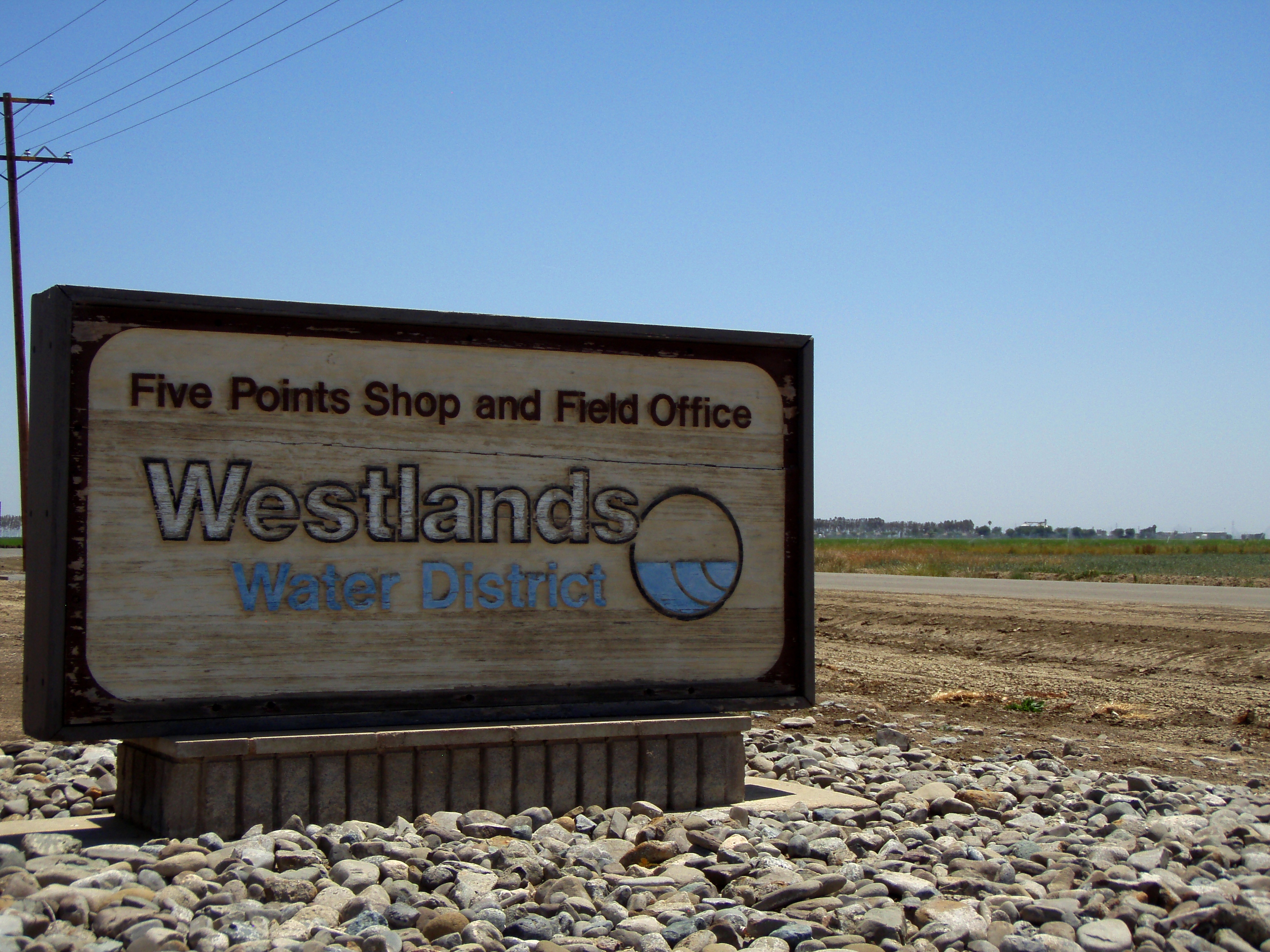
Westlands Water District Announces Recipients of the West Side Scholarships

Six outstanding high school seniors from communities on the west side of the San Joaquin Valley have been selected to receive scholarships offered by the Westlands Water District.

The 2014 scholarships are offered by Westlands under a program to recognize and reward exceptional academic achievement and leadership by graduating seniors at area high schools.

The recipients of the 2014 scholarships are:

Jose Arias, a senior at Firebaugh High School. Mr. Arias is an honors student who plans on attending University of California, Davis to pursue a degree in biochemistry and molecular biology.

He was involved in soccer, track and field, and cross country. Additionally, he has received a number of awards including a Certificate of AP Scholar Award, Student of the Month and Certificate of Academic Excellence.

Jorge Santillan, a senior at Mendota High School. Mr. Santillan plans to attend University of California, Santa Barbara to pursue a degree in psychology. He is an honors student and has been an active member of MESA, AVID, Leadership, was President of Lend-A-Hand and an ASB Treasurer. As President of Lend-A-Hand, he helped organize blood drives, food drives and toy drives.

John Desfosses, a senior at Coalinga High School. Mr. Desfosses plans to attend University of California, Berkeley to pursue a degree in history. He is an honors student who was a President and former Vice-President of Fellowship of Christian Athletes and former Vice President and Treasurer of the California Scholarship Federation.

Emma Larson, a senior at Lemoore High School. Ms. Larson plans to attend University of California to pursue a career in agricultural communications. She is an honors student and a member of the California Scholastic Federation. Additionally, she has been an active member of Future Farmers of America holding several leadership positions.

Alexis Garcia, a senior at Tranquillity High School. Mr. Garcia plans to attend University of California, Berkeley to pursue a degree in integrative biology. He is an honors student involved in Future Farmers of America, ASB Leadership and basketball.

Rianne Banuelos, a senior at Riverdale High School. Ms. Banuelos plans to attend Westmont College to pursue a degree in art and English. She is an honors student who was actively involved in Link Crew, Physics Club, Student Government and Leadership Class. Additionally, she has participated in a considerable amount of volunteer work.

Each scholarship recipient will receive $1,000 to be used for community college or university expenses. Applicants were judged on their academic performance, school activities and community leadership. Each applicant submitted an essay on an agricultural-related topic.

“Westlands is honored to provide this assistance for these outstanding student leaders,” said Tom Birmingham, general manager of Westlands. “These scholarships represent a small gesture of thanks and support to the communities on the west side of the San Joaquin Valley that make our region such a productive and vibrant place.”

Cal Ag Today would like to congratulate each of these outstanding students on their achievements and wish them the best of luck on their future endeavors.

2016-05-31T19:35:27-07:00June 11th, 2014|

UC Researchers Trying to Understand Roll of Green Waste and Manure

Almond Growers Are Asked to Return Survey

Researchers are trying to find out the benefit of adding green waste from animal manure and adding it to the soil of permanent crops, and they  are looking for information from local growers.

A team of UC Davis and UC Merced researchers are trying to find how and why fruit and nut growers are using organic matter amended to their soils. These amendments might include green waste composted or non composted animal manure.

The goal of this survey is to help develop better approaches so the organic matter amendment can be used more safely, according to Daniel Schellenberg, postdoctoral scholar at UC Davis, who is the coordinator of the project.

“We’re hoping to find out the benefit to the orchard for using these types of materials and how they might improve environmental quality but as well as to find out are they benefit tree nutrition are they changing the biology in the soil, or they simply increasing the capacity of the soil to hold water.” said Schellenberg.

All California almond growers will be getting a survey in their mailboxes this week.

“We’re working with in partnership with the Almond Board of California we were able to have a mailing that will go out to almond growers about their practices and have also built a website that will allow all growers of trees, fruits, and nuts to be able to take the survey.” said Schellenberg

The survey can be found here.

Previously, the Almond Board of California stated that growers should not use these amendment due to food safety, but there has been no field trials to show the risk. A research goal is to find how amends can be used safely, and to determine how much nitrogen certain amendments can provide for tree and  vines.

2016-05-31T19:35:27-07:00June 10th, 2014|
Go to Top