POLICY UPDATE ON FOOD SAFETY MODERNIZATION ACT
TODAY, Dave Runsten, Policy Director, Community Alliance with Family Farmers (CAFF), a non-profit organization that advocates for California’s family farmers and sustainable agriculture, posted the following FSMA Policy Update:
AG THEFT CASE RESOLVED
After a cooperative effort spreading word about an implement carrier theft in Sutter County last week [reported by California Ag Today], the grower who owns the equipment found yesterday afternoon that it had been returned – to his driveway. The thief remains unknown, but Sutter County Sheriff’s Department says the grower is pretty pleased.
The Ag Crime Alert thanks everyone for keeping an eye out.
RED BLOTCH ON GRAPEVINES NOT NEW
By Laurie Greene, Associate Editor
![]() |
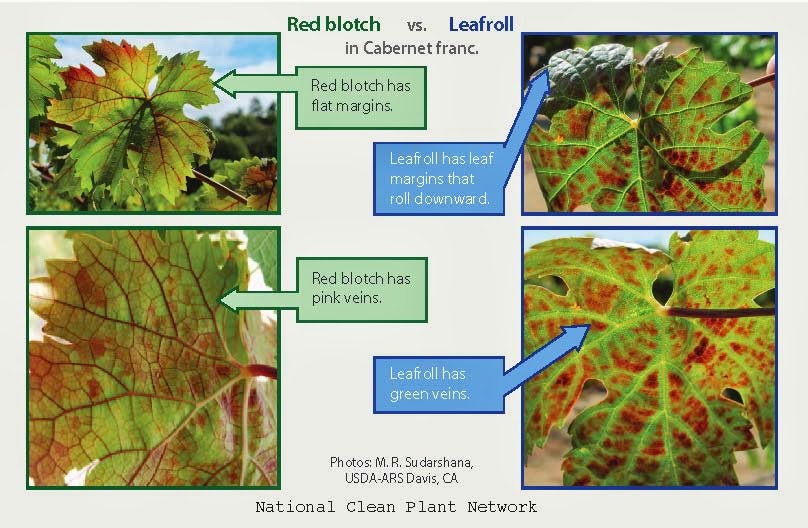
| Red blotch leaf symptoms on a Cabernet Franc vine. Photo by Marc Fuchs. |
The virus has been shown to be graft-transmissible and is likely responsible for the wide geographic distribution. Thus far, disease symptoms have been observed in vineyards planted with red grape varieties such as Cabernet Franc, Cabernet Sauvignon, Merlot, Petite Sirah, Petit Verdot and Zinfandel.
- National Clean Plant Network’s Red Blotch FactSheet
- NVGBest Practices: Clean Plant Material
- Transcriptof the questions from National Clean Plant Network webinar on Red Blotch disease participants
AG CRIME MEETING ON DEC. 6
GROWERS PLAN NEW STRATEGIES TO COMBAT WEED RESISTANCE
In the survey, growers identified how they plan to change their programs in 2014. More than two-thirds of growers indicated that they would be applying a pre-emergence herbicide this season and more than half of growers are planning to add an additional herbicide to their existing program. Additionally, 50 percent of growers plan to use more than one site of action and 47 percent said they plan on using overlapping residual herbicides to control resistant weeds.
CALIFORNIA RANCHERS WEIGH OPTIONS AS DRY SPELL LINGERS
![]() |
|
| Jim Gates of Nevada County, Photo/Ching Lee |
USDA, EPA PARTNER TO SUPPORT WATER QUALITY TRADING
“New water quality trading markets hold incredible potential to benefit rural America by providing new income opportunities and enhancing conservation of water and wildlife habitat,” Agriculture Secretary Tom Vilsack said. “Additionally, these efforts will strengthen businesses across the nation by providing a new pathway to comply with regulatory requirements.”
Water quality trading is an innovative approach for achieving water quality goals at lower cost. Water quality trading can also provide additional environmental and economic benefits, such as air quality improvements, enhanced wildlife habitat, carbon capture and storage, and new income and employment opportunities for rural America.
USDA and EPA will:
- Coordinate and enhance communications and outreach to states, agricultural producers, regulated sources, and interested third parties on water quality trading;
- Engage expertise across agencies in the review of grants, loans or technical assistance programs focused on water quality trading;
- Share information on the development of rules and guidance that have the potential to affect water quality trading;
- Collaborate on developing tools and information resources for states and credit generators to guide decision making, reduce costs in program design and implementation, improve environmental performance, and foster consistency and integrity across regional initiatives;
-
Co-host a workshop by 2015 to share tools and resources available to assist in stakeholder decision making and opportunities.
CITRUS GROWER TAKES PRECAUTIONS AGAINST FREEZE
![]() |
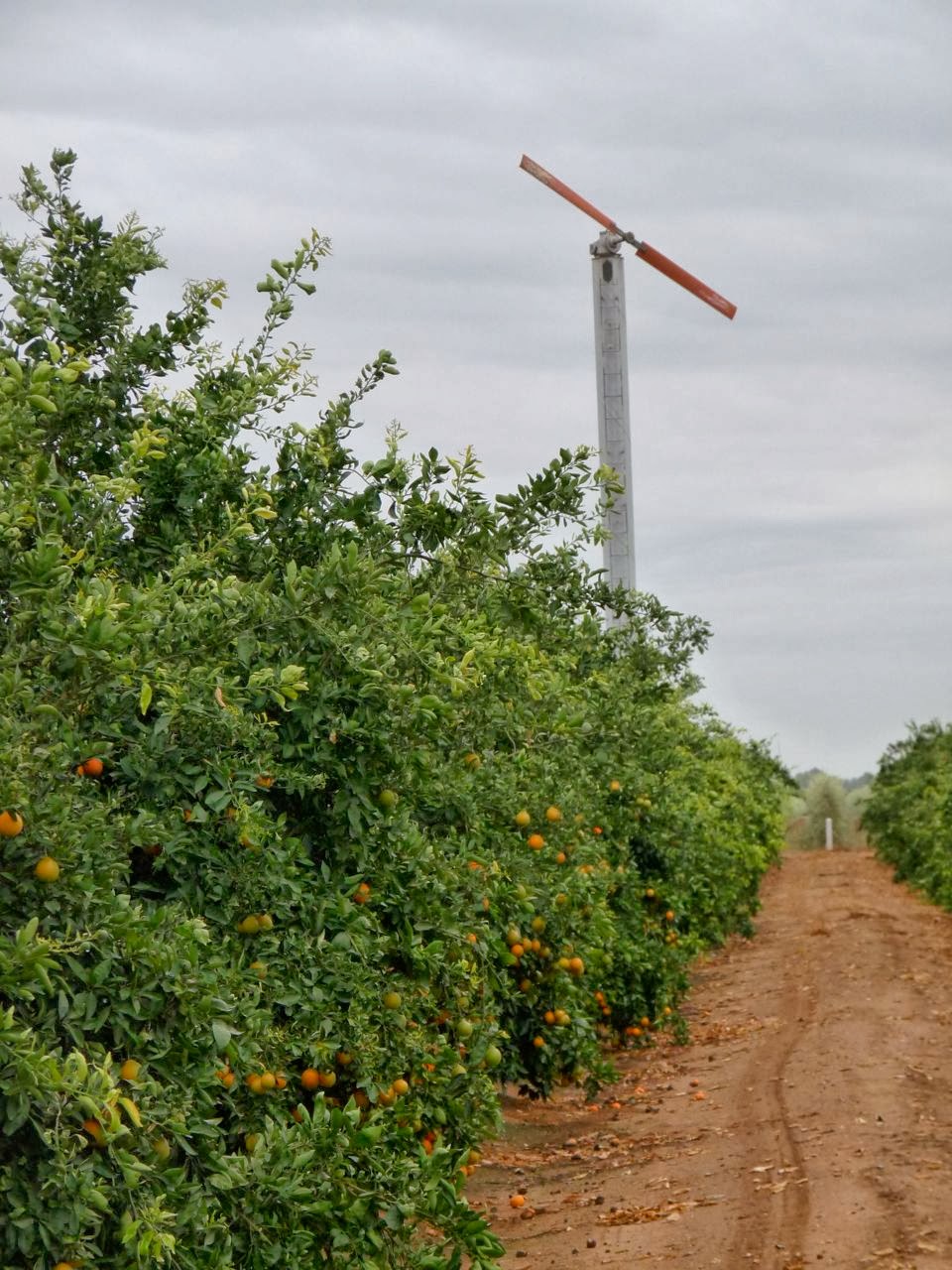
| A Wind Machine Standing By to Help Protect
Citrus as a Freeze Moves into the Valley.
|
FARM TO FOOD BANK MONTH: AG SURPLUS AGAINST HUNGER
- We collect nutritious and fresh surplus vegetables, fruits and salads and from local growers and shippers.
- We consolidate the surplus produce at our cooler.
- We distribute the produce to food banks and non-profit agencies.
- Food banks and agencies give the fresh produce at no cost to people in need.
Ag Against Hunger has started a new program with the Grower-Shipper Association Foundation, HELP, the Food Bank for Monterey County and Fresh from D’Vine in an effort to get more fresh and nutritious produce into local schools. The More Produce for Schools program provides students in Monterey County with a more balanced lunchtime meal that includes fresh produce. Currently, there are five school districts enrolled in the program: Salinas Union High School, Alisal Union, Greenfield, King City, and North Monterey County.
![]() |
|
Gleaning session – photo courtesy of Ag Against Hunger
|