How Homeowners Can Help Stop Citrus Greening

Homeowners with a citrus tree in their yard are an important part of the defense in keeping the Asian Citrus Psyllid out of the San Joaquin Valley. It’s important since the insect vectors a deadly disease on citrus.

Kevin Severns is a citrus grower and chairman of the California Citrus Mutual, based in the Tulare county town of Exeter. Severn says homeowners are an integral part of the picture.

“More homes than not and certainly more neighborhoods than not, have citrus trees in them. Certainly in the San Joaquin Valley and Southern California as well. In fact, in Southern California there is actually more acreage in backyards than there is in the rest of the citrus industry combined. So the homeowner is key to us winning this fight against the Asian Citrus Psyllid.”

Severns gives some pointers on what homeowners can do to prevent the spread of the Asian Citrus Psyllid.

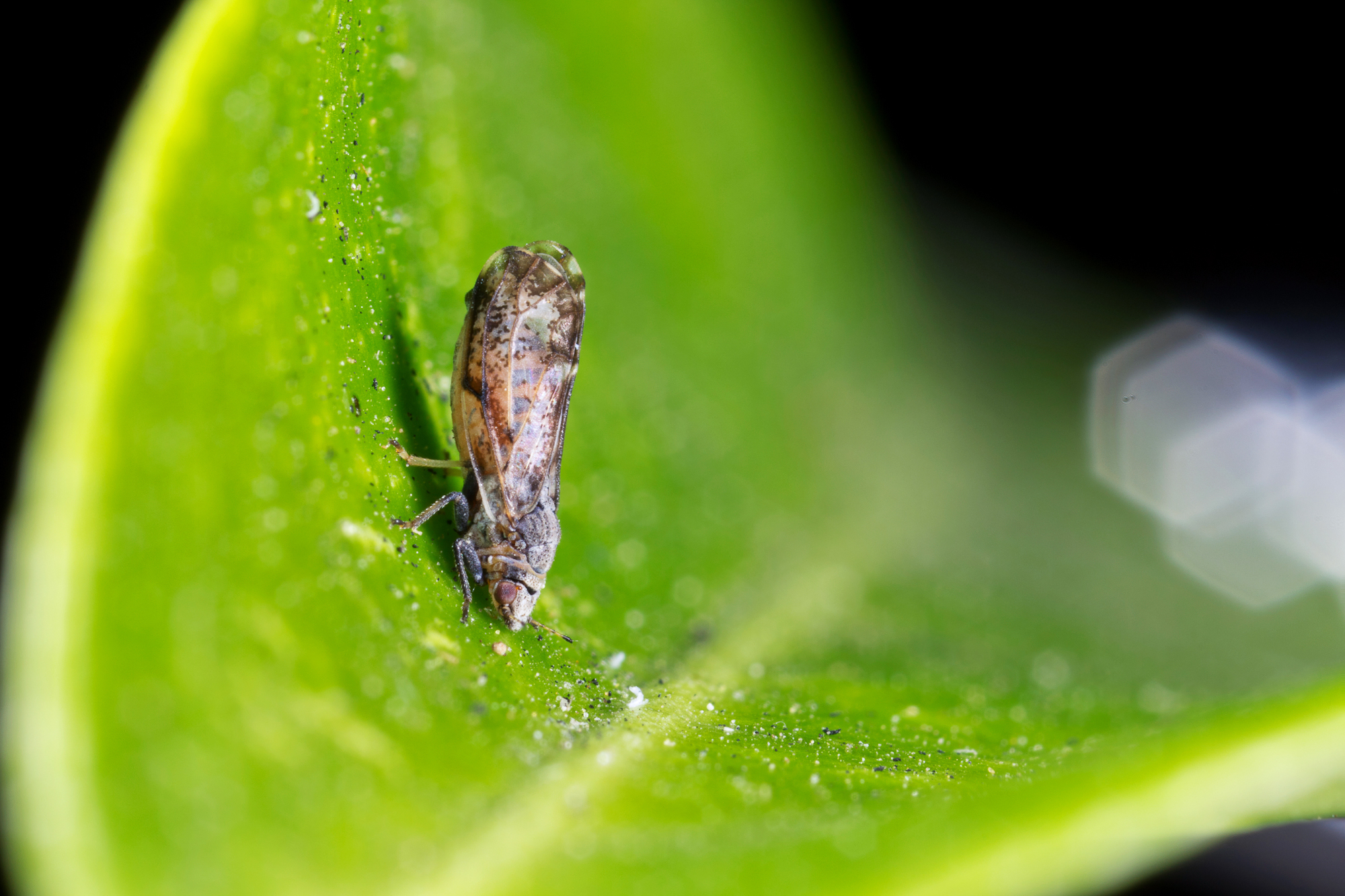
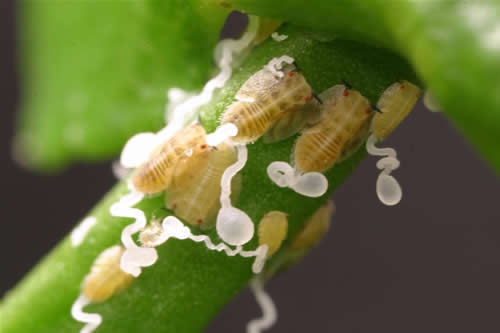
“So what they can do for us is actually a couple of things. They can go out and inspect their trees for the Asian Citrus Psyllid. We have a lots of materials that are available for them to be able to identify the bug,” said Severns. “Essentially what it looks like is little tiny spikes or thorns, on the back of the leaf. If a homeowner certainly sees something like that, the best thing for them to  can do is call the County Ag Commissioner’s office and they can bring someone out who can positively identify it.” he added.

Severns said homeowners also should be looking at the symptoms of  Huanglongbing disease, also known as citrus greening, which is the disease the ACP carries.

“Stunted growth on the tree, yellowing on the tree, and fruit that is oblong and misshapen. So all this together they can help us look for [Asian Citrus Psyllid]. One other thing they can do is to not bring plant material in from other areas that are heavily infested with the Asian Citrus Psyllid, that is a huge deal for us. So all those things together, if they can help us be vigilant on this, that would just be huge in us winning this fight and keeping them out of the Central Valley.”

For more information on this disease, go to CaliforniaCitrusThreat.org

2016-05-31T19:35:26-07:00June 11th, 2014|

U.S.: Limoneira Raises 2014 Income Guidance

U.S. lemon and avocado business Limoneira Company (NASDAQ: LMNR) recorded a sharp year-on-year rise in lemon sales in the second quarter, and buoyant prices for the fruit have led to a substantially higher income guidance for 2014.

The company’s lemon sales increased 17% during the period to reach US $18.1 million, and costs were only slightly up by US $700,000 amid acquisitions of Associated Citrus Packers and Lemons 400.

With the much higher sales and only a marginal increase in costs, operating income surged by 35% to US $3.2 million. EBITDA was down 2.3%, but it is important to note the company gained US $3.1 million in the second quarter last year by selling stock in Calavo Growers (NASDAQ: CVGW).

“Based on lemon prices we are currently enjoying, our results for the first six months of fiscal 2014 and our positive outlook for the back half of the year, we are raising our previously issued guidance for the full year results of operations,” said chief executive officer Harold Edwards.

“Importantly, even with the well-publicized drought in California, we continue to believe that our extensive water rights, usage rights and pumping rights will provide us with adequate supplies of water as we begin our seasonally strongest quarter of the year.”

The company said that with higher lemon prices expected, it has pushed up its previous operating income guidance from US $7 million to a range of US $10.6-11.8 million.

Limoneira said this approximately represented a 100% increase over its 2013 operating income of US $5.4 million.

“The expected increase in operating income is primarily due to the additional lemon revenue generated by the acquisitions of Associated and Lemons 400 and increased lemon prices, partially offset by lower expected avocado revenue,” the company said.

“Fiscal year 2014 pre-tax earnings are anticipated to be $11.3 million to $12.4 million compared to previous guidance of approximately $8.1 million, which is similar to fiscal year 2013 pretax income.”

After hours trading was strong for the stock, with shares up 3.54% at the time of writing.

2016-05-31T19:35:27-07:00June 10th, 2014|

New ACP Quarantine in Tulare

Big Effort in Place to Minimize ACP Spread

Too many local growers, its about eliminating and controlling the spread of the invasive insect which can carry a deadly disease on citrus known as citrus greening.

Gavin Iacono, a Deputy Ag Commissioner for Tulare County, where a new quarantine for asian citrus psyllid has been established.

“With this latest finds in the Ivanhoe area, the CDFA has expanded the quarantine which means now that it will connect the Dinuba area quarantine and then the rest of the county quarantine,” said Iacono. “So that realistically now the quarantine a goes from almost the Reedley area all the way down to just south of the Kern County line. Through the whole citrus belt area now.” He added.

Iacono notes that restrictions found in the quarantine.

“Well with the quarantine, it everything  thing will be the same as previously to move fruit outside the quarantine. It has to either has to be field cleaned or would to have to have a spray treatment on the orchard prior to picking and then moving. But any fruit that is staying within the quarantine it has no restrictions whatsoever, it can move freely within the quarantine.” said Iacono.

Iacono says the fruit is safe once it gets inside the packing house.

“Once the fruit has gone through the packing process, its no longer considered a host of the asian citrus psyllid, so then they’re free to be able to ship it anywhere they want to.” said Iacono.

And while the CDFA hasn’t made an official statement, it was reported yesterday that a new ACP has been discovered in a trap, west of Farmersville, in Tulare County.

We will keep you updated.

2016-05-31T19:35:27-07:00June 6th, 2014|

CA Drought Devastates State’s Citrus Industry – June 6 in Bakersfield Orchard

California Citrus Mutual and Senators Fuller and Vidak to hold Press Conference June 6, 11:00 a.m. 

Please join California Citrus Mutual, Senator Andy Vidak and Senator Jean Fuller for a press conference on the current water crisis and its devastating impact to the Central Valley’s $1.5 billion citrus industry and local communities.

Senator Jean Fuller

Senator Jean Fuller

Senator Andy Vidak

Senator Andy Vidak

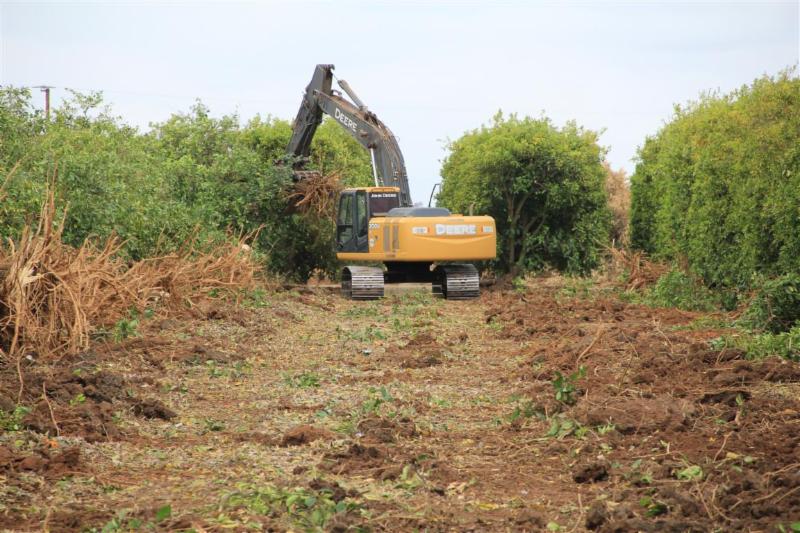
The event is on Friday, June 6 at 11:00 a.m.in a Bakersfield citrus grove that is being pulled out of production due to zero surface water allocation [21662 Bena Rd., Bakersfield, CA]. The scene of removed groves is, unfortunately, becoming a familiar one throughout the Valley as citrus growers are faced with zero water allocation for the first time in the Central Valley Water Project’s history.

“The situation our industry is now faced with is not the result of a drought,” says CCM President Joel Nelsen. “It is the result of inaction and indifference by state and federal regulators who have time and again demonstrated that the production of food and fiber is not a priority.”

California Citrus Mutual estimates that nearly 50,000 acres of citrus will receive zero water allocation this year. “The loss of citrus production in the Central Valley will undoubtedly have a ripple effect that will be felt in many local communities,” continues Nelsen.

“Due to the zero water allocation, thousands of acres of citrus trees have already been destroyed resulting in higher food prices and lost jobs,” says Senator Fuller. “Now is the time for regulators to act on behalf of the farmers and residents of the Valley, get the water moving to where it is needed most, and stop the planned removal of thousands of more acres of citrus.”

California Citrus Mutual President Joel Nelsen

California Citrus Mutual President Joel Nelsen

“The citrus industry is an economic driver in the Central Valley,” says Senator Vidak. “The loss of prime citrus production as a result of zero water allocation will have a lasting and devastating impact on jobs and our communities. This is not simply an agricultural problem; the impact will be felt by each and every one of us if water is not made available to our Valley.”

Speaking at the press conference will be CCM President Joel Nelsen, Senator Andy Vidak, and Senator Jean Fuller along with Valley citrus growers who have been directly impacted by this water crisis.


(Photo credit: California Citrus Mutual)

2016-05-31T19:35:28-07:00June 4th, 2014|

Could CDFA’s ACP Control Policy Devastate Our Citrus Industry Like Florida’s?

Citrus Industry is Fired Up Over Softened ACP Control Policy

By Patrick Cavanaugh


It seems that CDFA officials are giving up on controlling the Asian Citrus Psyllid (ACP) in Central California citrus growing areas! It sure looks like it.

Ever since the May 12 ACP trappings in the Lindsay area of Tulare County, there has been a major back-step in what has been an aggressive mandatory spray program to control any possible live psyllids within an 800-meter radius around the trap.

Now CDFA is suggesting that the spray programs should be voluntary and only 400 feet around the trap find.

According to Joel Nelsen, president of the Exeter-based California Citrus Mutual, “The conversation relative to the change in eradicating or treating for the ACP came about with a discussion between a few members of the scientific community and the department.”

“Frankly, the industry was unaware of this possible change in the program. When it was first released to the AG commissioner, it shocked everybody–is my understanding,” Nelsen said.

“And as a result, last Friday afternoon, the executive committee members from our pest and disease management committee had a very direct conversation with senior leadership of the CDFA. I understand that the conversation was extremely candid, somewhat emotional; if the industry to is going to be supporting a program to the tune of 15 million dollars, they want a say in how the program is run. And evidently, the Department of Agriculture is making some subjective decisions that we don’t believe are appropriate.”

“From my perspective, there were mistakes made at the onset of this program that we had to learn from; and if we don’t take seriously—psyllid control, psyllid control, psyllid control!—we’re going to end up in the same type of quandary that our colleagues in Florida, Texas, Mexico and even Brazil are in.

Too many psyllids, an endemic population, some of which will contract citrus greening disease and eventually contaminate citrus trees, could devastate central California’s $2 Billion industry. “If we even allow one psyllid to continue to foster a population, then we have failed at our effort. And so from the perspective of Citrus Mutual, we are in an eradication mode,” Nelsen said.

“We are in a position in which we can find isolated psyllids and treat, and we are in position where continuous trapping and tapping (with bats and trays in searching for psyllids) and intensive trapping is not finding an endemic population. So for the department to argue that the population is endemic, its a ‘what if’ scenario that we don’t think is appropriate.”

Nelsen said that the pushback by his pest and disease management committee might have made a difference. “I haven’t received anything, but I think that conversation last Friday afternoon yielded some intended results. There’s a reconsideration, and I give a lot of credit to the industry members who stood up the department; but until it happens, its not real,” he said.

2021-05-12T11:06:01-07:00June 3rd, 2014|

USDA Launches New “Healthy Eating on a Budget” Section of ChooseMyPlate.gov Site

Source: CDFA

The U.S. Department of Agriculture has unveiled Healthy Eating on a Budget – the newest addition to ChooseMyPlate.gov. Consumers continue to want more information about how to make better eating decisions with limited resources.

To meet this need, the USDA’s Center for Nutrition Policy and Promotion (CNPP) developed the new resource to include easy-to-use and insightful information about planning meals, shopping smart in the grocery store, and preparing foods that save money and time in the kitchen.

“Although healthy foods aren’t always more expensive, many low-income people face time and resource challenges when it comes to putting healthy food on the table,” said Agriculture Secretary Tom Vilsack. “Promoting nutritious food choices can have a positive impact on improving the health and diet quality of Americans. USDA offers a broad spectrum of strategies to empower low-income families to purchase healthier foods.”

Consumers who visit the Healthy Eating on a Budget section of ChooseMyPlate.gov will learn ways to plan, purchase, and prepare healthy meals. The new web pages provide families with tips and strategies to help save money and plan a healthier diet.

The new section includes the latest addition to the MyPlate 10 Tips Nutrition Education Series, Save More at the Grocery Store which emphasizes simple-to-use tips to help consumers make decisions as they walk down a supermarket aisle. Dozens of additional strategies are featured in the new section including using unit pricing, reading food labels to compare items, and checking sales on store brands.

“This resource not only demonstrates that it is possible to eat healthfully on a budget, but it shows how,” said CNPP Deputy Director Jackie Haven. “These new pages complement our existing resources on ChooseMyPlate.gov, allowing consumers to figure out how to improve their nutrition, and how to make it affordable.”

Healthy Eating on a Budget supports other initiatives in progress at USDA to encourage healthy eating among more Americans.

With so many food options available, it is often difficult for consumers to determine the best foods to put on their plates when the budget is tight. Healthy Eating on a Budget provides practical information to help more Americans understand their options and supports USDA initiatives to help families make healthy eating a priority in their daily lives.

2016-05-31T19:35:29-07:00May 30th, 2014|

Want to be happier? Eat your Fruits and Vegetables!

(Sources: Silver Lining Psychology blog and cited original research sources, all linked in the text; Photo credit)

When you were a kid, did your parents urge you to eat your vegetables? Did they reason that eating vegetables was part of a nutritious diet that would help to make you big and strong? What they didn’t know at the time, was that a well-balanced vegetable-rich diet also contributes to people feeling happier and attaining  greater emotional wellbeing, and research supports this finding.

***

The Psychology Department at the University of Otago in New Zealand asked 281 young people in 2013 to complete a 21-day online food diary. Head researcher, Dr. Tamlin Conner, said, ‘On days when people ate more fruits and vegetables, they reported feeling calmer, happier and more energetic than they normally did.’

Further analysis demonstrated that young people would need to consume approximately seven to eight total servings (the size that could fit in your palm, or half a cup) of fruits and vegetables per day to notice a meaningful positive change. Furthermore, eating fruits and vegetables predicted improvements in positive mood the next day, suggesting that healthy foods may improve mood. (Daily Mail Reporter)

***

In another study, in 2012, of 80,000 British adults found that high emotional wellbeing increased with the number of fruit and vegetables consumed daily. Like the previously-mentioned study, well-being peaked at approximately 7 portions per day.

***

A study of 5,731 Norwegian adults found that individuals who consumed a healthy diet were less likely to be depressed compared to those who ate a more typical Western diet filled with processed foods.

This study also found that a higher intake of processed and unhealthy foods is associated with increased incidence of anxiety.

***

In another study, these same researchers found in 2011 that a balanced and nutritious diet was associated with better mental health in a sample of 3040 Australian adolescents, compared to those who had a diet that was rich in processed foods.

***

The effects of nutrition on mental health may start in the womb, according to a study of the diets of Norwegian mothers during pregnancy and that of their children at various points during their first 5 years. Results showed that babies who were exposed to more unhealthy foods during pregnancy had more behavioral and emotional problems during early childhood.

***

Diet can also affect your cognitive abilities. Researchers provided twenty sedentary men a nutritionally balanced diet or a high-fat diet for seven days. Compared to the control group, the high-fat group showed decreased memory and attention.

***

The bottom line?  What you eat not only affects your body, it affects your mind.  Make the effort to eat a nutritionally-balanced diet that is filled with natural food sources and low on refined and processed foods.  Aim for 7-8 servings of fruits and vegetables a day.  Not only will it make you big and strong, it will also make you happier!

2016-05-31T19:35:30-07:00May 27th, 2014|

Senate Drought Bill Passes, Westlands Expresses Appreciation

This evening, the United States Senate passed, by unanimous consent, the Emergency Drought Relief Act, a bill to provide federal and state water agencies with additional flexibility to deliver water where it is most needed during California’s historic drought. The legislation, sponsored by Senators Dianne Feinstein and Barbara Boxer (both D-Calif.), Harry Reid (D-Nev.) and Dean Heller (R-Nev.), must now be reconciled with a separate bill passed by the House of Representatives.Dianne_Feinstein_official_Senate_photo_2

“Getting this bill passed was a true team effort.” Senator Feinstein credited the individuals above and added,  “Senator Murkowski, ranking member of the Committee on Energy and Natural Resources, displayed true bipartisanship in working across the aisle to address this disaster.”

Other cosponsors of the drought bill include Senators Robert Casey (D-Pa.), Dick Durbin (D-Ill.), Mazie Hirono (D-Hawaii), Jeff Merkley (D-Ore.), John Rockefeller (D-W.Va.), Debbie Stabenow (D-Mich.) and Ron Wyden (D-Ore.).

Senator Feinstein commented, “The drought in California is devastating and shows no signs of letting up. Snowpack is at 6 percent of its normal level and the state’s largest reservoirs are at or below half capacity. Congress must take immediate action to help alleviate the suffering of farmers, workers, businesses and communities throughout the state.”

Westlands Water District Round LogoWestlands Water District General Manager Thomas Birmingham issued the following statement on the drought bill passage:

“Passage of this legislation by the Senate marks an important milestone in the effort by members of California’s congressional delegation from both sides of the aisle to provide some relief from the disastrous human and economic impacts of drought and restrictions imposed on operations of the Central Valley Project and State Water Project under the Endangered Species Act and other federal regulations.

The fact that this bill passed by unanimous consent is a testament to the hard work of Senator Feinstein, with support from Senator Boxer and members of the House of Representatives, to explain to senators from other states the urgent need for and the importance of this legislation to the people of California.”

“Westlands Water District expresses its great appreciation for the hard work of Senator Feinstein and her colleagues in obtaining passage of this legislation. We look forward to working with Senator Feinstein and Members of the House in their efforts to reconcile this legislation with legislation that has already passed in the House.

It is Westlands’ hope that this process can begin quickly, and we are confident that Senator Feinstein and her colleagues in the House will be able to identify common sense solutions that will restore water supplies, while providing reasonable protections for fish.

The tens-of-thousands of people who otherwise will be unemployed and the welfare of people around the state depend on a meaningful compromise being reached quickly.”


Photo Credit: Westlands Water District Ranch on loopnet.com


2016-05-31T19:35:31-07:00May 23rd, 2014|

Ventura County ACP Report Less Than Uplifting

Joanne O’Sullivan, a licensed PCA and QAL (Qualified Applicator), and a Citrus Pest & Disease Prevention Program Grower Liaison in Ventura County, reported TODAY that four new urban settings with 25 or more citrus trees on the property have been discovered in Asian citrus psyllid treatment areas in recent weeks. These four finds are within the same area as the commercial Camarillo find in March.

CDFA deems these orchards also as commercial; therefore, the homeowners are financially responsible for the treatment.

O’Sullivan said, “The first two homeowners I contacted were more than willing to cooperate and take on the financial costs of spraying. They understand it is necessary for the benefit of both their trees and the health of Ventura County’s citrus industry. The third homeowner opted to remove 15 of his trees and CDFA then sprayed the remaining ten. The last and remaining homeowner will take a bit more convincing, but I am confident they will come to see the great benefits of working with us.”

“On a less uplifting note,” O’Sullivan continued, “it has been an unlucky month for Fillmore and Piru producers. Piru has been hit again in the Bardsdale area with two ACP confirmations in the same week. These same growers had completed the ACP psyllid spray protocol in November of last year. It goes without saying that the producers are less than delighted to be repeating treatment again so soon.”

She reiterated a very important element in the ACP/HLB program,
”The goal of the [Ventura County ACP-HLB] Task Force has been to delay as long as possible the introduction of HLB into Ventura County. As a result of the progressive and aggressive work from producers, packers, pest advisors, operators and the CDFA and county trapping programs, Ventura remains one of the most successful ACP/HLB programs in the state.

A critical element of ACP treatment protocol for organic growers is the importance of scouting post-treatment. All blocks must be aggressively monitored following applications, using the sampling protocol that is included in the ACP CONFIRMATION IN YOUR AREA packet.

Current protocol requires organic producers to sample every two weeks after the third treatment. Sampling every two weeks allows the grower to document control. Early detection and swift eradication is our best defensive against the introduction of HLB and its devastating effects on Ventura citrus producers.

Every producer – commercial and organic – should be familiar with the signs of Asian citrus psyllid. Literature on identifying ACP is available at the CRB, UCIPM, UC Cooperative Extension as well as from CDFA. Share it with your workers. If you have any doubts about your ability to identify adults, nymphs, and eggs, please contact me, I am always glad to meet with you on your ranch and help you scout.

In closing, I was forwarded an interesting short news article outlining the economic hit Florida has taken as the result of HLB, with annual production dropping from 1,000,000 boxes of fruit to 750,000. This news story is a not- so-gentle reminder of why it is vitally important that everyone working together in a cooperative spirit can keep Florida’s scenario from happening in California.

Take a look:

https://uk.news.yahoo.com/us-orange-production-hit-disease-041911170.html#rOCRoWr

And let’s all keep up the diligent efforts that help keep Ventura’s citrus industry strong.


CPDPP

The California Citrus Pest & Disease Prevention Program is a grower-funded program administered by the Citrus Pest & Disease Prevention Committee, which was established to advise the California Secretary of Agriculture and the agricultural industry about efforts to combat serious pests and diseases that could threaten our state’s citrus industry.

Key responsibilities are:

  • Develop informational programs to educate and train residential owners of citrus fruit, local communities, groups and individuals on the prevention/detection of pests, diseases and their vectors specific to citrus.
  • Develop programs for surveying, detecting, analyzing, and treating citrus pests and diseases.
  • Set box assessment to help pay for citrus pest and disease detection, treatment and educational outreach programs.

Photo Credit: UC ANR News Blog

2016-05-31T19:35:31-07:00May 20th, 2014|

UC Davis Report Shows Startling, Accurate Water Crisis Snapshot

The report issued today by the California Department of Food & Agriculture and the University of California, Davis presents an accurate water crisis picture of the reality resulting from federal decisions that will reduce the production of food and fiber, according to California Citrus Mutual.

Unfortunately, this picture is not complete. The report indicates the losses which have been incurred to-date, but does not and cannot begin to predict future impacts as permanent crops continue to be ripped out of production as we enter into the hottest months with zero access to surface water,” says CCM President Joel Nelsen.

“The report is a compilation of what the authors know is happening as a result of April calculations. Since then, the Bureau of Reclamation has challenged the Administration’s focus on obesity prevention, school lunch programs, and other campaigns focused on healthy eating by holding water that could otherwise be used for the production of food and fiber.

As such, growers are being forced to make difficult farming decisions that have and will continue to result in reduced plantings of annual crops and the removal of permanent crops.

“If there is a flaw in the report, it is the assumption that ground water supplies are available to offset surface water loss, which may be true in some production areas but certainly not all.

The authors do fairly acknowledge that the impacts to the Friant service area in particular are not yet calculated into this water crisis report.

“The report demonstrates the costs associated with the inability of the Central Valley to produce a viable crop due to zero or minimal water allocation.

As the actions of the shortsighted agencies manifest themselves into reality, the cost will be borne for years to come until permanent crop plantings are replaced and production is regained. Production, revenue, and jobs are in abeyance for several years to come.”

Image courtesy of TeddyBear[Picnic]/FreeDigitalPhotos.net


2016-05-31T19:35:32-07:00May 20th, 2014|
Go to Top