Heat Illness Prevention: Warning for Farmworkers This Week

Heat Illness Prevention

Extreme Heat Wave Expected to Continue Throughout this Week


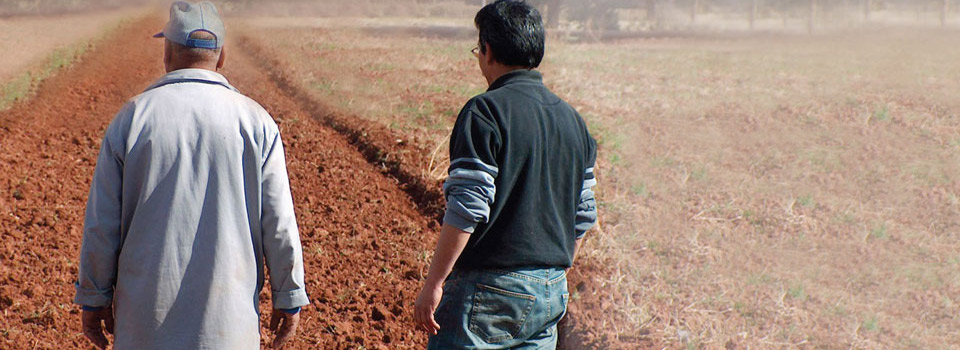
With really high temperatures throughout the Central Coast, Cal/OSHA will probably focus enforcement in coming days in these areas. Please remember the key points of compliance with the Heat Illness Prevention Standard:Heat Illness Prevention


* Water — 1 quart per worker per hour, with a plan for replenishment throughout the work shift


* Shade — enough for 25% of the crew working at the location; use of natural shade is acceptable if no shadow is cast; air-conditioned vehicles are acceptable; provided at all times when temperature exceeds 85 degrees


* Rest — allow workers to rest in shade if they feel the need for no less than 5 minutes


* Training — workers & supervisors must be trained about heat illness and emergency response procedures before being exposed to heat


* High-Heat Procedures — ensure effective communications in case of emergency; observe employees carefully for signs of heat illness; remind employees to drink water throughout the shift; closely supervise un-acclimatized employees for first 14 days of exposure to high heat
2017-05-04T16:51:11-07:00May 14th, 2014|

Central SJV Growers Frustrated Re: 100% Water Allocations in Northern California

Cannon Michael: There is a Complete Lack of Common Sense

Water Allocations Unfairly Distribute Suffering in the Central Valley


Feather River growers in Northern California have 100 percent water allocations and it’s very frustrating to Central Valley Farmers.

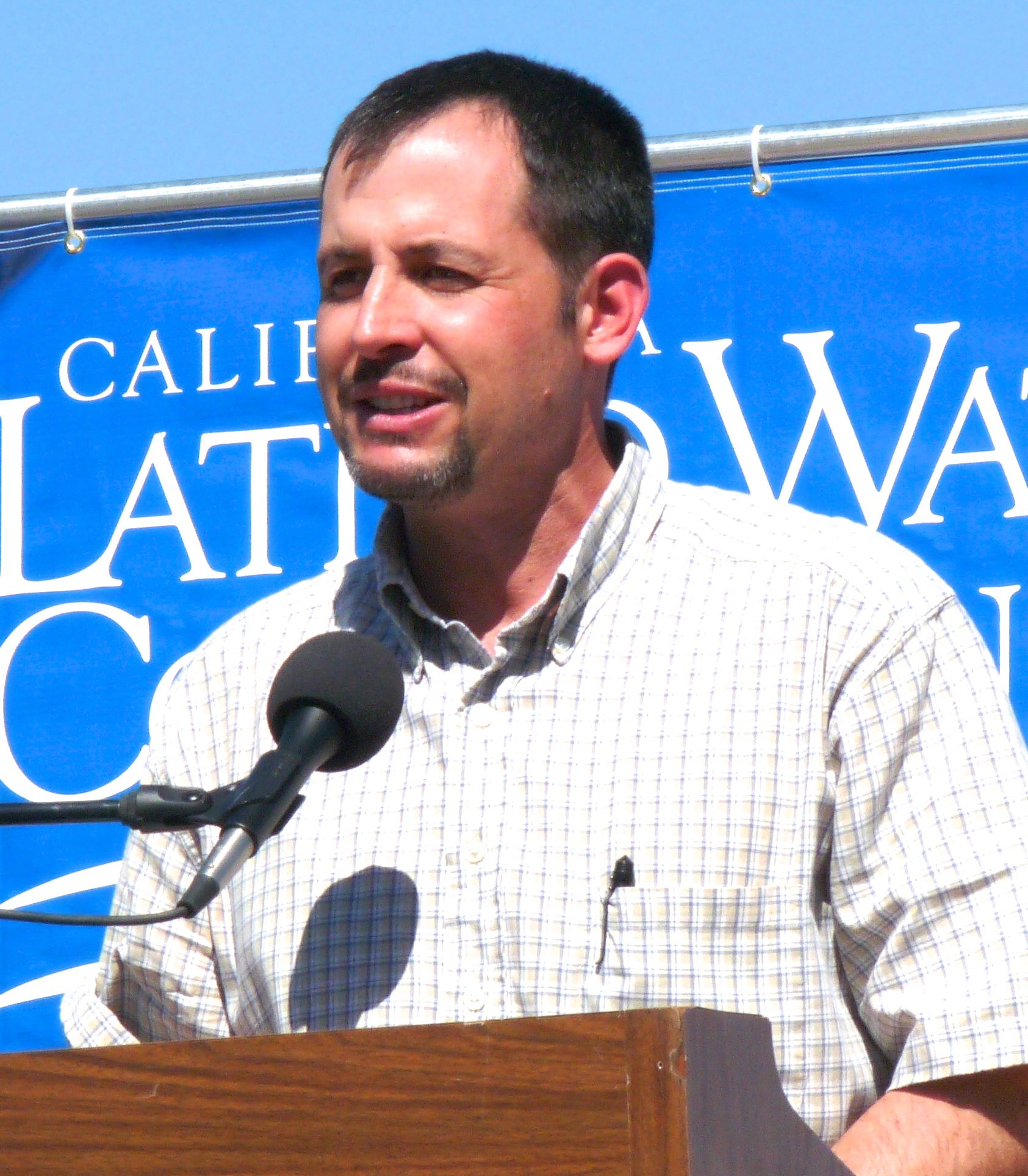
“True, it’s a drought year but there have been opportunities to get water south of the Delta that have been completely blown by mismanagement, over-regulation, a complete lack of common sense, and lack of understanding what the real needs are,” said Cannon Michael, a 6th generation California farmer in Merced County.

“The California Water Resources Control Board, and the Bureau of Reclamation have sent more than 1.8 million acre feet of water out the Golden Gate only for a possible need for fish. When you have such a dramatic need for humans, it’s just insanity; and at a some point, it all has to catch up with a lot of people,” said Michael, who has had to set aside 15 percent of his farm due to no water.

“The people who are regulating and the people who are legislating have insulation from this for a little while, but it eventually is going to catch them,” Michael said. “The problem for me is that these regulations hurt the poorest of the people and the minority community, who are already having a tough time.”

“These regulations and low water allocations are taking away valuable fresh food and milk, and all the things people need for life. It’s taking away jobs and will displace thousands of workers who will have to get in food lines to survive. And this is completely unnecessary,” said Michael.

“There could have been way more water allocations exported safely this year. There were no fish at the pumps and we have the data to prove it,” said Michael.

“We had good storms in February, March and April, but the majority of that water went out the Bay; it wasn’t even close,” said Michael.

“There are too many left-leaning decisions from the California Water Resources Control Board to the 9th Circuit Court in San Francisco, which made a recent ruling that hurt agriculture, agreeing that the Bureau of Reclamation did not consider the safety of the Delta Smelt several years ago when it exporter water south. And then on top of everything, Governor Brown pulls the funding from ag education. It is a constant barrage against agriculture, and when will it ever be enough?” asked Michael.

“There is no respect for California agriculture. There are so many people spinning lies about our industry. Do they want all the specialty crops that they enjoy eating coming from other countries? Again, it’s insanity,” he said.

And Michael said the farmer is always, always held accountable while the environmental community is never held accountable. “There is no accounting for what they use the water allocation for when it’s released it to the ocean. There is no report on what good it’s doing. They are not at all held to the same standards as California Farmers.”

2016-05-31T19:35:33-07:00May 13th, 2014|

California Program Helps Needy Families Buy Fresh Produce at Farmers Markets

Source:  Claire Fleishman

With tight budgets and children to feed, recipients of federal nutrition assistance were rarely seen at farmers markets, where the words “affordable” and “fresh” didn’t often mix. That is changing, thanks to a state program that is in line to get a big boost in federal support.

More and more recipients are stepping up to market managers’ tables, swiping their card from CalFresh (nationally known as SNAP or Supplemental Nutrition Assistance Program), and getting a bonus good for fresh produce.Under the Market Match Program, CalFresh recipients can get $10 a week in bonus scrip for fruits and vegetables for every $10 they spend at farmers markets. Over 30,000 CalFresh participants have used the scrip at 130 markets statewide, creating more than $1 million in additional income for farmers at these markets.

Locally, the bonuses are available at a number of farmers markets, including Altadena, Long Beach and Canoga Park. Federal and state officials are trying to expand the bonuses to other farmers markets to help stem an old problem: low-income recipients using federal nutrition assistance to purchase unhealthful products, particularly high-sugar sodas and junk food.

The matching money comes from the California Market Match Consortium, which was founded five years ago by farmers market operators and community organizations. The consortium is funded by the California Department of Food and Agriculture and a variety of private donors. Recently the Los Angeles County agency First 5 LA, which draws on tobacco tax money to help programs benefitting young children, became a partner.

More funding is on the way. The 2014 Farm Bill allocated $100 million over the next five years for incentive programs. A new California Assembly bill proposes a Market Match Nutrition Incentive Fund of $2.75 million per year for five years, to maximize capture of federal dollars. With these funds, all 854 markets in California could participate. SNAP, formerly known as food stamps, feeds one in seven people in the nation. It dispenses $8 billion in California. But beneficiaries of the program, especially children, also suffer high rates of obesity and diabetes, which have been linked to cheaper, sugary foods.

California has the most cases of diabetics in the nation, and spending in the state to treat the disease in 2012 approached $28 billion, according to American Diabetes Association data. New York City tried to ban the use of SNAP funds for buying high-sugar drinks in 2010. Beverage manufacturers and some civil libertarians objected, and the U.S. Department of Agriculture, which runs SNAP, vetoed the idea.

In lieu of curbing the supply of junk food — a politically unattractive option — public health advocates are working hard to change the demand by making healthful foods cheaper and more attractive.

Carle Brinkman of the Berkeley-based Ecology Center, which assists farmers markets statewide with implementation of electronic benefit transfer programs, said, “Instead of being punitive, we like to incentivize (healthful) food choices. We can give customers who wouldn’t normally shop at farmers markets a boost, and at the same time, send additional funds to small- and medium-size farmers.”

The question now is: Will the incentives change decades of entrenched habits? Initial signs are positive. In Massachusetts, a USDA Healthy Incentives pilot project followed 55,000 SNAP households for a year; some were credited with 30 cents for every dollar spent on targeted produce. Spending on fruits and vegetables was higher for those receiving incentives at a rate that was both “statistically significant and … nutritionally relevant,” the study concluded.

And a recent survey by the California Consortium found that nearly 3 of 4 Market Match shoppers came specifically for the match. They leave with bags of fresh produce and new ideas from nutrition classes frequently held in conjunction with Market Match.

At one market recently, a rapt audience of about 20 women and children absorbed a “Rethink Your Drink” lesson as a dietitian stirred a frosty pitcher of ice water laced with mint and cucumber slices. Delicious, several women agreed, and even cheaper than soda.

2016-05-31T19:35:33-07:00May 9th, 2014|

Grape Consumption May Offer Benefits for Symptomatic Knee Osteoarthritis

New research presented this week at the Experimental Biology conference in San Diego, California, suggests that regular grape consumption may help alleviate pain associated with symptomatic osteoarthritis of the knee, and improve joint flexibility and overall mobility.

Researchers attribute these potential benefits to the polyphenols found in grapes.

The sixteen week clinical study, undertaken by Texas Woman’s University, was designed to investigate the benefits of grape consumption on inflammation and osteoarthritis outcomes.

72 men and women with knee osteoarthritis (OA) were assigned to either consume grapes in the form of a whole grape freeze-dried powder, or a placebo powder.

The study results, presented by lead investigator Shanil Juma, Ph.D., showed that both men and women consuming a grape-enriched diet had a significant decrease in self- reported pain related to activity and an overall decrease in total knee symptoms.

This beneficial effect was more pronounced in females. Additionally, age-related differences were observed: there was a 70% increase in very hard activity for those under 64 years of age consuming the grape powder, while those receiving the placebo reported a significant decrease in very hard activity.

Participants over 65 years, whether consuming grapes or the placebo, reported a decline in moderate to hard activities.

Evidence of increased cartilage metabolism was observed in men consuming the grape- enriched diet; they had higher levels of an important cartilage growth factor (IGF-1) than those on placebo. This protective effect was not observed in the females. The researchers noted that no difference in range of motion was observed for either the grape group or the placebo group.

The serum marker for inflammation (IL1-β) measured was increased in both placebo and grape groups, although much less of an increase was observed in the grape group.

“These findings provide promising data that links grape consumption to two very important outcomes for those living with knee osteoarthritis: reduced pain and improvements in joint flexibility,” said Dr. Juma. “More research is needed to betterunderstand the results of the serum biomarkers, as well as the age and gender differences observed.”

Dr. Juma also shared results from a recent cell study that looked at the effects of whole grape polyphenols on cartilage cell integrity and markers of cartilage health.

Cartilage cells were first treated with various doses of whole grape polyphenols, and then stimulated with an inflammatory agent. Cell proliferation significantly increased – in a dose dependent manner – in the grape polyphenol treated cells in the presence of an inflammatory agent.

Additionally a marker for cartilage degradation was significantly lower with the three highest doses of the whole grape polyphenols when compared to control cells and cells treated with the inflammatory agent, suggesting a possible protective effect of grapes on cartilage cells.

Osteoarthritis is a condition where the natural cushioning between joints – the cartilage – wears away. Millions of Americans are affected by osteoarthritis: according to the Arthritis Foundation, more than 27 million people have osteoarthritis and knees are an area most commonly affected. Osteoarthritis is more likely to occur in people over 45 years of age, and women are more likely to have osteoarthritis than men.

The Experimental Biology conference is a multidisciplinary, scientific meeting focused on research and life sciences, covering general fields of study such as anatomy, biochemistry, nutrition, pathology and pharmacology. The conference is comprised of nearly 14,000 scientists and exhibitors.

2016-05-31T19:35:34-07:00May 9th, 2014|

Pear Health Benefits!

Source Alyssa Klimek

Pear Bureau Northwest, Portland, Ore., commissioned research that examined consumption of fresh pear health benefits.

The research was led by Victor Fulgoni III and was presented in San Diego in late April at Experimental Biology, a conference where scientists and researchers in anatomy, physiology, biochemistry, pathology, nutrition, and pharmacology meet to discuss scientific contributions.

Risk of obesity, dietary quality, and nutrition intake related to fresh pear consumption were examined in participants of the National Health and Nutrition Examination Surveys from 2001-2010. Energy and nutrient intakes were calculated using the USDA’s Food and Nutrient Database for Dietary Studies.

Consumption of fresh pears lead were tied to improved health benefits, a better nutrition profile and an overall better quality of diet with more dietary fiber, vitamin C, copper, magnesium, and potassium, according to the release. Fresh pear consumers had lower added sugar intake and lower intake of total fat, monounsaturated fat, and saturated fat. Also, the risk of becoming obese was 35% lower than non-consumers of pears.

2016-05-31T19:35:34-07:00May 8th, 2014|

CDFA Announces Vacancies on the Fertilizer Research & Education Program’s Technical Advisory Committee

The California Department of Food and Agriculture is announcing four vacancies on the Fertilizer Research and Education Program’s Technical Advisory Subcommittee.

This subcommittee reviews and recommends fertilizer research and education projects for funding and implementation to the department’s Fertilizer Inspection Advisory Board.

The Fertilizer Research and Education Program funds and facilitates research to advance the environmentally safe use and handling of fertilizing materials within the agricultural sector.

The program serves growers, agricultural supply and service professionals, extension personnel, public agencies, consultants, and the public.

Applicants must demonstrate technical and scientific expertise in the fields of agronomy, plant physiology, production agriculture and environmental issues related to fertilizing materials use. This expertise can include, but is not limited to, issues related to nitrates in groundwater and greenhouse gas emissions associated with fertilizer use.

The term of office for subcommittee members is three years. Members receive no compensation but are entitled to payment of necessary traveling expenses. The subcommittee and research program are funded entirely through a mil assessment.

Individuals interested in being considered for appointment should send a resume to FREP staff at California Department of Food and Agriculture – FFLDRS Branch, 1220 N Street, Sacramento, CA 95814 or via e-mail at FREP@cdfa.ca.gov.

The application deadline is July 1, 2014.

For further information on the Fertilizer Research and Education Program, please contact FREP staff at (916) 900-5022 or visit http://cdfa.ca.gov/is/ffldrs/frep.

2016-05-31T19:37:58-07:00May 7th, 2014|

Massive Ant Hunt Launches Across 7 O.C. Cities

Source: Scott Martindale; Orange County Register

Susie Federico peered through her glasses at the dozens of ants swarming a tiny plastic trap she’d staked in the ground.

Federico, an agricultural technician for the state Department of Food and Agriculture, used a pair of tweezers to inspect all sides of the plastic basket, filled with one of ants’ favorite foods – Spam canned meat.

Unless they were big-headed ants, Federico let them go free.

“I’m looking for the larger head,” Federico said as she flicked off ants that had crawled up her hand and arm.

“There is not a sample as of now.”

Assigned to a residential neighborhood in northwestern Santa Ana, Federico was part of a team of state agricultural technicians that began setting ant traps Monday across a 79-square-mile swath of Orange County.

State officials are looking for the aggressive Pheidole megacephala species of big-headed ants, which were discovered last month in the front yard of a Costa Mesa home near the Santa Ana River.

“Knowing the extent of the infestation is an important consideration,” said Steve Lyle, a spokesman for the state Department of Food and Agriculture. “We’re still evaluating what this means. Is it something that needs to be taken care of? Is it something we can take care of?”

Named after their disproportionately large heads, big-headed ants are considered an agricultural pest and one of the world’s most invasive insects. They aren’t dangerous to humans.

In all, state officials plan to place Spam traps at 1,570 locations in seven Orange County cities in the coming days – the equivalent of 20 per square mile.

A team of up to eight state workers will spend at least a week systematically placing traps in neighborhoods up to 5 miles from where the original colony was discovered, Lyle said.

The study area encompasses all of Costa Mesa and parts of Huntington Beach, Fountain Valley, Westminster, Santa Ana, Irvine and Newport Beach.

Once officials know how far the ants have spread, they can decide whether to move forward with extermination, Lyle said.

Although California is home to native varieties of big-headed ants, the species discovered in mid April in Costa Mesa was the first documented sighting of the aggressive Pheidole megacephala species in its natural environment in California. It can displace other ants and eat beneficial insects, authorities say.

The Costa Mesa colony was first spotted by amateur entomologist Gordon C. Snelling of Apple Valley, who was visiting a friend in mid April.

The friend had been complaining about aggressive ants invading his house and winding up dead in his swimming pool, Snelling said.

Snelling said the big-headed ants had likely traveled to his friend’s home inside potted plants or sod, and that they had probably been there at least a year.

“I knew the state and the county would get in an uproar as soon as I let them know,” Snelling, 55, told the Register last week.

“It’s one of those things that gets the adrenaline pumping and your brain churning,” added Snelling, who runs the website armyants.org and has published scientific papers on ants. “It’s certainly caused more response than anything else I’ve done.”

2016-05-31T19:37:59-07:00May 6th, 2014|

2012 Census of Agriculture Reveals New Trends in Farming

There are now 3.2 million farmers operating 2.1 million farms on 914.5 million acres of farmland across the United States, according to the 2012 Census of Agriculture, released today by the U.S. Department of Agriculture.

“Once every five years, farmers, ranchers and growers have the unique opportunity to let the world know how U.S. agriculture is changing, what is staying the same, what’s working and what we can do differently,” said Dr. Cynthia Clark, the retiring head of USDA’s National Agricultural Statistics Service, which administered the survey. “Today, we can start to delve into the details.”

Census data provide valuable insight into the U.S. farmer demographics, economics and production practices. Some of the key findings include:

  • Both sales and production expenses reached record highs in 2012. U.S. producers sold $394.6 billion worth of agricultural products, but it cost them $328.9 billion to produce these products.
  • Three quarters of all farms had sales of less than $50,000, producing only 3 percent of the total value of farm products sold while those with sales of more than $1 million – 4 percent of all farms – produced 66 percent.
  • California led the nation with 9 of the 10 top counties for value of sales. Fresno County was number one in the United States with nearly $5 billion in sales in 2012, which is greater than that of 23 states. Weld County, Colorado ranked 9th in the top 10 U.S. counties.
  • The top 5 states for agricultural sales were California ($42.6 billion); Iowa ($30.8 billion); Texas ($25.4 billion); Nebraska ($23.1 billion); and Minnesota ($21.3 billion).
  • Eighty-seven percent of all U.S. farms are operated by families or individuals.
  • Organic sales were growing, but accounted for just 0.8 percent of the total value of U.S. agricultural production. Organic farmers reported $3.12 billion in sales in 2012, up from $1.7 billion in 2007.
  • 57,299 farms produced on-farm renewable energy, more than double the 23,451 in 2007.
  • 474,028 farms covering 173.1 million acres were farmed with conservation tillage or no-till practices.
  • Corn and soybean acres topped 50 percent of all harvested acres for the first time.
  • The largest category of operations was beef cattle with 619,172 or 29 percent of all farms and ranches in 2012 specializing in cattle.

“This information is critical to understanding the conditions of U.S. agriculture and determining future policy,” said incoming NASS Administrator Dr. Joseph T. Reilly. “Today’s data release is the culmination of years’ worth of planning and work that NASS has made openly available for public use.”

Conducted since 1840, the Census of Agriculture accounts for all U.S. farms and ranches and the people who operate them.

For access to the complete data series and tools to analyze this information, visit www.agcensus.usda.gov. A link to census data will also be available on the USDA Open Data portal, www.usda.gov/data.

2016-05-31T19:37:59-07:00May 5th, 2014|

ALERT: Immediate Action Needed for Thrips/TSWR

Source: Neil McRoberts

For those who have water and tomatoes:


Thrips numbers have increased rapidly in the southern arm of the Central Valley and Tomato spotted wilt virus (TSWV) has been reported in all of the areas we monitor,” according to Neil McRoberts, Assistant Professor, Plant Pathology Department, UC Davis.

There are numerous reports of TSWV symptoms in crops from Stanislaus County down to Fresno and Kings County particularly around the Huron area.


The current risk in Fresno County is high and we are recommending that growers who plan to use an insecticide program against thrips/TSWV take immediate action. The current mini heat wave will accelerate thrips development slightly and further bump up thrips numbers.

If you are planning to use an insecticide program against thrips/TSWV this season, you should target the next generation of thrips (generation 3).  If it is not possible to arrange for treatment in time to catch generation 3, target generation 4. Delaying treatment until later in the season will be much less effective at preventing damage from TSWV.  Coordinated spraying across large areas has an additional effect on thrips populations because it makes it difficult for them to avoid treatment by migrating.

Generation 3 adults are projected to peak on May 17th.  Sprays applied in the 14-day period before this peak date will check generation 3 and delay further population build-up and TSWV spread.  This means you need to take immediate action.

Generation 4 adults are projected to peak on June 11th.  Sprays applied in the 14-day period before this peak date will check generation 4 and delay further population build up and TSWV spread.  Treatment in the 14 days immediately following the generation 3 peak date will also be effective.


The current risk in the Merced area is high and we are recommending that growers who plan to use an insecticide program against thrips/TSWV take immediate action. The current mini heat wave will accelerate thrips development slightly and further bump up thrips numbers.

Generation 3 adults are projected to peak on May 22nd.  Sprays applied in the 14-day period before this peak date will check generation 3 and delay further population build-up and TSWV spread.

Generation 4 adults are projected to peak on June 16th.  Sprays applied in the 14-day period before this peak date will check generation 4 and delay further population build up and TSWV spread.  Treatment in the 14 days immediately following the generation 3 peak date will also be effective.


The current risk in eastern San Joaquin County is lower than in other southern Counties, but we think a precautionary approach is best. The current mini heat wave will accelerate thrips development slightly and further bump up thrips numbers.

If you are planning to use an insecticide program against thrips/TSWV this season, you should target the next generation of thrips (generation 3).  If it is not possible to arrange for treatment in time to catch generation 3, target generation 4. Delaying treatment until later in the season will be much less effective at preventing damage from TSWV.  Coordinated spraying across large areas has an additional effect on thrips populations because it makes it difficult for them to avoid treatment by migrating.

Generation 3 adults are projected to peak on May 28th.  Sprays applied in the 14-day period before this peak date will check generation 3 and delay further population build-up and TSWV spread.

Generation 4 adults are projected to peak on June 22nd.  Sprays applied in the 14-day period before this peak date will check generation 4 and delay further population build up and TSWV spread.


The current risk in Kings County is high and we are recommending that growers who plan to use an insecticide program against thrips/TSWV take immediate action. The current mini heat wave will accelerate thrips development slightly and further bump up thrips numbers.

If you are planning to use an insecticide program against thrips/TSWV this season, you should target the next generation of thrips (generation 3).  If it is not possible to arrange for treatment in time to catch generation 3, target generation 4. Delaying treatment until later in the season will be much less effective at preventing damage from TSWV.  Coordinated spraying across large areas has an additional effect on thrips populations because it makes it difficult for them to avoid treatment by migrating.

Generation 3 adults are projected to peak on May 22nd.  Sprays applied in the 14-day period before this peak date will check generation 3 and delay further population build-up and TSWV spread.  This means you need to take immediate action.

Generation 4 adults are projected to peak on June 14th.  Sprays applied in the 14-day period before this peak date will check generation 4 and delay further population build up and TSWV spread.  Treatment in the 14 days immediately following the generation 3 peak date will also be effective.


The current risk in western San Joaquin County is lower than in other southern counties, but we think a precautionary approach is best. The current mini heat wave will accelerate thrips development slightly and further bump up thrips numbers.

If you are planning to use an insecticide program against thrips/TSWV this season, you should target the next generation of thrips (generation 3).  If it is not possible to arrange for treatment in time to catch generation 3, target generation 4.

Delaying treatment until later in the season will be much less effective at preventing damage from TSWV.  Coordinated spraying across large areas has an additional effect on thrips populations because it makes it difficult for them to avoid treatment by migrating.

Generation 3 adults are projected to peak on May 28th.  Sprays applied in the 14-day period before this peak date will check generation 3 and delay further population build-up and TSWV spread.

Generation 4 adults are projected to peak on June 22nd.  Sprays applied in the 14-day period before this peak date will check generation 4 and delay further population build up and TSWV spread.


The web resource for integrated management of Western Flower Thrips and Tomato Spotted Wilt Virus in the California Central Valley contains two tools to help in disease risk management:  

A Field Risk Index tool uses simple information about field locations, land use, and agronomy to calculate a risk category for tomato crops.  This tool can be used before planting or early in the season to get a heads up about the general risk to a crop from TSWV.

A thrips population projection model, driven by degree-day accumulation at several Central Valley locations, aids in projecting when thrips generations are hatching, developing, and adult numbers are peaking.  This information is used to issue regular updates and provide broad guidelines for timing insecticide sprays to keep thrips numbers low enough to prevent TSWV from spreading.

The research behind these tools was supported by the California Tomato Research Institute (CTRI)

The model was developed in Collaboration with Dr. Len Coop of Oregon State University’s Integrated Plant Protection Center (IPPC).  The IPPC developed and hosts the USPEST web service which is a multi pest multi model tool that provides information on pest development and disease risk for the Contiguous 48 US states using a network of weather stations.


2021-05-12T11:03:06-07:00May 4th, 2014|

Keeping a Watchful Eye on the Family Farmer: Suicide Prevention

By Laurie Greene, Editor


National Mental Health Awareness Month, in May 2014, is an opportune time to focus on eliminating the stigma of mental health in the California Farming Community and providing compassion and support to those who are struggling to cope.

Stress and anxiety that plague the family farmer during this crippling time of zero water allocations can lead to mental stress, which, in some cases, could lead to suicide. Last year, Tulare County had just over forty suicides from all walks of life, and some were from the farming community. In fact over the last few years, several California dairymen, specifically, have committed suicide.

Cheryl Lennon-Armas LMFT

Cheryl Lennon-Armas, LMFT, co-chair, Tulare-Kings County Suicide Prevention Task Force

Cheryl Lennon-Armas, co-chair of the Tulare-Kings County Suicide Prevention Task Force, notes that the subject of mental illness is something we all need to be aware of and talk about. “There’s a whole lot of people who are touched by suicide or attempted suicide or mental health issues. But there are not a lot of people who want to have a conversation about it.”

“So how do we make those topics easy to talk about?” Lennon-Armas wants the public to learn more so they are not afraid. “For example, say a farmer is talking to a lending company, and the lending company says, ‘Oh, I can’t loan you money,’ and the farmer says, ‘well that’s OK, I wont need it anyway.’ How do you get that lending company to say, ‘Whoa, Whoa, Whoa’?”

“’I won’t need it anyway,’ – that should be a red flag statement,” Lennon-Armas pointed out.

“But often, when people hear statements like that, they may become fearful and want to push it away,” Lennon-Armas explained. “We don’t want to have to look at that farmer and say,  ‘Hey, I am worried about you, and I want to make sure you are OK. What can I do to help? Are you thinking of committing suicide?’”

“It needs to roll off the tongue of all of us in order to end the stigma,” she stated.

Pipe without waterDuring the current debilitating water crisis and the possible loss of many farms, it’s more critical than ever to keep an eye on any farmer or farmworker who is grappling with understandably intense anxiety and stress. So, it’s important to know some of the signs that could indicate that someone in the farming community could be contemplating suicide.

 Lennon-Armas, noted, “It’s really important to pay attention to the people around you and not make assumptions that their being quiet or not showing overt signs of being suicidal means they are OK.”National Suicide Prevention Lifeline

“Take notice if they are isolating themselves or you see a change in their routine, if they stop attending church, or they drop out of 4-H or FFA or other community organizations they might be involved in. If you start seeing some deterioration on the farm, how they are caring for their animals, an increase in farm accidents, these could all be red flags,” she said.

“An increase in farm accidents might mean that the farmer is depressed and not paying attention to the work they are doing, Lennon-Armas explained. “Maybe they are not sleeping well or they are increasing their use of alcohol or medications. It’s important to note that it is common for people to `self medicate’ themselves when they are depressed.”

????????????????????“The farm worker population has the additional issues of cultural and language barriers and access to services or even awareness of services available,” Lennon-Armas explained. “While the stigma issues are slightly different, they are equally strong for farm owners and farm workers alike.”

“But at the end of the day, it is about providing support and access to information – saving just that one life,” she said. “We are not in the business of being popular when doing suicide prevention. Our job is to keep people alive long enough to where they are feeling more hope than despair.”


Resources

Tulare & Kings Counties Suicide Prevention Task Force:

Website

Facebook

Tulare County Health and Human Services Agency: 

Website

Facebook

National Suicide Prevention Lifeline: 1-800-273-TALK (8255), suicidepreventionlifeline.org

Mental Health Crisis Line (WARM LINE) is 1-800-320-1616

In an emergency, you can always call 9-1-1.

In California, you can also call 211 for mental health and financial advice and support.

The American Association of Suicidology

California Crisis Centers

Additional thanks to: Tammie Weyker, Media specialist for Tulare County Health & Human Services Agency

California Suicide Hotlines by County_Page_1

California Suicide Hotlines by County_Page_2

2021-05-12T11:06:01-07:00April 28th, 2014|
Go to Top