Chairwoman Stabenow Applauds Appointment of Members to New Ag Research Foundation Board

Source: United States Senate Committee on Agriculture Nutrition & Forestry

Senator Debbie Stabenow, Chairwoman of the U.S. Senate Committee on Agriculture, Nutrition and Forestry, today issued the below statement regarding the appointment of board members to the Foundation for Food and Agricultural Research – a new non-profit foundation created by the 2014 Farm Bill, which will leverage private and public funding to advance agricultural research.

The 15-member board of directors was officially announced today and is meant to represent the many diverse agricultural perspectives and voices and areas of expertise.

“This new Research Foundation is one of the most important victories in the Farm Bill,” Stabenow said. “We designed this foundation to leverage public-private dollars to continue making America the most productive and efficient agricultural producer in the world. America sets the gold standard for safe, abundant food production across the globe, and that’s largely because of a commitment to research and decades of investment in agricultural innovation and cutting edge practices. The appointment of board members is the first step in getting the new Foundation for Food and Agricultural Research up and running.”

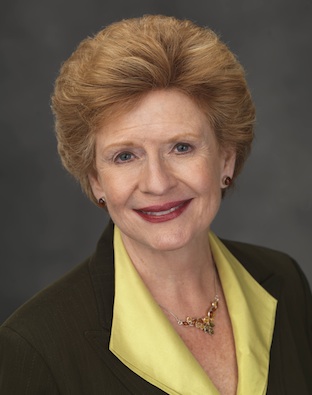
Debby-Delmer1

Dr. Deborah Delmer

“Agricultural research today is a critical component in American–and global–health and security,” said Michigan State University President Lou Anna K. Simon. “Senator Stabenow deserves great credit for her leadership in establishing the foundation in the Farm Bill, and the USDA’s choice of MSU’s Dr. Douglas Buhler for the foundation board adds a highly knowledgeable and experienced scientist and administrator.”

“We’re delighted to see the foundation up and running and proud that NCGA Chairwoman Pam Johnson will serve on the board of directors,” said National Corn Growers Association President Martin Barbre. “The new Foundation for Food and Ag Research promises to be an important tool for greater innovation in agriculture, especially as we face the challenge of feeding a growing population, and we are grateful for the leadership of Sens. Stabenow and Cochran for making this a priority in the 2014 Farm Bill.”

Under the leadership of Chairwoman Stabenow and Ranking Member Cochran, Section 7601 of the Farm Bill created the Foundation for Food and Agriculture Research, a non-profit foundation that will raise private funds to match $200 million in public funds that will be  directed toward agricultural research.

The Farm Bill directed the Department of Agriculture to appoint board members who will guide the foundation’s research activities. The foundation will fund research collaborations between agricultural researchers from the federal government, institutions of higher education, land-grant universities and non-profit organizations.


The 15 members appointed to the Foundation board include:

  • Dr. Kathryn Boor – the Ronald P. Lynch Dean of the College of Agriculture and Life Sciences, Cornell University
  •  Dr. Douglas Buhler – Director of AgBioResearch and Senior Associate Dean for Research for the College of Agriculture and Natural Resources, Michigan State University
  •  Dr. Nancy Creamer – Distinguished Professor of Sustainable Agriculture and Community Based Food Systems, North Carolina State University
  •  Dr. Deborah Delmer – Professor Emeritus of Biology, University of California-Davis
  • The Honorable Dan Glickman – former U.S. Secretary of Agriculture, current Executive Director of the Aspen  Institute’s Congressional Program
  • Dr. Robert Horsch – Deputy Director, Bill & Melinda Gates Foundation
  • Pamela Johnson – Chairwoman, National Corn Growers Association
  • Dr. Mark E. Keenum – President, Mississippi State University
  • Dr. Michael Ladisch – Director of the Laboratory of Renewable Resources Engineering and Distinguished Professor of Agricultural and Biological Engineering, Purdue University
  • Dr. Christopher Mallett – Vice President of Research & Development, Cargill, Inc.
  • Dr. Pamela Matson – Chester Naramore Dean of the School of Earth Sciences, the Richard
    and Rhoda Goldman Professor of Environmental Studies and Senior Fellow at the Woods Institute for
    the Environment, Stanford University
  • Dr. Terry McElwain – Associate Director and Professor, Paul G. Allen School for Global Animal Health, and Executive Director, Washington Animal Disease Diagnostic Laboratory, Washington State University
  • Dr. Stanley Prusiner – Director of the Institute for Neurodegenerative Diseases and Professor of Neurology, University of California-San Francisco and 1997 Nobel laureate in physiology or medicine
  • Dr. Yehia “Mo” Saif – Professor Emeritus, The Ohio State University
  • Dr. Barbara Schaal – Professor of Biology at the College of Arts and Sciences, and Professor of Genetics at  the Medical School, Washington University at St. Louis

The five ex-officio board members, all of whom were designated by Congress, are USDA Secretary Tom Vilsack; Dr. Catherine Woteki, USDA’s Under Secretary for Research, Education, and Economics and
Chief Scientist; Dr. Chavonda Jacobs-Young, Administrator of the USDA’s Agricultural Research Service; Dr. Sonny Ramaswamy, Director of the USDA’s National Institute of Food and Agriculture; and Dr. France A. Córdova, Director of the National Science Foundation.

More information about the 2014 Farm Bill can be found here.
2016-05-31T19:34:12-07:00August 4th, 2014|

Navy Vet Shows Children the Value of Work and Education Through Farming

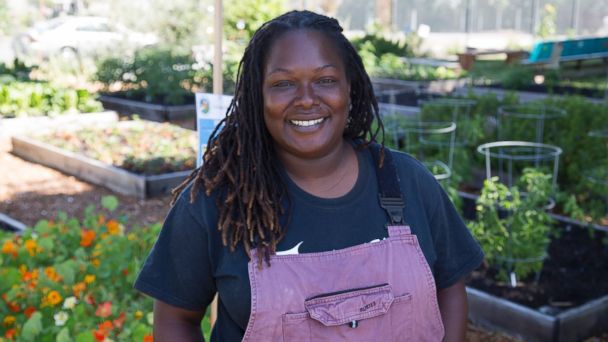
Surrounded by crime, inequality and a lack of opportunity is a quarter-acre farm in East Oakland, California. U.S. Navy veteran and Oakland native Kelly Carlisle is trying to change all that by inspiring a young group of local children through farming.

Growing up in East Oakland, Carlisle said she remembers feeling hopeless at a young age.

“At 9 years old there’s nothing to do, there’s nowhere to go, no program that my family can afford, or for me to engage in,” Carlisle said. “It was hard, you couldn’t go outside, we had a one-block radius that we can play in and I remember feeling and asking, what I am going to be and where I’m going to go?”

The former Navy Operation Specialist said she wants to be able to give “her kids” a chance at working towards a better future. Back in early 2010, Carlisle remembers hearing news reports about Oakland’s high crime rate, childhood obesity, school dropout rates and teen prostitution.

“My initial reaction was, thank God I don’t live there. Then the more I thought about it and the fact that I have a young child, it occurred to me that there’s one population that has no choice to decide where they live or what their community looks and feels like and that’s young people,” she said.

As a result, Carlisle founded Acta Non Verba: Youth Urban Farm Project, a nonprofit urban farm that focuses on serving at-risk youth from kindergarten to 8th grade, and their families. She launched Acta Non Verba to teach children how to invest in themselves and ultimately invest in their communities.

Children plant, harvest and sell produce and 100 percent of those proceeds go to savings accounts to pay for their education.

At first it was a lot of raised eyebrows and challenging to get others on board with the idea, she said. “They weren’t use to talk about farming in Oakland. But eventually people were really happy with the idea to have an urban farm in their neighborhood,” she said.

One of the ongoing challenges is to get people engaged, she said. “This is our third year of camp, fourth of growing and it’s still a challenge,” she said.

Last week, President Obama honored the work Carlisle is doing in Oakland at an Iftar dinner celebrating Ramadan in the State Dining Room at the White House. “Thanks to Kelly these boys and girls are not only learning the value of hard work at an early age, they’re changing how they think about themselves and opening their minds to what’s possible in their lives,” the president said.

Carlisle doesn’t come from a family of farmers but from a military family. Her father and grandfather both served in the military. She joined the Navy in 2001 shortly before 9/11 and was stationed aboard the USS Essex. She left active duty in 2005 and her transition was difficult, she said. She landed a corporate job and got married. But in 2009, she had to join the U.S. Navy Reserve after she ended up unemployed during the economic downturn. She left the Reserve in 2013.

Her first farming or growing experience was with a lemon tree she planted at home and that’s when she felt in love with growing, she said. Carlisle took a master gardeners course and it was there that she ran into the Farmer Veteran Coalition, a veteran outreach organization offering veteran employment and farm education programs. Carlisle is a recipient of the organization’s fellowship fund was instrumental in giving resources to Carlisle to become not only a farmer but a person with a mission to change her community.

“Most of the children here think that food comes from the grocery store. We’re giving the kids the whole experience, from seed to table, from raw to sandwich,” she said.

East Oakland is considered by the U.S. Department of Agriculture a food desert, where liquor stores and fast food restaurants outnumber supermarkets.

The City of Oakland Parks and Recreation leases the land to Acta Non Verba. The farm has cultivated beds of fruits and vegetables, including strawberries, green beans, cabbage, fava beans, sun flowers and tomatoes. It has also built a beehive.

“We like to work with kids because the excitement of seeing these seeds turn into actual fruit is magical for them and they don’t see it coming. The kids go wild,” she said.

For Carlisle, farming and providing a better future for these kids has become her life’s work. Carlisle said her dream for the farm is that children learn how to nurture the earth and themselves.

“As Oaklanders, I want them to be forward thinking about their future. I want them to remember this experience as something that at least gave them a window into something better and a different way to live,” she said.

2016-05-31T19:34:12-07:00August 1st, 2014|

California and Mexico – a win-win relationship

By: Karen Ross, California Agriculture Secretary

It speaks volumes that during our meetings in Mexico, the notion of “ganar-ganar,” or a “win-win” relationship was mentioned more than once. Our discussions have focused not only on building stronger trade relationships between our two markets, but in also in capitalizing on the shared resources of our people, climate and economy. A strong and growing Mexican market is a win for California and a win for Mexico.

In our meeting with Mexico’s Ministry of Agriculture, Livestock, Rural Development, Fisheries and Food  we discussed the great opportunities for cooperation between our two markets that can have long lasting benefits for both of our economies. Working collaboratively to solve cross-border trade delays that impact businesses on both sides of the border is an issue that can be resolved. Further, we wish to explore opportunities that jointly leverage our resources and production capacity.

We can no longer consider a California/Mexico divide. We need to see how cooperation can benefit us both in the long-run. I’ve committed to SAGARPA that within the next 60 days we will have progress in moving forward with a collaborative relationship that involves the public and business sectors finding solutions to cross-border issues that benefit both markets and producers.

Following our meetings with SAGARPA we had the pleasure of meeting with Walmart Mexico and Central America. The company also stressed cooperation and a “win-win” relationship that California and Mexico can share.

In celebrating the successes of the 20th Anniversary of the North American Free Trade Agreement (NAFTA), we should also celebrate the ongoing trade benefits of this relationship. Demonstrating this success, Walmart shared that their imports of U.S. produce has increased more than 10 percent each year for the last three years. This underscores that Mexico’s economy is growing and California is benefiting.

I look forward to furthering our trade relationship and cooperation with Mexico. It can be a “win-win” relationship like no other.

2016-05-31T19:34:12-07:00July 31st, 2014|

Global Food Safety Agreement Signed by China and UC Davis

Officials from China’s Northwest Agricultural and Forestry University in Shaanxi province, and the University of California, Davis, signed a memorandum of agreement on July 23, 2014 that lays the groundwork for establishing the Sino-U.S. Joint Research Center for Food Safety in China.

The signing ceremony was held in the city of Yingchuan, China, during a meeting between high-level officials of the U.S. Department of Agriculture and China’s Ministry of Science and Technology.

“Today’s agreement is a landmark event for UC Davis and for our World Food Center and serves as yet another indication of our worldwide leadership in food and health,” said UC Davis Chancellor Linda P.B. Katehi. “We are incredibly pleased to join forces with Northwest A&F University and look forward to making discoveries and realizing solutions that will promote food safety in China and around the world.”

Signing the agreement today were Harris Lewin, vice chancellor of research for UC Davis, and Wu Pute, professor and vice president of Northwest Agricultural and Forestry University. Also present were Catherine Woteki, undersecretary for research, education and economics at the U.S. Department of Agriculture; and Vice Minister Zhang Laiwu of China’s Ministry of Science and Technology.

The memorandum of agreement, which will extend over the next five years, calls for the center’s two lead universities to form a joint research team and research platform, carry out collaborative research projects and cooperate on other food safety-related projects. UC Davis’ World Food Center will identify a director to coordinate the research program. The Chinese partners will provide substantial funding for the new center, with details to be announced this fall.

“This is clear evidence that the entire UC system is fully committed to be front and center on the critical issues of food security, sustainability and health,” said UC President Janet Napolitano. She recently launched the UC Global Food Initiative as a systemwide collaboration to put the world on a path to feed itself nutritiously and sustainably.

Both the Sino-U.S. Joint Research Center and the UC Davis World Food Center will contribute to the UC Global Food Initiative.

“With UC Davis’ commitment to food safety research and China’s ever-increasing demand for food, the Joint Research Center is a natural partnership,” said Karen Ross, secretary of the California Department of Food and Agriculture. “Food safety will benefit from global scientific collaboration, and new findings will help the food and agriculture sector meet new challenges, improve the health of consumers and maintain the integrity of the global food supply chain.”

Roger Beachy, executive director of the UC Davis World Food Center, noted that the new food safety center is a logical outgrowth of many well-established research collaborations between scientists from UC Davis and China.

“Working closely with Chinese scientists and policymakers, the new center will have significant impacts on food safety in China and elsewhere around the globe,” he said.

Beachy said that the catalyst for the new collaborative effort was a visit to China last fall by Chancellor Katehi. During that visit, Chinese officials and UC Davis alumni identified food safety as a topic of key importance for China. Beachy, who has longstanding ties with China’s research community, became head of the World Food Center in January and has shepherded the collaborative agreement for UC Davis.

About the new food safety center

The Joint Research Center for Food Safety will promote international collaborative research and extension for food safety in China and the U.S. It will conduct research on global food safety-related policies; establish an international, high-level research platform for food safety research; propose solutions for hazards in the food-industry value chain; and develop models for implementation of international food safety standards and risk management. UC Davis and Northwest Agricultural and Forestry University will engage other research faculty from the U.S. and China in the new center.

Students from both UC Davis and China will be offered opportunities to study and train in each other’s countries. UC Davis faculty members currently have extensive collaborations with several Chinese universities, and the new joint research center is intended to expand these and initiate new activities.

On the September 12, 2014 celebration of the 80-year anniversary of the founding of China’s Northwest Agricultural and Forestry University, working details for the new center will be laid out.

“The food industry has become the largest industry in China; and food safety is a critical area for China and the U.S. to have creative cooperation and learn from each other,” said Zhang Laiwu, China’s vice minister of science and technology. “It not only involves technologies, but also policies and management. The fruitful cooperation will also be important to ensure food security.”

He added that the new cooperative agreement among UC Davis, Northwest Agricultural and Forestry University, Yangling National Agricultural High Tech Demonstration Zone, and Zhuhai Municipality of China is a creative platform for cooperation in improving food safety.

World Food Center at UC Davis and the UC Global Food Initiative

The World Food Center at UC Davis was established in 2013 to increase the economic benefit from campus research; influence national and international policy; and convene teams of scientists and innovators from industry, academia, government and nongovernmental organizations to tackle food-related challenges in California and around the world.

The UC Global Food Initiative is building on existing efforts such as the World Food Center and other endeavors at UC Davis, while creating new collaborations among the 10 UC campuses, affiliated national laboratories and the systemwide division of Agriculture and Natural Resources to support healthy eating, sustainable agriculture and food security. More information about the UC Global Food Initiative.

Other food-related collaborations with China

UC Davis faculty are currently involved in numerous collaborative research projects in China, including four food-safety efforts that specialize in the genomics of food-borne diseases, dairy safety, waterborne diseases and livestock, and environmental chemicals.

Additionally, the campus hosts the BGI@UC Davis Partnership, which focuses on genome sequencing, and the Confucius Institute, a cultural outreach program emphasizing food and beverages.


Graphic Source: Food Safety News

2016-05-31T19:34:13-07:00July 27th, 2014|

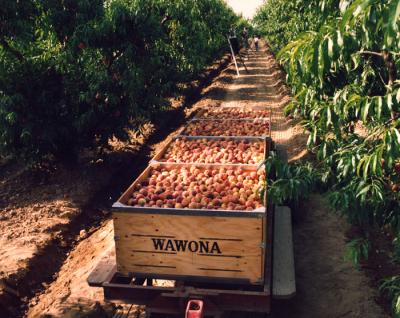
Wawona Packing Co. Takes Precautionary Step of Voluntarily Recalling Products

Wawona Packing Company of Cutler, Calif. is voluntarily recalling certain lots of whole peaches (white and yellow), nectarines (white and yellow), plums and plots packed between June 1, 2014 through July 12, 2014 due to the potential of the products being contaminated with Listeria monocytogenes

Wawona Packing has notified retailers of the specific lots being recalled. No other products are impacted by this recall. To our knowledge health officials have not linked any illnesses to this recall.

Listeria monocytogenes, an organism which can cause serious and sometimes fatal infections in young children, frail or elderly people, and other with weakened immune systems. Although healthy individuals may suffer only from short0term symptoms such as high fever, sever headache, stiffness, nausea, abdominal pain and diarrhea, Listeria infection can cause miscarriages and stillbirths among pregnant women.

The recalled products were shipped directly to retailers and wholesalers who resell the products. Because we do not know the locations of the companies that purchased the products from our direct customers, the company is issuing a nationwide recall. Consumers can identify the recalled products by the information on www.wawonapacking.com.

Anyone who has the recalled products in their possession should not consume them and should discard them. Consumers with questions may contact Wawona Packing at 1-888-232-9912, M-F, 8am – 11pm ET, or visit www.wawonapacking.com for a copy of this press release.

Wawona Packing has already notified its business customers and requested that they remove the recalled products from commerce. Wawona Packing is voluntarily recalling these products in consultation with the U.S. Food and Drug Administration.

The recall was initiated based on internal company testing. The company shut down the implicated packing lines, retrofitted equipment, sanitized the facility and retested. Subsequent daily test results have been negative.

“We are aware of no illnesses related to the consumption of these products,” said Brent Smittcamp, President of Wawona Packing Co. “By taking the precautionary step of recalling product, we will minimize even the slightest risk to public health, and that is our priority.”

2016-05-31T19:34:14-07:00July 24th, 2014|

Invasive Giant African Snails Seized at LAX


By Veronica Rocha; Los Angeles Times 

Two picnic baskets packed with 67 live giant African snails were seized by federal authorities at Los Angeles International Airport (LAX), authorities said.

The snails, which weighed a total of more than 35 pounds and reportedly were intended for human consumption, was apparently the largest seizure at LAX of the mollusks, which are sometimes fried and served as a snack.

The snails were discovered July 1 in two picnic baskets, which weighed more than 35 pounds, said Lee Harty of U.S. Customs and Border Protection (CPB). The snails arrived from Lagos, Nigeria, and were headed to San Dimas.

In the past, federal inspectors have discovered one or two of the large snails hidden in luggage, but this marked “the first time this pest has been encountered in such large quantity and as a consumption entry” in LAX, said Todd C. Owen, director of field operations for the customs agency.

Giant African snails, also known as land snails, can live as long as 10 years and grow up to eight inches long. The snails can carry parasites harmful to humans.

The U.S. Department of Agriculture deems the large snails as a damaging species, consuming more than 500 types of plants, according to federal authorities.

But when the snails can’t find fruits and vegetables to eat, they will “eat paint and stucco off of houses,” the customs agency said in a statement.

The incident remains under investigation.

2021-05-12T11:03:06-07:00July 22nd, 2014|

UC Davis Drought Study Assesses Current Losses and Potential Future Impacts

Source: CDFA

A new report from the University of California, Davis, shows that California agriculture is weathering its worst drought in decades due to groundwater reserves, but the nation’s produce basket may come up dry in the future if it continues to treat those reserves like an unlimited savings account.

The UC Davis Center for Watershed Sciences study, released today at a press briefing in Washington, D.C., updates estimates on the drought’s effects on Central Valley farm production, presents new data on the state’s coastal and southern farm areas, and forecasts the drought’s economic fallout through 2016.

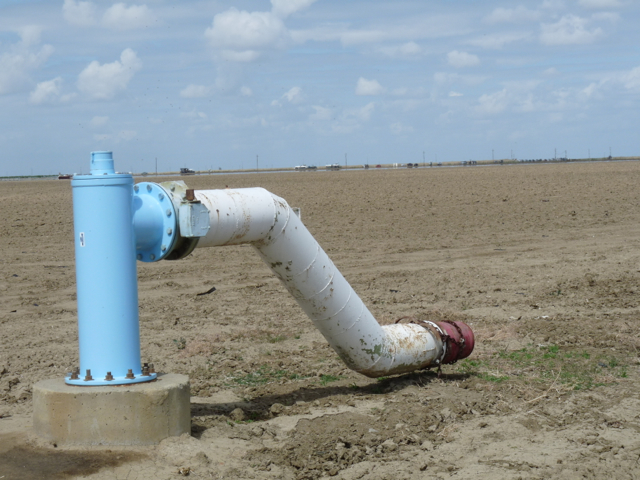
The study found that the drought — the third most severe on record — is responsible for the greatest water loss ever seen in California agriculture, with river water for Central Valley farms reduced by roughly one-third. Groundwater pumping is expected to replace most river water losses, with some areas more than doubling their pumping rate over the previous year, the study said. More than 80 percent of this replacement pumping occurs in the San Joaquin Valley and Tulare Basin.

The results highlight California agriculture’s economic resilience and vulnerabilities to drought and underscore the state’s reliance on groundwater to cope with droughts. “California’s agricultural economy overall is doing remarkably well, thanks mostly to groundwater reserves,” said Jay Lund, a co-author of the study and director of the university’s Center for Watershed Sciences. “But we expect substantial local and regional economic and employment impacts. We need to treat that groundwater well so it will be there for future droughts.”

Other key findings of the drought’s effects in 2014:

  • Direct costs to agriculture total $1.5 billion (revenue losses of $1 billion and $0.5 billion in additional pumping costs). This net revenue loss is about 3 percent of the state’s total agricultural value.
  • The total statewide economic cost of the 2014 drought is $2.2 billion.
  • The loss of 17,100 seasonal and part-time jobs related to agriculture represents 3.8 percent of farm unemployment.
  • 428,000 acres, or 5 percent, of irrigated cropland is going out of production in the Central Valley, Central Coast and Southern California due to the drought.
  • The Central Valley is hardest hit, particularly the Tulare Basin, with projected losses of $810 million, or 2.3 percent, in crop revenue; $203 million in dairy and livestock value; and $453 million in additional well-pumping costs.
  • Agriculture on the Central Coast and in Southern California will be less affected by this year’s drought, with about 19,150 acres fallowed, $10 million in lost crop revenue and $6.3 million in additional pumping costs.
  • Overdraft of groundwater is expected to cause additional wells in the Tulare Basin to run dry if the drought continues.
  • The drought is likely to continue through 2015, regardless of El Niño conditions.
  • Consumer food prices will be largely unaffected. Higher prices at the grocery store of high-value California crops like nuts, wine grapes and dairy foods are driven more by market demand than by the drought.

If the drought continues for two more years, groundwater reserves will continue to be used to replace surface water losses, the study said. Pumping ability will slowly decrease, while costs and losses will slowly increase due to groundwater depletion. California is the only state without a framework for groundwater management.

“We have to do a better job of managing groundwater basins to secure the future of agriculture in California,” said Karen Ross, Secretary of the California Department of Food and Agriculture, which largely funded the UC Davis study. “That’s why we’ve developed the California Water Action Plan and a proposal for local, sustainable groundwater management.”

Failure to replenish groundwater in wet years continues to reduce groundwater availability to sustain agriculture during drought — particularly more profitable permanent crops, like almonds and grapes — a situation lead author Richard Howitt of UC Davis called a “slow-moving train wreck.”

2016-05-31T19:34:15-07:00July 22nd, 2014|

The Benefits of Eating Almonds

Source: Alissa Fleck; SF Gate

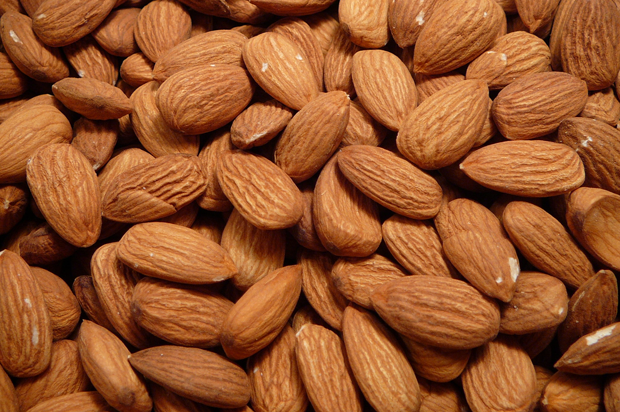
Natural, unsalted almonds are a tasty and nutritious snack with plenty of health benefits. Loaded with minerals, they are also among the healthiest of tree nuts. Just a handful of nutrient-rich almonds a day helps promote heart health and prevent weight gain, and it may even help fight diseases like diabetes and Alzheimer’s.

Nutrition

Eating about 23 almonds a day is an easy way to incorporate many crucial nutrients into your diet. Almonds are rich in vitamin E, calcium, magnesium and potassium. Additionally, almonds are a significant source of protein and fiber, while being naturally low in sugar. One 23-almond serving packs 13 grams of healthy unsaturated fats, 1 gram of saturated fat and no cholesterol or salt. Of all tree nuts, almonds rank highest in protein, fiber, calcium, vitamin E, riboflavin and niacin content by weight. There are 160 calories in 23 almonds. While many of these calories come from fat, it is primarily the healthy unsaturated fats and not the unhealthy saturated kind.

Heart Health

According to the FDA, eating 1.5 ounces a day of most nuts, like almonds, may reduce the risk of heart disease. Many of the nutrients in almonds help contribute to increased heart health. For one, almonds are rich in magnesium, which is critical in preventing heart attacks and hypertension. Several clinical studies have also shown almonds can be effective in reducing bad cholesterol and preserving healthy cholesterol, which plays a major role in heart health.

Weight Maintenance

Nuts, like almonds, are also beneficial for maintaining a healthy weight. The fiber, protein and fat content of almonds means it only takes a handful to keep you feeling full and satisfied so you won’t have the urge to overeat. According to “Fitness” magazine, the magnesium in almonds helps regulate blood sugar, which is key in reducing food cravings. Almonds may even be able to block the body’s absorption of calories, making them the ultimate weight-loss-friendly snack. Because almonds are naturally high in calories, it’s important to limit your serving size to the recommended 1 ounce, or 23 nuts.

Other Health Benefits

Almonds may also promote gastrointestinal health and even combat diabetes. The high fiber content of almonds gives them prebiotic properties, which contributes to health in the gastrointestinal tract. Prebiotics are non-digestible food substances, which serve as food for the good bacteria in the intestinal tract and help maintain a healthy balance. According to a study by the American Diabetes Association, a Mediterranean diet incorporating nuts, such as almonds, helps fight diabetes even without significant changes to weight, physical activity or caloric intake.

Raw vs. Roasted

Almonds are available in a variety of preparations and it can be tough to know which is healthiest. Raw, unsalted almonds are a safe bet, but some people prefer the roasted taste. Both raw and roasted almonds pack a high dose of nutrients and minerals. Raw almonds have more naturally occurring beneficial fats, as some are lost in the roasting process. Dry roasted almonds have the same amount of calories as raw almonds, while almonds roasted in oil contain slightly more calories.

The Fresno County Department of Agriculture reported that almonds have become the county’s newest billion dollar crop; producing a total gross value of over $1.1 billion.


2016-05-31T19:34:16-07:00July 17th, 2014|

United Fresh Foundation Offers Produce Solutions to Schools at 2014 School Nutrition Conference

The United Fresh Foundation is providing expert assistance to schools seeking to serve more fresh produce with the first-ever Fresh Produce Pavilion at the School Nutrition Association Annual National Conference in Boston, July 13-16.

The 1600 sq. ft. pavilion features an “Ask the Experts: Produce Solutions Center” and produce exhibits that establish a destination area on the trade show floor focused exclusively on promoting fresh fruits and vegetables.

The “Ask the Experts: Produce Solutions Center,” sponsored by PRO*ACT, features produce distributors from around the country including, Costa Fruit & Produce, Inc.  (Charlestown, MA), Hardie’s Fruit & Vegetable Co. (Houston, TX), Muir Copper Canyon Farms (Salt Lake City, UT), Royal Food Service (Atlanta, GA) and Van Eerden Co. (Grand Rapids, MI).

The produce experts serve as consultants for schools to answer all their produce-related questions, share guidance and tips for writing produce RFPs, discuss how to establish collaborative business relationships between schools and produce distributors and showcase the wide variety of fresh and fresh-cut fruits and vegetables that are ideal for school foodservice.

The Pavilion also has a fresh vending machine stocked with single-serve fresh cut fruits and vegetable and salads that illustrates products ideal for meeting the new “Smart Snacks in Schools” nutrition standards.  United partnered with the National Automatic Merchandising Association to have the Fit Pick vending machine on display.

“Having a strong, face-to-face presence at the SNA conference allows United and the fresh produce industry to demonstrate their commitment to helping  school nutrition operators find the most efficient ways to provide a variety of fruits and vegetables that their students will enjoy,” said Dr. Lorelei DiSogra, vice president of nutrition & health at United Fresh.

“We are pleased with the industry support given to this first-ever pavilion designed to help schools maximize their success in serving a variety of fresh fruits and vegetables,” said United Fresh CEO Tom Stenzel. “This strategy connects us with hundreds of school foodservice directors from across the country, helping them understand the unique aspects of the fresh produce marketplace, as well as making sure they’re aware of the many fresh and fresh-cut produce items that that can appeal to the next generation of produce consumers.”

“We appreciate PRO*ACT’s assistance in staffing the ‘Ask the Experts’ area, where school foodservice directors will be able to consult with experts outside of their own procurement process. This affords a consultative environment in which buyers are not negotiating with their own vendors, but instead are learning from distributors who are not trying to win their business,” Stenzel added.

Exhibitors at United’s Fresh Produce Pavilion include:

  • Chiquita Brands International
  • Duda Farm Fresh Foods
  • Grimmway Farms
  • HMC Farms
  • Mushroom Council
  • National Watermelon Promotion Board
  • NatureSeal
  • Pear Bureau Northwest
  • PRO*ACT
  • Ready Pac Foods
  • San Miguel Produce

The Pavilion also features a salad bar to promote Let’s Move Salad Bars to Schools. School foodservice directors attending the SNA conference are invited to enter their names to win the salad bar.  United Fresh is a founding partner of Let’s Move Salad Bars to Schools, which has to-date donated salad bars to more than 3,400 schools nationwide.

Additionally, United has organized educational sessions at the SNA show. The programs, titled “Your Produce RFP: Achieving Variety, Quality and a Collaborative Relationship,” will include panel and roundtable discussions among school foodservice directors and produce distributors.

For more information about United’s Fresh Produce Pavilion and how you can participate in the 2015 SNA conference, contact Andrew Marshall at 202-303-3400.

2016-05-31T19:34:16-07:00July 15th, 2014|

Legislation would help manage forests, prevent wildfire

By: Rayne Pegg and Erin Huston; Ag Alert

Last year’s Rim Fire, California’s third-largest fire, understandably garnered a lot of media attention. More than 250,000 acres burned, private property was lost and significant water resources were placed at risk of impairment.

As we enter the 2014 fire season after a winter of significant drought, it is timely to reflect on the series of events that place California at risk of extreme wildfire. It is also important to remember how costly the devastation from just one fire can be. Individually, the Rim Fire cost $130 million to suppress—and this does not include the damage to rural communities, the environment or economic activities that rely on the forest.

California has already experienced numerous fires this season and the outlook for 2014 shows significant wildland fire potential. Fires are historically common in California and can actually prompt a regrowth process for several species. However, we’ve reached a point where fires burn hotter and more frequently than ever. Fires of this intensity and size threaten our rural communities, environment, water supplies, and federal and state budgets.

Devastating wildfires represent a cost associated with not managing our forests. Fires that once burned every 10 to 15 years, naturally, allowed for new tree and vegetation growth and the release of regenerating seed. However, today’s fires are less frequent, cover larger acreage, burn hotter and pose a greater risk to life and property.

Forest management on federal lands to reduce dead trees, thin densely grown areas and remove brush is significantly backlogged and commonly subject to nonsensical litigation, resulting in overgrown tree canopies, increased presence of disease and diminished wildlife habitat. This backlog and inability to properly manage our forests results in a series of destructive wildfire seasons.

Just as homeowners maintain their private gardens to manage overgrowth, weeds and dead plants so healthy plants can thrive, our forests need to be managed. But timber harvesting and thinning of trees have become fraught with litigation, which has left forestland to become overgrown with trees and underbrush, making it perfect habitat for forest fires.

Timber harvesting is often depicted as clear cutting that results in our lush forests looking like vacant lots. But most forestry in California consists of selective harvest, limited to younger trees within a range of height and width. Older-growth trees are left to grow and stabilize the soil, while dry brush and dead trees are cleared from the forest floor. Thinning out only selected trees and clearing the forest floor of dead brush creates spacing for new, beneficial vegetation and reduces overgrown brush and dry vegetation.

We also need to recognize that rural towns rely on foresting jobs to survive. Though growing marijuana is becoming popular in these areas, the money generated from that activity does not stay in the community and support local schools, public services or roads.

Because not enough money has been set aside in the federal budget to fight wildfires, money for forest-management activities ends up being robbed. Here’s how: The U.S. Forest Service and the Department of the Interior are the two federal entities responsible for wildfire suppression. Suppression funding levels are based on the 10-year average of suppression costs; currently, that’s not enough to provide the necessary level for suppression activities nationwide. When suppression funding runs out, which happens regularly, both the USFS and DOI have the authority to transfer funds from within their budgets to make up for shortfalls. So money is usually taken away from non-suppression programs, including land management programs that decrease long-term wildfire risk and costs.

In the last two years, more than $1 billion was taken from 2013 and 2014 appropriations bills to repay the transfers from 2012 and 2013. It is estimated that the fiscal year 2014 wildfire season suppression is underfunded by $470 million, which will likely lead to another round of transfers that will again short-change forest management and other programs.

For this reason, the California Farm Bureau Federation is a member of the Partner Caucus on Fire Suppression Funding Solutions, a diverse coalition working to pass legislation known as the Wildfire Disaster Funding Act. The WDFA would change the approach to funding wildfire suppression by developing a wildfire emergency funding process for a portion of USFS and DOI suppression activities similar to funds for other natural disasters such as hurricanes, floods and tornadoes.

The legislation would treat catastrophic wildfires as the “predictable” emergencies that they are and provide a more reliable funding structure that does not harm land management and wildfire risk-reduction activities. In the rare case it should become necessary, USFS and DOI would retain their financial transfer authorities.

We must plan for catastrophic wildfires and manage our forests. Rather than relying on annual emergency appropriations to suppress fires we expect, this legislation provides a consistent, predictable funding stream that protects critical forest management activities that benefit the California economy and our forests.

2016-05-31T19:34:17-07:00July 14th, 2014|
Go to Top