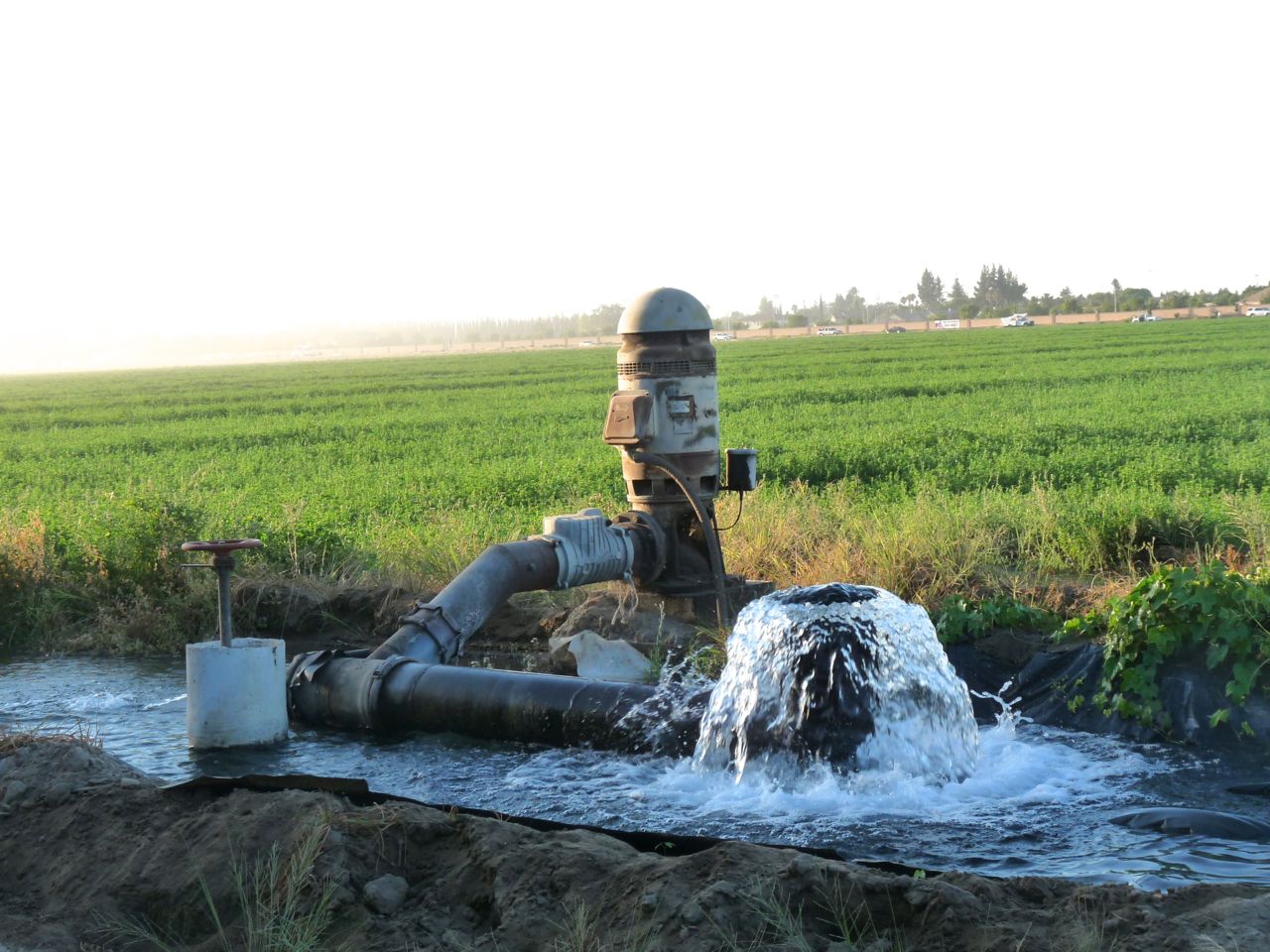
California Water Cutbacks Are Not Saving Delta Smelt

U.S. Supreme Court to rule on ESA-mandated water curtailments to protect Delta Smelt regardless of the cost to humans and economy


A summary of the California Department of Fish and Wildlife (CDFW) Fall Midwater Trawl Survey (FMWT) reports the lowest index for Delta Smelt in the 48-year history of this survey. The FMWT is mandated by the Delta Smelt Biological Opinion for the coordinated operation of the Central Valley Project and the State Water Project.

Jason Peltier, Chief Deputy General Manager of the Westlands Water District, sees these results as the “latest evidence of a failed regulatory regime.”

CDFW-Insignia-146x193The memorandum, sent from Steven Slater, CDFW Environmental Scientist, Region 3, to Scott Wilson, CDFW Regional Manager, Region 3, describes the Survey which annually measures the fall abundance of pelagic fish—fish which live neither near the bottom of oceans or lakes, nor near the surface, such as ocean coral reefs—since 1967. FMWT equipment and methods have remained consistent since the survey’s inception, which allows the indices to be compared across time.

According to the Memorandum, the FMWT annual abundance index is the sum of monthly indices from surveys conducted over the four months from September through December each year. During each monthly survey, one 12-minute oblique midwater trawl tow is conducted at each of 100 index stations used for index calculation and at an additional 22 non-index stations that provide enhanced distribution information.

The 2014 Delta Smelt index is 9, making it the lowest index in FMWT history. Delta Smelt abundance was highest in 1970 and has been consistently low since 2003, except in 2011.

Other fish also scored poorly. The 2014 age-0 Striped Bass index is 59, making it the third lowest index in FMWT history. Age-0 Striped Bass abundance was highest at the survey’s inception in 1967. The 2014 Longfin Smelt index is 16, making it the second lowest index in FMWT history. Longfin Smelt abundance was highest in 1967. The 2014 Threadfin Shad index is 282, which is the sixth lowest in FMWT history and the seventh in a series of very low abundance indices. Threadfin Shad abundance was highest in 1997. The 2014 American Shad index is 278, which is the second lowest in FMWT history and only slightly higher than the 2008 index of 271. American Shad abundance was highest in 2003. (Figures 2 through 6, below, illustrate these indices.)

2014_FMWT_graphs 1-4_Page_1 2014_FMWT_graphs 1-4_Page_2

In, “Delta smelt legal battle heads to Supreme Court,” published Wednesday in the LA Times, reporter David Savage, stated, “The delta smelt may be a small fish with a short life, but it has spawned a decades-long legal battle over water in California.
At issue has been a series of orders under the Endangered Species Act that at times reduce water deliveries from the Sacramento-San Joaquin River Delta to San Joaquin Valley growers and urban Southern California.”

Citing the severe state drought, the article reports that the Metropolitan Water District of Southern California attorneys are asking the U.S. Supreme Court to reconsider a strict federal rule from the 1970s that calls for curtailing the water diversions to protect the threatened delta smelt and other imperiled species regardless of the cost to humans and the economy.”

Lawyers for the Natural Resources Defense Council (NRDC) and U.S. Solicitor Gen. Donald Verrilli Jr. urged the court to turn down the appeals, the article states, saying the 9th Circuit was correct in saying Fish and Wildlife officials must take reasonable steps to protect an endangered species, regardless of the economic effect.

Kate Poole, an NRDC attorney, said the water agencies have “a long history of exaggerating the impacts “of protecting endangered fish in the delta, including Chinook salmon,” per the LA Times. “The underlying problem in California is that our demand for water consistently exceeds our supply, even in non-drought years,” she said. “Wiping out our native fisheries will not solve this problem.”


In response to the NRDC comments, the California Farm Water Coalition electronically published the following Today:

Kate Poole’s remarks, that farmers have exaggerated the impacts of ESA-based water supply cuts, would be insulting to the thousands of farmers, farmworkers, and local business owners who face not just bankruptcy, but the loss of their way of life. Hundreds of thousands of acres of farmland have been permanently fallowed. Farmers have switched to higher value crops to justify higher costs for reduced water supplies. Farmworkers have moved away, seeking employment because of job losses in communities like Firebaugh, Mendota and Huron.”

Communities were developed on the faith that was placed in the federal government to keep its promise to deliver reliable supplies of water through the Delta.  While the impacts of reduced water supplies seem insignificant to the lobbyists and lawyers from the kinds of powerful environmental organizations represented by Poole, for those whose very livelihoods are dependent on this water it is a constant struggle.
 

2016-08-03T21:02:07-07:00January 9th, 2015|

HOLY GUACAMOLE! AMERICANS TO CONSUME A RECORD 240 MILLION AVOCADOS DURING BIG GAME WEEK

Source: http://www.avocadocentral.com

Over 111 million sports fans watched the Big Game last year, and nearly 64,000 sports fans will gather at the University of Phoenix Stadium on game day this year. The numbers are nothing compared to the amount of avocados – a food quickly becoming synonymous with the Big Game – Americans will consume this year. It’s estimated Americans will eat nearly 120 million pounds or 240 million fresh avocados during the week leading up to the Big Game on Feb. 1. That’s a whopping 3,785 avocados per seat in the University of Phoenix Stadium and it’s 21 percent more avocados than in 2014 – higher rates than ever before. The total amount of avocados consumed during the Big Game would be enough to fill an entire football field from end zone to end zone over 46 feet high.

While fresh avocados consumed during the Big Game are eaten in many ways, the most common is in the form of guacamole, and new research reveals that as rowdy Americans gather for the game, they try to stay well-mannered when they huddle around the bowl of dip.

To Dip, or to Spoon?

Despite the communal aspect of eating guacamole, most Americans who consume it (67 percent) use a spoon to scoop the dip from the serving bowl on to their plate before eating it, rather than dipping directly into the bowl with a piece of food. In fact, only 32 percent of consumers directly dip chips or crudités into the serving bowl. Cultural clichés may hold some truth when it comes to guacamole manners as well. Women are more likely than men to spoon onto a plate rather than directly dip (75 percent vs. 56 percent) and polite Southerners are more likely to be spoon-users than their Northern counterparts. Plus, the Northeast and the West tied (22 percent) as the regions most likely to take an “unfair share” of guacamole by scooping up as much as possible onto a food item before taking a bite.

Guacamole Etiquette

Americans aspire to a higher standard of guacamole etiquette than we actually follow. While only 67 percent of guacamole eaters use a spoon to serve themselves guacamole, 81 percent believe it’s the actually the proper way to dip.

And, yes, the dreaded double dippers are among us. Four percent admit to double-dipping the same piece of food repeatedly, and two percent believe it’s the most appropriate way to eat guacamole.

The Fight for the Last Bite

When the guacamole supply runs low, Big Game rivalry extends to the serving bowl, especially for Millennials. Sixty-three percent of guacamole eaters are comfortable being the person to take the last bite of guacamole from the serving bowl after asking if anybody else wants it. The youngest respondents, age 18-34, are most likely (24 percent) to try to be the person who gets to scrape the last bite of guacamole from the communal bowl because they want it for themselves.

No matter how you choose to dip, there’s no doubt guacamole made with Hass avocados is a staple in many Big Game celebrations. In 2014, Americans consumed 99 million pounds or approximately 198 million avocados during Big Game week. Ninety-eight percent of all avocados sold in the United States are the Hass variety – which contain naturally good fats and are cholesterol free.

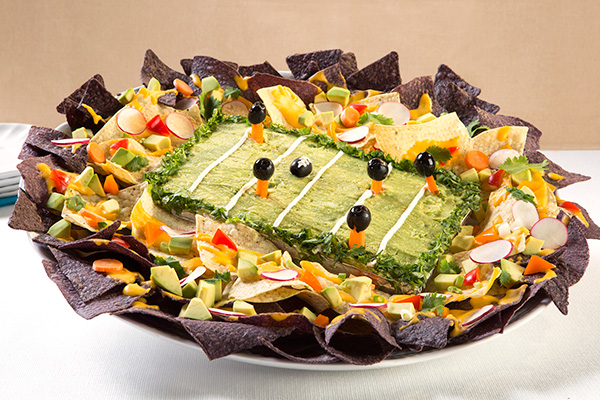
Everyone can be a winner with a Nacho Guac-a-Bowl-E recipe to serve at game time.

For tips on how to select, store and ripen fresh avocados, visit http://www.avocadocentral.com/how-to/how-to-store-how-to-ripen-avocados.

2016-05-31T19:30:35-07:00January 9th, 2015|

Early rains help range partially recover

By Ching Lee; Ag Alert

Late autumn and early winter storms that moved through the state have spurred greener pastures, improving grazing conditions on California rangelands, but ranchers say more rainfall is needed for them to begin rebuilding their herds.

“As far as grass growth, this is as good of a feed year as we’ve ever had this early in the season,” said Placer County cattle rancher Joe Fischer. “This early grass growth and early root establishment will really set us up to have a phenomenal feed year come spring if these rains continue.”

But he said he also prepared for additional drought by reducing the herd he manages by 20 percent last winter and leaving more residual feed on the ground in order to promote better grass growth this season.

Mild temperatures have also aided grass growth, Fischer said, but they don’t bode well for a healthy snowpack—sensors measure the Sierra Nevada snowpack at about half of average—and that will affect water supply for this summer where he has irrigated pasture. In addition, many springs are not yet flowing the way they should be, he added, noting that a lack of drinking water on one ranch prevented him from placing any cattle there in early fall, even though it had plenty of residual dry feed.

“I’m still fearful that we aren’t out of the woods yet when it comes to drought in California,” he said.

Despite his fears, Fischer said he’s “hopeful and optimistic that this is going to turn around for us” and that California ranchers will move toward reestablishing their herds, though their cattle numbers will remain conservative at first.

With last month’s deluge, Mariposa County rancher Clarence Borba said it appears he can start retaining some of his cattle, after being forced to cut his herd in half and to buy feed when there was nothing left to graze. Because he leases his ground, which receives no irrigation, Borba said his costs soared when he had to buy feed and pay rent on the land even when no grasses were growing.

“There were times when I didn’t know if we were going to make it through,” he said.

Borba said while he’s trying to build back his herd, he’s doing it slowly.

“Things are looking a lot brighter now than they were a few months ago, but our profit margin is pretty narrow, so you can’t make too many mistakes and spend too much money,” he said.

San Joaquin County rancher Diana Connolly said she sold about a quarter of her herd early last year and didn’t keep any replacement heifers, due to a lack of feed. Like many cattle ranchers around the state, she has had to buy plenty of hay during the last three years. Whether she will keep any replacements this year will depend on how the rest of the rainy season goes, she said, as she doesn’t have to make that decision until May, when she weans her calves.

Though she has filled her barns with hay, Connolly said if more rain does not come this season to improve pastures, “it won’t make any difference how much feed you have right now.” She recalled how the lack of precipitation last winter left ranchers scrambling, even though the fall began with some good moisture.

“The rains are good, but I think the whole cattle industry is still feeling the effects of the three-year drought,” she said.

One lesson that Sacramento County rancher Jim Vietheer said he has learned from the drought is to start buying crop insurance, with this year being the first time he’s signed up for it. He noted that federal disaster aid has allowed him to buy extra hay. Strong cattle prices have also allowed him to cull his herd more heavily than he normally would, so that he could reduce impact on his pastures.

He said even though recent rains “have helped our situation amazingly,” he fears it will be short-lived if the state does not continue to get more, periodic rainfall. For this reason, Vietheer said he’s going to remain conservative on his stocking rate on some of this leased properties, “in case it becomes another bad year.”

“I’m a lot happier, but you don’t want to count your chickens before they hatch,” he said.

For San Diego County rancher Jim Davis, his region has not gotten “significant amounts of rain” and it has “come very gently, with little runoff,” he said, but he also noted that “conditions are very much improved over what they were a month ago.”

He said his cattle will be on supplemental feed for another month and a half, but that is typical for this time of year. Being three hours away from the Imperial Valley, Davis said buying feed has not been a problem, and while the price of hay “is never low enough,” at least there’s an adequate supply.

But for now, he said he will try to maintain his herd at the current level.

“I’d like to see another year of good moisture before we start rebuilding,” he added.

Riverside County rancher Bud Wellman said his herd size has not bounced back because a fire two years ago destroyed much of his summer range, which is on forestland, and the U.S. Forest Service so far has not allowed grazing to resume.

“Right now is when the cattle would do the most good,” Wellman said, adding that cattle grazing would restore the forest ground so that water could penetrate it rather than causing floods.

What has helped him, he said, is that the Girl Scouts of Orange County has allowed his herd to graze its campgrounds for weed abatement and fire prevention.

While his summer range in the mountains has improved with the recent storms, Wellman said where he’s hurting is on his winter range, south of Palm Springs. He has not been able to place his cattle there because many of the springs and creeks cattle use for drinking water are still dry, and what rainfall the region received has not been enough to get them flowing.

“The water situation on the desert side is still very critical,” he said. “If we could get those streams and springs back, we’d be in good shape.”

2016-05-31T19:30:35-07:00January 7th, 2015|

Storm flows lead to challenges for water system

By Kate Campbell; Ag Alert

After enduring three of the driest years in state history, nothing could be more heartening to farmers and ranchers than the steady march of Pacific storms that reached California this month. But good news is tempered by the knowledge that a few strong downpours don’t translate into full reservoirs and abundant supplies — and the storms revived concern about how state and federal water systems manage storm flows in a drought year.

The state’s reservoirs stand at about 57 percent of average, slightly below this time a year ago and well below full capacity.

“We’ve had years past where rain and snow didn’t continue into the New Year,” said State Climatologist Mike Anderson, pointing to the moisture cutoff last January that assured shortages for farmers who rely on surface water deliveries from the state and federal water projects.

“So far this year, precipitation levels depend on where you are—north of a Bay Area-Tahoe line, precipitation is above average, but in the south, levels are actually below average,” Anderson said. “In addition, there’s also below-average snowpack across the entire Sierra Nevada.”

He said most of the storms so far this water year, which began Oct. 1, have been warm, meaning snow accumulations aren’t building the way water managers hope. Sierra snowpack currently is about 50 percent of average, he said.

While December storms dropped significant precipitation, the California Farm Water Coalition noted last week that many of the state’s agricultural customers in the federal Central Valley Project worry that this year’s zero deliveries of surface water will be repeated in 2015.

“In the last few weeks, hundreds of thousands of acre-feet of water were in the system at the same time delta pumps were almost completely shut down,” coalition Executive Director Mike Wade said.

As these storms have come in, Wade said the water storage situation is similar to what was seen a year ago—except the state’s reservoirs are now lower.

“It’s very frustrating to watch water flowing through the system without being captured,” he said. “We have constraints in the delta that hold down the amount of water we catch to the bare minimum because of protections for delta smelt.”

During the height of the stormwater pulse moving through the Sacramento-San Joaquin Delta last week, he said, less than 10 percent of the surge was captured for storage and use next summer.

The state Department of Water Resources and U.S. Bureau of Reclamation, in conjunction with the U.S. Fish and Wildlife Service, said last week they are experimenting with pumping reductions to prevent a “turbidity bridge” from occurring in the central and south delta. Delta smelt are attracted to turbid, or cloudy, water because it makes the tiny organisms it feeds on more visible and provides shelter from potential predators, such as non-native bass.

DWR described the strategy this way: “Forgoing the capture of tens of thousands of acre-feet of water may allow water project operators to avoid the loss of hundreds of thousands of acre-feet of water supply later in the winter.”

A spokeswoman for the Bureau of Reclamation, Erin Curtis, said the storms present challenges in operating the system “to balance the critical need to quickly increase water supplies south of the delta while being cautious to not trigger environmental restrictions that could constrain delta operations and ultimately reduce the overall supplies.”

Representatives of agricultural water users said they’ll be closely watching the results of the operational change.

“It will be interesting to see if this is a worthwhile new operating principle at the beginning of each season,” said Chris Scheuring, an environmental attorney for the California Farm Bureau Federation. “The downside is that it might turn out to be a waste of water.”

“Clearly there is risk associated with a decision like this,” Wade said. “We hope the risk pays off.”

Fresno County farmer Dan Errotabere said due to the “turbidity bridge” theory and the lack of water transfer from the delta into storage, there’s serious concern about water supply management on the part of San Joaquin Valley farmers who rely on the state and federal projects for water deliveries during the growing season.

“Managing water during a drought is critical,” Errotabere said, noting that he fallowed 1,200 acres this year. “We’re losing opportunities now and, if the available supplies aren’t managed to capture available water to the fullest extent, we may not see a water allocation for the next crop year.”

He said he’s grateful for recent rainfall that helped reduce the need for irrigation of his winter garlic and wheat crops. The rain also helps leach salt, which has built up in the soil due to the region’s widespread use of drip irrigation and saltier groundwater.

“We’ve got to get off the groundwater because of its lower quality,” said Errotabere, who is vice chairman of the CFBF Water Advisory Committee, “and we need legislation to make sure good-quality irrigation water is put into storage. The rainy days are slipping away and we may find there’s no more available water to capture.”

Vince Dykzeul, a diversified grower from Modesto, urged creation of new water storage to help water managers respond to the ebb and flow of storms.

“If it’s true the climate is changing,” Dykzeul said, “if we’re going to have larger storms and longer droughts, then we need more water in storage to respond to these changing conditions. Water storage increases system flexibility and, if done right, everybody wins from having more water available.”

He noted that his farming operation is particularly vulnerable to flooding.

“Without adequate infrastructure to control storm waters, that’s when we have trouble,” Dykzeul said. “Nobody wants to talk about managing flood while managing through a drought, but I know the benefit of keeping both sides of the coin in mind.”

Federal weather forecasters said last week they expect continued average to above-average rainfall across California during the next three months, predicting an easing—but not an end—to the severe drought of the past several years. There’s also a 65 percent chance of weak El Niño conditions developing in the Pacific Ocean, which could influence winter precipitation, although experts say “anomalies” in climate patterns create forecast uncertainties.

“It’s not likely the drought will be broken this year,” said Steve Baxter, a National Oceanic and Atmospheric Administration forecaster. “But it’s likely (California drought) conditions will improve.”

2016-05-31T19:32:09-07:00December 30th, 2014|

More than just a job to do

The following was written by CDFA Secretary Karen Ross

Our general counsel here at CDFA, Michele Dias, came into my office last Friday with an excitable look on her face. I think most people in positions of organizational leadership would agree that when your lawyer does that, it may not be a good thing … Thankfully, this time was different.

Michele was proudly carrying her newly minted, California agriculture-themed license plate proclaiming her to be “MAD4AG”, matching her initials (middle name Ann). She had ordered it online from the DMV as part of a great program we’ve worked on in recent years that generates funding for agricultural education. Aside from the welcome bit of levity in an otherwise busy Friday, this moment gave me pause to reflect on the remarkable workforce that makes this department run.

It isn’t unusual for someone to have a personalized license plate related to their work, especially when they sincerely enjoy the job as much as Michele does. Part of the reason is a very real connection to agriculture that makes this more than a job. Michele grew up on a small, family-run dairy in Turlock and, as any farm kid can tell you, there is no education quite like the one you get on a farm. From biology to math to engine repair, I’m betting on the kid with the dirty boots.

Fortunately, CDFA has quite a few folks who share that upbringing and awareness. We have livestock inspectors who, when their work day is done, trade in the pickup for a saddle as they start their second job as cattle ranchers. We have administrators and field staff who take a detour on the way home to check their walnut grove, walk a few rows of vegetables, or move sprinkler pipes to the other side of the alfalfa field. We have PhDs, technicians and support staff who grew up on the farm and now volunteer their time in support of worthy causes like water conservation and habitat restoration on ag lands. We have scientists who take the time to talk to local elementary school students about farms and food, passing on their own experience to the next generation.

Of course, CDFA also has many staff members who did not have ag experience before joining this organization. Whether they are new or long-term employees, the common thread is that they develop a passion for our mission to protect agriculture, from the farms and families we work with every day to the food supply that they produce and provide.

More than 17,000 California agriculture-themed license plates are already on the road in California, and that says a lot about this community’s support for agricultural education. The program is currently accepting proposals for grant projects to promote ag education and leadership activities for students at the K-12, post-secondary and adult education levels. As more and more of our neighbors have less and less direct exposure to farming, this investment in agricultural literacy is an important step toward helping all of our citizens become informed consumers and voters who understand what goes into producing our food.

There is something special about agriculture, and it’s important to remember that it’s something we all share: If you go back even a handful of generations on just about anyone’s family tree, you’ll find a farmer. I am proud to say you’ll find quite a few of them working for you here at CDFA as well.

2016-05-31T19:32:10-07:00December 22nd, 2014|

Lactose Intolerance: 11 Ways to Still Love Dairy

Source: Brunilda Nazario, MD; WebMD

If you’re lactose intolerant, you can still eat foods with lactose — in moderation. The key is to know your limit. Keep a food diary, write down when, what, and how much you ate, and how it made you feel. You should see a pattern emerge and you will learn how much or how little lactose you can have. Then, stick to your limit.

Consider Lactose-Free Milk and Other Dairy

For regular milk drinkers, most supermarkets have lactose-free or low-lactose milk in their dairy case or specialty foods sections. You can also find lactose-free cheese, lactose-free yogurt, and other dairy products. It can be hard to get enough calcium when you are lactose intolerant. Lactose-free milk, however, has the same amount of calcium as regular milk.

Take Control of Your Diet

Take control of your meals by brown bagging it rather than struggling to find something that you can eat on a menu. When cooking at home, you can replace milk in recipes with lactose-free milk. You can also buy a cookbook that features lactose-free recipes and start trying them. Many classic recipes can be adapted to fit a lactose-intolerant diet. Control the ingredients that go in the meal and you may be surprised at how much variety you can eat.

lactose intolerance, milkConsider Lactase Supplements

It’s not a cure, but taking lactase enzyme supplements can help you eat foods containing lactose. Supplements are found in many forms, including caplets and chewable tablets. They may be particularly helpful if you don’t know the exact ingredients in your meal. If supplements do not help your symptoms, be sure to check with your doctor.

Hunting for Hidden Lactose

Lactose is found in most dairy products, except those marked “lactose-free,” such as lactose-free milk or cheese. It also can be in packaged foods such as dried mixes, frozen meals, and baked goods. Read food labels carefully, and watch out for ingredients such as “milk solids,” “dried milk,” and “curd.” If you choose to eat these foods, you may need to take a lactase supplement to help prevent symptoms.

Ask the Experts

Learning a new way of eating isn’t easy, but you don’t have to do it alone. Ask your doctor to suggest a nutritionist or dietitian to help you manage your diet. She can teach you how to read food labels, share healthy eating tips, learn how much dairy you can eat or drink without symptoms, and come up with reduced-lactose or lactose-free foods to provide a well-balanced diet.

Smaller Portions, Fewer Symptoms

Maybe you can’t enjoy a big glass of milk with cookies, but you can try a smaller serving. Start with a 4-ounce glass instead of a full 8 ounces. Gradually increase the amount of dairy you eat until you begin to notice unpleasant symptoms. Listen to your body. It will tell you when you’ve reached your limit. If you want to avoid lactose completely, try lactose-free dairy milk or non-dairy drinks, such as soy milk.

Enjoy Dairy on the Side

Instead of eating or drinking dairy products by themselves, try having them with food that doesn’t contain lactose. For some people, combining dairy with other food may reduce or even get rid of their usual symptoms. So don’t just drink a glass of milk in the morning. Pour it over cereal or have a piece of toast on the side.

Make Better Cheese Choices

With lactose intolerance, you can still eat cheese, but choose carefully. Hard, aged cheeses like Swiss, parmesan, and cheddars are lower in lactose. Other low-lactose cheese options include cottage cheese or feta cheese made from goat or sheep’s milk. Certain types of cheeses — especially soft or creamy ones like Brie — are higher in lactose. If you want to avoid dairy completely, try lactose-free and dairy-free cheeses.

Learn to Love Yogurt

Look for yogurt with live and active bacterial cultures. When you eat this type of yogurt, the bacterial cultures can help break down the lactose. Plus just 1 cup of plain, low-fat yogurt provides 415 mg of calcium. But forget frozen yogurt. It doesn’t contain enough live cultures, which means it may cause problems for people who are lactose intolerant. To be safe, you can always choose lactose-free yogurt.

Probiotics for Lactose Intolerance

For some people, probiotics can ease symptoms of lactose intolerance. Probiotics are live microorganisms, usually bacteria, that restore the balance of “good” bacteria in your digestive system. They can be found in foods like yogurt or kefir — probiotic-rich milk — as well as dietary supplements. Check with your doctor to see if probiotics might help you.

Low-Lactose Home Cooking

Cooking low-lactose requires a change of thinking. The simpler you cook, the better. Use herbs and seasonings to flavor meat, fish, and vegetables. Stick to fresh ingredients and use fewer prepared foods. Experiment with chicken stock or lactose-free milks to make sauces. Use low-lactose cheeses for baking. Explore cuisines — such as Mediterranean or Asian — that don’t rely very much on dairy products.

2021-05-12T11:17:15-07:00December 20th, 2014|

USDA Offers Tips to Help Keep Your Holiday Illness-Free

By: Monique Bienvenue; Cal Ag Today Communications Manager

As the end of the year approaches, it’s likely there are multiple meals and parties in your future. Carrying food from one location to another and sharing dishes with a crowd means more opportunity for bacteria to grow and cause food poisoning. Whether you’re an experienced cook, a first-time party host, or simply adding a dish to the potluck lineup, the holidays can make even the most confident chefs nervous.

To help keep your holiday season healthy, the U.S. Department of Agriculture’s (USDA) Food Safety and Inspection Service (FSIS) is issuing food safety recommendations on how to protect yourself and your family from foodborne illness.

If you have specific food safety questions this holiday season you can call the USDA Meat and Poultry hotline at 1-888-MPHotline (1-888-674-6854) or chat live with a food safety specialist at AskKaren.gov. These services are available from 10:00 a.m. to 4:00 p.m. Eastern Time, Monday through Friday, in English and Spanish.

Steps to follow during holiday grocery shopping:

  • Keep raw meat, poultry, and seafood away from other foods in your grocery cart.
  • Buy cold foods last.
  • Ask the cashier to place your raw meat, poultry and seafood in a separate bag.

Steps to follow during food preparation:

  • Use separate cutting boards for raw meat and ready-to-eat items like vegetables or bread.
  • Prepare uncooked recipes before recipes requiring raw meat to reduce cross-contamination. Store them out of the way while preparing meat dishes to ensure they don’t become contaminated after preparation.
  • Use a meat thermometer to check the internal temperature of dishes to ensure they are fully cooked and safe to eat. Fresh beef, pork, veal, and lamb should be cooked to 145 ˚F with a three minute rest time; fish should be cooked to 145 ˚F; ground beef, veal and lamb should be cooked to 160 ˚F; egg dishes should be cooked to 160 ˚F; and all poultry should be cooked to 165 ˚F.

Fool proof tips when cooking for groups:

  • Keep hot food hot and cold food cold, using chafing dishes or crock pots and ice trays. Hot items should remain above 140 ˚F and cold items should remain below 40 ˚F.
  • Use several small plates when serving food.
  • Discard perishable foods left out for 2 hours or more.

Steps to follow when cooking a holiday roast:

  • Use separate cutting boards, plates and utensils for raw roasts and cooked roasts to avoid cross-contamination.
  • Wash items such as cutting boards that have touched raw meat with warm water and soap, or place them in a dishwasher.
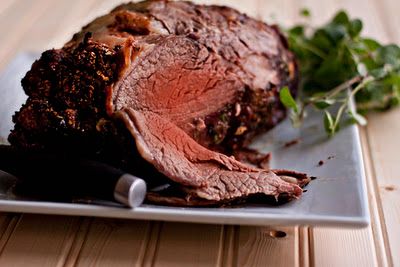
  • To ensure the juiciest possible roast this holiday, use a meat thermometer. Once it has reached the USDA recommended internal temperature of 145 F, the roast is safe to eat.
  • Remember all cuts of pork, beef, veal, and lamb need a three minute rest time before cutting or consuming.

Consumers can learn more about key food safety practices at Foodsafety.gov and follow @USDAFoodSafety on Twitter. Consumers with questions about food safety, can call the USDA Meat and Poultry Hotline at 1-888-MPHotline (1-888-674-6854) or chat live with a food safety specialist at AskKaren.gov, available from 10 a.m. to 4 p.m. Eastern Time, Monday through Friday, in English or Spanish.

2016-05-31T19:32:10-07:00December 18th, 2014|

Nimitz Poised for California Registration

By: Kyle Buchoff, Cal Ag Today Reporter

Researchers are developing effective ways to control crop-destroying worm-like nematodes. One product, Nimitz, is not yet registered for use in California but is showing great promise in vegetables.

“We’ve been working with a number of different products over a number of years, and actually have two products; one is Nimitz, the other is still in development.,” said UC Riverside Cooperative Extension Associate Nematologist Antoon Ploeg. “Both look very promising in all three crops that we have been testing: tomatoes, melons, and carrots, so for us it’s been an exciting time!”

Ploeg and his team found remarkable results from nematode pressure plots. Non-treated plants were heavily galled and those that were treated with Nimitz showed a 95% reduction in galls.

“Something is going on here that makes us very excited, especially because the product has low toxicity,” said an enthusiastic Ploeg. “It has only a ‘Caution’ label, and has had the original restricted-entry interval (REI) of 24 hours reduced to zero.”

Nimitz has been approved by the EPA, but has not yet been approved for use in California.

2016-05-31T19:32:10-07:00December 17th, 2014|

AgroThermal Announces Impressive 2014 Winegrape Trial Results

11 California Winegrape Trial Blocks Average Over 30% Yield Increases


By Laurie Greene, CalAgToday editor and reporter


AgroThermal Systems produced a third year of impressive winegrape fruit set results in 2014 patented Thermal Heat Treatment process trials, averaging 23% more berries per bunch and 27% more bunch weight at mid season. Yield per vine at the end of the season showed a 31% gain in treated blocks vs. control blocks.

The data, developed under the direction of the Dawson Company, which creates sales opportunities for new agricultural post harvest, produce ripening and crop production technologies and novel agrichemicals, came from 15 trial and control blocks in the Southern Salinas Valley, Livermore and the Central Valley. According to the company’s founder and president, Art Dawson, “ We have been sampling fruit set and bunch weights in conjunction with AgroThermal since 2012 and this represents the 3rd year of a consistent average increase of over 20% in fruit set at mid season vs. corresponding trial blocks. There is no doubt the technique produces more fruit, even in great fruit set years as evidenced from over 30 blocks tracked since 2012.” The increase in fruit set varied by varietal; it appears the response to instantaneous heat treatment is varietal-specific.

In 2014, the two companies collaborated on sampling harvest weights and berries per bunch counts a few days in advance of harvest, in 11 of the 15 winegrape trial blocks. According to Dawson, “We stripped six vines in each control and trial block to get a projection of weight per vine. The average increase was 31% more weight per vine. This indicated that the technique not only created more berries per bunch, but this advantage was carried forward to harvest yields.”

According to Marty Fischer, CEO of AgroThermal, “When we saw these sampling yield projections, we asked our growers to confirm their actual harvest data. Getting grower data on harvest yields has always been challenging due to the frenetic activity at harvest, the very reason why we decided to do the sampling prior to harvest. We have confirmation of substantial yield increases for 7 of the 11 blocks at Scheid Vineyards located in the Salinas Valley,” Fischer said, “and are awaiting grower harvest data from the other four blocks.”Scheid Vineyards

Shawn Veysey, Head of Viticulture at Scheid in Greenfield, California stated, “We were very excited by what we have seen with the AgroThermal technique. We have blocks with up to a 40% increase in berries per bunch and weight per bunch. This translates to a 1 to 2 ton increase per acre.”

Fischer credited the increases in 2014 to a treatment shift; “Different protocols produce significantly different results after experimenting with treatment start dates, frequency of treatments and time of day applications. Growers who don’t want yield increases but want to change wine character need to use a protocol that provides more berries per bunch leading to higher skin to pulp ratios. Growers who want a yield increase need to adhere to a different protocol of treatments.”

AgroThermal expects some 15-20 wines to be barrel-tasted from the 2014 trials in California and Oregon, with wine quality results announced sometime in early 2015.


Agrothermal Systems Introduces North America Sales Manager

Kim Boyarsky was recently appointed North America Sales Manager, bringing wine industry marketing experience to AgroThermal Systems. She has spent ten years in customer development representing packaging and cooperage companies in the wine industry. For the last three years, she was Territory Manager with Barrel Builders, Inc. in St. Helena, California, where she was responsible for consulting with winemakers on barrel selections for current wine vintages in California, Oregon and Washington.

AgroThermal Systems (www.agrothermalsystems.com) is based in Walnut Creek California and is a dba of Lazo TPC Global, Inc. a California Corporation. AgroThermal has pioneered the use of in-field heat treatment as a means to increase yields, reduce pesticide needs and improve crop qualities. The company holds patents on Thermal Pest Control and has patents pending on Thermal Plant Treatment for agricultural crops . The AgroThermal Systems technology has shown consistent results for improving fruit set, harvest yields, pest control and improving certain wine sensory characteristics in various trials conducted in the US from 2012-2014.

2016-05-31T19:32:11-07:00December 15th, 2014|

California Farm Bureau’s Paul Wenger Addresses 96th Annual Meeting

California Farm Bureau President reflects on membership triumphs & challenges in 2014 and his hopes for 2015

By Kyle Buchoff, CalAgToday Reporter

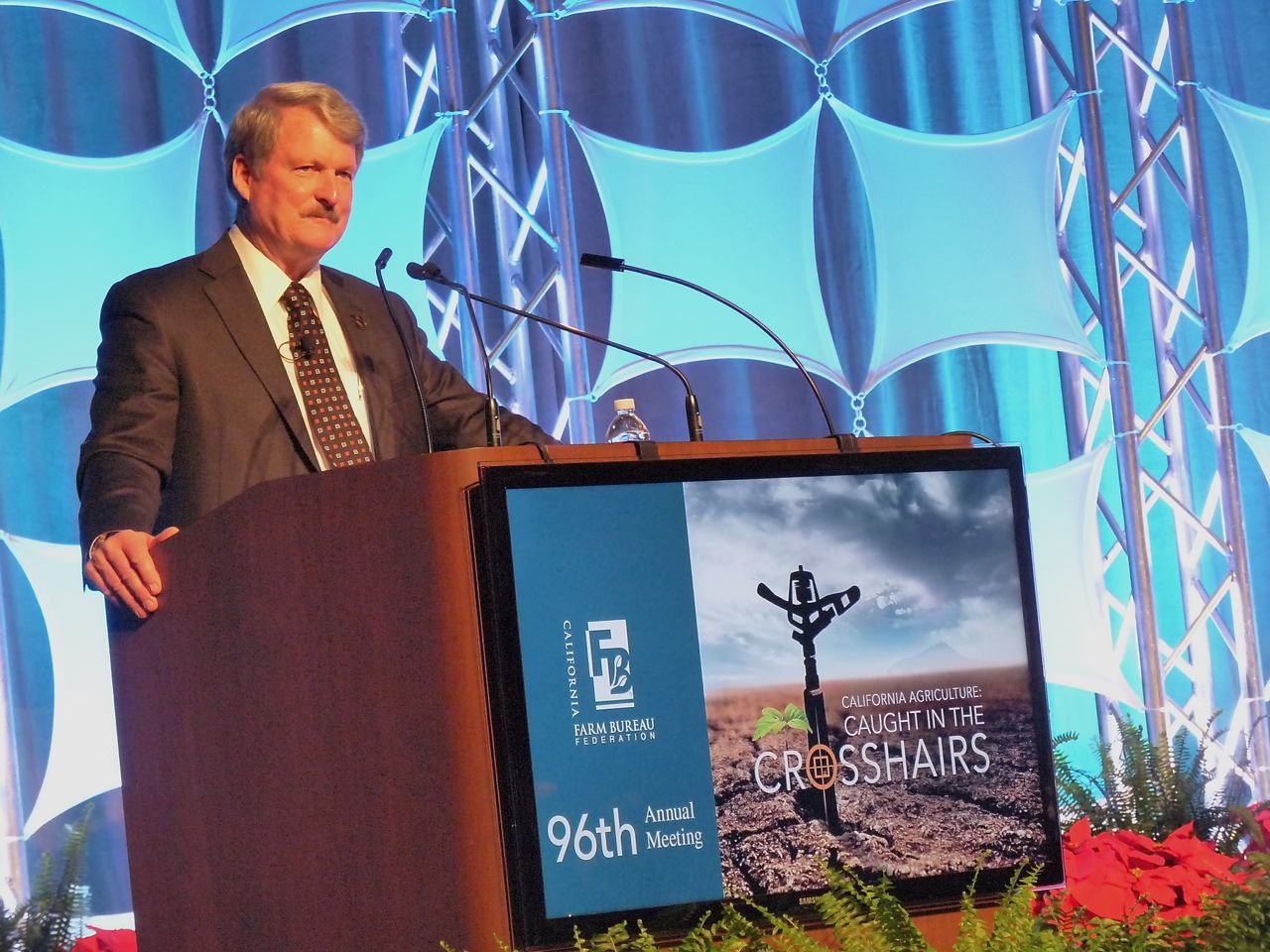
Paul Wenger, president of the California Farm Bureau Federation (CFBF) welcomed attendees to the 96th Annual CFBF Meeting by introducing the conference’s theme, ‘California Agriculture Caught in the Crosshairs.’

“The only way to be a target is to be standing still. I can guarantee we are not going to stay standing still, but from time to time, I think we have stood still. It is interesting; people say this is provocative, but it is also spot-on, California agriculture has adapted and improved, and continued to adapt and improve, and continues to provide food and fiber. We have become a victim of our own success, and because many times we would just as soon as sit back and hope the world would pass us by while we do nothing short of miracles by producing more and more food and fiber with basically the same resources we have had for years, all of a sudden, we’ve become victims of our own success.”Farm Bureaus Meeting Theme

“After two wet years when our reservoirs were brimming to capacity, our farmgate value in 2011 rose to a record of $43.5 billion. Now that’s farmgate, and you will hear other states say how they have a $100 billion farm economy, but this is just the farmgate, and we are not even talking about what our multiplier effect is.”

Wenger explained that California agriculture slipped by $1 billion in 2012, and “we have yet to see what the final report for 2013 will be. But, if it is any indication by what we have been witnessing  through the county ag commissioners in their reports for food and fiber production, it will likely set a new level.”

“And ladies and gentlemen, as bad as 2014 was for water, the fact that we had 4, 5 or 6 hundred thousand acres out of production, the fact that we had 17,000 jobs lost, what the University of California said was a $2.2 billion dollar farmgate loss due to lost production; I would estimate (and we won’t know until 2015), that 2014 will probably set a record year for farmgate value and income.”

“And we will have our detractors and others who say, ‘what is wrong on the farm?’ Agriculture continues to increase and produce even though we have challenges. The underlying number 1 challenge of the statistical health of California agriculture is water. Today’s presentation though is going to be forward-looking.”

Wenger’s presentation included a “Working for You” document handed out to each member that detailed the organization’s policies, and the duties of its staff, officers, and board of directors. Wenger recognized the efforts of Rich Matteis, CFBF administrator and staff to prepare the document and solve issues for the California Ag industry. Wenger explained, given the challenges over the last few years, and especially with the Affordable Care Act, “Rich Matteis has been doing nothing short of miracles, orchestrating our staff to be able to do more with less.” Wenger urged Farm Bureau members to carefully review the document to understand how the organization is endeavoring to work on their behalf.

Though the document did not include contributions from the 53 county farm bureaus, Wenger recognized the farm commissioners and the work product from their bureaus, led by volunteer staff who have to transition around new leadership every few years. “They have to keep air in the tires, and the bearings greased so everything works in our county farm bureaus. As a grassroots organization, it’s those folks and the folks we have at CFBF and the American Farm Bureau Federation (AFBF) that really help those of us who are farmers and ranchers to accomplish what we do.”

Wenger considers 2014 a very interesting year and expects the same in 2015. “It’s all about water, folks. Think back not too long ago to August when we had all the mechanizations around the water bond: ‘is it going to be a $6.5 billion bond? Is it going to be $6 billion bond?” There were questions about water storage and how much funding would be allocated for water storage.

“We finally got it done with a near unanimous vote to get the water bond on the ballot for $7.5 billion with $2.7 billion continuously appropriated for water storage. We don’t know what will happen, but we are glad it got on the ballot.”

Continuing, Wenger said that shortly afterwards, all the attention turned to groundwater. “The two groundwater bills working their way through the legislature were signed by the governor in September.” Later, one of the authors, former Democratic California State Assemblymember Roger Dickinson, wrote, “The Governor signs historic groundwater legislation. California’s water future is secure.”

“Nothing could be further from the truth,” said Wenger, attributing Dickinson’s recent defeat at the polls to the funding and efforts of the California Farm Bureau Fund to Protect the Family Farm (FARM PAC).

“Let’s not lose focus on what happened in November. For the first time in four decades, the electorate decided to do something about our water infrastructure.” Their message to Sacramento, well beyond the water bond, was, “We need to do something about our water infrastructure, not only for our environment, not only for municipal and industrial, but most of all for agriculture because we are feeding the world.”

“And so what happened is nothing short of phenomenal,” he continued, congratulating the board for stepping up and spending the funds to be able to get over the threshold and have a win.”

Returning to the theme of the conference and its positive outlook in his closing, Wenger stated, “A lot of folks will say that ‘Caught in the Crosshairs’ is a picture of despair. I actually say, ‘no, it’s hope.’”

Wenger said there’s hope for what the industry can do if given a little bit of water. “Some folks will say that with the clouds, it is doom and gloom; but remember, we need to have rain clouds to have water in our reservoirs and streams. Really this is a picture of opportunity and of what can be and will be if we work together and really take an aim on advocacy.”

“As we take an aim at advocacy, everybody gives the example of a three-legged stool: one leg is not any good without the others. “That’s absolutely true; I couldn’t do what I do without Kenny Watkins (First Vice President) and Jamie Johansson (Second Vice President). As we look to the future, we have to educate; we have to engage; and, we have to be advocates.”

2016-05-31T19:32:11-07:00December 11th, 2014|
Go to Top