Secretary Ross Joins Ag in the Classroom Event

By: Monique Bienvenue; Cal Ag Today Social Media Manager/Reporter

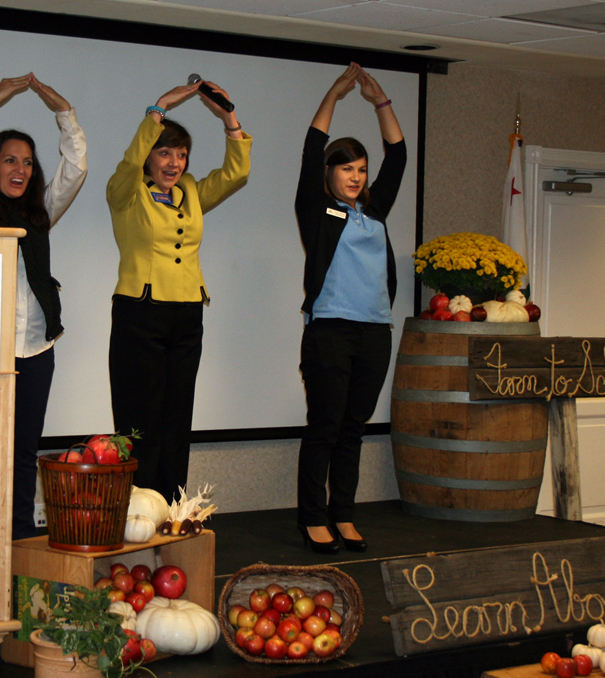
More than 220 California educators and volunteers attended an annual California Agriculture in the Classroom Conference earlier this month to learn about agriculture and connecting Common Core to California crops. The conference, hosted by the California Foundation for Agriculture in the Classroom (CFAITC), was held October 16-18 in Santa Cruz County and provided participants with free resources and valuable avenues for teaching Common Core, STEM, and school garden/nutrition lessons.

The program, designed for educators, administrators, and community volunteers, presented opportunities to explore the agricultural industry and enhance existing curriculum with examples and scenarios about food and fiber production.

California Secretary of Agriculture Karen Ross welcomed the group of educators along with Dr. Jim Painter, professor emeritus at Eastern Illinois University. Renee Shepherd, owner of Renee’s Garden, also spoke to the educators and Michael Marks, Your Produce Man, closed the conference with trivia about the more than 400 crops grown in California. Conference participants were able to experience the variety of agriculture at the conference and were able to learn directly from leading agricultural experts.

In her comments, Secretary Ross shared the importance of California agriculture, emphasizing the many things that stem from from agriculture, and helped teach the educators the 5 F’s of agriculture – Food, Fiber, Forests, Flowers, and Fuel.

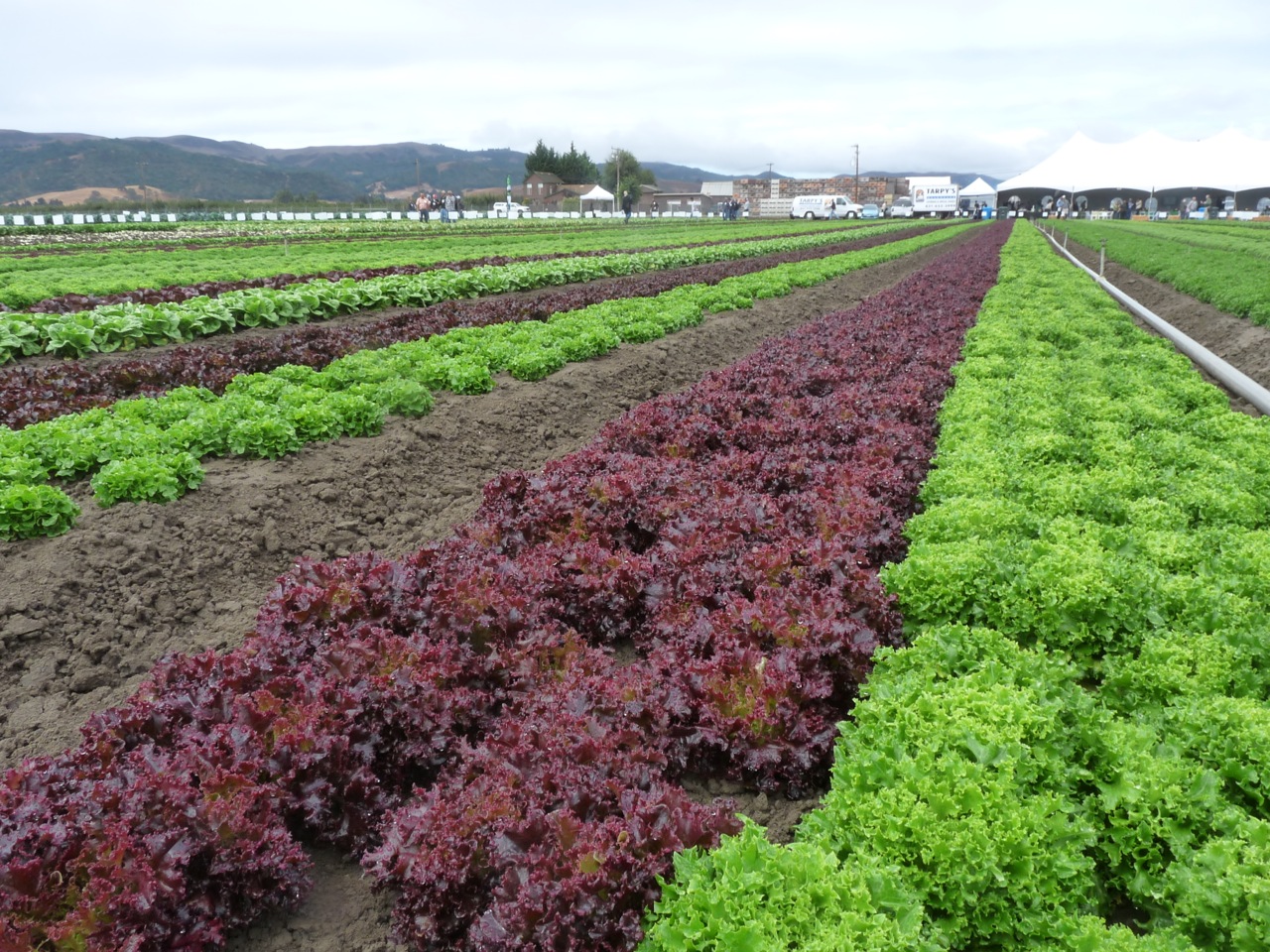
From cut flowers and strawberries to artichokes and timber, Santa Cruz County is the smallest agriculture producing county in California in land mass and one of the most diverse.

The California Ag in the Classroom conference empowers attendees to return to their classrooms and school communities confident and capable of sharing the importance of agriculture’s significant impact on California and its economy with their students.

2016-05-31T19:32:18-07:00October 27th, 2014|

California FARMS Leadership Program Aims to Get Youth in Ag Business

Christine McMorrow Heads up FARMS Leadership Program

By Colby Tibbet, California Ag Today Reporter

California-based “Farming, Agriculture, and Resource Management for Sustainability,” or FARMS Leadership Program, is a special Center for Land-Based Learning program that provides innovative, hands-on experiences to urban, suburban and rural youth at working farms, agri-businesses and universities.

“We currently serve students in 10 California counties, seven sites throughout the state, and because agriculture is becoming such a key issue in California and more people are becoming interested in farming practices, knowing where their food comes from, and how it’s grown,” said Christine McMorrow, FARMS Leadership Program Director.

McMorrow said, “Our primary goal is to get high school students out on farms and ranches, into Agri-businesses, learning about jobs in agriculture, especially jobs that go beyond production agriculture. Those jobs that involve science, technology, engineering, and math,” said McMorrow.

As industry partners are always looking for qualified people, McMorrow explained, “We want to help generate those qualified people, so we are getting students from ag backgrounds and students who are not from ag backgrounds and exposing them to the wide variety of careers available to them in agriculture.”

She said the best way to enable those students to know what all the different jobs in agriculture is to get them to where the work is happening.“We give them opportunities to do work on these farms and in these businesses. We also make sure they have plenty of opportunities to speak with people working there and find out how they became interested in agriculture and how they got to where they are today,” said McMorrow.

For more information the program, go to the FARMS website. If you represent an agricultural company that needs good qualified help, go to the Center for Land-based Learning website for contact information.


2016-05-31T19:32:18-07:00October 23rd, 2014|

WAPA Webinar on Revisions to Proposed FSMA Rule

The Western Agricultural Processors Association (WAPA) will be hosting a very special webinar on Thursday, November 13, covering the U.S. Food and Drug Administration’s (FDA) proposed changes to the Produce Rule and Preventive Controls Regulation of the Food Safety Modernization Act (FSMA). 

Jennifer McEntire of The Acheson Group will be providing the update.  Find out how the FDA is proposing to handle hullers and what the requirements will be under these revisions.  This free webinar is an absolute must for all huller and processor members.

For more information about WAPA, click on the link http://www.agprocessors.org. Register here for the webinar.
webinar

The Western Agricultural Processors Association (WAPA) represents facilities involved in the processing of almonds, pecans, pistachios and walnuts. Regular WAPA memberships are limited to almond hullers or processors, pecan and pistachio processors, and walnut dehydrators and processors. Associate memberships include any individual or business entity which is not engaged in agricultural processing, but which provides products or services directly related to the agricultural processing industry, such as commodity brokers, accounting firms, and insurance brokers.

Featured photo: WAPA


2016-05-31T19:32:19-07:00October 23rd, 2014|

New Farm Bill Program to Help Provide Relief to Farmers Affected by Severe Weather

By: Monique Bienvenue; Cal Ag Today Social Media Manager/Reporter

U.S. Agriculture Secretary Tom Vilsack announced the implementation of a new Farm Bill initiative that will provide relief to farmers affected by severe weather, including drought. The Actual Production History (APH) Yield Exclusion, available nationwide for farmers of select crops starting next spring, allows eligible producers who have been hit with severe weather to receive a higher approved yield on their insurance policies through the federal crop insurance program.

Spring crops eligible for APH Yield Exclusion include corn, soybeans, wheat, cotton, grain sorghum, rice, barley, canola, sunflowers, peanuts, and popcorn. Nearly three-fourths of all acres and liability in the federal crop insurance program will be covered under APH Yield Exclusion.

“Key programs launched or extended as part of the 2014 Farm Bill are essential to USDA’s commitment to help rural communities grow. These efforts give farmers, ranchers and their families better security as they work to ensure Americans have safe and affordable food,” said Vilsack. “By getting other 2014 Farm Bill programs implemented efficiently, we are now able to offer yield exclusion for Spring 2015 crops, providing relief to farmers impacted by severe weather.”

The APH Yield Exclusion allows farmers to exclude yields in exceptionally bad years (such as a year in which a natural disaster or other extreme weather occurs) from their production history when calculating yields used to establish their crop insurance coverage.

The level of insurance coverage available to a farmer is based on the farmer’s average recent yields. By excluding unusually bad years, farmers will not have to worry that a natural disaster will reduce their insurance coverage for years to come.

Under the new Farm Bill program, yields can be excluded from farm actual production history when the county average yield for that crop year is at least 50 percent below the 10 previous consecutive crop years’ average yield.

Federal crop insurance, which is sold through private crop insurance agents, offers a variety of options that may impact coverage and premium costs. Producers are encouraged to work with their crop insurance agent to determine the coverage that best meets their risk management needs. Farmers can find a crop insurance agent in their area at: www.rma.usda.gov/tools/agent.html.


2016-05-31T19:32:19-07:00October 22nd, 2014|

2015 SPECIALTY CROP BLOCK GRANT PROGRAM WORKSHOPS

During the first two weeks of November, the California Department of Food and Agriculture (CDFA) will present four workshops and two webinars on the 2015 Specialty Crop Block Grant Program (SCBGP) competitive solicitation process.

Workshops will feature an overview of the program, a walkthrough of how to use the online application system, a description of requirements for grant recipients, as well as helpful grant writing tips. All prospective SCBGP applicants are encouraged to participate.

There is no cost to attend the workshops or webinars; however, space is limited and CDFA requests that attendees register in advance. To reserve a seat, individuals planning to attend should email grants@cdfa.ca.gov with their contact information, number of seats required, and workshop location. Further details will be provided with confirmation of registration.

Workshops and webinars will be held on the following dates:

FRESNO COUNTY: November 4, 2014 (Tuesday) from 9:30 am to 11:30 am
 – American Pistachio Growers, 9 River Park Place East, Suite 410, Fresno, CA 93720

SACRAMENTO COUNTY: November 5, 2014 (Wednesday) from 9:30 am to 11:30 am
 – University of Phoenix, 2860 Gateway Oaks Drive, Sacramento, CA 95833

WEBINAR 1: November 6, 2014 (Thursday) from 1:30 pm to 3:30 pm – Details will be provided upon registration.

ALAMEDA COUNTY: November 12, 2014 (Wednesday) from 9:30 am to 11:30 am – 
Alameda County Farm Bureau, 638 Enos Way, Alameda, CA 94551

MONTEREY COUNTY: November 13, 2014 (Thursday) from 9:30 am to 11:30 am – Grower-Shipper Association, 512 Pajaro Street, Salinas, CA 93901

WEBINAR 2: November 14, 2014 (Friday) from 9:30 am to 11:30 am – Details will be provided upon registration.

CDFA conducts an annual competitive solicitation process to award SCBGP funds to projects that solely enhance the competitiveness of California specialty crops. Specialty crops include fruits and vegetables, tree nuts, dried fruits, horticulture, and nursery crops (including floriculture).  For more information, please visit www.cdfa.ca.gov/grants.

2016-05-31T19:32:19-07:00October 21st, 2014|

World Food Prize Awarded to Prestigious Wheat Scientist

By: Laurie Greene; California Ag Today Editor 
Last week, Dr. Sanjaya Rajaram, a wheat breeder, was awarded The World Food Prize among an international audience at the Iowa State Capitol in Des Moines. Rajaram has spent his life developing more than 480 varieties of the staple crop and has significantly contributed to an increase in world wheat production.
“This award honors the resilience and innovative spirit of farmers in the developing world and the national agricultural systems,” Dr. Rajaram said. “Without their contributions my research would not have been possible. The mission was – and the mission remains –  to serve them.”
The World Food Prize is the foremost international award; recognizing — without regard to race, religion, nationality, or political beliefs — the achievements of individuals who have advanced human development by improving the quality, quantity or availability of food in the world.
The Prize recognizes contributions in any field involved in the world food supply — food and agriculture science and technology, manufacturing, marketing, nutrition, economics, poverty alleviation, political leadership and the social sciences.
The World Food Prize emphasizes the importance of a nutritious and sustainable food supply for all people. By honoring those who have worked successfully toward this goal, The Prize calls attention to what has been done to improve global food security and to what can be accomplished in the future.
2016-05-31T19:32:19-07:00October 20th, 2014|

USDA Awards Funding for Regional Centers of Excellence in Nutrition Education and Obesity Prevention

Source: Monique Bienvenue; Cal Ag Today Social Media Manager/Reporter

Today, the U.S. Department of Agriculture awarded $4 million in grants to establish four regional centers of excellence for research on nutrition education and obesity prevention, as well as a coordinating center, which will develop and test innovative nutrition education and obesity prevention interventions for underserved, low-income families.

“Nearly one in three children today is overweight or obese, and nutrition promotion strategies, including education, public policies, health systems, and environmental changes, are the key to reversing this trend,” said Sonny Ramaswamy, Ph.D., National Institute of Food and Agriculture director. “These grants provide the opportunity to improve the health of our next generation and ensure that all children have access to the tools they need to improve their nutrition and physical fitness.”

Together, Food and Nutrition Service and the National Institute of Food and Agriculture will support effective education and extension services through two preexisting programs; the Supplemental Nutrition Assistance Program-Education (SNAP-Ed) and the Expanded Food and Nutrition Education Program (EFNEP). This joint effort, known as the SNAP & EFNEP: Regional Nutrition Education and Obesity Prevention Centers of Excellence (RNECE) will establish centers at Colorado State University, Cornell University, Purdue University, and the University of North Carolina at Chapel Hill, and one national coordinating center at the University of Kentucky.

The National Coordination Center will coordinate communications across the four regions and disseminate findings. The national center will also aggregate data to share with policy makers and other stakeholders, and will work with NIFA to organize annual meetings with the regional centers. The interventions developed through the centers will likely benefit additional populations beyond SNAP and EFNEP participants.

The $4 million in funding supports USDA’s strategic goal of developing and extending a research-based approach to obesity prevention, ultimately producing measurable improvements in health, obesity, nutrition and physical activity-related outcomes.

“This joint grant program is one of the most important and powerful tools at our disposal to promote healthier choices and improved physical health among participants in our nutrition assistance programs,” said Food and Nutrition Service Administrator Audrey Rowe. “I am thrilled that we have been able to launch this partnership to drive innovation and increase our impact in preventing and reducing obesity.”

USDA’s Food and Nutrition Service administers 15 nutrition assistance programs. In addition to SNAP, these programs include the National School Lunch and Breakfast programs and the Summer Food Service Program which together comprise America’s nutrition safety net. Improving the diets of participants is a key component of USDA’s nutrition assistance programs. For more information, visit www.fns.usda.gov.


2016-05-31T19:32:19-07:00October 17th, 2014|

Researchers Combat Aquatic Weeds

Aquatic Weeds Interfere with Water Flow, But There are Strategies for Eradication


By Kyle Buchoff, California Ag Today Reporter


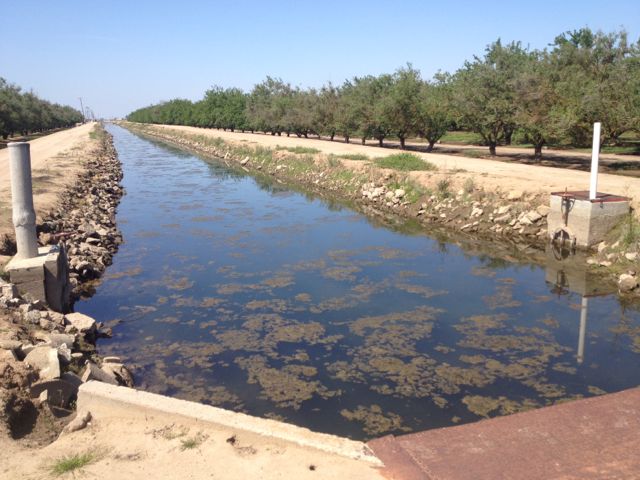
John Madsen is a Research Biologist with the USDA and is the Site Coordinator for The Aquatic Weed Research Facility at UC Davis. One of the goals of this lab is to identify aquatic weeds that might hinder the flow of irrigation water through canals, ditches or farms.

Madsen, explained, “There are many species of aquatic plants that will infest irrigation ditches and other canals and interfere with the passage of irrigation water. Some of the main species are Hydrilla, a noxious weed in California, and in the Delta, Egeria densa or  Brazilian elodea. California State Parks Division of Boating and Waterways is working on the weeds in the delta.”

Madsen said once the species is identified, the grower must choose the correct herbicide to control the weeds, “Species identification is very important, since different species are susceptible to different herbicides. There are also water restrictions on herbicides. You have make sure you choose the right herbicide for controlling the weed but also make sure it fits the constraints of the habitat. Some herbicides cannot be used too close to irrigation, the water source or drinking water, while others have fewer restrictions.”

Mike Blankinship with Davis, CA-based Blankinship & Associates, a firm that specializes in aquatic weed management, said, “Among the things that we provide are services to various growers and irrigation districts to help them understand their weeds, manage them and ultimately deliver water efficiently. Working with John and others in the irrigation community throughout California, we have come up with a variety of plans and tools that include aquatic herbicides to manage the water supply and deliver it to growers efficiently.”

2016-05-31T19:32:19-07:00October 16th, 2014|

Central Valley Nematodes Cause $1.5 of Crop Damage Each Year

Root-knot Nematode Lowers Vegetable Crop Yields in the Central Valley


By Kyle Buchoff, California Ag Today Reporter


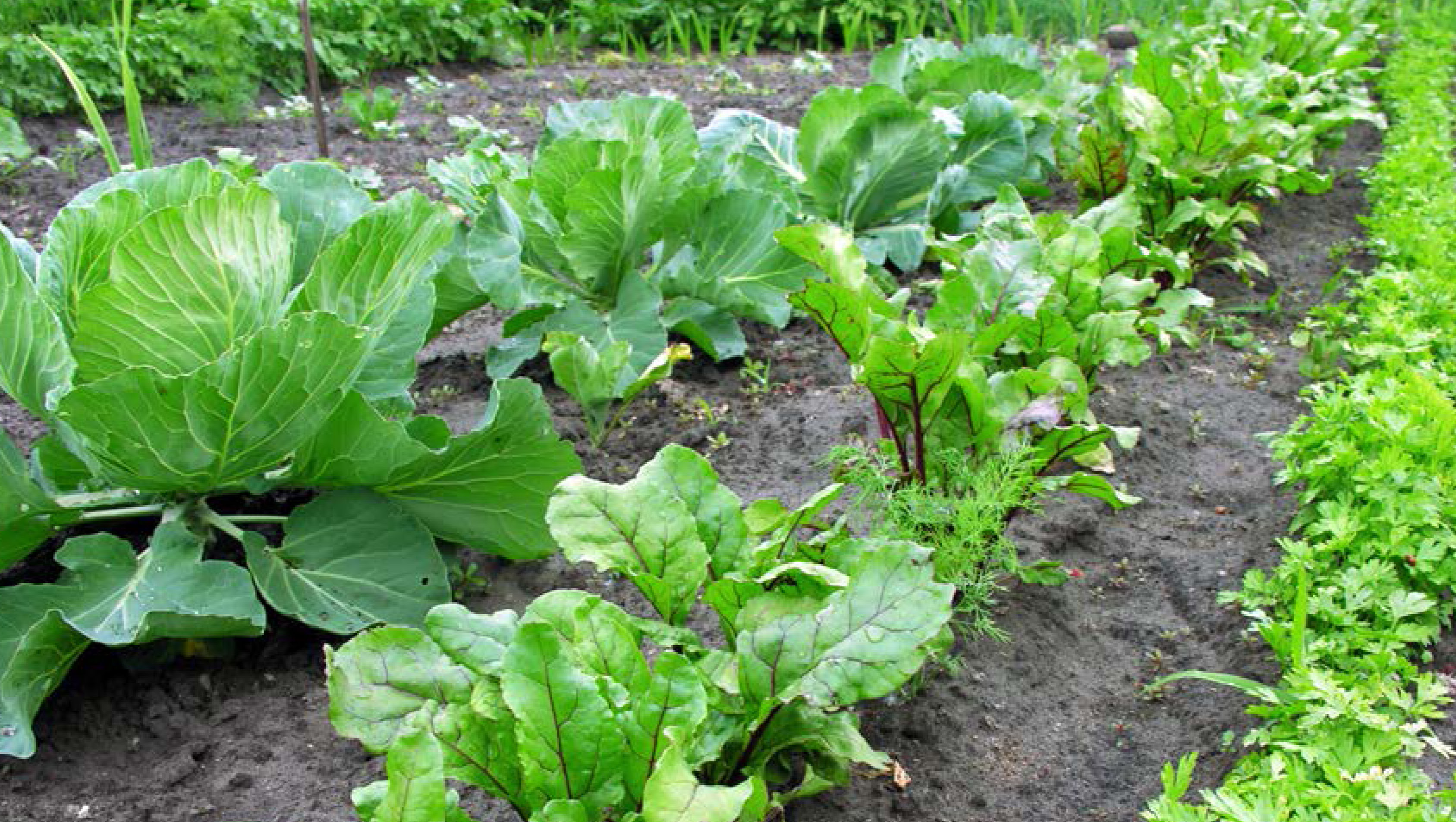
Nematodes are generally harmless, tiny roundworms found in the soil. However, the root-knot nematode, which lives in hotter climates such as in the Central Valley, can inflict havoc on crops, especially vegetables.J. Ole Becker

J. Ole Becker, Extension Specialist of Nematology at UC Riverside, described the big problems these tiny organisms create for growers, “Nematodes are an underestimated disease problem. They are probably costing California agriculture at least $1.5 billion each year in lost production. Our major problem is root-knot nematodes; we have four or five species causing problems throughout the state.”

Root-knot nematodes were named due to the way they entwine themselves around the root of the plant, which can dramatically decrease the plant’s yield. Becker explained that  tools and strategies available to growers minimally affect crops and the environment, “We now have second and third generation products entering the market that are as effective, but much less toxic, then what was available twenty years ago. They also have shorter entry time.”

According to the UC Riverside Department of Nematology website, millions of species of nematodes cover all seven continents, but only a small fraction affect our food supply.

2016-05-31T19:32:20-07:00October 15th, 2014|

4th Generation Modoc Rancher To Take California Cattlemen’s Association Reins

Modoc County Cattleman to Serve for Two Years as California Cattlemen’s Association President


By Kyle Buchoff, California Ag Today Reporter


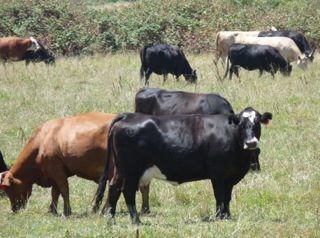
Bill Flournoy is a fourth generation cattleman in the city of Likely, nestled in California’s northeast Modoc County, and the upcoming CA Cattlemen’s Association president.

Many generations of his family contributed to the ranch, “We came here in 1871 to this valley and I live in the house where my Dad and Granddad were born,” said Flournoy. “I’ve got a grandson here–that’s fifth generation–and a granddaughter who is sixth generation, who help me.”

When the California Cattlemen’s Association meets with the California CattleWomen’s Association at their 98th Annual Convention, Flourney will begin a 2-year term  as president. The event will be be held from November 20-22 in Sparks, NV.

He was very modest about his new responsibility, “Well that’s kind of the way it ended up. I didn’t volunteer for this; I was asked to, and I am going to respect that. I believe in the California Cattlemen and that’s why I’m going to do the best job I can for them.”

Flournoy is very close to his two brothers, who are also his business partners. He noted, “We’ve been partners for forty-five years. We run a cook house, have breakfast and lunch together everyday, work together and get along pretty darn good.”

When asked to reflect on good and bad days on the ranch, he was surprisingly positive: “Oh yeah, I’ve worked this ranch all my life, and I haven’t  had very many bad days.  I’ve had some family die and that made bad days, but working on the ranch and with the cattle and the men that I’ve worked with, I can’t say I’ve had too many bad days. I’ve been pretty fortunate.”

For more information on the 98th Annual Convention, please visit the Cattlemen’s website.

2016-05-31T19:32:20-07:00October 15th, 2014|
Go to Top