California expects more competition for wine market

Source: Steve Adler; Ag Alert

A new report showing that the United States continues to lead the world in wine consumption is viewed as good news for the California wine sector—but it shouldn’t lead to complacency, according to three experts.

This country’s No. 1 ranking in total consumption in 2013 marked the third consecutive year of that achievement. U.S. wine consumption topped 3.3 billion liters, an increase of 5.4 percent compared to the previous year. France retained its hold on second place, with 2.8 billion liters—but that represented a 6.9 percent decrease in consumption.

California’s share of U.S. wine production is about 90 percent, although there are wineries in every state.

“Our consumption is growing in this country, but everyone realizes that the U.S. is the largest wine market in the world because we have such a large population base. Everybody in the world wants to sell their wines here, so there is a lot of foreign competition,” said Gladys Horiuchi of the Wine Institute in San Francisco.

Mendocino County grape grower and winery owner Bill Pauli said last week’s report on wine consumption underscores the importance of the U.S. market not only to California producers, but to producers around the world.

“With America’s expanding growth and improved economic times, consumption has improved and people are drinking better wines. But we still have to compete, not only amongst ourselves, but with all of the foreign competition. And that foreign competition is really the challenge in not only flavors, but price,” Pauli said.

The challenge comes not only in finished products, but from the foreign producers who sell bulk wines into California to be blended or bottled here, competing directly with California grape growers, he said.

Horiuchi said lighter crops produced in California prior to 2012 allowed foreign producers of bulk wines to make inroads. But because of the large crops in 2012 and 2013, the availability of California grapes has eased that threat, she said.

“The good news now is that the wineries are brimming with California wine of excellent vintages, so naturally the wineries have gone back to their local sources. But in order to maintain their shelf space, when the production in California is down, they will import wine from other countries,” Horiuchi said.

Competition from foreign producers was also noted by Glenn Proctor of the Ciatti Co. in San Rafael, who cautioned the state’s growers and wineries not to become complacent.

“When you are No. 1 in the world, it is not just California wines and U.S. wines that consumers are buying, but other countries are trying to get their wines into the U.S. market too,” he said. “So I think we will continue to see a very competitive environment.”

Proctor said it is important for California wineries to continue producing wines that U.S. consumers want, at prices that allow them to purchase more.

“We have to be on our game and remain competitive. The opportunities continue to grow, but we have to be ahead; we cannot be behind,” he said. “We’ve seen countries like Australia, Chile, Argentina and South Africa do a pretty good job of bringing bottled product into this country.”

While this year’s winegrape crop in California is projected to be normal in size, it follows two years of record production, resulting in large inventories in most of the state’s wineries. Proctor said that will allow California wineries to hold onto highly competitive shelf space.

“We have had two bumper crops in a row and this year looks to be a healthy crop, but not large per se. But we do have some excess of wine, especially in the Central Valley. I think we will work through the excess, and it is helpful that we don’t have a big crop this year. But we do need to increase our sales and grow. Any kind of stagnation in case-good sales would not be a good thing for the industry,” he said.

Proctor predicted that in the near term, there could be some “corrections” in prices that wineries pay to growers.

“Prices received by growers are healthy right now and some wineries may think they are too high,” he said. “We may see some correction in the marketplace in the Central Valley in the next year or two, to get inventory costs back in line.”

In the long term, he said, wineries will need a steady supply of grapes coming from California, “and you want to have new and efficient vineyards so growers and wineries can continue to be profitable.”

Proctor said some older and less-productive vineyards in the Central Valley will probably be removed and replanted, either with better-producing grape varieties or other commodities such as almonds or pistachios.

On the marketing side, Horiuchi said wineries continue to target baby boomers, people ages 50 to 68.

“The baby boomers are the ones who have the income and the ones who are dining in restaurants. But at the same time, there is a transition taking place as wineries are starting to market to the next generation, where the consumers are more involved with social media, taking pictures of wine labels and so on. They are willing to try a lot of different things,” she said.
 

2016-05-31T19:33:25-07:00September 18th, 2014|

Bayer CropScience’s New West Sacramento Facility to Focus on Biopesticides

Biopesticides Are Valuable Part of Pest and Disease Control


By Colby Tibbett

Bill Stoneman is the executive director of the Biopesticide Industry Alliance, which is dedicated to fostering adoption of biopesticide technologies through increased awareness about their effectiveness and full range of benefits to a progressive pest management program.

“These are very important tools in terms of resistance management because they allow us to target alternative modes of action against pests. Biopesticide technologies are tools in the quiver, as well as the chemistries we are currently using and developing,” said Stoneman.

Biopesticides offer many other benefits, such as no maximum residue level (MRL) issues, reduced preharvest intervals and decreased reentry intervals.

Bill Stoneman, Biopesticide Industry Alliance Executive Director

Bill Stoneman, Biopesticide Industry Alliance Executive Director

“What you’re going to find, is that they will be used in rotation with the chemical pesticides or other cultural methods to prevent plant diseases and insects. I think you’re going to see more development in the seed treatment area. Again, seed is a good delivery mode to get things to the plant’s roots, and that’s where a lot of these materials are effective, from the plant-disease perspective,” said Stoneman.

With regard to insect control, Stoneman said, “We’re going to see new things coming into the marketplace. Some insect-specific viruses are going to be expanding in the U.S. soon, with applications on a variety of crops—but very insect specific—so in other woBill Stoneman Bayer Crop Science West Sacramentords, they kill only that insect, so there is no harm to pollinators or beneficials,” said Stoneman.

This will be more common in the future, according to Stoneman, “I think we will see as a trend going forward more reliance on the biologicals, pollinators, tailored pest control programs and IPM approaches to preventing any damage to those natural control forces in agriculture,” said Stoneman.

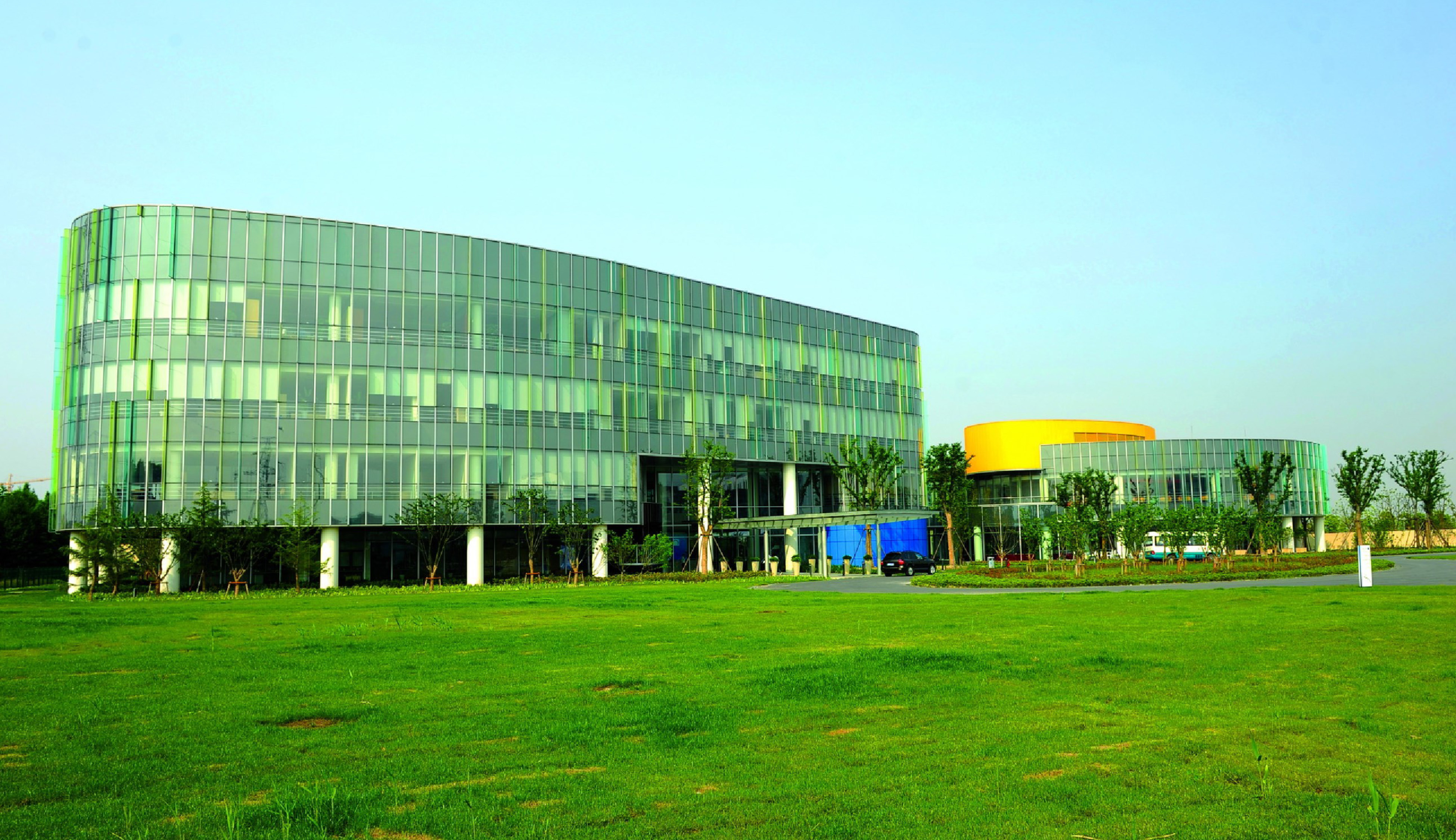
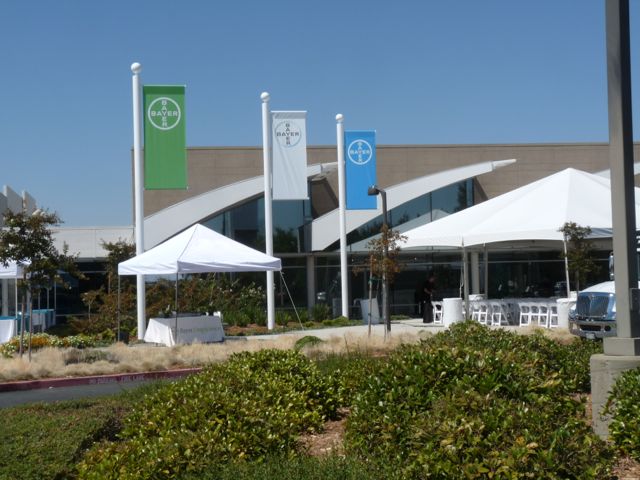
A big step for Biopesticides in California was the recent grand opening of the Bayer CropScience’s $80 million investment in their biologics and seed business in West Sacramento. It will focus on this new frontier of pest and disease control.


Adrian Percy, Bayer CropScience Global Research and Development (Source: www.bayercropscience.com)

Adrian Percy, Bayer CropScience Global Research and Development (Source: www.bayercropscience.com)

Adrian Percy, global head of research & development (R&D) with Bayer CropScience, explained Bayer’s decision for the West Sacramento location, “First and foremost, California is an amazing hub of agricultural innovation. We have UC Davis just down the road, which we have close ties to. In 2012, we purchased AgraQuest, which was based in Davis, so basically we’re moving them into this new facility which is much bigger and more state-of-the-art than what they were using previously,” said Percy.

“We’re really excited because here we will be researching brand-new applications based on bacterial-based products, fungicides, insecticides, etc. In addition, we will be developing new vegetable seed varieties,” said Percy.

Among the advantages of these new biologic tools for growers is avoidance of MRLs, a big boon for vegetable growers. “We see a lot of advantages for these types of products. And this is one of the fastest growing sectors both for us as a company, but also in general. What we are seeking to do now is bring next generation products to the marketplace which are even better than the ones we have today,” said Percy.

“These kinds of products, I think from a stewardship and management perspective, are very advantageous to the grower,” he added.

2016-05-31T19:33:25-07:00September 17th, 2014|

California Center in Shanghai Offers Direct Trade Gateway to Calif. Ag Industry

By Kyle Buchoff, Reporter

Strategically located in the new free trade zone in Shanghai, the California Center offers California companies a direct gateway to buyers and wholesalers in the Shanghai metro area (pop. 20 million) and beyond.  The California Center is a private entity but enjoys strong support from both the California and Chinese governments.

Gordon Hinkle, VP California Center

Gordon Hinkle, VP California Center

While the Center showcases a huge range of California products and services, agriculture comprises the single largest trade category. Gordon Hinkle, vice president of the California Center explains, “Our range of members runs across the gamut, but we do have a heavy [emphasis his] emphasis on ag because some of the highest demand for California goods and services is in ag and wine. We aren’t limited only to food and ag, but I would say it is the largest portion of what we are doing.”

The former international trade director for the California Asian Pacific Chamber of Commerce, Hinkle said, “We have a lot of different organizations and associations that are involved with us,” Hinkle continued, “to help promote their products.  Everything from processed goods to fresh fruits and vegetables…a very important part of what we are doing is working directly with the ag community.”

Recently Mr. Hinkle and other associates visited pistachio, raisin and olive oil producers in the Fresno area.  “These are the folks we are helping to introduce and increase their exports into China, and we have had very good early response.”

California Center LogoGordon also serves as a Committee Chair for the 150th Anniversary Celebration of the Chinese Workers Contribution to the Construction of the U.S. Transcontinental Railroad, which will be holding numerous events in 2015, recognizing Chinese contribution and significance to American history.

The California Center provides door-to-door service to bring products to Chinese buyer destinations in a seamless operation that includes: shipping, customs clearance, warehousing, sales transactions and customer services. Through the center’s portal, Chinese buyers can navigate through listed California companies seamlessly and with great ease!

2016-05-31T19:33:25-07:00September 17th, 2014|

Governor Brown Signs Trio of Groundwater Laws

California Water Alliance Voices Concern Over Governor’s Decision to Create New Groundwater Law


The California Water Alliance (CalWA) issued the following statement today (Sept. 16, 2014) in response to Governor Brown‘s decision to sign a new package of groundwater legislation into law. Please attribute this statement to Aubrey Bettencourt, Executive Director for CalWA.

“While we recognize the need to incorporate groundwater management into a comprehensive effort to reform California water policy, we have grave concerns about the legislative package the governor has just signed into law.

“Unfortunately, these measures were hastily drafted and without a true understanding of the global nature of our water crisis. Consequently these new laws, if not modified, will do more harm that good primarily because they completely omit any consideration about how to recharge our groundwater supplies. The following represent our primary concerns with the new laws:

They do not recognize that groundwater management must be handled in concert with surface water management. Limiting pumping will not recharge groundwater supplies; only reliable, annual surface water deliveries will recharge basins throughout the state.
They do not validate the fact that groundwater recharge must be acknowledged as a reasonable use of surface water; which currently it is not. To reach our goal of restoring our aquifers, we cannot punish activities that provide for achieving that goal.
They trample on private property rights of landowners who own the water on their property.
They do not adequately take into account local management efforts that have taken place statewide over the past decades.
They disregard the fact that famers have been tapping groundwater as a matter of survival and in direct response to the state and federal government’s dysfunctional and onerous surface water restrictions.

“We remain concerned that irregular supplies of surface water, and limited groundwater use will continue to severely impact our agricultural economy and its related industries. Our supply of water will dictate crop plantings; reduced water will mean fewer crops, jobs, exports and ultimately our position as the world’s number one exporter of fruits and vegetables.

“Groundwater management is critical but only if conducted responsibly and holistically. This package of new laws do neither and have the potential to further undermine efforts to achieve effective and balanced reforms to California water policy.”


2016-05-31T19:33:25-07:00September 16th, 2014|

FY 2014 Conservation Innovation Grant National Awardee

California Dairy Research Foundation (CA) $73,000

Improving Conservation Practice Adoption and Nutrient Management Plan Implementation through Utilization of Adapted Decision Support Tree eLearning Methods

California is home to 1.8 million dairy cattle, over 80 percent of which reside in the state’s Central Valley, an area rich in agriculture and responsible for nearly 20 percent of the nation’s milk supply. Central Valley dairy farms produce much of the forage necessary to feed their cows by utilizing manure nutrients to grow crops year-round. Cow manure is an important renewable resource used to fertilize crops, replenish soil nutrients and enhance soil quality.

Utilizing manure effectively is paramount to sustainable dairying and agriculture, but has been regulated since 2007. Regulatory requirements include the maintenance and implementation of both waste management and nutrient management plans.

The industry’s regulatory and environmental success depends on individual dairy producer ability to identify and adopt conservation practices and implement superior nutrient management to protect scarce surface and ground water resources. Multiple potential challenges exist which may prevent full implementation of all aspects of nutrient management and available conservation practices within a given operation.

Barriers are most often site-specific and require individual assessment of current systems, equipment and practices to determine optimal farm solutions. This project will develop, field-test and demonstrate the use of an electronically available teaching and learning (eLearning) system as an innovative approach to conservation practice adoption and nutrient management implementation. A proven decision tree support system will be adapted into an eLearning format to enable individual farm nutrient management needs assessment.

Its guiding principles will be communicating scientifically-proven yet practical, cost-effective options at various nutrient management system critical control points (decision tree nodes) to assist producers in identifying site-specific solutions for full nutrient management plan implementation. 

2016-05-31T19:33:25-07:00September 16th, 2014|

Climate change’s impact on restaurants

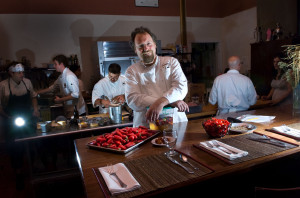
By Patrick Mulvaney, chef and restaurateur; The Sacramento Bee

When I read about climate change, I learn about rising sea levels and shrinking polar ice caps – problems for 100 years in the future. But when I talk to my friends and customers about climate change, the focus is on what is happening today. It seems little things are already adding up.

As a chef, I have always believed that the completed dish will only be as good as the ingredients used. The bounty of the 12-month growing season is the main reason we decided to open our restaurant here in Sacramento. Because of our close relationships with local farmers, our “supply chain” is basically a truck and the farmer’s market. We can see how the drought has affected their crops.

Three years of drought have taken a toll on the ranchers and farmers we depend on. Lack of rain to refill the state’s reservoirs has reduced water levels to historic lows. Some water allocations have been cut entirely, and most farmers have been forced to scale back on planting. Forty-five percent of rice land went unplanted this year; farmers were forced to sell off cattle this spring. Researchers at UC Davis estimate that drought will prevent farmers from planting nearly 430,000 acres and cost the state $2.2 billion.

This isn’t just a Sacramento problem; it will affect the whole country. California grows nearly half of the nation’s fruits and vegetables, including 70 percent of the lettuce, 76 percent of the avocados, 90 percent of the grapes and virtually all of the almonds. Unfavorable conditions in California mean higher prices for restaurants across the country.

The U.S. Department of Agriculture said produce prices could increase 5 to 6 percent this year. Even though beef prices are at historically high levels, the drought has raised the prices of feed even higher, forcing ranchers to sell the majority of their herds. A few years ago, the U.S. had 102 million head of cattle. That number is now under 88 million and dropping. It’s the smallest herd since 1951, so prices keep rising.

In addition to drought, climate change is causing other kinds of severe weather swings. Last winter was unusually brutal in the Midwest, causing an almost complete failure of the cherry crop and raising doubts about harvests for the rest of the tree fruits this summer.

In some ways, we are lucky at my restaurant; our daily-changing menus have allowed us to respond to climate disruptions. And while we continue to serve the best of what’s coming out of the nearby land, some items have become harder to find at a reasonable price. During the past year, restaurants have changed their menus to reflect higher meat prices, sudden collapses in citrus yields and the lack of products as farmers are forced to let their land lie fallow.

I worry that extreme weather, like California’s drought, may become the new normal. Our agricultural partners face the greatest risks. Many businesses will experience climate change through limited supply and poor supply-chain quality.

There’s something we can do about this. California has long been a national leader on clean-energy policies. Gov. Jerry Brown is supportive of the Environmental Protection Agency’s new regulations that will reduce carbon pollution. He said, “Clean-energy policies are already working in California, generating billions of dollars in energy savings and more than a million jobs. Bold, sustained action will be required at every level, and this is a major step forward.”

Now is the time to continue California’s clean-energy leadership tradition by implementing changes that encourage business leaders to use resources more efficiently. This will help prevent more extreme weather events and make our economy more resilient.


2016-05-31T19:33:25-07:00September 16th, 2014|

West Hills, Fresno City Colleges Among $1 Million Job-Training Partnership Recipients

West Hills College Coalinga Receives Funding for Job-Training Program


West Hills College Coalinga is among five other colleges selected to participate in a new $1 million job-training partnership this fall between the California Labor and Workforce Development Agency, the Employment Training Panel and the California Community College Chancellor’s Office (CCCCO). The agencies are providing $1 million to workers and employers for job training in drought-affected areas in California. WHCC’s irrigation technician program qualifies for this funding.

“West Hills College Coalinga, in concert with other influential organizations and other educational institutions, is pleased to participate in the drought-related training initiative and applauds the funding commitment to the Valley,” said Stu Van Horn, vice chancellor of educational services and workforce development for West Hills Community College District. “Our experience in delivering irrigation systems workforce training programs will enable Central Valley residents affected by the drought to take advantage of emerging opportunities in this high demand workforce industry.”

WHCCD paved the way for this sort of movement through its first Essential Elements session last March, “The Very Last Drop.” The session focused on water issues in the San Joaquin Valley and what industry leaders and educational institutions can do to help.

“The Very Last Drop highlighted irrigation innovation happening in the region and provided our faculty and staff cutting-edge insights into the latest demands of area employers that will help us in retraining displaced workers,” said Van Horn.

The partnership is effective Sept. 15, 2014 through June 30, 2016, with job training classes beginning this fall semester. Funding is made available through drought-aid legislation that was signed into law earlier this year. The CCCCO will coordinate with Yosemite Community College District to market this program.

The campuses selected include West Hills College Coalinga, Fresno City College, Reedley College, Modesto Junior College, Merced College and College of the Sequoias.

With this funding, 12 training programs of approximately 250 hours each will be offered at no cost to local residents. After completing one of the programs, students will receive an industry-recognized certificate. A full list of eligible programs at participating colleges includes Irrigation systems, evaluations specialists and designers, logistics technicians, electrical maintenance technicians, water treatment operators, forklift and warehouse technicians, food safety technicians, qualified pesticide applicators and manufacturing production technologists.

#

AMY KESSLER, Marketing Assistant,  
amyseed@whccd.edu| fax 559-934-2849

2016-05-31T19:33:26-07:00September 15th, 2014|

Opponents ask Governor to Veto Groundwater bills

Source: Dave Kranz; Ag Alert

Farmers, ranchers, other water users and nearly three-dozen members of the state Legislature have urged Gov. Brown to veto a package of groundwater-regulation bills that reached his desk in the waning hours of the legislative session.

The bills-Assembly Bill 1739 by Assembly member Roger Dickinson, D-Sacramento, and Senate Bills 1168 and 1319, both by Sen. Fran Pavley, D-Agoura Hills-would establish a broad, new regulatory framework for managing groundwater.

Gov. Brown has until Sept. 30 to sign or veto the legislation.

Opponents, including the California Farm Bureau Federation, say the bills go well beyond addressing issues of basins in overdraft, casting a cloud on water rights and establishing requirements that will lead to confusion and litigation.

CFBF President Paul Wenger said Farm Bureau has always encouraged the proper management of groundwater, but that doing the job efficiently and effectively should have been the priority.

“Instead,” Wenger said, “the Legislature took the ‘ready, fire, aim’ approach, rushing these bills through and creating a massive new regulatory program in the final days of the legislative session.”

Farmers, ranchers and other California landowners will be left to pick up the pieces, he said, dealing with the consequences of the legislation for years to come.

Under the bills, basins in critical overdraft would be required to develop groundwater-management plans within five years. Other basins would have seven years, but low- and very low-priority basins would not be mandated to develop plans.

A bipartisan group of 35 Assembly members and senators urged Gov. Brown to veto the legislation and to call a special session of the Legislature in December to reconsider groundwater management.

“Like you, we are concerned about the increasing conditions of overdraft in many groundwater basins,” the legislators wrote to the governor. “However, the legislation before you punishes groundwater users in basins that have little or no overdraft or already have effective management efforts in place. It will also infringe upon the right to groundwater, at a time when available water supplies are getting tighter.”

The legislators warned that the authorities granted in the groundwater legislation “will radically alter the landscape of groundwater law” in coming years and will have “a destabilizing impact on those who depend on groundwater supplies.”

In their letter, the legislators said they are willing to help the Brown administration craft a “narrower, more effective measure focused on basins where real problems exist, encouraging them to implement management measures modeled by other regions, and providing new state authority to intervene where local management fails.”

The letter was signed by Assembly members Katcho Achadjian, R-San Luis Obispo; Travis Allen, R-Huntington Beach; Frank Bigelow, R-O’Neals; Rocky Chávez, R-Oceanside; Connie Conway, R-Tulare; Brian Dahle, R-Bieber; Tim Donnelly, R-Twin Peaks; Steve Fox, D-Palmdale; Beth Gaines, R-Roseville; Jeff Gorell, R-Camarillo; Adam Gray, D-Merced; Shannon Grove, R-Bakersfield; Curt Hagman, R-Chino Hills; Diane Harkey, R-Dana Point; Brian Jones, R-Santee; Eric Linder, R-Corona; Dan Logue, R-Marysville; Allan Mansoor, R-Costa Mesa; Melissa Melendez, R-Lake Elsinore; Kristin Olsen, R-Modesto; Rudy Salas, D-Bakersfield; Donald Wagner, R-Irvine; Marie Waldron, R-Escondido; Scott Wilk, R-Santa Clarita; and Sens. Tom Berryhill, R-Twain Harte; Anthony Cannella, R-Ceres; Jean Fuller, R-Bakersfield; Ted Gaines, R-Roseville; Cathleen Galgiani, D-Stockton; Bob Huff, R-Diamond Bar; Steve Knight, R-Antelope Valley; Mike Morrell, R-Rancho Cucamonga; Jim Nielsen, R-Gerber; Andy Vidak, R-Hanford; and Mimi Walters, R-Irvine.

Other legislative opponents of the groundwater bills from Central California included Assembly members Luis Alejo, D-Salinas; Ken Cooley, D-Rancho Cordova; Susan Eggman, D-Stockton; and Henry Perea, D-Fresno. Perea noted that the bills would have a disproportionate impact on the Central Valley, and said the costs of implementing the legislation would be “enormous.”

CFBF President Wenger said Farm Bureau and other opponents had been able to “take some of the edge off” the bills during negotiations that preceded the final votes on the legislation.

“It now includes protections for water rights and other provisions that could lessen its detrimental impact,” Wenger said. “For that, we must thank those in the Capitol who helped rein in some of the proposals’ worst overreaches and the legislators, both Democrats and Republicans, who voted against the bills.”

Even so, he said, Farm Bureau considers the legislation to be fatally flawed and has urged the governor to veto all three bills.

“True resolution to California groundwater problems will come through measures that this legislation does not address, such as a streamlined adjudication process and the recognition of groundwater recharge as a beneficial use of water,” Wenger said.

Most importantly, he said, California must improve its surface water supplies.

“All the fees and fines in the world won’t heal our aquifers unless California builds additional storage and improves management of surface water in order to reduce demand on groundwater,” Wenger said.

2016-05-31T19:33:26-07:00September 15th, 2014|

Commentary: CA Reporters Discuss How and Why They Cover Agriculture Beat

Source: Dave Kranz; Ag Alert

As people have become more interested in the sources of their food, they have also become more interested in reading about where their food originates and about the people who produce it: That was the concept behind a seminar conducted in San Francisco last week titled “Journalism: The Agriculture Beat Resurgence.”

Hosted by the Commonwealth Club, the event featured three Bay Area-based reporters and editors who write about agriculture for regional or nationwide audiences.

The discussion provided insights into how the reporters view their work, and into the overall interest in agricultural reporting itself: The seminar attracted a nearly full-house audience of about 80 people on a Wednesday night.

It also underlined the continuing importance of Farm Bureau’s efforts to reach out to members, reporters and the general audience through all forms of media.

The moderator of the panel discussion, KQED Radio reporter/anchor Rachael Myrow, described the agriculture beat as “the intersection between fashion, health and politics.”

The panelists agreed, noting how agricultural news can be classified as a business story, an environmental story, a cultural story.

“Every story is an agricultural story,” said Andy Wright, deputy editor of Modern Farmer, which produces a quarterly publication and daily website updates aimed at an audience she described as young, urban and aspirational.

Where do they find story ideas? The reporters said they talk to farmers at farmers markets, talk to chefs, scan trade publications and websites, and listen to story pitches from farmers and people in the food business.

“Farmers are getting a lot more media savvy,” Wright said. “They’re on Facebook and Twitter. They understand the importance of connecting.”

Naomi Starkman of Civil Eats—a Web-based news service that says it aims to “shift the conversation around sustainable agriculture in an effort to build economically and socially just communities”—called social-media tools “essential” to promoting stories, and encouraged farmers to hire someone on their staff who does social media and other outreach as a part of their job.

Myrow noted that much of the current reporting on agriculture focuses on “small, niche” farms.

“Are too many publications chasing the foodies instead of informing the general public about their food?” she asked.

“What’s unproductive,” Wright responded, “is to pit big ag vs. small agriculture. What’s more important is to focus on what’s working.”

During part of the program devoted to audience questions, the panelists were asked if they consider themselves to have a mission to try to change people’s behavior.

Tara Duggan, a food writer for the San Francisco Chronicle, said she considered it her mission to “understand what readers are most interested in,” which, in her case, tended to be topics such as nutrition and sustainability.

In her case, Wright said, “I don’t know that it’s my role as a journalist to promote one way of eating vs. another. My role is to get stories to as wide an audience as possible.”

Duggan noted that writing for a general-interest publication such as the Chronicle presents challenges in presenting stories about farming and environmental topics. For example, she said, “With the California drought, I feel people have reached the saturation point, even though it’s a really important story.”

As the event’s organizers pointed out, the agriculture beat was once a key area of coverage for large media outlets but, as the staffs of mainstream media outlets have shrunk, agricultural reporting has been dispersed among writers who regularly handle business stories, environmental stories or general-assignment reporting.

Still, there’s significant interest in stories about farming and food among both the general media and the specialty publications, websites, blogs and other outlets that have proliferated in the last few years.

We’ve seen that here at the California Farm Bureau, where we respond to more than 450 news media inquiries a year. During 2014, driven by interest in the impact of drought on farmers and ranchers, we have spoken with reporters from throughout California and the nation, as well as to media outlets from Canada, Germany, Switzerland, France, Japan, Singapore and Australia.

For Farm Bureau, communicating with members and the non-farm audience has always been a core function, using all forms of media. That’s why, for example, stories from Ag Alert® appear not only in the newspaper, but online and as Facebook posts and tweets, as well.

Our California Bountiful® television program—produced for a non-farm audience—can be found on the air and also online and on YouTube. The TV program and California Bountiful magazine also reach out to general audiences via Facebook, Twitter, Pinterest and Instagram.

None of the outreach that Farm Bureau does would be possible without the support and cooperation of Farm Bureau members, who give of their time to talk to reporters from our media outlets and from other television, radio, newspaper and online news media every day.

As the San Francisco event showed, people are interested in what farmers and ranchers do, how they do it, and why. Only by telling their stories themselves can farmers and ranchers assure that others don’t tell their stories for them.

2016-05-31T19:33:26-07:00September 12th, 2014|

California gets $22 million from USDA for conservation programs

Source: CDFA

Agriculture Secretary Tom Vilsack announced that $328 million in conservation funding (more than $22 million to California) is being invested to help landowners protect and restore key farmlands, grasslands and wetlands across the nation. The USDA initiative will benefit wildlife and promote outdoor recreation and related sectors of the economy.

“Conservation easements help farmers and ranchers protect valuable agricultural lands from development, restore lands that are best suited for grazing, and return wetlands to their natural conditions,” Vilsack said. “These easements are making a dramatic and positive impact for our food supply, rural communities and species habitat.”

The funding is provided through the Agricultural Conservation Easement Program (ACEP), which was created in the 2014 Farm Bill to protect critical wetlands and encourage producers to keep lands in farming and ranching. Approximately 380 projects nationwide were selected to protect and restore 32,000 acres of prime farmland, 45,000 acres of grasslands and 52,000 acres of wetlands. A summary of ACEP funding provided to each state can be found online.

In addition to protecting cropland and critical habitats, conservation strengthens outdoor recreation and helps boost the economy. According to the National Fish and Wildlife Federation, annual United States conservation spending totals $38.8 billion, but it produces $93.2 billion of economic output throughout the economy – 2.4 times more than what is put in. This output takes the form of more than 660,500 jobs, $41.6 billion in income and a $59.7 billion contribution to national Gross Domestic Product, or GDP.

Through ACEP, private or tribal landowners and eligible conservation partners working with landowners can request assistance from USDA to protect and enhance agricultural land through an agricultural or wetland easement.

These easements deliver many long-term benefits. For example, this year’s projects will:

  • Improve water quality and wetland storage capacity in the California Bay Delta region;
  • Reduce flooding along the Mississippi and Red rivers;
  • Provide and protect habitat for threatened, endangered and at-risk species including sage grouse, bog turtles, Florida panthers, Louisiana black bear, and whooping cranes to recover populations and reduce regulatory burdens; and
  • Protect prime agricultural land under high risk of development in urban areas to help secure the nation’s food supply and jobs in the agricultural sector.

ACEP consolidates three former Natural Resources Conservation Service (NRCS) easement programs – Farm and Ranch Lands Protection Program, Grasslands Reserve Program and Wetlands Reserve Program – into two components. One component protects farmlands and grasslands, and the other protects and restores agricultural wetlands.

2016-05-31T19:33:26-07:00September 12th, 2014|
Go to Top