Record Walnut Crop Harvest

By Colby Tibbet, California Ag Today Reporter

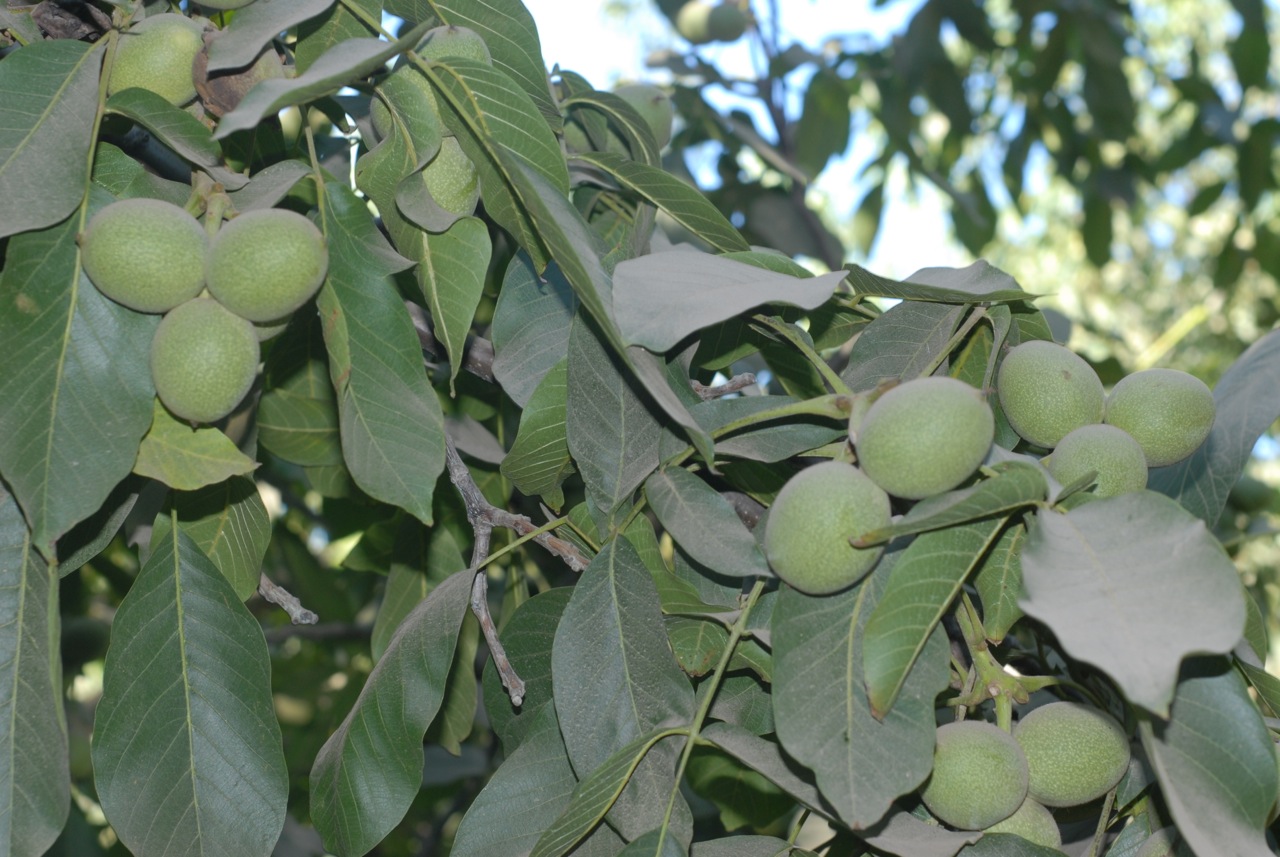
With a predicted record 545,000 tons to be harvested, the walnut industry is getting very busy this time of year.

Janine Hasey is a UC Cooperative Extension Tree Crops Farm Advisor and County Director for Sutter-Yuba Counties. She also assists growers in Colusa County.

“We started early up here, but the hot weather we’ve had has slowed things down again. So we’re working on early varieties, a lot of Serrs are in; Vinas are in, and Tulares are being harvested, and we are trying to get the Howards harvested.”

“Right now it sounds like we’re on track for that record production prediction to come true,” said Hasey. “Growers are now harvesting early varieties; I have just talked to a grower who doubled Serr production from last year, and her Ashley production has tripled or more,” Hasey commented.

Growers have used a lot of Ethrel, a common late-season spray, to help speed up harvest and trigger a more even harvest period. “Some growers are saying it has worked, while others say maybe not so well,” said Hasey.

In addition to the hot temperatures and dryness, Hasey said, “we’ve had a little bit of dew last week. We are expecting some possible rain showers on Thursday…which would be really good to get the walnut hulls splitting, and get things moving again.”
2016-05-31T19:33:24-07:00September 24th, 2014|

Biopesticides Play a Bigger Role in Pest and Disease Control

By Colby Tibbet, California Ag Today Reporter


Pam Marrone, founder and CEO of Davis-based Marrone Bio Innovations, says biopesticides, a new frontier of pest control, works better when combined with conventional methods. “In the past, these biological products were standalone—like you see at your land grant colleges,” said Marrone.

“They would test standalone against the best cocktail chemicals. But where you see the best result is when they are incorporated into the mix,” said Marrone. “Likewise, nearly all the time, you see better results when biologicals are incorporated into the program than chemical-only programs, and you can validate that over and over again with on-farm demos,” added Marrone.

Marrone noted that biopesticides are price-competitive with traditional pesticides. “When you compare, dollar-for-dollar, today’s biopesticides are actually very cost-competitive. I think that’s a holdover from the past. There are high-priced and low-priced products—just like chemicals; you have sulfur and copper on the low end and chemical fungicides on the high-end.”

“It’s the same with biologicals. So, in our company, we looked at the full range of competitive products and priced in the middle-of-the-block to be competitive,” said Marrone.

“Historically the penetration has been in high-value fruits, nuts and vegetables,” Marrone said, “because of the issues of resistance, residues and worker re-entry. And that’s where the predominant use of these products remains, but there is now an interest is using them in the large-acre crops as well,” said Marrone.

2016-05-31T19:33:24-07:00September 24th, 2014|

Governor Brown’s Groundwater Legislation Signing was Imminent

The Process of the Governor’s  New Groundwater Legislation is Flawed

 By Kyle Buchoff, California Ag Today Reporter

On September 15, Governor Brown signed a new package of groundwater legislation into law.

Barry Bedwell, president of the California Fresh Fruit Association, which represents a large part of the tree fruit industry across the state, says the signage of those bills was imminent. Bedwell, known to be an agricultural leader who fights for farmers, remarked, “I think given the severity of the drought, and the fact that everyone has been calling for action, no one should be surprised that the governor has decided to sign these bills.”

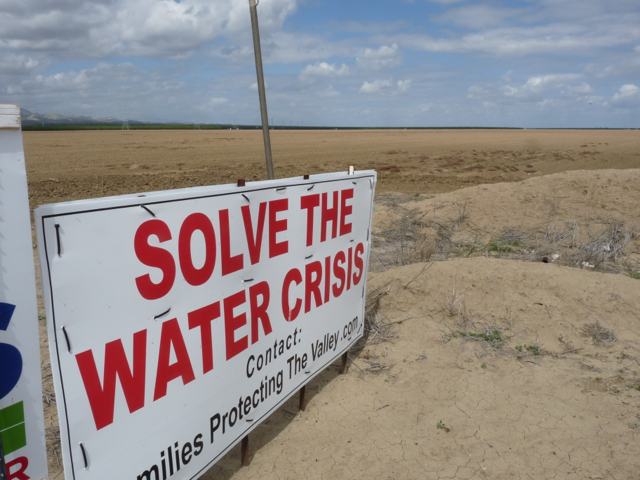
“I think the problem is that the process itself is flawed,” Bedwell continued. “We, as stakeholders, particularly from Agriculture, did not have the opportunity to vet the ideas, weigh in on this groundwater legislation and try to come to a consensus–much like we did on the water bond–to make sure that agriculture had a buy-in to the process. That is what was lacking here,” said Bedwell.

Bedwell says that no one in Ag argues against the need for sustainability in groundwater management. “We all understand that. But once again, when you have three bills that were amended the last few days of the session, and then voted on in the wee hours of the night on the last day, it is just not a system that inspires confidence. You just can’t do that.”

Bedwell predicts attorneys will be lining up for litigation. “For the next 30-40 years, maybe, these people will be in litigation on these kind of issues,” he said.

2016-05-31T19:33:24-07:00September 23rd, 2014|

Bayer CropScience Offers Biologic ‘Serenade’ to Fight Pests

Serenade Offers Big Dividends to Growers Fighting Pests

By Kyle Buchoff, CaliforniaAgToday Reporter


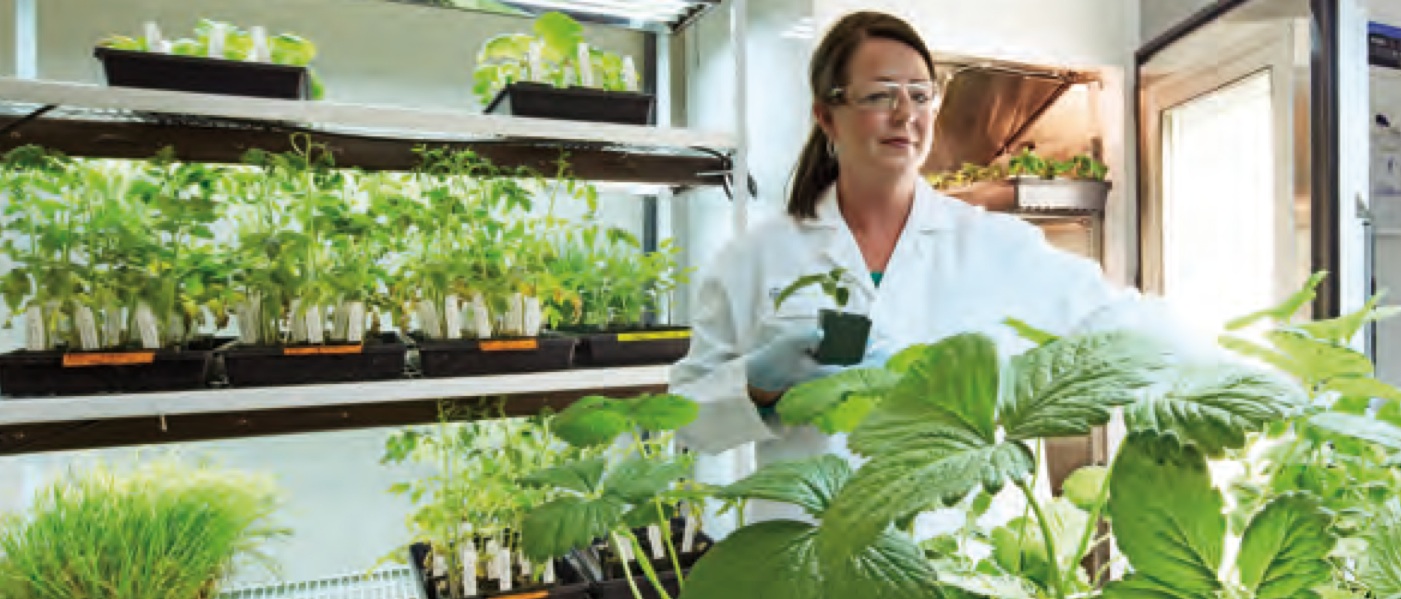
In this new frontier of pest and disease controls with biological fungicides and insecticides, Dr. Jonathan Margolis, the Vice President of Biologics Research for Bayer CropScience at the company’s new West Sacramento Research Facility, recently commented on Serenade, a major biologics product used by many growers. “When I joined Bayer in 2005, I would never have expected that we would still be spending this much effort on fundamental basic research on understanding Serenade and its mode of action, and ultimately on improving it.”

“We’ve invested a tremendous amount of resources on characterization of the chemistry that’s produced by the microbe,” Margolis explains, “on understanding how it interacts with plants—the signals it exchanges with plants to stimulate their growth and turn on host defense responses. Even more importantly, we want to understand the fundamental genetics of the organism so, in the future, we can use physiological cues, nutrients and growth conditions to change the way it produces these biologic chemicals in terms of increased efficiently.”

The company states that Serenade is a fungicide and bactericide that stops harmful spores from germinating, disrupts cell membrane growth, and inhibits attachment of the pathogen to the leaf. Biologic applications target Botrytis, Sclerotinia, Xanthomonas, and Erwina on grapes, strawberries, leafy vegetables, potatoes, pome fruit and tree nuts.

(Featured photo source: “Enhancing Global Food Security, Facts and Figures 2012-2013 Bayer CropScience”)


2016-05-31T19:33:24-07:00September 23rd, 2014|

Fresno State Alumni and Friends to Gather at Concannon Vineyard for Collaborative Event Oct. 4

The Jordan College of Agricultural Sciences and Technology and Craig School of Business at Fresno State are welcoming alumni and friends in the Livermore area to a gathering hosted at Concannon Vineyard on Saturday, Oct. 4 from 2 – 4 p.m.

Guests will enjoy wine tasting with Concannon wine maker James Foster, a Fresno State alumnus, as well as Jordan College enology students who will be pouring Fresno State’s award-winning wine. Hors d’ oeuvres will feature Fresno State farm products.

Jordan College Dean Dr. Charles Boyer and Craig School Dean Dr. Bob Harper will share updates on their respective colleges. Following the program, attendees have the opportunity to enjoy a tour of the winery, with advance registration.

“Dean Boyer and I have a strong interest in fostering alumni relations in and around the Bay area,” Harper states. “We know there are many alumni in the area with fond memories of their time spent at Fresno State and strongly believe that their education prepared them well for professional careers. There is a strong synergy between agriculture and business, and the Craig School of Business is proud to partner with the Jordan College to sponsor this event.”

As a collaborative effort to engage alumni and friends outside of the Fresno area, this event was proposed by members of The Wine Group (TWG), the worlds third-largest wine producer by volume, which supports both the Jordan College and the Craig School. An independent, management-owned company, headquartered in Livermore, TWG’s portolio includes such leading brands as Cupcake, Franzia, flipflop and Almaden.

Dave Johnson, Executive Vice President of Finance with The Wine Group and member of the Craig School’s Business Advisory Council, proposed the idea at Concannon Vineyard, which is one of The Wine Group’s locations.

Concannon Vineyard is celebrating its 130th year of wine making at their beautiful estate located at 4590 Tesla Road, Livermore 94550. Cost to attend is $35 per person, $40 per person after Sept. 27. Advance purchase and tour sign-up required.

For more information, visit www.agonefoundation.org or contact Ag One/Jordan College at 559.278.4266 or by email at sfast@csufresno.edu.

Established in 1979, the Ag One Foundation benefits, promotes and supports the Jordan College of Agricultural Sciences and Technology at Fresno State. It has raised more than $16 million in endowed funds, with more than 3,350 students receiving more than $2.4 million in scholarships and grants.


2016-05-31T19:33:24-07:00September 23rd, 2014|

The California Avocado Festival – A Green Event

The idea of the California Avocado Festival began in 1986 at a meeting between community leaders Rob Godfrey, Connie Korbel, Debbie Murphy, Fran Puccinelli, Bob Ealee and John Franklin. A brainstorming meeting was called to create an ongoing weekend event that would benefit the fundraising efforts of the local non-profit groups. It seemed the plan would also help promote Carpinteria as a Southern California weekend getaway destination and boost our local economy.

In 2013, the Festival reached its goal of Zero Waste with the exceptional help of E.J. Harrison. This is the 2nd year in a row that the California Avocado Festival can boast Zero Waste – a strong testament to E.J. Harrison’s commitment to their company motto, “Service is Everything.”

Here are some of the high standards that the California Avocado Festival holds to, allowing them to create a Green environment.

  • The Festival is a No Styrofoam Zone 
Biodiesel is used for Festival Generators 
Boast a 100% Overall Diversion Rate! (2012)
  • The Festival will be using LED lighting at their Commercial Venue to reduce power usage.
  • The Festival Honors the City’s Ordinance on Outdoor Smoking

We are one of the largest free music festivals in California with over 75 acts on four stages. Check out the Stages Page for line-up updates.

2014 FESTIVAL HOURS:

  • Friday, October 3 • 11am – 10pm
  • Saturday, October 4 • 10am – 10pm
  • Sunday, October 5 • 10am – 6pm

For Sponsorship Opportunities, please email info@avofest.com.

2016-05-31T19:33:24-07:00September 23rd, 2014|

Commentary: Groundwater Legislation: “One Size Fits All” Just Doesn’t Fit

By Sen. Tom Berryhill; Ag Alert

In the waning hours of the legislative session, three bills that will drastically alter California’s groundwater management were passed with little vetting by the public or stakeholders impacted by the proposed changes. Senate Bill 1168 and Assembly Bill 1739 had been making their way through the legislative process, but in a completely different form than what was presented in the final days of the legislative session. Senate Bill 1319 was added to the package with just hours to go and voila, the legislative leadership declares a negotiated groundwater management package that works for all of California.

Far from it. “Negotiated” implies people of opposing viewpoints had input, something that did not happen.

Almost universally, agriculture was opposed, and I would imagine had it not been “negotiated” behind closed doors, there would have been an outcry from other regions and stakeholders throughout the state as well. Make no mistake, these groundwater bills will radically change decades of California water policy and give unprecedented authority to the state’s water bureaucracy to declare winners and losers. All without an appeals process. This is no way to craft policy.

Legislators of both political parties immediately sent a joint letter to Gov. Jerry Brown requesting that he veto the bills and call a special session of the Legislature to develop a reasonable groundwater management plan.

Earlier this summer, the Legislature put together groundbreaking water bond legislation. We did it in the light of day with months of negotiations and years of work behind the policy changes. These negotiations were a true victory for the people of California and a shining example of how well we can do something when we work together.

As a farmer and a Californian, I am absolutely concerned about increasing conditions of overdraft in many groundwater basins and the long-term effects on access to groundwater and land. But I believe California is playing a dangerous game if it pursues the one-size-fits-all approach of these bills.

Add into the mix a devastating drought that has severely tested our ability to prioritize where dwindling supplies of water should go—agriculture, environment or homes—and any solution becomes murkier.

Some basins have been critically overdrafted for decades, and in those instances state oversight may be an appropriate option as a way to spur local-management improvements. However, other basins have little or no overdraft problems or already have effective management systems in place. These bills treat all scenarios the same, a de facto punishment of the basins doing it right.

What started earlier this year as a legislative effort to remedy overdraft of aquifers in specific areas of the state morphed into a policy package that addresses issues well beyond mitigation of overdraft, all done at the last minute, without policy hearings, in the final weeks of the legislative session.

The regulatory regime for groundwater extraction enacted in these bills will not only invite lawsuits, it turns a blind eye to the differences between the 500-plus water basins in California and ignores ongoing local overdraft mitigation efforts. This is a bureaucratic power grab by the state’s water agencies, not an honest solution to a problem.

It took us more than 10 years to craft a good water bond that addresses the needs of a variety of communities, interest groups and industries. Was three weeks enough time to fully consider and seek consensus on the numerous, substantial policy changes made to groundwater management? I think not.

In the coming years and decades, the authorities granted in this bill will radically change the landscape of groundwater management. That will have a de-stabilizing impact on those who depend on groundwater supplies, particularly in Northern and Central California, thus the virtually unanimous opposition of the agriculture community to these proposals.

Yes, it is time to craft groundwater regulation that meets today’s needs, but these bills won’t get us there. Let’s go back to the drawing board and craft a narrower, more effective measure focused on basins where real problems exist, encouraging them to implement management measures modeled by other regions and providing a mechanism for the state to partner with areas when local management fails. We came together and passed the water bond; we can, and should, do the same for groundwater management.

2016-05-31T19:33:24-07:00September 21st, 2014|

What’s Plantable? It’s the new gardening app from the California Association of Nurseries and Garden Centers

Source: CDFA

We farmers love our tractors, but if you had to pick an official “tool of the 21st century,” you’d probably put the “app” at the top of that list. Apps (mobile device software applications) are a great way to reach the Millennial audience on its own technological wavelength. Our friends over at the California Association of Nurseries and Garden Centers (CANGC) have joined in the fun, launching the new Plantable app for the iPhone, iPad and iPod.

Available online at http://plantable.org, this resource gives consumers a swipable menu of DIY projects like “The Incredible, Edible Patio Garden” and “House Plants that Clean the Air,” complete with materials lists and simple, straightforward instructions. It’s the kind of tool that can transform a young, urban audience into new urban farmers and home gardeners, giving them a chance to share a little bit of the thrill that farmers get every time they bring a crop to harvest.

CANGC developed the Plantable app with the help of a $237,000 grant from CDFA’s Specialty Crop Block Grant Program. The app will help drive young consumers to nurseries and garden centers, which is great for the industry – but it also accomplishes the goal of raising consumers’ “ag IQ” and that’s good news for all of us.

2016-05-31T19:33:25-07:00September 19th, 2014|

Asian Citrus Psyllid Quarantine Expansion in Kern County

An additional portion of Kern County has been placed under quarantine for the Asian citrus psyllid (ACP) following the detection of one psyllid in a residential neighborhood south of the City of Bakersfield in Kern County.

CDFA officials are going door to door to notify owners of the spray mandate.

The new Asian citrus psyllid quarantine zone measures 113 square miles in and around the City of Bakersfield, bordered on the north by New Stine Road; on the east by S Fairfax Road; on the south by Millux Road; and on the west by Interstate 5.  This area is in addition to the previously announced quarantine areas in Kern County.  A map is available online at:  www.cdfa.ca.gov/plant/go/acp-quarantine.

In addition to quarantines in portions of Kern, Fresno, San Luis Obispo, and Tulare counties, ACP entire-county quarantines remain in place in Imperial, Los Angeles, Orange, Riverside, San Bernardino, San Diego, Santa Barbara, and Ventura counties.

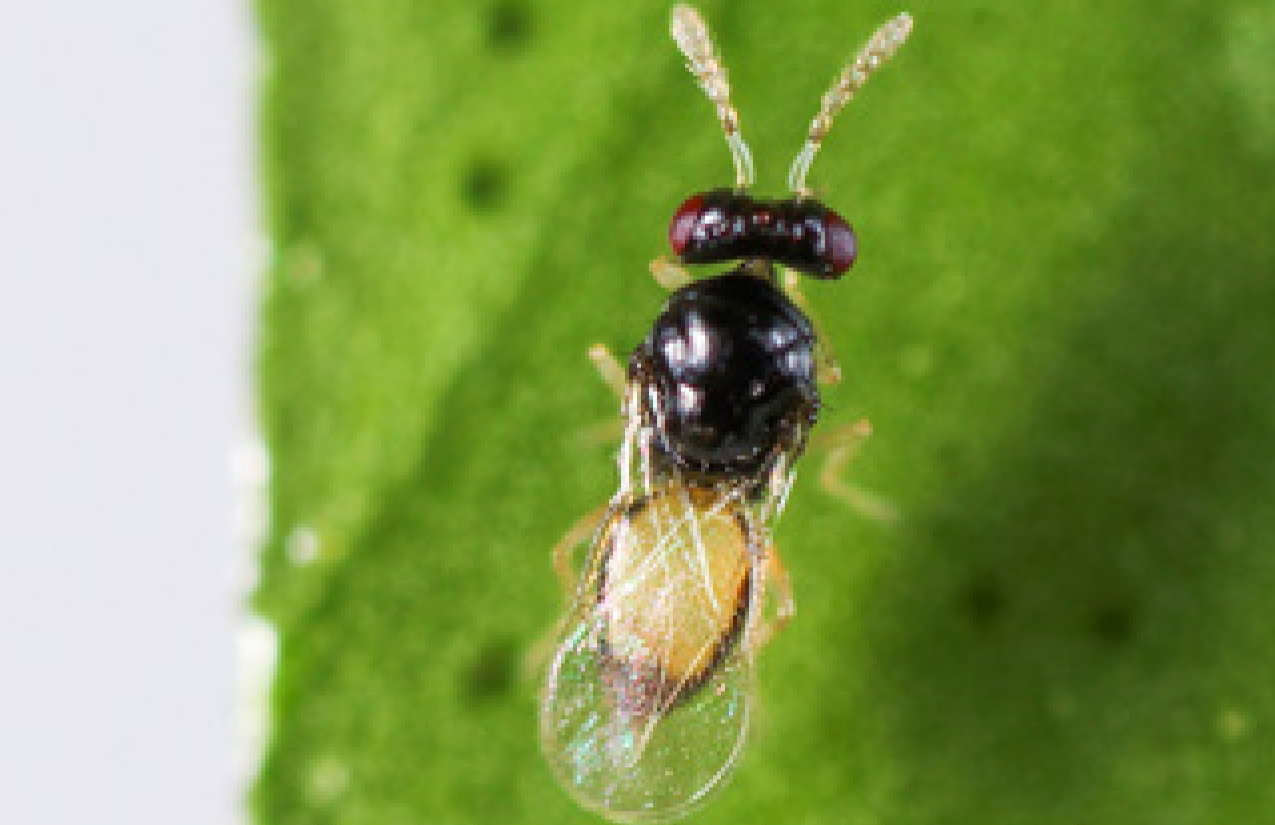
The ACP is an invasive species of grave concern because it can carry the disease huanglongbing (HLB), also known as citrus greening.  All citrus and closely related species are susceptible hosts for both the insect and the disease.  There is no cure once a tree becomes infected.  The diseased tree will decline in health until it dies.

SAVE OUR CITRUS app is a free USDA iPhone to report and identify the four leading citrus diseases: citrus greening, citrus canker, citrus black spot and sweet orange scab. Report your symptoms, upload a photo and  citrus experts will respond.

SAVE OUR CITRUS app is a free USDA iPhone to report and identify the four leading citrus diseases: citrus greening, citrus canker, citrus black spot and sweet orange scab. Report your symptoms, upload a photo and citrus experts will respond.

HLB has been detected just once in California – in 2012 on a single residential property in Hacienda Heights, Los Angeles County.

HLB is known to be present in Mexico and in parts of the southern U.S.  Florida first detected the psyllid in 1998 and the disease in 2005, and the two have been detected in all 30 citrus-producing counties in that state.  The University of Florida estimates the disease has tallied more than 6,600 lost jobs, $1.3 billion in lost revenue to growers and $3.6 billion in lost economic activity.

The disease is present in Georgia, Louisiana, South Carolina, and Texas.  The states of Alabama, Arizona, Hawaii, and Mississippi have detected the pest but not the disease.

Residents in the area who think they may have seen the Asian citrus psyllid are urged to call CDFA’s Pest Hotline at 1-800-491-1899.  For more information on the Asian citrus psyllid and huanglongbing disease, please visit: www.cdfa.ca.gov/go/acp

Featured photo source: UC ANR IPM

2016-05-31T19:33:25-07:00September 18th, 2014|

Three UC Davis students named Switzer environmental fellows

Source: John Stumbos University of California, Davis

Three UC Davis graduate students—Angela Doerr, Sarah Moffitt, and Meredith Niles—have been awarded prestigious fellowships for outstanding environmental scholarship from the Robert and Patricia Switzer Foundation. Twenty-two such awards were made this year to students from New England and California.

“We are very grateful to the Switzer Foundation for again choosing UC Davis students for its highly regarded fellowship program,” said Jan W. Hopmans, associate dean in the UC Davis College of Agricultural and Environmental Sciences. “It is worth noting that all three awardees are conducting research on sustainable management practices for natural or agricultural ecosystems. These students recognize that informed policymaking demands a working knowledge of interdisciplinary science and that our top-ranked graduate groups are the best place in the world to get that education.”

“Today’s environmental issues are increasingly complex and require an ability to translate scientific, ecological, and social knowledge across disciplines and apply it in real-world settings,” said Lissa Widoff, the Switzer Foundation’s executive director. “The 2013 Switzer Environmental Fellows are at the cutting edge of science and policy and will be supported with funding, professional coaching, and a network of leaders to help them achieve results. Their problem-solving abilities and innovation will make a difference.”

The program began in 1986 and now has a network of more than 530 fellows. Each student will receive $15,000 to help them complete their degrees and advance skills and expertise needed to address critical environmental challenges. Their work covers a broad range of studies, including environmental policy, economics, conservation, public health, journalism, architecture, environmental justice, and business law, as well as traditional environmental science such as biology, chemistry and engineering. This year’s fellowship recipients from UC Davis are:

Marine scientist Angee Doerr studies lobster fishery in Bahamas

Angela “Angee” Doerr, a doctoral student in the Ecology Graduate Group, focuses on the sustainable use of natural resources. Her thesis work examines the intersection of policy, resource economics, and marine ecology in the Bahamian spiny lobster fishery. She is one of the first scientists working to develop a baseline of the use of small artificial habitats—locally known as “lobster condos—in the fishery there. She also serves as a subject matter expert for the U.S. Navy Civil Affairs Command, travelling internationally to both teach and present on aquaculture and sustainable fishing practices. Doerr earned her MBA while in the Navy through American Military University and holds a Bachelor of Science in Environmental Science from Duke University.

“Angee was a rising star in the Navy before coming to UC Davis to study natural resource policy and I know her commanding officer was not happy to lose her to graduate school,” said Doerr’s faculty adviser, environmental science and policy professor James Sanchirico. “Since coming to UC Davis, Angee has continued her trajectory. She is a natural leader and I have no doubt that Angee will make important contributions to the management of natural resources during her career.”

Coral reef studies lead Sarah Moffitt to climate science

Sarah Moffitt, a doctoral student in the Ecology Graduate Group, is working at the interface between oceanography, earth science, and ecology. Her dissertation research is focused on rapid environmental change in upper ocean ecosystems, specifically the western continental margin of North America. Her goal as an ocean and climate scientist is to improve communication among climate scientists, policymakers, and citizens. She graduated from Western Washington University with a Bachelor of Science in Biology, during which time she worked on coral reefs in the Caribbean region of Costa Rica and in Bermuda. She then spent two years working for NOAA’s Coral Reef Ecosystem Division in Hawaii as a coral reef specialist and scientific diver.

“Sarah truly embodies the word ‘interdisciplinary’ when she approaches a scientific problem,” said Moffitt’s faculty adviser, UC Davis geology professor Tessa Hill. “She sees things from the perspective of an ecologist, an oceanographer, and a climate scientist. With her dissertation work, she is trying to accomplish an admirable task—trying to extract lessons from the recent ‘paleoclimate’ record to understand what future, anthropogenic climate change holds for marine ecosystems.”

Farmer perceptions on climate drive Meredith Niles’ research

Meredith Niles, a doctoral student in the Ecology Graduate Group, examines the variables that cause farmers to adopt climate mitigation and adaptation techniques, and farmer perceptions of climate change and environmental policy. Her research is centered on New Zealand and Yolo County, Calif. She worked with a New Zealand research institute, participated in the Climate Action Reserve workgroup, and served as a board member of the UC Davis Agricultural Sustainability Institute. Her ambition is to work in public service at the interface of science and environmental policy. Niles is a summa cum laude and Phi Beta Kappa graduate in political science and environmental studies from the Catholic University of America.

“Meredith’s research focuses on public policy and decision-making in the context of agriculture and food systems,” said Niles’ faculty adviser, environmental science and policy professor Mark Lubell. “She has completed important empirical research on how farmers perceive and respond to climate change in New Zealand and California. As a Switzer fellow, Meredith is a proven leader with a deep commitment to doing research at the interface between science and policy.”

This is the 27th year of the Switzer Environmental Fellowship Program of the Robert and Patricia Switzer Foundation.

Fellowships are merit-based and rigorously competitive. Candidates must be recognized for their leadership capacity by their academic institution or by environmental experts. Applications are evaluated based on demonstration of environmental problem-solving, critical analysis and communication skills, relevant work and volunteer experience, necessary scientific or technical background for their field of study, the applicant’s career goals, and the potential of the candidate to initiate and effect positive environmental change.


2016-05-31T19:33:25-07:00September 18th, 2014|
Go to Top