Central Valley Nematodes Cause $1.5 of Crop Damage Each Year

Root-knot Nematode Lowers Vegetable Crop Yields in the Central Valley


By Kyle Buchoff, California Ag Today Reporter


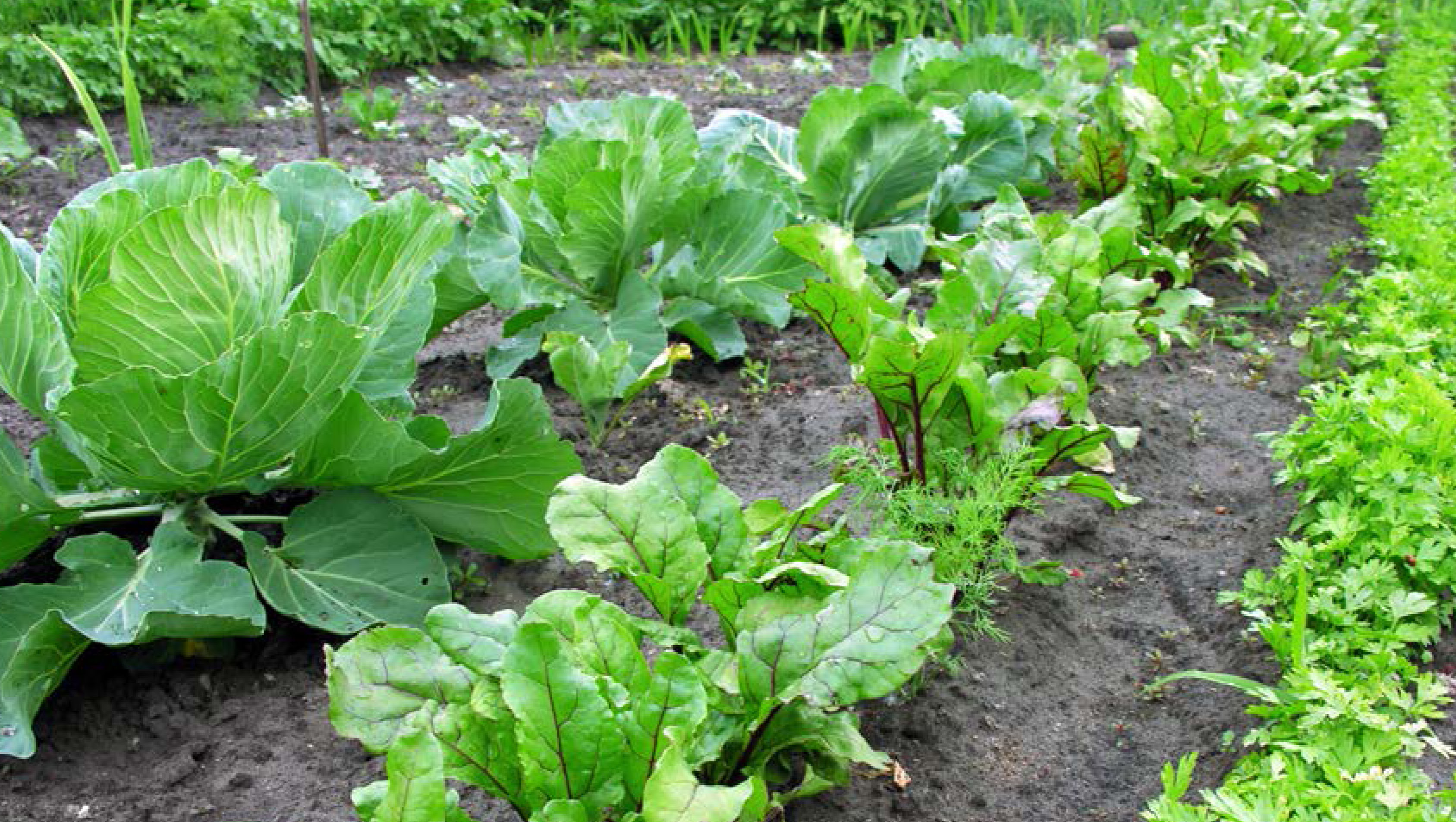
Nematodes are generally harmless, tiny roundworms found in the soil. However, the root-knot nematode, which lives in hotter climates such as in the Central Valley, can inflict havoc on crops, especially vegetables.J. Ole Becker

J. Ole Becker, Extension Specialist of Nematology at UC Riverside, described the big problems these tiny organisms create for growers, “Nematodes are an underestimated disease problem. They are probably costing California agriculture at least $1.5 billion each year in lost production. Our major problem is root-knot nematodes; we have four or five species causing problems throughout the state.”

Root-knot nematodes were named due to the way they entwine themselves around the root of the plant, which can dramatically decrease the plant’s yield. Becker explained that  tools and strategies available to growers minimally affect crops and the environment, “We now have second and third generation products entering the market that are as effective, but much less toxic, then what was available twenty years ago. They also have shorter entry time.”

According to the UC Riverside Department of Nematology website, millions of species of nematodes cover all seven continents, but only a small fraction affect our food supply.


2016-05-31T19:32:20-07:00October 15th, 2014|

4th Generation Modoc Rancher To Take California Cattlemen’s Association Reins

Modoc County Cattleman to Serve for Two Years as California Cattlemen’s Association President


By Kyle Buchoff, California Ag Today Reporter


Bill Flournoy is a fourth generation cattleman in the city of Likely, nestled in California’s northeast Modoc County, and the upcoming CA Cattlemen’s Association president.

Many generations of his family contributed to the ranch, “We came here in 1871 to this valley and I live in the house where my Dad and Granddad were born,” said Flournoy. “I’ve got a grandson here–that’s fifth generation–and a granddaughter who is sixth generation, who help me.”

When the California Cattlemen’s Association meets with the California CattleWomen’s Association at their 98th Annual Convention, Flourney will begin a 2-year term  as president. The event will be be held from November 20-22 in Sparks, NV.

He was very modest about his new responsibility, “Well that’s kind of the way it ended up. I didn’t volunteer for this; I was asked to, and I am going to respect that. I believe in the California Cattlemen and that’s why I’m going to do the best job I can for them.”

Flournoy is very close to his two brothers, who are also his business partners. He noted, “We’ve been partners for forty-five years. We run a cook house, have breakfast and lunch together everyday, work together and get along pretty darn good.”

When asked to reflect on good and bad days on the ranch, he was surprisingly positive: “Oh yeah, I’ve worked this ranch all my life, and I haven’t  had very many bad days.  I’ve had some family die and that made bad days, but working on the ranch and with the cattle and the men that I’ve worked with, I can’t say I’ve had too many bad days. I’ve been pretty fortunate.”

For more information on the 98th Annual Convention, please visit the Cattlemen’s website.

2016-05-31T19:32:20-07:00October 15th, 2014|

UC Davis Professor Suggests Update to Agricultural Cooperative Extension

There is a Growing Network of New Technology to Update Cooperative Extension and Help California’s Farmers

By Diane Nelson, Senior Writer, UC Davis Ag and Environmental Sciences


California’s growers and ranchers get their agricultural information from multiple sources in a variety of ways. Intuitively, most of us know that. But new research by UC Davis Professor Mark Lubell, Department of Environmental Science and Policy, provides empirical evidence that the state’s agriculture community relies on a network of people using new information technologies to make land-use and orchard-management decisions.

Mark Lubell, professor of Environmental Science and Policy at UC Davis (Source: UC Davis)

Mark Lubell, UC Davis Professor of Environmental Science and Policy (Source: UC Davis)

“Over the last century, agricultural knowledge systems have evolved into networks of widely distributed actors with a diversity of specializations and expertise,” said Lubell, lead author of, “Extension 3.0: Managing Agricultural Knowledge Systems in the Network Age,” research recently published in Society & Natural Resources.

Lubell and his team hope their work will help agriculture cooperative extension programs harness the potential of these evolving personal and professional networks and make them explicit components of their outreach strategies.

Extension 3.0

Since land-grant universities were created in the late 19th century, University of California Cooperative Extension has been the state’s main campus-to-community connection that delivers sound, scientific data to growers and ranchers, landowners, environmental groups, and consumers to help develop practical solutions to real-world problems. In the early days, extension specialist shared information in person, meeting with farmers in fields or coffee shops or town halls.

The system has evolved over time, as farming has become more specialized. And the systems still works, said Lubell and coauthors Meredith Niles, UC Davis ecology alumna, and Matthew Hoffman, grower program coordinator with the Lodi Winegrape Commission. But, they argue, it could use an update. They outline a case for what Lubell calls “Extension 3.0,” a modern model for agriculture extension that capitalizes on social learning, information technology, and evolving networks of expertise.

Reviewing 10 years of surveys, Lubell’s team studied how California’s growers and ranchers make farming decisions and who they turn to for advice. They learned that Cooperative Extension specialists and farm advisers are still primary trusted sources, but respondents are also influenced by pest control advisors, local leaders, commodity groups, sales representatives, fellow farmers, and others.

“Our research provides an empirical layer to support what many Cooperative Extension specialists and advisors already do,” Hoffman said. “It’s about making sure information reaches the right people in the right way at the right place and time.”

The authors are not calling to eliminate traditional extension professionals nor suggesting all current outreach strategies be converted to more modern methods like social media, webinars and smartphone applications.

“Instead, Extension 3.0 seeks to understand how personal networks and new information and communication technologies can work together,” Lubell said.

The authors recognize social media is already a part of agricultural extension, and they know they aren’t the first to recognize its importance. But they encourage extension programs to formalize social media, information technology, and network science as part of their hiring, training and outreach strategies.

“Extension systems and professionals must be experimental, adaptive and creative with program design and implementation to maximize the synergy between experiential, technical and social learning,” Lubell said.


Encouraging conversation

Aubrey White, communications coordinator for the Agricultural Sustainability Institute at UC Davis, says she finds news she can use in “Extension 3.0.”

“Understanding key linkages in a community or area of research can dramatically shorten the distance between knowledge-seekers and knowledge-holders,” White said. “Lubell’s article reminds us that extension is not just delivering information, but creating conversation.”

Cooperative Extension specialist Ken Tate, rangeland watershed expert with the UC Davis Department of Plant Sciences, has been a longtime proponent of collaboration and conversation.

“For me, the study reaffirms that we shouldn’t abandon what works — face-to-face meetings, for example — but we have to keep building and adopting new components. Content is the key. We need to produce good science and provide practical solutions, and then use the best means possible to make sure that information reaches the people we serve, and helps meet society’s needs.”

You can read the full journal article on the Center for Environmental Policy and Behavior website.

2016-05-31T19:32:20-07:00October 15th, 2014|

Almond Growers Are Asked to Get Survey in on Organic Matter Amendment Use

Survey Seeks to Understand How Growers  Use Amendments

By Kyle Buchoff, California Ag Today Reporter


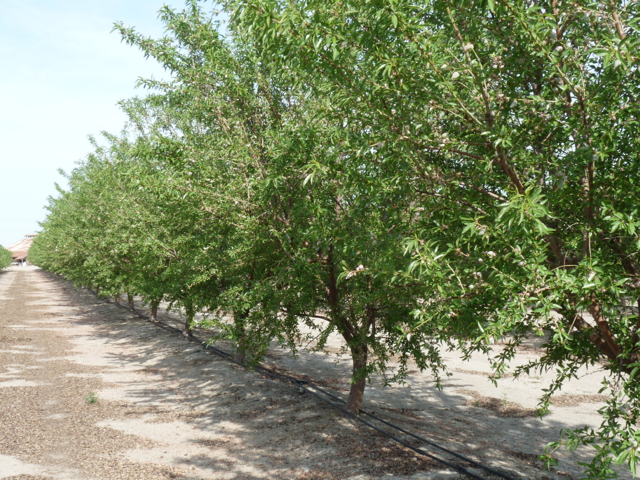
Now that the almond harvest is nearly complete, growers can dig through their mail and see if they received a survey from UC Davis. The survey seeks to understand how growers are using organic matter amendments, which can consist of animal manure or composted or uncomposted green waste.

Daniel Schellenburg is a Post Doctorate Scholar at UC Davis’ Department of Plant Sciences, and is in charge of distributing the survey. He told us, “We sent out the first survey about mid-summer, and now that we are moving into the post-harvest season, we thought it was a good time to follow-up with them before displaying the results for growers to see at the Almond Conference in December.”

Schellenburg made it clear that the survey is not targeting organic growers: “With this survey we are trying to reach out to all growers because we are looking at this practice as in integrated approach to nutrient management. We are looking to combine the use of these materials, and see how growers are using them in their program.”

Schellenburg added that growers are interested in nutrient availability, so as researchers his team is not just looking at the nutrient availability found in the amendment, but also how the microbial life contained in the carbon based material interacts with these nutrients in the field.

“For example, sandy soil in the valley suffers from nutrient leaching, which can lead to environmental degradation,” said Shellenburg. “This study might show, however, that these amendments may help to retain the nutrients.”

Shellenburg noted that the results may touch upon the growing interest in slow release formulation.

If you have not received the survey, you can participate by going to the official website:   http://growersurvey.ucdavis.edu/

The survey keeps all responses private.

2016-05-31T19:32:20-07:00October 15th, 2014|

Northern California elementary school students to visit White House Garden

By: Monique Bienvenue; California Ag Today Social Media Manager/Reporter

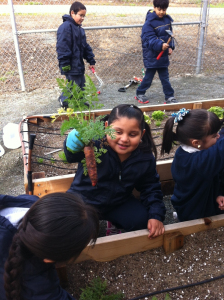
Today, five students from Willow Cove Elementary School will join First Lady Michelle Obama to harvest vegetables from the White House Garden and work with chefs to turn them into a healthy meal.

Willow Cove Elementary School is part of the Pittsburg Unified School District in Contra Costa County. The students are attending the event in recognition of the Farm to School programs the district has implemented. The district now has eight school gardens, incorporates local produce in school cafeterias, and provides nutrition education in the classroom as well as after-school programs.

The school’s garden began last year, when second-grade teacher Elba Ramirez requested milk crates to start a small classroom garden. Instead, district child nutrition director Matthew Belasco offered to build a larger garden with raised beds.

Ms. Ramirez and her students planted and cared for the garden throughout the year and then harvested the vegetables, which were served in the cafeteria.

CDFA’s Office of Farm to Fork has been working closely with Pittsburg Unified’s Food Service Department to develop these programs and incorporate more locally grown food in district cafeterias. The office is also working with Pittsburg and surrounding school districts to directly connect them with nearby farmers to provide local food.

“I am so pleased that the White House has recognized the Pittsburg Unified School District for all the hard work it has put into its amazing farm to school program,” said CDFA Secretary Karen Ross. “It helps connect our students with food grown right here in California and, to the extent possible, from Contra Costa and surrounding counties. CDFA and its Office of Farm to Fork is committed to these types of programs. They teach our kids about where their food comes from while giving them access to healthy foods, and they support California farmers and ranchers.”

2016-05-31T19:32:20-07:00October 14th, 2014|

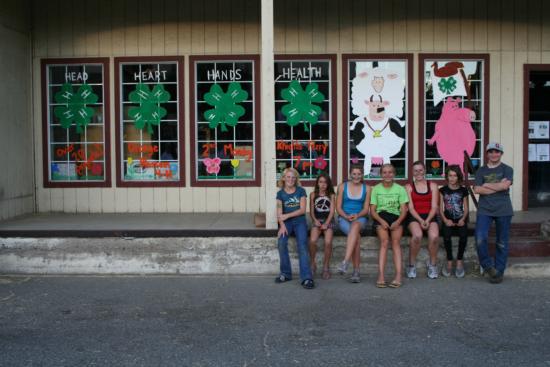
Head, Heart, Hands & Health – The 4-H Pledge

The 4-H Pledge Means Dedication

By: Monique Bienvenue; Cal Ag Today Social Media Manager/Reporter


At a glance, one might not think twice about that four-word pledge. But to countless individuals, that short, simple phrase represents dedication to 4-H, a prestigious organization devoted to teaching America’s youth the skills necessary to become successful outside the classroom.

Agriculturally-based, 4-H began in the 1800s as a way for students to communicate new and innovative farming techniques to those who were disconnected from university campuses. Eventually, this education trend caught on and in 1902 the first 4-H club was formed.

4h-pledge, 4-H Head Heart Hands HealthThe Cooperative Extension System was later created in 1914, and in partnership with the National Institute of Food and Agriculture under the United States Department of Agriculture, 4-H was officially nationalized. Clubs were established all across the United States.

4-H


Today, there are hundreds of children involved in 4-H. From health issues to food security, there isn’t an issue that these young, energetic individuals aren’t taking on.

For more information about 4-H, visit their website at http://www.4-h.org.

2016-10-13T14:36:53-07:00October 13th, 2014|

CropManage May Move into Permanent Crops

CropManage, Successful in Vegetables, May Work in Permanent Crops


By Kyle Buchoff, California Ag Today Reporter


Could CropManage, already successful in vegetable crops be utilized by almond and walnut growers?

CropManage, run by the University of California, is an online database-driven tool that assists growers and farm managers in determining water and nitrogen fertilizer applications on a field-by-field basis.  The software works primarily by automating steps to calculate crop water needs.

The web application also helps growers track irrigation schedules and nitrogen fertilizer applications on multiple fields and allows users from the same farming operation to view and share data.

Michael Cahn had a leading role in the development of CropManage. Cahn is an irrigation farm advisor at UC Cooperative Extension of Monterrey County. Thanks to his work, the tool is now being used extensively on vegetable crops throughout the Salinas Valley.

Allan Fulton is UC Cooperative Extension Irrigation and Water Resources farm advisor based in Red Bluff, Tehama County. He also works in Colusa, Glenn and Shasta Counties. He noted that soon, CropManage might be developed around permanent crops such as walnuts and almonds.

He summarized  that the goal, “is [to provide] information to plan and feedback to adjust.”

He added that CropManage can crunch data and provide information beyond what the grower has asked in order to assist future planning.

Fulton explained that the program would estimate water use in a field or orchard for any given time frame. “Then the grower can add his or her knowledge of the irrigation system in that particular area. For example, entering water use per hour can generate feedback to schedule watering for a week or any other timeframe,” he said

The system can also can incorporate variables such as slow moisture data, and determine the effectiveness of the ET schedule. They are currently working on incorporating pressure chamber and crop stress feedback.

He added that Michael Cahn has made progress on the nitrogen track, and produces lots of aeration for short season annual vegetation crops. The next step is to link his work with research from other UC scientists and incorporate models from their work.

For more information, please go to: https://ucanr.edu/cropmanage/


2016-05-31T19:33:21-07:00October 13th, 2014|

Dealing with Food Waste—Make Energy and Other Products!

Recycling Food Waste is Big Business

 By Monique Bienvenue, California Ag Today, Social Media Manager


With food waste being a serious problem in today’s society, researchers at Greenbelt Resources Corporation are working to perfect new technology that can convert food waste into usable energy and byproducts.

“Ideally, within the next 3-5 years, we’ll have a system that can take, for example, a city like Santa Monica, with a population of about 100,000 people, that would generate about 35 thousand tons of waste per year,” said Chief Executive Officer and President of Greenbelt Resources Corporation Darren Eng. “That 35 thousand tons could be converted with our technology, combined with a couple of others, into 1 million gallons of ethanol per year and power a 2 mega-watt heat and power system.

According to the Environmental Protection Agency, over 36 million tons of food waste was generated in 2012. Two years have since gone by and that number has only increased.

Eng has high hopes for Greenbelt’s new technology. He wants to take food and beverage waste and convert it into what he calls the four F’s: fuel, fertilizer, animal feed and filtered water.

According to Eng, both the agriculture and beverage industries are good candidates for Greenbelt’s technology. Greek-yogurt plants are especially being targeted; acid-whey waste is a common byproduct, and with Greenbelt’s new technology that acid could be converted into alcohol and the whey waste can be converted into high protein animal feed.

That’s not all. Greenbelt’s new technology is also being credited for being able to produce ethanol.

“Most fuel today has ethanol in it as an oxygenator,” said Eng. “But most people don’t realize that the hand sanitizers such as Purell are 65% ethanol; or if you go to a banquet or a wedding reception, those little Sterno containers in heating food is gelatinized ethanol.”

Is Greenbelt’s new technology the answer to America’s food waste issue? Only time will tell.

2016-05-31T19:33:21-07:00October 13th, 2014|

California CCA Certified Exam Feb. 6 2015 Registration Opens

Online Registration is Now Available Testing throughout the State

Crop consultants in California and Arizona have the opportunity until December 5, 2014 to register for the February 6, 2015 California CCA (Certified Crop Adviser) Exam.  The exam will be given at locations in Sacramento, Salinas, Visalia, Ventura, and Yuma.  Individuals can register for exam online.  An exam review session will be held in Sacramento on January 9, 2015, registration and session information will be available at www.capcaed.com.

There are more than 930 CCAs in California and Arizona, 80% of the California CCAs are also licensed pest control advisers.  CCAs have expertise in Nutrient, Soil, Water, Crop and Pest Management.  Growers interested in finding a CCA in their area can go the “Find a Professional” section of the International CCA program website.

Many California CCAs have received additional training in optimizing nitrogen management from the California Department of Food and Agriculture and University of California. The consultants that have completed this training are qualified to write Nitrogen Management Plans that are or will be required of growers by the regional water quality control boards.

The partnership between CCAs and growers is integral to protecting the environment and providing food and fiber for the world.   The program is a voluntary certification program that has been in existence for more than 20 years, administered by the American Society of Agronomy and overseen by a California board of directors.  More information on the California program is available at http://cacca.org/.

For more information contact Steve Beckley at (916)539-4107 or sbeckley@aol.com.

2016-05-31T19:33:22-07:00October 9th, 2014|

USDA report outlines opportunities in the emerging bioeconomy

Source: Monique Bienvenue – Cal Ag Today Social Media Manager/Reporter

Agriculture Secretary Tom Vilsack announced that the U.S. Department of Agriculture (USDA) has released a comprehensive report synthesizing current literature that explores opportunities in the emerging bioeconomy. The report, entitled Why Biobased?, was created as a precursor for a more comprehensive economic study to be released in the coming months by the USDA BioPreferred program on the economic impacts of the biobased products industry.

“This new report presents the opportunities U.S. agriculture and forests have in the emerging bioeconomy,” said Vilsack. “The recent inclusion of mature market products into the BioPreferred program strengthens our commitment to the U.S. biobased economy and brings together two of the most important economic engines for rural America: agriculture and manufacturing.”

Synthesizing findings from existing government, academia, and non-governmental organizations, the new report explores how government policies and industry business-to-business sustainability programs are driving the biobased economy. The report further demonstrates that the biobased economy is, in fact, growing and it offers great potential for increased job creation in numerous sectors across the U.S.

For instance, one report cited concludes that biobased chemicals are expected to constitute over 10 percent of the chemical market by 2015. Another report in the study concludes that there is a potential to produce two-thirds of the total volume of chemicals from biobased materials, representing over 50,000 products, a $1 trillion annual global market.

On the heels of this completed study, the USDA BioPreferred program has awarded a contract for a more in-depth economic study of biobased products and economic impacts, including research on job creation and economic value. It will be the first federally-sponsored economic report of its kind targeting the biobased products industry in the U.S. Congress mandated the upcoming study in the 2014 Farm Bill.

The USDA BioPreferred program works to increase the purchase and use of designated biobased products through a preferred procurement initiative for federal agencies. Designated products may also carry the voluntary consumer label.

The voluntary “USDA Certified Biobased Product” label is designed to promote the broad-scale marketing of biobased products to consumers. As of September 2014, USDA has certified over 1,940 biobased products in more than 187 product categories for the label. Certified and designated products include construction, janitorial, and grounds keeping products purchased by Federal agencies, to personal care and packaging products used by consumers every day.

The Biotechnology Industry Organization (BIO) has estimated that U.S.-based jobs for the renewable chemicals sector will rise from approximately 40,000 jobs in 2011, which represents 3%-4% of all chemical sales, to over 237,000 jobs by 2025. This employment level would represent approximately 20% of total chemical sales.

2016-05-31T19:33:22-07:00October 9th, 2014|
Go to Top