USDA Extends Dairy Margin Protection Program Deadlines

USDA is extending the deadlines for the Dairy Margin Protection Program. Farmers now have until Dec. 5, 2014, to enroll in the voluntary program, established by the 2014 Farm Bill. Coverage election in subsequent years will take place from July 1 through September 30.

The program provides financial assistance to participating farmers when the margin – the difference between the price of milk and feed costs – falls below the coverage level selected by the farmer.

Producers are encouraged to use the online Margin Protection Program Decision tool at www.fsa.usda.gov/mpptool to calculate the best levels of coverage for their dairy operation. The secure website can be accessed via computer, smartphone or tablet.

The U.S. Department of Agriculture (USDA) also extended the opportunity for public comments on both the Margin Protection Program and the Dairy Product Donation Program until Dec. 15, 2014Comments can be submitted to USDA via the regulations.gov website at http://go.usa.gov/GJSA.

The Dairy Product Donation Program (DPDP), authorized by the 2014 Farm Bill through Dec. 31, 2018, addresses low margins for dairy operations by using Commodity Credit Corporation (CCC) funds to purchase dairy products for donation to public and private nonprofit organizations that provide nutrition assistance to low-income populations. Purchases are only made by USDA during periods of low margins. No enrollment is required for dairy operators to benefit from the DPDP. The Farm Service Agency (FSA) and the Food and Nutrition Service (FNS) will administer DPDP if ever triggered.
2016-05-31T19:32:17-07:00October 30th, 2014|

Celebrate the Holidays – the Fun and Healthy Way

By: Monique Bienvenue; Cal Ag Today Social Media Manager/Reporter

Keeping your family healthy this holiday season can be tough. With festive cakes, pastries and candy lined up in every aisle of the grocery store, it’s easy to fall off the healthy train.

Fortunately for us, MyPlate has done a fabulous job of creating a beautifully comprehensive list of ways to incorporate healthy habits into your next holiday gathering. Here are some tips that could help you coordinate a fun and healthy event for everyone!

  1. Make healthy habits part of your holiday celebration: Make activities, not food, the center of attention at your next event. This will keep your guests moving and their hands off all the snacks.
  2. Make foods look festive: Use healthy foods, such as nuts or veggies, to decorate your meals.
  3. Add a bit of “health” to your drinks: Serve fruit infused water, or make ice cubes out of juice.
  4. Savor the flavor: Instead of scarfing down a whole meal, take time to enjoy each and every bite.
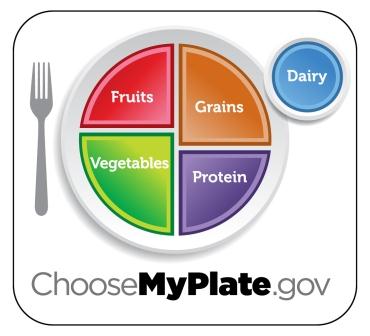
  5. Incorporate MyPlate.com to make sure every food group is represented in your main dish.
  6. Make moving part of the event: Make sure the music is on and that your guests are dancing!
  7. Experiment with healthy recipes: Make healthy recipes a mandatory part of your party-planning.
  8. Make the cleaning process fun: Get the kids involved! It’ll keep the moving and it’ll help you get the job done faster.
  9. Shop smart and eat smart: Healthy food can be expensive, try to buy products that are in season and fit your budget.
  10. Be a cheerleader for healthy habits: Children are like sponges; the more they see you maintain a healthy lifestyle, the more they’re likely to do the same.

Stay healthy this holiday season; go to http://www.choosemyplate.gov recipe ideas, nutrition facts and healthy tips. 


2016-05-31T19:32:18-07:00October 28th, 2014|

Upcoming CDFA Meeting to Discuss Dairy Digester Research Program

Dairy Digesters Are Needed to Reduce Greenhouse Gas Emissions

The California Department of Food and Agriculture (CDFA) is developing a new program, the Dairy Digester Research and Development Program, authorized by the Budget Act of 2014 (Chapter 25, Statutes of 2014). CDFA was appropriated $12 million dollars from the Greenhouse Gas Reduction Fund to provide financial assistance for the installation of dairy digesters in California, which will result in reduced greenhouse gas emissions.

CDFA will administer the program in two phases, beginning with Phase I, Dairy Digester Development and Phase II, Research. An estimated $11 million in competitive grant funding will be awarded to provide financial assistance for the implementation of dairy digesters that result in reduced greenhouse gas emissions and provide other environmental benefits (Phase I). An estimated $500,000 will be made available for research and demonstration projects that improve the economic performance of dairy digesters (Phase II).

Three public stakeholder meetings have been scheduled in November 2014 to explain the new program and to receive comments and suggestions. These public meetings will be held on the following dates and at the following locations:

Thursday, November 6, 2014 – 2:30 p.m. – 5:30 p.m.

University of California Cooperative Extension Stanislaus County

3800 Cornucopia Way

Room: HI

Modesto, CA 95358


Monday, November 10, 2014 – 1:00 p.m. – 4:00 p.m.

University of California Cooperative Extension Tulare County

4437 S. Laspina Street (Across the street from World Ag Expo)

Room: Tulare County Agricultural Building Auditorium

Tulare, CA 93274


Thursday, November 13, 2014 – 1:00 p.m. – 4:00 p.m. Includes Webinar access!

California Department of Food and Agriculture

1220 N Street Room: Auditorium

Sacramento, CA 95814


The meeting on November 13 will include a webinar to allow remote attendance.


More information about this program is available on the CDFA Environmental Stewardship websiteFor additional information on dairy digesters, click on: California EPA Digesters and California EPA Anaerobic Digestion.

2016-05-31T19:32:18-07:00October 28th, 2014|

2014 California Winegrape Harvest: Earliest and Third in a String of Great Vintages this Decade

By: Monique Bienvenue; Cal Ag Today Social Media Manager/Reporter

California vintners and growers across the state are grateful for another excellent vintage, despite an ongoing drought and earthquake that rocked south Napa in late August just as crush was getting underway. A mild winter and spring caused early bud break, although the overall length of the growing season was similar to past years.

“We are about 80 percent done, going into the second week of October,” said Glenn Andrade, vice-president winemaking for Trinchero Family Estates, farmers of more than 10,000 acres of vineyards across Napa, Sonoma, the Central Coast, Lodi and Amador. “We’ve had pretty light to moderate yields this harvest, resulting in exceptional quality. Our Amador Zinfandels are amazing—great intensity and quality. We should be done by the week of October 20, which is early for us, as typically, it’s the first week in November.”

According to the United States Department of Agriculture Pacific Regional Crop Production Report of August 2014, California’s winegrape production this year is forecast at 3.9 million tons, down 8 percent from 2013’s record high crop. The 2014 harvest is the third largest on record.

“The 2014 vintage was by far the earliest start of any harvest I can recall,” said Adam Mettler, director of winemaking for Michael David Winery in Lodi. “Early concerns about adequate storage quickly faded as our vineyards continued to check in at 20-25 percent down in volume from the previous two years. The moderate crop size allowed for rapid sugar accumulation early, which created some challenging high-density fermentations, but resulted in some real nice wines.”

A compacted harvest began in July for sparkling wines and started winding down by mid-October for later ripening varieties. Moderate temperatures, with only minimal rain in September, allowed for even ripening. Despite unusual circumstances, President and CEO of Wine Institute Robert P. (Bobby) Koch is extremely pleased with the 2014 vintage for California wine.

“We are very pleased with the assessments of an exceptional 2014 vintage for California wine statewide,” said Koch. “And we look forward to sharing these outstanding 2014 wines with wine lovers throughout the nation and the world. Although we came through this harvest without major impact, we’re keenly aware of the ongoing drought and its effects on California’s entire agricultural community, including wine. We are doing our part as vintners and growers to mitigate water usage through a variety of sustainable practices.”

2016-05-31T19:32:18-07:00October 28th, 2014|

Secretary Ross Joins Ag in the Classroom Event

By: Monique Bienvenue; Cal Ag Today Social Media Manager/Reporter

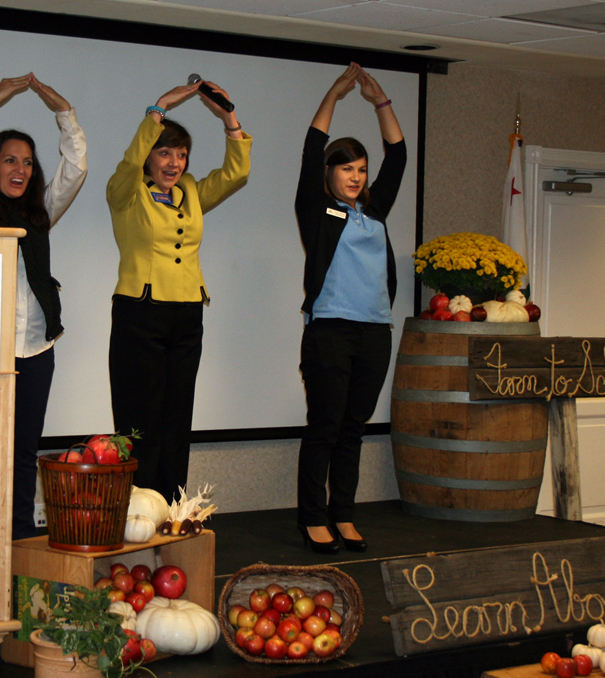
More than 220 California educators and volunteers attended an annual California Agriculture in the Classroom Conference earlier this month to learn about agriculture and connecting Common Core to California crops. The conference, hosted by the California Foundation for Agriculture in the Classroom (CFAITC), was held October 16-18 in Santa Cruz County and provided participants with free resources and valuable avenues for teaching Common Core, STEM, and school garden/nutrition lessons.

The program, designed for educators, administrators, and community volunteers, presented opportunities to explore the agricultural industry and enhance existing curriculum with examples and scenarios about food and fiber production.

California Secretary of Agriculture Karen Ross welcomed the group of educators along with Dr. Jim Painter, professor emeritus at Eastern Illinois University. Renee Shepherd, owner of Renee’s Garden, also spoke to the educators and Michael Marks, Your Produce Man, closed the conference with trivia about the more than 400 crops grown in California. Conference participants were able to experience the variety of agriculture at the conference and were able to learn directly from leading agricultural experts.

In her comments, Secretary Ross shared the importance of California agriculture, emphasizing the many things that stem from from agriculture, and helped teach the educators the 5 F’s of agriculture – Food, Fiber, Forests, Flowers, and Fuel.

From cut flowers and strawberries to artichokes and timber, Santa Cruz County is the smallest agriculture producing county in California in land mass and one of the most diverse.

The California Ag in the Classroom conference empowers attendees to return to their classrooms and school communities confident and capable of sharing the importance of agriculture’s significant impact on California and its economy with their students.

2016-05-31T19:32:18-07:00October 27th, 2014|

Climate Change Affects Integrated Pest Management Practices

Despite Lack of Funding, IPM Programs Need to be Re-Worked

By Colby Tibbet, California Ag Today Reporter

Climate Change is a pressing concern for growers and others in the ag industry, prompting the modification and redesign of Integrated Pest Management (IPM) practices, among other farming operations.

John Trumble, an entomology professor at the University of California, Riverside, explained that we are going have to change our IPM programs—processes based on scientific research for solving pest problems while minimizing risks to people and the environment. “We will have to account for changes in temperature, insects infesting fields more quickly, bio-controls including beneficial insects becoming possibly less effective, and altered plant growth due to elevated CO2 in the atmosphere.

Trumble noted,“What worked for your father isn’t going to work for us now. In the last 10 to 15 years, we’ve seen major changes in which insects are present, speed of entry into the fields, the extent of damage they cause and the plant’s lack of compensation for that damage. That is a lot of work for somebody in the future to redo all those IPM programs developed in the 60’s, 70’s, and 80’s, that we’ve used successfully for years.”

“One of our biggest problems in re-working these IPM strategies is that there’s a general move afoot in the government to reduce funding: for the USDA, the EPA, and even the National Institutes of Health. This year the USDA funded only 5 percent of the grants submitted,” said Trumble, “versus the normal 10-15 percent, and the funding shortage could halt investment in future programs. In a bad year, USDA would invest 12 percent—but five percent, who’s going to go into agriculture if you can only get five out of 100 grants actually funded? It’s really awful,” Trumble remarked.


2016-05-31T19:32:18-07:00October 25th, 2014|

World Ag Expo Offers $3,000 Grand Prize for Video Contest

By: Monique Bienvenue; Cal Ag Today Social Media Manager/Reporter

World Ag Expo is calling for video submissions to tell the story of agriculture for a chance to win $3,000. The contest will focus on the theme, “Where Would We Be Without Farmers?”

Entrants are asked to tell the story of agriculture and the people who work to provide the products we enjoy. Entries will be evaluated by a panel of judges. The top videos will be posted at www.WorldAgExpo.org and the public will vote for their favorites beginning in December 2014.

“Farmers play an integral role in every part of our lives,” said Jerry Sinift, chief executive officer of the International Agri-Center. “We’re asking for talented individuals to portray the connection between farmers and the world they feed and clothe.”

The winner will be announced on January 30, 2015 and awarded the $3,000 cash prize. The top video will be posted on World Ag Expo’s website; will play during the show, February 10-12, 2015 in Tulare, California and the winner will be recognized at World Ag Expo.

To enter, upload your video to your own YouTube or Vimeo account and complete the online entry form on the World Ag Expo website. Videos must be at least 30 seconds long and may not exceed six minutes. Anyone of any age is eligible to enter. All videos must be submitted by December 1, 2014. Visit www.worldagexpo.org/video-contest for full rules and online entry form.

2016-05-31T19:32:18-07:00October 25th, 2014|

Bayer CropScience Will Honor a Leader in the Produce Industry

Bayer CropScience Produce Innovation Award Goes to Grower with A Great Idea


Bayer CropScience will honor a leader in the produce industry whose thinking, practices and use of technology enhance the role of produce in creating better lives. The Bayer CropScience Produce Innovation Award will recognize a grower whose innovative efforts improve yield and quality of a produce crop; increase accessibility of produce to a broader group of people; or increase demand for produce by expanding awareness and appreciation for the health benefits of fruits and vegetables, including tree nuts and potatoes.Bayer CropScience Produce Innovation Award

“Bayer CropScience is proud to honor a grower with this award demonstrating the power of ‘Science For A Better Life,’” said Rob Schrick, horticulture lead, Bayer CropScience. “‘Science For A Better Life’ is our mission at Bayer, and we’re excited to spotlight an innovator that deploys methods in the field, across their operations or within the supply chain to enhance the positive contribution of produce on individual lives and society overall.”

“There currently is a great deal of discussion surrounding the nation’s health, and there are many challenges regarding nutrition and produce availability among economically and culturally diverse communities. One thing is for certain: fruits and vegetables, including potatoes and tree nuts, provide crucial nutrients to positively impact health and enhance lives.”

Bayer announced the new award program during the Produce Marketing Association’s Fresh Summit Convention and Expo in Anaheim, California. Entries will be accepted now through January 5, and the winner will be announced during Bayer’s 10th annual Ag Issues Forum, being held February 24 – 25, 2015, in Phoenix, Arizona.

The award is open to any grower who receives a significant portion of income from the production of a crop within the citrus, grape, pome fruit/stone fruit, tree nut, vegetable or potato industry. The winner will receive an all-expense paid trip to the 2015 Ag Issues Forum in Phoenix, a $10,000 grant to advance their award-winning innovation or to support a project in their local community that also increases the positive contributions of produce in people’s lives, a $2,000 gift card to the Apple Store to further efforts in business technology, and recognition as a produce innovator.

“We are looking for individuals and operations who aren’t afraid to try new things and who embrace technology to advance the industry and enhance the positive contributions of produce,” Schrick said.

Bayer CropScience aims to leave a better world, harnessing cutting-edge agricultural innovations to deliver on Bayer’s mission: Science For A Better Life. Bayer’s Horticulture group offers customized, integrated crop solutions based on high-quality vegetable seeds, effective chemical and biological crop protection, and complementary services.

Visit www.bayercropscience.us/ProduceInnovationAward for more information or to submit an application. See official rules for more details.


2016-05-31T19:32:18-07:00October 23rd, 2014|

Kern County Pest Control Advisor Awarded CAPCA Member of the Year

Jeff Rasmussen Honored at CAPCA

By Colby Tibbet, California Ag Today Reporter

At the 40th Annual Meeting of the California Association of Pest Control Advisors (CAPCA) in Anaheim this week, Jeff Rasmussen, a pest control advisor with Crop Production Services in Kern County was recognized as the CAPCA Member of the Year.

“I’m humbled, it’s an awesome feeling to be presented with an award by your peers, and they appreciate all the efforts that we as a team have accomplished,” said Rasmussen.

Rasmussen is among a small group of PCAs who spearheaded the important Spray Safe program, which was created in Kern County in 2006 by a group of Kern County farmers and PCAs. Spray Safe was designed to reduce spray drift, enhance worker safety, and protect public health through more effective communications among farmers about pending and ongoing pesticide applications.

Rasmussen and the others dedicated time to solve a problem, “and since then we have stuck together and resolved the problem of spray drift. Proactive involvement can make a difference.”

“It’s the ‘Three C’s’: collaborate, connect, and commit, that has been our focus point. It’s a matter of the industry stepping up and taking responsibility, and continuing to own and protect that space,” said Rasmussen.

Ultimately, according to the Spray Safe website, the goal of the program is to instill increased resolve among farmers to take every precaution necessary to ensure public safety – this is particularly so when it comes to protecting farm workers and field crews.

At the heart of Spray Safe is a checklist.

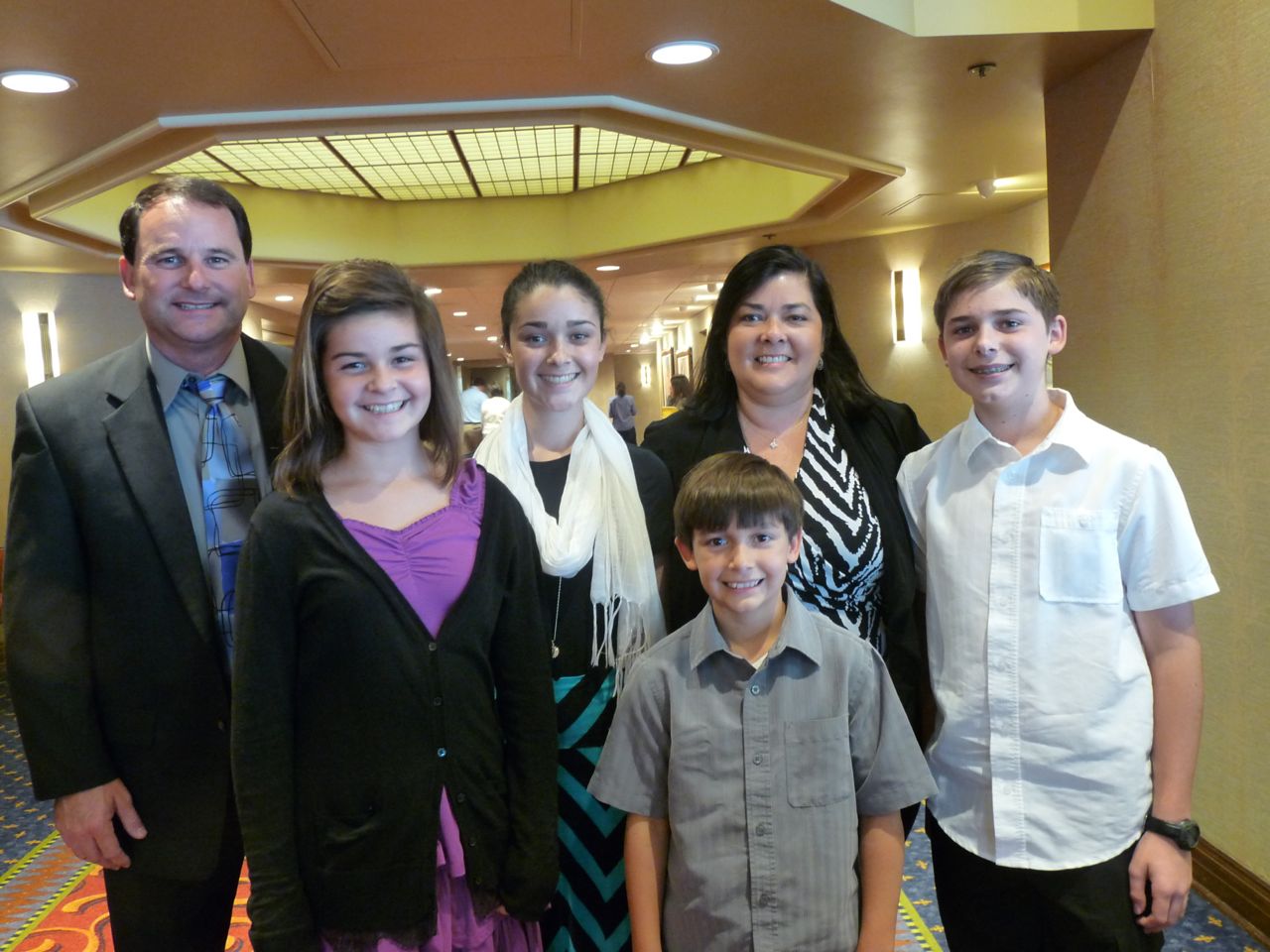
The photo shows Jess Rasmussen, left, and his family at the Disneyland Hotel in Anaheim, following his honor.

2016-05-31T19:32:18-07:00October 23rd, 2014|

California FARMS Leadership Program Aims to Get Youth in Ag Business

Christine McMorrow Heads up FARMS Leadership Program

By Colby Tibbet, California Ag Today Reporter

California-based “Farming, Agriculture, and Resource Management for Sustainability,” or FARMS Leadership Program, is a special Center for Land-Based Learning program that provides innovative, hands-on experiences to urban, suburban and rural youth at working farms, agri-businesses and universities.

“We currently serve students in 10 California counties, seven sites throughout the state, and because agriculture is becoming such a key issue in California and more people are becoming interested in farming practices, knowing where their food comes from, and how it’s grown,” said Christine McMorrow, FARMS Leadership Program Director.

McMorrow said, “Our primary goal is to get high school students out on farms and ranches, into Agri-businesses, learning about jobs in agriculture, especially jobs that go beyond production agriculture. Those jobs that involve science, technology, engineering, and math,” said McMorrow.

As industry partners are always looking for qualified people, McMorrow explained, “We want to help generate those qualified people, so we are getting students from ag backgrounds and students who are not from ag backgrounds and exposing them to the wide variety of careers available to them in agriculture.”

She said the best way to enable those students to know what all the different jobs in agriculture is to get them to where the work is happening.“We give them opportunities to do work on these farms and in these businesses. We also make sure they have plenty of opportunities to speak with people working there and find out how they became interested in agriculture and how they got to where they are today,” said McMorrow.

For more information the program, go to the FARMS website. If you represent an agricultural company that needs good qualified help, go to the Center for Land-based Learning website for contact information.


2016-05-31T19:32:18-07:00October 23rd, 2014|
Go to Top