Message to Water Board: Water is Everyone’s Business

Volunteer from El Agua es Asunto de Todos (Water is Everyone’s Business) Gives Compelling Testimony at Water Board Workshop

by Laurie Greene, CalAgToday

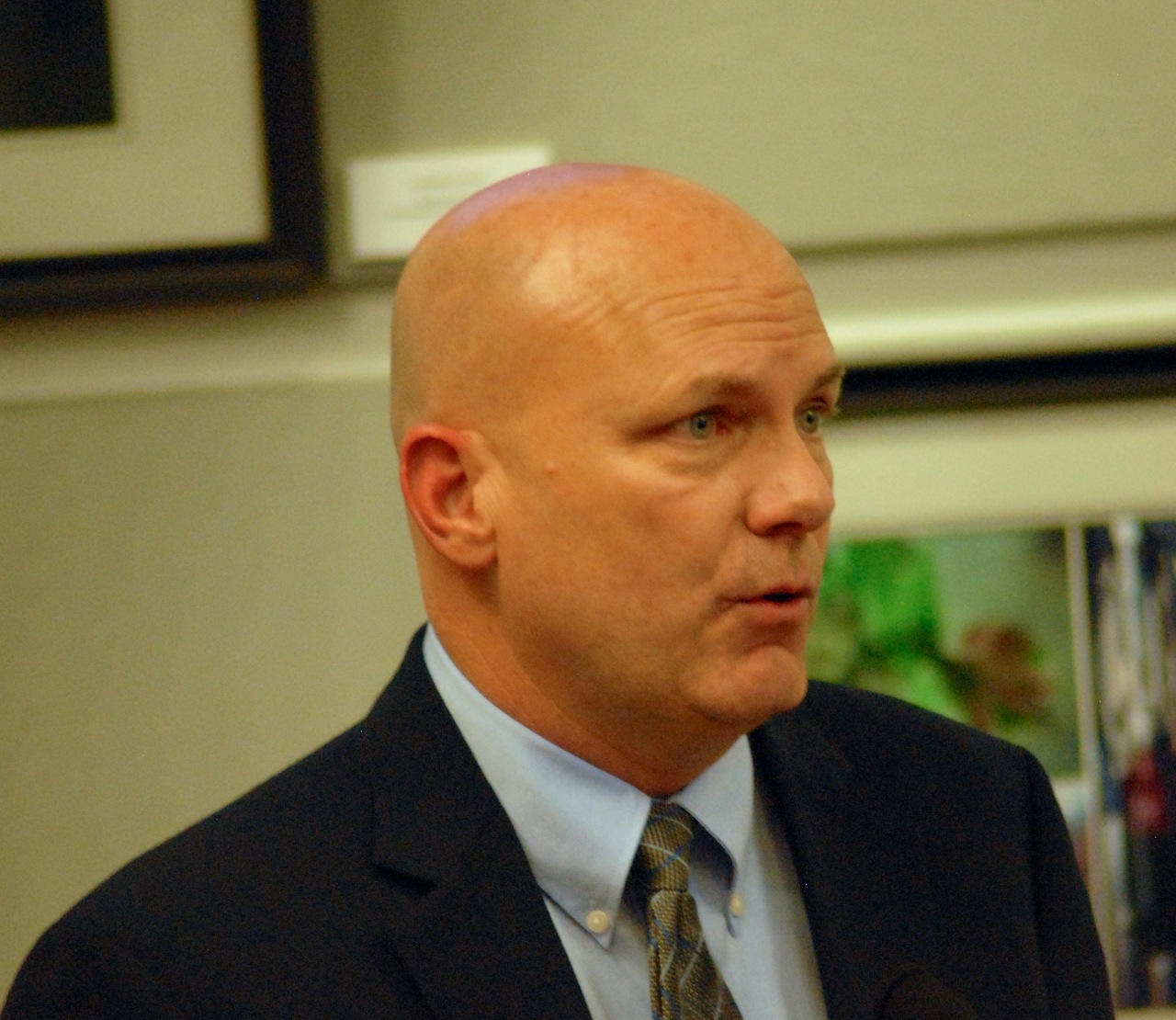
TODAYMaría L. Gutiérrez, a volunteer with El Agua es Asunto de Todos, “Water is Everyone’s Business,”  gave the following testimony at California’s State Water Resources Control Board‘s (Water Board) Sacramento information-only Public Workshop regarding the Temporary Urgency Change Petition (TUCP) submitted by the California Department of Water Resources and U.S. Bureau of Reclamation on January 23, 2015. Given the drought crisis, the DWR and USBR filed the TUCP with the SWRCB Division of Water Rights  to revise Sacramento-San Joaquin River Delta restrictions devised to meet flow and water quality objectives established in the Water Quality Control Plan for the San Francisco Bay/Sacramento-San Joaquin Delta (Bay-Delta) Estuary. The TUCP requests the Water Board allow more water to be allocated to the Central Valley, for a period of 180 days, via DWR’s State Water Project (SWP) and USBR’s Central Valley Project (CVP) that includes flows from recent storms in the northern part of the state.

Gutiérrez provided the following testimony:

“El Agua es Asunto de Todos” is a campaign with two main goals – to raise awareness about the water shortage in California and the devastating economic impact it is having upon the Latino community, and second, to provide a platform for the Latino community to actively weigh in on the water issues.

California is entering its fourth straight dry year marking this state’s worst drought in 500 years. A drought like this is wrecking havoc on the lives of Latino families and the communities they live in. And when you impact the Latino community, you are looking at a domino effect with epic proportions. Because this affects restaurants, gas stations, truck drivers, gardeners, mom and pop shops, small business, schools, and food projects.

Our situation is even grimmer. We have seen 40% unemployment in Mendota, Huron and Firebaugh.

We are living in America. And, so I have to ask you, how is this happening? In my mind, I expect it to get even worse. We can conserve as much water as we can now, but if we don’t get a reliable water supply, whole communities will be torn apart.

El Agua Es Asunto De Todos

“Water is Everyone’s Business”

The unconscionable decision by Executive Director Tom Howard to deny additional pumping and water supply to our Central Valley communities is outrageous and immoral. His decision is a slap in the face to Latinos who live south of the Delta.

Let me tell you something about the Latino community. Latinos want to work; they don’t want a handout; and they don’t want to be standing in food lines. People tell us at every place we stop to dialogue, how they are losing their jobs, cars, and homes. Families are seeing their college dreams for their kids disappear. They tell us, all I want to do is work.

We are seeing more women and men standing in lines for food baskets. People are being forced to make tough choices – to put food on the table or buy medication. We are also seeing too many families lacking life’s basic necessities like water for drinking, cooking and showering because their wells have run dry.  Another year with zero percent water will bring even more hardship to these families.

I’ve met farmers who have told me that if they didn’t get water, they would have to lay off entire families of workers that have worked for them for generations. Farmers are of all races and nationalities. Most have started as farm workers, they bought the acreage and now they are farmers. They are part of what makes this nation great.

People are very angry. You need to understand the total impact a bad decision will have on many of our communities.

We need water now!

It is a civil right. 

It is a human right.

All of our communities request that the State Water Resources Control Board approve in full and allow State and Federal agencies to collectively manage the Central Valley Project and State Water Project on a real-time basis to provide water to our communities that are in dire need.

Our communities cannot afford any lesser operational flexibility during this unprecedented crisis.

As the Water Board meeting was for informational purposes only, no Board action was taken.

2016-05-31T19:30:30-07:00February 18th, 2015|

Grape Commission Awards Education Grants

Schools in the table grape growing regions of California’s San Joaquin and Coachella valleys are benefiting from grants awarded this academic year.

In total, 36 education grants worth up to $750 were awarded by the California Table Grape Commission on behalf of California’s table grape growers. The funded projects will be implemented in the current academic year and will reach over 4,000 students.

“California’s table grape growers have been supporting local education for years,” said Kathleen Nave, president of the commission. “This program is one of the ways table grape growers give back to the communities in which they live and work.”

Examples of the projects include raised garden boxes for children with special needs, inspiring youth through chess and music, programming robots, growing grapes, and modern microscopy and cell metabolism.

The Innovation in Teaching education grant program was created in 1993 to support innovative educational projects in the table grape growing regions of California’s San Joaquin and Coachella valleys.

For more information, go to www.grapesfromcalifornia.com/EducationGrants.php.

2016-05-31T19:30:30-07:00February 17th, 2015|

Bayer CropScience Gives $100,000 to Sponsor Project Apis m.’s Honey Bee Forage Program

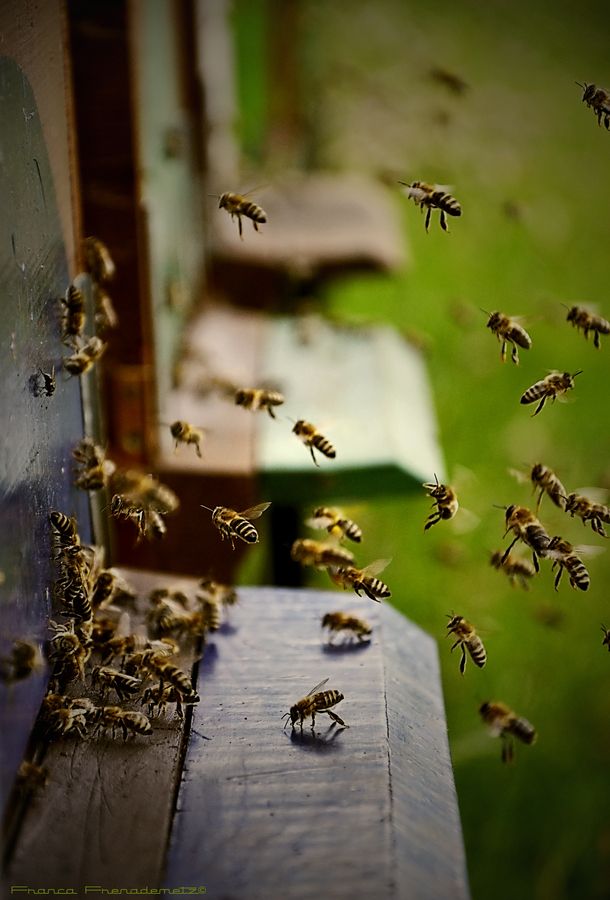
Every year, more than 1.7 million honey bee colonies are brought to California’s Central Valley to pollinate the vast expanses of almond orchards. Many bees arrive in the fall when little is in bloom to escape their native cold temperatures in anticipation of the world’s largest pollination event.

Prior to and after the almond orchard’s bloom in late winter and spring, there is a shortage of food to help the bees survive. Bees’ food consists of nectar and pollen gathered from blooming plants.

To help address the pre- and post-bloom food challenge, Bayer CropScience is giving $100,000 to Project Apis m., a nonprofit organization dedicated to better bee health through its work with growers. Project Apis m. will use the funds to provide seed mixes to growers in California and Washington who have agreed to plant cover crops for honey bees before and after almond bloom and other key seasons. The project will help build a healthier bee population to support crop pollination nationwide as bee colonies are transported to other states for other growing seasons.

“This initiative is a direct response to the lack of adequate forage needed to keep honey bees healthy and thriving,” said Jim Blome, president and CEO of Bayer CropScience LP North America. “In 2015, Bayer CropScience is committed to research and partnerships that will make a positive impact on honey bees.”

Bayer’s expanded partnership with Project Apis m. will complement its joint field research projects conducted on fence rows near almond orchards at Bayer’s Western Bee Care Technology Station in Fresno, California. Findings from Bayer’s research with Project Apis m. show that forage plantings also can have benefits for growers.

If growers allow forage plantings adjacent to fields, rather than planting from fence row to fence row, they can reduce the loss of irrigation water, better manage soil quality and weeds, and help support wildlife, including pollinators. Local growers and landowners will plant the provided seeds on land with crops and on nearby plots to help ensure direct benefit to them and nearby bee colonies.

“With funding from Bayer, Project Apis m. will be able to work with growers to plant more acres of honey bee habitat right where it can be accessed by honey bees before the almond crop’s first bloom around Valentine’s Day,” said Christi Heintz, executive director of Project Apis m. and liaison to the Almond Board of California’s Bee Task Force. “Additionally, with Bayer’s help from its Fresno Research Station, we know the best plant species and mixes to use to feed bees and save them from starving.”

Project Apis m. will work with almond and other growers to get commitments for cover crops that will be planted in Fall 2015.


2016-05-31T19:30:30-07:00February 17th, 2015|

Nuts May Prevent Cancer

Nut Consumption May Prevent Cancer

The review, carried out by Marco Falasca, Ilaria Casari and Dr. Tania Maffucci at The London School of Medicine and Dentistry, Queen Mary University, found evidence suggesting eating nuts may prevent cancer by providing a protective effect—chemoprevention—in cancers including colorectal, pancreatic and endometrial cancer in women and prostate cancers in men.

It is already well established that increased nut consumption is associated with a reduced risk of major chronic diseases, such as cardiovascular disease and type 2 diabetes mellitus, but the team also identified research showing a significant inverse association between nut consumption and death from cancer. Based on their findings, the authors suggest that nut consumption should be considered as a tool of intervention to reduce the burden of cancer.

The review highlighted a range of components that nuts contain that may contribute to their anticancer properties, including antioxidant and anti-inflammatory components as well as a range of phytochemicals, vitamins and micronutrients, plus dietary fiber, of which nuts are a rich source.

Professor Falasca commented, “Although there is strong evidence that nut consumption is related to the prevention of several diseases including cancer, more support is needed to research the mechanism of action and to find a direct correlation. We’re also a step in the right direction to support the claim that we should have nuts as one of our five-a-day portions of fruit and vegetables in order to prevent diseases.”

Globally, cancer is on the rise; the World Health Organization (WHO) reports there were more than 14 million cases of cancer diagnosed and 8.2 million deaths in 2012, up from 12.7 million cases and 7.6 million deaths in 2008. By 2025, more than 19 million cancer diagnoses are predicted. Up to 40% of cancer cases are estimated to be linked to unhealthy lifestyle habits such as smoking, being overweight, alcohol consumption, low fruit and vegetable intake, occupational hazards, and exposure to sun and sunbeds.

power of pistachios for cancer prevention

Power of pistachios for cancer prevention

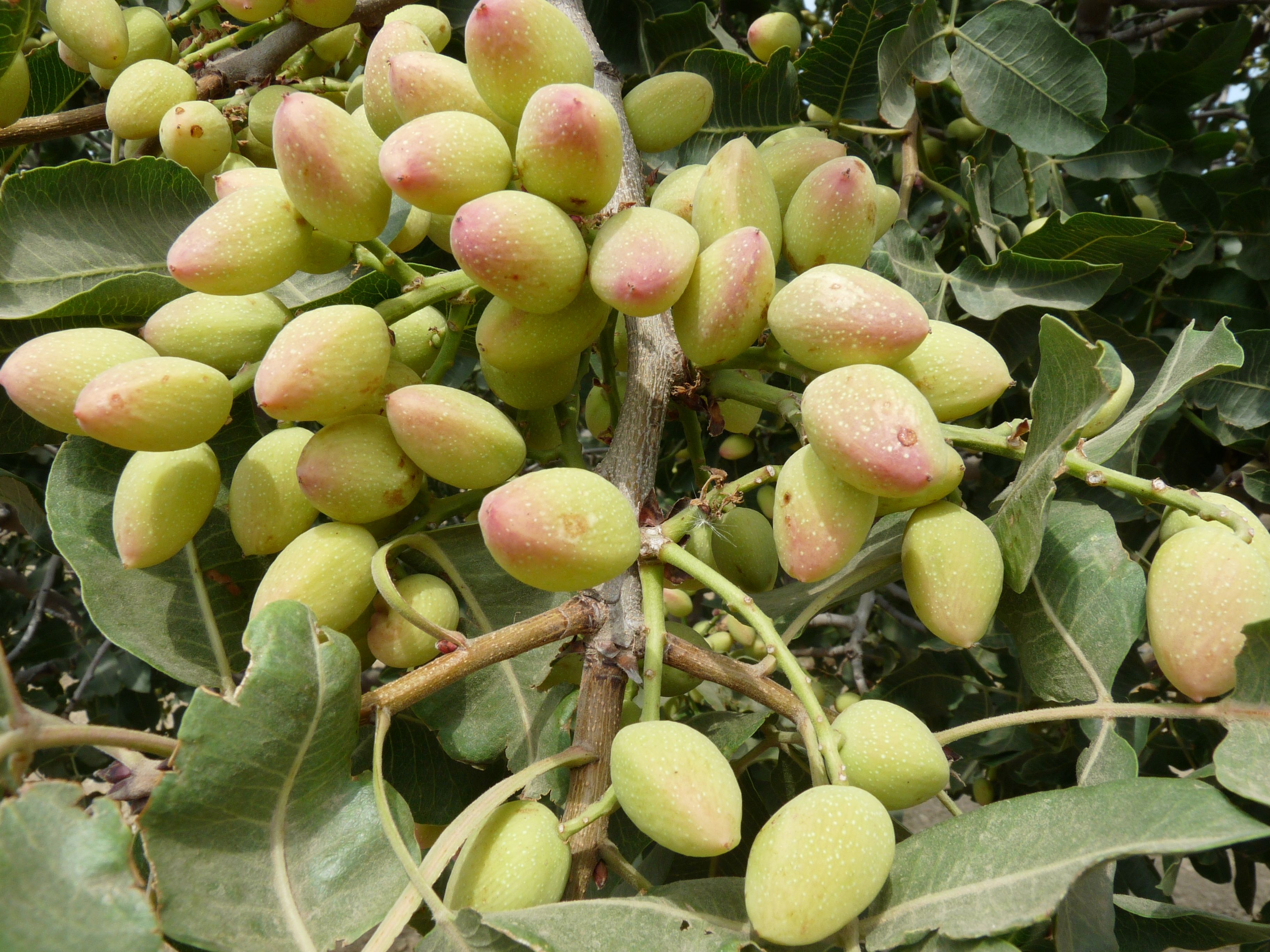
Arianna Carughi, PhD, Nutrition Research Science Advisor for American Pistachio Growers, said: “Pistachios are a nutrient and fiber-rich wholefood and contain a number of bioactive compounds that may be useful at the cellular level. This review highlights the potential of nuts, such as pistachios, as a tool in the fight against cancer and further adds to our understanding of the important contribution that nuts can make to health and wellbeing.”

At 160 calories, one ounce of pistachios contains less than two grams of saturated fat and six grams of protein per serving. Pistachios make the perfect snack and can be included as part of a healthy diet.

Sources: Falasca M, Casari I& Maffucci T. Cancer Chemoprevention With Nuts. J Natl Cancer Inst 2014: 106(9), American Pistachio Growers

2016-05-31T19:30:31-07:00February 16th, 2015|

California Congressmembers Urge Water Board to Reverse Decision

California legislators in Washington, D.C., issued a bicameral, bipartisan letter TODAY requesting the State Water Resources Control Board (SWRCB) reverse last week’s decision of its Executive Director, Thomas Howard, to deny the joint Central Valley and State Water Projects’ request to more equitably share limited fresh water outflow into the Pacific Ocean.

Separately, Congressional House Majority Leader Kevin McCarthy issued the following explanation TODAY via Kyle Lombardi, his Legislative Director:

The U.S. Bureau of Reclamation and the California Department of Water Resources submitted a Temporary Urgency Change Petition (TUCP) to the California State Water Resources Control Board (the State Board) on January 23rd to revise certain standards in the Sacramento-San Joaquin River Delta to allow increased pumping to send more water, including from recent storms in the northern part of the state, to the Valley given the drought  crisis.

Unfortunately, the initial decision by the State Board’s executive director last week rejected the important part of the TUCP that would have allowed increased pumping because of concerns about impacts to smelt and salmon.  Congressman McCarthy strongly feels this was the wrong decision, particularly given Federal and state fish agencies (i.e. the U.S. Fish and Wildlife Service, National Marine Fisheries Service, and California Department of Fish and Wildlife) all supported the TUCP, including the provisions to allow increased pumping.

Accordingly, Representatives Kevin McCarthy, David G. Valadao, Devin Nunes, Ken Calvert, Jeff Denham, Jim Costa, and Senator Dianne Feinstein sent the letter below to State Water Board Chair Felicia Marcus demanding that the Water Board reverse their executive director’s decision and approve the TUCP in full to allow increased pumping. Here are a few passages:

Our constituents have told us that some do not even have water for basic necessities like cooking, drinking, and showering, and that some are abandoning their homes and moving out of State.

Many Central Valley towns have unemployment rates that are triple or quadruple that of the state average of 7 percent due to significantly reduced employment in the agricultural sector.

When five agencies – including three tasked with protecting fish – have already assessed and concurred that the export adjustment would not cause harms beyond those allowed under the most stringent statutes and biological opinions, we believe the Executive Director should not have rejected the agencies’ shared assessment and denied the export adjustment in the TUCP without a compelling rationale for taking such an extraordinary action.

We find the Executive Director’s reasons for denial unpersuasive and unsupported by the facts that have been carefully evaluated by five State and Federal agencies.

McCarthy encourages constituents to express similar support for the TUCP and increased pumping levels by contacting the Water Board via:

-Phone: 916-341-5616

-Email:  info@waterboards.ca.gov

-In person: Public Water Board Workshop at 9:00 a.m. Wednesday, February 18, 2015, in the Byron Sher Auditorium Joe Serna, Jr.-Cal/EPA Building, 1001 I Street, Second Floor, in Sacramento, CA.

For more information, email contact Majority Leader Kevin McCarthy at http://www.kevinmccarthy.house.gov/.Drought Congressional Ltr to SWRCB re TUCP 021115_Page_1 Drought Congressional Ltr to SWRCB re TUCP 021115_Page_2 Drought Congressional Ltr to SWRCB re TUCP 021115_Page_3 Drought Congressional Ltr to SWRCB re TUCP 021115_Page_4 Drought Congressional Ltr to SWRCB re TUCP 021115_Page_5 Drought Congressional Ltr to SWRCB re TUCP 021115_Page_6

2016-05-31T19:30:31-07:00February 13th, 2015|

The 48th Annual World Ag Expo

The 48th Annual World Ag Expo officially kicked off at 9:00 a.m. this morning.

The largest annual agricultural exposition of its kind, World Ag Expo touts more than 1,500 exhibitors who display cutting-edge agricultural technology and equipment on 2.6 million square feet of show grounds. An estimated average of 100,000 individuals from 70 countries attend the show each year to learn about the latest advances in agriculture.

More than 35 seminars are offered in beef, dairy, hay and forage, international trade, irrigation and general agriculture categories. Seminars presented by professionals in the industry provide attendees with valuable information to improve their operations.

“From the locally-focused ag tours to the international attendees, World Ag Expo strives to live up to its name every year,” says Jerry Sinift, International Agri-Center’s chief executive officer. “Even as we grow and change, we remain grounded in the idea that agriculture is an invaluable asset to our communities and to the growing world. We’re here to be a consistent part of that through educational seminars and bringing in quality exhibitors for serious buyers.”

Live webcams of World Ag Expo’s show grounds, powered by Axis Communications, Valley Ag Software and HD Relay, can be viewed online at www.WorldAgExpo.org/live-webcams. Ten cameras on the grounds offer views of activity on the grounds, including exhibitors, attendees and volunteers.

World Ag Expo attendees can get the latest news, information and updates about the show by downloading the new 2015 mobile app. The free app provides mobile access to the schedule of events, an exhibitor directory, map of the show grounds and other visitor resources. The app is available for download by visiting your app store and searching for “World Ag Expo 2015.”

For a full schedule of events, more information about the show or to purchase tickets for World Ag Expo 2015, visit www.WorldAgExpo.org.

2016-05-31T19:30:31-07:00February 10th, 2015|

Fresno County 4-H Hosts Color Me Green 5K Run

On March 14, 2015, Fresno County 4-H members will host Color Me Green 5K Runs at California State University, Fresno. Fresno County 4-H is partnering with the Fresno State’s Jordan College of Agriculture and Science Technology for the Color Me Green 5K Run.

The Color Me Green 5K Runs are five kilometer runs designed to encourage youths and community members to increase their physical activity while also having fun! During each run, participants are showered with colored dye as they pass through each marker point. This run, hosted by 4-H youth members and Fresno State students, will be great opportunity for communities to come together and celebrate healthy living and being physically active.

 Through the Color Me Green 5K Runs, 4-H youth members and Fresno State students will encourage the health of Fresno County. In addition to planning, organizing, and leading the run, 4-H clubs and youth members will host interactive 4-H booths highlighting various project areas.

Online registration opened on February 1, 2015. Here is the link for the registration: http://ucanr.edu/colormegreenfresno4h


2016-05-31T19:30:31-07:00February 10th, 2015|

USDA Funds $30M to Fight Citrus Greening

USDA Targets Citrus Greening with Promising Tools and Long Term Solutions

Agriculture Secretary Tom Vilsack announced $30 million in funding TODAY for 22 projects to help citrus producers combat Huanglongbing (HLB), also known as citrus greening, a devastating citrus disease that threatens U.S. citrus production. The money will fund promising projects that could offer near-term solutions as well as research funding that may develop long-terms solutions. The promising near-term tools and solutions are funded through the HLB Multiagency Coordination Group while the research projects are funded through the Specialty Crop Research Initiative Citrus Disease Research and Education (CDRE) program, which is made available through the Agricultural Act of 2014 (Farm Bill).

“Our HLB Multi-Agency Coordination Group has worked closely with the citrus industry to select and fund projects that we think will make a real difference for growers against HLB,” said Vilsack. “Funding these projects through cooperative agreements puts us one step closer to putting real tools to fight this disease into the hands of citrus growers.” Vilsack continued, “Through the CDRE research we are announcing today, we are also investing in long-term solutions to diseases that threaten the long-term survival of the citrus industry.”

USDA’s HLB Multi-Agency Coordination Group funded fifteen projects that support thermotherapy, best management practices, early detection, and pest control efforts for a total of more than $7 million. All of them are designed to provide near-term tools and solutions to Agriculture Secretary Tom Vilsack announced $30 million in funding TODAY for 22 projects to help citrus producers combat Huanglongbing (HLB), also known as citrus greening, a devastating citrus disease that threatens U.S. citrus production.  the citrus industry fight HLB. The projects include:

Two projects to provide improved delivery of thermotherapy to HLB infected trees, a promising treatment that has shown to help infected trees regain productivity after treatment. One of these projects will test thermotherapy on a grove-wide scale. since studies have shown heating a tree to 120 degrees for approximately 48 hours can kill the HLB bacterium in the upper part of the tree, allowing the tree to regain productivity. This funding will address the challenge of identifying a quick and practical way for growers to use the technology on a large scale.  

Six projects to provide citrus producers with best management practices in Florida citrus groves.

  • One project will focus on lowering the pH of the irrigation water and soil to strengthen the root systems of citrus trees to help them better tolerate HLB infection.
  • Three projects will support different combinations of integrated management approaches for sustaining production in trees in different stages of infection.
  • Two projects will test strategies for preventing tree death due to HLB infection. One of those will field test rootstocks that have shown ability to tolerate HLB infection. The other will use technologies to rapidly propagate the tolerant material for field use by the industry.

Three projects to increase early detection of HLB.

  • One project will train dogs to detect HLB infected trees. Detector dogs have proven to be highly adept at detecting citrus canker and early results suggest they will be an effective early detection tool for HLB.
  • One project will develop a root sampling and testing strategy.
  • One project will compare several promising early detection tests.

Four projects to provide tools to kill the Asian citrus psyllid (ACP), the vector of HLB.

  • One will produce and release the insect Diaphorencyrtus aligarhensis as a second biological control agent in California.
  • One project will use a biocontrol fungus to kill ACP adults.
  • One project will use a trap to attract and kill ACP adults.
  • One project will increase the use of field cages for the production of the insect Tamarixia radiata in residential areas, especially those that are adjacent to commercial groves in Texas. Tamarixia has already proven to be an effective biological control agent for ACP. Using field cages will enable the wider use of this effective ACP control.

In addition to these projects, USDA’s National Institute of Food and Agriculture funded more than $23 million dollars for research and education project to find lasting solutions to citrus greening disease. Examples of funded projects include developing HLB-resistant citrus cultivars, the development of field detection system for HLB, using heat as a treatment for prolonging productivity in infected citrus trees, creating a new antimicrobial treatment, among others. A fact sheet with a complete list of awardees and project descriptions is available on the USDA website.

Fiscal year 2014 grants have been awarded to two California universities, University of California, Davis, $4.6M and University of California, Riverside, $1.7M. The University of Florida, Gainesville and Kansas State University, Manhattan, are also receiving research awards.

CDRE is a supplement to the Specialty Crop Research Initiative (SCRI). The focus of this year’s funding was specifically on citrus greening disease. Because there are wide differences in the occurrence and progression of HLB among the states, there were regional as well as national priorities for CDRE. These priorities, recommended by the Citrus Disease Subcommittee, fall within four categories: 1) priorities that deal with the pathogen; 2) those that deal with the insect vector; 3) those that deal with citrus orchard production systems; and 4) those that deal with non-agricultural citrus tree owners.

One subcommittee member is Justin D. Brown, Vice President and General Manager, D Bar J Orchards, Inc. in Orange Grove, California.

The Farm Bill builds on historic economic gains in rural America over the past six years, while achieving meaningful reform and billions of dollars in savings for taxpayers. Since enactment, USDA has made significant progress to implement each provision of this critical legislation, including providing disaster relief to farmers and ranchers; strengthening risk management tools; expanding access to rural credit; funding critical research; establishing innovative public-private conservation partnerships; developing new markets for rural-made products; and investing in infrastructure, housing and community facilities to help improve quality of life in rural America. For more information, visit www.usda.gov/farmbill.

USDA NIFA Citrus Greening Awardees Fact Sheet

USDA NIFA Citrus Greening Awardees Fact Sheet

2016-05-31T19:30:31-07:00February 9th, 2015|

E.M. Tharp “We Believe in Growing” Scholarship Winners Announced at World Ag Expo

Eighth Year for “We Believe in Growing” Scholarships

Angelica Fernandes

Angelica Fernendes

World Ag Expo and E.M. Tharp, Inc. have teamed up for the eighth year to provide the “We Believe in Growing” scholarship which supports local high school students who will be attending four-year universities to major in an agricultural field. This year’s winners, Angelica Fernandes and Emily Babcock, will each receive $2,500 scholarships to be renewed up to four years, totaling $10,000 per student.

“Agriculture has many aspects–and education is a large part of that,” said Casey Tharp, E.M. Tharp, Inc. “We at E.M. Tharp are proud to be a part of that future by giving these students new opportunities to build on an already solid background in agriculture.”

Angelica Fernandes, a student at Tulare Union High School, plans to study agriculture education at Cal Poly, San Luis Obispo this coming fall. She is a Tulare FFA Chapter Officer, participates on the Tulare FFA Dairy Show Team, and is involved in her Associated Student Body as an Academic Commissioner.

Emily Babcock

Emily Babcock

“It’s a huge honor to be awarded this scholarship and I couldn’t be happier!” said Fernandes. “I’m looking forward to my future in ag education–this scholarship will be very beneficial for me. Thank you to everyone at E.M. Tharp.”

Emily Babcock, a student at Porterville High School, plans to study agricultural business at Cal Poly, San Luis Obispo. She has been a 4-H Mentor for four years, and is currently the president of the Porterville FFA, and FFA sectional vice-president.

“It has always been my dream to attend Cal Poly and major in ag business to prepare myself for a career that will have an impact on the agriculture industry,” said Babcock, “I feel extremely grateful to be a recipient of this scholarship and blessed to live in a community that provides opportunities like these for students.”

To be considered for the scholarship, students from across the Central Valley submitted letters of recommendation, high school transcripts, ACT or SAT scores and must be graduating from high school during the 2014-2015 school year. The winners will be recognized at World Ag Expo’s media day on Monday, February 9, 2015.


2016-05-31T19:30:31-07:00February 9th, 2015|

Temperance Flat Reservoir Offers Solution for Flood Years

And Yes, Flood Years Have Always Followed Drought Years

 By Patrick Cavanaugh, Editor

Temperance Flat Reservoir offers a big solution for flood years, said Ron Jacobsma, General Manager of Friant Water Authority, who  spoke at a special California State Board of Food and Agriculture meeting in Sacramento recently regarding solutions to California’s water situation as we may be entering a fourth year of drought.

“The bottom line: We are not in a position to waste any more flood water. We have groundwater overdrafts all over the Valley, and if we don’t start balancing our water supplies from a regulatory perspective, but also managing when we have these generous years, we are going to end up with tens of thousands of prime agricultural land taken out of production,” said Jacobsma.

Jacobsma was focused on the proposed Temperance Flat Dam that would provide an additional 1.25 million acre feet of storage behind Millerton Lake and Friant Dam which holds only 400,000 acre feet.

“We have spilled over Friant Dam more than one million acre feet of water over the years, which ends up going to the ocean, and Temperance Flat would stop this,” said Jacobsma.

“What Temperance Flat will do is enable California to use the water twice. How do you use it in a non-consumptive way for the environment? We can create cold water pools and augment flows on the San Joaquin River. But then we can pick the water back up and move it to where it needs to go, either as irrigation supplies that year, or to recharge groundwater basins. And we have to get in the other side of the aisle–if you will–and start thinking about this,” noted Jacobsma.

“We’re not talking about grabbing as much water as we can even if we really can’t define why we need it,” said Jacobsma. “We need to say, “Let’s find a way to make the consumptive part go to traditional uses like urban and agriculture, but let’s see how we can manipulate the system with more infrastructure so that we can better manage our existing supplies and get ecosystem benefits as well.”

“That’s really the whole fundamental basis of Chapter 8, which refers to the public benefits of the Water Bond that was passed overwhelmingly by voters last November. We have to find that balance because the public is going to pay only for the public benefits.”

“It would be nice if the public paid for Temperance Flat for us, but they’re not going to. And if we can provide public benefits, we can build a broader base of support. So our objective on Temperance Flat is to take the flood water, put it in the Friant system, send it within the San Joaquin Valley with partners because we are going to have to move some water around, have some flood control, and get some recreational benefits out of it.”

“But if we are going to spend a billion dollars plus trying to get a fishery on the San Joaquin River that has not been there for 60 years–a fishery that is dependent on cold water–why wouldn’t you invest in Temperance Flat and get multiple uses out of it?”

“It is going to take some time to build those coalitions. First you have to build local support, then regional support, then broader state-wide support. That is the kind of effort that we are going to have to go through,” Jacobsma noted.

 Protecting Investment

“The other consideration with regard to Temperance Flat is how we would protect the water it stores. If we get into an operational plan, how do we protect ourselves? If our water users spend more than a billion dollars on surface storage, just to have some regulation or  law passed demanding half of the yield, but we’re stuck with that price tag, that’s a huge risk for our guys,” noted Jacobsma.

“So we also need the certainty that whatever we develop will be available for us for a definitive amount of time–you know 40, 50, 100 years,” Jacobsma said. “We have to know that the money is going to be well spent in paying dividends down the road. And we will commit under the operations plan to provide the ecosystem benefits that we agreed to.”


2016-05-31T19:30:31-07:00February 9th, 2015|
Go to Top