Publicity

Ag Day 2015: A beautiful day to be a farmer

California’s agricultural community gathered yesterday on the west steps of the State Capitol to show, see and share the bounty of our state’s farmers and ranchers. It was a perfect day for such a celebration (although to be perfectly honest, the farmers would have preferred rain). In keeping with the United Nations’ declaration of 2015 as the International Year of Soils, the theme for Ag Day this year was “Breaking New Ground.”

Special thanks to the California Department of Food and Agriculture’s partners in organizing Ag Day, the California Women for Agriculture and the California Foundation for Agriculture in the Classroom.  Thanks also go to our emcee, Kitty O’Neal of KFBK Newsradio, as well as event sponsors the California Egg Farmers, the California Alpaca Breeders Association, the California Farm Bureau Federation, California Grown, the California State Board of Equalization, the California Strawberry Commission, the Farmer Veteran Coalition, Got Milk?, John Deere, the Kubota Tractor Company-California, and the University of California Division of Agriculture and Natural Resources.


 

2016-05-31T19:30:26-07:00March 19th, 2015|

National Agriculture Week is Here

Each year, more than one-million students learn about the importance of agriculture through the efforts of California Foundation for Agriculture in the Classroom. This spring, Agriculture in the Classroom will partner with CDFA and the California Women for Agriculture to host California Ag Day 2015 as part of National Ag Week (March 15-21).

On March 18, the State Capitol will come alive with farm animals, educational displays, and entertainment all celebrating California’s great agricultural bounty during California Agriculture Day. The theme for the 2015 event is “California Agriculture: Breaking new Ground.” A focus will be the importance of soil health to our food supply and all of agriculture.

Ag Day is the agricultural community’s annual opportunity to educate and inspire the farmers and ranchers of tomorrow, showcase new technologies, and highlight the diversity of California agriculture.

California Department of Food and Agriculture (CDFA) Secretary Karen Ross, along with 12 other industry leaders, are members of the National Agriculture Week host committee. The host committee helps plan and promote special events throughout the state.

“Please join me and other leaders in agriculture as we support the education of our next generation of consumers and voters,” said Secretary Ross. “National Agriculture Week gives us the opportunity to celebrate agriculture, an industry that provides a safe, abundant, and affordable food supply, a strong economy, and a world of job opportunities.”

An additional Ag Week event will be held on March 19 at the Sacramento Kings’ Experience Center in Sacramento, to recognize student winners of Ag in the Classroom’s Imagine this… Story Writing Contest. Student authors will attend and read their stories from the newly published Imagine this… books to the audience. A southern California event will be held aboard The Queen Mary on April 2.

Since 1986, The California Foundation for Agriculture in the Classroom, a non-profit organization, has worked to promote a greater awareness of agriculture’s role in our daily lives to California’s teachers and students. The Foundation delivers exciting, standards-based curriculum that builds students’ knowledge of the farmers and ranchers who produce the food, clothing, and shelter they use every day. Agriculture in the Classroom programs reach far beyond the classroom walls and into the lives of California’s students and their families.

2016-05-31T19:30:26-07:00March 17th, 2015|

California Exports: The Future of the Agriculture Industry

In 2013, California’s agriculture exports totaled to approximately $19.5 billion dollars. Those exports not only helped to boost farm prices and income, it also supported the existence of approximately 147,700 jobs both on and off the farm.

“Every one billion dollars in agricultural exports generates another 1.2 dollars in economic activity outside the agriculture sector,” said USDA Foreign Agriculture Service Associate Administrator Janet Nuzum. “When we help promote agricultural exports – it’s not just agriculture that benefits.”

According the USDA, U.S. agriculture producers rely heavily on foreign markets to sell their products. Approximately 70% of nuts, 75% of cotton and 40% of grapes are exported internationally, and California agriculture greatly contributes to those statistics.

Ninety-five percent of the world’s food consumers live outside of the United States, and only 1% of U.S. companies actually export.

“Export opportunities for those involved with agriculture are immense,” said California Center for International Trade Development Director Alicia Rios. “Most growers don’t realize that there are many programs out there to help them learn about the industry and can help them to market their product to international food buyers.”

At an Agricultural Trade Roundtable event, Nuzum met with and discussed the implications of international trade with key agribusiness representatives from California’s Central Valley. Nuzum noted that American producers actually benefit from trade agreements. The goal is to have them eliminate foreign tarrifs, unscientific regulatory barriers and bureaucratic administrative procedures that are designed to block trade.

With the world’s population growing, and with income fluctuations in developing countries, there are many opportunities for the U.S. ag industry to market its products.

“2015 is going to be a key year in setting the stage on the future conditions that the U.S. agriculture industry will face,” said Nuzum. “If we don’t take advantage of international opportunities, somebody else will.”

For more information about export programs, click on the links below.

http://www.fas.usda.gov

http://fresnocitd.org

2016-05-31T19:30:28-07:00March 4th, 2015|

CalAgX Training Set to Begin in April

10th Annual CalAgX Training Seminar


The California Centers for International Trade Development (CITD) at State Center Community College District has announced the launch of their 10th annual California Agricultural Export (CalAgX) training seminar. A comprehensive export training program, CalAgX was designed to give California agribusiness leaders the tools to market their specialty crops in the food industry.

“CalAgX can provide businesses with the skills they need to become an international phenomenon,” said CITD Director Alicia Rios. “Not only do the sessions provide real life case studies and examples, the sessions are taught by some of the most esteemed professionals in the export industry.”

Held over a span of six weeks at three different locations, CalAgX is an all-inclusive export training program covering topics such as export logistics, terms of sale, legal and cultural aspects of the exporting industry, export payments and finance and credit insurance. CalAgX participants are well prepared to bring their specialty crops to the global market.

This year, CalAgX is set to take place in Clovis, Salinas and Sacramento. Companies that participate should be at least one year old and have less than two years’ worth of export experience.

For more information about CalAgX and registration opportunities, click here: http://fresnocitd.org/services/calagx/.

2016-09-20T13:19:49-07:00March 2nd, 2015|

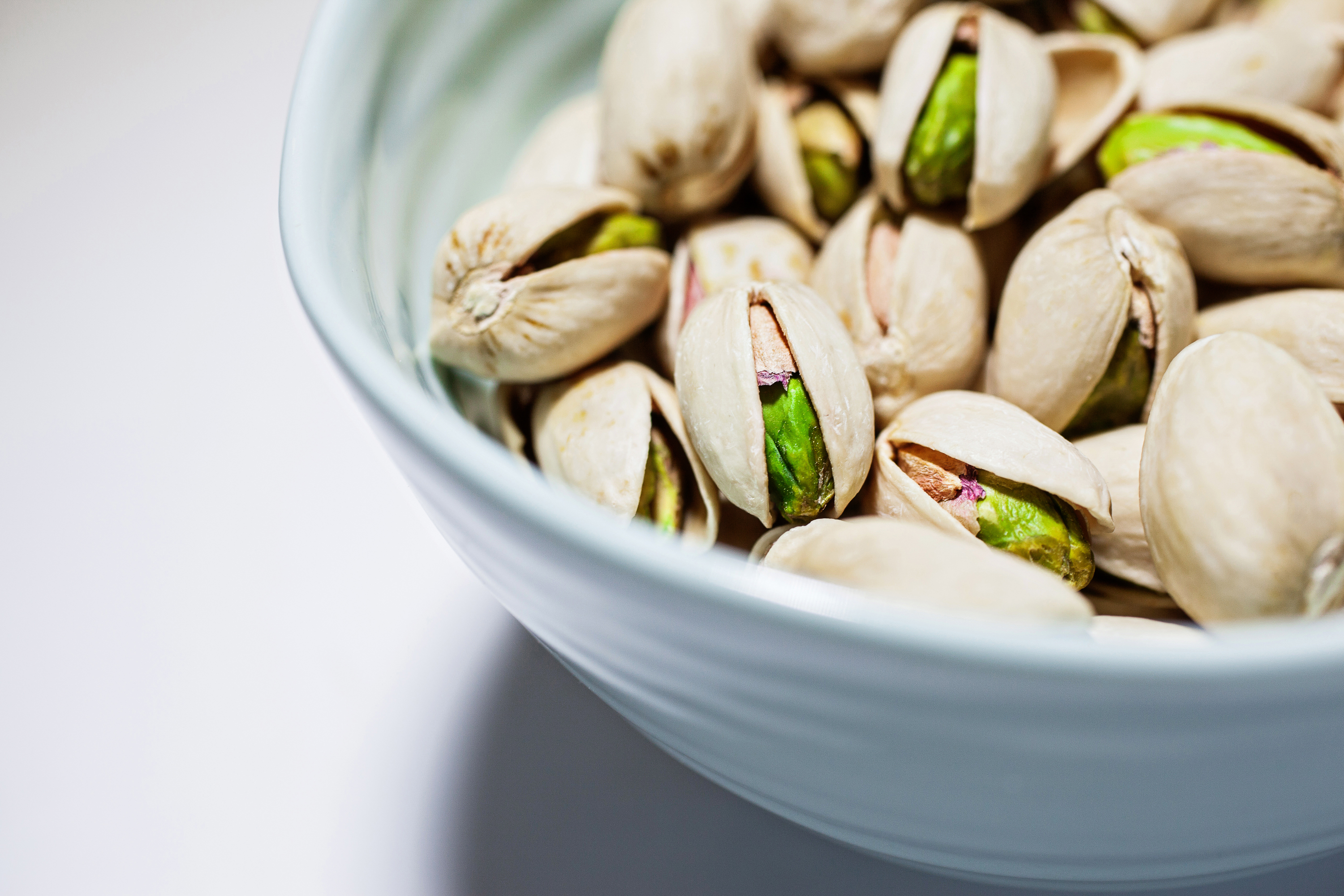
American Pistachio Growers Celebrate World Pistachio Day with Good News

Just a week after the Dietary Guidelines Advisory Committee released its report to the Secretary of Health and Human Services and the Secretary of the U.S. Department of Agriculture (USDA), American Pistachio Growers, the trade association representing more than 625 pistachio grower members in California, Arizona and New Mexico is celebrating the good news today – on World Pistachio Day.

People who eat tree nuts on a daily basis, including pistachios, are making healthy choices, according to the report. The recommended guidelines emphasize a diet higher in plant-based foods including vegetables, fruits, whole grains, nuts and seafood to lower the risk of chronic diseases, particularly those associated with obesity. These recommendations are consistent with the findings of numerous science-based studies on the role of tree nuts, including pistachios, in preventing obesity and providing other health benefits. The report provides the scientific evidence for the next edition of the Dietary Guidelines for Americans, which are expected to be published by the end of 2015.

About two-thirds of U.S. adults are overweight or obese and about half of adults have one or more preventable chronic diseases. Poor dietary and physical activity patterns are associated with these conditions. Pistachios have been shown to play a positive role in weight management, blood sugar management, heart health and as a post exercise snack.

“It’s no wonder that more than 1/3 of Americans are obese. We’re eating too much salt, saturated fat, refined grains and added sugar resulting in excess weight, unhealthy blood sugar levels and deficiencies in calcium, fiber, folate, magnesium, potassium and vitamins A, D, E, and C,” says Cheryl Forberg, Nutrition Ambassador to American Pistachio Growers.

Forberg continues, “Thankfully, the new guidelines suggest more whole foods: vegetables, fruits, whole grains, dairy, nuts, such as pistachios, and seeds to offset our nutrient needs and promote healthier weights and blood sugar levels.” One of the nation’s leading advisors on health and nutrition, Cheryl is a New York Times bestselling author, James Beard award-winning chef and the nutritionist for NBC’s “The Biggest Loser.”

Pistachios a Source of Important Shortfall Nutrients

Pistachios can help consumers meet a minimum of shortfall nutrients identified by the Dietary Guidelines Advisory Committee while limiting overconsumption of sodium and saturated fatty acids. These nutrients include vitamins A, D & C, folate, calcium, magnesium, fiber, potassium, and iron for adolescent and premenopausal women. Of these, calcium, vitamin D, fiber, potassium and iron are considered of public health concern.

A 1-ounce 160 calorie serving of pistachios provides:

  • 290 mg potassium (8% Daily Value)
  • 3 g total fiber (12 % Daily Value) making pistachios a “good” source of fiber
  • 6% Daily Value of iron
  • 8% Daily Value for magnesium

In addition, unsalted pistachios are a sodium-free food. Pistachios provide 13 g of total fat primarily monounsaturated fatty acids (7 g) and polyunsaturated fatty acids (4 g) with about 1.5 g saturated fatty acids.

Three USDA-Recognized Healthy Diet Patterns Include Nuts

The Committee encouraged consumers to adopt dietary patterns low in saturated fat, added sugars and sodium. These include Healthy U.S.-Style, Healthy Vegetarian and Healthy Mediterranean diets. Such patterns are:

  • Rich in vegetables, fruits, whole grains, seafood, legumes, and nuts such as pistachios
  • Moderate in low- and non-fat dairy products
  • Lower in red and processed meat
  • Low in sugar sweetened foods and beverages and refined grains


About American Pistachio Growers

            American Pistachio Growers (APG) is a non-profit voluntary agricultural trade association representing more than 625 grower members in California, Arizona and New Mexico. APG is governed by a democratically-elected board of directors and is funded by growers and independent processors with the shared goal of increasing global awareness of nutritious American-grown pistachios. For more information, visit AmericanPistachios.org.

2016-05-31T19:30:29-07:00February 26th, 2015|

AFT Research Shows Farmland Conservation can Reduce Greenhouse Gases

A new study from American Farmland Trust’s California Office, titled A New Comparison of Greenhouse Gas Emissions from California Agricultural and Urban Land Use [PDF], shows that urban land uses generate an average of 58 times more greenhouse gases per acre than the production of California’s leading crops.

This means that conserving farmland by preventing its development is an effective strategy for alleviating climate change. The AFT research, spearheaded by Steve Shaffer, AFT’s principal environmental consultant in California, found that emissions from seven crops grown on four million acres of the state’s farmland – including rice, tomatoes, lettuce, almonds, winegrapes, corn and alfalfa – averaged 0.89 tons of CO2 equivalent per acre, while those from residential, commercial and industrial land uses in 13 California cities averaged 51 tons per acre.

“If California farmland conversion could be reduced by half (from 39,500 to 19,750 acres per year), within a decade we would avoid the emission of 55 million metric tons of greenhouse gases,” said Shaffer, “That’s equivalent to taking almost 200,000 cars off the road or driving around the Earth’s equator 5 million times,” he added, noting, “Of course, AFT would like to do even better than that.”

2016-05-31T19:30:29-07:00February 25th, 2015|

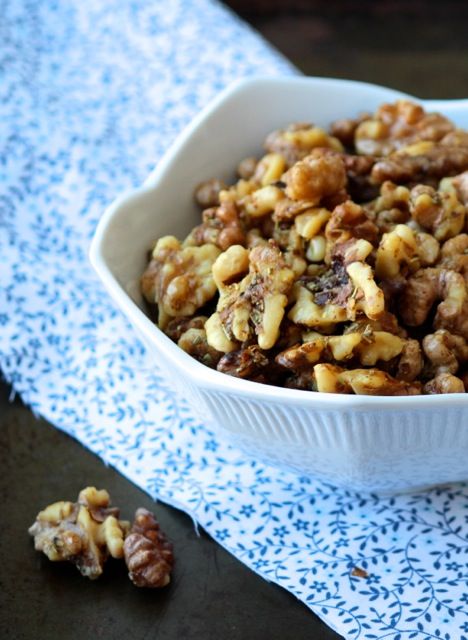
A Cross Sectional Study of the Association between Walnut Consumption and Cognitive Function among Adult US Populations

Objective: To examine the association between walnut consumption and measures of cognitive function in the US population.

Design: Nationally representative cross sectional study using 24 hour dietary recalls of intakes to assess walnut and other nut consumption as compared to the group reporting no nut consumption.

Method: Setting: 1988-1994 and 1999-2002 rounds of the National Health and Nutrition Examination Survey (NHANES). Population: Representative weighted sample of US adults 20 to 90 years of age. The Neurobehavioral Evaluation System 2 (NES2), consisting of simple reaction time (SRTT), symbol digit substitution (SDST), the single digit learning (SDLT), Story Recall (SRT) and digit-symbol substitution (DSST) tests.

Results: Adults 20-59 years old reporting walnut consumption of an average of 10.3 g/d required 16.4ms less time to respond on the SRTT, P=0.03, and 0.39s less for the SDST, P=0.01. SDLT scores were also significantly lower by 2.38s (P=0.05). Similar results were obtained when tertiles of walnut consumption were examined in trend analyses. Significantly better outcomes were noted in all cognitive test scores among those with higher walnut consumption (P < 0.01). Among adults 60 years and older, walnut consumers averaged 13.1 g/d, scored 7.1 percentile points higher, P=0.03 on the SRT and 7.3 percentile points higher on the DSST, P=0.05. Here also trend analyses indicate significant improvements in all cognitive test scores (P < 0.01) except for SRTT (P = 0.06) in the fully adjusted models.

Conclusion: These significant, positive associations between walnut consumption and cognitive functions among all adults, regardless of age, gender or ethnicity suggest that daily walnut intake may be a simple beneficial dietary behavior.

2016-05-31T19:30:29-07:00February 24th, 2015|

USDA announces $9 million to support Community Food Projects program

The U.S. Department of Agriculture’s (USDA) National Institute of Food and Agriculture (NIFA) announced the availability of $9 million in funding to assist low-income individuals and communities in developing local and independent food systems. NIFA is funding the grants through the Community Food Projects program (CFP), authorized by the Agricultural Act of 2014 (Farm Bill).

“Community Foods Projects provide the opportunity for low-income communities to become more self-reliant and take control of their own food systems,” said Sonny Ramaswamy, NIFA director. “These projects create food systems that are economically equitable and socially and environmentally sustainable, providing real solutions for communities most in need.”

Community Food Projects involve the entire food system. Projects assess strengths and establish connections among existing food systems, resulting in improved food systems that support self-reliance.

Grants are intended to help eligible, private, nonprofit entities in need of a one-time installment of federal assistance to establish and carry out multipurpose community food projects. Projects are funded from $10,000 to $300,000 and up to 36 months. All grants require a dollar-for-dollar match in resources.

Applications are due March 17, 2015. Please see the request for applications for specific program requirements.

CFP is an important part of USDA’s Know Your Farmer, Know Your Food initiative, which works to strengthen and support local and regional food systems. More information on the initiative, including an interactive map of CFP and other federally-supported local food projects, can be found at: www.usda.gov/knowyourfarmer.

The primary goals of the Community Food Projects program are to (1) meet the food needs of low-income individuals; (2) increase the food self-reliance of low-income communities; (3) promote comprehensive responses to local food, farm and nutrition issues; and (4) meet specific state, local or neighborhood food and agricultural needs, including needs relating to infrastructure improvement and development, planning for long-term solutions and the creation of innovative marketing activities that mutually benefit agricultural producers and low-income consumers.

Since 2009, NIFA has provided more than $28 million to 154 Community Food Project awards in 48 states to help communities improve access to healthy, local food. Past projects include Philadelphia Green, which supports small-scale growers in their efforts to bring fresh, locally grown produce to the Philadelphia metro area, and RootDown LA, which is engaging Los Angeles-area youth in community gardens.

Funding for the CFP program is authorized by the 2014 Farm Bill. The Farm Bill builds on historic economic gains in rural America over the past six years, while achieving meaningful reform and billions of dollars in savings for taxpayers. Since enactment, USDA has made significant progress to implement each provision of this critical legislation, including providing disaster relief to farmers and ranchers; strengthening risk management tools; expanding access to rural credit; funding critical research; establishing innovative public-private conservation partnerships; developing new markets for rural-made products; and investing in infrastructure, housing and community facilities to help improve quality of life in rural America. For more information, visit www.usda.gov/farmbill.

2016-05-31T19:30:29-07:00February 23rd, 2015|

Happy Chinese New Year!

Happy Chinese New Year!Hang the red lanterns, gather your citrus fruits, and cook your noodles. It’s time to welcome the lunar Year of the Sheep!

Chinese New Year (or Lunar New Year) is the most important traditional Chinese holiday, and is celebrated around the world. The celebration starts on the second new moon after the winter solstice, which is on January 31 this year, and goes on for 15 days. During this time, also known as the Spring Festival, those who celebrate visit temples to pay respect to their ancestors and pray for good fortune in the coming year. Small red envelopes of money are given to children as a token of good luck and prosperity. And, like most any family-centered holiday, everyone gathers around for a family feast, making Chinese New Year one of the biggest food holidays of the year.

Food is definitely a focus of Chinese New Year celebration, but it’s more than just nourishment. In Chinese traditions, foods served during the festival have auspicious meanings. Chinese traditions are rich with wordplay and symbolism. Some of the dishes and ingredients have names that sound similar to words and phrases referring to good wishes.

For example, “Kumquat” literally means “golden orange.” Symbolizing wealth and prosperity, the little citrus fruits, and sometimes the tree saplings, are given as gifts during Chinese New Year. Other “wealthy” fruits include Oranges and Tangerines. The larger citrus like Pummelos and Grapefruits symbolize abundance, prosperity, and family unity.

Happy Chinese New Year!

Happy Chinese New Year!

Another item that represents good fortune is Daikon or Asian Radish. In one Chinese dialect, the word for radish is a homophone for “good fortune.” This is why the savory radish cake is traditionally eaten during Chinese New Year celebration. But Daikon is more versatile than that. It can be added to soups and stews, steamed, or eaten fresh, chopped up or thinly shaved into salads.

Daikon could be a part of the mixed vegetable dish that represents family unity. This typical stir-fry is made with a touch of oyster sauce for business success and a mix of vegetables like Baby Bok Choy for close family ties, and Woodear and Shiitake Mushrooms for longevity.

The ultimate longevity blessing, however, comes from the noodles. Long and uncut, they symbolize long life. While Chow Mein is a traditional choice, other Asian noodles like Yakisoba are used for pan-fries and stir-fries, and Udons are used in soups. Shrimp may be added for liveliness and pork for abundance of blessings.

One of the many Chinese New Year wishes translates to “May your happiness be without limit.” With good eating like this, it definitely is the beginning of a very happy year!

Kung Hei Fat Choy! (Happy New Year and be prosperous!)

2016-05-31T19:30:30-07:00February 19th, 2015|

USDA Approves Apples Genetically Engineered to Resist Browning

Source: Food Safety News 

The U.S. Department of Agriculture has decided to approve new types of apples that have been genetically engineered not to brown as quickly after being cut.

Okanagan Specialty Fruits Inc., the company that developed the Arctic Granny and Arctic Golden varieties is currently engaging in a voluntary food safety assessment consultation with the Food and Drug Administration regarding the varieties.

USDA’s Animal and Plant Health Inspection Service (APHIS) said it made the decision to deregulate the apples and allow them to be commercially planted after assessments showed that “the GE apples are unlikely to pose a plant pest risk to agriculture and other plants in the United States” and that “deregulation is not likely to have a significant impact on the human environment.”

Over time, Arctic apples will age, turn brown and rot like any other fruit, but they’ve been genetically engineered to produce less of the substance that causes browning. When the apples are sliced or bruised, the fruit’s flesh retains its original color longer instead of turning brown.

Consumer groups opposed to genetically modified foods have indicated their disapproval of USDA’s decision.

“The USDA has neglected to look at the full range of risks from these apples,” said Wenonah Hauter, executive director of Food & Water Watch. “In its environmental assessment, the USDA glossed over the possibility of unintentional effects associated with the technology used to engineer these apples, potential economic impacts on the U.S. and international apple market, effects of potential contamination for non-GMO and organic apple growers and the impact of the non-browning gene silencing which also can weaken plant defenses and plant health.”

“Pre-sliced apples are a frequently recalled food product,” noted the Center for Food Safety. “Once the whole fruit is sliced, it has an increased risk of exposure to pathogens. Since browning is a sign that apples are no longer fresh, ‘masking’ this natural signal could lead people to consume contaminated apples.”

APHIS said that of the many comments it received on its draft analyses of Arctic apples, some addressed safety concerns and how Arctic apple production might impact exports of U.S. apples abroad. The agency pointed out that under its regulations and the Plant Protection Act, it can’t base its final decision on these factors, but only on the analysis of plant pest risk to agriculture or other plants in the U.S.

If there is enough consumer demand for Arctic apples, it would be several years before producers could grow the fruit. If the apples turn up in grocery stores, they’ll be recognizable by their name, but there are concerns that if the fruit is cut up and used in other foods, consumers won’t necessarily know that the apples were genetically engineered.

The Environmental Working Groups said that the approval of Arctic apples “underscores the need for a transparent and consistent national labeling standard.”

USDA’s announcement came the day after Sens. Barbara Boxer (D-CA) and Richard Blumenthal (D-CT) and Rep. Peter DeFazio (D-OR) reintroduced legislation to label genetically engineered food.

2016-05-31T19:30:30-07:00February 19th, 2015|
Go to Top