CDFA Announces Dates for PD/GWSS Winegrape Grower Referendum

The California Department of Food and Agriculture (CDFA) has announced important dates for this year’s vote on the continuation of the statewide Pierce’s Disease and Glassy-Winged Sharpshooter (PD/GWSS) winegrape assessment.

Current plans call for the ballots to be mailed to California’s winegrape growers on or about March 30, 2015. The ballots will be due back 30 days after mailing, although this date can be extended. The results of the vote will be announced about two weeks after the voting period concludes.

Since 2001, the PD/GWSS assessment has been one of the primary sources of funding for research on PD and its primary vector, the glassy-winged sharpshooter. In 2010 winegrape growers voted to not only continue the assessment but authorized the PD/GWSS Board to spend assessment funds for research and outreach on other pests and diseases that are serious threats to California winegrapes. Since then, the Board has designated the European grapevine moth, red blotch, vine mealybug, and brown marmorated stink bug as serious threats to winegrapes.

Growers (whether individuals or companies) who paid the assessment on grapes grown in 2014 are eligible to vote. Accordingly, growers will receive a ballot for each of the separate legal entities they represent.  Growers are urged to verify that the number of ballots they receive is correct and report any discrepancies to CDFA. Winegrape growers with any questions about the assessment can contact the CDFA Pierce’s Disease Control Program at (916) 900-5024. Questions about the referendum (including the number of ballots you received) should be directed to the CDFA Marketing Branch at (916) 900-5018.

The PD/GWSS winegrape assessment was established in July 2001 to support scientific research to find solutions to Pierce’s disease. The PD/GWSS Board, composed of winegrape growers, advises CDFA on the use of the assessment.

Pierce’s disease has no known cure and, left unchecked, could be devastating to the winegrape industry. A study released in 2009 by the Wine Institute and the California Association of Winegrape Growers estimated the total annual economic impact of California’s winegrape industry at $62 billion within the state and $122 billion nationally.

2016-05-31T19:30:32-07:00February 3rd, 2015|

California State Fair announces first Extra Virgin Olive Oil Competition

Source: CDFA

The California State Fair is expanding its commercial competitions for 2015 to include a competition for extra virgin olive oil. Of all the olive oil produced in the United States, California produces 99 percent of it.

Extra virgin olive oils in more than 15 different classes and divisions, including blends and flavored olive oils will be judged during the competition. The entry deadline is April 1, 2015. The California State Fair Extra Virgin Olive Oil Competition is open only to California olive oil producers.

From July 10-26 the State Fair will feature a special California extra virgin olive oil exhibit with the award-winning extra virgin olive oils on display, interactive educational exhibits, free tastings and market research surveys.

On average, the world consumes approximately 2.25 million tons of olive oil each year and annual consumption in the United States has increased from 30 million gallons to nearly 70 million gallons a year over the last two decades.

Producers wishing to enter the Extra Virgin Olive Oil competition should visit CAStateFair.org to view the competition handbook for rules and entry information.

This project is supported by the Specialty Crop Block Grant Program, which is funded by the USDA and administered by CDFA. The goal of the project is to promote the awareness and availability of award-winning California extra virgin olive oils.

2016-05-31T19:30:33-07:00January 30th, 2015|

CVCWA Encourages Valley Residents to Join Chapter

Written By: Monique Bienvenue; Cal Ag Today Communications Manager

With the California Women for Agriculture recently celebrating its 40th anniversary, it’s no surprise that the Central Valley Chapter (CVCWA) is taking initiative to recruit new members.

“The CWA has been an integral part of my life,” said Central Valley Co-President Jane Bedrosian. “I may not have been present at the last Statewide Meeting in San Luis Obispo, but I saw renewed excitement about the CWA on the faces of the ladies who did get to go. I want to help share that excitement about agriculture with our friends and neighbors here in the Central Valley.”

The CWA is a statewide organization dedicated to bringing women together to “speak on behalf of agriculture in an intelligent, informative, direct and truthful manner.” Beginning in 1975, the CWA has been an instrumental organization in shedding positive light on what the agriculture industry is all about. From planning community events, speaking to politicians in Sacramento and promoting agriculture education – CWA members are determined to bridge the gap between agriculturalists and those removed from the industry.

“There is power in numbers,” said Central Valley Co-Presdient Marlene Miyasaki. “I believe that the stronger our presence is in our community, the easier it will be for us to inform others of the hard work necessary to provide food for the world.”

With 18 CWA chapters located throughout the state, there are ample opportunities for women to become advocates for agriculture within their communities. And the kindred spirit doesn’t end there; various statewide meetings are held annually, bringing together hundreds of CWA members from all over California.

The CVCWA has approximately 30 active members, but is looking to expand its membership. With issues like the California Drought and Immigration Reform currently taking the Central Valley by storm, agriculture literacy has never been more crucial.

The CVCWA is planning to make an appearance at the World Ag Expo in Tulare and Farm and Nutrition Day in Fresno; they are also currently working with Fresno County 4-H for other community events.

For more information about the CWA and its many chapters, click here.


2016-05-31T19:30:33-07:00January 30th, 2015|

USDA Seeks Applications for Conservation Innovation Grants

Agriculture Secretary Tom Vilsack has announced that applications are being accepted for up to $20 million in grants to facilitate the creation of new, innovative markets for carbon credits, providing additional revenue sources for producers to use to address natural resource conservation challenges. These grants are part of the Conservation Innovation Grant (CIG) program, authorized through the 2014 Farm Bill.

“USDA has been a leader in supporting market-based solutions to improve water quality and reduce carbon pollution,” Secretary Vilsack said. “With this opportunity, we are supporting the next generation of projects that will help mature these markets and bring them to scale to benefit both producers and the environment.”

For 2015, approximately half of the $20 million is available for environmental markets and conservation finance projects that engage agricultural producers. In past years, CIG has helped fund the development of the basic infrastructure of these markets. This year, USDA, through the Natural Resources Conservation Service (NRCS) is seeking applications for projects that will build on these efforts by maturing and scaling markets and accelerating efforts to leverage private capital and investment in private lands conservation. Improved quantification tools, multi-resource crediting, and projects that substantively engage corporate or financial partners are the types of activities NRCS is pursuing.

As an example, USDA, though CIG, helped fund the development of the first interstate water quality trading program in the Ohio River Basin. Administered by the Electric Power Research Institute, in April, the program is holding its first public auction of water quality credits, generated by farmers in the basin. USDA also funded a project led by the Delta Institute that culminated in the generation and sale of nitrous oxide credits on corn fields in the Midwest. This project demonstrated that greenhouse gas emissions can be reduced on cropland while maintaining corn yields.

USDA is also soliciting proposals for projects to stimulate natural resource improvements, including, but not limited to, improvements in water quantity, soil health, and wildlife habitat. Applications from this funding pool may also emphasize expected benefits to historically underserved producers, veterans, and organic producers. Applications in the fields of economics and sociology as they relate to natural resources are also being welcomed.

Under CIG, Environmental Quality Incentives Program funds are used to award competitive grants to non-Federal governmental or nongovernmental organizations, Tribes, or individuals. The 2014 Farm Bill also included language that has led to some changes in this year’s CIG funding announcement. One change eliminates the requirement that half the applicant’s match be in cash. Another expands eligibility for the 10 percent set-aside provision for historically underserved producers.

As in prior years, NRCS will accept pre-proposals for initial review before inviting entities to submit full proposals. Pre-proposals are due Tuesday, February 24, 2015. To apply electronically, visit http://www.grants.gov or contact a local NRCS office.

2016-05-31T19:30:33-07:00January 28th, 2015|

Agriculture Well-represented among GEELA Awards

CDFA Secretary Karen Ross joined colleagues from across state government this week to honor recipients of the annual Governor’s Environmental and Economic Leadership Awards  or GEELA Awards.

The GEELA program is California’s highest environmental honor – recognizing individuals, organizations, and businesses that have demonstrated exceptional leadership and made notable, voluntary contributions in conserving California’s precious resources; protecting and enhancing our environment; building public-private partnerships; and strengthening the state’s economy.

Secretary Ross was pleased to present awards to Parducci Wine Cellars, for its efforts to conserve and reclaim water; to the Lodi Winegrape Commission, for its rules for sustainable winegrowing; and the California Sustainable Winegrowing Alliance, for the development of metrics for water, energy, and nitrogen use, as well as greenhouse gas emissions.

Parducci Wine Cellars, over the course of 14 years, has come up with unique and innovative ways to reduce, reuse and recycle water at their winery. By using the surrounding landscape and natural ecosystems, Parducci has transformed a polluted pond into a bird sanctuary and created other recreational and habitat uses from its wastewater facility. In addition, the winery now recycles and cleans 100 percent of its wastewater and reuses it for irrigation, resulting in a 1.5 million gallon per year decrease in water usage even as production doubled. Parducci’s Water Reclamation System is proof that ecosystems can be valuable tools in creating efficient, cost-effective methods for water conservation that have tangible long-term environmental and economic benefits.

In 2005, the Lodi Winegrape Commission started California’s original sustainable winegrowing certification program. For their efforts, they were awarded a GEELA in 2006. Since their first year the program has expanded and evolved, and has established a reputation as a model certification program. The program grew from over 1,500 certified acres in 2006 to nearly 27,000 acres in 2013 while continuing to promote practices that enhance biodiversity, water and air quality, and soil health. Growth in the certification program allows for growers throughout the state to recognize the program’s value as a tool for implementing and codifying their practices that meet the triple bottom line of environmentally friendly practices, socially responsible business management and economic viability for maintaining vineyards for future generations.

The California Sustainable Winegrowing Alliance (CSWA) is a statewide sustainable winegrowing program introduced in 2002. CSWA was a recipient of a GEELA in 2004, and, after a major update to their program in 2006, they were also awarded a GEELA in 2010. They continued their trend of innovation after another update to their program in 2012, which includes online performance metrics for water, energy, nitrogen and greenhouse gas emissions, and a winery water guide for small wineries, in addition to new workshops and online tools focused on the results of a carbon footprint study on California wine. CSWA’s program has helped growers and vintners adopt sustainable practices that have improved efficiency and quality and conserved natural resources, reduced risks, and in some cases, reduced costs.

is administered by the California Environmental Protection Agency, in partnership with the Natural Resources Agency; the Department of Food and Agriculture; the State Transportation Agency; the Business, Consumer Services, and Housing Agency; the Labor and Workforce Development Agency; and the Health and Human Services Agency.

2016-05-31T19:30:33-07:00January 27th, 2015|

El Capitan Achievement Celebrated with California Sparkling Wine

Iron Horse Vineyards 2010 Ocean Reserve Blanc de Blancs

Iron Horse Vineyards 2010 Ocean Reserve Blanc de Blancs

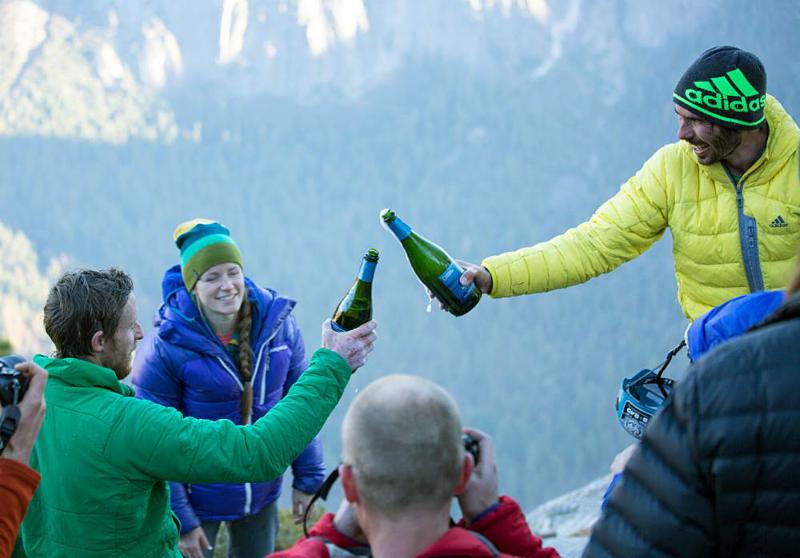
Sonoma County native Kevin Jorgeson and his climbing partner Tommy Caldwell celebrated their achievement of scaling the Dawn Wall of El Capitan with California sparkling wine. Their feat has earned them admiration and cheers from all over the world, so it was only natural that they celebrate with a local delicious beverage.

The featured wine is the Ocean Reserve Blanc de Blanc from Iron Horse Vineyards – whose sales help promote the National Geographic’s Ocean Initiative. Joy Sterling, CEO of Iron Horse Vineyards, is also a member of the California State Board of Food and Agriculture.

According to the winery, in the spirit of supporting ocean conservancy, best food pairings focus on seafood, the beverage was deemed a “best choice” on the Monterey Bay Aquarium Seafood Watch® program. Iron Horse Vineyards is located in the gentle rolling hills of the Green Valley appellation within the Russian River Valley of Sonoma County, California.

2016-05-31T19:30:34-07:00January 21st, 2015|

Gary Shultz Takes Up Presidential Mantel at CAPCA

Schultz Takes CAPCA Baton from Retiring and Widely Admired Terry Stark

On Monday, January 26th, Gary Schultz became the new president and chief executive officer of the California Association of Pest Control Advisors (CAPCA) based in Sacramento. He previously served as the president and general manager for the Raisin Administrative Committee and the California Raisin Marketing Board for six-and-a-half years.

The decision of Terry Stark, the former president and CEO of CAPCA to retire created this opportunity for Schultz. Explaining the current outlook of CAPCA, Schultz said, “There are 3,000 members, 16 chapters up and down the state of California; the state organization [of] CAPCA does about 50 workshops throughout the year as well as produce an annual conference and tradeshow. It’s a growing organization; we’re adding staff, providing additional services, so the return on investment for members is tremendous.”

Schultz talked about the big responsibility of CAPCA PCA’s, “In the increasingly environmentally-sensitive and regulatory times that growers live in–in California–the roles of PCA and CCA are evermore important.”

“I just feel very fortunate to follow someone like Terry Stark, who just took the organization to a whole new level from where he found it, and i’m just hoping I can build on it.”

2016-05-31T19:30:34-07:00January 20th, 2015|

Afghanistan vet presents flag at Jordan College Assembly

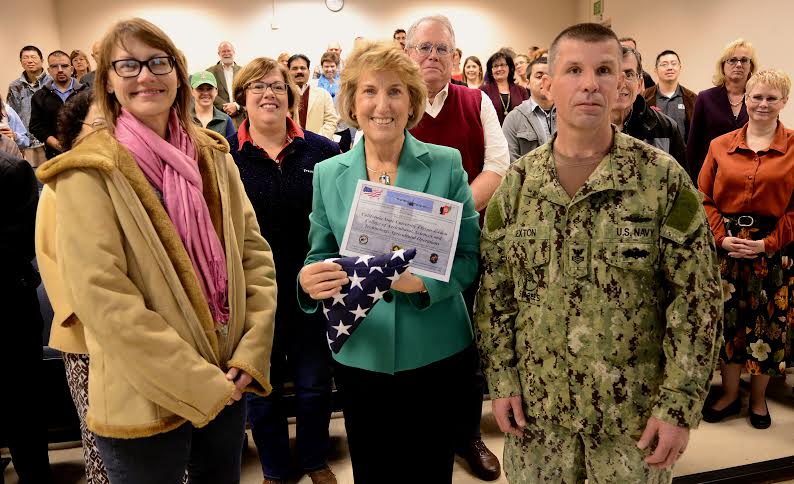
Fresno State mechanic Danny Sexton marked his return from an eight-month deployment to Afghanistan by presenting an American flag to the Jordan College of Agricultural Sciences and Technology Tuesday.

The 10th-year mechanic is based full-time out of the Ag Operations office and presented the 3×5 flag to his co-workers as a thank-you for their support while on active duty with the U.S. Navy last year.

The E6 Petty Officer 1st Class returned to Fresno in late November after an eight-month stint at Bagram Air Base near Charikar, Afghanistan as an equipment operator after two months of training in Kentucky, New Jersey and Virginia.

“Fresno State was very supportive and held my job while I’m gone,” Sexton said. “I wanted to give one of the flags we flew back to the College to show how much I appreciated their support.”

In Afghanistan, he served on the logistics task force for transportation, and his main duties involved moving cargo and soldiers to other nearby destinations. Vehicles are also at the core of his Fresno State duties as he maintains campus vehicles ranging in all sizes.

“I enjoy both jobs because I’ve always liked working on equipment,” Sexton said. “They are complimentary since I can fix things on campus job and operate machinery in the military. I can also use the other position’s skills when necessary without missing a beat.”

While away last year, he still kept in close contact with his family and friends through Facebook, cell phones, texting and mail, and watched his granddaughter grow up on Skype. He also tracked the Bulldogs football team online and emailed with co-workers to keep updated on office news.

He first enlisted in the Navy in 1986 after high school to follow the career path of an uncle who had also served in the military. That move began a 20-plus year stint that began with five years of active duty in Europe and Florida. After a 10-year break, he re-enlisted in July 2001 and has been a naval reservist ever since.

He has served two other 10-month deployments in Iraq (2003) and in Kuwait (2009-10). In those stints, he served as a heavy equipment operator in the construction battalion, and operated all types of equipment used to build or dig camps, roadways, level & clear land for buildings, dig trenches, and roll out/pave roads.

Navy training will continue to be an active part of his life with his once-a-month weekends of service and a two-week stint during the year. Down the road, he hopes to deploy again before he retires from the Navy.

When he returned home the day before Thanksgiving, it made the holidays even more special for his wife Kathy, stepson and granddaughter Victoria.

“My wife hadn’t planned on me being there for Thanksgiving so it was pretty special when I texted her a couple days before,” Sexton said. “She was a little shocked and went into overdrive to get everything ready for an early return. On that afternoon, she was worried nobody would be there when we arrived because our dogs had gotten out and she ran into some traffic problems. But it all turned out fine, and she was there with plenty of time with some of our friends and family, including my 14-month old granddaughter.”

2016-05-31T19:30:34-07:00January 14th, 2015|

HOLY GUACAMOLE! AMERICANS TO CONSUME A RECORD 240 MILLION AVOCADOS DURING BIG GAME WEEK

Source: http://www.avocadocentral.com

Over 111 million sports fans watched the Big Game last year, and nearly 64,000 sports fans will gather at the University of Phoenix Stadium on game day this year. The numbers are nothing compared to the amount of avocados – a food quickly becoming synonymous with the Big Game – Americans will consume this year. It’s estimated Americans will eat nearly 120 million pounds or 240 million fresh avocados during the week leading up to the Big Game on Feb. 1. That’s a whopping 3,785 avocados per seat in the University of Phoenix Stadium and it’s 21 percent more avocados than in 2014 – higher rates than ever before. The total amount of avocados consumed during the Big Game would be enough to fill an entire football field from end zone to end zone over 46 feet high.

While fresh avocados consumed during the Big Game are eaten in many ways, the most common is in the form of guacamole, and new research reveals that as rowdy Americans gather for the game, they try to stay well-mannered when they huddle around the bowl of dip.

To Dip, or to Spoon?

Despite the communal aspect of eating guacamole, most Americans who consume it (67 percent) use a spoon to scoop the dip from the serving bowl on to their plate before eating it, rather than dipping directly into the bowl with a piece of food. In fact, only 32 percent of consumers directly dip chips or crudités into the serving bowl. Cultural clichés may hold some truth when it comes to guacamole manners as well. Women are more likely than men to spoon onto a plate rather than directly dip (75 percent vs. 56 percent) and polite Southerners are more likely to be spoon-users than their Northern counterparts. Plus, the Northeast and the West tied (22 percent) as the regions most likely to take an “unfair share” of guacamole by scooping up as much as possible onto a food item before taking a bite.

Guacamole Etiquette

Americans aspire to a higher standard of guacamole etiquette than we actually follow. While only 67 percent of guacamole eaters use a spoon to serve themselves guacamole, 81 percent believe it’s the actually the proper way to dip.

And, yes, the dreaded double dippers are among us. Four percent admit to double-dipping the same piece of food repeatedly, and two percent believe it’s the most appropriate way to eat guacamole.

The Fight for the Last Bite

When the guacamole supply runs low, Big Game rivalry extends to the serving bowl, especially for Millennials. Sixty-three percent of guacamole eaters are comfortable being the person to take the last bite of guacamole from the serving bowl after asking if anybody else wants it. The youngest respondents, age 18-34, are most likely (24 percent) to try to be the person who gets to scrape the last bite of guacamole from the communal bowl because they want it for themselves.

No matter how you choose to dip, there’s no doubt guacamole made with Hass avocados is a staple in many Big Game celebrations. In 2014, Americans consumed 99 million pounds or approximately 198 million avocados during Big Game week. Ninety-eight percent of all avocados sold in the United States are the Hass variety – which contain naturally good fats and are cholesterol free.

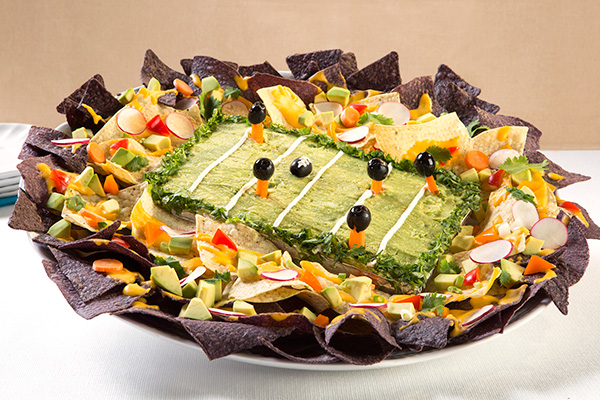
Everyone can be a winner with a Nacho Guac-a-Bowl-E recipe to serve at game time.

For tips on how to select, store and ripen fresh avocados, visit http://www.avocadocentral.com/how-to/how-to-store-how-to-ripen-avocados.

2016-05-31T19:30:35-07:00January 9th, 2015|

Women in Ag Survey: Gauging the Aspirations and Needs of Women in Agriculture

The American Farm Bureau Women’s Leadership Program has launched “Women in Ag,” an online survey that aims to gauge the goals, aspirations, achievements and needs of women in American agriculture in a number of different areas.

All women who are farmers, ranchers, farm/ranch employees, employed in agricultural businesses, pursuing ag-related higher education or supportive of agriculture in other ways are invited to participate in the survey at womeninag.fb.org. Respondents must reside in the United States. Farm Bureau membership is not required to participate.

“This comprehensive survey is the first of its kind to ask women in-depth questions about how they are connected to agriculture and what leadership skills they think are most important today, as well as the top business challenges they’re facing,” said Terry Gilbert, a Kentucky farmer and chair of the American Farm Bureau Women’s Leadership Committee.  “All women involved in agriculture – not just Farm Bureau members – are invited to participate in the survey,” Gilbert emphasized.

Data collected from respondents will be used to gauge trends related to the achievements of women in agriculture, including leadership positions, business successes and election to public office.

The AFB Women’s Leadership Committee is sponsoring the survey and is working with other farm and agriculture organizations to encourage participation. Participants will be eligible for an opportunity to win one of five $100 gift cards after the survey closes. Preliminary findings from the survey will be released in February 2015 at AFBF’s FUSION Conference in Nashville, Tennessee; the full report will be released in late spring.

2016-05-31T19:30:35-07:00January 8th, 2015|
Go to Top