Storm flows lead to challenges for water system

By Kate Campbell; Ag Alert

After enduring three of the driest years in state history, nothing could be more heartening to farmers and ranchers than the steady march of Pacific storms that reached California this month. But good news is tempered by the knowledge that a few strong downpours don’t translate into full reservoirs and abundant supplies — and the storms revived concern about how state and federal water systems manage storm flows in a drought year.

The state’s reservoirs stand at about 57 percent of average, slightly below this time a year ago and well below full capacity.

“We’ve had years past where rain and snow didn’t continue into the New Year,” said State Climatologist Mike Anderson, pointing to the moisture cutoff last January that assured shortages for farmers who rely on surface water deliveries from the state and federal water projects.

“So far this year, precipitation levels depend on where you are—north of a Bay Area-Tahoe line, precipitation is above average, but in the south, levels are actually below average,” Anderson said. “In addition, there’s also below-average snowpack across the entire Sierra Nevada.”

He said most of the storms so far this water year, which began Oct. 1, have been warm, meaning snow accumulations aren’t building the way water managers hope. Sierra snowpack currently is about 50 percent of average, he said.

While December storms dropped significant precipitation, the California Farm Water Coalition noted last week that many of the state’s agricultural customers in the federal Central Valley Project worry that this year’s zero deliveries of surface water will be repeated in 2015.

“In the last few weeks, hundreds of thousands of acre-feet of water were in the system at the same time delta pumps were almost completely shut down,” coalition Executive Director Mike Wade said.

As these storms have come in, Wade said the water storage situation is similar to what was seen a year ago—except the state’s reservoirs are now lower.

“It’s very frustrating to watch water flowing through the system without being captured,” he said. “We have constraints in the delta that hold down the amount of water we catch to the bare minimum because of protections for delta smelt.”

During the height of the stormwater pulse moving through the Sacramento-San Joaquin Delta last week, he said, less than 10 percent of the surge was captured for storage and use next summer.

The state Department of Water Resources and U.S. Bureau of Reclamation, in conjunction with the U.S. Fish and Wildlife Service, said last week they are experimenting with pumping reductions to prevent a “turbidity bridge” from occurring in the central and south delta. Delta smelt are attracted to turbid, or cloudy, water because it makes the tiny organisms it feeds on more visible and provides shelter from potential predators, such as non-native bass.

DWR described the strategy this way: “Forgoing the capture of tens of thousands of acre-feet of water may allow water project operators to avoid the loss of hundreds of thousands of acre-feet of water supply later in the winter.”

A spokeswoman for the Bureau of Reclamation, Erin Curtis, said the storms present challenges in operating the system “to balance the critical need to quickly increase water supplies south of the delta while being cautious to not trigger environmental restrictions that could constrain delta operations and ultimately reduce the overall supplies.”

Representatives of agricultural water users said they’ll be closely watching the results of the operational change.

“It will be interesting to see if this is a worthwhile new operating principle at the beginning of each season,” said Chris Scheuring, an environmental attorney for the California Farm Bureau Federation. “The downside is that it might turn out to be a waste of water.”

“Clearly there is risk associated with a decision like this,” Wade said. “We hope the risk pays off.”

Fresno County farmer Dan Errotabere said due to the “turbidity bridge” theory and the lack of water transfer from the delta into storage, there’s serious concern about water supply management on the part of San Joaquin Valley farmers who rely on the state and federal projects for water deliveries during the growing season.

“Managing water during a drought is critical,” Errotabere said, noting that he fallowed 1,200 acres this year. “We’re losing opportunities now and, if the available supplies aren’t managed to capture available water to the fullest extent, we may not see a water allocation for the next crop year.”

He said he’s grateful for recent rainfall that helped reduce the need for irrigation of his winter garlic and wheat crops. The rain also helps leach salt, which has built up in the soil due to the region’s widespread use of drip irrigation and saltier groundwater.

“We’ve got to get off the groundwater because of its lower quality,” said Errotabere, who is vice chairman of the CFBF Water Advisory Committee, “and we need legislation to make sure good-quality irrigation water is put into storage. The rainy days are slipping away and we may find there’s no more available water to capture.”

Vince Dykzeul, a diversified grower from Modesto, urged creation of new water storage to help water managers respond to the ebb and flow of storms.

“If it’s true the climate is changing,” Dykzeul said, “if we’re going to have larger storms and longer droughts, then we need more water in storage to respond to these changing conditions. Water storage increases system flexibility and, if done right, everybody wins from having more water available.”

He noted that his farming operation is particularly vulnerable to flooding.

“Without adequate infrastructure to control storm waters, that’s when we have trouble,” Dykzeul said. “Nobody wants to talk about managing flood while managing through a drought, but I know the benefit of keeping both sides of the coin in mind.”

Federal weather forecasters said last week they expect continued average to above-average rainfall across California during the next three months, predicting an easing—but not an end—to the severe drought of the past several years. There’s also a 65 percent chance of weak El Niño conditions developing in the Pacific Ocean, which could influence winter precipitation, although experts say “anomalies” in climate patterns create forecast uncertainties.

“It’s not likely the drought will be broken this year,” said Steve Baxter, a National Oceanic and Atmospheric Administration forecaster. “But it’s likely (California drought) conditions will improve.”


2016-05-31T19:32:09-07:00December 30th, 2014|

Statement from Agriculture Secretary Tom Vilsack on Historic New Course for U.S.-Cuba Relations

The following was written by Agriculture Secretary Tom Vilsack: 

“Throughout history, agriculture has served as a bridge to foster cooperation, understanding and the exchange of ideas among people. I have no doubt that agriculture will continue to play that powerful role as we expand our relationship with the Cuban people in the coming years.

“Today’s announcement expands opportunity for U.S. farmers and ranchers to do business in Cuba. It removes technical barriers between U.S. and Cuban companies and creates a more efficient, less burdensome opportunity for Cuba to buy U.S. agricultural products. It also makes those products far more price competitive, which will expand choices for Cuban shoppers at the grocery store and create a new customer base for America’s farmers and ranchers.”

2016-05-31T19:32:10-07:00December 26th, 2014|

Lactose Intolerance: 11 Ways to Still Love Dairy

Source: Brunilda Nazario, MD; WebMD

If you’re lactose intolerant, you can still eat foods with lactose — in moderation. The key is to know your limit. Keep a food diary, write down when, what, and how much you ate, and how it made you feel. You should see a pattern emerge and you will learn how much or how little lactose you can have. Then, stick to your limit.

Consider Lactose-Free Milk and Other Dairy

For regular milk drinkers, most supermarkets have lactose-free or low-lactose milk in their dairy case or specialty foods sections. You can also find lactose-free cheese, lactose-free yogurt, and other dairy products. It can be hard to get enough calcium when you are lactose intolerant. Lactose-free milk, however, has the same amount of calcium as regular milk.

Take Control of Your Diet

Take control of your meals by brown bagging it rather than struggling to find something that you can eat on a menu. When cooking at home, you can replace milk in recipes with lactose-free milk. You can also buy a cookbook that features lactose-free recipes and start trying them. Many classic recipes can be adapted to fit a lactose-intolerant diet. Control the ingredients that go in the meal and you may be surprised at how much variety you can eat.

lactose intolerance, milkConsider Lactase Supplements

It’s not a cure, but taking lactase enzyme supplements can help you eat foods containing lactose. Supplements are found in many forms, including caplets and chewable tablets. They may be particularly helpful if you don’t know the exact ingredients in your meal. If supplements do not help your symptoms, be sure to check with your doctor.

Hunting for Hidden Lactose

Lactose is found in most dairy products, except those marked “lactose-free,” such as lactose-free milk or cheese. It also can be in packaged foods such as dried mixes, frozen meals, and baked goods. Read food labels carefully, and watch out for ingredients such as “milk solids,” “dried milk,” and “curd.” If you choose to eat these foods, you may need to take a lactase supplement to help prevent symptoms.

Ask the Experts

Learning a new way of eating isn’t easy, but you don’t have to do it alone. Ask your doctor to suggest a nutritionist or dietitian to help you manage your diet. She can teach you how to read food labels, share healthy eating tips, learn how much dairy you can eat or drink without symptoms, and come up with reduced-lactose or lactose-free foods to provide a well-balanced diet.

Smaller Portions, Fewer Symptoms

Maybe you can’t enjoy a big glass of milk with cookies, but you can try a smaller serving. Start with a 4-ounce glass instead of a full 8 ounces. Gradually increase the amount of dairy you eat until you begin to notice unpleasant symptoms. Listen to your body. It will tell you when you’ve reached your limit. If you want to avoid lactose completely, try lactose-free dairy milk or non-dairy drinks, such as soy milk.

Enjoy Dairy on the Side

Instead of eating or drinking dairy products by themselves, try having them with food that doesn’t contain lactose. For some people, combining dairy with other food may reduce or even get rid of their usual symptoms. So don’t just drink a glass of milk in the morning. Pour it over cereal or have a piece of toast on the side.

Make Better Cheese Choices

With lactose intolerance, you can still eat cheese, but choose carefully. Hard, aged cheeses like Swiss, parmesan, and cheddars are lower in lactose. Other low-lactose cheese options include cottage cheese or feta cheese made from goat or sheep’s milk. Certain types of cheeses — especially soft or creamy ones like Brie — are higher in lactose. If you want to avoid dairy completely, try lactose-free and dairy-free cheeses.

Learn to Love Yogurt

Look for yogurt with live and active bacterial cultures. When you eat this type of yogurt, the bacterial cultures can help break down the lactose. Plus just 1 cup of plain, low-fat yogurt provides 415 mg of calcium. But forget frozen yogurt. It doesn’t contain enough live cultures, which means it may cause problems for people who are lactose intolerant. To be safe, you can always choose lactose-free yogurt.

Probiotics for Lactose Intolerance

For some people, probiotics can ease symptoms of lactose intolerance. Probiotics are live microorganisms, usually bacteria, that restore the balance of “good” bacteria in your digestive system. They can be found in foods like yogurt or kefir — probiotic-rich milk — as well as dietary supplements. Check with your doctor to see if probiotics might help you.

Low-Lactose Home Cooking

Cooking low-lactose requires a change of thinking. The simpler you cook, the better. Use herbs and seasonings to flavor meat, fish, and vegetables. Stick to fresh ingredients and use fewer prepared foods. Experiment with chicken stock or lactose-free milks to make sauces. Use low-lactose cheeses for baking. Explore cuisines — such as Mediterranean or Asian — that don’t rely very much on dairy products.

2021-05-12T11:17:15-07:00December 20th, 2014|

Almond Board of California Announces 2015 Election

Almond Board of California announced January 20, 2015 as the deadline for filing nomination petitions for two independent grower member positions and two independent grower alternate positions on its Board of Directors.

Each candidate must be a grower and must submit a petition signed by at least 15 independent growers of almonds (verified by Almond Board) in order to be considered for the position.  The petition must state the position for which the candidate is nominated and must be filed with Almond Board of California, 1150 9th Street, Suite 1500, Modesto, California 95354.

Additionally, two independent handler member positions and two independent handler alternate positions are available.  Handlers must declare their candidacy, in writing, to Almond Board no later than January 20, 2015in order for their name to be placed on the ballot.

A cooperative grower member and alternate nominee will be selected through their cooperative association.

For further information call: Sue Olson – Associate Director, Marketing Order Services, (209) 343-3224.

Go to

2016-05-31T19:32:10-07:00December 20th, 2014|

American Agri-Women Welcomes New Officers

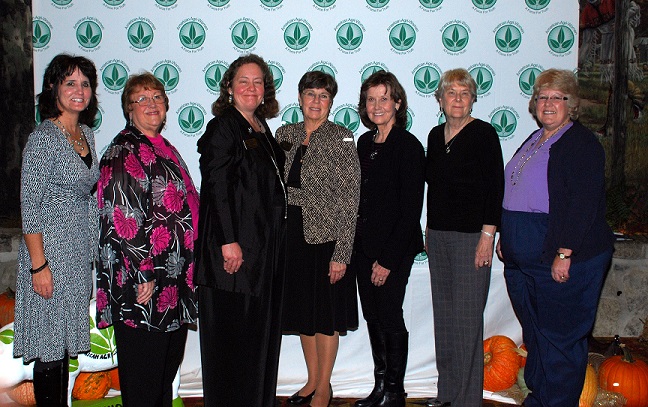
American Agri-Women (AAW) kicked off its year-long celebration of its 40th anniversary at its annual convention held recently in College Corner, Ohio. The organization also elected its national officers and recognized outstanding advocates for agriculture.

AAW is the nation’s largest coalition of farm, ranch and agribusiness women representing more than 50 state, commodity and agribusiness affiliates. The 39th annual convention’s theme was “Bridging the Path From Farm to Fork” and was hosted by Ohio Agri-Women.

National officers for 2015 are:

• President Sue McCrum, Mars Hill, Maine
• First Vice President of Resolutions & Vital Issues Doris Mold, St. Paul, Minn., and Cumberland, Wis.
• Vice President of Communications Lynn Woolf, Milton, Kan.
• Vice President of Education Donnell Scott, Manhattan, Kan.
• Secretary Arlene Kovash, Monmouth, Ore.
• Treasurer Peggy Clark, Dayton, Ohio
• Past-President Karen Yost, Billings, Montana

Outgoing officers were Vice President of Education Kris Zilliox of Omaha, Neb., and Secretary Lisa Condon of Horicon, Wis.

Since 1974, AAW members have worked together to educate consumers; advocate for agriculture; and offer networking and professional development opportunities. Go to the AAW web site for more information and to join, www.americanagriwomen.org.

2016-05-31T19:32:11-07:00December 16th, 2014|

Bayer CropScience and National FFA Organization Announce Grants to Encourage Students to Seek Careers in Agriculture and Apiculture

Partnership will provide $50,000 in grants that promote career paths in science and challenge students to make advancements in improving honey bee health

Next year, Bayer CropScience, in partnership with the National FFA Organization, will provide grants to inspire interest in agriculture and apiculture professions among America’s youth. The grant program will help FFA members develop their unique talents and explore science, technology, engineering and mathematics (STEM) careers with a focus on finding solutions that will help honey bees thrive. The program is a demonstration of Bayer’s continued commitment to engage with partners who focus on developing future STEM leaders, improving science literacy and driving bee health awareness.

“Bayer CropScience has been a long-standing advocate of FFA and supports its mission of building the next generation of farming leaders across America,” said Dr. Becky Langer, manager of Bayer‘s Bee Care Program. “Through this new initiative, we can help inspire young people to learn more about agriculture, create innovative solutions to some of our greatest industry challenges and pave the way for the future of farming.”

“We are excited about the opportunities that this partnership will give to our members,” said Molly Ball, president of National FFA Foundation. “Thanks to supporters like Bayer CropScience, FFA continues to grow future leaders in the agricultural industry.”

As a special project of the National FFA Foundation, Bayer’s investment of $50,000 will go toward three types of grants: Supervised Agricultural Experience (SAE) grants, Environmental Chapter grants and State grants.


FFASAE Grants

Ten SAE grants worth $1,000 each will be awarded to students proposing projects focused on bee health. These grants feature hands-on learning opportunities as students work with their agricultural teachers to plan and execute their projects.


Environmental Chapter Grants

Bayer will give $20,000 in Environmental Chapter grants to support selected FFA chapters in implementing year-long, service-learning projects that address local environmental needs. Service-learning is a method of teaching and learning that challenges students to research, develop and implement solutions to identified needs in their school or community. Projects will be encouraged to focus on increasing forage by planting pollinator-friendly gardens and other pollinator-focused health initiatives.


State Grants

Bayer will give $20,000 for state-specific grants focusing on improving bee health through habitat and forage.


How to Apply

Environmental and state grants will be awarded in the spring of 2015 and work can begin immediately after notification. SAE grants will be awarded in fall of 2015 for activities to be conducted in 2016.

For more information about the Bayer and FFA grant program, please visit the FFA website.

The National FFA Organization provides leadership, personal growth and career success training through agricultural education to 610,240 student members who belong to one of 7,665 local FFA chapters throughout the U.S., Puerto Rico and the Virgin Islands.

2016-05-31T19:32:11-07:00December 15th, 2014|

Why the Amazing Avocado will Help Curb Cravings

Source: Midge Munro; Avocado Industry Council  

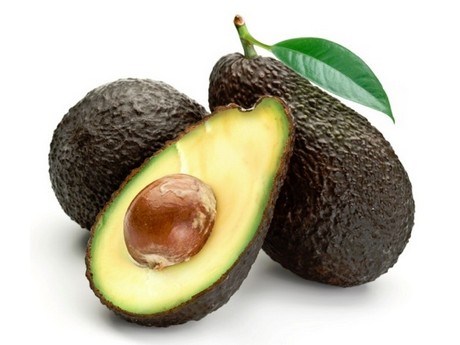
Research shows adding a few slices of avocado to your lunch will slash your desire to eat over the next three hours by 40 per cent compared to eating the same meal without it.

A study, published in Nutrition Journal, focused on overweight adults to see if avocado consumption helped them feel more satisfied and reduced their desire to eat in the following few hours.

Researchers at Loma Linda University in the United States conducted randomized single-blind crossover trials where participants ate a standard breakfast followed by one of three test lunches – one without avocado, one that included avocado and one where extra avocado was added.

The volunteers’ glucose and insulin responses were measured, along with their feelings of satisfaction and desire to eat over the next five hours.

The study found those who added half a fresh avocado to their lunch reported a 40 per cent decrease in desire to eat again over the next three hours, and a 28 per cent decrease in the following five hours.

Participants also reported feeling more satisfied (26 per cent) during the course of the afternoon following their avocado lunch.

Satiety is an important factor in weight management, because people who feel satisfied are less likely to snack between meals, said Dr. Joan Sabaté, Chair of the Department of Nutrition who led the research team at Loma Linda University.

It was also noted that though adding avocados increased participants’ calorie and carbohydrate intake at lunch, there was no increase in blood sugar levels beyond what was observed after eating the standard lunch. This leads them to believe that avocado’s potential role in blood sugar management is worth further investigation.

The study was funded by the American-based Hass Avocado Board.

New Zealand Avocado CEO Jen Scoular says there are many international studies underway to uncover the health benefits of avocados.

“Other research published in Nutrition Journal found people who regularly eat avocados weigh 3.4kg less on average, and have waistlines around 4cm smaller, than those who don’t,” Scoular says.

“Avocados are rich in monounsaturated (‘good’) fats and are a low GI (glycemic index) food, so they will help you to feel fuller for longer.”

Another reason avocado will help fill you up is they are packed with fibre. Half an avocado will provide more than 25 per cent of your daily recommended fibre intake.


“They’re an absolute powerhouse when it comes to providing your body with the nutrients it needs each day. They also help your body absorb more nutrients from other fruit and vegetables you eat with avocado,” Scoular explains.

Boosting your avocado intake is easy as this home-grown fruit is extremely versatile. You can add a few slices to your favourite omelette, sandwich or salad, or eat them on toast at any time of day.

“You can also blend them into smoothies or use them as a butter and oil substitute when baking or making desserts,” she says. “Their creamy texture makes them perfect for mousses, ice cream and cheesecakes. Delicious and healthy!”

2016-05-31T19:32:11-07:00December 10th, 2014|

The Holiday Guide to Staying Healthy

By: Monique Bienvenue; Cal Ag Today Communications Manager 

With cookies, pastries and elaborate meals surrounding you this holiday season, it’s extremely easy to indulge in unhealthy meals. Thanks the American Heart Association, however, there are few ways to indulge in your favorite holiday dishes while staying on track. Here’s how:

Keep an eye out for sodium:

  • Look at the labels! Believe it or not, your favorite breads and canned soup may contain high levels of sodium, so make sure to look at the food labels before making a purchase.
  • Find substitutes: Instead of adding salt to your meal, try using spices and herbs such as rosemary and cloves.
  • Add veggies: Fresh vegetables are sure to add flavor to your meal without having to add salt!

Defeat the turkey:

  • Choose the white meat: White meat has less fat and less calories than dark meat!
  • Remove the skin: Although tasty, the skin contains a large amount of fat
  • Limit the gravy: Gravy can be the culprit when watching your calories, be sure to limit the amount you put on your meal.

Desserts, desserts, desserts:

  • Share the goodness: Instead of indulging in one full serving of cake or pie, split it with a friend or family member. You’ll thank yourself at the end of the day.
  • Sample: Take a bite of a cookie, and eat the corner of piece of cake. The small bites you take will have less fat and calories than one full serving of something else.

For information on how to stay healthy this holiday season, click on the link below.

http://www.heart.org/idc/groups/heart-public/@wcm/@fc/documents/downloadable/ucm_455757.pdf

2016-05-31T19:32:12-07:00December 9th, 2014|

New Program Seeks Growers to Help Curb Declining Bee Population

The U.S. Bee Buffer Project, a Pollinator Partnership initiative, is seeking 300 farmers, ranchers and foresters in California to set aside small plots of land as bee buffer zones. The soon-to-be-established honey bee forage supports pollination-reliant crops, which represent one-third of the food we eat.

“Honey bees play an integral role in the success of American agriculture,” says Laurie Adams, executive director for the Pollinator Partnership. “By fostering the health and growth of bee colonies, farmers are helping to enrich their crops and, ultimately, improve their bottom line.”

Why Bees? Why Now?

Honey bees are valuable to the nation’s crops and economics, contributing approximately $15 billion to the U.S. economy each year. Still, U.S. bees are having trouble finding food to store for winter months; 2012-2013 winter losses totaled more than 30 percent of honey bee colonies nationwide.

Specific to California’s economy agribusiness community, the state’s high-value crops requiring extensive pollination include:

  • Almonds – annual state crop value $4,347M
  • Berries – annual state crop value $2,122M
  • Avocados – annual state crop value $386M

Bee buffer zones between areas of pesticide application and sensitive species, sensitive habitats, water, and potential nectar sources, help to offset bee loss while improving the health of crops and orchards within four miles.

“We are excited to work with California farmers to improve bee habitat across the state, says Bill Lewis, president of the California State Beekeepers Association and U.S. Bee Buffer beekeeper partner. “This initiative is vital to encouraging a healthy pollinator habitat that results in a vibrant and diverse forage base for bee pollinators throughout the state, which is critically important to sustaining healthy bee colonies.”


Land owners in California willing to dedicate and maintain .25 to 3 acres – collectively impacting 6,000 acres – for an official bee buffer zone, can apply for the U.S. Bee Buffer Project. Those selected will receive free flower seed kits to plant in their buffers.

To learn more, reference the U.S. Bee Buffer Frequently Asked Questions. To review the eligibility requirements and complete participant application, visit http://beebuffer.com/.

The U.S. Bee Buffer Project is sponsored in part by Burt’s Bees®– through its non-profit organization The Greater Good Foundation – formed to help create 10,000 acres of healthy pollinator forage in the United States by 2020.

About the Pollinator Partnership

The Pollinator Partnership is a non-profit 501©3 organization—the largest organization in the world dedicated exclusively to the protection and promotion of pollinators and their ecosystems. Birds, bats, bees, butterflies, beetles, and other small mammals that pollinate plants are responsible for bringing us one out of every three bites of food. They also sustain our ecosystems and produce our natural resources by helping plants reproduce. Without the actions of pollinators agricultural economies, our food supply, and surrounding landscapes would collapse.

2016-05-31T19:32:12-07:00December 6th, 2014|

Agriculture Emerging: a progress report at CDFA

The following was written by California Agriculture Secretary Karen Ross…

Positive. Productive. Creative, collaborative, cooperative … CDFA staff, from scientists and veterinarians to inspectors and technicians, embody these characteristics as they undertake a variety of projects and programs on behalf of the agriculture industry and the people of the Golden State. A new report, Agriculture Emerging: Balanced Budgets, Big Decisions, Bright Future, is our opportunity to share our recent successes and provide updates on many ongoing efforts.

Agriculture has its share of challenges, starting with the drought. Looking ahead, though, global demand for California’s commodities is on the rise, and food and nutrition are front-and-center in the media and on the minds of consumers. Whether their crops, livestock and other products are headed for the produce aisle, the commodity exchange, international export or the local farmers’ market, California’s farmers are well-positioned to take advantage of these conditions.

Among the most significant changes at CDFA is the department’s addition this year to the governor’s Strategic Growth Council, which also includes agencies and departments within Business, Consumer Services and Housing, Transportation, Natural Resources, Health and Human Services, and Environmental Protection, along with the Governor’s Office of Planning and Research.

This core group provides local assistance grants and coordinates activities that support sustainable communities by emphasizing strong economies, social equity and environmental stewardship. When diverse agencies embrace these fundamental values and goals, the results are powerful. The inclusion of agriculture in this process is an important step as we embrace the challenges and opportunities of the 21st Century.

With Governor Brown’s leadership, the State of California is again on the rise. The budget is balanced. Businesses are getting back on track. Slowly but steadily, confidence is being restored. Throughout this recovery, agriculture has been a steady fixture in the state’s economy.

This report is by no means a full account of the department’s activities, but it does take stock of many of our efforts and achievements over the past few years. Like the farmers we support, CDFA has earned a reputation for innovation and effectiveness. I am proud of the people here who make that possible.

2016-05-31T19:32:12-07:00December 5th, 2014|
Go to Top