The Water Education Foundation Announces Four New Board Members

New Water Education Board Members Includes Sixth Generation Valley Farmer

Jennifer Bowles,executive director of the Water Education Foundation Board of Directors, announced  four recently-elected members: Cannon Michael of Bowles Farming Company, Kim Delfino with Defenders of Wildlife, Jennifer Persike with the Association of California Water Agencies and Christopher Park with CDM Smith.

Elected in December, the four will join the rest of the Foundation’s board members at its next meeting in March. Their positions were effective Jan. 1, said Bowles, who is not related to Cannon Michael and his family’s farming operation.

“The staff and current board of the Water Education Foundation are happy to welcome new board members from diverse sectors of the water world,” said Bill Mills, president of the Foundation’s board of directors. “Our new board members will bring a wealth of knowledge and enthusiasm, and we look forward to their input in shaping our bright future.”

The Foundation, an impartial, nonprofit organization, is governed by a volunteer board of 33 members representing a broad cross-section of water, education, business, environmental and public interest communities. Typically, they serve three-year terms. The Foundation’s mission is to create a better understanding of water resources and foster public understanding and resolution of water resource issues through facilitation, education and outreach.

Founded in 1977, the Foundation is a vital source of nonpartisan, in-depth information about water resource issues in California and the West. Taking a steady pulse of the water world, the Foundation provides a vast repertoire of educational materials, products and services such as tours of key water sites in California and Nevada, conferences, flagship bimonthly magazine, Western Water, and Project WET (Water Education for Teachers).

The new board members are:

Cannon Michael: A sixth-generation farmer, Michael is president of Bowles Farming Company headquartered in Los Banos, CA. He oversees an 11,000-acre farm where the company grows cotton, fresh market and processing tomatoes, field crops and other commodities.

Michael’s great-great-great-grandfather was Henry Miller, a German immigrant whose partnership with Charles Lux became known as Miller & Lux and resulted in the build-up of landholdings in the San Joaquin Valley to more than 1 million acres.

Kim Delfino: As the California Director of Defenders of Wildlife, Delfino develops and directs the organization’s work across the state, including determining policy and program work in wildlife, land use, water and energy issues.

She is a gubernatorial-appointed member of the California Water Commission and serves on various coalitions and planning efforts, including the California Roundtable on Agriculture and the Environment, Salton Sea Coalition, the California Rangeland Conservation Coalition and the Desert Renewable Energy Conservation Plan Stakeholder Committee. Her policy expertise lies in state and federal endangered species, land use planning, water and other natural resource laws.

Jennifer Persike: As Deputy Executive Director for external affairs and operations at the Association of California Water Agencies, Persike oversees the association’s teams that work to advance ACWA’s image/brand, issues, policies and delivery of service to members. On the operations side, she oversees the association’s functions and activities related to finance, facilities, human resources, information technology, member services/events, communications and regional outreach

During her 25-year tenure at ACWA, Persike has held the positions of director of strategic coordination and public affairs, director of communications and outreach, director of communications and human resources, and manager of public affairs.

Christopher Park: Christopher Park, American Institute of Certified Planners’ certified, is a Water Resource Planner with CDM Smith in Sacramento.

Park has nine years of experience focusing on environmental impact assessment and permitting for both local and statewide water planning projects for clients that include the Bureau of Reclamation, Federal Emergency Management Agency, U.S. Army Corps of Engineers, the Santa Clara Valley Water District and the Cambria Community Services District.

Park joins the Foundation’s Board of Directors as the representative from the William R. Gianelli Water Leaders Class, of which he was a member in 2014.

2016-05-31T19:30:30-07:00February 19th, 2015|

Happy Chinese New Year!

Happy Chinese New Year!Hang the red lanterns, gather your citrus fruits, and cook your noodles. It’s time to welcome the lunar Year of the Sheep!

Chinese New Year (or Lunar New Year) is the most important traditional Chinese holiday, and is celebrated around the world. The celebration starts on the second new moon after the winter solstice, which is on January 31 this year, and goes on for 15 days. During this time, also known as the Spring Festival, those who celebrate visit temples to pay respect to their ancestors and pray for good fortune in the coming year. Small red envelopes of money are given to children as a token of good luck and prosperity. And, like most any family-centered holiday, everyone gathers around for a family feast, making Chinese New Year one of the biggest food holidays of the year.

Food is definitely a focus of Chinese New Year celebration, but it’s more than just nourishment. In Chinese traditions, foods served during the festival have auspicious meanings. Chinese traditions are rich with wordplay and symbolism. Some of the dishes and ingredients have names that sound similar to words and phrases referring to good wishes.

For example, “Kumquat” literally means “golden orange.” Symbolizing wealth and prosperity, the little citrus fruits, and sometimes the tree saplings, are given as gifts during Chinese New Year. Other “wealthy” fruits include Oranges and Tangerines. The larger citrus like Pummelos and Grapefruits symbolize abundance, prosperity, and family unity.

Happy Chinese New Year!

Happy Chinese New Year!

Another item that represents good fortune is Daikon or Asian Radish. In one Chinese dialect, the word for radish is a homophone for “good fortune.” This is why the savory radish cake is traditionally eaten during Chinese New Year celebration. But Daikon is more versatile than that. It can be added to soups and stews, steamed, or eaten fresh, chopped up or thinly shaved into salads.

Daikon could be a part of the mixed vegetable dish that represents family unity. This typical stir-fry is made with a touch of oyster sauce for business success and a mix of vegetables like Baby Bok Choy for close family ties, and Woodear and Shiitake Mushrooms for longevity.

The ultimate longevity blessing, however, comes from the noodles. Long and uncut, they symbolize long life. While Chow Mein is a traditional choice, other Asian noodles like Yakisoba are used for pan-fries and stir-fries, and Udons are used in soups. Shrimp may be added for liveliness and pork for abundance of blessings.

One of the many Chinese New Year wishes translates to “May your happiness be without limit.” With good eating like this, it definitely is the beginning of a very happy year!

Kung Hei Fat Choy! (Happy New Year and be prosperous!)

2016-05-31T19:30:30-07:00February 19th, 2015|

Netafim Irrigation Pays Tribute To 50 Years

Netafim Serving Ag For 50 Years

Netafim USA, the global leader in irrigation, celebrated 50 years of drip irrigation innovation during the World Ag Expo in Tulare, California.  Marking five decades since the company first changed the face of global agriculture by introducing the world to drip irrigation technology, Netafim USA CEO John Vikupitz addressed the positive impact of Netafim’s drip irrigation technology on the agriculture industry over the past half century during a press conference held in conjunction with the company’s participation at the 2015 World Ag Expo.

“The 50th anniversary is a milestone that gives us the opportunity to share our story, achievements and goals as the world leader in drip irrigation,” said Vikupitz.  “Five decades after being established by a group of Israeli farmers in 1965 as a solution to the lack of quality water for food production, Netafim has continued to help farmers overcome challenges, increase yields and reduce costs by providing access to the most innovative water-saving crop management solutions available.”

While reaffirming the company’s commitment to driving the mass adoption of smart irrigation solutions to fight scarcity of food, water, and land, Vikupitz stressed that a large part of Netafim’s success results from collaboration with industry leaders, partners and growers.

“Recent innovations such as the lower cost, easy-to-install PolyNet system and the center pivot-based (PMDI) Precision Mobile Drip Irrigation system are examples of how Netafim listened to its customers, and redefined its core mission to help growers grow more with less,” added Vikupitz.  “More than just products, they truly represent Netafim’s desire to continually push the boundaries of what is possible, and deliver viable solutions to help farmers address the challenges of modern agriculture.”

As for the next 50 years, Vikupitz sees significant challenges as the world’s rapidly growing population places increased production demands on farmers.

“We are undergoing a transformative time, where the convergence of environment, culture and technology are changing the face of farming.  The need to maximize productivity while using less resources will be the challenge of this new era of farming,” said Vikupitz.

He continued, “As production demands mount, growers are turning to drip irrigation systems as a crop management tool. By enabling precision application of water and nutrients during the critical growth stages of a crop, Netafim’s drip irrigation solutions empower growers with improved control over many of the variables that ultimately affect a crop’s yield potential.”

Attended by an audience of media, Netafim employees and invited guests, the event concluded with a luncheon and a toast to the next 50 years of Netafim drip irrigation.

Learn more at NetafimUSA.com, on Facebook at Facebook.com/NetafimUSA, Twitter @NetafimUSA.

Netafim Recycling

Netafim Recycling

NETAFIM RECYCLING SOLUTIONS

With Netafim Recycling, a wholly owned subsidiary of Netafim Irrigation, Inc of Fresno, California, getting rid of used irrigation tubing in California in an environmentally responsible way is reliable, easy, cost-efficient and convenient. Netafim Recycling will pick up used irrigation tubing/hose/tape right from the farm and recycle it to produce a recycled resin used in mining and landscape dripline applications and in industrial products such as plastic pallets.

2016-05-31T19:30:30-07:00February 19th, 2015|

Message to Water Board: Water is Everyone’s Business

Volunteer from El Agua es Asunto de Todos (Water is Everyone’s Business) Gives Compelling Testimony at Water Board Workshop

by Laurie Greene, CalAgToday

TODAYMaría L. Gutiérrez, a volunteer with El Agua es Asunto de Todos, “Water is Everyone’s Business,”  gave the following testimony at California’s State Water Resources Control Board‘s (Water Board) Sacramento information-only Public Workshop regarding the Temporary Urgency Change Petition (TUCP) submitted by the California Department of Water Resources and U.S. Bureau of Reclamation on January 23, 2015. Given the drought crisis, the DWR and USBR filed the TUCP with the SWRCB Division of Water Rights  to revise Sacramento-San Joaquin River Delta restrictions devised to meet flow and water quality objectives established in the Water Quality Control Plan for the San Francisco Bay/Sacramento-San Joaquin Delta (Bay-Delta) Estuary. The TUCP requests the Water Board allow more water to be allocated to the Central Valley, for a period of 180 days, via DWR’s State Water Project (SWP) and USBR’s Central Valley Project (CVP) that includes flows from recent storms in the northern part of the state.

Gutiérrez provided the following testimony:

“El Agua es Asunto de Todos” is a campaign with two main goals – to raise awareness about the water shortage in California and the devastating economic impact it is having upon the Latino community, and second, to provide a platform for the Latino community to actively weigh in on the water issues.

California is entering its fourth straight dry year marking this state’s worst drought in 500 years. A drought like this is wrecking havoc on the lives of Latino families and the communities they live in. And when you impact the Latino community, you are looking at a domino effect with epic proportions. Because this affects restaurants, gas stations, truck drivers, gardeners, mom and pop shops, small business, schools, and food projects.

Our situation is even grimmer. We have seen 40% unemployment in Mendota, Huron and Firebaugh.

We are living in America. And, so I have to ask you, how is this happening? In my mind, I expect it to get even worse. We can conserve as much water as we can now, but if we don’t get a reliable water supply, whole communities will be torn apart.

El Agua Es Asunto De Todos

“Water is Everyone’s Business”

The unconscionable decision by Executive Director Tom Howard to deny additional pumping and water supply to our Central Valley communities is outrageous and immoral. His decision is a slap in the face to Latinos who live south of the Delta.

Let me tell you something about the Latino community. Latinos want to work; they don’t want a handout; and they don’t want to be standing in food lines. People tell us at every place we stop to dialogue, how they are losing their jobs, cars, and homes. Families are seeing their college dreams for their kids disappear. They tell us, all I want to do is work.

We are seeing more women and men standing in lines for food baskets. People are being forced to make tough choices – to put food on the table or buy medication. We are also seeing too many families lacking life’s basic necessities like water for drinking, cooking and showering because their wells have run dry.  Another year with zero percent water will bring even more hardship to these families.

I’ve met farmers who have told me that if they didn’t get water, they would have to lay off entire families of workers that have worked for them for generations. Farmers are of all races and nationalities. Most have started as farm workers, they bought the acreage and now they are farmers. They are part of what makes this nation great.

People are very angry. You need to understand the total impact a bad decision will have on many of our communities.

We need water now!

It is a civil right. 

It is a human right.

All of our communities request that the State Water Resources Control Board approve in full and allow State and Federal agencies to collectively manage the Central Valley Project and State Water Project on a real-time basis to provide water to our communities that are in dire need.

Our communities cannot afford any lesser operational flexibility during this unprecedented crisis.

As the Water Board meeting was for informational purposes only, no Board action was taken.

2016-05-31T19:30:30-07:00February 18th, 2015|

Grape Commission Awards Education Grants

Schools in the table grape growing regions of California’s San Joaquin and Coachella valleys are benefiting from grants awarded this academic year.

In total, 36 education grants worth up to $750 were awarded by the California Table Grape Commission on behalf of California’s table grape growers. The funded projects will be implemented in the current academic year and will reach over 4,000 students.

“California’s table grape growers have been supporting local education for years,” said Kathleen Nave, president of the commission. “This program is one of the ways table grape growers give back to the communities in which they live and work.”

Examples of the projects include raised garden boxes for children with special needs, inspiring youth through chess and music, programming robots, growing grapes, and modern microscopy and cell metabolism.

The Innovation in Teaching education grant program was created in 1993 to support innovative educational projects in the table grape growing regions of California’s San Joaquin and Coachella valleys.

For more information, go to www.grapesfromcalifornia.com/EducationGrants.php.

2016-05-31T19:30:30-07:00February 17th, 2015|

Bayer CropScience Gives $100,000 to Sponsor Project Apis m.’s Honey Bee Forage Program

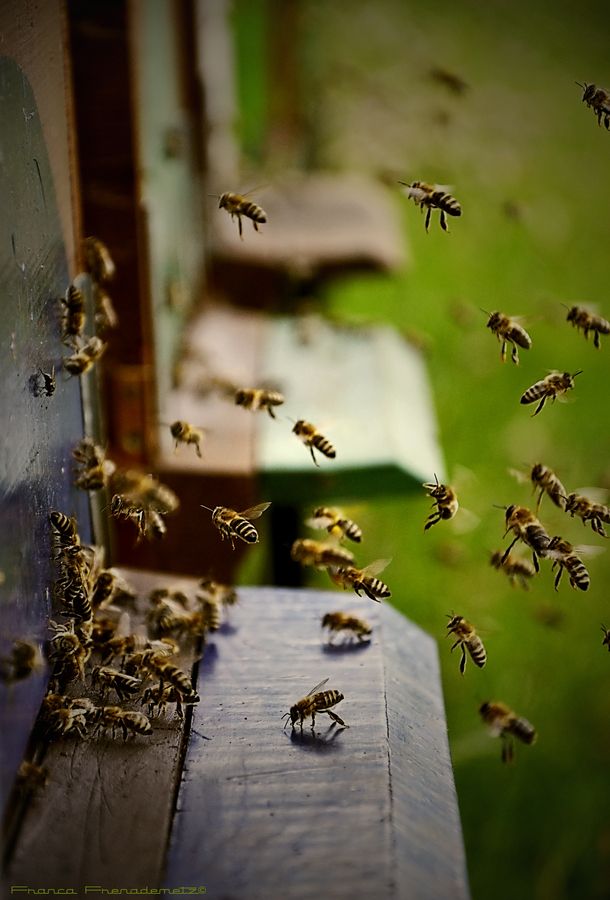
Every year, more than 1.7 million honey bee colonies are brought to California’s Central Valley to pollinate the vast expanses of almond orchards. Many bees arrive in the fall when little is in bloom to escape their native cold temperatures in anticipation of the world’s largest pollination event.

Prior to and after the almond orchard’s bloom in late winter and spring, there is a shortage of food to help the bees survive. Bees’ food consists of nectar and pollen gathered from blooming plants.

To help address the pre- and post-bloom food challenge, Bayer CropScience is giving $100,000 to Project Apis m., a nonprofit organization dedicated to better bee health through its work with growers. Project Apis m. will use the funds to provide seed mixes to growers in California and Washington who have agreed to plant cover crops for honey bees before and after almond bloom and other key seasons. The project will help build a healthier bee population to support crop pollination nationwide as bee colonies are transported to other states for other growing seasons.

“This initiative is a direct response to the lack of adequate forage needed to keep honey bees healthy and thriving,” said Jim Blome, president and CEO of Bayer CropScience LP North America. “In 2015, Bayer CropScience is committed to research and partnerships that will make a positive impact on honey bees.”

Bayer’s expanded partnership with Project Apis m. will complement its joint field research projects conducted on fence rows near almond orchards at Bayer’s Western Bee Care Technology Station in Fresno, California. Findings from Bayer’s research with Project Apis m. show that forage plantings also can have benefits for growers.

If growers allow forage plantings adjacent to fields, rather than planting from fence row to fence row, they can reduce the loss of irrigation water, better manage soil quality and weeds, and help support wildlife, including pollinators. Local growers and landowners will plant the provided seeds on land with crops and on nearby plots to help ensure direct benefit to them and nearby bee colonies.

“With funding from Bayer, Project Apis m. will be able to work with growers to plant more acres of honey bee habitat right where it can be accessed by honey bees before the almond crop’s first bloom around Valentine’s Day,” said Christi Heintz, executive director of Project Apis m. and liaison to the Almond Board of California’s Bee Task Force. “Additionally, with Bayer’s help from its Fresno Research Station, we know the best plant species and mixes to use to feed bees and save them from starving.”

Project Apis m. will work with almond and other growers to get commitments for cover crops that will be planted in Fall 2015.


2016-05-31T19:30:30-07:00February 17th, 2015|

Nuts May Prevent Cancer

Nut Consumption May Prevent Cancer

The review, carried out by Marco Falasca, Ilaria Casari and Dr. Tania Maffucci at The London School of Medicine and Dentistry, Queen Mary University, found evidence suggesting eating nuts may prevent cancer by providing a protective effect—chemoprevention—in cancers including colorectal, pancreatic and endometrial cancer in women and prostate cancers in men.

It is already well established that increased nut consumption is associated with a reduced risk of major chronic diseases, such as cardiovascular disease and type 2 diabetes mellitus, but the team also identified research showing a significant inverse association between nut consumption and death from cancer. Based on their findings, the authors suggest that nut consumption should be considered as a tool of intervention to reduce the burden of cancer.

The review highlighted a range of components that nuts contain that may contribute to their anticancer properties, including antioxidant and anti-inflammatory components as well as a range of phytochemicals, vitamins and micronutrients, plus dietary fiber, of which nuts are a rich source.

Professor Falasca commented, “Although there is strong evidence that nut consumption is related to the prevention of several diseases including cancer, more support is needed to research the mechanism of action and to find a direct correlation. We’re also a step in the right direction to support the claim that we should have nuts as one of our five-a-day portions of fruit and vegetables in order to prevent diseases.”

Globally, cancer is on the rise; the World Health Organization (WHO) reports there were more than 14 million cases of cancer diagnosed and 8.2 million deaths in 2012, up from 12.7 million cases and 7.6 million deaths in 2008. By 2025, more than 19 million cancer diagnoses are predicted. Up to 40% of cancer cases are estimated to be linked to unhealthy lifestyle habits such as smoking, being overweight, alcohol consumption, low fruit and vegetable intake, occupational hazards, and exposure to sun and sunbeds.

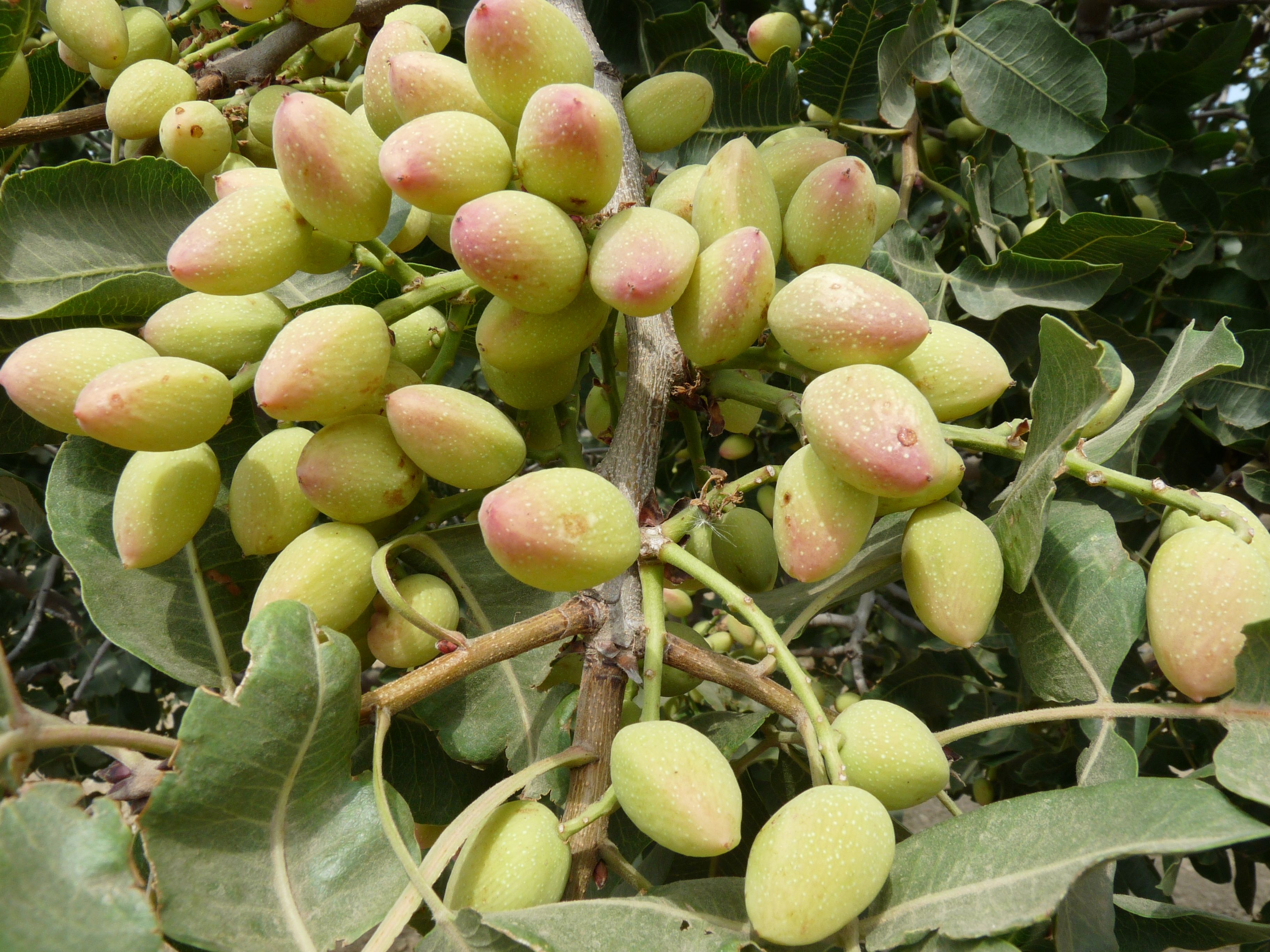
power of pistachios for cancer prevention

Power of pistachios for cancer prevention

Arianna Carughi, PhD, Nutrition Research Science Advisor for American Pistachio Growers, said: “Pistachios are a nutrient and fiber-rich wholefood and contain a number of bioactive compounds that may be useful at the cellular level. This review highlights the potential of nuts, such as pistachios, as a tool in the fight against cancer and further adds to our understanding of the important contribution that nuts can make to health and wellbeing.”

At 160 calories, one ounce of pistachios contains less than two grams of saturated fat and six grams of protein per serving. Pistachios make the perfect snack and can be included as part of a healthy diet.

Sources: Falasca M, Casari I& Maffucci T. Cancer Chemoprevention With Nuts. J Natl Cancer Inst 2014: 106(9), American Pistachio Growers

2016-05-31T19:30:31-07:00February 16th, 2015|

California Congressmembers Urge Water Board to Reverse Decision

California legislators in Washington, D.C., issued a bicameral, bipartisan letter TODAY requesting the State Water Resources Control Board (SWRCB) reverse last week’s decision of its Executive Director, Thomas Howard, to deny the joint Central Valley and State Water Projects’ request to more equitably share limited fresh water outflow into the Pacific Ocean.

Separately, Congressional House Majority Leader Kevin McCarthy issued the following explanation TODAY via Kyle Lombardi, his Legislative Director:

The U.S. Bureau of Reclamation and the California Department of Water Resources submitted a Temporary Urgency Change Petition (TUCP) to the California State Water Resources Control Board (the State Board) on January 23rd to revise certain standards in the Sacramento-San Joaquin River Delta to allow increased pumping to send more water, including from recent storms in the northern part of the state, to the Valley given the drought  crisis.

Unfortunately, the initial decision by the State Board’s executive director last week rejected the important part of the TUCP that would have allowed increased pumping because of concerns about impacts to smelt and salmon.  Congressman McCarthy strongly feels this was the wrong decision, particularly given Federal and state fish agencies (i.e. the U.S. Fish and Wildlife Service, National Marine Fisheries Service, and California Department of Fish and Wildlife) all supported the TUCP, including the provisions to allow increased pumping.

Accordingly, Representatives Kevin McCarthy, David G. Valadao, Devin Nunes, Ken Calvert, Jeff Denham, Jim Costa, and Senator Dianne Feinstein sent the letter below to State Water Board Chair Felicia Marcus demanding that the Water Board reverse their executive director’s decision and approve the TUCP in full to allow increased pumping. Here are a few passages:

Our constituents have told us that some do not even have water for basic necessities like cooking, drinking, and showering, and that some are abandoning their homes and moving out of State.

Many Central Valley towns have unemployment rates that are triple or quadruple that of the state average of 7 percent due to significantly reduced employment in the agricultural sector.

When five agencies – including three tasked with protecting fish – have already assessed and concurred that the export adjustment would not cause harms beyond those allowed under the most stringent statutes and biological opinions, we believe the Executive Director should not have rejected the agencies’ shared assessment and denied the export adjustment in the TUCP without a compelling rationale for taking such an extraordinary action.

We find the Executive Director’s reasons for denial unpersuasive and unsupported by the facts that have been carefully evaluated by five State and Federal agencies.

McCarthy encourages constituents to express similar support for the TUCP and increased pumping levels by contacting the Water Board via:

-Phone: 916-341-5616

-Email:  info@waterboards.ca.gov

-In person: Public Water Board Workshop at 9:00 a.m. Wednesday, February 18, 2015, in the Byron Sher Auditorium Joe Serna, Jr.-Cal/EPA Building, 1001 I Street, Second Floor, in Sacramento, CA.

For more information, email contact Majority Leader Kevin McCarthy at http://www.kevinmccarthy.house.gov/.Drought Congressional Ltr to SWRCB re TUCP 021115_Page_1 Drought Congressional Ltr to SWRCB re TUCP 021115_Page_2 Drought Congressional Ltr to SWRCB re TUCP 021115_Page_3 Drought Congressional Ltr to SWRCB re TUCP 021115_Page_4 Drought Congressional Ltr to SWRCB re TUCP 021115_Page_5 Drought Congressional Ltr to SWRCB re TUCP 021115_Page_6

2016-05-31T19:30:31-07:00February 13th, 2015|

Fresno County 4-H Hosts Color Me Green 5K Run

On March 14, 2015, Fresno County 4-H members will host Color Me Green 5K Runs at California State University, Fresno. Fresno County 4-H is partnering with the Fresno State’s Jordan College of Agriculture and Science Technology for the Color Me Green 5K Run.

The Color Me Green 5K Runs are five kilometer runs designed to encourage youths and community members to increase their physical activity while also having fun! During each run, participants are showered with colored dye as they pass through each marker point. This run, hosted by 4-H youth members and Fresno State students, will be great opportunity for communities to come together and celebrate healthy living and being physically active.

 Through the Color Me Green 5K Runs, 4-H youth members and Fresno State students will encourage the health of Fresno County. In addition to planning, organizing, and leading the run, 4-H clubs and youth members will host interactive 4-H booths highlighting various project areas.

Online registration opened on February 1, 2015. Here is the link for the registration: http://ucanr.edu/colormegreenfresno4h


2016-05-31T19:30:31-07:00February 10th, 2015|

USDA Funds $30M to Fight Citrus Greening

USDA Targets Citrus Greening with Promising Tools and Long Term Solutions

Agriculture Secretary Tom Vilsack announced $30 million in funding TODAY for 22 projects to help citrus producers combat Huanglongbing (HLB), also known as citrus greening, a devastating citrus disease that threatens U.S. citrus production. The money will fund promising projects that could offer near-term solutions as well as research funding that may develop long-terms solutions. The promising near-term tools and solutions are funded through the HLB Multiagency Coordination Group while the research projects are funded through the Specialty Crop Research Initiative Citrus Disease Research and Education (CDRE) program, which is made available through the Agricultural Act of 2014 (Farm Bill).

“Our HLB Multi-Agency Coordination Group has worked closely with the citrus industry to select and fund projects that we think will make a real difference for growers against HLB,” said Vilsack. “Funding these projects through cooperative agreements puts us one step closer to putting real tools to fight this disease into the hands of citrus growers.” Vilsack continued, “Through the CDRE research we are announcing today, we are also investing in long-term solutions to diseases that threaten the long-term survival of the citrus industry.”

USDA’s HLB Multi-Agency Coordination Group funded fifteen projects that support thermotherapy, best management practices, early detection, and pest control efforts for a total of more than $7 million. All of them are designed to provide near-term tools and solutions to Agriculture Secretary Tom Vilsack announced $30 million in funding TODAY for 22 projects to help citrus producers combat Huanglongbing (HLB), also known as citrus greening, a devastating citrus disease that threatens U.S. citrus production.  the citrus industry fight HLB. The projects include:

Two projects to provide improved delivery of thermotherapy to HLB infected trees, a promising treatment that has shown to help infected trees regain productivity after treatment. One of these projects will test thermotherapy on a grove-wide scale. since studies have shown heating a tree to 120 degrees for approximately 48 hours can kill the HLB bacterium in the upper part of the tree, allowing the tree to regain productivity. This funding will address the challenge of identifying a quick and practical way for growers to use the technology on a large scale.  

Six projects to provide citrus producers with best management practices in Florida citrus groves.

  • One project will focus on lowering the pH of the irrigation water and soil to strengthen the root systems of citrus trees to help them better tolerate HLB infection.
  • Three projects will support different combinations of integrated management approaches for sustaining production in trees in different stages of infection.
  • Two projects will test strategies for preventing tree death due to HLB infection. One of those will field test rootstocks that have shown ability to tolerate HLB infection. The other will use technologies to rapidly propagate the tolerant material for field use by the industry.

Three projects to increase early detection of HLB.

  • One project will train dogs to detect HLB infected trees. Detector dogs have proven to be highly adept at detecting citrus canker and early results suggest they will be an effective early detection tool for HLB.
  • One project will develop a root sampling and testing strategy.
  • One project will compare several promising early detection tests.

Four projects to provide tools to kill the Asian citrus psyllid (ACP), the vector of HLB.

  • One will produce and release the insect Diaphorencyrtus aligarhensis as a second biological control agent in California.
  • One project will use a biocontrol fungus to kill ACP adults.
  • One project will use a trap to attract and kill ACP adults.
  • One project will increase the use of field cages for the production of the insect Tamarixia radiata in residential areas, especially those that are adjacent to commercial groves in Texas. Tamarixia has already proven to be an effective biological control agent for ACP. Using field cages will enable the wider use of this effective ACP control.

In addition to these projects, USDA’s National Institute of Food and Agriculture funded more than $23 million dollars for research and education project to find lasting solutions to citrus greening disease. Examples of funded projects include developing HLB-resistant citrus cultivars, the development of field detection system for HLB, using heat as a treatment for prolonging productivity in infected citrus trees, creating a new antimicrobial treatment, among others. A fact sheet with a complete list of awardees and project descriptions is available on the USDA website.

Fiscal year 2014 grants have been awarded to two California universities, University of California, Davis, $4.6M and University of California, Riverside, $1.7M. The University of Florida, Gainesville and Kansas State University, Manhattan, are also receiving research awards.

CDRE is a supplement to the Specialty Crop Research Initiative (SCRI). The focus of this year’s funding was specifically on citrus greening disease. Because there are wide differences in the occurrence and progression of HLB among the states, there were regional as well as national priorities for CDRE. These priorities, recommended by the Citrus Disease Subcommittee, fall within four categories: 1) priorities that deal with the pathogen; 2) those that deal with the insect vector; 3) those that deal with citrus orchard production systems; and 4) those that deal with non-agricultural citrus tree owners.

One subcommittee member is Justin D. Brown, Vice President and General Manager, D Bar J Orchards, Inc. in Orange Grove, California.

The Farm Bill builds on historic economic gains in rural America over the past six years, while achieving meaningful reform and billions of dollars in savings for taxpayers. Since enactment, USDA has made significant progress to implement each provision of this critical legislation, including providing disaster relief to farmers and ranchers; strengthening risk management tools; expanding access to rural credit; funding critical research; establishing innovative public-private conservation partnerships; developing new markets for rural-made products; and investing in infrastructure, housing and community facilities to help improve quality of life in rural America. For more information, visit www.usda.gov/farmbill.

USDA NIFA Citrus Greening Awardees Fact Sheet

USDA NIFA Citrus Greening Awardees Fact Sheet

2016-05-31T19:30:31-07:00February 9th, 2015|
Go to Top