About Patrick Cavanaugh

This author has not yet filled in any details.
So far Patrick Cavanaugh has created 1490 blog entries.

Merivon Fungicide Registered for Almonds in California


Merivon Fungicide Registered For Almonds with improved disease control and Advanced Plant Health benefits for almonds

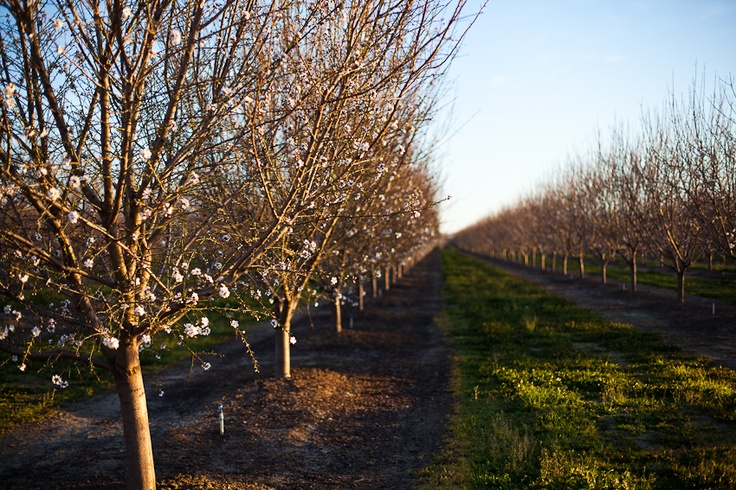
Today, Merivon fungicide from BASF was registered  for use on almonds in California. This advanced fungicide helps to maximize yield potential by offering improved control of key diseases, proven Advanced Plant Health benefits, and the longest-lasting protection available. Almond growers in California now can use this powerful fungicide to prevent and control a broad spectrum of almond crop diseases.

“Merivon fungicide will give growers more consistent performance for maximum crop potential,” said Nick Schweizer, Product Manager, BASF. “The introduction of Merivon fungicide into the California almond market creates a new standard of disease control for almond growers.”

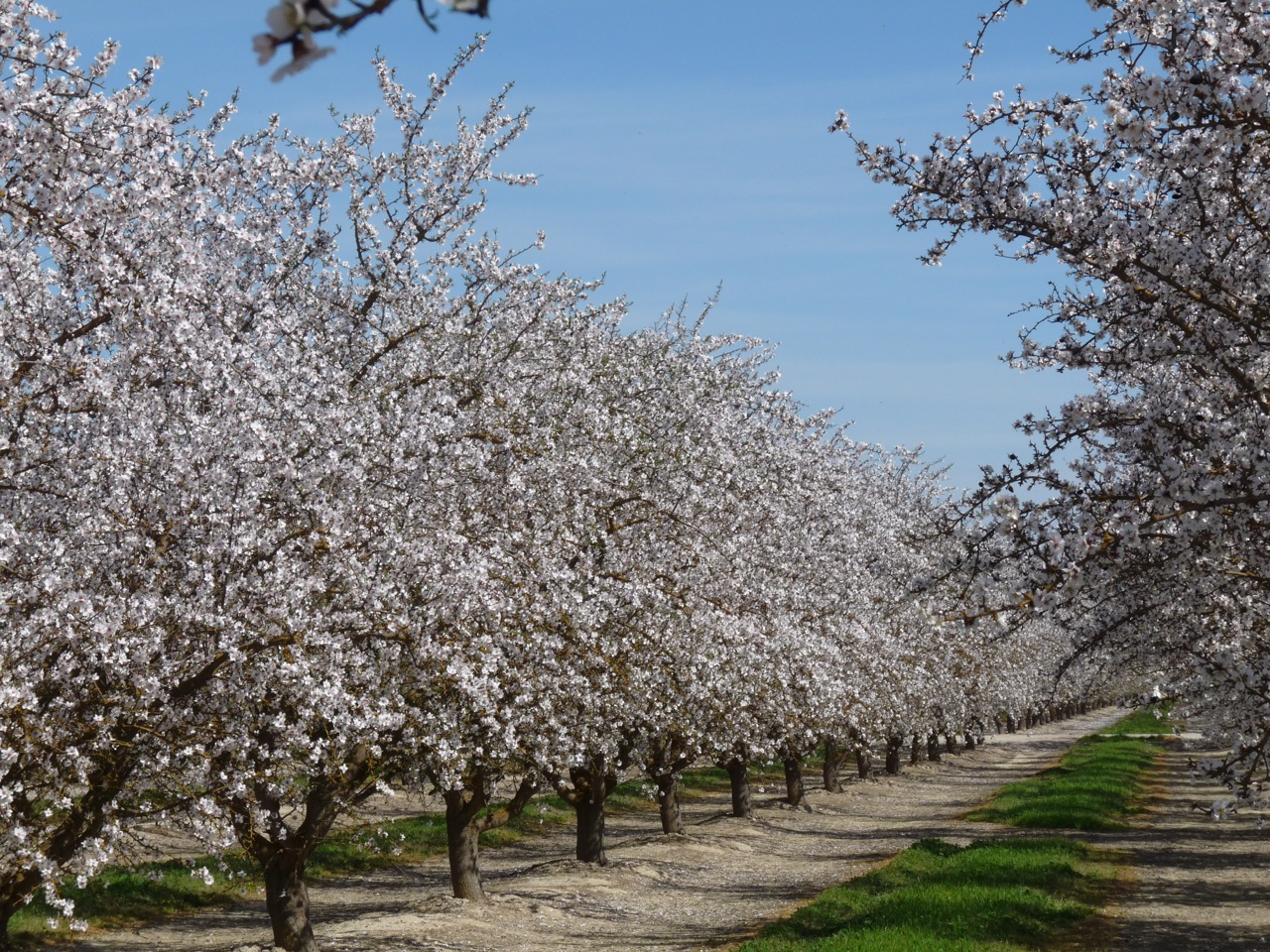
Field trials demonstrate that Merivon fungicide controls key diseases such as blossom blight, almond scab, shothole and Alternaria better than other products on the market. Optimal application timing is at full bloom to control early season diseases such as brown rot and blossom blight. Controlling these early season diseases means healthy blooms, and healthy blooms bring the potential for more almond meat yield.

Merivon fungicide is a 1:1 premix of F500® – an active ingredient in Pristine® fungicide – and Xemium® fungicide. Xemium fungicide continuously distributes its chemistry throughout the plant to deliver disease control with extended residual protection.

The combination of active ingredients in Merivon fungicide can also lead to Advanced Plant Health benefits. These include enhanced photosynthesis, which increases energy production in almond trees and ultimately contributes to increased yield potential.

A second application can also be made later in the growing season to keep diseases including scab, shothole anthracnose, rust and Alternaria in check effectively. Merivon fungicide can also be mixed with other products, including insecticides.

“Almond trees that don’t need to fight disease have more energy available to produce healthy blooms. And healthy blooms lead to the opportunity to have higher almond yields,” said Schweizer.

The registration of Merivon fungicide for almonds in California demonstrates the commitment BASF has to bringing innovative products to the specialty market to fight disease, insects and weeds. BASF continuously researches and develops new solutions to help growers increase yield and profits.

For more information about Merivon fungicide, please visit http://www.agproducts.basf.us/products/merivon-fungicide.html.

For more information on BASF Crop Protection products, visit http://agproducts.basf.us, like us on Facebook and follow us on Twitter.


2016-05-31T19:38:52-07:00March 5th, 2014|

Farm-to-Fork – It’s Weights and Measures Week

From Kristin Macey, Director, CDFA Division of Measurement Standards

With the “Farm to Fork” concept getting more and more attention, it’s worth noting that it’s essential to maintain the integrity of commerce as food products move from farm to fork.

In observing National Weights and Measures week (March 1-7), CDFA’s Division of Measurement Standards (DMS) protects both businesses and consumers in commerce by ensuring fair competition and accurate value comparisons.

DMS works closely with county sealers of weights and measures, who carry out the vast majority of weights and measures inspection activities at the local level.

At the beginning of the farm-to-fork journey, farmers and ranchers purchase the materials they need to produce their harvest.

Accordingly, weights and measures officials are busy reviewing labels and testing feed, seed, fertilizer, plastic pipe, lumber, herbicides, etc. to make sure these production inputs measure up to their stated net weight, measure, or count.

When commodities are transported from the farm, it is important to both buyer and seller that products are being weighed or measured accurately.

This is one reason why DMS licenses weighmasters providing independent assurance that scales are not doctored and that the weights recorded are accurate. Weighmaster certificates validating scales are legal documents used as the basis to buy or sell commodities.

Today, more than $80 billion a year changes hands in California’s economy based on weighmaster certificates.

Foods complete the farm-to-fork trip via retail grocery outlets, or through community supported agriculture or certified farmers markets.

All along this leg of the journey, packaged products are subject to inspection to verify that labeling is truthful and the net content statements are accurate.

All scales used by grocers or at farmers markets are routinely inspected, tested, and sealed by county inspectors, so consumers can have confidence they’re getting their money’s worth.

There are over 300 state and county employees who perform this type of work in California.  They are largely unseen, but the fruits of their labors are everywhere.

2016-05-31T19:38:53-07:00March 5th, 2014|

March 31st deadline for enrollment in Nutrients-on-Demand (NOD) management program

Nutrients-on-Demand (NOD) is an educational program developed by Western United Dairymen, California Dairy Quality Assurance Program (CDQAP) and Sustainable Conservation.

NOD aims to help dairy producers improve the accuracy of applying liquid manure to fields to increase the efficiency of nutrients while maintaining yields.

The program provides easy-to-use diagnostic tools that help you track your nutrient application rates based on crop demand and identify manure infrastructure needs and funding opportunities.

NOD consists of three meetings that provide training on field nutrient balance. The program will work with you to develop a plan for a trial field, review your results in the diagnostic tool and identify areas for improvement.

NOD runs from March 2014 through November 2014. The program requires the dairy producer and/or irrigator to attend meetings.

Benefits of NOD include improved nutrient application amounts and timing, covered cost of lagoon samples for 2014, covered cost of time spent with your own consultant, provision of 24-hour lagoon sample results, and identification of programs that may assist with infrastructure improvements.

The application deadline is March 31st, 2014. Please contact John Cardoza, Project Manager at (209) 576-7731.

2016-05-31T19:38:53-07:00March 5th, 2014|

Valley Women to be honored at Common Threads Awards Program

Five women have been selected as the 2014 honorees for the Common Threads Award, which recognizes women from the San Joaquin Valley for their agricultural, philanthropic and community service.

The Common Threads Award recipients for 2014 are Juliet Campos, Caruthers;  Lorraine Machado, Merced; Alice Saviez, Fresno; RoseAnn Serrano, Le Grand; and Helen Sullivan, Hanford.

These five Valley women have strong agricultural backgrounds and are active participants in their communities through philanthropic endeavors and community service.

The honorees will be recognized at a special luncheon on Thursday, March 27 at the University Courtyard Dining Hall at California State University, Fresno.

Common ThreadsThe 18th Annual Common Threads luncheon will begin at 11:00 a.m. and will feature award-winning Fresno State wines, a raffle and the Common Threads Award presentation.

Tickets are $40 per person if purchased by March 20; $50 per person after March 20. Space is limited.

Net proceeds raised from the luncheon support the California Agricultural Leadership Foundation (Ag Leadership), Ag One Foundation and charities of the honorees’ choice.

2016-05-31T19:38:53-07:00March 5th, 2014|

California Milk Production in 2013

Sources: CDFA Dairy Marketing and Milk Pooling Branches

In 2013, 33 California counties recorded milk production, indicating that a total of 41.2 billion pounds were produced.

IMG_2709

This statistic represents a 1.3 percent decrease in overall milk production compared to that of 2012.

The top 10 milk producing counties were responsible for 94.9 percent of total California milk production; among the top three counties were Tulare, Merced and Stanislaus counties.

They alone were responsible for 52.9 percent of all the milk produced in California.

Fresno County showed the largest increase in milk production with a 2.02 percent increase, whereas, Southern California counties San Bernardino and Riverside showed the largest decrease.

Compared to 2012, milk production in San Bernardino went down 21.36 percent and decreased by 9.28 percent in Riverside, respectively.

2017-09-03T00:40:07-07:00March 5th, 2014|

Letter to USBR regarding Sac River Settlement Contractors

Excerpted from Andrew Creasey/Appeal-Democrat

Until the federal government fulfills water obligations in the north, don’t send the water south.

That was the message from Sacramento River settlement contractors, through an attorney, to the Bureau of Reclamation, which recently forecasted the 60 percent water deliveries cut to the districts and water companies along the river.

The contractors, however, claim their water right allows the bureau to reduce deliveries by a maximum of only 25 percent.

READ THE LETTERNo Water Logo

“If there is simply not enough water available because of the ‘drought,’ we understand that Reclamation cannot provide what it does not have. But Reclamation has made no such showing,” the letter, signed by four attorneys representing 23 settlement contractors, read. “We are advised that Reclamation is making discretionary decisions that, among other things, deliver Sacramento River Water for use south of the Delta.”

Currently, about 3,000 acre-feet of water is being sent south of the Delta every day, and the contractors were likely to protest that delivery with another letter to the State Water Resources Control Board on Monday, said Thad Bettner, general manager of the Glenn-Colusa Irrigation District. An acre-foot is about 326,000 gallons.

“We don’t think the projects have provided a justification for that to continue,” Bettner said, adding that he heard the Bureau may voluntarily suspend that operation regardless of the contractor’s actions.

The contractors met with the Bureau on Friday morning to better understand its 40 percent allocation.

“It does appear that there are limitations to how much water can be provided,” Bettner said. “Our interest is that if the water supply in our contract could be increased, we’re going to be coordinating with Reclamation to allow that to happen.”

Bureau spokesman Louis Moore said Reclamation is doing what they can to manage a difficult drought issue. He said the bureau will be looking to issue a revised allocation forecast once the effect of the recent rain on the state’s hydrology is better known.

“We understand this is unprecedented,” Moore said. “We’re just trying to manage the water resources that are available.”

The recent rain caused an increase of about 160,000 acre-feet in the total water storage of the Bureau-operated Central Valley Project with several days of rain on the way, but the bureau is still about 1.4 million acre feet short of the water it needs for a normal year of deliveries. The Central Valley Project draws from the Shasta and Folsom reservoirs and delivers water to farms and communities as far south as Mendota in Fresno County.

Bettner said he was uncertain if the rain would cause a direct increase in the district’s water supply.

Moore said a revised allocation could be issued by late this week. “We’re hoping to see increases across the board,” Moore said.

2016-05-31T19:38:53-07:00March 5th, 2014|

MCFB will Celebrate 97 Years on March 6th

Merced County Farm Bureau (MCFB) would like to announce the 97th Annual Meeting of members to be held on Thursday, March 6, 2014, at the Merced County Fairgrounds, with a 5:30 social and 6:30 dinner. Coyote Catering will serve their coveted prime rib dinner and Director Dessert Auction will follow.

MCFB will continue its tradition of awarding scholarships to at least one senior from each high school in the county as well as a scholarship for a child of a farm employee.

Major donors for the night include: PG&E, Yosemite Farm Credit, American Ag Credit, Merced Irrigation District, Rabobank and State Fund. All proceeds from the auction benefit MCFB’s scholarship and education fund.

Please contact the office at 209.723.3001 if you would like to reservations.

2016-05-31T19:38:53-07:00March 5th, 2014|

Governor’s Interagency Drought Task Force Travels State as Drought Endures

CDFA Secretary Karen Ross (left) speaking about the drought today at a meeting of the California State Board of Food Agriculture. To Secretary Ross’ left are Dr. Mark Starr of the California Department of Public Health, Secretary John Laird of the California Natural Resources Agency, and Mark Ghilarducci, Director of the Governor’s Office of Emergency Services.

CDFA Secretary Karen Ross (left) speaking about the drought today at a meeting of the California State Board of Food Agriculture. To Secretary Ross’ left are Dr. Mark Starr of the California Department of Public Health, Secretary John Laird of the California Natural Resources Agency, and Mark Ghilarducci, Director of the Governor’s Office of Emergency Services.

CDFA reported on today’s UC Merced meeting between Members of Governor Brown’s Interagency Drought Task Force, local government leaders and the California State Board of Food and Agriculture.

Hundreds packed the meeting at UC Merced. Word on the street is that farmers are disappointed; the only quick solution is to turn the pumps on!

Task Force representatives were CDFA Secretary Karen Ross, California Natural Resources Secretary John Laird, State Water Board Chair Felicia Marcus, Office of Emergency Services Director Mark Ghilarducci, and Department of Public Health Deputy Director Dr. Mark Starr.

No Water LogoThe Task Force is planning additional meetings around California to listen to the concerns of local officials as the drought continues.

2016-05-31T19:38:53-07:00March 4th, 2014|

Farm Grown Announces Scholarship for HS Seniors

Know an outstanding high school senior?

We want them to apply to Farm Grown Schlarship

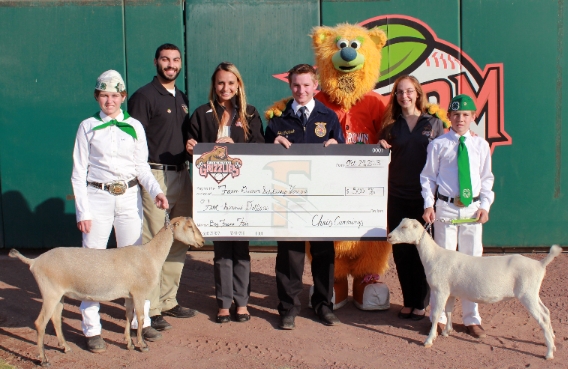
In partnership with Gar Tootelian, Inc., the Grizzlies Community Fund is proud to announce the inaugural Gar & Esther Tootelian Charitable Foundation Farm Grown Scholarship. We are pleased to award $1,500 to outstanding high school seniors who will be pursuing a degree in an agriculturally-related field.

The winner will receive $1,000 towards college tuition; an honorable mention finalist will receive $500.

See the Grizzlies Community Fund at  website for more information and to download the application (due April 1).

2016-05-31T19:38:53-07:00March 4th, 2014|

Snow Survey Presses State to Retrench and Reinforce

As we already know, calendar year 2013 closed as the driest year in recorded history for many areas of California, and current conditions suggest no change in sight for 2014.

No Water LogoAnd, California is experiencing the first zero allocation announcement for all customers of the State Water Project (SWP) in the 54-year history of the project.

According to California Department of Water Resources’ (CDWR) third snow survey of the season on February 27, twenty-nine public water agencies buy water from the SWP for delivery to 25 million Californians and 750,000 acres of farmland, revealing a continuation of California’s precipitation deficit during the state’s third consecutive dry water year (October 1, 2013 through September 30, 2014). And, the statewide snowpack water equivalent was 6 inches, or only 24 percent of the average for the date.

The snowpack, “California’s largest reservoir”, typically issues about a third of the water used by the state’s cities and farms. And, California’s major reservoirs, themselves, are dangerously low.

A CDWR statement issued yesterday evaluating the snow survey findings, called the results, “an improvement from the previous survey on January 30 that found the snowpack’s water content at 12 percent of average for late January.”

According to CDPR, although it is difficult to quantify an exact amount of precipitation that would alleviate the current drought conditions, it is highly unlikely given historic patterns of the remainder of the rainy season that the drought will end this water year. There just isn’t enough time for precipitation to accumulate at an acceptable rate to alleviate drought conditions or the anticipated impacts to drought-stricken communities.

SWP’s principal reservoir, Lake Oroville in Butte County, is at only 39 percent of its 3.5 million acre-foot capacity; Shasta Lake north of Redding, California’s and the (federal) Central Valley Project’s (CVP) largest reservoir, is at 38 percent of its 4.5 million acre-foot capacity; and San Luis Reservoir, a important SWP and CVP reservoir ,  is at 33 percent of its 2 million acre-foot capacity.

What’s being done about it? When Governor Brown declared a drought State of Emergency in January, he directed state officials to take all necessary actions to prepare for water shortages. CAL FIRE recently announced it hired 125 additional firefighters to help address the increased fire threat due to drought conditions, the California Department of Public Health identified and offered assistance to communities at risk of severe drinking water shortages and the California Department of Fish and Wildlife restricted fishing on some waterways due to low water flows worsened by the drought.

Also in January, the California Natural Resources Agency, the California Environmental Protection Agency and the California Department of Food and Agriculture also released the California Water Action Plan, which will guide state efforts to enhance water supply reliability, restore damaged and destroyed ecosystems and improve the resilience of our infrastructure.

Governor Brown has called on all Californians to voluntarily reduce their water usage by 20 percent and the Save Our Water campaign has announced four new public service announcements that encourage residents to conserve. Last December, the Governor formed a Drought Task Force to review expected water allocations and California’s preparedness for water scarcity. In May 2013, Governor Brown issued an Executive Order to direct state water officials to expedite the review and processing of voluntary transfers of water.

CDWR Snow

2016-05-31T19:38:53-07:00March 4th, 2014|
Go to Top