About Patrick Cavanaugh

This author has not yet filled in any details.
So far Patrick Cavanaugh has created 1490 blog entries.

Bio Illumination Technology is Targeting Listeria Now and Poised to Take on E. Coli and Salmonella

Source: Laurel Maloy, contributing author, Food Online

Currently, the only way to diagnose Listeria is to grow cellular cultures, a time-consuming, cumbersome, and expensive process. The testing procedure requires the collection of random samples from the food, as well as from food contact surfaces. In the Food Safety and Inspection Service (FSIS) guidelines, the list of possible food contact surfaces is extensive.

FSIS also does not personally collect these samples, but relies on the farms and facilities to collect these random samples and forward them for testing.

In the event of illness or death, the hunt begins for the Listeria-contaminated food, a tracking process that the Food Safety Modernization Act (FSMA) is designed to improve upon.

The fact, however, remains; this testing is done after the fact. Illness or death was the precursor for the processor. But, what if there was a quick, efficient process by which Listeria could be identified before it ever reached the consumer?

According to Sample6, a Boston-based company, its Bio Illumination Platform is the answer. Professor Tim Lu and Dr. Michael Koeris, the developers of this pathogen diagnostic system, say it can detect a single cell in just a few hours.

The innovative process utilizes bacteriophages, or phages, to inject pathogenic bacteria with an enzyme. The enzyme, when introduced to pathogenic bacteria, reprograms it to illuminate intensely, even when only a small sampling of cells is present.

The current assay is for Listeria detection only, though Lu has stated it can easily be modified for targeting other pathogens. The bacteriophage for Listeria will not, for example, attack E. coli, and can discriminate between pathogenic bacteria and the possible multitudes of harmless bacteria in the same sample. Lu says, “Phages are the most abundant biological particle on Earth. Since they have coevolved with bacteria for eons, nature provides a rich database of phages which target desired bacteria. Thus, by sourcing from nature, we can adapt the platform to other pathogens and applications.”

The process is almost ridiculously easy. Workers swab the food and then use a specialized machine to detect any light coming from the sample. Easy and quick, this test can be done in the field, in the plant, or in the warehouse, preventing contaminated food from making its way to consumers’ tables.

For the past six months several of Sample6’s clients have been field-testing the Bio Illumination Platform. Upon its certification, this technology will be available to all food processors, eventually being expanded to include assays for the detection of E. coli and Salmonella.
2016-05-31T19:38:03-07:00April 9th, 2014|

California State Fair Announces 2014 Agriculturalist of the Year

For over 160 years, the California State Fair has showcased the progress and advancements of the State’s agricultural industry. The extraordinary contributions of many individuals and businesses committed to advancing our robust agricultural industry has resulted in growing public interest. In celebration of these accomplishments, the California State Fair annually presents a series of prestigious awards.

The California Exposition and State Fair Board of Directors unanimously approved the nomination of Craig McNamara as the 2014 Agriculturalist of the Year.

“The State Fair has been recognizing California’s best for over 160 years, and honoring Craig is in keeping with this tradition of excellence,” said Rick K. Pickering, Chief Executive Officer of the California State Fair. “His leadership on critical policy issues facing California’s farmers, his passion to inspire the next generation of farmers, and his tireless dedication to responsible land stewardship, are samples of how he has positively impacted our great State for generations to come. California is a better place because of leaders like Craig McNamara.”

California Agriculture Secretary Karen Ross also praised McNamara, “I wish to offer my congratulations to my colleague and friend Craig McNamara for being named Agriculturalist of the Year by the California State Fair. Craig is a uniquely visionary leader – someone who is highly deserving of this prestigious award.  Beyond his deep commitment as a farmer and as president of the California State Board of Food and Agriculture, Craig has a passion to bring disparate parties together to focus on the big challenges of our time. He has demonstrated his understanding of the need to reach our next generation through the great work of his groundbreaking Center for Land Based Learning in Winters, which connects students to nature and agriculture and, in the process, helps to groom our future farmers and leaders. Again, my heartfelt congratulations to Craig. He’s an agriculturist for all-time.”

The Agriculturalist of the Year award is presented to an individual who has contributed extensively, in a professional capacity, to California’s agricultural industry. Award criteria stipulates this individual must have demonstrated leadership and clearly represented the industry over a number of years in one or more of the following areas: finance, government, production agriculture, education, labor, research, communications, trade and public service.

“I am honored and humbled to receive this recognition,” said honoree Craig McNamara, President of the State Food and Agriculture Board. “Todays farmers face daunting challenges but the opportunities available to us have never been more robust or promising. Our state is fortunate to have visionary leaders and informed citizens who care deeply about the future of our farms and our food.”

The Agriculturalist of the Year Award will be presented to Craig McNamara at the annual State Fair Gala held on Friday, June 27th, 2014. To learn more about ticket and sponsorship opportunities, contact Linda Hunt at lhunt@calexpo.com.  

To learn more about Craig McNamara, please click here to see his biography.

2016-05-31T19:38:03-07:00April 9th, 2014|

UCCE Publications Available on Irrigation Efficiency Systems

At February’s Ag Employer Seminar, UCCE Farm Advisor Franz Neiderholzer discussed several UCCE publications helpful to growers working to improve irrigation efficiency. Below are the discussed titles, with links for online purchase ($20-$25). For questions on the titles listed below, contact Franz Niederholzer at (530) 822-7515.Monitoring for Moisture

Monitoring for Moisture for Irrigation Water Management; ANR Pub. 21635 

Monitoring soil moisture is an alternate method to water-based balance methods of managing irrigation water. Using this method you can “see” what is going on in the soil and determine answers to some key irrigation management questions.

•Did enough water infiltrate the soil?
•Is too much water being applied?
•What is the water uptake pattern of the roots?
•When should irrigation take place?
•What was the depth reached by the irrigation?

Includes 24 figures and 7 tables, metric conversions, and an appendix of typical root depths.

Maintaining Microirrigation Systems;  ANR Pub 21637 

This handy publication discusses the maintenance issues of microirrigation systems that can be used on tree crops, row crops, and trees and vines.

Chapters include an overview of maintenance needs, monitoring and water assessment, causes and prevention of clogging, flushing and safety concerns. Also includes methods of preventing root intrusion, soil ingestion, bacterial growth, and backflow contamination.

2009 winner of a “Blue Ribbon” award for excellence in educational publications from the American Society of Agricultural and Biological Engineers.

Fertigating with Microirrigation;  ANR Pub 21620

  • Characteristics of Selected Fertilizers Commonly Used for Fertigation
  • Where does the Nitrogen Go?
  • Fertigation Strategies
  • Applying the Right Amount of Fertilizer
  • Nitrogen Irrigation in Water
  • Frequency of Fertigation
  • Applying Fertilizers Uniformly with Microirrigation
  • Nitrogen Fertilizer Distribution Around Drip Lines
  • Phosporus and Potassium Fertilizer Distribution Around Drip Lines
  • Injecting Gypsum
  • Mixing Considerations
  • Injection Devices
  • Preventing Backflow
  • Safety Concerns

Irrigation Pumping PlantsIrrigation Pumping Plants_Page_1; ANR Pub 3377 

Getting maximum output for every energy dollar spent is the primary objective in operating an irrigation pumping plant. This manual answers growers’ most frequent questions about irrigation pumping plants. Here you’ll find everything you need from the basics of how different pumps work to detailed information about pump design, motors vs. engines, performance tests, troubleshooting, and maintenance.

Agricultural Salinity and Drainage;  ANR Pub 3375 

SalinityThis handbook has been developed to bridge the gap between the advanced salinity literature and practical information on salinity intended for lay audiences. A user-friendly resource for agricultural consultants and advisors, as well as for local, state and federal agricultural and water agency management staff. Includes thirty-eight chapters covering a broad spectrum of salinity and drainiage topics, written so as to be easily understood by anyone with a general agricultural background.

Also includes appendices presented as a shorthand guide to assessing soil salinity and to determining the suitability of a given water for irrigation. Illustrated with 27 tables and 44 figures.

2016-05-31T19:38:03-07:00April 9th, 2014|

Training on Cucumber Green Mottle Mosaic Virus

The California Department of Food and Agriculture (CDFA) will be providing  one-day training in cucumber green mottle mosaic virus (CGMMV) and bacterial fruit blotch (BFB) of cucurbits 8:30 a.m. to 2:30 p.m. on  May 1 and on May 2, 2014, at the CDFA Plant Pest Diagnostics Branch, 3294 Meadowview Road, Sacramento, CA 95832.

The training is geared toward county agricultural commissioners’ staff and cucurbit seed and transplant growers of Yolo, Sutter and Colusa counties.  This training will be provided in collaboration with members from the seed industry and the United States Department of Agriculture, Animal and Plant Health Inspection Service.

Topics covered will include:

  • CGMMV/BFB 2013 detections, subsequent actions taken, current status and future perspectives;
  • Impact on California seed industry;
  • Biological perspectives – symptoms, biology, management;
  • Field detection protocols and bio-security measures;
  • Sterile seed sampling and seed law considerations;
  • Federal perspectives on CGMMV and other invasive species.

Training to other counties will be provided on later dates.

Seating is limited and early registration via RSVP is mandatory by April 24, 2014 to the California Seed Association (CSA). Register  by email: betsy@agamsi.com or fax: 916-446-1063.  See attached flyer for registration and more information. Parking is free and lunch will be provided by CSA.

Featured Photo by Dennis H. Hall. (UC Davis IPM): Cantaloupe leaves infected with Cucumber Mosaic Virus showing vein clearing, mosaic and necrosis.

2016-05-31T19:38:03-07:00April 9th, 2014|

CDFA Water Efficiency Meetings

The emergency drought measure, SB 103, recently signed into law by Governor Jerry Brown includes $10 million in funding for on-farm water conservation practices. The California Department of Food and Agriculture (CDFA) is creating a grant fund called the Water Efficiency and Enhancement Program with the funding, and the program is expected to be implemented by July 1, 2014. 

Two upcoming stakeholder meetings are being held by CDFA to discuss the new program and to consider public comments. Dates, times and locations for the meetings are as follows:

Friday, April 11, 2014
9:00 a.m. to 12:00 p.m.
CDFA Headquarters Main Auditorium – 1st floor
1220 N Street
Sacramento, CA 95814Drought LOGO

Friday, April 18, 2014
9:00 a.m. to 12:00 p.m.
Stanislaus County Agricultural Center Harvest Hall, Room DE 3
800 Cornucopia Way
Modesto, CA 95358


BACKGROUND.   Due to the current drought, the California Department of Food and Agriculture has been allocated $10 million from emergency drought legislation bill signed last month by Governor Brown. The bill language for CDFA as the lead agency states “$10,000,000 shall be available for encumbrance until June 30, 2015, for consultation and coordination with the Department of Water Resources (DWR) and the State Water Resources Control Board (SWRCB), to establish and implement a program, on or before July 1, 2014, to provide financial incentives to agricultural operations to invest in water irrigation treatment and distribution systems that reduce water and energy use, augment supply and increase water and energy efficiency in agricultural applications.

Incentives shall be ranked and distributed based on financial need, immediacy of water supply increased and efficiency gained to address water shortages, and reduction in water pumping or treatment that uses energy causing greenhouse gas emissions.” The money is intended to provide financial assistance to farmers to implement water conservation and energy saving measures on farms throughout the state.

The overall program will be implemented as part of the Environmental Farming Act of 1995 (Sections 560-568 of the Food and Agricultural Code). The overall objective of the Science Panel is to advise and assist federal, state, and local government agencies on issues relating to air, water, and wildlife habitat at the interface of agriculture.

One of the primary tasks is to identify incentives that encourage agricultural practices with environmental benefits; “The program shall provide incentives to farmers whose practices promote the well-being of ecosystems, air quality, and wildlife and their habitat” (Sections 566 [a] of the Food and Agricultural Code). Consistent with this mandate, the Water Efficiency and Enhancement Program will provide financial incentives to promote water and energy supply through efficiencies and address water shortages stemming from the 2013-14 drought.

2016-05-31T19:38:03-07:00April 9th, 2014|

USDA Farm Service Agency Offers Several Disaster Assistance Programs

Farm Service Agency (FSA) has a variety of programs available to help farmers and ranchers impacted by disasters, including the state’s drought. Complete details are on the FSA Disaster Assistance website.

Click on the programs below for additional details, or visit the FSA Disaster Assistance Program Please note signups for livestock programs begin in April.

• •

• Livestock Forage Disaster Program (LFP) provides compensation to eligible livestock producers who have suffered grazing losses due to drought or fire with retroactive authority to cover eligible losses back to Oct. 1, 2011. Sign-up will begin on or before April 15, 2014.

“These programs will provide long-awaited disaster relief for many livestock producers who have endured significant financial hardship from weather-related disasters while the programs were expired and awaiting Congressional action,” said Agriculture Secretary Tom Vilsack. “President Obama and I prioritized the implementation of these disaster assistance programs now that the Farm Bill has restored and strengthened them.”

• Livestock Indemnity Payments (LIP) provides compensation to eligible livestock producers who have suffered livestock death losses in excess of normal mortality due to adverse weather and attacks by animals reintroduced into the wild by the federal government or protected by federal law, including wolves and avian predators with retroactive authority to cover eligible livestock losses back to Oct. 1, 2011. Sign-up will begin on or before April 15, 2014.

Emergency Assistance for Livestock, Honey Bees, and Farm-Raised Fish (ELAP) provides emergency assistance to eligible producers of livestock, honeybees and farm- raised fish for losses not covered by LFP and LIP. Signups will be announced in near future.

Tree Assistance Program (TAP) provides financial assistance to qualifying orchardists and nursery tree growers to replant or rehabilitate eligible trees, bushes and vines damaged by natural disasters with retroactive authority to cover eligible losses back to Oct. 1, 2011. Signups will be announced in near future.

Farm Storage Facility Loan Program (FSFL) provides low-interest financing for producers to build or upgrade farm storage and handling facilities. The program was enhanced to include 23 new categories of eligible equipment for fruit and vegetable producers, and makes it easier for farmers and ranchers around the country to finance the equipment they need to grow and expand. The maximum loan amount is $500,000.

NRCS Conservation Drought Assistance to California Farmers & Ranchers

California has seen many droughts come and go, but 2014 is creating especially dire conditions for the State’s farmers and ranchers. You’ll find more information on the NRCS Drought Assistance website .

Drought Assistance from Rural Development

Rural Development has several programs that may help rural communities, businesses, ag producers, farm workers and others impacted by California’s ongoing drought. Opportunities include $3 million in Emergency Community Water Assistance Grants (ECWAG) to help rural communities whose water supply is at risk. Additional help is available for homeowners that need help drilling a well or connecting to a community water system, food banks that anticipate increased demand, ag producers wanting to offset ag irrigation costs, and others. For a list of available programs, and local contacts, visit Rural Development’s website.

2016-05-31T19:38:03-07:00April 8th, 2014|

ACP QUARANTINE IN SAN LUIS OBISPO COUNTY DEFINED

TODAY, the California Department of Food and Agriculture (CDFA) defined the borders of the 84 square mile-quarantine zone, following the detection of one Asian citrus psyllid (ACP) in the Arroyo Grande area of San Luis Obispo County.

San Luis Obispo County Ag Commissioner Logo

The zone is bordered on the north by Corbett Canyon Road; on the south by Oso Flaco Lake Road; on the east by Mehlscau Creek; and on the west by the coast of California.  The quarantine map is below.

The quarantine prohibits the movement of citrus and curry tree nursery stock out of the quarantine area and requires that all citrus fruit be cleaned of leaves and stems prior to moving out of the area.  An exception may be made for nursery stock and budwood grown in USDA-approved structures designed to keep ACP out.  Residents with backyard citrus trees in the quarantine area are asked not to transport fruit, citrus or curry leaves, or potted trees from the quarantine area.

ACP quarantines, in addition to San Luis Obispo County, are now in place in Imperial, Los Angeles, Orange, Riverside, San Bernardino, San Diego, Santa Barbara, Ventura and portions of Fresno, Kern and Tulare Counties.  A total of more than 46,420 square miles are under quarantine.

Residents in the area who think they may have seen the Asian citrus psyllid are urged to call CDFA’s Pest Hotline at 1-800-491-1899.  For more information on the Asian citrus psyllid and huanglongbing disease please visit: www.cdfa.ca.gov/go/acp

Contact:  Steve Lyle, Director of Public Affairs, CDFA, 916-654-0462

3435ACPSanLuisObispo

2016-05-31T19:38:04-07:00April 8th, 2014|

California Drought Puzzle: Store or Conserve More Water?

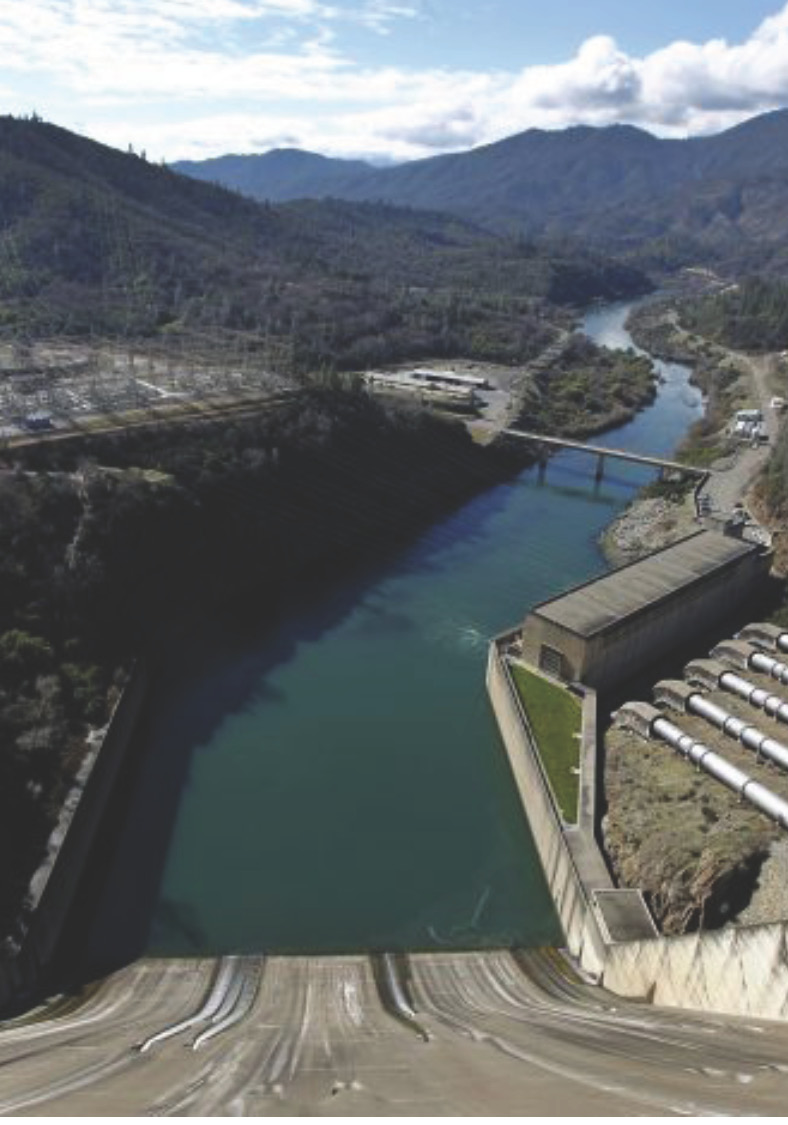
(Photo: Paul Chinn, The Chronicle)


by Peter Fimrite, SF Chronicle


There was a time not long ago when much of civilized society considered each drop of river water that reached the ocean a wasted resource.

That was before environmentalists pointed out the benefits of the outflow to fish, wildlife and the ocean ecosystem, setting off an ongoing tug-of-war between fishermen and farmers in California that has reached a critical stage this year as the state struggles through a drought.

One thing that’s become clear amid the fallow cropland and rationing is that there is not enough water storage in California to sustain all the competing interests. The dilemma has again put a spotlight on the precious water that gets away.

In an average year, rain and snowmelt in California generate about 71 million acre-feet of water, some of which is captured in reservoirs or groundwater basins. An acre-foot is the amount needed to cover an acre with a foot of water, enough to supply an average household for a year.

About 32 percent of the 71 million acre-feet are used for agriculture and 10 percent for urban areas, according to the state Department of Water Resources’ chief hydrologist, Maury Roos.

About 35 percent of the total is reserved by law to help river ecosystems, wetlands and fisheries, and to maintain a healthy flow of water in the Sacramento-San Joaquin River Delta.

That leaves about 21 percent of the total to flow out into the ocean without being used for anything, according to Roos’ calculations.California drought puzzle- store or conserve more water

“That is the segment we can capture more of,” Roos said. “If we could store more of that, we would have a larger water supply.”

Trouble is, nobody in California can agree on how, or even whether, to capture it.

Storage, conservation

Everybody agrees that something must be done to quench California’s ever-increasing thirst. The question is whether the state should spend billions of dollars capturing the water behind dams and distributing it through new pipelines or spend a little less money by maximizing usage through conservation.

A laundry list of proposals, including water recycling, groundwater storage and even cloud seeding, are listed in a working draft of the California Water Plan, a comprehensive blueprint for future management of the resource.

It is nevertheless Gov. Jerry Brown‘s proposal to build twin water tunnels to bypass the delta and take water south that is getting all the attention. The project, which is part of the Delta Conservation Plan, would include restoration of marsh habitat in the delta.

Jason Peltier, the deputy general manager for the Westlands Water District, said farmers generally support the tunnels because the project would free up more water for agriculture.

“Most years there is plenty of water in the system that we can’t get to because of operating restrictions,” Peltier said. “We’ve seen over the last 20 years layer upon layer of regulatory restrictions that have taken away water for humans and allocated it for the environment.”

Problem is, the tunnels could cost anywhere from $25 billion to $67 billion, according to recent estimates.

California’s reservoirs

In a typical wet year, California captures about 10 million acre-feet of water in its reservoirs, about 80 percent of which is held in the state water department’s two biggest reservoirs behind Shasta and Oroville dams.

That’s well below the 43 million acre-feet capacity of the 1,200 reservoirs under the jurisdiction of the state water department. The reason, said Roos, is that the department is required to release water for fish and wetlands management and must also leave space during winters to avoid flood-causing overflows.

More unallocated water would be captured from waterways like the American River in one proposal in a draft water plan. Photo: Michael Short, The Chronicle

Yet, agricultural interests support expanding California’s reservoir capacity by adding 18.5 feet to Shasta Dam and building Sites Dam, near the town of Maxwell (Colusa County), and Temperance Flat Dam, near Millerton (Madera County) on the San Joaquin River.

These proposals, like the tunnels plan, are expensive. The Shasta dam and Sites proposals together would cost about $3.5 billion and add about 2.6 million acre-feet of water to the system, just enough to “take you through one dry year,” Roos said.

Meanwhile, environmental groups mostly oppose the tunnels and water storage projects. The existing dams and conveyance system, they say, cut off the historic salmon and steelhead trout runs and have imperiled other fish populations, like the delta smelt. Instead, they are pushing for water conservation, treatment and recycling plants.

Jon Rosenfield, a conservation biologist for the Bay Institute, said water bond money would be better spent replacing thousands of old leaking water mains around the state, implementing tiered water rates and building storm-water capture and water recycling systems.

“It simply doesn’t make sense for us to be flushing toilets with pristine water transported miles from the Sierra Nevada,” Rosenfield said. “The notion that it just gets used once and then it is gone is crazy.”

Recycling success

Conservationists point to the Metropolitan Water District of Southern California as the model for a successful recycling program. The district has built over the past two decades a wastewater treatment and reclamation system that cleans dirty household water and then filters it into the groundwater for reuse later on.

Tom Stokely, the water policy analyst for the California Water Impact Network, said Los Angeles County now uses less water than it did 30 years ago despite having at least a million more residents.

“It’s really up to the Legislature and the individual water districts to take this up, but if they use up all their borrowing on the twin tunnels there won’t be money left over for these things,” said Stokely, adding that statewide recycling and conservation programs could save 2 million acre-feet of water a year. “We see it as an either-or scenario. Do we have a sustainable water future or do we spend all our resources on costly tunnels and water storage projects?”

None of the various ideas would solve California’s water shortage problems, which are more severe than most people realize, according to regulators.

Capturing more water

California would need six times more water storage than it now has to make it through a worst-case-scenario drought, Roos said. That amounts to an additional 18 million acre-feet of storage. Water analysts at UC Davis estimate that all of the dam proposals together would only add 4 million or 5 million acre-feet, at a cost of $6 billion to $8 billion.

Meanwhile, demand just keeps growing as more people move into the state. It is a situation that can only get more dire as the world warms up, snow in the mountains decreases and droughts become more common.

Ultimately, Californians will have to come to grips with the fact that, no matter what gets done, the state will never be drought proof, said Jay Lund, the director of the Center for Watershed Sciences at UC Davis.

“I think there will be some ability to improve, mostly in terms of giving incentives to store groundwater in wet years and to move water from north to south – efficiencies like that – but you can’t make it rain,” Lund said. “In the end, we will still be living in a semi-arid climate, and we will still have droughts. Most of what we can do is make it easier to prepare for the next drought.”

California’s drought

Find additional coverage at www.sfgate.com/drought.

Peter Fimrite is a San Francisco Chronicle staff writer. E-mail: pfimrite@sfchronicle.com Twitter: @pfimrite

2016-05-31T19:38:04-07:00April 8th, 2014|

Farm Bureau Scholarship 
Deadline – April 11

Farm Bureau Foundation of Sonoma County will award $66,500 in scholarships this year to deserving students studying agriculture or an agricultural-related field at a four year college, junior college or vocational school. The Farm Bureau Foundation’s mission is to encourage – and financially assist – young people for rewarding careers in agriculture or a closely related agricultural field including the farm-to-table culinary arts.

The scholarships are listed below.

Scholarships were awarded last year to 27 students chosen among more than 40 applications received from Sonoma and Marin Counties. All of the scholarship winners were top students, excelling in academic, leadership and community service achievements.

A minimum cumulative GPA of 2.75 is required for all scholarship applicants. Farm Bureau Foundation Scholarships are only available to undergraduate students.

Scholarship applications are available online or by contacting Sonoma County Farm Bureau at (707) 544-5575 or visiting the office at 970 Piner Road, Santa Rosa.

Applications must be typed, printed, signed and delivered or postmarked with other required documents by the deadline of 5 p.m. April 11, 2014.

Download: 2014 Scholarship Application.pdf

Donate a Scholarship

Your tax deductible donation provides for local agricultural education activities including such programs as Ag Days, scholarships, 4-H & FFA programs, Agriculture Ambassadors, Farm Bureau Awards Program, Agriculture in the Classroom activities, local youth awards and much more.

If you would like to start a named scholarship, by donating $1,000 or more, please note the name of your scholarship at the bottom of the form. Download: Farm Bureau Foundation Donation Form.pdf

List of 2014 Scholarships

  • Bob & Leslie Kunde Memorial Scholarship $10,000
  • Jess Stonestreet Jackson Memorial Scholarship $ 10,000
  • Saralee McClelland Kunde Farm-to-Table Culinary Scholarship $ 5,000
  • John Jordan Foundation Scholarship – $ 2,500
  • Sonoma-Cutrer Vineyards Scholarship $ 2,500
  • Tamara Lewis Benson Memorial Scholarship $ 2,500
  • American AgCredit Scholarship $ 3,000
  • End-of-the-Road Gang $ 2,000
  • Charles Bacigalupi – Russian River Valley Winegrowers Scholarship $ 1,000
  • Mark Furusho Memorial Scholarship $ 1,000
  • Royal Petroleum “Flying A” Scholarship $ 2,000
  • Sonoma County Vineyard Technical Group $2,000
  • Sonoma County Vineyard Technical Group $1,000
  • Al Nissen Sunrise Farm Scholarship $ 1,000 x3
  • Roy King Dairymens Feed Scholarship $ 1,000 x3
  • Art Weyers Memorial Scholarship $ 1,000
  • Chris Maloney Crop Insurance Scholarship $ 1,000
  • Clover – Stornetta Farms Scholarship $ 1,000
  • Dick Weber Sunrise Farms Scholarships $ 1,000 x3
  • Friedman’s Home Improvement Scholarship $1,000
  • Herbert Burbank Jr. Memorial Scholarship $ 1,000
  • Holtz Family Scholarship $ 1,000
  • Isolena Maestretti and Bernice Beretta Memorial Scholarship $ 1,000
  • Jerry and Don’s Yaeger Pump & Well Scholarship $ 1,000
  • Keith Michael Phillips Memorial Scholarship $ 1,000
  • Lee Dolcini Dairymens Feed Scholarship $1,000
  • Art Lafranchi Memorial Scholarship $1,000
  • North Bay Petroleum Scholarship $1,000
  • Pete and Judy Barbieri Scholarship in memory of Italo Barbieri $1,000
  • Sonoma Marin Cattlewomen & Cattlemen Mona Chisholm Memorial Scholarship $ 1,000
  • Supervisor Efren Carrillo Scholarship $ 1,000
  • Marin County Farm Bureau Scholarship $ 500
  • North Coast/California Association of Pest Control Advisors $ 500
2021-05-12T11:06:01-07:00April 7th, 2014|

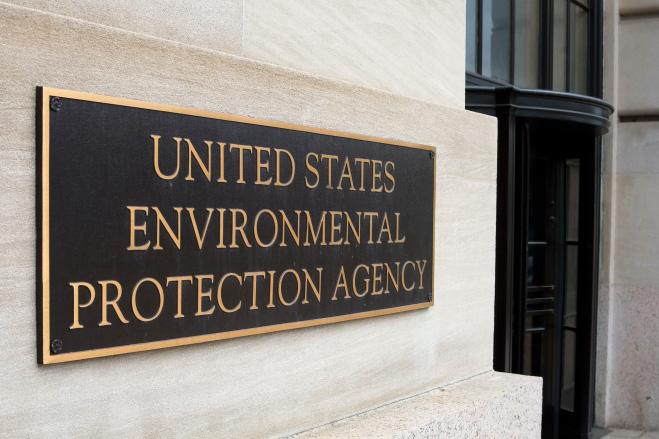
EPA Announces Voluntary Process to Provide Applicators with Online Access to Pesticide Labeling

Today, EPA is launching a new voluntary process by which registrants can opt to make legally valid pesticide labeling accessible online. Until now, no version of online labeling has been legally valid for the purpose of making a pesticide application.

This Web-distributed labeling system will initially focus on agricultural and industrial pesticides and professional applicators.

Electronic or online labeling – called Web-distributed labeling – will allow pesticide applicators to download streamlined labeling, including instructions specific to the state and the use site where an application will be made.

Labels accompanying pesticide products in stores can include more than 30 pages of instruction. This new process will allow for online access to portions of the label such as directions for use, first aid and environmental statements for certain use sites.

Web-distributed labeling should provide:

• Improved compliance with the instructions on pesticide labels by making labels easier to access, read and comprehend

• Quicker implementation of measures to protect public health and the environment

• Faster access to new pesticide uses

• Lower costs for Industry and the EPA

The actual labeling on the container will not be shortened in any way with the addition of Web-distributed labeling. The Pesticide Registration Notice (PR Notice 2014-1) is effective immediately.

For more information, please see the announcement in the Federal Register  or http://www.epa.gov/pesticides/regulating/labels/distribution/.

2016-05-31T19:38:04-07:00April 5th, 2014|
Go to Top